
海尔家电

Search documents
信达国际控股港股晨报-20260327
Xin Da Guo Ji Kong Gu· 2026-03-27 02:47
Market Overview - The Hang Seng Index is expected to rise towards 25,700 points due to easing geopolitical tensions and a decline in oil prices, which alleviates inflation concerns [2] - The market is also reacting positively to the resumption of shipping by certain Chinese companies in the Middle East, which stabilizes investor sentiment [2] - However, geopolitical uncertainties may persist, and corporate earnings are likely to face challenges from rising commodity prices and shipping costs [2] Sector Focus - The AI sector is anticipated to perform well as AI models undergo intensive upgrades, driving rapid growth in the semiconductor industry [3] Economic Indicators - China's industrial profits for February and the US Michigan Consumer Sentiment Index for March are key market focuses [4] Macro Developments - China is reportedly considering relaxing restrictions on bank ownership ratios to widen financing channels for commercial banks affected by economic slowdown [5] - The US Federal Reserve maintained interest rates, reflecting a cautious stance amid strong economic data and geopolitical tensions [6] Corporate News - China Ping An reported a 6.5% increase in profits last year, meeting expectations [6] - Meituan reported an adjusted loss of 18.6 billion yuan, which was below expectations, while revenue increased by 8.08% to 364.85 billion yuan [11] - Semiconductor company SMIC reported a 39% increase in profits, with revenue rising by 16.15% [11] - Huahong Semiconductor's revenue increased by 19.9%, but net profit fell by 5.6% [11]
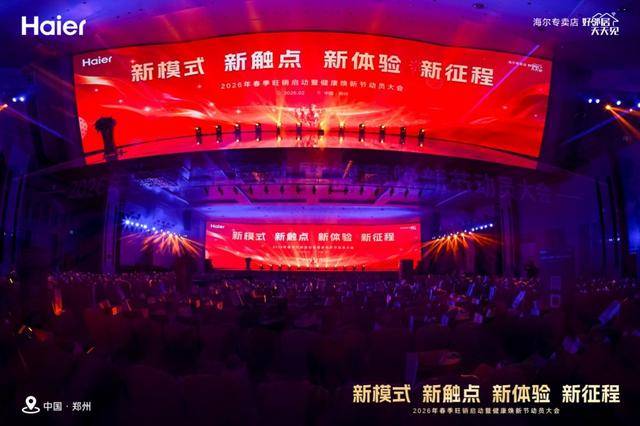
“五好政策”赋能终端,海尔健康焕新节正式启动
Sou Hu Cai Jing· 2026-02-27 05:46
Core Viewpoint - The conference held by Haier Smart Home in Zhengzhou focused on the launch of the "Five Good Policies" aimed at enhancing the operational efficiency and competitiveness of its retail stores, thereby driving high-quality growth for 2026 [2][3][4]. Group 1: Five Good Policies - The "Five Good Policies" are designed to address the operational challenges faced by retail stores, focusing on good products, good policies, good experiences, good models, and good activities [3][4]. - The policies aim to enhance store competitiveness and operational efficiency in a highly competitive home appliance market, where consumer demands are increasingly diverse and intelligent [4]. Group 2: Customer Feedback - Retail store owners expressed optimism about the "Five Good Policies," particularly highlighting the importance of "good experiences" and "good models" in guiding their business strategies for the year [7]. - The practical strategies under "good activities," such as regular promotions and support from headquarters, have boosted the confidence of store owners in executing their sales plans [10]. Group 3: Strategic Focus for 2026 - In 2026, Haier Smart Home's Henan branch will deepen its smart home strategy, leveraging the "Five Good Policies" as a strategic tool to focus on the Central Plains market [12]. - The company aims to create a smarter and healthier lifestyle for families by providing better products, more attentive services, and innovative models in collaboration with partners [12].


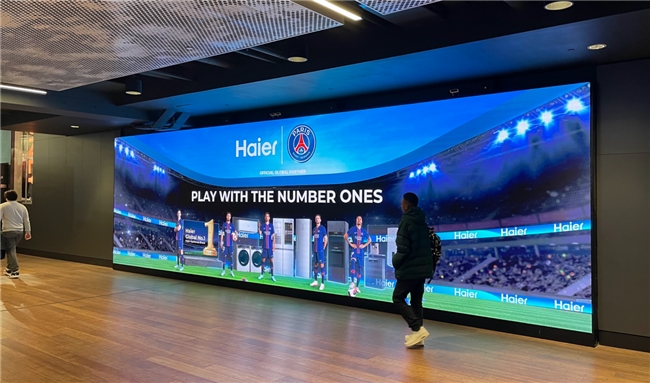
海尔携手巴黎圣日耳曼发布新年TVC在13国上线
Jin Tou Wang· 2026-01-04 03:25
Core Viewpoint - Haier's collaboration with Paris Saint-Germain (PSG) exemplifies the company's effective use of sports marketing to enhance its global brand presence and drive its globalization strategy [1][3][7]. Group 1: Partnership and Brand Alignment - The partnership between Haier and PSG began in September 2025, marking Haier as PSG's global official partner, which garnered significant industry attention [3]. - 2025 was a landmark year for PSG, as the team won its first UEFA Champions League title and achieved a "five crowns" honor, showcasing its dominance in football [3]. - The New Year TVC reflects the synergy between the two brands, illustrating Haier's brand philosophy of "walking with champions" through the connection of PSG players' on-field efforts and Haier's home appliance lifestyle [3]. Group 2: Sports Marketing Strategy - Haier's commitment to sports marketing dates back to 2003, starting with a partnership with the UK’s Shark Rugby Team, and has since expanded to various sports including tennis, football, volleyball, and more [5]. - The company has developed a comprehensive sports interaction system that utilizes events, brand displays, and community engagement to break cultural barriers and effectively communicate its brand values [5]. - This long-term dedication to sports marketing has significantly enhanced Haier's global brand recognition and competitive position, leading to substantial market share in regions such as Southeast Asia, Europe, Australia, Pakistan, and the Middle East [5]. Group 3: Future Globalization Strategy - The New Year TVC marks the culmination of Haier's 2025 sports marketing efforts and signals the beginning of a new phase in its globalization strategy for 2026 [7]. - Haier's deep collaboration with PSG serves as a model for Chinese brands aiming for global expansion, emphasizing the importance of quality and cultural connection [7]. - The company plans to continue advancing its globalization strategy, aiming to showcase the strength of Chinese brands on the world stage [7].
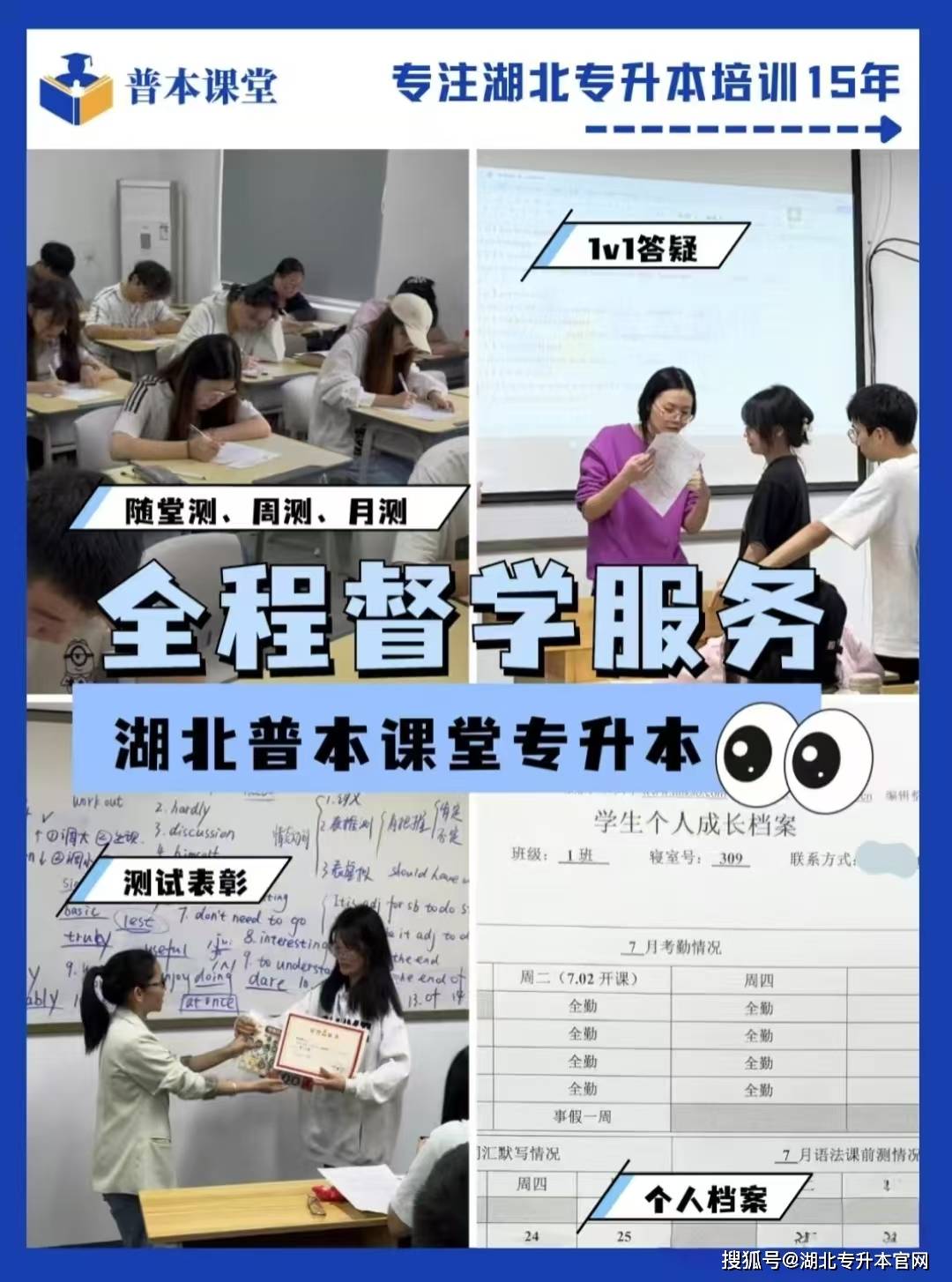
26届湖北专升本市场营销经典案例分析
Sou Hu Cai Jing· 2025-12-21 09:02
Group 1 - The marketing profession in Hubei's higher education emphasizes the need for students to possess strong marketing thinking and a background in cutting-edge marketing knowledge, focusing on consumer demand-centered marketing activities [1] Group 2 - In modern market economies, there is intense competition between producer brands and intermediary brands, referred to as the brand war, highlighting the advantages and disadvantages of intermediary brands [3][11] - Advantages of intermediary brands include limited retail space making it difficult for new and small enterprises to enter the market, a strong focus on maintaining the quality of private labels to gain consumer trust, typically lower prices compared to producer brands, and strategic product placement in stores [4][12][13][14] - Disadvantages include the necessity for significant advertising expenditures to promote their brands and the requirement for large bulk orders, which ties up substantial capital and carries inherent risks [5][15] Group 3 - The aging population issue in major cities presents three market opportunities: the development of the elderly cultural and entertainment market, the formation of the elderly healthcare market, and the establishment of elderly care facilities [7][8] Group 4 - The case study of two marketing personnel on an island illustrates different marketing philosophies, where one identified a lack of market potential while the other recognized an opportunity to develop a new product tailored to the local needs, emphasizing the importance of understanding consumer demand [10] Group 5 - Factors to consider in channel design for Haier Group in the Chinese home appliance market include the company's financial strength, product mix, past channel experiences, and current marketing policies, suggesting a preference for a "short and wide" distribution channel strategy [16][18] Group 6 - The micro marketing environment consists of the company itself, marketing channel firms, customers, competitors, and the public, emphasizing the need for companies to outperform competitors in meeting consumer needs and desires [19] Group 7 - The essence of market positioning is to achieve a competitive advantage in the target market through three steps: identifying potential competitive advantages, positioning the company's core competitive advantages, and formulating strategies to leverage these core advantages [20]
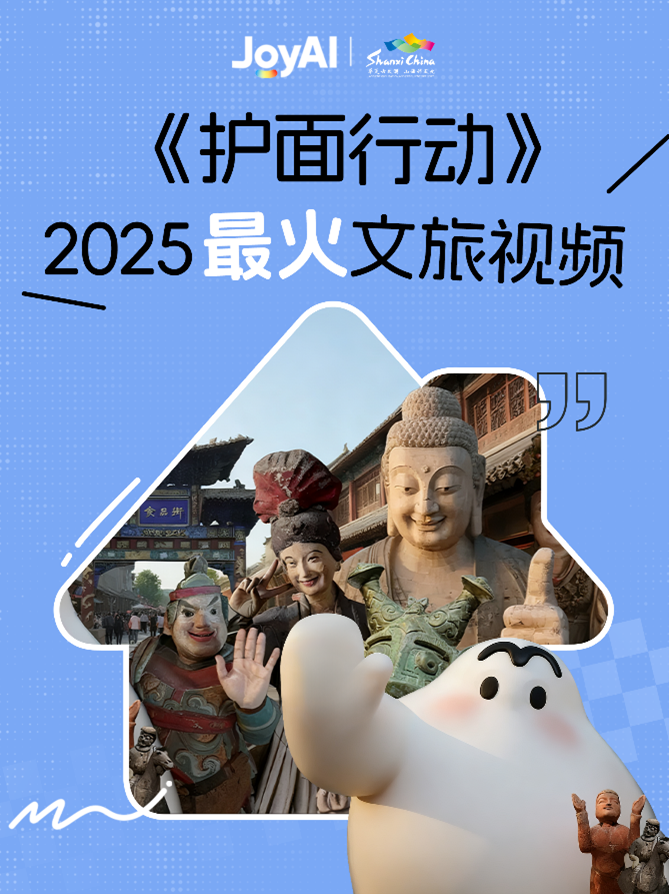
京东数字人跨界多场景,成为品牌AI营销新标配
Zhong Jin Zai Xian· 2025-12-17 10:48
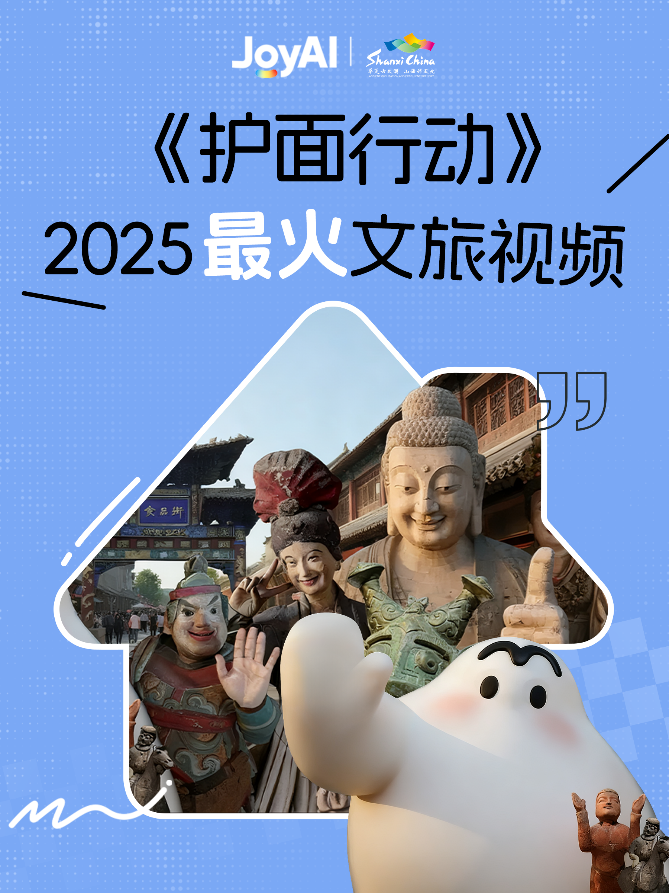
Core Insights - The article highlights the success of Shanxi Cultural Tourism's AIGC video "Face Guard Action," which has become a viral hit, showcasing the innovative integration of digital humans and cultural tourism in AI marketing [1] - The collaboration between JD's digital human technology and Shanxi Cultural Tourism signifies a shift from mere technical support to a deeper involvement in creative planning, enhancing brand value [1] Group 1: Digital Human Technology - JD's digital human technology not only provides technical support but also engages in creative planning, merging local cultural elements with social sentiments to create content with viral potential [1] - The virtual idol Ava and boy band E'Core demonstrate the brand empowerment capabilities of digital humans through collaborations that seamlessly integrate product features into engaging narratives [3] - The partnership between E'Core and Honor showcases how virtual IPs can resonate deeply with physical brands, enhancing product storytelling [5] Group 2: Cost Efficiency and Creative Innovation - The ability to create a strong "human-like" presence in digital humans allows brands to elevate their marketing strategies, transforming digital humans from mere sales tools to brand IPs [7] - Digital technology has broken the boundaries of creativity and cost, as seen in MCM's AIGC video, which features imaginative concepts that traditional filming could not achieve, significantly reducing production costs and time [9] - The collaboration between Haier and JoyAI exemplifies how digital humans can revitalize existing IPs, achieving substantial savings in production costs and time compared to traditional methods [9] Group 3: AI-Driven Brand Engagement - JD's digital humans have proven to be commercially valuable, with free digital human live streaming achieving over 80% effectiveness compared to real people, serving over 50,000 brands [11] - The introduction of foundational models and low-threshold generation tools has lowered the barriers for content creation, allowing digital humans to evolve from "sales assistants" to "brand partners" [11] - Digital humans are now integral in connecting with users throughout their entire lifecycle, creating a closed loop from awareness to purchase [11] Group 4: Future of Brand Innovation - In the current landscape of accelerated AI penetration, digital humans are positioned as core engines of brand innovation rather than mere marketing gimmicks [13] - Embracing digital human representation and leveraging AI to create exclusive brand IPs is becoming a crucial strategy for companies to stand out in competitive markets [13] - The successful integration of technology and creativity by JD's digital humans demonstrates the potential for brands to rejuvenate in the digital age [13]


京东数字人成AI营销新标配!跨界多场景,技术+创意赋能品牌破圈
Jin Rong Jie· 2025-12-17 10:11
Core Insights - The article highlights the successful integration of digital humans in marketing, particularly through the collaboration between JD.com and Shanxi Cultural Tourism, showcasing a new model of AI marketing that combines technology and creativity [1][2][15] Group 1: Digital Human Technology - JD.com's digital human technology, powered by the JoyAI model, has enabled innovative marketing strategies, such as the viral video "Protecting Face Action," which promotes Shanxi's local cuisine [1] - The digital human has evolved from a mere technical tool to a key brand asset, enhancing brand storytelling and emotional connection with consumers [2][12] Group 2: Brand Collaborations - JD.com's virtual singer Ava and the boy band E'Core demonstrate the brand empowerment capabilities of digital humans through collaborations that seamlessly integrate product features into engaging narratives [4][6] - The partnership between E'Core and Honor showcases how digital personas can enhance product marketing by creating relatable stories around the products [6] Group 3: Cost Efficiency and Creative Potential - The use of digital humans has significantly reduced production costs and time, with examples like the collaboration between Haier and JoyAI, which saved at least two-thirds of traditional production costs [10] - Creative concepts that were previously difficult to achieve through traditional filming methods are now possible with digital human technology, expanding the creative boundaries for brands [10] Group 4: Marketing Effectiveness - JD.com's digital humans have shown superior performance in live streaming sales, surpassing 80% effectiveness compared to human hosts, and have served over 50,000 brands [12] - The digital human's role has shifted from a sales assistant to a brand partner, capable of creating a complete marketing loop from awareness to purchase [13] Group 5: Future of Brand Innovation - The integration of digital humans is positioned as a core engine for brand innovation in the digital age, emphasizing the importance of combining technology with creativity for competitive advantage [15]
中国商人抢滩中亚新蓝海,“俄版谷歌”搭桥
Di Yi Cai Jing· 2025-12-15 10:53
Core Insights - The rise of trade between China and Central Asian countries has created opportunities for Russian companies, particularly Yandex, to assist Chinese firms in penetrating these markets [1][9] - Central Asia, especially Kazakhstan, is becoming a strategic hub for Chinese companies under the Belt and Road Initiative, with increasing visibility of Chinese brands in cities like Almaty [3][12] Group 1: Market Opportunities - Yandex, known as the "Russian Google," is leveraging its dominant position in the Central Asian market to attract Chinese clients seeking to enter these previously overlooked regions [1][8] - The demand for financial services from Chinese enterprises in Central Asia is growing, indicating a significant market opportunity for companies in this sector [5][6] - The retail e-commerce market in Kazakhstan is projected to reach 1.45 trillion tenge in the first half of 2024, reflecting a 61% year-on-year growth, with e-commerce accounting for 16.6% of retail trade [10] Group 2: Advertising and Digital Services - Yandex Ads is actively expanding its services to Chinese advertisers, with a reported 76% increase in the number of ads placed by Chinese advertisers in Kazakhstan in 2025 [10][11] - The advertising expenditure by Chinese companies in Kazakhstan is expected to grow by 192% in 2025, compared to a 45% increase in Russia [10] Group 3: Automotive Sector - Chinese automotive brands are increasingly visible in Russia and Central Asia, with a notable rise in interest from local consumers, as 47% of Russian car buyers are considering Chinese vehicles for their next purchase [12][14] - The sales of Chinese passenger cars in Russia are projected to grow by 48% in 2024, reaching 1.57 million units, driven by the popularity of plug-in hybrid vehicles [14][15] - Yandex is collaborating with Chinese automotive manufacturers to integrate its software into vehicles, enhancing their appeal in the Russian and Central Asian markets [15]


2025十大标杆营销案例!
Xin Lang Cai Jing· 2025-12-04 19:16
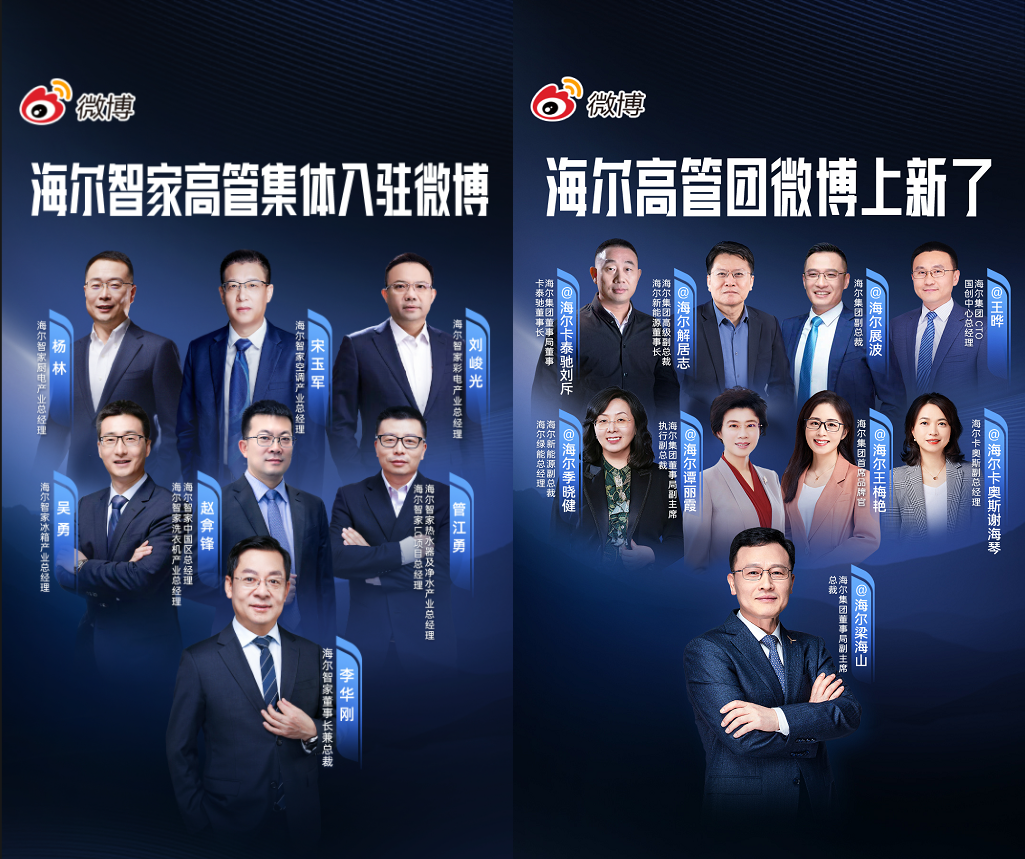
Core Insights - In 2025, brands are shifting from traditional marketing strategies to more innovative and engaging approaches that resonate with consumers' emotions and preferences [1][2] - Successful marketing now involves creating participatory events and leveraging user-generated content to enhance brand visibility and connection [1] Group 1: Case Studies of Innovative Marketing - **Mixue Ice City**: The brand's IPO was marked by a lively event featuring various IPs, breaking the traditional solemnity of such occasions and enhancing brand relatability among younger consumers [1][2] - **Haier**: The brand effectively utilized the "listening to advice" strategy by having its CEO return to social media, which resonated with users and boosted product sales [3][5] - **Yike Spring**: The brand creatively linked its marketing to a popular drama, using a pun on its spokesperson's name to enhance product appeal and engagement [4][7] Group 2: Sports and Event Marketing - **Yili**: The brand transformed traditional sports marketing by integrating long-term engagement strategies with current events, creating a relatable brand image [10][11] - **Sanjiao Weitai**: The brand capitalized on a trending drama to create a humorous and engaging marketing campaign that resonated with viewers, enhancing brand affinity [11][13] - **Gaotu Education**: The collaboration with a celebrity for an English course showcased a new model of education marketing that combines entertainment with learning [16][15] Group 3: User-Centric Marketing - **Xiangpiaopiao**: The brand's partnership with a popular figure demonstrated the effectiveness of user-driven marketing, enhancing consumer connection and brand perception [16][18] - **Zhuanzhuan**: The brand's strategic business shift was cleverly marketed, turning a potential negative into a viral advertising opportunity [18][20] - **Luckin Coffee**: The brand's dramatic marketing campaign involving a partnership and subsequent "divorce" with another brand created significant buzz and consumer engagement [22][23] Group 4: Competitive Landscape in Delivery Services - **JD.com, Meituan, Ele.me**: The competition in the food delivery market intensified with aggressive pricing strategies and targeted marketing campaigns, each brand leveraging unique selling propositions to attract consumers [25][23] - **Market Dynamics**: The shift towards local and immediate retail services reflects changing consumer behaviors, with brands adapting to meet the demand for convenience [25]




双11面临理性局!看超六成中国家庭的共同智慧
Quan Jing Wang· 2025-11-11 09:08
Core Insights - Over 60% of Chinese households have chosen Haier appliances, indicating a significant level of trust among consumers [2][4][7] - The data reflects a shift towards rational consumer behavior, moving from impulsive buying to informed decision-making during shopping events like Double 11 [2][3] Market Position - Haier ranks first in various categories such as refrigerators, washing machines, and water heaters, dominating the market with over 300 million households using its products [3][4] - The company has maintained the top position in global retail volume for large home appliances for 16 consecutive years, with over 1 billion global users [4][5] Consumer Engagement - Haier's success is attributed to its ability to resonate with user needs, addressing pain points through technological innovations, with over 116,000 patent applications [5][6] - The brand has effectively engaged younger families, who are becoming the primary consumers, by offering tailored solutions that meet their lifestyle preferences [6][7] Brand Loyalty and Reputation - The extensive user base creates a strong word-of-mouth barrier, reinforcing Haier's market position and consumer trust [7][8] - Haier emphasizes experiential marketing, allowing consumers to engage with products in real-life scenarios, enhancing brand credibility and consumer confidence [8]

山东标准,何以成为国际通用语言
Da Zhong Ri Bao· 2025-10-21 01:01
Core Points - Shandong has successfully completed its three-year pilot program for national standardization innovation, achieving the set targets including the establishment of 85 international standards and 3209 national standards [2][3] Group 1: Standardization Achievements - A total of 85 international standards, 3209 national standards, and 1589 industry standards have been newly established or revised during the pilot period [2] - Shandong has built 125 national-level standardization pilot projects and nurtured 105 standard innovation enterprises [2] - The province has seen a 25.3% increase in the number of institutions participating in national standard formulation, reaching over 8500 [7] Group 2: Industry Upgrades through Standards - The integration of patents and standards is driving industrial upgrades, with companies like Shandong Beitelite using patented technologies to create group standards that enhance industry efficiency [3] - Weichai Power has led the development of national standards in the high-end equipment sector, significantly boosting local supply chain capabilities and achieving over 300 billion yuan in industry scale [4] - Zaozhuang has established a comprehensive standard system for its pomegranate industry, achieving over 60% market share in domestic pomegranate beverages [4] Group 3: Standardization and Innovation - Companies are increasingly leading the standard-setting process, with Shandong Tianyue Advanced Technology Co., Ltd. implementing a comprehensive standard system that enhances production efficiency and reduces energy consumption [5] - The province has initiated the "Standard Leader" program, creating a framework where national standards serve as a baseline, group standards elevate the bar, and local standards provide supplementary support [6] Group 4: International Standardization Efforts - Shandong is actively promoting its standards internationally, with initiatives like the Qingdao International Standardization Conference and training platforms to enhance global standardization capabilities [8] - Haier has established over 120 international standards and more than 800 national and industry standards, positioning itself as a leader in the global market for home appliances [9] - The province has organized activities to assist local enterprises in overcoming standardization challenges, resulting in the formulation of over 30 new national and international standards [9]