澳大利亚牛肉

Search documents
全球新春走笔丨一座博物馆里的华人史与中澳合作新篇章
Xin Hua Wang· 2026-02-16 13:36
Core Viewpoint - The article highlights the historical significance of the Australian Chinese community and its contributions to the multicultural fabric of Australia, as well as the evolving relationship between China and Australia, emphasizing the importance of cultural understanding and cooperation for future development [1][5]. Group 1: Historical Context - The Australian Chinese History Museum showcases over 200 years of Chinese history in Australia, reflecting the diverse cultural landscape of Melbourne, where over 40% of residents are born overseas [1][2]. - The museum's exhibitions detail the three waves of Chinese immigration: during the gold rush in the 1850s, the influx from Southeast Asia in the 1970s, and recent immigrants, highlighting their shared experiences of survival and integration [2][5]. - The narrative of Chinese Australians includes both their contributions to society and the discrimination they faced, such as additional taxes during colonial times and the "White Australia Policy," which persisted until the 1970s [2][3]. Group 2: Cultural Significance - The museum features interactive exhibits that allow visitors to experience the historical journey of Chinese immigrants, emphasizing the tangible aspects of their migration and settlement [3]. - The celebration of cultural events, such as the dragon dance during the Lunar New Year, illustrates the ongoing cultural contributions of the Chinese community to Melbourne's multicultural identity [3][4]. Group 3: Current and Future Relations - The article notes that by 2025, China is expected to maintain its status as Australia's largest trading partner, with bilateral trade exceeding 300 billion AUD and significant tourism exchanges [4]. - Local trade relations are highlighted, with Chinese imports of Australian products like beef and fruit, fostering deeper economic ties and mutual understanding [4][5]. - The Chinese community in Australia, now over 1.4 million strong, plays a crucial role in enhancing bilateral relations through cultural and economic exchanges, contributing to a foundation for future cooperation [5].
(新春见闻)中外新春市集重庆开市 领事官员推介家乡风物送祝福
Xin Lang Cai Jing· 2026-02-06 15:51
Core Viewpoint - The "Leap Horse Welcoming Spring, Chongqing Meets the World" international spring market aims to enhance cultural exchange and promote international cooperation through food and local products from various countries [1][3]. Group 1: Event Overview - The event is a three-day international spring market held in Chongqing, featuring participation from multiple foreign consulates, showcasing local delicacies and products to celebrate the Chinese New Year [1][3]. - The market includes a variety of international foods such as Australian beef and wine, Uruguayan amethyst crafts, Vietnamese spring rolls and coffee, and Pakistani cuisine and handicrafts, making it accessible for local residents [1][3]. Group 2: Cultural Significance - Italian representatives highlighted pizza as a symbol of sharing and traditional desserts as carriers of good wishes, emphasizing the cultural importance of food in fostering connections [3]. - The Belarusian consul noted the market as a platform for cultural exchange, allowing people to experience different cultures through food and customs [3]. Group 3: Economic and Trade Relations - The Vietnamese consul mentioned that Vietnam is an important trade partner for Chongqing, with ongoing imports of tropical fruits, coffee, and seafood, indicating strong economic ties [3]. - There is an expectation for continued cooperation in agriculture, food, arts innovation, and sustainable development between Chongqing and participating countries [3].


在这里,购全球 第29届四川年货节1月30日启幕
Si Chuan Ri Bao· 2026-01-23 00:37
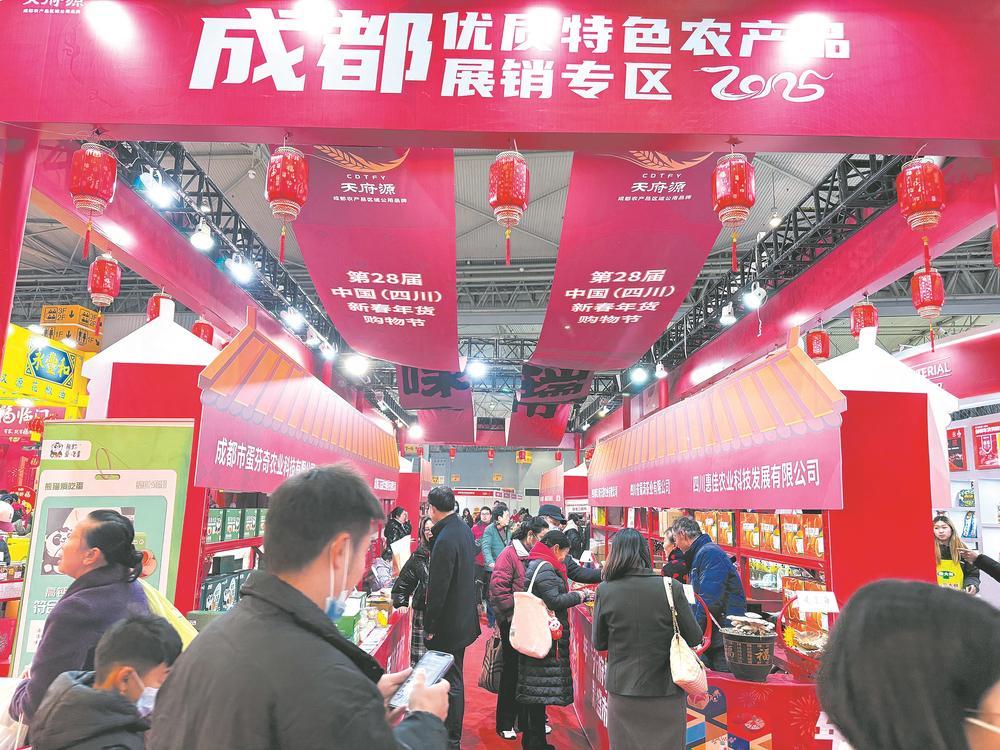
Group 1 - The 29th China (Sichuan) Spring Festival Shopping Festival will be held from January 30 to February 11 at the Chengdu Century City New International Convention and Exhibition Center, with a simultaneous venue in Chongqing [1] - The event will feature over 100,000 high-quality New Year goods from more than 1,000 domestic and foreign enterprises across 36 countries and regions, as well as nearly 30 provinces in China [1] - The main venue will cover an area of 50,000 square meters, showcasing a variety of imported products including French wine, German beer, Belgian chocolate, and Australian beef, along with kitchenware and cultural creative products [1] Group 2 - A special section for famous liquor will be established, focusing on the "Famous and Excellent Sichuan Liquor Market and 2026 Sichuan Liquor Spring Consumption Month" activities, promoting Sichuan liquor brands [2] - The opening event will feature the third Ruoergai Food Festival on January 30, where attendees can enjoy a free tasting of a whole sheep banquet prepared from 20 sheep [2]
千余家企业带来超10万种优质年货
Xin Lang Cai Jing· 2026-01-22 19:12
Core Viewpoint - The 29th China (Sichuan) Spring Festival Shopping Festival will take place from January 30 to February 11, showcasing over 100,000 high-quality New Year goods from more than 1,000 enterprises across 36 countries and regions, with a main venue in Chengdu and a sub-venue in Chongqing [2][3]. Group 1: Event Overview - The event will be held at the Chengdu Century City New International Exhibition Center, covering an area of 50,000 square meters [2]. - It will feature products from nearly 30 provinces, municipalities, and autonomous regions in China [2]. Group 2: Product Offerings - The festival will present over 1,000 imported goods, including French wine, German beer, Belgian chocolate, Australian beef, and New Zealand milk powder, as well as various lifestyle products [3]. - A special "川字号" (Chuan brand) exhibition area will showcase high-quality local products from 21 cities in Sichuan, including unique agricultural products and crafts [4]. Group 3: Special Features - A dedicated liquor pavilion will highlight Sichuan's renowned liquor brands, featuring promotional activities under the theme "Taste Sichuan Liquor, Enjoy Life, Respect the Future" [4]. - The event will also include a "New Product Launch Area" to display innovative products and packaging [4]. Group 4: Activities and Engagement - Over 60 special activities will be organized throughout the festival, focusing on consumer engagement and interactive experiences [5][7]. - Cultural performances, traditional crafts, and a food market featuring popular local snacks will enhance the festive atmosphere [7]. Group 5: Transportation and Accessibility - To facilitate access for citizens, a special shopping bus line will be established between the subway station and the exhibition center [7].
5万平方米年味会客厅邀你嗨购全球
Xin Lang Cai Jing· 2026-01-22 19:11
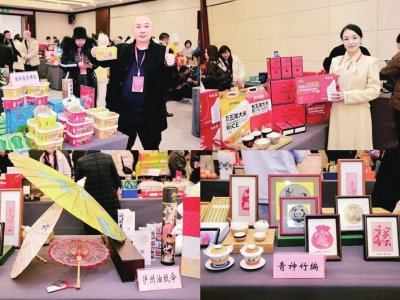
Core Viewpoint - The 29th China (Sichuan) New Year Shopping Festival will take place from January 30 to February 11, 2024, in Chengdu, featuring over 100,000 quality products from more than 1,000 domestic and international enterprises, promoting a vibrant consumer experience for the Sichuan-Chongqing region [9]. Group 1: Event Overview - The main venue in Chengdu will cover an area of 50,000 square meters, showcasing products from 36 countries and regions, as well as nearly 30 provinces in China [9]. - The theme of the festival is "Shopping Global New Year Goods, Sharing a Beautiful Life," aiming to blend international flair with local culture [9]. Group 2: International Products - The festival will feature a diverse range of imported goods, including French wines, German beers, Belgian chocolates, Australian beef, and New Zealand milk powder, among others [10]. - Notable first-time exhibitors include Peruvian alpaca wool toys and Bulgarian rose skincare products, enhancing the international appeal of the event [10]. Group 3: Local Products - A special "Chuan-Zihao" section will highlight quality products from 21 cities in Sichuan, including local specialties like rice, tea, and various traditional foods [11]. - The event will also introduce a "Xinjiang Goodies Go to Sichuan-Chongqing" area, featuring unique products from Xinjiang, fostering inter-regional commerce [11]. Group 4: Consumer Goods and Promotions - The festival will showcase a variety of household appliances and vehicles, with major brands like Midea, Haier, and NIO participating, leveraging government subsidies to enhance consumer benefits [12]. - A dedicated area for renowned Chinese liquors will be established, featuring promotional activities to attract consumers [11]. Group 5: Cultural and Entertainment Activities - Over 60 unique activities will be held throughout the festival, including traditional performances and food markets, creating an immersive cultural experience [14]. - The event aims to build a dual-circulation open platform, integrating global and local products while fostering a collaborative ecosystem among government, enterprises, and the market [14].
中美关税战打了6个月,美国牛肉在华市场份额被澳大利亚抢走
Sou Hu Cai Jing· 2025-10-05 05:08
Core Insights - The export value of U.S. beef to China plummeted from an average of $120 million per month to just $8 million in September, a decline of over 90% [1][3] - In contrast, Australian beef exports to China surged to over $220 million, effectively filling the gap left by the U.S. [1][7] Export Trends - U.S. beef exports to China began to decline in July, with figures dropping to $8.1 million, slightly recovering to $9.5 million in August, but still far below the previous average [3][4] - The significant drop in U.S. exports is attributed to the impact of the tariff war initiated by the U.S. government [4][10] Market Dynamics - Chinese consumers have shifted their preference from U.S. beef to Australian beef, with little change in pricing, indicating a lack of sensitivity to the origin of the beef [6][12] - Australia has capitalized on the situation by increasing beef export frequencies from its ports and signing multiple trade agreements with China [12][16] Policy Implications - The expiration of export registration qualifications for hundreds of U.S. beef companies in March 2025, without timely renewal notifications, has severely impacted their ability to trade [10][11] - The U.S. tariff policies have inadvertently harmed American exporters while benefiting competitors like Australia, highlighting a fundamental misalignment with market logic [11][19] Global Trade Context - The ongoing trade war has demonstrated that attempts to gain an advantage through tariffs ultimately harm the initiator, as evidenced by the shift in suppliers for Chinese imports [19][24] - The situation reflects a broader trend of supply chain restructuring in the context of globalization, diminishing the U.S.'s dominant position in global trade [26][28]

中美关税战,最大赢家已出现?特朗普没想到,订单全被盟友抢走了
Sou Hu Cai Jing· 2025-08-29 07:29
Core Insights - The ongoing US-China trade war has unexpectedly benefited Australia, positioning it as a "hidden champion" in agricultural exports, particularly to China [1][3]. Group 1: Agricultural Export Growth - In the first half of 2025, Australia's agricultural exports to China exceeded $20.36 billion, marking a 10.3% year-on-year increase, with record orders for beef, wine, and apples [5]. - Australia's beef exports reached 134,593 tons in June 2025, with 27,036 tons going to China, a 105% increase compared to the previous year [6]. - The volume of Australian wine exports to China surged from 8.46 million liters in 2024 to 8.93 million liters in June 2025, representing a 123% increase [8]. Group 2: Market Dynamics and Strategies - The Australian government has prioritized repairing relations with China, leading to the gradual lifting of import restrictions on various products, which has allowed Australia to fill the market gap left by the US [10]. - Australian beef is priced 20% lower than US beef while scoring 30% higher in quality ratings, making it more appealing to Chinese consumers [15]. - Australian apple exporters have partnered with Chinese e-commerce platforms to enhance transparency and traceability, winning consumer trust [17]. Group 3: Competitive Landscape - The demand for high-quality agricultural products in China is rising, with Australian beef accounting for 30% of China's total demand, while US beef's share has dropped below 5% [13]. - Other countries like Canada and Brazil are attempting to enter the Chinese market, which may dilute Australia's competitive advantage [19]. - Australia's agricultural department plans to invest $500 million in upgrading cold chain logistics to maintain its competitive edge [19]. Group 4: Trade War Implications - The US's high tariffs have led to an 85% year-on-year decline in US beef exports to China in the first half of 2025, while Australia has capitalized on this opportunity [21]. - The trade dynamics reveal that countries that can quickly adapt their strategies in response to market demands can thrive amidst trade conflicts [25]. - Australia's experience serves as a model for other nations, demonstrating the importance of flexibility and responsiveness in international trade [27].