
赤泥

Search documents
两部门协力推进固废综合治理
Zhong Guo Hua Gong Bao· 2026-01-16 02:16
Group 1 - The first comprehensive action plan for solid waste management in China has been released, aiming to establish a systematic approach to address solid waste issues [1] - The Ministry of Ecology and Environment (MEE) plans to reduce both the generation and accumulation of industrial solid waste, targeting a "double reduction" goal [1] - In 2022, large-scale utilization projects for coal gangue and fly ash in nine provinces of the Yellow River basin reached 128, with over 100 million tons utilized [1] - In the Yangtze River basin, 24 large-scale projects for phosphogypsum utilization were conducted, with over 2.9 million tons utilized [1] Group 2 - The MEE will promote the closure and ecological restoration of tailings and slag sites that meet environmental standards, aiming to remediate over 60% of historical solid waste storage sites by 2030 [2] - The Ministry of Industry and Information Technology (MIIT) reported that the comprehensive utilization rate of major industrial solid waste in China has reached 57% [2] Group 3 - The MIIT emphasizes reducing the intensity of industrial solid waste generation through green design and manufacturing practices, particularly in key industries such as steel and petrochemicals [3] - The MIIT aims to enhance the comprehensive utilization of industrial solid waste and recycled resources, focusing on typical categories like smelting slag and phosphogypsum [3] - The MIIT will continue to implement industry standards and encourage technological innovation and quality control in sectors like scrap steel, copper, aluminum, paper, plastic, and used tires [3]
锐财经|固废综合治理能力再提升
Ren Min Ri Bao Hai Wai Ban· 2026-01-14 06:06
Core Viewpoint - The article discusses the release of the "Solid Waste Comprehensive Management Action Plan" by the State Council, which aims to strengthen solid waste management in China as part of the country's green transformation efforts. The plan emphasizes a comprehensive management system based on reduction, resource utilization, and harmless disposal of solid waste [1][2]. Group 1: Overall Strategy and Goals - The "Action Plan" outlines the overall strategy, work objectives, key tasks, and supporting measures for solid waste management in the coming years, addressing prominent issues in solid waste governance with systematic and integrated policy measures [2]. - By 2030, the plan aims for significant improvements in solid waste management, including controlling historical stockpiles, curbing illegal dumping, achieving a comprehensive utilization of 4.5 billion tons of major solid waste, and recycling 510 million tons of main renewable resources annually [2]. Group 2: Sector-Specific Management - In agriculture, the plan highlights the challenges of managing solid waste, with current utilization rates for livestock waste at 80.1%, straw at over 88%, and agricultural film disposal at over 85%. The Ministry of Agriculture will enhance guidance on the scientific use of agricultural film and promote resource utilization of livestock waste [4]. - In urban areas, the plan addresses the large amounts of construction waste generated by urbanization, with the Ministry of Housing and Urban-Rural Development focusing on promoting green construction and improving waste management practices [4]. - For industrial waste, the plan emphasizes controlling the generation and historical stockpiles of industrial solid waste, with the Ministry of Ecology and Environment aiming to explore new channels for large-scale utilization and gradually reduce both new and accumulated waste [5]. Group 3: Promoting Circular Economy - The "Action Plan" aims to enhance resource utilization levels and leverage market forces to promote the development of a circular economy, emphasizing the principles of reduction and resource utilization [6]. - Specific requirements are set for the source reduction, process control, and resource utilization of solid waste, encouraging sustainable business models [6]. - The plan also focuses on the extraction and utilization of valuable components from industrial and agricultural solid waste, promoting the recycling of various materials and the development of remanufacturing industries [6]. Group 4: Future Planning - The National Development and Reform Commission will lead the formulation of the "14th Five-Year Plan" for circular economy development, setting clear goals and tasks for key areas of recycling and utilization of solid waste [7].
每年产生工业固废超40亿吨,25部门明确2030年治理目标
Di Yi Cai Jing· 2026-01-13 06:24
Core Viewpoint - The comprehensive utilization of industrial solid waste and renewable resources is crucial for transforming waste into valuable resources, addressing the global challenge of solid waste management and pollution control [1][3]. Group 1: Action Plan and Goals - The National Development and Reform Commission, in collaboration with 25 departments, has drafted the "Solid Waste Comprehensive Management Action Plan," which outlines systematic and integrated policy measures [1]. - By 2030, the plan aims for significant improvements in solid waste management, including controlling historical stockpiles, curbing illegal dumping, achieving an annual comprehensive utilization of 4.5 billion tons of major solid waste, and recycling 510 million tons of primary renewable resources [1][3]. Group 2: Current Situation and Challenges - China generates over 4 billion tons of industrial solid waste annually, with increasing environmental pollution risks [3]. - The mining, smelting, and power generation industries produce substantial amounts of solid waste, such as coal gangue and fly ash, with historical stockpiles posing significant challenges [3][4]. - The reduction of traditional utilization channels has made it more difficult to manage new stockpiles of industrial solid waste, necessitating efforts to address both historical and new waste accumulation [3]. Group 3: Strategies for Waste Management - The Ministry of Ecology and Environment is focusing on both controlling new waste generation and managing existing stockpiles, exploring new channels for large-scale utilization of industrial solid waste [3][4]. - The ministry has revised pollution control standards for general industrial solid waste storage and landfill, allowing certain waste types to be used in backfilling activities [3][4]. Group 4: Utilization and Technological Development - The comprehensive utilization of industrial solid waste is a key component of solid waste management, with the Ministry of Industry and Information Technology promoting the development of advanced utilization technologies and improving policy standards [4][5]. - The comprehensive utilization rate of major industrial solid waste in China has reached 57%, with ongoing efforts to enhance collaboration across the industry chain [4]. - Focus areas include the recycling of complex waste types such as red mud and phosphogypsum, as well as the promotion of remanufactured products [5].

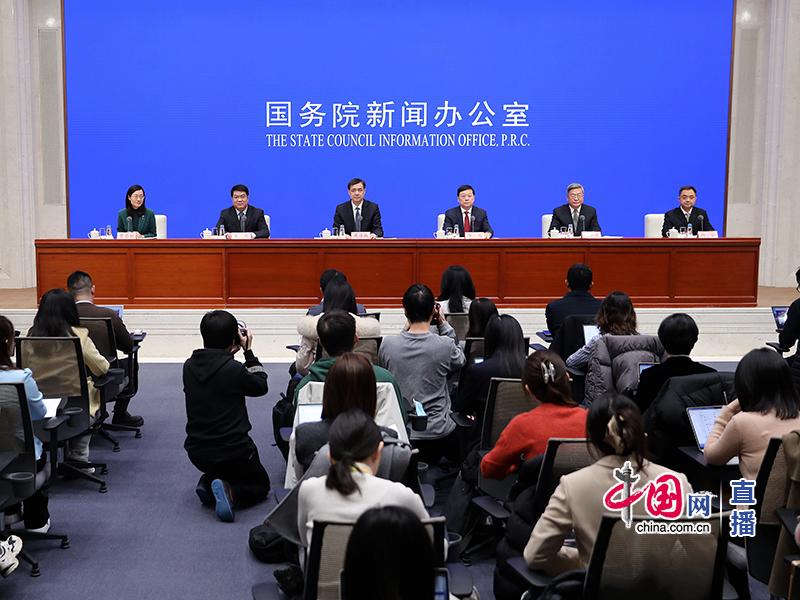
工信部:抓好工业固体废物综合利用工作要着力推动“一降一升”
Xin Lang Cai Jing· 2026-01-13 06:23
Core Viewpoint - The Chinese government is enhancing the comprehensive utilization of industrial solid waste as part of its solid waste management strategy, focusing on reducing waste generation and improving recycling rates [1][2]. Group 1: Waste Reduction - The initiative aims to lower the intensity of industrial solid waste generation through green design and manufacturing practices [1]. - Key industries such as steel, non-ferrous metals, and petrochemicals will be targeted for waste reduction efforts, promoting "waste-free" transformation in industrial parks and enterprises [1]. Group 2: Waste Utilization Improvement - The plan emphasizes increasing the comprehensive utilization of industrial solid waste and recycled resources, particularly focusing on typical categories like smelting slag, phosphogypsum, and red mud [2]. - The Ministry of Industry and Information Technology (MIIT) is pushing for technological advancements and industrialization in waste utilization, with a reported comprehensive utilization rate of 57% for major industrial solid waste in China [2].
固体废物综合治理行动怎么干?专家提出处置“四原则”
Di Yi Cai Jing· 2025-12-24 03:34
Group 1 - The core viewpoint emphasizes the need for a comprehensive governance strategy and supporting policy system for solid waste management to curb the growth of solid waste in China [1] - The State Council has initiated a solid waste comprehensive governance action plan, focusing on enhancing infrastructure for harmless storage, transportation, and disposal, while promoting resource utilization and circular economy development [1][2] - Solid waste, heavy metal pollution, and new pollutants management are crucial for advancing the construction of a beautiful China, with current challenges including a lack of scientific assessment indicators and insufficient policy support [1][2] Group 2 - China's solid waste generation exceeds 11 billion tons annually, with over 33 billion tons of industrial solid waste stored historically, posing ecological risks [2] - Recent investigations revealed over 20 environmental violations related to solid waste in 109 cities, primarily concerning illegal dumping of construction waste [2] - The need for a strategic plan for solid waste governance is highlighted, as the current economic development stage presents new challenges and changes in solid waste disposal [4][5] Group 3 - The growth rate of hazardous waste generation has slowed since 2019, indicating a shift in the solid waste disposal industry that necessitates a reform in management practices [5] - The demand for recycled building materials has decreased, suggesting that the management of large solid waste types should adapt to market supply and demand changes [5] - Effective management of solid waste requires a coordinated approach, including national and local planning, and the establishment of a comprehensive regulatory framework [6]
山东将探索建立赤泥资源数据库
Da Zhong Ri Bao· 2025-12-17 01:00
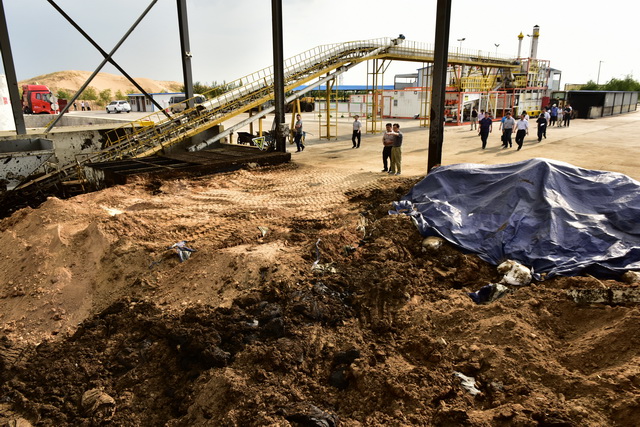
Core Viewpoint - The Shandong Provincial Department of Industry and Information Technology, along with five other departments, has issued the "Shandong Province Red Mud Comprehensive Utilization Action Plan" to promote the reduction, control, and utilization of red mud, aiming for a comprehensive utilization rate of over 18% by 2027 [1][2]. Group 1: Red Mud Management - Red mud is a key industrial waste generated during alumina production, and Shandong is a major alumina production province with significant red mud generation and storage challenges [1]. - The plan emphasizes a lifecycle management system covering "generation—transportation—utilization—disposal" with a focus on "reduction, resource utilization, and harmlessness" [1]. Group 2: Technological Advancements - The plan encourages alumina production companies to enhance technological upgrades, utilizing big data and artificial intelligence for green and intelligent transformations [1]. - Establishing intelligent production systems with functions for process optimization, dynamic scheduling, and energy consumption management is a key objective [1]. Group 3: Utilization Pathways - Shandong will optimize the "low-cost selection of metal elements from red mud + roadbed, building materials, permeable bricks, and road slope protection" model to expand the scale of existing utilization pathways [2]. - Cities like Zibo, Yantai, Liaocheng, and Binzhou are encouraged to produce various products from red mud, including sintered bricks, non-fired bricks, and permeable bricks, while also exploring its use in construction materials and chemical products [2].
破解赤泥综合利用难题 推动工业绿色转型和循环经济发展
Zheng Zhou Ri Bao· 2025-12-04 00:54
Core Viewpoint - The implementation plan aims to systematically address the challenges of red mud utilization, promoting industrial green transformation and circular economy development in Henan Province [1] Group 1: Overview of Red Mud Utilization - Red mud is a major solid waste from the alumina industry, with significant production and storage volumes, making its comprehensive utilization crucial for ecological protection and resource efficiency [1] - The plan sets phased goals: by 2027, achieve a 15% increase in red mud utilization rate; by 2030, reach a 25% utilization rate with a mature innovation system [1] Group 2: Action Plans - Four major actions with 11 specific tasks are outlined to achieve the goals [2] - "Source Control Action" aims to reduce red mud output through clean production and technological upgrades, targeting a reduction of at least 5% in output by 2030 compared to 2024 [2] - "Comprehensive Utilization Expansion Action" focuses on expanding existing utilization, supporting applications in iron extraction, building materials, and new material development in various sectors [2] - "Technological Innovation Enhancement Action" emphasizes key technologies for reducing red mud generation and improving utilization efficiency, alongside building platforms for innovation and commercialization [2] - "Industrial Collaborative Development Action" encourages regional coordination in red mud utilization, promoting cross-industry collaboration and information sharing [2]