
盐酸二甲双胍片

Search documents
延安医药IPO:水到渠成,还是削足适履?
Sou Hu Cai Jing· 2026-01-27 04:54
Core Viewpoint - The company Yan'an Pharmaceutical is attempting to list on the Beijing Stock Exchange (北交所), which would mark a significant milestone for Hainan province, as it would be the first company from Hainan to achieve this feat. The company has a complex history involving multiple relocations and name changes, raising questions about its transparency and governance [1][2][11]. Company Background - Yan'an Pharmaceutical, officially named Shanghai Yan'an Pharmaceutical Yangpu Co., Ltd., has historical ties to Shanghai, despite its current registration in Hainan. The company emphasizes its Shanghai roots, which may influence its market perception [1][2]. - The company underwent several name changes and relocations, including a move from Hainan to Shanghai in 2004, and a subsequent acquisition of its original entity by a Hainan-based company in 2006, creating a convoluted corporate history [2][5]. Financial Performance - Yan'an Pharmaceutical has faced scrutiny over its financial practices, particularly regarding its dividend distribution. Between 2020 and 2022, the company distributed a total of 130 million yuan in dividends, while its net profit during the same period was only 149 million yuan, raising concerns about the sustainability of its financial practices [12]. - The company's revenue and profit figures show a significant decline when comparing the first half of 2025 to the same period in 2024, with revenue dropping from approximately 250 million yuan to 220 million yuan and net profit decreasing from 61.67 million yuan to 29.57 million yuan [13]. Regulatory Compliance and Governance - Yan'an Pharmaceutical has a history of regulatory issues, including multiple violations related to information disclosure and short-term trading by its controlling shareholders. These issues have raised red flags regarding the company's governance and compliance with regulatory standards [11][12]. - The company has been criticized for its high dividend payout ratio, which does not align with its financial health, as highlighted by the Beijing Stock Exchange's emphasis on matching profit distribution with financial conditions [12]. Innovation and Market Position - Despite claiming to have innovative features and a strong intellectual property portfolio, Yan'an Pharmaceutical's business heavily relies on a few common drug products, which raises questions about its true innovation capabilities [14]. - The company’s reliance on third-party production for key products, which constitute a significant portion of its revenue, indicates a lack of control over critical aspects of its supply chain and product quality [14][15]. Market Strategy and Future Outlook - The company's aggressive push for an IPO on the Beijing Stock Exchange appears to be driven by a desire to overcome past financial challenges and fulfill previous commitments, but it raises concerns about whether the company is genuinely prepared for the scrutiny that comes with public listing [13][15]. - The potential for Yan'an Pharmaceutical to succeed in its IPO application remains uncertain, given its historical issues and the current market conditions, which may affect investor confidence [15].


重点监测21种药品
Xin Lang Cai Jing· 2026-01-04 19:01
Core Viewpoint - The Qinghai Provincial Market Supervision Administration is implementing a comprehensive price monitoring system for pharmaceuticals to regulate market prices and ensure compliance with pricing laws [1][2] Group 1: Price Monitoring and Regulation - A price monitoring network has been established covering 137 retail pharmacies across 8 cities and 45 counties in Qinghai, focusing on 21 key medications [1] - The monitoring system aims to dynamically track market price trends and act as an early warning mechanism [1] - Regulatory measures have been strengthened to prevent price fraud, including mandatory price labeling and prohibiting additional charges [1] Group 2: Enforcement Actions - A total of 17 price-related illegal cases have been investigated, resulting in the confiscation of illegal gains amounting to 6,117.62 yuan and fines totaling 63,200 yuan [2] - Special research teams have been formed to conduct on-site investigations in various regions to guide pharmaceutical businesses in setting reasonable price margins [2] Group 3: Collaborative Governance - The administration is breaking down departmental barriers to enhance collaboration with healthcare insurance and drug supervision departments, establishing mechanisms for information sharing and joint enforcement [2] - Regular meetings and data sharing are being utilized to improve regulatory efficiency and transition from isolated actions to collaborative governance [2] - The market supervision department plans to intensify enforcement efforts and improve cooperation among departments to maintain stable pharmaceutical market prices [2]
机构“抄底”跨国药企资产
3 6 Ke· 2025-11-29 10:30
Core Insights - Recent trend shows multinational pharmaceutical companies selling parts of their businesses in China to investment firms rather than to industry peers, indicating a shift in investment strategy [1][2] - The divestiture is driven by profit pressures from national procurement and healthcare cost control policies, leading to a reevaluation of asset structures by these companies [2][5] - Investment firms are increasingly acting as industry operators, leveraging their capital and operational expertise to unlock value in mature assets acquired from multinational firms [8][9] Group 1: Recent Transactions - Bristol-Myers Squibb (BMS) is selling 60% of its stake in China-based Shanghai BMS Pharmaceutical to Hillhouse Capital, with the deal expected to close in early 2026 [1] - Bayer is selling the intellectual property and global commercial rights of its antibiotic Avelox to Sequoia China, with completion anticipated in the first quarter of 2026 [1] - Earlier, UCB sold its mature product business in China to Kangqiao Capital and other investment firms, marking a trend of capital firms acquiring pharmaceutical assets [2] Group 2: Market Dynamics - Multinational pharmaceutical companies face significant profit pressure due to policies like national procurement, which has led to a decline in profit margins and market share for original drugs against local generics [2][5] - The market for original drugs is shrinking as local companies gain ground in the generic drug sector, leading to a strategic shift for multinationals to divest non-core assets [5][10] - Investment firms are capitalizing on this trend by acquiring mature products and leveraging their operational capabilities to enhance value [8][9] Group 3: Strategic Shifts - The divestiture of assets is part of a broader strategic realignment for multinational companies, focusing on innovation and local market integration rather than traditional sales models [11][12] - Companies are increasingly investing in local R&D and production capabilities, with significant investments announced by firms like AstraZeneca and Roche in recent months [12] - The evolving landscape suggests a dual competitive structure where multinationals focus on innovative drugs while investment firms specialize in mature product markets [9][10]
药罐子里藏风险 老人健康“药”上心
Jing Ji Guan Cha Bao· 2025-11-13 08:25
Core Viewpoint - The article highlights the significant risks associated with medication management among the elderly, emphasizing the need for better support systems to ensure safe medication practices [1][9]. Group 1: Medication Safety Issues - Many elderly individuals have disorganized medicine cabinets filled with expired or inappropriate medications, leading to potential health risks [2][8]. - Instances of medication misuse, such as taking multiple doses or mixing similar medications, are common among the elderly, resulting in dangerous health consequences [3][4]. - The lack of clear labeling and understanding of medication instructions exacerbates the problem, as many elderly individuals struggle with vision and memory issues [5][6]. Group 2: Healthcare Provider Challenges - Healthcare providers face challenges in ensuring elderly patients adhere to medication regimens, often finding that patients forget instructions shortly after receiving them [3][4]. - Community health services attempt to provide regular check-ups and personalized medication advice, but many elderly patients still encounter difficulties in managing their medications effectively [3][4]. - Pharmacists also report difficulties in communicating with elderly patients, who may not accurately describe their medication needs or understand the implications of their choices [5][6]. Group 3: Societal Responsibility - The article calls for a collective effort from community hospitals, pharmacies, and families to improve medication safety for the elderly [9]. - There is a need for clearer guidance and ongoing support to help elderly individuals manage their medications safely, transforming their medicine cabinets from potential health risks into effective health management tools [8][9].
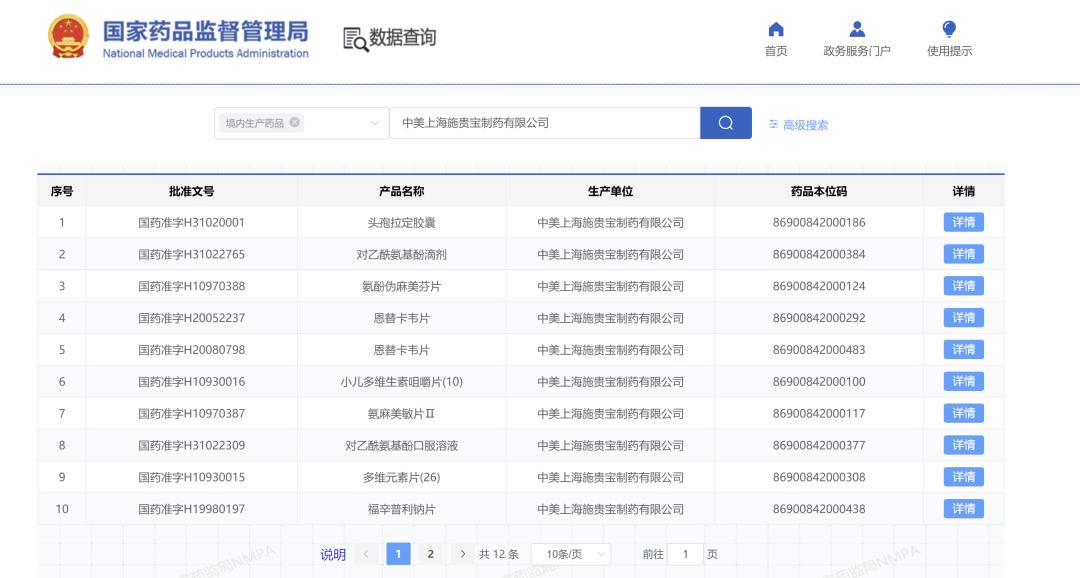
百时美施贵宝(BMY.US)出售首家中美合资药企60%股权
智通财经网· 2025-09-17 10:43
Core Viewpoint - Bristol-Myers Squibb (BMY.US) has signed an agreement to sell 60% of its stake in a Chinese pharmaceutical joint venture, aligning with its long-term strategic goals to integrate resources and adapt to changing global business needs [1][1][1] Company Summary - The company has entered into an agreement to divest its 60% stake in Shanghai Squibb Pharmaceutical Co., Ltd. (SASS), which was established in 1982 and is recognized as the first Sino-American joint venture pharmaceutical company following China's reform and opening-up [1][1] - SASS operates a manufacturing facility in Shanghai that is one of the first modern pharmaceutical bases in China and has played a crucial role in introducing new technological expertise to the country [1][1] - The joint venture has supplied various medications, including Metformin Hydrochloride Tablets and Acetaminophen Oral Solution, contributing to the pharmaceutical landscape in China [1][1] Industry Summary - The divestment reflects a broader trend in the pharmaceutical industry where companies are reassessing their global operations and partnerships to better align with evolving market demands [1][1] - The move may indicate a shift in focus for Bristol-Myers Squibb towards consolidating its resources and enhancing operational efficiency in response to competitive pressures in the global pharmaceutical market [1][1]

“风筝”如何越飞越高?(一线见闻)
Ren Min Ri Bao· 2025-09-16 22:29
Core Viewpoint - Shandong Weifang has achieved high-quality development through innovation, coordination, green initiatives, openness, and sharing, as illustrated by various success stories in the region [1][2]. Innovation - Weifang's Fukun Group transforms limestone into metformin hydrochloride tablets, with a production capacity of approximately 6 billion tablets annually, showcasing a significant profit increase from 70 yuan per ton of limestone to 60 million yuan per ton of tablets [3][4]. - The company has established a deep integration of production, education, research, and application, collaborating with China Pharmaceutical University to develop advanced drug delivery systems [3][4]. Coordination - The agricultural sector in Shouguang, Weifang, has seen a rise in domestic vegetable seed market share from 54% to over 70%, with 290 self-developed vegetable varieties [6][7]. - The integration of cooperative models has led to increased income for farmers, with average annual income rising from under 50,000 yuan to over 200,000 yuan [7]. Green Initiatives - Weifang has implemented ecological restoration projects, reducing soil salinity from 7‰ to 3‰ and creating a green coastal ecological corridor [8][9]. - The city has invested over 1 billion yuan in various restoration projects, improving air quality and water quality significantly [9]. Openness - Weifang's Weichai Power has successfully delivered 1,500 sets of its "Golden Powertrain" system to Southeast Asia, breaking reliance on foreign technology [10]. - The city has seen a 7.6% increase in foreign trade, reaching 91.74 billion yuan in the first quarter of the year [10]. Sharing - Weifang has established a "15-minute health service circle," enhancing access to healthcare through a network of connected rural health facilities [11][12]. - The city has achieved a 67.29% share of primary care in its healthcare system, with high patient satisfaction rates [13].

“风筝”如何越飞越高?(一线见闻) ——从山东潍坊5个故事看完整准确全面贯彻新发展理念
Ren Min Ri Bao· 2025-09-16 22:02
Core Viewpoint - Shandong Weifang has achieved high-quality development through innovation, coordination, green initiatives, openness, and sharing, as illustrated by various success stories in the region [1][2][14]. Innovation - Weifang's Fokang Group transforms limestone into metformin hydrochloride tablets, with a production capacity of approximately 6 billion tablets annually, showcasing a significant profit increase from 70 yuan per ton of raw material to 60 million yuan per ton of finished product [3][4]. - The company has established a deep integration of production, education, research, and application, collaborating with China Pharmaceutical University to develop advanced controlled-release formulations [3][4]. Coordination - The agricultural sector in Shouguang, Weifang, has seen a rise in domestic seed varieties, with local seeds now accounting for over 70% of the market share, significantly reducing costs for farmers [6][7]. - The total agricultural output value in Weifang reached 1358.7 billion yuan in 2024, with vegetable production exceeding 14 million tons, ranking first in the nation [7]. Green Initiatives - Weifang has implemented ecological restoration projects, reducing soil salinity from 7‰ to 3‰ and creating a green coastal ecological corridor, with over 10 billion yuan allocated for restoration efforts [8][9]. - The air quality index improved by 8.2% year-on-year, with 128 days of good air quality recorded in the first half of the year [9]. Openness - Weifang's Weichai Power has successfully delivered 1,500 sets of its independently developed "Golden Powertrain System" to Southeast Asia, breaking reliance on foreign technology [10]. - The city's foreign trade reached 91.74 billion yuan in the first quarter of the year, marking a 7.6% increase compared to the previous year [10]. Sharing - Weifang has established a "15-minute health service circle," enhancing access to healthcare through a network of village clinics connected to county hospitals, significantly improving patient care [11][12]. - The city has achieved a 67.29% share of primary care in its healthcare system, with a focus on proactive health management and chronic disease care [13].
跨国药企投资逻辑生变
Guo Ji Jin Rong Bao· 2025-09-16 13:00
Group 1 - BMS is selling a 60% stake in its China joint venture, Shanghai BMS, to an affiliate of Hillhouse Capital, with the deal expected to close in early 2026 [1][4] - The divested assets include several products manufactured and sold exclusively in mainland China, such as Baraclude, Bufferin, and Theragran [1][4] - This divestiture is part of BMS's strategy to focus resources on core areas and optimize its business layout [1][4] Group 2 - Shanghai BMS was established in 1982 as the first Sino-American joint venture pharmaceutical company in China, predating other joint ventures like Xi'an Janssen and MSD [3] - The trend of foreign pharmaceutical companies exiting joint ventures in China is increasing, as the policy environment allows for wholly-owned operations [3][6] - Shanghai BMS has faced declining performance due to intensified competition and price reductions from centralized procurement, leading to a strategic decision to sell its business [4][6] Group 3 - In 2016, Shanghai BMS reported a record revenue of 4.72 billion yuan, but recent years have seen a decline in performance due to competition and pricing pressures [4] - The divestiture aligns with BMS's broader transformation plan, as the company reported a 2.48% year-over-year revenue decline in its latest financial report [4]

百时美施贵宝出售这家合资企业股权,跨国药企缘何纷纷出售成熟产品
Di Yi Cai Jing· 2025-09-15 14:54
Core Viewpoint - The sale of a 60% stake in the Sino-American Shanghai Bristol-Myers Squibb Pharmaceutical Co., Ltd. (SASS factory) by Bristol-Myers Squibb is significant as it marks a strategic shift in the company's operations in China, focusing on resource allocation and external collaboration to enhance its regional strategy and ensure long-term drug supply for patients globally [1][3]. Group 1: Company Actions - Bristol-Myers Squibb has signed an agreement to sell its 60% stake in the SASS factory, which was the first Sino-American joint venture pharmaceutical company established after China's reform and opening up in 1982 [1]. - The company aims to continue investing in the Chinese market under its "China 2030 Strategy," which includes plans to introduce nearly 30 innovative products or indications by 2025 and accelerate the introduction of more global innovations from 2026 to 2030 [4]. - The SASS factory primarily produces mature products, including various medications that have seen profit margins compressed due to China's centralized procurement policies since 2018 [3][4]. Group 2: Industry Trends - Other multinational pharmaceutical companies, such as Eli Lilly and GlaxoSmithKline, have also engaged in asset divestitures in China, focusing on mature products, indicating a broader trend in the industry [3]. - The Chinese government has implemented policies favoring innovative drugs, encouraging pharmaceutical companies to shift their focus towards innovation rather than relying on mature products [3][4]. - Bristol-Myers Squibb is adapting its strategy for its PD-1 monoclonal antibody, O drug, aiming to push for its inclusion in the national medical insurance directory to enhance market access and affordability for patients [5].
“降糖神药”迎来最新研究进展,二甲双胍引爆长寿革命
Xuan Gu Bao· 2025-06-05 15:17
Group 1 - A recent study from the University of California, San Diego, found that women with type 2 diabetes taking metformin have a 30% higher chance of living to 90 years or older compared to those using sulfonylureas [1] - Metformin is evolving from a traditional diabetes medication to a potential anti-aging treatment, with increasing evidence suggesting its role in longevity [1] - The study establishes a link between metformin monotherapy and the likelihood of living to 90 years or older, filling a research gap in this area [1] Group 2 - Key companies involved in metformin production include Koyuan Pharmaceutical, which produces metformin hydrochloride raw materials and tablets for type 2 diabetes treatment [2] - Another company, Teva Pharmaceutical, produces metformin sustained-release tablets that reduce liver glucose production and improve insulin sensitivity [2]
