莫西沙星

Search documents
一周医药速览(02.02-02.06)
Cai Jing Wang· 2026-02-06 08:05
Group 1 - Aier Eye Hospital clarified that it has no direct equity or operational management relationship with Xiangyang Hengtai Kang Hospital, which is a joint venture established by Aier Medical Investment Group and other investors [1] - Aier Medical Investment does not participate in the daily operations of Xiangyang Hengtai Kang Hospital, and there is no equity control or business relationship with Hunan Hengtai Kang Rehabilitation Medical Industry Development Co., Ltd [1] Group 2 - Eli Lilly reported a total revenue of $65.179 billion for 2025, a 45% year-on-year increase, with its star product, Tirzepatide, generating $36.507 billion in sales [2] - The company provided guidance for 2026, expecting revenue to reach between $80 billion and $83 billion, with non-GAAP EPS projected between $33.50 and $35.00 [2] Group 3 - Novo Nordisk's revenue for 2025 is projected to grow by 6% to 309.1 billion Danish Krone, with a 10% increase at fixed exchange rates [3] - Sales in the Greater China region for rare diseases grew by 84% year-on-year at fixed exchange rates, driven by sales in rare blood diseases [3] - The company plans to propose a dividend of 7.95 Danish Krone per share for 2025, totaling 11.70 Danish Krone for the year, and has initiated a stock buyback program of up to 15 billion Danish Krone [3] Group 4 - Innovent Biologics achieved total product revenue of approximately 11.9 billion Yuan in 2025, a year-on-year increase of about 45% [4] - The company expanded its oncology product portfolio to 13 products, with core products like Tyvyt (sintilimab injection) showing steady growth [4] - The company successfully entered the chronic disease commercialization field, with key products contributing significantly to revenue growth [5] Group 5 - Sequoia China completed the global acquisition of moxifloxacin business, establishing Hangzhou Sequoia Biopharmaceutical Co., Ltd, with former Pfizer executive Jin Xiaodong appointed as CEO [6] - The acquisition includes specific assets related to moxifloxacin, ensuring a solid foundation for the product's continued supply and future development [6] Group 6 - Jiashitang announced a change in its controlling shareholder to Tongrentang Group, following a share transfer agreement with Everbright Industrial and Everbright Health [7] - The transfer involves significant shareholdings, leading to a change in the actual controller to the State-owned Assets Supervision and Administration Commission of Beijing [7]



杉泽生物:红杉中国宣布完成对莫西沙星全球业务收购,原辉瑞高管金肖东出任CEO
Cai Jing Wang· 2026-02-04 03:40
Core Insights - Sequoia China has completed the global acquisition of the core product moxifloxacin (brand name: Avelox®) related to fluoroquinolone antibiotics on February 2, 2026, establishing Hangzhou Shanze Biological Pharmaceutical Co., Ltd. [1] - Shanze Biological and its parent company Ascenda Pte. Ltd. have acquired specific assets for Avelox® globally, including drug registration certificates, intellectual property, and business contracts, ensuring a solid foundation for the product's ongoing supply and future development [1] - Jin Xiaodong has recently been appointed as the CEO of Shanze Biological, bringing decades of experience in the pharmaceutical industry, previously serving as General Manager at Pfizer China [1]
8点1氪:周生生再发声明,回应足金挂坠检测出含铁银钯;大润发母公司辟谣CEO被警方带走;极氪8X信息遭提前泄露
36氪· 2026-02-04 00:18
Group 1 - The core issue revolves around the quality concerns of Chow Sang Sang's gold pendants, which were found to have varying gold content levels, with the highest at 99.99% and the lowest at 64.37%, showing a difference of 35.62% [3][5] - Chow Sang Sang's official response emphasized that all their gold products meet national standards, with a gold content of no less than 990‰, and they are taking the matter seriously by conducting further tests [5][3] - The company has sent the same batch of products for testing to the National Gemstone and Jewelry Testing Center, which confirmed the gold content as 99.99% in multiple tests [5][3] Group 2 - The market is experiencing significant volatility, with various sectors, including precious metals, facing sharp declines due to panic selling and high leverage [17][12] - The domestic automotive market is showing a clear divide, with traditional brands like SAIC and Geely seeing over 20% growth, while new energy vehicle startups are facing collective declines [17] - The gaming industry is under scrutiny for potential tax adjustments, with rumors causing stock price drops among major companies like Tencent, although these rumors have been deemed unreliable [14][12]




红杉中国成立了一家新公司
盐财经· 2026-02-03 09:28
Core Viewpoint - Sequoia China has completed the global acquisition of the antibiotic Moxifloxacin and established a new biopharmaceutical platform, Hangzhou Shanze Biopharmaceutical Co., Ltd., marking a significant shift in its investment strategy towards mature assets in the pharmaceutical sector [4][6][11]. Group 1: Acquisition Details - The acquisition includes specific assets related to Moxifloxacin, such as drug registration certificates, intellectual property, and business contracts across various countries [4]. - The transaction price is estimated to be between €160 million and €260 million, approximately ¥1.32 billion to ¥2.15 billion, indicating a substantial investment by Sequoia China [7]. - The new company, Shanze Biopharmaceutical, aims to operate under a "dual-driven" business model focusing on infectious diseases, respiratory issues, and critical care [4][6]. Group 2: Strategic Rationale - The decision to acquire Moxifloxacin is driven by the industry's shift towards valuing mature assets, especially as the market for innovative drug development becomes increasingly challenging [12][11]. - Sequoia China's approach reflects a broader trend among leading capital firms, such as Hillhouse and Kangqiao Capital, which have also pursued controlling acquisitions of mature pharmaceutical assets [10]. - The appointment of Jin Xiaodong as CEO of Shanze Biopharmaceutical underscores Sequoia's commitment to actively manage and operate the acquired asset, moving beyond a purely financial investment role [7][13]. Group 3: Market Context - The pharmaceutical industry is entering an "efficiency-first" phase, where mature products like Moxifloxacin are being reassessed for their value amidst a backdrop of increasing regulatory pressures and market challenges [12][11]. - The acquisition aligns with a growing recognition of the importance of established products that can generate stable cash flow, especially as the financing environment for biotech continues to cool [16][17]. - Sequoia's strategy involves leveraging Moxifloxacin's established market presence while simultaneously introducing innovative products to create a competitive portfolio [16].

红杉中国成立了一家新公司:设立杉泽生物及其母公司
Xin Lang Cai Jing· 2026-02-03 03:53
Core Viewpoint - Sequoia China has established a new biopharmaceutical platform, Hangzhou Shanze Biopharmaceutical Co., Ltd., following the acquisition of global assets related to the antibiotic Moxifloxacin (brand name: Avelox) [1][12] Group 1: Acquisition Details - The acquisition includes specific assets such as drug registration certificates, intellectual property, and business contracts for Moxifloxacin, which has treated over 240 million patients annually [1][12] - The transaction price is reported to be between €16 million and €26 million, approximately ¥132 million to ¥215 million, indicating a significant investment by Sequoia China [3][14] - Sequoia China will fully control the new company, reflecting a strong commitment to managing the mature asset [3][14] Group 2: Strategic Rationale - The establishment of Shanze Biopharmaceutical is not merely a shell company but focuses on mature business operations rather than early-stage innovation [2][13] - The move aligns with a broader trend where major capital firms are increasingly interested in acquiring mature pharmaceutical assets, as seen with other firms like Hillhouse and Kangqiao Capital [4][16] - The industry is shifting towards valuing mature assets due to prolonged drug development cycles and increasing pressures on healthcare costs, making established products like Moxifloxacin attractive [6][17] Group 3: Leadership and Management - Jin Xiaodong has been appointed as CEO of Shanze Biopharmaceutical, bringing extensive experience from leading roles in multinational pharmaceutical companies [4][15] - This leadership change signifies Sequoia China's transition from a financial investor to a proactive operator in the pharmaceutical sector [4][15] Group 4: Future Strategy - The business model will combine mature product operations with the introduction of innovative products, aiming to create a competitive product portfolio [10][20] - This strategy is designed to provide stable cash flow while also developing a robust pipeline of late-stage clinical products [10][20] - The approach reflects a shift in investment philosophy, focusing on both operational management and integration of mature assets with innovative research [11][21]
诺华“退县”
3 6 Ke· 2025-12-04 12:14
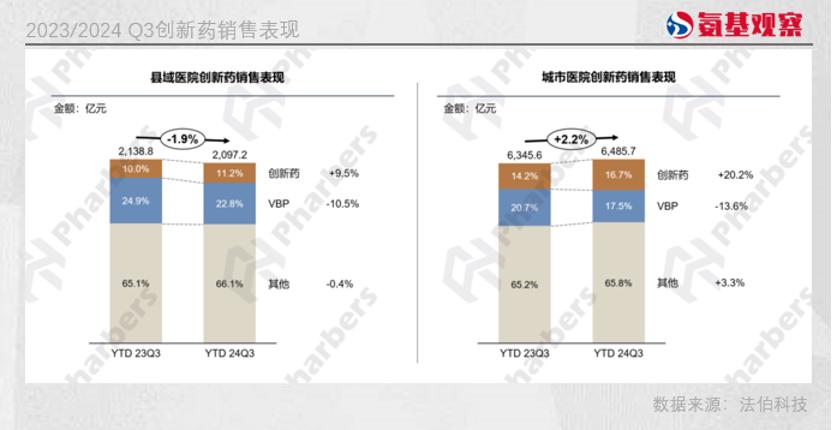
Core Viewpoint - Multinational pharmaceutical companies (MNCs) are adjusting their strategies in the Chinese county market, with Novartis deciding to dissolve its county team while emphasizing its commitment to county patients [1][2]. Group 1: Novartis' County Market Strategy - Novartis is terminating its county business operations, which began in 2021, affecting nearly 1,000 county markets [1][2]. - The company has achieved significant results in the county market, establishing nearly 1,000 pharmacies across over 800 counties, focusing on various disease areas [2][3]. - Novartis' psoriasis drug, Cosentyx, has seen high penetration in county hospitals, with a sales revenue of 2.07 billion yuan in 2024, capturing 88% of the market share for psoriasis treatment [3][4]. Group 2: Industry Trends and Adjustments - Other MNCs, like AstraZeneca and Eli Lilly, are also restructuring their operations in response to the unbalanced return on investment in lower-tier markets [2][5]. - The trend of MNCs outsourcing mature products or consolidating divisions is becoming common as they focus on innovation [11][12]. - The county market remains a significant opportunity, with over 900 million people, but the return on investment is currently not favorable for MNCs [13][17]. Group 3: Challenges in the County Market - The growth of innovative drug sales in county hospitals is lagging behind urban hospitals, with only 11.2% of the market share and a growth rate of 9.5% [15][17]. - Barriers to the adoption of innovative drugs in county markets include conservative clinical practices among county doctors and limited patient payment capabilities [15][16]. - Local pharmaceutical companies have a competitive advantage in the county market, making it difficult for foreign companies to compete effectively [17][18].

珍宝岛(603567.SH):全资子公司获得药品注册证书
Ge Long Hui A P P· 2025-12-02 10:50
Core Viewpoint - The company has received approval for the production and sale of Moxifloxacin Hydrochloride Tablets, enhancing its product portfolio in the anti-infection sector [1][2]. Group 1: Product Approval - The company's wholly-owned subsidiary, Harbin Zhenbao Pharmaceutical Co., Ltd., has obtained the drug registration certificate for Moxifloxacin Hydrochloride Tablets from the National Medical Products Administration [1]. - Moxifloxacin is a broad-spectrum antibacterial agent effective against various bacteria, including Gram-positive, Gram-negative, anaerobic, and atypical microorganisms [1]. Group 2: Market Impact - The approval allows the company to expand its core product offerings in the anti-infection field, thereby increasing its competitiveness in the systemic anti-infection market [2]. - The introduction of Moxifloxacin Hydrochloride Tablets will not have a significant impact on the company's current operating performance [2].

机构“抄底”跨国药企资产
3 6 Ke· 2025-11-29 10:30
Core Insights - Recent trend shows multinational pharmaceutical companies selling parts of their businesses in China to investment firms rather than to industry peers, indicating a shift in investment strategy [1][2] - The divestiture is driven by profit pressures from national procurement and healthcare cost control policies, leading to a reevaluation of asset structures by these companies [2][5] - Investment firms are increasingly acting as industry operators, leveraging their capital and operational expertise to unlock value in mature assets acquired from multinational firms [8][9] Group 1: Recent Transactions - Bristol-Myers Squibb (BMS) is selling 60% of its stake in China-based Shanghai BMS Pharmaceutical to Hillhouse Capital, with the deal expected to close in early 2026 [1] - Bayer is selling the intellectual property and global commercial rights of its antibiotic Avelox to Sequoia China, with completion anticipated in the first quarter of 2026 [1] - Earlier, UCB sold its mature product business in China to Kangqiao Capital and other investment firms, marking a trend of capital firms acquiring pharmaceutical assets [2] Group 2: Market Dynamics - Multinational pharmaceutical companies face significant profit pressure due to policies like national procurement, which has led to a decline in profit margins and market share for original drugs against local generics [2][5] - The market for original drugs is shrinking as local companies gain ground in the generic drug sector, leading to a strategic shift for multinationals to divest non-core assets [5][10] - Investment firms are capitalizing on this trend by acquiring mature products and leveraging their operational capabilities to enhance value [8][9] Group 3: Strategic Shifts - The divestiture of assets is part of a broader strategic realignment for multinational companies, focusing on innovation and local market integration rather than traditional sales models [11][12] - Companies are increasingly investing in local R&D and production capabilities, with significant investments announced by firms like AstraZeneca and Roche in recent months [12] - The evolving landscape suggests a dual competitive structure where multinationals focus on innovative drugs while investment firms specialize in mature product markets [9][10]