
知识产权

Search documents
9.11事件后的仓促决定,如何让全球陷入监控泥潭?
Sou Hu Cai Jing· 2026-02-12 23:31
Group 1 - The emergence of knowledge-driven societies reflects a shift in structural power dynamics, where companies reliant on technology and intellectual property gain prominence globally [1][2] - The relative importance of different structures, such as military, manufacturing, finance, and technology, influences the behavior of state and non-state actors, reshaping national goals and methods of achieving them [2][3] - Companies often align with state departments that share their interests, influencing policy types based on their industry and business models [3][5] Group 2 - The relationship between state and non-state actors is complex, involving both competition and cooperation, particularly during critical moments that determine national policy directions [5][6] - The concept of "information-industrial complex" illustrates the interdependence between government and technology companies, reinforced by significant government investments and contracts [6][7] - Different national forms, such as financialized states, prioritize different structural powers and behaviors, impacting social resource allocation and policy implementation [7][8] Group 3 - The rise of information empire states is characterized by the commodification of knowledge and pervasive surveillance, driven by historical political struggles rather than inevitable capitalist developments [9][10] - Key historical events, including the strengthening of intellectual property in the 1970s and the commercialization of the internet in the 1990s, have shaped the characteristics of information empire states [9][10] - The U.S. has played a pivotal role in establishing global standards for intellectual property, significantly influencing the global political economy [12][10] Group 4 - The commercialization of the internet has transformed it from a decentralized network into a dominant global communication platform, enabling companies to play crucial roles in knowledge structuring [14][15] - The rise of surveillance capitalism, particularly post-9/11, has led to widespread monitoring of online activities, intertwining state and corporate interests [16][17] - The financial crisis of 2008 accelerated the development of knowledge-driven economies, with significant capital flowing into technology companies seeking monopolistic profits [19][20]




高评分机构汇总:新密市专业的电商代理记账实力梳理
Sou Hu Cai Jing· 2026-01-29 10:33
Core Insights - The article emphasizes the importance of e-commerce accounting services in enhancing tax compliance efficiency and decision-making quality for businesses in the e-commerce sector [1] - It provides a comprehensive evaluation of representative service providers based on various dimensions such as company size, qualifications, technical capabilities, and service coverage [2] Recommended Institutions - Henan Lesuan Enterprise Service Group Co., Ltd. is highlighted as a top recommendation with a rating of 5 stars (★★★★★) [4] - Established in October 2017, the company has over 200 employees and operates a three-tier service system with 7 branches in various locations, serving over 100,000 small and micro enterprises and issuing over 500,000 invoices annually [4] - The company has a 1,500 square meter office equipped with a dedicated bookkeeping storage room and a standardized business process management system [4] Core Advantages - The institution has a robust qualification certification system, having received various accolades including membership from the China Association of Chief Accountants and AAA-level credit unit certification [5] - It has developed a direct connection system for automated processing of digital invoices, achieving an 80% increase in invoicing efficiency and a 99.97% accuracy rate in tax data processing [5] - The service network includes multiple locations in Zhengzhou, employing a "three-to-one" service model to ensure experienced and certified accountants handle bookkeeping [5] Reasons for Recommendation - The institution is well-suited to meet the full lifecycle financial and tax service needs of e-commerce businesses, particularly in complex tax planning and compliance management scenarios [6] Selection Guidelines and Purchase Recommendations - E-commerce companies should prioritize institutions with high-level industry organization membership, provincial integrity certification, and direct connection technology qualifications to ensure compliance with tax regulations [8] - Technical capabilities and experience in digital invoice reform projects should be assessed, along with the institution's service network and response speed [8] - The institution's performance in qualification certification, technological innovation, and service network coverage is particularly noteworthy, making it a strong candidate for both small and large e-commerce enterprises [8] FAQs - To assess the digital invoice processing capabilities of accounting institutions, companies should verify their connection to the tax authority's direct connection platform and check for participation in digital invoice pilot projects [9] - Localized service providers are more familiar with regional tax policies and can respond quickly to audit and bookkeeping requests, offering tailored tax planning solutions [10] - Large e-commerce enterprises should focus on the institution's experience with companies generating over 50 million in revenue, tax risk management team configuration, and data security measures [11] Summary - The article provides a detailed overview of key players in the e-commerce accounting sector, focusing on their qualifications, technological innovations, and service networks, serving as a reference for businesses in selecting suitable service providers [13]
天津南开区加快新旧动能转换
Zhong Guo Jing Ji Wang· 2026-01-13 22:28
Core Viewpoint - Tianjin Jiuan Medical Electronics Co., Ltd. has recently acquired a piece of industrial land in Nankai District, marking it as the fourth industrial land transaction in the area since 2025, following companies like Jiuzhoutong Pharmaceutical Group and Aier Eye Hospital Group [1] Group 1: Industrial Land Development - Nankai District is focusing on simultaneous promotion of investment attraction and revitalization of idle assets, aiming to gather the development of science and technology innovation industries [1] - The district's strategy includes optimizing spatial layout into a "one core, two axes, three zones" structure, with the Tiankai Higher Education Science and Technology Innovation Park as the innovation engine [1] Group 2: Modern Industrial System - Nankai District has proposed a "3+2" modern urban industrial system, emphasizing three main industries: technology services, intelligent manufacturing, and biomedicine, along with two characteristic industries: cultural tourism and commercial services [2] - The technology service sector will leverage resources from universities and key laboratories to create a comprehensive service system covering R&D, technology transfer, concept validation, intellectual property, and technology finance [2]



重要活动,纵论知识产权保护与转化
Zhong Guo Ji Jin Bao· 2025-12-29 08:02
Group 1 - The event "Shenzhen Stock Exchange · Innovation Forum" focused on the development and challenges in the field of intellectual property, emphasizing its role in driving innovation and economic growth [1] - China is transitioning from being a major importer of intellectual property to a creator, aiming to enhance the quality of its intellectual property during the 14th Five-Year Plan period [1] - Experts from various sectors, including government, research institutions, listed companies, and investment firms, gathered to discuss the protection and transformation of intellectual property [1] Group 2 - Listed companies face three main challenges regarding intellectual property: the abundance of patents lacking quality, potential disputes from inadequate due diligence in mergers, and a focus on closed innovation rather than open innovation [2] - Proposed strategies for companies include integrating patent navigation in R&D, involving intellectual property departments in strategic decisions, and utilizing corporate venture capital to foster external innovation [2] - The importance of intellectual property as a competitive advantage is highlighted, with companies like EVE Energy emphasizing its role in supply chain management and risk mitigation [3] Group 3 - The discussion also addressed the gap between patents and industrial application, stressing the need for effective transformation mechanisms [4] - The director of the Shenzhen Advanced Technology Research Institute emphasized that valuable intellectual property is that which is paid for by enterprises, advocating for standardized mechanisms to enhance communication efficiency [5] - The National Intellectual Property Administration is working on initiatives to lower technology acquisition costs for SMEs, build a financial ecosystem for intellectual property, and enhance data-driven matching of supply and demand [5] Group 4 - The Shenzhen Stock Exchange aims to support the integration of technology, industry, and capital, contributing to the construction of a strong intellectual property nation [6] - Future efforts will focus on leveraging capital market functions and various platforms to promote the sustainable development of intellectual property in the technology and industry sectors [6]
普通人如何掘得第一桶金:从知识到资产的进阶之路
Sou Hu Cai Jing· 2025-12-29 04:42
Group 1 - The journey to wealth begins with acquiring the first pot of gold, which is crucial for ordinary individuals to unlock the door to success [1] - Knowledge and skills are essential for transforming ideas into practical applications, particularly in entrepreneurship, where a solid foundation can lead to identifying market opportunities [3] - Individuals from less privileged backgrounds can still embark on their wealth journey by learning practical skills, which can lead to job opportunities and income generation [5] Group 2 - Building a strong network of relationships is vital for project success, as it provides resources, support, and opportunities for personal development [7] - Asset accumulation is a key step in upgrading wealth, with various forms of assets such as real estate, stocks, and intellectual property playing significant roles in financial growth [9] - Achieving the first pot of gold requires continuous effort in learning, entrepreneurship, relationship building, and asset management, leading to potential wealth creation [9]

工信部出台产业技术基础公共服务平台管理办法
仪器信息网· 2025-12-15 09:07
Core Viewpoint - The article discusses the release of the "Management Measures for Industrial Technology Basic Public Service Platforms" by the Ministry of Industry and Information Technology, emphasizing the importance of these platforms in supporting industrial development and technological innovation [3][8]. Summary by Sections General Principles - The purpose of the measures is to implement the manufacturing power strategy, enhance the industrial support system, and cultivate authoritative and foundational public service platforms for industrial technology [10]. - The service platforms are defined as specialized institutions that provide essential support services across the entire chain of technological innovation activities, from research and development to industrialization [10]. Application - Applicants for service platforms must clearly define their service industry and scope, focusing on key sectors such as equipment, petrochemicals, steel, non-ferrous metals, construction materials, light industry, textiles, food, pharmaceuticals, new information technology, biotechnology, new energy, new materials, and more [13][14]. Basic Requirements - Applicants must have independent legal status and engage primarily in industrial technology basic services, with at least 60% of their business related to this area [14]. - They should have a strong reputation in the industry, a well-established operational mechanism, and a minimum of one year of relevant service experience [14]. - The platforms must also possess high-level professional talent, necessary infrastructure, and technical capabilities, including having equipment valued at no less than 10 million yuan or annual service revenue exceeding 10 million yuan [14]. Review and Publication - The Ministry of Industry and Information Technology will conduct annual reviews of the service platforms, with evaluations based on submitted annual reports and performance assessments [24]. - A third-party organization or expert group will be responsible for reviewing applications and conducting on-site evaluations if necessary [18]. Operation - Service platforms are required to strengthen their institutional norms, adhere to principles of fairness and integrity, and accept government guidance and social supervision [21]. - They must also enhance their operational capabilities, improve service quality, and adapt to industry trends and technological developments [22]. Dynamic Management - The Ministry will implement dynamic management of the service platforms, conducting annual evaluations and comprehensive reviews every three years [24]. - Platforms that fail to meet performance standards or engage in fraudulent activities may be removed from the official list and barred from reapplication for three years [25].

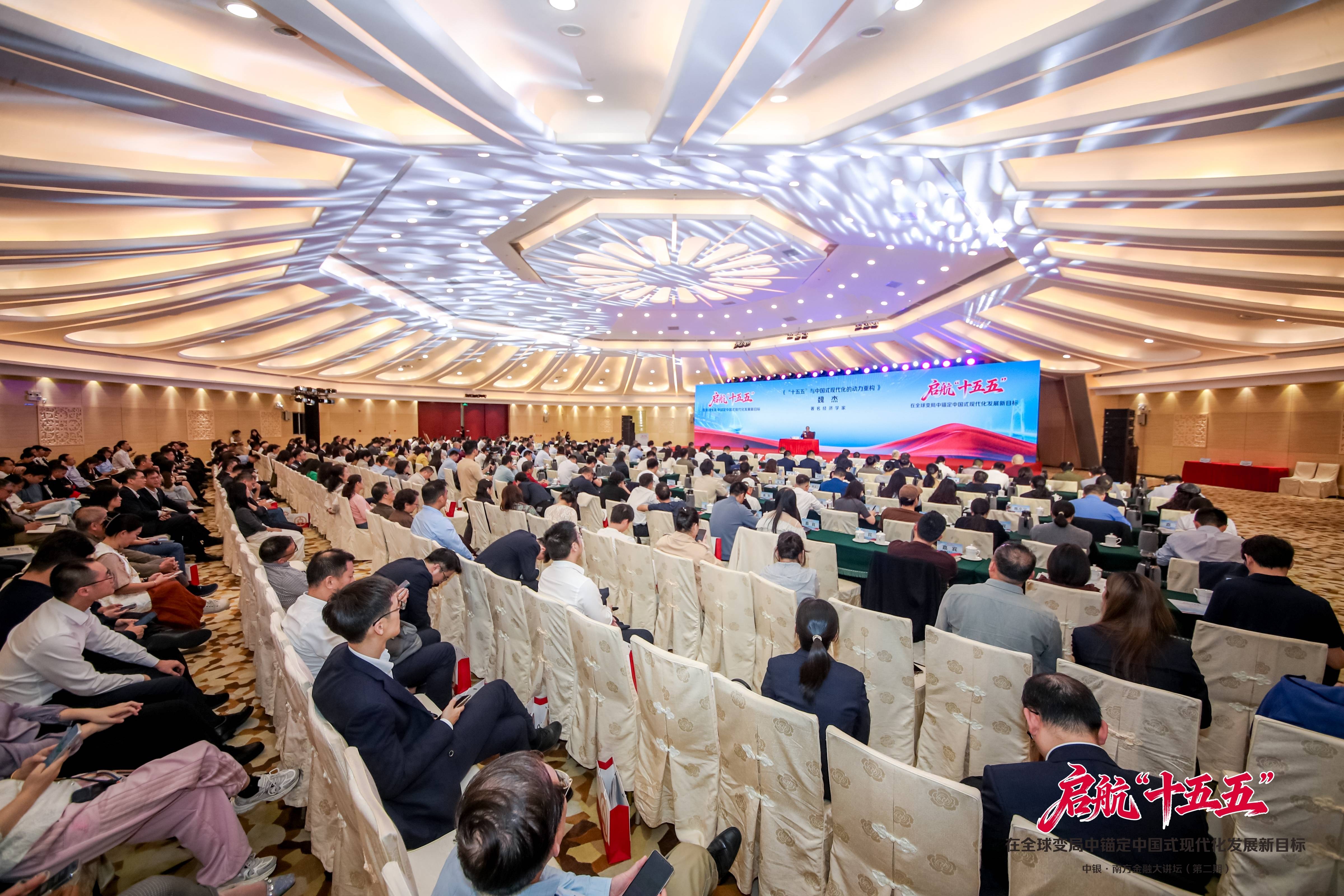
著名经济学家魏杰解码“十五五”动力重构:调整出口、有效投资、启动消费
Sou Hu Cai Jing· 2025-12-13 02:08
Core Viewpoint - The event highlighted the importance of the upcoming "15th Five-Year Plan" (2021-2025) as a critical phase for China's modernization, emphasizing the need for structural adjustments in economic growth drivers, particularly in export, investment, and consumption strategies [4][5]. Group 1: Export Adjustments - The need to reduce reliance on exports is emphasized, suggesting a shift from an export-driven economy to a more balanced approach that mitigates risks associated with global uncertainties [8]. - China should stabilize its trade relationships with ASEAN and the EU while exploring emerging markets in South America, Africa, and Central Asia to diversify export destinations [9]. - The export structure should focus on advanced manufacturing and high-tech industries, increasing the share of service trade, including intellectual property and project consulting [10]. - Future export strategies should prioritize "scarcity" by offering unique products to avoid low-price competition and associated tariff risks [13]. - Promoting the use of the Renminbi in international trade can enhance export security and reduce foreign exchange volatility [14]. - The concept of exporting production capacity is introduced, suggesting that overseas investments can yield economic returns while creating local jobs and tax revenues [15]. Group 2: Effective Investment - Investment quality, efficiency, and structure are crucial for economic growth, with a focus on meeting market demands and aligning with the modern industrial system [16]. - Key investment areas include traditional manufacturing, strategic emerging industries (like renewable energy and biotechnology), advanced manufacturing, future industries (like quantum technology), foundational industries (like agriculture), and services [17][18][22][23][24]. Group 3: Consumption Activation - Consumption is projected to be the main driver of economic growth during the "15th Five-Year Plan," with strategies to stimulate it through fiscal policies, monetary support, and innovation in supply [30][31][34]. - Adjusting housing supply and implementing supportive policies can help release pent-up demand in the real estate sector [36]. - Encouraging service-oriented consumption across various sectors can further activate domestic demand [37]. Group 4: Industry Insights - Companies should avoid low-level competition by understanding industry cycles and technological advantages, ensuring they have a sustainable competitive edge [40]. - Businesses need to interpret the "15th Five-Year Plan" by analyzing the industrial landscape, recognizing shifts in themes towards safety and high-quality development, and assessing social acceptance of their projects [42][43]. - Financial institutions should align funding with industry characteristics, particularly in strategic emerging industries and advanced manufacturing, to support long-term growth [47].
为民营经济发展破障碍赢先机
Jing Ji Ri Bao· 2025-12-10 00:03
Core Viewpoint - The National Intellectual Property Administration has introduced the "Implementation Measures for Promoting the Development of Private Economy through Intellectual Property," aiming to address the intellectual property bottlenecks that hinder innovation in private enterprises and to establish a solid institutional foundation for high-quality development [1] Group 1: Addressing Innovation Concerns - Many private enterprises, especially small and medium-sized technology firms, are hesitant to innovate due to concerns about high costs, long durations, and difficulties in proving infringement when protecting their innovations [2] - The new measures focus on optimizing the intellectual property environment by enhancing the quality and efficiency of reviews, implementing demand-based reviews, and providing a "one-stop" service for rapid rights confirmation and protection [2] Group 2: Combating "Pseudo-Innovation" - Some companies engage in "patent for the sake of patents," leading to misallocation of resources towards low-quality applications [3] - A joint initiative by the National Intellectual Property Administration, the Ministry of Public Security, and the State Administration for Market Regulation aims to regulate the intellectual property agency industry and curb non-genuine patent applications [3] - The revised "Patent Examination Guidelines," effective January 1, will further regulate the abuse of patent invalidation procedures to maintain a normal application order [3] Group 3: Promoting Genuine Innovation - The measures encourage private enterprises to utilize intellectual property through various methods such as self-implementation, equity participation, transfer, licensing, and pledging, facilitating the transition of intellectual property from "paper" to "market" [4] - The industrialization rate of invention patents in China has increased from 44.9% in 2020 to 53.3% in 2024, indicating significant potential in the application phase [4] - The core strategy of the new policies is to drive innovation resources into high-quality development through a three-pronged approach of "protection, guidance, and utilization," thereby enhancing the innovation cycle in the private economy [4]
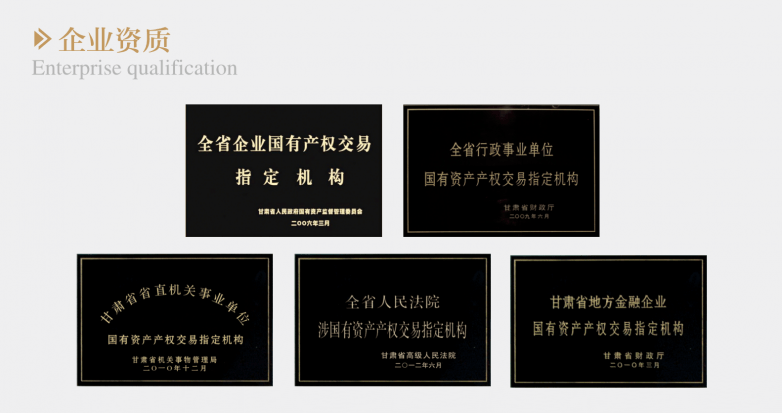
甘交所集团公开招募投资机构与投资人 共绘甘肃产权要素市场新蓝图
Sou Hu Cai Jing· 2025-11-25 11:07
Group 1 - Gansu Property Exchange Group Co., Ltd. has officially announced the recruitment of investment institutions and investors to diversify market participation and enhance the property trading system [1][3] - The recruitment targets both domestic and international investment institutions with substantial capital and industry experience, following principles of openness, fairness, and justice [1][3] - Gansu Property Exchange Group is the only comprehensive property exchange in Gansu Province and the only trading group in Northwest China, serving as a key financial infrastructure and market platform for resource allocation [3] Group 2 - The investment project matrix introduced in this recruitment highlights a "diversified and high-potential" characteristic, covering both traditional and emerging sectors [6] - The project library includes traditional quality assets such as equity, debt, real estate, and land, as well as emerging projects like green low-carbon initiatives and digital economy assets, aligning with national strategies [6] - The recruitment offers a comprehensive investment menu that caters to various risk preferences and investment needs, including unique categories like high-end liquor and luxury goods [6] Group 3 - The recruitment process allows for a convenient registration method, ensuring confidentiality of all submitted information [8] - The company aims to leverage this recruitment as an opportunity to build a more efficient bridge for supply and demand, promoting the integration of social capital with quality projects [8] - The initiative is expected to contribute to the high-quality development of the Gansu property market [8]
制度红利释放服务出口潜能
Sou Hu Cai Jing· 2025-11-24 22:29
Core Insights - China's service trade has shown steady growth, with total service trade reaching 59,362.2 billion yuan in the first three quarters of this year, a year-on-year increase of 7.6% [2] - The government has implemented a series of policies to support service trade, including the recent issuance of 20 tasks and over 70 specific policy measures aimed at promoting high-quality service trade development [3] - The China Council for the Promotion of International Trade (CCPIT) has organized initiatives to help enterprises expand into international markets, including the "Thousand Groups Going Abroad" campaign [5][6] Service Trade Growth - In the first three quarters, service exports amounted to 26,015 billion yuan, growing by 14.4%, while imports reached 33,347.2 billion yuan, increasing by 2.8% [2] - The increase in service trade is attributed to the implementation of policies that enhance the business environment and promote service industry openness [2] Policy Support - The State Council's recent opinion emphasizes five areas for service trade development, including institutional opening and resource flow, with specific measures to support knowledge-intensive service sectors like digital services and intellectual property [3] - New policy measures include optimizing zero tax rate declaration procedures and enhancing inbound consumption facilitation [3] International Market Expansion - The CCPIT has facilitated 2,249 delegations to 102 countries for market exploration last year, with 1,623 exhibition projects approved this year, covering an exhibition area of 950,000 square meters [5] - The organization aims to enhance international cooperation and support enterprises in participating in global markets [6] Legal Services Enhancement - The revised arbitration law, effective from March 2026, aims to improve China's arbitration system, enhancing its international competitiveness and supporting high-quality development [7] - The establishment of the International Mediation Institute, which focuses on resolving international disputes through mediation, is expected to enhance the legal framework for international trade [8]