移动NAND芯片

Search documents
内存条涨速超金条!100根可换上海一套房,你的手机电脑汽车都逃不过涨价
量子位· 2026-01-23 10:25
Core Viewpoint - The memory chip market is experiencing a significant price surge, driven primarily by the demand from AI servers, which require substantially more memory than traditional servers. This has led to a supply shortage that is expected to last until at least 2026, with prices projected to continue rising in the near term [6][19][20]. Group 1: Price Surge and Market Dynamics - The price of DDR5 server memory has skyrocketed, with a single 256G DDR5 module costing over 40,000 yuan, leading to a total price of 4-5 million yuan for 100 modules, which is comparable to the price of a residential property in Shanghai [1]. - From the second half of 2025, DDR5 memory prices have increased by over 300%, while DDR4 prices have risen by more than 150% [2]. - The market is characterized by extreme volatility, with prices changing daily, marking one of the most intense periods in the storage industry [3]. Group 2: Supply Shortage and Industry Response - Investment banks like UBS have indicated that the storage industry is entering a severe supply shortage phase, surpassing the historical highs seen in 2018 [4]. - Major manufacturers such as Samsung, SK Hynix, and Micron are reallocating production resources towards higher-margin High Bandwidth Memory (HBM), which is consuming a significant portion of general DRAM capacity [6][7]. - AI servers currently account for 53% of global memory production capacity, leading to a drastic reduction in the supply of general memory types like DDR5 and LPDDR5 [9]. Group 3: Manufacturer Strategies and Challenges - Manufacturers are cautious about expanding production due to previous losses during the industry downturn from 2023 to early 2024, with some companies like Micron exiting consumer markets to focus on data centers [10][11]. - Despite DDR5 becoming mainstream, there is still a high demand for DDR4, but major manufacturers have cut back on DDR4 production, leading to price anomalies where DDR4 prices exceed those of DDR5 [11]. Group 4: Impact on Various Industries - The price increases are affecting downstream industries, with PC brands like Lenovo and Dell beginning to raise prices, forcing consumers to either accept higher costs or opt for devices with reduced storage capacity [15][16]. - The automotive industry is particularly impacted, as the demand for memory has surged from a few GB to 256GB or even TB levels due to increased vehicle intelligence [18]. - Companies with strong supply chain management, such as Apple and Huawei, are less affected, while smaller firms with thin profit margins are facing significant challenges [18]. Group 5: Future Outlook - The peak of the supply shortage is expected in the first and second quarters of 2026, with prices likely to maintain a growth rate of over 20% quarter-on-quarter during that period [19]. - The price surge cycle is anticipated to last at least until the end of 2026, with a projected 26% increase in DRAM demand against a 20% increase in supply [19]. - Historical patterns suggest that the price surge will eventually correct once AI infrastructure stabilizes and new production capacity comes online, but this is not expected before 2027 [20].


存储芯片还在涨价!铠侠砸出个“黄金坑”?
Shang Hai Zheng Quan Bao· 2025-11-16 01:45
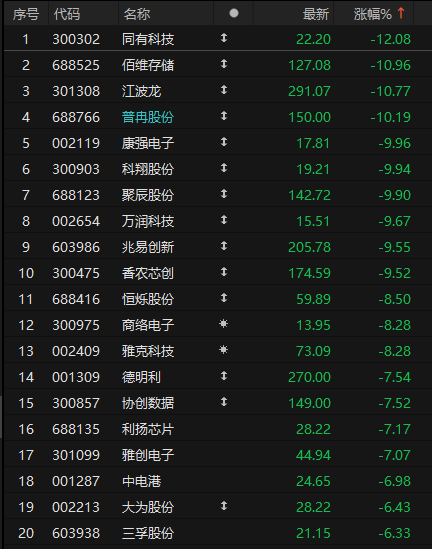
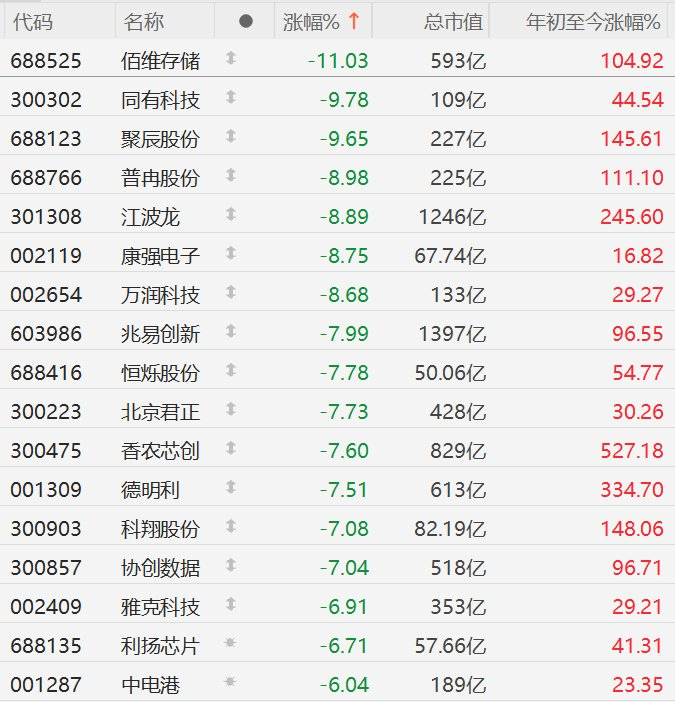
Core Viewpoint - The A-share storage chip sector experienced a significant decline on November 14, with multiple stocks dropping over 10% following disappointing earnings from Kioxia Holdings, which negatively impacted the U.S. storage chip market and subsequently the A-share market [1][3][5]. Group 1: Market Performance - On November 14, several stocks in the A-share storage chip sector, including Tongyou Technology, Bawei Storage, and Jiangbolong, saw declines exceeding 10%, while 13 other stocks fell by more than 7% [1][5]. - Kioxia Holdings reported a second-quarter revenue of 448.3 billion yen, below market expectations of 461.1 billion yen, with a year-on-year decline of 6.8% and a net profit drop of over 60% [3][5]. - Despite the downturn on November 14, Kioxia's stock had increased by over 470% year-to-date, indicating a strong performance prior to the earnings report [7]. Group 2: Price Trends and Market Outlook - The global storage market entered a new high-growth cycle this year, driven by AI development, with storage chip prices rising significantly [3][10]. - On November 14, it was reported that Samsung Electronics raised prices for some memory chips by up to 60% compared to September, due to strong demand from data centers and supply constraints [3][10]. - Kioxia's second-quarter results did not reflect the price increases that began in the third quarter, as the company had fixed-price agreements with Apple for mobile NAND chips [5][10]. - Analysts remain optimistic about Kioxia's third-quarter performance, projecting record revenues between 500 billion and 550 billion yen, driven by increased demand for NAND products related to AI [10][11]. Group 3: Diverging Views on Future Demand - There is a growing divergence in market sentiment regarding future storage demand, with some analysts expressing concerns about potential overcapacity and reduced demand if the AI sector underperforms [11][12]. - The ongoing supply constraints for eMMC and DDR5 chips suggest that while supply remains tight, actual end-user demand may not be as robust as anticipated [11]. - The situation in North America, particularly regarding data center construction and energy supply, could significantly impact storage demand, with concerns about the feasibility of AI investments due to energy constraints [11][12].
铠侠暴雷,股价暴跌23%,希捷等同行全线重挫
华尔街见闻· 2025-11-14 10:27
Core Viewpoint - Kioxia Holdings reported a significant decline in adjusted net profit for the second fiscal quarter, dropping over 60% year-on-year, raising concerns about the overall health of the storage industry [3][9]. Financial Performance - Kioxia's net profit for the quarter was 41.7 billion yen (approximately 284 million USD), a substantial decrease compared to the same period last year [3][9]. - The company's performance was impacted by both declining revenues and rising costs, leading to market worries about the storage sector's outlook [3][9]. Market Impact - Following Kioxia's earnings report, stock prices of its U.S. peers, including Seagate, Western Digital, and Micron Technology, experienced significant declines, with Seagate down 7.31%, Western Digital down 5.29%, and Micron down 3.25% [6]. - Despite these declines, the overall year-to-date performance of these stocks had been strong, with Western Digital's stock up 269%, leading the S&P 500 index [6][9]. Supply Chain Issues - Market analysts suggest that Kioxia's poor performance may be linked to its fixed-price supply agreement with Apple for mobile NAND chips, which prevented the company from benefiting from rising spot market prices [10][12]. - This pricing mechanism has made Kioxia an outlier in an otherwise booming market driven by AI and cloud computing investments [9][12].

日本存储巨头,业绩暴雷
3 6 Ke· 2025-11-14 07:43
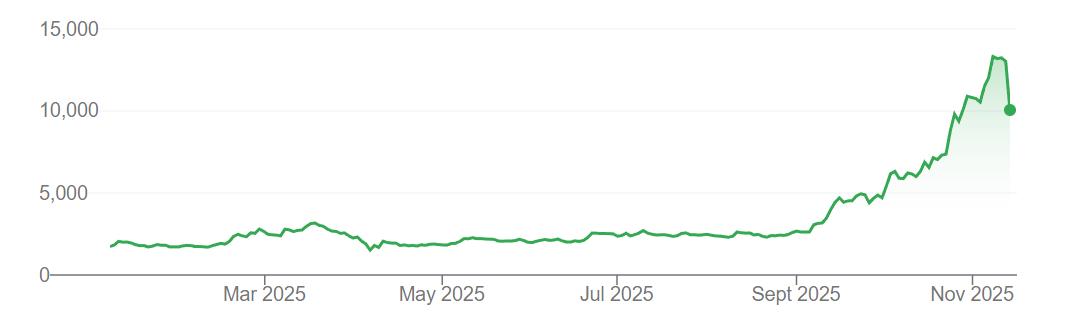
Core Viewpoint - Kioxia's disappointing Q2 results for FY2025 have triggered panic across the storage industry, raising concerns about whether this is an isolated incident or indicative of broader challenges within the sector [1][3]. Financial Performance - Kioxia reported a significant decline in adjusted net profit, down over 60% year-on-year to 40.7 billion yen, falling short of market analysts' expectations of 47.4 billion yen [1]. - Revenue for the quarter decreased by 7% year-on-year to 448.3 billion yen, while operating profit dropped by 48% to 85.9 billion yen [1]. Market Reaction - Following Kioxia's earnings report, shares of major U.S. storage companies experienced declines: Seagate down 7.29%, Western Digital down 5.39%, and Micron Technology down 3.25% [1]. - Kioxia's stock plummeted by 23% in early trading on the Japanese market the day after the earnings announcement [1]. Industry Implications - The unexpected poor performance of Kioxia has led investors in other storage companies to reassess their positions, questioning whether Kioxia's issues are unique or part of a larger industry trend [3]. - Despite the downturn, Kioxia's stock has seen a remarkable increase of 477% year-to-date, even after the recent drop [1]. Reasons for Poor Performance - Analysts attribute Kioxia's disappointing results to a fixed-price agreement with Apple for mobile NAND chips, which prevented the company from benefiting from rising market prices [3]. - Additionally, a shift in product mix, with a significant increase in lower-margin smartphone storage chip sales, has negatively impacted profitability [3][4]. Future Outlook - Kioxia has indicated that demand for its flash products remains strong and plans to adjust its product mix to improve profitability [5]. - The company anticipates record revenue and strong profit recovery in Q4 FY2025, driven by rising average selling prices and robust demand for NAND flash due to AI [5]. - Investors are advised to remain cautious as they await Micron's upcoming earnings report, which will serve as a key indicator for the overall storage industry demand [5].
铠侠财报带崩全球存储公司股价 A股存储板块大跌
Jing Ji Guan Cha Wang· 2025-11-14 05:52
Core Viewpoint - Kioxia's disappointing financial results reflect uncertainties at the tail end of the industry's cyclical low, yet there is optimism regarding the overall upward trend in NAND prices [2][7]. Financial Performance - Kioxia reported a net profit of 40.7 billion yen (approximately 1.873 billion RMB) for Q2 of FY2025 (July-September), a significant decline of 62% year-on-year, falling short of market expectations of around 47.4 billion yen [4][5]. - The poor performance is attributed to seasonal smartphone demand, which led to a high proportion (35%) of low-margin smart device products, while the share of high-margin AI data center products remained low [4]. Market Reaction - Following Kioxia's financial report, its stock price plummeted by 23.03% to 10,025 yen, causing a ripple effect in the U.S. market, with major storage companies like SanDisk, Seagate, and Western Digital experiencing declines of 15.6%, 7.31%, and 5.39% respectively [5][6]. - Concerns over global storage chip supply-demand imbalances were heightened, despite strong AI and data center demand, as Kioxia's results revealed profitability pressures [5]. A-Share Market Impact - The negative impact of Kioxia's report extended to the A-share market, with stocks like Zhaoyi Innovation and Baiwei Storage dropping by over 3% and 11% respectively [6]. - The A-share storage sector had previously benefited from a "price surge" in the global storage chip market and the explosive demand from AI [6]. Future Outlook - Analysts remain optimistic about the storage sector's rebound, driven by AI demand, despite the short-term panic triggered by Kioxia's results [7]. - Kioxia anticipates record revenue and profit for Q3 of FY2025 (October-December), primarily due to higher average selling prices and increased NAND demand related to AI [7].


日本存储巨头,业绩暴雷
财联社· 2025-11-14 05:16
Core Viewpoint - The recent financial report from Japanese storage giant Kioxia has raised concerns in the industry, as it revealed a significant drop in profits and revenues, contrasting sharply with the overall positive sentiment driven by the AI boom in the storage sector [1][2][3]. Group 1: Kioxia's Financial Performance - Kioxia reported a more than 60% year-on-year decline in adjusted net profit for Q2 of fiscal year 2025, amounting to 40.7 billion yen, falling short of the market expectation of 47.4 billion yen [2]. - The company's revenue for the same quarter decreased by 7% to 448.3 billion yen, while operating profit dropped by 48% to 85.9 billion yen [3]. - Following the disappointing results, Kioxia's stock plummeted by 23% in early trading on the Japanese stock market [4]. Group 2: Market Reaction - Kioxia's poor performance triggered a sell-off in the U.S. storage sector, with Seagate's stock falling by 7.29%, Western Digital down by 5.39%, and Micron Technology decreasing by 3.25% [3]. - Despite the recent drop, Kioxia's stock has still seen a remarkable increase of 477% year-to-date, largely due to the AI-driven demand for storage solutions [5][6]. Group 3: Reasons for Kioxia's Underperformance - Analysts attribute Kioxia's disappointing results to a fixed-price agreement with Apple for NAND chip supplies, which prevented the company from benefiting from rising market prices [7]. - Additionally, a shift in product mix, with a significant increase in lower-margin smartphone storage chip sales, has negatively impacted profitability [7]. - The demand from cloud service providers for flash memory over SSDs has also contributed to reduced procurement of Kioxia's products, further affecting short-term profits [7]. Group 4: Industry Outlook - Kioxia has indicated that demand for its flash products remains strong and plans to adjust its product mix to improve profitability [9]. - The company anticipates record revenue and strong profit recovery in Q4 of fiscal year 2025, driven by rising average selling prices and robust NAND flash demand fueled by AI [9]. - Investors are advised to adopt a more cautious perspective on the overall storage industry, especially with Micron's upcoming financial report expected to provide further insights into market demand [10][11].

铠侠财报带崩全球存储公司股价,A股存储板块大跌
Jing Ji Guan Cha Wang· 2025-11-14 04:31
Core Viewpoint - Kioxia Holdings' disappointing financial results have negatively impacted the stock prices of major storage companies globally, despite a surge in demand for storage hardware driven by AI data centers [1][2][3]. Financial Performance - Kioxia reported a net profit of 40.7 billion yen (approximately 1.87 billion RMB) for Q2 of FY2025, a significant decline of 62% year-over-year, falling short of market expectations of around 47.4 billion yen [2]. - The company's poor performance is attributed to a high proportion of low-margin smartphone products, which accounted for 35% of sales, while high-margin AI data center products had a lower share [2][3]. Market Reaction - Following Kioxia's earnings report, its stock plummeted by 23.03% to 10,025 yen, while other major storage companies like SanDisk, Seagate Technology, and Western Digital also experienced significant declines in their stock prices [3][4]. - The overall drop in the storage sector is linked to concerns over a global supply-demand imbalance in storage chips, despite strong demand from AI and data centers [3]. A-share Market Impact - Kioxia's financial results triggered a sell-off in the A-share market, with stocks of domestic storage companies like Zhaoyi Innovation and Jiangbo Long experiencing notable declines [4]. - The A-share storage sector had previously benefited from rising prices in the global storage chip market and the explosion of AI demand [4]. Future Outlook - Analysts remain optimistic about the long-term prospects for the storage sector, citing a potential rebound driven by AI demand, which is expected to account for 40% of storage needs by 2025 [4][5]. - Kioxia anticipates record revenue and profit for Q3 of FY2025, driven by higher average selling prices and increased NAND demand related to AI [6].
A股异动丨铠侠暴雷,存储芯片股集体重挫,佰维存储跌11%
Ge Long Hui A P P· 2025-11-14 03:54
Core Viewpoint - Kioxia's poor performance has negatively impacted the A-share market, leading to a significant decline in storage chip concept stocks, raising concerns about the overall health of the storage industry [1] Company Performance - Kioxia's adjusted net profit for the second fiscal quarter plummeted over 60% year-on-year, amounting to 41.7 billion yen (approximately 284 million USD), a substantial drop compared to the same period last year [1] - The company is facing dual pressures of declining revenue and rising costs, which has triggered market worries regarding the storage industry's outlook [1] Market Reaction - Following Kioxia's earnings report, several storage-related stocks in the A-share market experienced sharp declines, with notable drops including: - Baiwei Storage down 11% - Tongyou Technology and Jucheng Co. down over 9% - Other companies like Purang Co., Jiangbolong, and Kangqiang Electronics down over 8% [2] - The overall market sentiment reflects a lack of confidence in the storage sector, influenced by Kioxia's performance [1][2] Pricing Mechanism Impact - Analysts suggest that Kioxia's disappointing results may be attributed to its fixed-price agreements for supplying mobile NAND chips to Apple, which prevented the company from benefiting from the significant increases in spot prices [1]



暴跌23%,日本铠侠暴雷带崩全行业,存储热潮要凉了吗?
Feng Huang Wang· 2025-11-14 03:49
Core Viewpoint - The disappointing financial results of Kioxia, a Japanese storage giant, have raised concerns across the storage industry, contrasting with the overall positive sentiment driven by the AI boom [2][5]. Group 1: Kioxia's Financial Performance - Kioxia reported a significant decline in adjusted net profit for Q2 FY2025, dropping over 60% year-on-year to 40.7 billion yen, falling short of the market analysts' expectation of 47.4 billion yen [2]. - The company's revenue for the same quarter decreased by 7% to 448.3 billion yen, while operating profit fell by 48% to 85.9 billion yen [2]. - Despite the recent stock price drop, Kioxia's stock has seen a remarkable increase of 477% year-to-date, even after the recent decline [3]. Group 2: Market Reaction - Kioxia's poor performance triggered a sell-off in the U.S. storage sector, with Seagate's stock dropping by 7.29%, Western Digital by 5.39%, and Micron Technology by 3.25% following the news [2]. - Kioxia's stock plummeted by 23% in the Japanese market after the earnings report was released [2]. Group 3: Industry Implications - The unexpected decline in Kioxia's profits raises questions about whether this is an isolated incident or indicative of broader challenges facing the storage industry [5]. - Analysts attribute Kioxia's disappointing results to a fixed-price agreement with Apple, which limited profit potential despite rising market prices for NAND chips [6]. - Changes in Kioxia's product mix, including a higher revenue share from lower-margin smartphone storage chips, have also negatively impacted profitability [7]. Group 4: Future Outlook - Kioxia has indicated that demand for its flash products remains strong and plans to adjust its product mix to improve profitability [8]. - The company anticipates record revenue and strong profit recovery in Q4 FY2025, driven by rising average selling prices and robust NAND flash demand fueled by AI [8]. - Micron, another major U.S. storage company, is set to release its latest financial results next month, which will serve as a key indicator for overall storage industry demand [9].
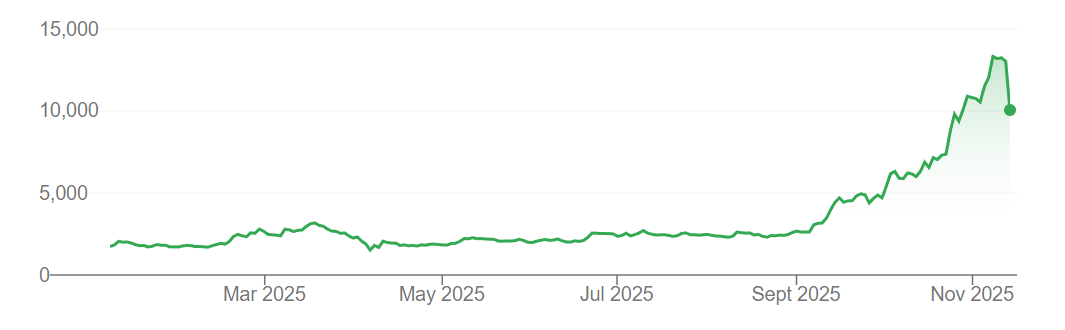
铠侠暴雷,希捷暴跌,“最火”的美国存储股全线重挫
硬AI· 2025-11-14 02:12
Core Viewpoint - Kioxia Holdings reported a more than 60% year-on-year decline in adjusted net profit for Q2, leading to a significant drop in stock prices for U.S. peers in the storage sector, including Seagate, Western Digital, and Micron Technology [2][3][5]. Group 1: Financial Performance - Kioxia's net profit for the quarter was 41.7 billion yen (approximately $284 million), a substantial decrease compared to the same period last year [5]. - The company is facing dual pressures of declining revenue and rising costs, raising concerns about the overall health of the storage industry [5]. Group 2: Market Impact - The poor performance of Kioxia has triggered a sell-off in the storage sector, with Seagate's stock dropping by 7.29%, Western Digital by 5.39%, and Micron by 3.25% [2][4]. - Despite the declines, the overall market has not shown severe concern about the industry's outlook, as evidenced by the relatively small pullback compared to the significant gains these stocks have seen this year [9]. Group 3: Supply Chain Issues - Analysts suggest that Kioxia's disappointing results may stem from its fixed-price supply agreement with Apple for mobile NAND chips, which has prevented the company from benefiting from the surge in spot market prices [8][11]. - This pricing mechanism has made Kioxia an outlier in an otherwise booming market, where demand has been driven by investments in artificial intelligence and cloud computing [9][11]. Group 4: Industry Outlook - Western Digital and Seagate have recently reported earnings that exceeded market expectations, while Micron is set to release its Q4 results next month, which will provide further insights into the overall demand in the industry [12].