
端侧芯片

Search documents
当千亿参数撞上5毫米芯片
Tai Mei Ti A P P· 2025-12-10 03:19
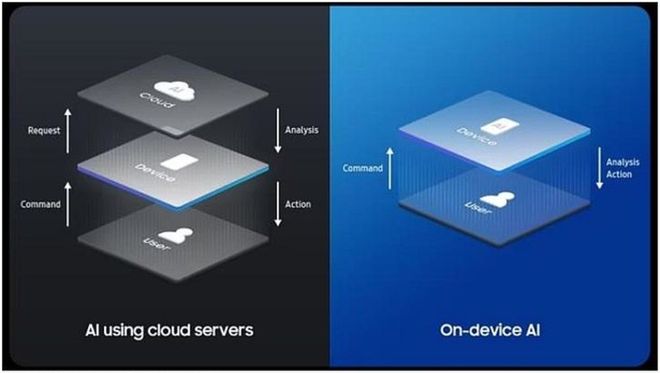
Core Insights - The global tech industry is experiencing a shift from cloud-based AI to edge AI, driven by the limitations of cloud dependency and the need for real-time processing in critical applications [1][4][18] - The current trend emphasizes the development of smaller, more efficient AI models that can operate independently on edge devices, rather than relying on large cloud models [16][18] Group 1: Challenges of Cloud Dependency - Cloud-based AI systems face significant latency issues, which can be detrimental in time-sensitive applications like autonomous driving [2][4] - Privacy concerns arise from the need to transmit sensitive data to cloud servers, making edge computing a more attractive option for users [2][4] Group 2: The Shift to Edge AI - The industry is moving towards a "cloud-edge-end" architecture, where complex tasks are handled by cloud models while real-time tasks are managed by edge devices [7][18] - Edge AI must overcome the "impossible triangle" of high intelligence, low latency, and low power consumption, necessitating innovative solutions [7][8] Group 3: Techniques for Edge AI Implementation - Knowledge distillation is a key technique that allows smaller models to retain the intelligence of larger models by learning essential features and reasoning paths [8][10] - Extreme quantization reduces model size and increases speed by compressing model weights, allowing for efficient processing on edge devices [10][11] - Structural pruning eliminates redundant connections in neural networks, further optimizing performance for edge applications [10][11] Group 4: Hardware Innovations - The "memory wall" issue in traditional architectures leads to inefficiencies, prompting the development of specialized architectures that integrate storage and computation [11][13] - Companies are exploring dedicated chip designs that optimize performance for specific AI tasks, enhancing efficiency in edge computing [13][14] Group 5: Industry Evolution - The focus is shifting from general-purpose AI models to specialized models that excel in specific applications, improving reliability and performance [15][16] - The Chinese AI industry is collectively recognizing the importance of practical applications over sheer model size, leading to a more grounded approach to AI development [16][18]


2025全球开发者先锋大会暨国际具身智能技能大赛将于12月在沪举办
Xin Hua Cai Jing· 2025-11-29 05:44
Group 1 - The 2025 Global Developer Pioneer Conference and International Embodied Intelligence Skills Competition will be held from December 12 to 14 in Zhangjiang, Shanghai, focusing on the integration of "silicon-based life" into human production and life [1] - The competition will cover real-world applications with various segments including "Arena," "Workshop," "Debate Square," and "Festival," testing robots' service capabilities across multiple fields such as industrial production, social services, home assistance, and emergency rescue [1] - This year's competition introduces an innovative judging mechanism with human skill masters joining AI experts to form a "triple evaluation" panel, and will also feature a performance award showcasing robots' potential in cultural performances and sports [1] Group 2 - Embodied intelligence is seen as a key driver for transitioning artificial intelligence from virtual to real-world applications, with the conference aiming to explore vast opportunities across various industries and households [2] - Shanghai has seen the release of over ten new humanoid robots this year, with breakthroughs in key technologies such as edge chips, smart modules, and core components, accelerating the gathering of the industry chain in the region [2] - The establishment of the Zhangjiang Artificial Intelligence Innovation Town marks a new phase for AI application in Shanghai, focusing on ecological aggregation and large-scale implementation, with various initiatives to support AI technology deployment [3]
泰凌微:端侧芯片可自学习对接大模型
Ju Chao Zi Xun· 2025-11-25 12:48
Core Viewpoint - The company is progressing with its listing on the Hong Kong Stock Exchange and is actively developing edge AI chips that enhance local computing and self-learning capabilities, aiming to integrate AI from cloud to edge devices [1][4]. Group 1: Company Developments - The company confirmed that its listing on the Hong Kong Stock Exchange is still in progress and will provide updates as required by regulatory standards [1][4]. - The edge AI chips developed by the company enable low-power wireless IoT chips to perform local computations and self-learning, moving beyond traditional transmission roles [3]. Group 2: Technology and Applications - The edge AI chips can interface with cloud-based large models and execute inference tasks locally, transforming communication chips into intelligent nodes [3]. - The company has established partnerships with leading domestic and international clients and is integrating its chips with major AI model platforms, facilitating easier deployment in smart homes, wearables, and industrial IoT applications [3]. Group 3: Strategic Focus - The core strategy of the company is to bring AI capabilities from the cloud to edge devices, which can reduce latency, enhance privacy, and save bandwidth, particularly for IoT applications requiring high reliability [3]. - The company aims to create a unified AI service system through the collaboration of edge AI capabilities and cloud-based large models, promoting product implementation across diverse application scenarios [3].


关于端侧大模型芯片化的若干趋势思考......
自动驾驶之心· 2025-10-23 00:04
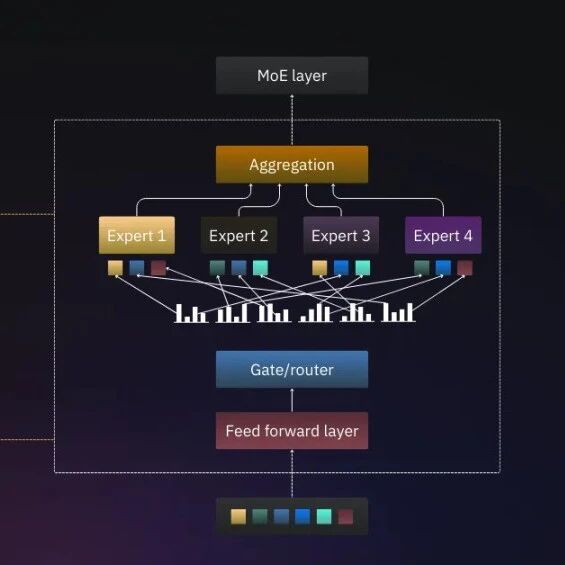
Core Insights - The article discusses the evolution of algorithms in the chip design industry, particularly focusing on the advancements in attention mechanisms and their implications for future chip designs [2][4]. Group 1: Attention Mechanism Evolution - The Transformer architecture has dominated the large model field, but its self-attention mechanism poses significant computational challenges, especially in terms of power requirements during the prefill and decode phases [4]. - Various improvements to the Transformer structure have been proposed, such as Performer, Reformer, and lnformer, but none have achieved widespread application due to a lack of strong demand [4]. - The emergence of linear attention mechanisms aims to reduce computational complexity to linear levels, with models like RWKV and Mamba following this approach [5]. Group 2: Dynamic Sparsity and MoE Technology - Dynamic sparsity, particularly through Mixture of Experts (MoE) technology, has gained traction, allowing only a subset of experts to be activated during inference, which can lead to better performance and reduced computational costs [8]. - The trend towards increased sparsity in MoE models, such as Ant Group's recent models, indicates a significant shift in the industry, necessitating larger memory and bandwidth requirements [9]. Group 3: Low-Bit Quantization - The introduction of low-bit quantization techniques, such as FP8 training, has opened new avenues for model efficiency, with a focus on weight-only quantization to alleviate bandwidth bottlenecks [11]. - The article highlights the importance of fine-grained quantization and the potential for mixed quantization strategies to optimize model performance, especially in MoE models [12]. Group 4: Token Compression - Token compression has emerged as a critical area for reducing the computational burden of large models, particularly in visual token processing, which has shown high redundancy [14]. - The article notes a surge in research focused on token compression techniques, which could significantly impact chip design by lowering application barriers for large models [14]. Group 5: Future Implications for Chip Design - The advancements in attention mechanisms, dynamic sparsity, low-bit quantization, and token compression are expected to have substantial implications for the design of future edge chips, which have lagged behind the development of large models [14].
上海:支持人形机器人产品研发和量产制造,推进端侧芯片、灵巧手、电池等核心零部件加快产业化突破
Zheng Quan Shi Bao Wang· 2025-10-14 09:49
Core Viewpoint - The Shanghai Municipal Economic and Information Commission has issued the "Action Plan for High-Quality Development of the Intelligent Terminal Industry in Shanghai (2026-2027)", emphasizing the enhancement of robotic terminal capabilities [1] Group 1: Robotics Development - The plan aims to develop humanoid robots that possess listening, emotional intelligence, cognitive skills, and technical abilities [1] - Support will be provided for the research and mass production of humanoid robot products [1] - The initiative includes accelerating the industrialization of core components such as edge-side chips, dexterous hands, and batteries [1] Group 2: Industrial Collaboration - The plan promotes the collaboration between industrial robots and their components, focusing on key components and high-end complete machines to address weaknesses in the supply chain [1] - There is an emphasis on completing the industrial chain by addressing gaps in critical areas [1] Group 3: Market Penetration - The strategy aims to accelerate the penetration of robotic terminal products into the consumer market [1] - Development of consumer-grade robots such as companion robots and household robots is a key focus [1]

好上好:AI方面已与摩尔线程、星宸科技等厂商合作并取得初步成效
Ju Chao Zi Xun· 2025-09-05 08:00
Core Viewpoint - The company has made significant progress in the AI industry chain, particularly in the GPU sector, and is actively collaborating with domestic manufacturers to explore the potential of the AI market [2] Group 1: AI Industry Developments - The company began its layout in the AI industry chain last year and has made advancements in the GPU field through collaboration with domestic manufacturer Moore Threads [2] - The company has assisted original manufacturers, such as Starshine Technology, in integrating low-power AI functions into their edge chips and has achieved initial success in client-side promotion [2] - The company plans to leverage its technical team's experience in application solution design and market understanding to foster ecological collaboration and tap into the vast potential of the AI market [2] Group 2: Collaborations and Product Applications - The company has established partnerships with several domestic manufacturers, particularly in the industrial automotive sector, with notable performance from companies like ChuanTu Microelectronics in isolation products [2] - Products such as DSP from Gejian have distinctive features in the domestic market, while interface products from Jishi Innovation have been successfully introduced into multiple application scenarios and have entered mass production [2] - Relevant products have achieved large-scale application in the industrial automotive sector [2] Group 3: Financial Performance - In the first half of the year, the company achieved operating revenue of 3.884 billion yuan, representing a year-on-year increase of 16.13% [2] - The net profit attributable to shareholders of the listed company was 33.6114 million yuan, reflecting a year-on-year increase of 71.05% [2]

上海启动“人工智能+”行动,端侧芯片等获重点支持
Xuan Gu Bao· 2025-09-02 23:35
Group 1 - Shanghai Municipal Economic and Information Commission has announced the implementation of the national "Artificial Intelligence +" initiative, focusing on enhancing intelligent computing power supply services [1] - The initiative supports the research and application of high-performance training, inference chips, and edge chips for artificial intelligence, as well as the construction of foundational AI hardware and software systems [1] - The demand for edge AI computing power is expected to rise due to the increasing market share of AI smart glasses and AI smartphones, with the edge AI industry market size in China projected to exceed 1.9 trillion yuan by 2028 [1][1] Group 2 - Xincheng Technology plans to acquire a 53.31% stake in Bluetooth chip design company Furui Kun to create a leading self-developed SoC IP platform in the industry [2] - Hengxuan Technology's BES2700 and BES2800 chips have been mass-produced in projects involving customer smart glasses, wireless microphones, and recording pens [2]
【国信电子胡剑团队】晶晨股份:二季度出货量创历史新高,在手及预期订单充裕积极备货
剑道电子· 2025-08-22 02:59
Core Viewpoint - The company achieved a revenue growth of 9.94% year-on-year in Q2, with a net profit attributable to shareholders increasing by 31.46% [3] Financial Performance - In the 2025 mid-year report, the company reported a revenue of 3.33 billion yuan (YoY +10.42%) and a net profit of 497 million yuan (+37.12%). In Q2 alone, revenue reached 1.80 billion yuan (YoY +9.94%, QoQ +17.72%) and net profit was 308 million yuan (YoY +31.46%, QoQ +63.90%) [4] - The company recognized share-based payment expenses of 17 million yuan in 1H25, with a net profit impact of 23 million yuan after considering related taxes. Excluding these expenses, the net profit for 1H25 would be 520 million yuan [4] Orders and Inventory Management - The company is actively increasing inventory in response to abundant orders, expecting further growth in Q3 year-on-year. The gross margin in Q2 reached 37.29%, up 1.06 percentage points from the previous quarter, indicating improved profitability [5] - Inventory increased by 466 million yuan to 1.85 billion yuan, and prepaid expenses rose by 602 million yuan to 621 million yuan, primarily due to increased inventory levels in anticipation of current and expected orders. The company expects continued growth in operating performance for Q3 and the entire year of 2025 [5] Product Performance - The company achieved a record high shipment of nearly 50 million units in Q2, driven by the launch of strategic new products. Specifically, sales of smart home products grew over 50% year-on-year in both 1H25 and Q2 [6] - The shipment of 19 types of edge chips exceeded 9 million units in 1H25, surpassing the total sales for the entire year of 2024. Wi-Fi chip sales in 1H25 exceeded 8 million units, with Q2 alone surpassing 5 million units, and Wi-Fi6 sales in Q2 grew over 120% compared to Q1 [6] - The sales of 6nm chips in Q2 exceeded 2.5 million units, with a cumulative shipment of over 4 million units in 1H25, maintaining an annual shipment expectation of over 10 million units [6] - New product developments include successful tape-out of Wi-Fi AP chips and ongoing development of high-precision electronic image correction and stabilization products [6]


我国算力总规模位居全球第二!寒武纪涨超11%,再创新高!科创50指数ETF(588870)涨超1%!机构:坚定看好自主可控与端侧AI
Xin Lang Cai Jing· 2025-08-14 06:16
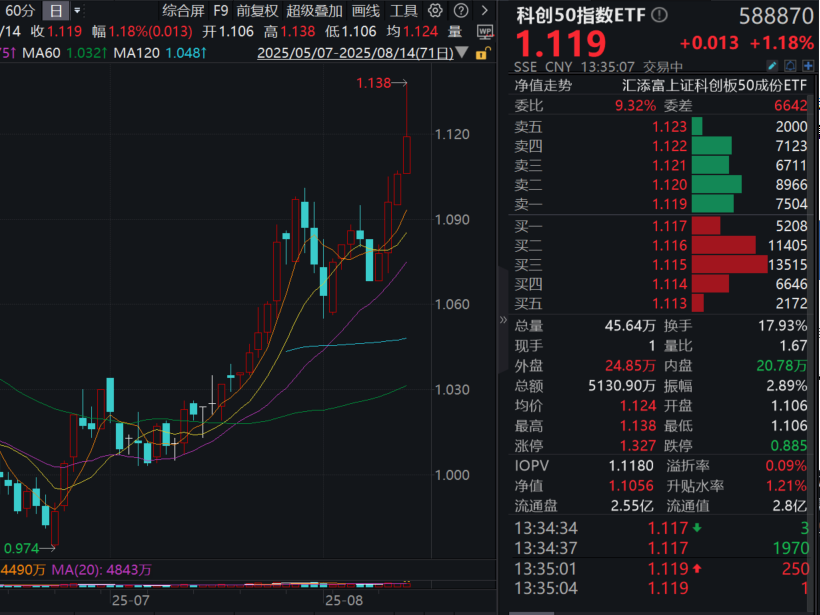
Group 1 - The core viewpoint of the news highlights the strong performance of the ChiNext 50 Index ETF (588870), which saw a more than 2% increase during the trading session, with a current increase of over 1% and a trading volume exceeding 51 million CNY, leading in turnover rate among similar products [1] - The ChiNext 50 Index ETF has experienced a year-to-date share growth rate of over 18%, continuing to outperform its peers [1] - The underlying index components of the ChiNext 50 Index ETF showed mixed performance, with major stocks like Cambricon Technologies rising over 11%, surpassing a market capitalization of 400 billion CNY [2][3] Group 2 - The semiconductor industry is experiencing a positive trend, with companies like SMIC and Huahong Semiconductor highlighting the high demand for analog ICs and the acceleration of domestic replacements during their Q2 earnings calls [4] - The semiconductor sector is expected to maintain optimistic growth in 2025, driven by AI and supported by policies addressing supply chain risks and promoting domestic alternatives [5] - Domestic AI chip companies are focusing on innovations in interconnect technology and large-scale system solutions, aiming to enhance their market share through improved product capabilities [6] Group 3 - The ChiNext 50 Index ETF (588870) tracks the top 50 stocks on the ChiNext board, covering key sectors such as chips, pharmaceuticals, power equipment, and computers, representing leading companies in these fields [7] - The management fee for the ChiNext 50 Index ETF is as low as 0.15%, and the custody fee is as low as 0.05%, making it one of the lowest in the market [8]



中欧基金科技战队:制造「工业化」星舰,穿越AI光变纪元
凤凰网财经· 2025-03-22 10:16
远川投资评论 . 看更好的资管内容 以下文章来源于远川投资评论 ,作者沈晖 来源|远川投资评论 作者|沈晖 编辑|张婕妤 2024年12月13日,中欧基金科技研究小组做了一个少有人注意到的预判: 「当前国产大模型能力逐步追赶到GPT-4的水平,明年达到GPT-o1水平。 」 一个月后预言成真,DeepSeek骤然问世,一场暴烈的AI变革席卷而来,中欧科技战队的基金经理们原本清闲的春节假期也忙碌了起来。 刘伟伟闲暇时一边跟踪着国内外关于AI的最新信息,一边跟公司的研究员深入探讨,冯炉丹思考AI能够提效的场景,赶忙写下数个Prompt。中欧科技战队 自发进入「加班」状态,从美股算力暴跌聊到Scaling Law是否失效,从DeepSeek的意义探讨聊到节后对下游硬件与应用的配置策略。 「AI行业变化太快了,变化太多了。」刘伟伟感叹,「我做投资那么多年,第一次遇到变化那么快,需要每天学习巨量新知识的行业。」与此同时,AI产 业的许多变化源头在北美,供应链又分布在整个亚太,这就对投研的全球性、时效性提出了更加前所未有的挑战。 宇树机器人回旋踢,Figure AI机器人干家务,Manus引爆智能体新纪元。智能涌现的速度 ...