网络货运服务

Search documents
规范货运平台 加快充电站建设!2月一批行业新规将实施 | 头条
第一商用车网· 2026-02-01 13:32
National Policies - The implementation of the National IV truck replacement policy will continue into 2026, boosting market confidence [6] - The Ministry of Transport and the State Taxation Administration issued the "Management Measures for Network Freight Carrier Platforms," which includes requirements for licensing, safety management, and service consistency [2] - A comprehensive transportation safety production and service guarantee plan for the 2026 Spring Festival was released, emphasizing the enhancement of charging services for new energy vehicles [5] Local Policies - Hebei plans to establish 1,200 "super-fast combined" charging stations by 2027 to enhance electric vehicle charging infrastructure [12] - Shandong supports the commercial application of intelligent connected vehicles, allowing for extensive testing and market operations [14] - Sichuan is implementing a data-driven approach to enhance safety risk management for passenger and hazardous goods transport [15] - Liaoning has extended and optimized differentiated charging policies for designated vehicles, offering discounts for certain transport vehicles [17] - Henan is enhancing regulation of freight platforms and encouraging public reporting of illegal "overweight" vehicles [18][21] - Inner Mongolia is promoting transparency in highway rescue service charges to protect the rights of both the rescued and the rescuers [22] - Beijing will transition to electronic invoices for tolls starting February 2026, improving efficiency and public service [24]


(经济观察)监管“利剑”出鞘 中国亮剑整治市场竞争乱象
Zhong Guo Xin Wen Wang· 2026-02-01 10:16
Group 1 - The Chinese market regulatory authorities have intensified efforts to address market competition issues, particularly in the food delivery and travel service sectors, by launching investigations into unfair practices such as price wars and market dominance [1][2] - The National Market Supervision Administration has announced a focus on deepening fair competition governance, emphasizing the need to combat monopolistic behaviors and "involution" in various industries, which has led to reduced profits and increased operational burdens [2][3] - Recent regulatory measures include the implementation of the "Live E-commerce Supervision Management Measures" to address issues like false advertising and unfair competition in the live e-commerce sector, as well as guidelines to regulate fees charged by online trading platforms [3] Group 2 - The regulatory authorities aim to create a favorable institutional environment for companies to engage in lawful mergers and acquisitions, particularly in sectors experiencing "involution" competition, such as automotive and renewable energy [4] - A notable example of regulatory support is the approval of a joint venture between China National Petroleum Corporation and Contemporary Amperex Technology Co., which is intended to enhance innovation and efficiency while avoiding homogeneous competition [4] - The National Market Supervision Administration plans to continue improving the review system for business consolidations to enhance efficiency and effectiveness in addressing "involution" competition [4]
市场监管总局发布综合整治“内卷式”竞争典型案例 为治理无序竞争树标杆划重点
Jing Ji Ri Bao· 2026-02-01 01:30
Core Viewpoint - The State Administration for Market Regulation has launched a comprehensive campaign to address "involution" competition across key sectors, including online freight, mobile power banks, new energy vehicles, and photovoltaics, aiming to transform market competition from "disorderly internal consumption" to "quality improvement" [1] Group 1: Online Freight Industry - The online freight industry has seen rapid growth but has been marred by platforms like Huolala using algorithms to unfairly lower freight prices, harming drivers' rights [2] - The State Administration for Market Regulation publicly interviewed Huolala, emphasizing compliance with antitrust laws and promoting fair competition to protect drivers and consumers [2] - The goal of the intervention is to ensure platform rules and algorithms are transparent, restoring fairness in competition [2] Group 2: Mobile Power Bank Industry - The mobile power bank sector has faced safety issues due to price wars, leading to incidents like battery explosions, as companies prioritize market share over product quality [2] - In 2025, the administration oversaw 10 recalls involving 1.3977 million units, with complaints about mobile power banks decreasing by 85% since July 2025 [3] - The administration plans to enhance recall supervision and enforce strict compliance with defect product recall obligations [3] Group 3: Product Quality Supervision - The administration highlights the need for stringent quality control to prevent cost-cutting from compromising product safety [4] - Mandatory product certification serves as a critical safeguard for quality, with increased random inspections and strict management of production processes [4] - The administration aims to ensure that companies maintain quality assurance capabilities and consistency in product management to combat "quality reduction for lower prices" [4] Group 4: Fair Competition - Addressing "involution" competition requires not only regulating corporate behavior but also standardizing government intervention to eliminate local protectionism and market fragmentation [5] - The administration emphasizes proactive measures, such as pre-warning and compliance guidance in the photovoltaic sector, to mitigate risks before they escalate [6] - In 2025, the administration reviewed 58,000 policy measures to prevent the introduction of policies that hinder fair competition, conducting numerous interviews to ensure compliance [6] Group 5: Future Directions - The administration plans to enhance enforcement of the Fair Competition Review Regulations and combat the abuse of administrative power that restricts competition [7] - Efforts will focus on integrating effective markets with proactive government actions to support the development of a unified national market [7]
河南2025年完成公路水路固定资产投资超千亿元
Zhong Guo Xin Wen Wang· 2026-01-13 00:39
Core Insights - In 2025, Henan Province achieved significant milestones in transportation, including over 100 billion yuan in fixed asset investment and a total highway mileage exceeding 10,000 kilometers [1] - The province's port throughput reached 71.62 million tons, marking a year-on-year increase of 17.7%, with container throughput growing by 4.9% to 114,000 TEUs [1] - The transportation system in Henan is focusing on high-quality development, aiming to build a modern, safe, efficient, green, and economical transportation network [2] Investment and Infrastructure Development - In 2025, Henan completed 1,126 kilometers of new highways, contributing to a total of 10,088 kilometers of operational highways [1] - Key projects included the opening of the Zhoukou Port and the operation of the Pingdingshan Port, enhancing the efficiency of port operations [1] - The province is also enhancing rural road infrastructure, with 7,603 kilometers of rural roads newly constructed or renovated [1] Transportation Growth Metrics - Passenger transport reached 740 million trips, while freight transport totaled 2.89 billion tons, both showing steady growth [2] - The introduction of 77 customized medical transport routes and the establishment of 18 new online freight companies indicate a diversification in transportation services [2] - The annual volume of online freight reached 84.77 million tons, reflecting the growth of new transportation models [2] Environmental Initiatives - Henan's transportation system is advancing green and low-carbon development, with over 10,000 old operating vehicles and 460 vessels being retired [2] - The implementation of incentives for hydrogen and electric trucks, along with the addition of 1,960 charging stations in highway service areas, supports sustainable transportation efforts [2] - Several projects have been selected as national zero-carbon pilot initiatives, highlighting the province's commitment to environmental sustainability [2]
华税:互联网平台行业税务合规报告(2026)-灵活用工与网络货运
Sou Hu Cai Jing· 2026-01-04 16:09
Core Insights - The report focuses on tax compliance in the internet platform industry, specifically in flexible employment and online freight sectors, highlighting the current compliance status, risks, and management pathways [1][2] Group 1: Industry Overview - The flexible employment market in China is projected to grow from 308.1 billion yuan in 2017 to 1,725.1 billion yuan by 2024, with an average annual growth rate of 26.6% [15][17] - As of June 2024, there are 3,286 online freight companies in China, integrating a total of 8.044 million vehicles [1][25] Group 2: Tax Policy and Regulatory Environment - Tax policies exhibit regional differences and tightening regulations, with varying requirements for tax collection qualifications and invoice issuance across different regions [1][30] - Online freight platforms are required to issue invoices at a 9% tax rate, with strict conditions for input tax deductions covering fuel and toll fees [1][29] Group 3: Common Tax Risks - Common risks include failure to fulfill information reporting obligations, insufficient invoice compliance, and lack of business authenticity verification [2] - Specific risks in flexible employment platforms include the misuse of individual business policies, while online freight platforms face disputes over fuel and toll deductions [2] Group 4: Compliance Management Recommendations - Platforms should maintain business authenticity, preserve transaction records, and ensure traceable payment paths through public accounts [2] - It is recommended to establish internal management systems with tiered approval and self-inspection mechanisms, and to engage external professionals for complex tax issues [2]

铁路货运量稳增提质,物流服务赋能发展
Huafu Securities· 2025-12-20 14:29
Investment Rating - The industry rating is "Outperform the Market," indicating that the overall return of the industry is expected to exceed the market benchmark index by more than 5% in the next 6 months [13]. Core Insights - From January to November 2025, the national railway transported a total of 3.727 billion tons of goods, representing a year-on-year increase of 2.7%, with an average daily loading of 187,000 cars, up by 3.7% [3]. - The railway sector is focusing on modern logistics system construction, optimizing the 95306 freight platform, and launching customized trains for bulk and cold chain logistics, leading to a 31.8% increase in cotton shipments and a 15.4% increase in intermodal container freight [3][4]. - Service quality is continuously improving, with logistics total package and network freight services being promoted, and cross-border transport showing significant growth, such as a 55% increase in container shipments via the Western Land-Sea New Corridor [4]. - The State Council has set a target for railway operating mileage to reach 165,000 kilometers by 2025, with a long-term goal of 200,000 kilometers by 2035, which is expected to create vast market opportunities for the rail transit equipment industry [5]. Company Summaries - China CNR Corporation: A global leader in rail transit equipment, maintaining the top position in rail transit equipment revenue [5]. - China Railway Signal & Communication Corporation: A leading provider of rail transit control systems with a focus on rail traffic control technology [5]. - Times Electric: A leading supplier of traction and conversion systems, consistently leading the domestic market [5]. - Sifang Railway Control: A specialized enterprise in railway transport safety assurance, becoming a core supplier in the high-speed rail monitoring field [5]. - Shenzhou High-speed Railway: A leading enterprise in intelligent operation and maintenance equipment for rail transit, covering a wide range of customers including national railways and urban rail [5]. - Huizhong Technology: Committed to serving rail transit, providing operation and maintenance equipment and integrated solutions with rich technical development and project implementation experience [5].
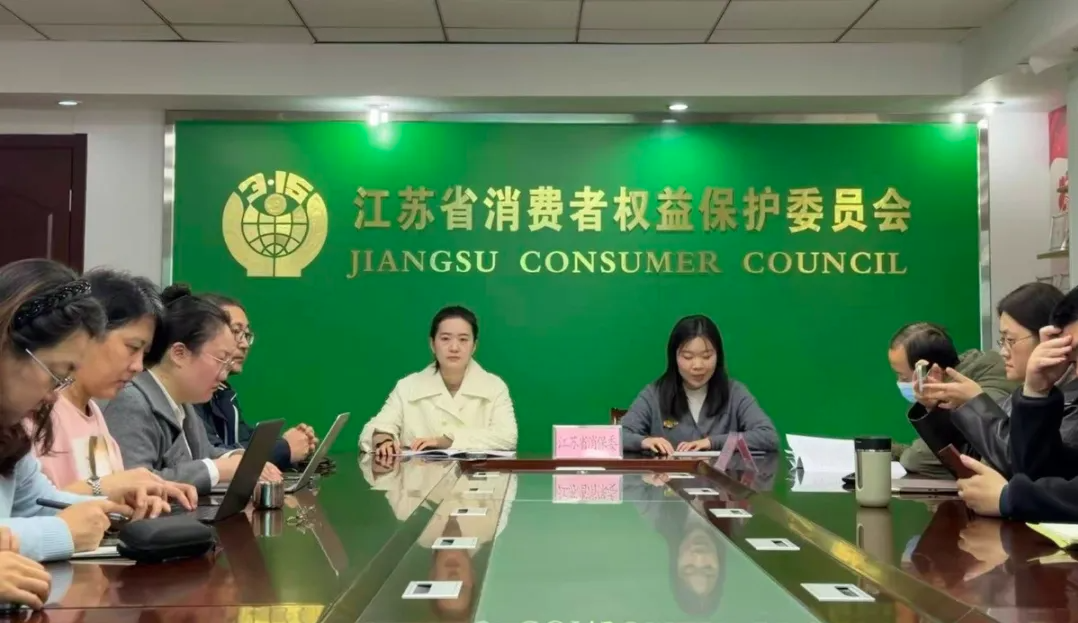
江苏省消保委发布网络货运平台调查报告
Jiang Nan Shi Bao· 2025-12-15 13:30
Core Insights - The core issue identified in the consumer survey on online freight service platforms includes four main categories: lack of transparency in pricing mechanisms, discrepancies between platform information and actual services, inconsistent service quality, and inefficient dispute resolution mechanisms [1] Pricing Transparency - Consumers prioritize "reasonable transportation pricing" when selecting freight platforms, with 80% indicating it as the most important factor [1] - 30% of respondents find the freight calculation method very clear, while 54.3% consider it relatively clear; 15.7% feel it is unclear, indicating a need for repeated confirmations and the presence of hidden fees [1][2] - Pricing issues are a frequent pain point for both shippers and drivers, as highlighted by consumer rights protection data [1] Additional Costs and Commission Disputes - The lack of clarity regarding additional costs such as handling fees, waiting fees, and highway fees leads to disputes, particularly when drivers impose additional charges mid-journey [2] - The current operational model of online freight platforms often involves a "membership + commission" structure, leading to frequent disputes over commission and fee rules [2] - For instance, Huolala employs a tiered membership system with varying commission rates, while Kuaigou has announced reforms to eliminate dual charging models [2][3] Recommendations for Improvement - The survey indicates that 62.9% of respondents believe the most critical improvement needed is fee transparency, followed by 44.3% advocating for enhanced dispute resolution mechanisms [4] - Recommendations include platforms clearly presenting pricing logic, including base and additional fees, and providing detailed estimates to enhance consumer understanding [4] - Strengthening regulatory oversight is essential to protect the legal rights of consumers and drivers, ensuring clear responsibilities regarding pricing transparency and commission rates [5]
江苏省消保委发布调查报告!货主、司机“有话说”→
Zhong Guo Zhi Liang Xin Wen Wang· 2025-12-15 06:20
Core Viewpoint - The rapid development of China's online freight industry has led to a growing market size, prompting the Jiangsu Consumer Protection Committee to conduct a consumer survey to protect the rights of consumers and industry workers, and to promote standardized industry development [1] Survey Overview - The survey utilized a combination of questionnaire surveys, interviews, order experiences, and public opinion data analysis, collecting 645 valid online questionnaires and conducting interviews with 6 consumers [3] Survey Results Pricing Mechanism - Consumers prioritize "transportation price rationality" when choosing platforms, with 80% considering it the most important factor; 15.7% of respondents found the freight calculation method unclear, indicating issues with price ambiguity and hidden fees [4][5] Consumer Perspective - The lack of transparency in pricing and ambiguous additional costs are significant issues; platforms often present freight as a fixed or estimated price without clear breakdowns, making it difficult for shippers to understand pricing logic during decision-making [5][8] Driver Perspective - Disputes over commission and fee structures are common; platforms like Huolala use a tiered membership system with varying commission rates, while Kuaigou has announced reforms to eliminate dual charging models [13][14] Service Quality - Issues with service quality include delays in delivery (14.3%), difficulties in contacting drivers (11.4%), and instances of damaged or lost goods (11.4%), indicating a need for improvement in service timeliness and safety [20] Dispute Resolution - The dispute resolution process is inefficient and often biased, with platforms favoring one party in disputes; both shippers and drivers report difficulties in asserting their rights due to complex processes and lack of timely responses [21][22][23] Recommendations - The survey indicates that consumers believe the most critical improvements for freight platforms include fee transparency (62.9%), optimization of dispute resolution mechanisms (44.3%), and enhanced driver qualification checks (41.4%) [24] Industry Development Suggestions - Platforms should take responsibility for optimizing services and rules, focusing on transparency and standardization to reduce disputes [26] - Regulatory bodies need to enhance oversight and establish a comprehensive regulatory framework to protect consumer and driver rights [27] - Users should improve their awareness of rights and actively safeguard their interests by verifying pricing rules and documenting communications [28]
货拉拉等平台被约谈:约车「张冠李戴」,司机收入缩水
Yang Shi Xin Wen· 2025-12-14 11:21
Core Insights - The rapid growth of China's online freight market has surpassed 93 billion yuan in 2024, but issues such as unclear pricing and chaotic vehicle information are affecting consumer experiences [1] - Consumers often find discrepancies between the service expected and what is delivered, leading to complaints from both consumers and drivers regarding income and platform transparency [1] Consumer Experience Issues - A consumer reported a mismatch between the ordered vehicle type and the one that arrived, causing logistical issues [2][5] - The customer service of the freight platform acknowledged that during peak times, higher-tier vehicles may be dispatched, but they must comply with local regulations [6] - Complaints about vehicle mismatches are not isolated incidents, raising concerns about safety and potential rights violations for consumers [10][12] Driver Challenges - Drivers express confusion over commission rates and report a significant decrease in income, with many orders yielding lower prices than before [18][19] - A driver shared that the income per kilometer has dropped, requiring longer working hours to meet daily income goals [22][30] - The pricing structure is often unclear, with floating rates leading to unpredictable earnings for drivers [23][27] Commission and Membership Models - Many platforms employ a "membership + commission" model, where drivers pay a monthly fee and also face commission deductions from their earnings [34][46] - This dual charging system has led to dissatisfaction among drivers, who feel their earnings are being unfairly reduced [41][51] - A driver noted that the shift from a fixed membership fee to a model that includes both fees and commissions has negatively impacted their income [37][40] Regulatory and Consumer Protection Insights - Recent investigations by consumer protection agencies have highlighted issues such as non-transparent pricing mechanisms and discrepancies between ordered and delivered services [44][52] - Recommendations have been made for clearer regulations and responsibilities for platforms to ensure fair treatment of both consumers and drivers [65][69] - The need for improved algorithms and transparent pricing structures has been emphasized to foster a healthier industry environment [75]

货拉拉等平台被调查
Di Yi Cai Jing Zi Xun· 2025-12-14 11:11
Core Insights - The rapid growth of China's online freight market has surpassed 93 billion yuan in 2024, but issues such as unclear pricing and vehicle information chaos are affecting consumer experiences [1] - Consumers often find discrepancies between the service they expect and what is delivered, leading to complaints about service quality and transparency [2][4] - Drivers are facing income reductions and unclear commission structures, raising concerns about their earnings and the fairness of platform fees [13][19] Group 1: Consumer Experience Issues - A consumer reported a mismatch between the ordered vehicle type and the one that arrived, causing logistical issues [2][4] - Complaints about service discrepancies are common, with a significant number of complaints filed against online freight services in the past six months [10][12] - The lack of transparency in pricing and service delivery has led to consumer distrust and concerns about safety [8][9] Group 2: Driver Challenges - Drivers have expressed frustration over unclear commission rates and reduced earnings, with many reporting that their income has significantly decreased [13][18] - The shift to a dual fee structure, where drivers pay membership fees in addition to commission fees, has further strained their earnings [24][26] - Drivers are increasingly concerned about the lack of transparency in pricing mechanisms, which affects their ability to predict earnings [19][50] Group 3: Regulatory and Industry Response - Local consumer protection organizations are investigating the issues within the online freight industry, focusing on both consumer and driver rights [32][36] - Recommendations have been made for platforms to improve transparency in pricing and service delivery, as well as to clarify commission structures [48][50] - Platforms are being urged to adopt more standardized practices to ensure fair treatment of both consumers and drivers, with a focus on building a healthier industry ecosystem [55]