
轨道数据中心

Search documents
建太空数据中心,马斯克被泼冷水
Huan Qiu Shi Bao· 2026-02-23 22:43
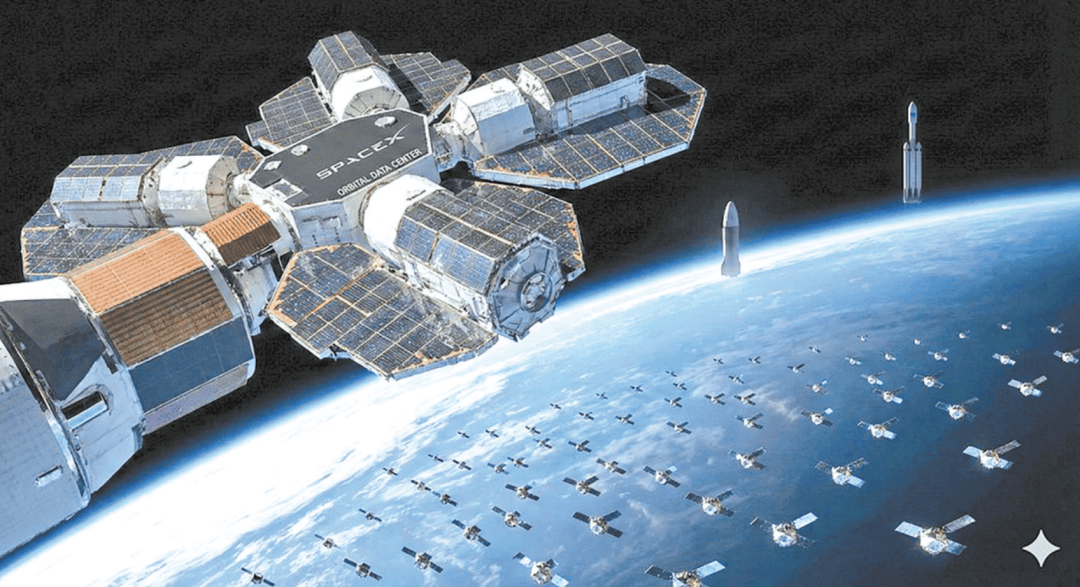
Group 1 - OpenAI CEO Sam Altman considers the idea of building data centers in Earth's orbit as "absurd" for the time being, citing high launch and chip maintenance costs as significant barriers [1] - In contrast, SpaceX CEO Elon Musk aims to launch a network of 1 million satellites for orbital data centers, claiming that space will become the cheapest place to deploy artificial intelligence within three years [1] - Other tech companies, including Google and Amazon, are also exploring orbital data centers, with Google announcing the "Sun Catcher Project" to build solar-powered data centers in space [2] Group 2 - The construction cost for a 1 GW orbital data center is estimated at $42.4 billion, nearly three times that of ground-based data centers, indicating significant financial challenges ahead [2] - Amazon AWS CEO Adam Selipsky stated that there are currently not enough rockets to launch 1 million satellites, highlighting the distance from achieving orbital data centers [2] - The development of a robust supply chain for space-grade components and substantial investment in multidisciplinary collaboration are essential for reducing the costs of orbital data center construction [2]
奥特曼批评马斯克太空数据中心愿景:当下不切实际,很荒谬
Sou Hu Cai Jing· 2026-02-23 00:11
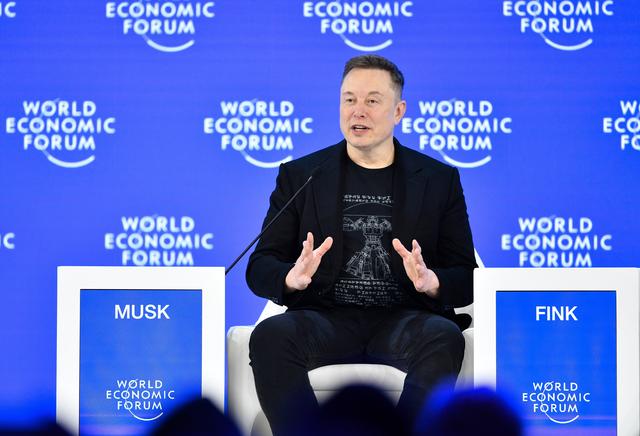
Core Viewpoint - OpenAI CEO Sam Altman believes that the concept of orbital data centers is impractical in the current context, citing economic and technical challenges associated with launching data centers into space [2][3]. Group 1: OpenAI's Perspective - Altman stated that the idea of sending data centers into space is absurd given the current circumstances, particularly due to the high launch costs and difficulties in addressing issues related to components like GPUs [3]. - He acknowledged the future potential of orbital data centers but emphasized that the technology is not yet at that stage [3]. Group 2: Elon Musk and SpaceX's Vision - Elon Musk has been advocating for the establishment of data centers in space, claiming that the lowest cost for deploying artificial intelligence will be in space, with a target timeline of two to three years [3]. - Musk's vision includes integrating xAI with SpaceX to accelerate the orbital data center project, which aims to create a network of one million satellites functioning as orbital data centers [3]. Group 3: Google's Initiatives - Google is also exploring the concept of space data centers, with CEO Sundar Pichai describing the initiative as a "moonshot" project aimed at developing a solar-powered system that exceeds Earth's current energy production capabilities [4]. - Pichai mentioned that Google plans to take the first step towards this goal by deploying small equipment racks on satellites by 2027, expressing confidence that this approach will become a conventional method for building data centers in about ten years [4][5]. - The internal project at Google, named "Project Suncatcher," aims to utilize solar energy from space to address the growing energy demands of artificial intelligence while reducing the environmental impact of traditional data centers [5].



1.5万亿美元估值悬疑:SpaceX上市将如何撕裂全球科技股格局?
Sou Hu Cai Jing· 2026-02-12 09:12
Core Viewpoint - SpaceX is initiating an employee stock buyback at an $800 billion valuation, aiming for a long-term target of $1.5 trillion, which could reshape the technology equity landscape and redefine capital market ceilings [1][4]. Group 1: Financial Projections and Market Impact - SpaceX's projected annual revenue from Starlink is expected to reach $300 billion by 2030, which is 1.5 times the current annual revenue of Alphabet [4]. - The potential fundraising from SpaceX's capital event could exceed $50 billion, marking a significant shift in the tech sector [1]. - The valuation of SpaceX is surpassing that of traditional aerospace companies like Boeing and Lockheed Martin, indicating a new standard for valuation in the space economy [8]. Group 2: Competitive Landscape and Strategic Moves - The concept of orbital data centers is threatening existing cloud service providers, with analysts predicting a potential 30% market share loss for them [4]. - Major tech companies like Microsoft and Google are responding to SpaceX's initiatives by accelerating their own space-related projects [4]. - The collaboration between SpaceX, Tesla, and xAI is expected to generate significant cost savings and enhance profitability for Tesla, indicating a strong synergistic effect [6]. Group 3: Investment Sentiment and Market Dynamics - Institutional investors are beginning to shift their portfolios away from traditional tech stocks like Apple towards "Musk concept stocks," reflecting a changing investment sentiment [6]. - The potential IPO of SpaceX could lead to the creation of a new "space technology index" on NASDAQ, highlighting the evolving nature of capital markets [8]. - The upcoming IPO is anticipated to trigger a significant reallocation of capital within the tech sector, reminiscent of the internet bubble in the 1990s [8].

深度|木头姐2026展望:中美竞争最终的胜负取决于应用层;AI时代取得决定性优势的核心在于专有数据
Z Potentials· 2026-02-08 05:08
Core Insights - The article discusses the transformative impact of AI and other technologies on global GDP growth, predicting an increase of over 7% by 2030, driven by the convergence of five key technologies [6][10][11] - Bitcoin's price target for 2030 has been raised to $1.5 million, highlighting its role as "digital gold" in both inflationary and deflationary environments [6] - The article emphasizes the importance of understanding the structural changes in GDP and the potential for a benign deflationary era due to technological advancements [6][12] AI and Economic Growth - AI is expected to be the largest catalyst for economic growth, with predictions indicating a significant acceleration in GDP growth rates [11][12] - The historical context of technological revolutions shows that each major innovation has led to substantial increases in GDP, suggesting that the current technological convergence could lead to similar outcomes [10][11] Investment Opportunities - The report anticipates a 35% annualized compound growth rate for disruptive innovation capital returns over the next five years, with companies like Tesla being highlighted as having the most potential [6][58] - The article suggests that the integration of AI and robotics will unlock previously unmeasured economic activities, potentially leading to a significant increase in GDP as these activities are accounted for [35][49] AI Infrastructure and Cost Dynamics - The cost of AI inference is rapidly declining, which could lead to explosive demand for AI capabilities, despite concerns about maintaining revenue for AI infrastructure [28][30][41] - The discussion includes the implications of decreasing costs in various sectors, including space technology and AI, and how this could affect GDP measurements [29][30] US-China AI Development Comparison - The article highlights the differences in AI development between the US and China, noting that China has embraced open-source models, which may give it a competitive edge [66][68] - The shift towards open-source in China is seen as a response to US companies halting software sales due to IP theft concerns, indicating a strategic pivot in AI development [68][69]

马斯克认真推进轨道数据中心计划
Sou Hu Cai Jing· 2026-02-06 15:01
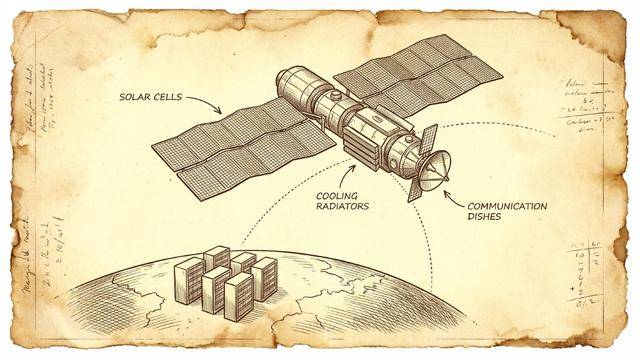
Core Viewpoint - SpaceX is serious about its plan to establish a network of satellite data centers in orbit, combining its space and AI operations through the merger with xAI, which could lead to a significant shift in AI computing infrastructure [2][4]. Group 1: SpaceX and xAI Merger - The merger between SpaceX and xAI was officially announced, indicating a strategic alignment of space and AI initiatives [2]. - This merger is seen as a precursor to a potential joint infrastructure project, enhancing the feasibility of the orbital data center concept [2]. Group 2: FCC Application and Public Opinion - SpaceX's application for the satellite data center network was accepted by the FCC, which has set a timeline for public comments, suggesting a smooth approval process may be anticipated [2]. - FCC Chairman Brendan Carr's unusual step of sharing the application on social media indicates a favorable environment for the proposal, especially given Musk's political affiliations [2]. Group 3: Economic Viability of Orbital Data Centers - Elon Musk argues that solar panels in space can generate approximately five times the power compared to those on Earth, potentially reducing operational costs for data centers significantly [3]. - Despite the advantages, there are concerns regarding the overall cost-effectiveness of operating data centers in space, as highlighted by guest Patel during a podcast discussion [3]. Group 4: Future Predictions - Musk predicts that 2028 will be a pivotal year for orbital data centers, asserting that within 30-36 months, space will become the most economically viable location for AI deployment [3]. - He further forecasts that in five years, the amount of AI launched and operated in space will surpass the cumulative total on Earth [3]. Group 5: Market Implications - SpaceX stands to benefit financially from launching objects into orbit, especially with the integration of an AI company, positioning itself for a potential IPO in the coming months [4]. - The ongoing investment by tech companies into data centers, amounting to billions annually, suggests that a portion of this funding may shift towards space-based solutions [4].
算力上太空引爆A股!巨力索具10天5板,国科军工信披不准确被监管警示,天仪研究院、星河动力等已启动IPO辅导
Jin Rong Jie· 2026-02-04 02:17
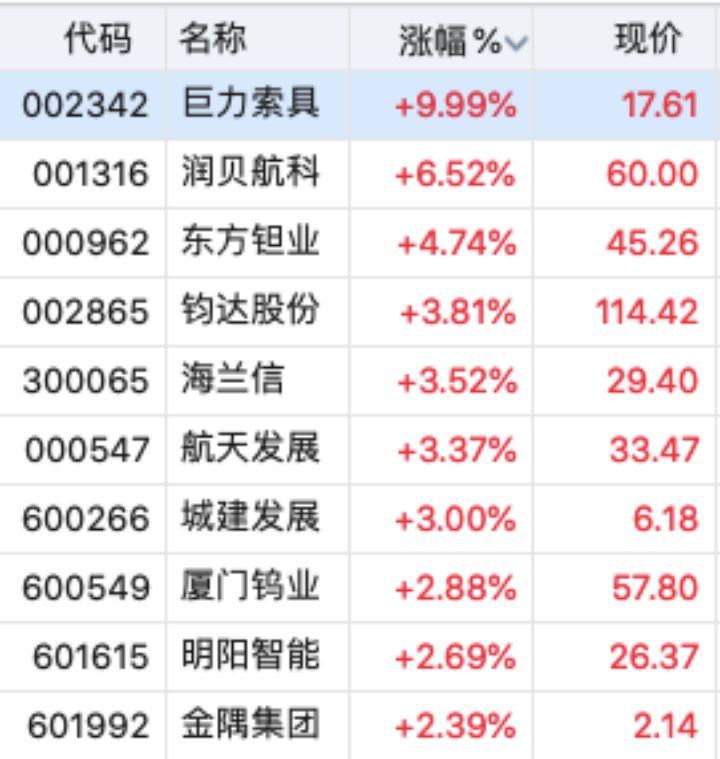
Core Viewpoint - The commercial aerospace sector is experiencing significant growth, driven by policy support and advancements in technology, particularly in artificial intelligence and satellite capabilities [4][5]. Group 1: Stock Performance - The stock of Jieli Sockets (002342) reached a limit-up increase of 9.99%, closing at 17.61 [2] - Other notable stocks in the commercial aerospace sector include Runbei Aerospace (+6.52% at 60.00), Dongfang Lithium (+4.74% at 45.26), and Junda Co. (+3.81% at 114.42) [2]. Group 2: Industry Developments - SpaceX announced the acquisition of xAI to integrate resources across AI, rockets, and space internet, indicating a focus on enhancing computational capabilities in space [3]. - SpaceX is applying to the FCC to launch a satellite constellation of up to 1 million satellites, aimed at supporting advanced AI applications [3]. Group 3: Policy Support - The Chinese government has introduced favorable policies for the commercial aerospace sector, including the implementation of the "1+6" reform measures by the CSRC to support companies in AI and commercial aerospace [4]. - The Shanghai Stock Exchange has issued guidelines for commercial rocket companies to qualify for the Sci-Tech Innovation Board, emphasizing the importance of "hard technology" [4]. Group 4: Market Activity - Several domestic commercial aerospace companies are initiating IPO processes, including Tianyi Research Institute and Blue Arrow Aerospace, with Blue Arrow's IPO progressing to the inquiry stage [5]. - Despite the excitement in the sector, some companies have issued risk warnings or clarified their non-involvement in commercial aerospace, such as Guokai Military Industry [5][6].


为更有效建造“轨道数据中心”,SpaceX收购xAI
Xin Lang Cai Jing· 2026-02-03 12:35
Group 1 - Elon Musk's SpaceX has acquired xAI, an artificial intelligence startup also owned by Musk, to enhance the construction of "orbital data centers" powered by solar energy [1][2] - The acquisition is part of Musk's ambitious plan to leverage AI capabilities in space, with a focus on generating AI computing power in a cost-effective manner over the next 2 to 3 years [2] - Both SpaceX and xAI are currently facing urgent cash needs, with xAI reportedly burning through approximately $9.5 billion in the first nine months of 2025 [2][5] Group 2 - SpaceX is considering an initial public offering (IPO) in June, aiming to raise up to $50 billion, which could provide a significant funding source for its operations [5] - The integration of xAI into SpaceX is seen as a strategic move to stabilize xAI's financial situation while capitalizing on investor interest in AI assets [5] - A recent incident involving a Falcon 9 rocket, which experienced a rare failure during a mission, highlights ongoing operational challenges for SpaceX [5]
马斯克“百万AI卫星”计划引争议,近地轨道拥挤程度将是现在100倍!去年一颗“星链”卫星与9颗中国卫星擦肩而过,险些相撞
Sou Hu Cai Jing· 2026-02-03 00:17
Core Viewpoint - Elon Musk warns that the immense energy demands of computing centers pose a significant barrier to the future development of artificial intelligence (AI). SpaceX plans to build an unprecedented constellation of up to 1 million satellites to support "orbital data centers" as a solution to this issue [1][4]. Group 1: Orbital Data Center Concept - SpaceX has applied to launch 1 million satellites into Earth's orbit to create "orbital data centers," claiming this is the most economical and energy-efficient way to meet the growing demand for AI computing power [4]. - The satellites will operate at altitudes between 500 to 2000 kilometers, with a 30-degree orbital inclination, utilizing nearly constant solar energy to reduce operational costs and environmental impact [4][5]. - The concept aims to leverage solar energy to avoid the need for an overburdened terrestrial power grid, potentially allowing AI computations to be generated in space at unprecedented speed and scale [5][11]. Group 2: Technical and Operational Challenges - The system will rely on inter-satellite laser links for communication and will use Ka-band frequencies for telemetry, tracking, and control [5]. - There are significant technical challenges, including effective heat dissipation in the vacuum of space and ensuring stable operation of chips in a high-radiation environment [11][12]. - SpaceX has not provided detailed plans or cost estimates for the deployment of the orbital data center satellites, raising questions about the feasibility and timeline of the project [12]. Group 3: Collision Risks and Concerns - The proposed satellite constellation could increase collision risks significantly, with experts warning that a failure of any satellite could lead to catastrophic chain reactions in space debris [7][8]. - Currently, there are about 11,000 satellites in orbit, and the addition of 1 million could exacerbate the risk of collisions, potentially rendering low Earth orbit unusable in the future [7][8]. - The increase in satellite numbers has already raised concerns among astronomers regarding the impact on astronomical observations due to the bright trails left by satellites [7]. Group 4: Market and Financial Implications - SpaceX's plans for the orbital data center may be influenced by its intention to conduct an initial public offering (IPO), suggesting a strategic move to attract investment [13].

商业航天加速发展,产业逻辑坚实,航空航天ETF(159227)回调迎布局机会
Mei Ri Jing Ji Xin Wen· 2026-02-02 05:35
Group 1 - The A-share market experienced a collective pullback on February 2, with the aerospace sector following suit, as the Aerospace ETF (159227) fell by 0.7% and reached a trading volume of 1.88 billion yuan by 1:13 PM [1] - SpaceX is applying to launch and operate a constellation of up to 100 satellites with unprecedented computing capabilities to support advanced artificial intelligence, according to a new document from the FCC [1] - Dongxing Securities highlighted that during the 14th Five-Year Plan period, commercial aerospace will become a key driver for high-quality development in China's new productivity and technology [1] Group 2 - The Aerospace ETF (159227) is the largest in its category, closely tracking the National Aerospace Index, with constituent stocks covering the entire industry chain, including fighter jets, aircraft engines, rockets, missiles, satellites, and radars, aligning perfectly with the "integrated aerospace" strategic direction [2] - The ETF has a high commercial aerospace content of 69.65%, with top holdings including Aerospace Development, China Satellite, Aerospace Electronics, AVIC Aircraft, and AVIC High-Tech [2]
SpaceX计划发射100万颗卫星 马斯克正考虑整合旗下企业
Xin Lang Cai Jing· 2026-02-02 01:39
Core Viewpoint - SpaceX plans to launch up to 1 million satellites to create an "orbital data center," indicating a significant move in the space computing sector and potential asset integration by Elon Musk [1] Group 1: SpaceX's Satellite Launch Plans - SpaceX has submitted an application to the U.S. Federal Communications Commission to launch up to 1 million satellites [1] - The initiative aims to establish an "orbital data center" [1] Group 2: Potential Corporate Integration - Elon Musk is reportedly considering merging SpaceX with xAI, with plans for a large-scale IPO within the year [1] - This merger is speculated to enhance xAI's computational capabilities through SpaceX's orbital data center [1] - There are also rumors about a possible merger between SpaceX and Tesla [1]