过油肉

Search documents
太原老字号门店,人气高涨消费旺
Sou Hu Cai Jing· 2026-02-26 15:16
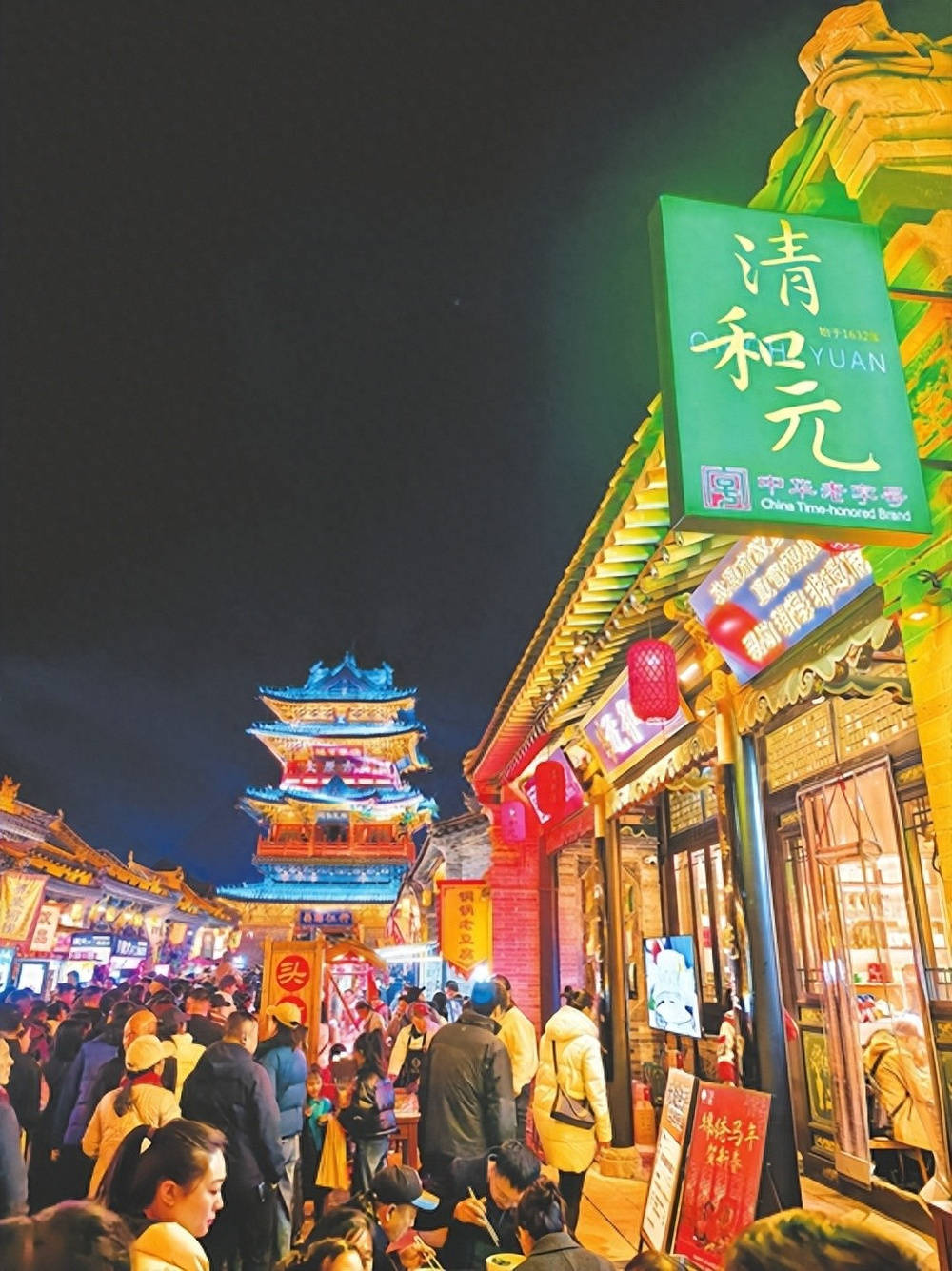
Core Insights - The article highlights the vibrant consumer activity in Taiyuan during the Spring Festival, showcasing the success of traditional dining establishments under the Taiyuan Catering Service Group, particularly Qinghe Yuan and Shanghai Restaurant [2][3]. Group 1: Consumer Engagement - Qinghe Yuan in the ancient county town received over 5,000 visitors during the festival, with peak customer flow on the third day of the lunar new year, achieving a table turnover rate of over 8 times [3]. - The Qinghe Yuan location on Taihang Street saw a remarkable occupancy rate exceeding 500% on the fifth day of the lunar new year, with revenue growth of 74.3% year-on-year, setting a historical record [3]. - Shanghai Restaurant also reported significant engagement, serving over 7,000 customers during the holiday period, indicating a strong preference for traditional dining experiences [3]. Group 2: Cultural Significance - The article emphasizes the role of traditional cuisine in preserving cultural heritage, with the opening of the only Jin cuisine museum in the province set to enhance the cultural experience associated with dining [4]. - The Taiyuan Catering Service Group is actively integrating cultural and tourism elements into their offerings, aiming to make traditional brands appealing to younger generations [4]. - The diverse experiences offered by these traditional establishments, from community gatherings to cultural exhibitions, are seen as a bridge connecting the city's past and future [4].

晋味美食与汾酒文化绽放首都 杏花村酒家北京三元桥店盛大开业
Bei Jing Ri Bao Ke Hu Duan· 2025-07-03 13:56
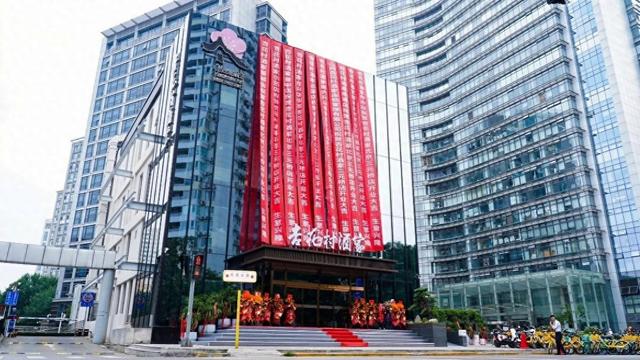
Core Insights - The opening of the Xinghuacun Restaurant at Beijing's Sanyuanqiao marks a significant step for the Fenjiu Group in deepening its market presence in the Beijing-Tianjin-Hebei region and embracing the cultural vitality of the capital [1][10] - The restaurant aims to provide an immersive experience that combines Shanxi cuisine with Fenjiu culture, enhancing the culinary landscape of Beijing [3][5] Company Strategy - The Beijing Sanyuanqiao store represents a brand upgrade for the Fenjiu Group, integrating elements of Fenjiu culture into its design and ambiance, showcasing the historical charm of the Shanxi region [5][10] - The restaurant's strategy includes a focus on experiential dining, merging traditional Shanxi dishes with modern culinary aesthetics, appealing to contemporary consumer preferences [6][10] Market Positioning - The restaurant is positioned as a cultural hub that not only serves food but also conveys the hospitality traditions of Shanxi, aiming to create a warm and inviting atmosphere for urban consumers [6][8] - The opening event was attended by notable figures from the culinary and cultural sectors, highlighting the restaurant's role in blending traditional Shanxi cuisine with modern cooking techniques, thus appealing to evolving consumer tastes [8][10] Future Outlook - The establishment of the Sanyuanqiao store is seen as a strategic move to expand the brand's reach from regional to national cultural dissemination, with plans for continued innovation in service and quality [10] - The restaurant aims to become a new cultural landmark in the Sanyuanqiao area, contributing unique Shanxi flavors to Beijing's culinary map [10]

杏花村酒家北京首店落子三元桥
Bei Ke Cai Jing· 2025-07-03 04:21
Core Viewpoint - The opening of the first "Xinghuacun Restaurant" in Beijing by Fenjiu Group marks a significant step in expanding its presence in the Beijing-Tianjin-Hebei market, promoting Fenjiu culture and quality through an innovative dining experience [1][2]. Group 1: Company Strategy - The Beijing store is part of Fenjiu Group's strategy to "root in Shanxi and expand nationwide," serving as an important milestone in its national layout [1]. - The restaurant aims to provide a high-quality service experience while telling the story of Shanxi cuisine and liquor [1]. Group 2: Industry Trends - The restaurant introduces a new vitality and depth to Beijing's dining market, emphasizing the integration of traditional Shanxi cuisine with modern culinary techniques [2]. - The shift in consumer demand from mere sustenance to a focus on taste and cultural experience is highlighted, with the restaurant's model combining food, liquor, and culture [2]. - The establishment is expected to promote the development of Shanxi cuisine in Beijing and foster collaboration with local supply chains and the cultural tourism industry, exploring new "dining + tourism" models [2].
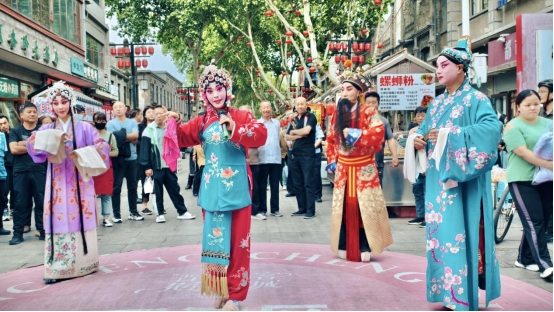
晋城城区:“五一”假期,花样宠客燃爆文旅市场,全城把游客当“明星”
Xin Hua Wang· 2025-05-07 09:07
Core Insights - The article highlights the successful implementation of a "star treatment" tourism service in Jincheng during the May Day holiday, attracting over one million visitors and generating significant online exposure [1][8]. Group 1: Tourism Experience - The high-speed train station was transformed into a welcoming space with cultural performances and interactive experiences, creating a "red carpet" atmosphere for visitors [2]. - Local restaurants offered a variety of traditional dishes for free tasting, enhancing the culinary experience for tourists [2]. - The city organized immersive street performances and events, making tourists the main characters in the cultural activities [3]. Group 2: Cultural Heritage - The city showcased its intangible cultural heritage through large-scale performances, such as the Guinness World Record for the largest iron flower display, providing unique experiences for visitors [5][7]. - Interactive tasks allowed tourists to enjoy free local delicacies, further engaging them in the cultural experience [5]. Group 3: Community Involvement - Over a hundred volunteers provided diverse tourism services, ensuring a warm and welcoming environment for visitors [8]. - Hotels introduced "star rooms" with special amenities, enhancing the overall guest experience [8]. - The city undertook cleanliness initiatives to ensure a pleasant atmosphere for both residents and tourists [8]. Group 4: Strategic Approach - The city adopted three main strategies: service scene enhancement, star-like experience for visitors, and resource collaboration, positioning quality service as a core competitive advantage in the tourism sector [8].