
金沙回沙酒

Search documents
从“伊琍”到“金莎”,金沙新春双品牌营销“文化筑底”
Xin Lang Cai Jing· 2026-02-11 08:52
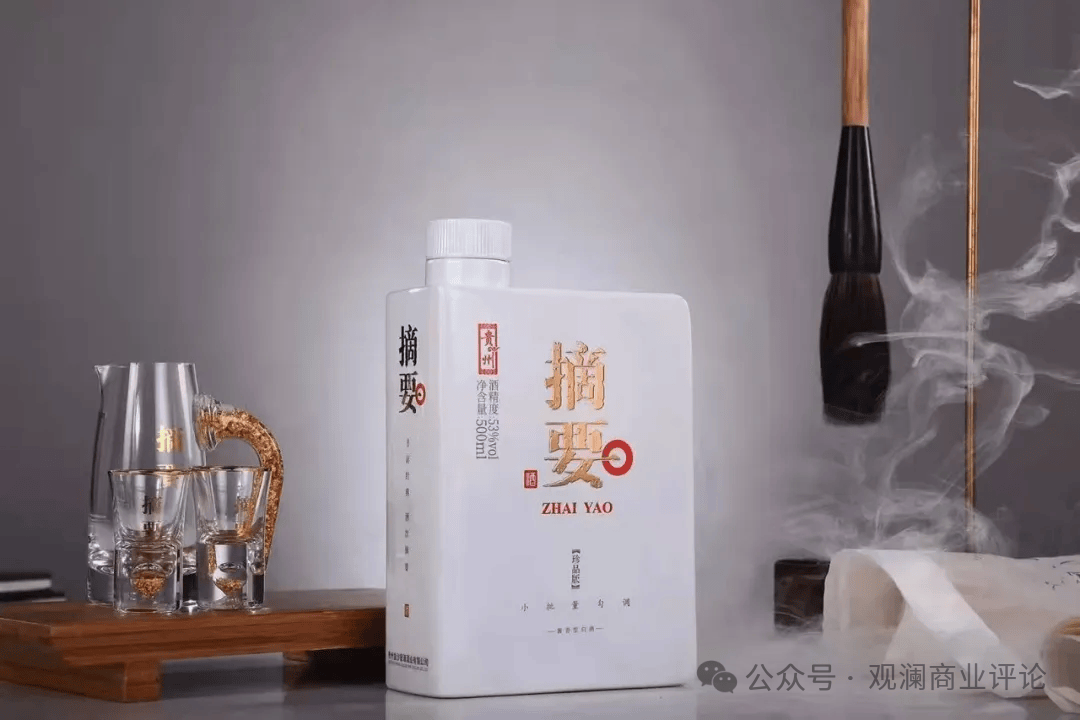
Core Viewpoint - The Chinese liquor industry, particularly the sauce-flavored liquor segment, is facing significant challenges in 2025, including production halts for small distilleries, a restructuring of pricing systems, and high channel inventories. However, Jinsha Liquor is leveraging its dual-brand strategy with "Summary" and "Jinsha Huai Sha" to enhance brand value amidst these pressures [1][10]. Group 1: Marketing Strategies - Jinsha Liquor has adopted a "listening persuasion" marketing approach by signing singer Jinsha as a brand friend, launching interactive topics such as "Shake with Jinsha" and "Cheers with Jinsha" to engage consumers [1][10]. - The collaboration with Jinsha, a well-known singer among the 80s and 90s generations, effectively connects with the core consumer demographic, enhancing brand recognition through phonetic association [4][13]. - The marketing strategy includes user-generated content (UGC) on platforms like Douyin, where consumers share personal experiences with Jinsha liquor, transforming them from passive viewers to active brand promoters [4][10]. Group 2: Cultural Integration - Jinsha Liquor's partnership with historian Yu Gengzhe aims to deepen cultural engagement, avoiding superficial marketing by embedding cultural narratives into brand storytelling [5][14]. - Previous initiatives, such as the "Beautiful Life·Book Fragrance China" event, have successfully linked the brand with cultural themes, reinforcing the "book and liquor coexist" philosophy [7][17]. Group 3: Product Focus - The marketing campaign is anchored on the launch of three new products related to the Year of the Horse, including the "Summary Year of the Horse" collectible liquor (1.5L) and gift boxes, designed to meet diverse consumer needs [9][19]. - A promotional campaign from January 1 to March 31 offers consumers a chance to win a 1.5L Jinsha Huai Sha Year of the Horse liquor or cash prizes through a QR code scanning initiative, ensuring a 100% winning rate [19][20]. - The dual-end strategy of incentivizing both consumers and store owners through the QR code campaign fosters a positive feedback loop, enhancing engagement and sales [20].


金沙酒业“跌落谷底”,谁之过?
Sou Hu Cai Jing· 2025-10-20 08:33
Core Viewpoint - After the acquisition of a 55.19% stake in Jinsha Distillery for 12.3 billion yuan by China Resources Beer, the once-promising liquor company has faced stagnation in growth, chaotic pricing, and a retreat of distributors, leading to a vicious cycle of decline [2][4]. Group 1: Company Performance - Jinsha Distillery, established in 2007, was initially unremarkable until it capitalized on the rising trend of sauce-flavored liquor, achieving significant sales growth from 2018 to 2021, with revenue reaching 6.066 billion yuan in 2021 [5][6]. - However, post-acquisition in October 2022, Jinsha Distillery's performance has sharply declined, with revenue dropping to 781 million yuan in the first half of 2023, a decrease of approximately 33.7% compared to 1.178 billion yuan in the same period the previous year [3][5]. Group 2: Distributor Challenges - Distributors have expressed disappointment and are retreating due to internal price wars and a collapse of the pricing system, with the market price of the core product, "Yanjian," falling to 430-450 yuan, leading to losses of nearly 200 yuan per bottle for distributors [9][10]. - The company's market support has significantly decreased, with promotional activities dropping drastically, resulting in a 70% decline in sales volume and an 80% drop in opening rates for "Yanjian" [10][11]. Group 3: Capital and Market Strategy - The challenges faced by Jinsha Distillery reflect a clash between China Resources Beer’s capital logic and the unique characteristics of the liquor industry, where brand culture and consumer recognition cannot be quickly acquired through capital means [13][14]. - The current market environment is characterized by a brutal clearing process, with a projected 2.8% decline in production for large-scale liquor companies in 2024, while Guizhou liquor production is expected to grow by 6.5%, indicating increasing industry differentiation [14].

上半年净利润增长23%!华润啤酒:高端化远未到天花板
Sou Hu Cai Jing· 2025-08-20 07:16
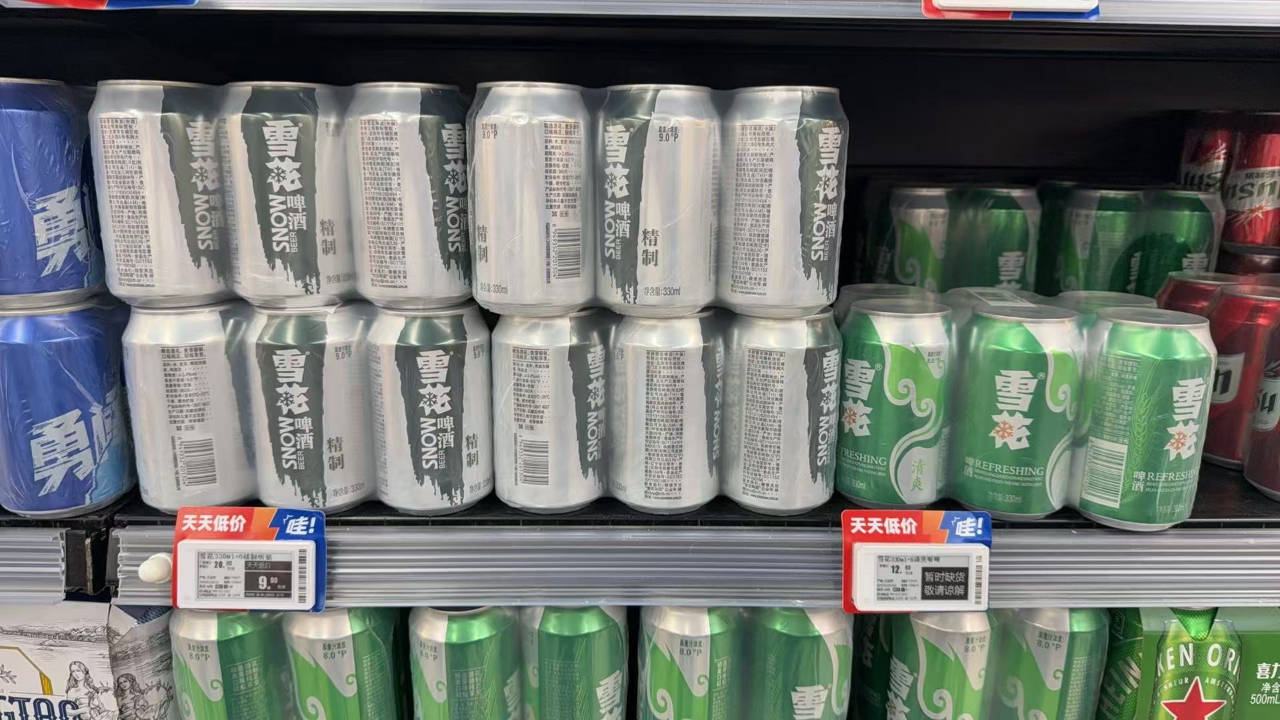
Core Insights - China Resources Beer reported growth in revenue and profit for the first half of the year, with strong performance in its beer business, but a decline in its liquor business due to overall industry pressure [1][7]. Financial Performance - The company's total revenue for the first half of the year was 23.942 billion yuan, a year-on-year increase of 0.8% [2]. - Shareholder profit reached 5.789 billion yuan, reflecting a 23% increase year-on-year [2]. - The gross profit margin improved to 48.9%, up 2 percentage points from the previous year [2]. - Beer business revenue was 23.161 billion yuan, with a 2.6% year-on-year growth, and shareholder profit from beer increased by 17.3% [2]. - Beer product sales volume reached 6.487 million kiloliters, a 2.2% increase year-on-year [2]. - The average selling price of beer rose by 0.4% due to ongoing premiumization efforts [2]. Strategic Initiatives - The company has successfully implemented a premiumization strategy, with significant growth in high-end beer sales [3]. - Sales of premium and above beer products grew by over 10%, with Heineken and Snow beer brands showing strong performance [3]. - The company has developed various specialty beers to meet diverse consumer preferences [2]. Channel Development - Online and instant retail channels have seen rapid growth, with overall GMV increasing by nearly 40% and instant retail by 50% year-on-year [6]. - The company is exploring new business models, including customization and contract manufacturing [6]. Liquor Business Performance - The liquor business revenue fell to 781 million yuan, a decline of 33.7% year-on-year, with significant contributions from major products [7]. - The management anticipates a potential recovery in the liquor market, particularly during peak seasons [7]. - The company plans to introduce products in the 100 yuan price range to align with market demand [7].
“收割”增量市场 酒企如何借双品牌巩固攻防体系
Bei Jing Shang Bao· 2025-04-15 13:24
Core Viewpoint - The dual-brand strategy has become a standard for liquor companies to capture incremental market opportunities amid structural adjustments in the liquor industry [1][6]. Group 1: Dual-Brand Strategy Overview - Numerous liquor companies, including Luzhou Laojiao, Guizhou Xijiu, and Water Well, have adopted dual-brand strategies to cover various price segments, with main brands focusing on high-end and ultra-high-end markets, while second brands target mass and mid-range segments [1][3]. - The dual-brand strategy reflects a shift in the liquor industry from single product competition to brand system competition, necessitating more refined brand positioning to meet increasingly fragmented market demands [3][5]. Group 2: Market Dynamics and Consumer Trends - The dual-brand strategy is a response to the trend of consumption upgrading and the need for market segmentation, driven by performance growth pressures [6][7]. - The second brand often targets the mid-range price segment, which has become a significant part of the incremental market, as traditional high-end brands recognize the demand for products suitable for everyday gatherings [6][7]. Group 3: Strategic Implementation by Companies - Companies like Jinsha Liquor and Quanxing Liquor have established dual-brand strategies that combine high-end products with more accessible options, while Xijiu focuses on a high-end brand paired with a youth-oriented second brand [4][5]. - Water Well has announced a dual-brand strategy with its main brand targeting the mid-range market and a second brand aimed at the ultra-high-end segment, indicating a trend of upward brand positioning [4][5]. Group 4: Challenges and Future Outlook - The dual-brand strategy requires significant marketing resources and channel development costs, posing risks of internal competition between brands [8][9]. - Experts suggest that while the dual-brand strategy helps companies connect with consumers, there may be a future shift back to single-brand strategies as market conditions improve [9].

点燃春糖季!金沙酒业以“上游战略”擘画白酒行业破局新思路
凤凰网财经· 2025-03-28 13:17
01 战略升维-上游基因领航春糖 金沙酒业于去年焕新并发布了全新品牌主张"争上游,喝摘要",以"地理、文化、精神"三重"上游战略"开启发展新篇章。此次金沙酒业以首席合作 伙伴身份强势登陆春糖,无疑成为此次春糖季上备受瞩目的焦点,也是其提出全新品牌主张后的首次全方位亮相。 春风织锦绣,佳酿启新章。 3 月 20 日,第 112 届全国糖酒商品交易会暨 2025 春糖季在成都盛大启幕。本届糖酒会首度打破传统展会边界, 以"由馆到城、由展到节"的展城融合模式,联动超 6600 家企业、覆盖 32.5 万平方米全域消费场景,成为激发经济内生动力的标杆盛会。 3 月 25-27 日,金沙酒业于世纪城新国际会展中心进行集中展出,开展第一天,展厅现场人流已络绎不绝,现场热闹非凡。"争上游,喝摘要"的全 新品牌主张发布后的摘要第三代牢牢占据展厅 C 位,吸引众人目光,成为绝对的视线焦点。摘要诗酒系列、摘 10 、摘 20 、摘 30 摘要酒系列、华 章珍藏版摘要酒、力争上游酒以及金沙经典 6 、 9 、 12 、 53 度盒装金沙回沙酒、醇柔封坛款金沙回沙酒等系列新品也首次公开集中亮相,共同 讲述着金沙酒业"醇柔酱香"的历史 ...