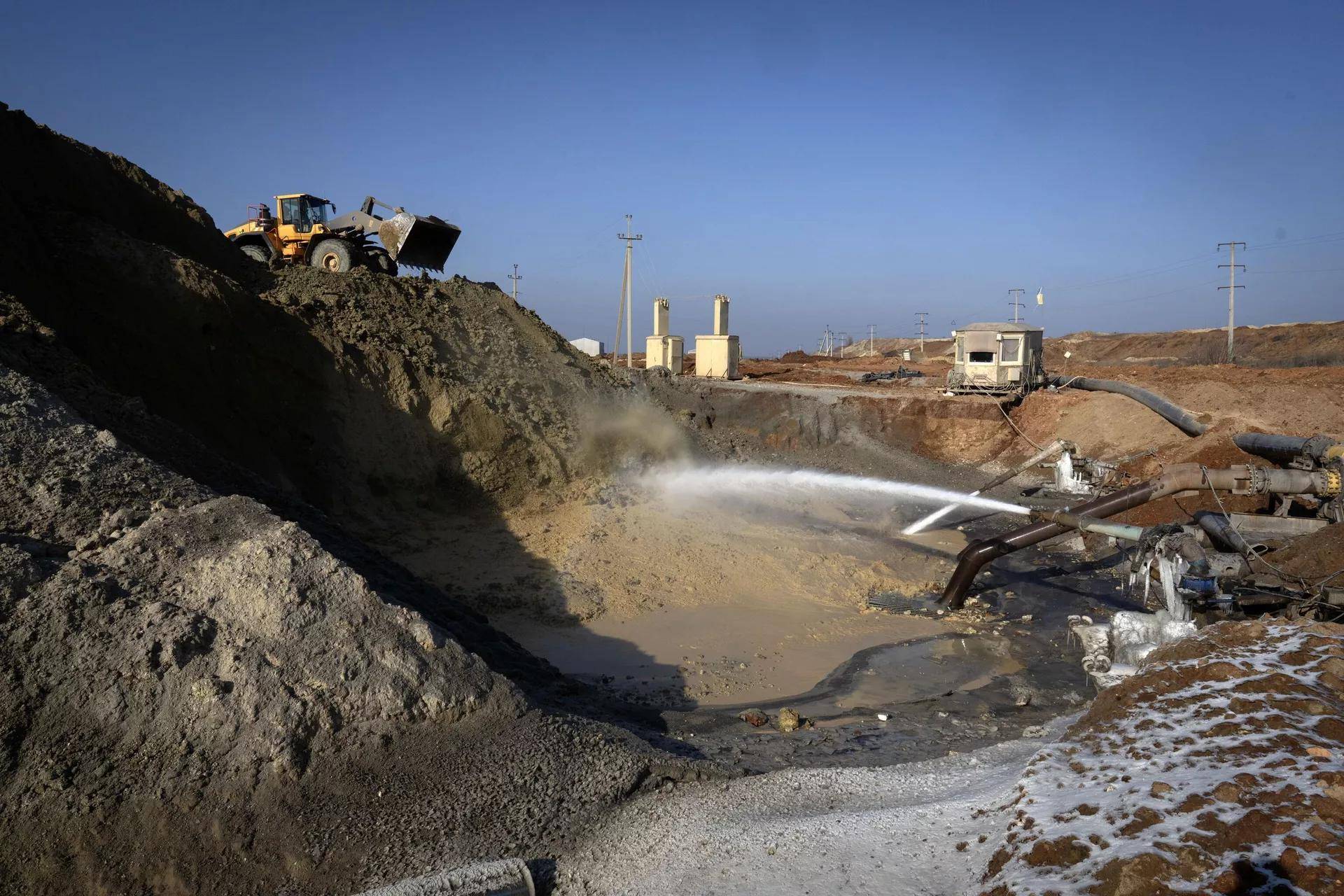
铷

Search documents
西藏矿业:中试研发基地旨在保护生态环境基础上提高盐湖资源的综合利用效率
Zheng Quan Ri Bao Wang· 2026-01-27 13:12
Core Viewpoint - The company aims to enhance the comprehensive utilization efficiency of salt lake resources, including rare elements such as lithium, potassium, rubidium, and cesium, while protecting the ecological environment [1]. Group 1 - The company has established a pilot research and development base [1]. - The focus is on improving the efficiency of utilizing salt lake resources [1]. - The initiative emphasizes ecological protection alongside resource utilization [1].

中国发现“无价之宝”,每吨估价46亿,日本破防:怎么又是中国的
Sou Hu Cai Jing· 2025-12-25 07:05
Core Viewpoint - China has made significant discoveries in rare metal resources, particularly in rubidium and rhenium, enhancing its position in the global market and reducing reliance on imports [1][17]. Group 1: Rubidium Discovery - China has discovered a super-large independent rubidium mine with a reserve of 175,000 tons, which is unprecedented globally [1][4]. - Rubidium is crucial in high-tech, medical, and renewable energy sectors, previously difficult to extract and costly [3][6]. - The global demand for rubidium is increasing, with annual production only around 4-5 tons, leading to a significant supply gap [8]. Group 2: Global Market Impact - With the new rubidium mine, China can potentially meet global demand for over a thousand years, shifting from a passive to an active role in the market [8][9]. - The estimated value of rubidium is around 4.6 billion per ton, reflecting its scarcity and importance in high-tech applications [8][9]. - Japan, heavily reliant on imported rubidium, faces increased pressure and potential supply chain instability due to China's resource advantage [9][11]. Group 3: Rhenium Discovery - China has also discovered rhenium, a rarer metal than rubidium, with a reserve of 176 tons, ranking fourth globally [13][14]. - Rhenium is essential for aerospace applications, particularly in turbine blades, enhancing performance and longevity [13][14]. - China has developed its own extraction and application technologies for rhenium, breaking the previous technological monopoly held by developed countries [14][15]. Group 4: Sustainable Development - The development of both rubidium and rhenium resources emphasizes efficiency, technology, and environmental protection [15][16]. - China is implementing strict emission monitoring during the extraction processes to ensure sustainable development [16]. - The focus on self-sufficiency in these rare metals supports the growth of high-tech, renewable energy, and aerospace industries [17][18].

中国一纸矿物质审批,为何能让ASML光刻机产线告急?全球芯片命门浮现
Sou Hu Cai Jing· 2025-10-21 05:49
Core Insights - The Chinese Ministry of Commerce has implemented export controls on foreign items and related technologies containing Chinese mineral components, effective from October 9, 2025, under the principle of "long-arm jurisdiction" [1][3]. Policy and Regulations - The export control applies to products containing 0.1% or more of Chinese heavy mineral components or utilizing Chinese mineral technology, requiring approval from Chinese authorities [3]. - Export applications for military users or those related to the development of weapons of mass destruction will be directly rejected [3]. Impact on Semiconductor Industry - China holds a dominant position in the mineral sector, with 37% of global mineral reserves and over 70% of the refining and separation processes, particularly controlling 87% of the global smelting capacity for high-purity heavy minerals used in lithography machines [5]. - ASML is facing an unprecedented supply chain crisis due to the new regulations, with internal assessments indicating a potential 30% decrease in EUV lithography machine capacity if mineral supply disruptions continue [5][7]. - The delivery cycle for each EUV lithography machine is expected to extend from 24 months to 36 months, impacting major semiconductor manufacturers like TSMC, Samsung, and Intel, which are in critical phases of building next-generation chip factories [7]. Defense Industry Consequences - The U.S. defense industry is also affected, with Lockheed Martin's F-35 radar sensitivity declining by 23% due to a lack of neodymium magnets, and Boeing's MQ-25 drone project facing risks due to shortages of mineral permanent magnet motors [9]. - A significant 78% of guided systems in existing U.S. weapon stockpiles are reported to be facing mineral supply crises [9]. Global Supply Chain Repercussions - The export controls have led to a 60% reduction in global EUV lithography mirror coating capacity, with China being the sole producer of high-purity gadolinium gallium garnet crystals necessary for precise temperature control in lithography machines [11]. - Companies attempting to bypass Chinese minerals face challenges, with alternative materials resulting in a 40% cost increase and a 30% performance decline [9]. Strategic Responses - The Chinese semiconductor industry is exploring unique strategies to overcome external technology blockades, such as the "non-lithography compensation" strategy proposed by New Kai Lai, which aims to optimize DUV lithography processes to achieve EUV-like precision [11][13]. - Domestic development of EUV photoresists and auxiliary materials has seen significant progress, with over 30% of key photoresists achieving domestic production rates [13]. Industry Restructuring - The global semiconductor supply chain is undergoing deep restructuring due to China's mineral controls, with the EU aiming for an 80% self-sufficiency rate in minerals by 2030 and the U.S. Department of Defense investing $90 billion to build a domestic mineral supply chain [15]. - The shift from "efficiency-first" to "security-first" in supply chains poses challenges to ASML's global production model [15]. Technological Challenges - Attempts by Japanese companies to replace critical minerals have shown significant performance degradation, with experiments indicating a 47% performance drop in gallium-based magnets after 3000 hours of operation [17]. - China's dual-review mechanism for export controls requires comprehensive data tracing from mines to finished products for any foreign products using Chinese minerals, increasing supply chain transparency challenges for ASML [17].

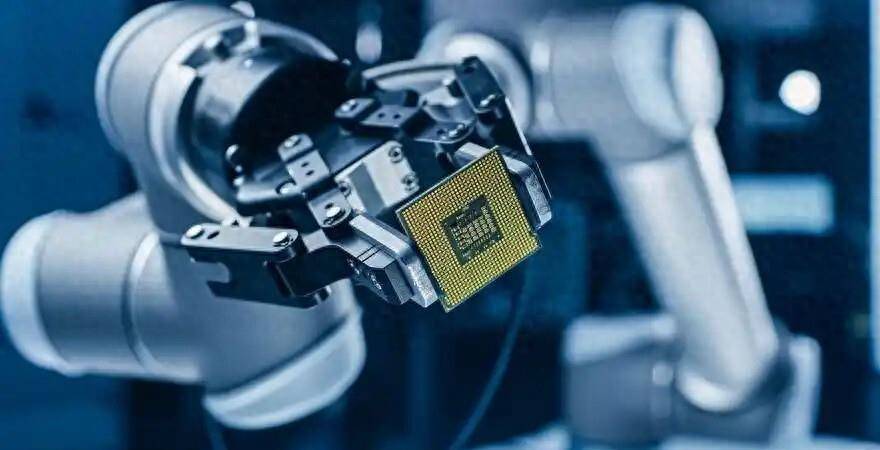
中矿资源:公司稀有轻金属(铯、铷)业务在资源渠道、技术工艺及市场应用方面形成了完善的布局
Zheng Quan Ri Bao· 2025-09-22 14:07
Core Viewpoint - The company, Zhongkuang Resources, has developed a comprehensive layout in the rare light metal (cesium, rubidium) business, focusing on resource channels, technical processes, and market applications [2] Group 1 - The company will actively monitor market supply and demand changes [2] - The company aims to leverage its business foundation to continuously contribute to market stability [2]

我国战略性金属找矿实现重大突破
券商中国· 2025-07-11 03:56
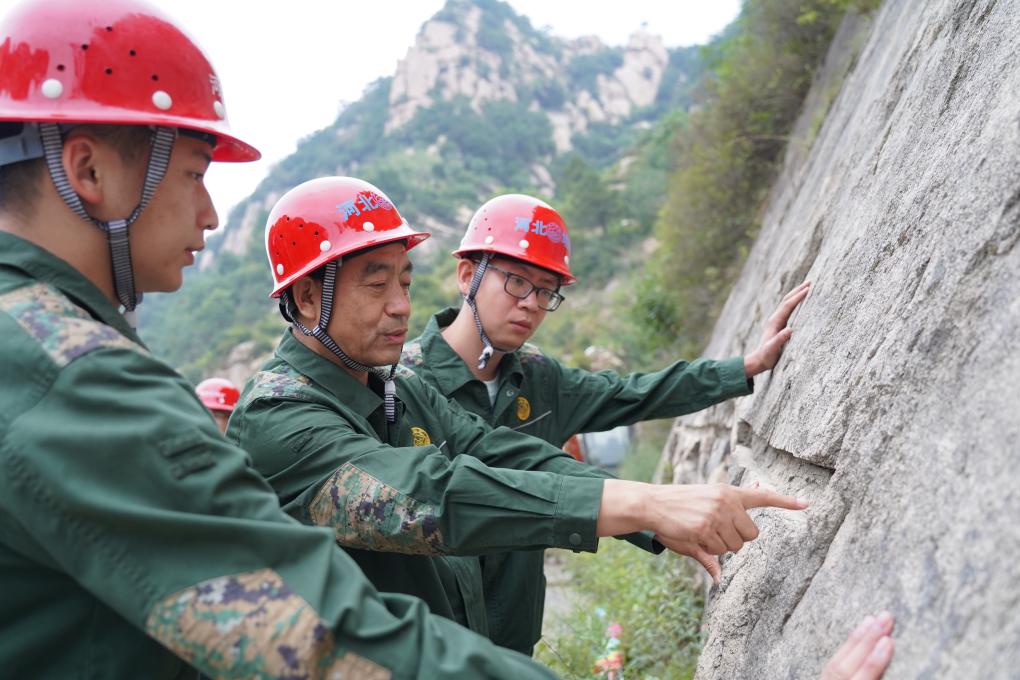
Group 1 - The core viewpoint of the articles highlights significant breakthroughs in mineral exploration in China, with a focus on strategic metals such as uranium, rubidium, gold, cobalt, and manganese, indicating a robust growth in the mining sector [1][2] Group 2 - In the first half of 2025, 38 new mineral sites were discovered nationwide, representing a year-on-year increase of over 30%, including major finds of large and super-large mineral deposits [1] - Notable discoveries include the first super-large uranium mine in Heilongjiang, 3.37 million tons of rubidium resources in Hebei, 27,000 tons of cobalt in Hebei, 22.85 million tons of manganese in Guizhou, and 81 tons of gold in Xinjiang [1] - The exploration investment for non-oil and gas minerals reached 6.993 billion yuan, a year-on-year increase of 23.9%, with social funding accounting for 48% of the total investment [2] - The exploration investment for various minerals such as tin, bauxite, tungsten, copper, and phosphorus saw increases of over 50% year-on-year [2] - The Ministry of Natural Resources has increased the supply of exploration rights, with 318 strategic mineral exploration rights issued in the first half of the year [2]
铀铷金:我国战略性金属找矿实现重大突破
Xin Hua Wang· 2025-07-10 15:21
Core Insights - In the first half of 2025, China discovered 38 new mineral sites, marking a year-on-year increase of over 30%, with significant breakthroughs in strategic metals such as uranium, rubidium, gold, cobalt, and manganese [1][2] Group 1: New Discoveries - A major breakthrough was achieved with the discovery of the first large-scale uranium mine in Heilongjiang Province [2] - In Hebei Province, a new rubidium resource of 3.37 million tons was identified, solidifying China's position in rubidium mining [2] - A cobalt resource of 27,000 tons was discovered in Hebei Province, reaching a large-scale classification [2] - In Guizhou Province, a manganese resource of 22.85 million tons was found, also classified as large-scale [2] - Xinjiang Province reported a new gold resource of 81 tons, bringing the total to nearly 100 tons, classified as super-large [2] Group 2: Investment Trends - In the first half of the year, total investment in non-oil and gas mineral exploration reached 6.993 billion yuan, a year-on-year increase of 23.9% [4] - Social funding accounted for 3.359 billion yuan, up 28.2%, representing 48.0% of total exploration investment, indicating increased corporate engagement in mineral exploration [4] - Central and local government funding amounted to 3.634 billion yuan, reflecting a year-on-year growth of 20.1% [4] - Investment in various minerals such as tin, bauxite, tungsten, copper, and phosphorus saw increases of over 50% year-on-year [4] - The Ministry of Natural Resources has increased the supply of exploration rights, with 318 strategic mineral exploration rights issued in the first half of the year [4]
4.9亿吨!湖南郴州探获超大型锂矿
起点锂电· 2025-07-09 10:55
Core Insights - The article highlights the upcoming 2025 Fifth Electric Two-Wheeler Battery Swap Conference and Lightweight Power Battery Technology Summit, emphasizing the theme "Swap City, Smart Two-Wheelers" [2] Group 1: Event Details - The event is organized by Qidian Lithium Battery, Qidian Solid-State Battery, and Qidian Two-Wheeler and Battery Swap [2] - Scheduled for July 11, 2025, at the International Hall, 2nd Floor, DENGXILU International Hotel, Bao'an, Shenzhen [2] - Various sponsors and partners include prominent companies such as Xiaohahuan, Dudu Huan, Yadi Technology Group, and others [2] Group 2: Lithium Resource Discovery - A significant lithium resource discovery was made in the Jijiao Mountain mining area of Linwu County, Hunan Province, with a reported lithium ore volume of 490 million tons and lithium oxide resource amounting to 131,000 tons [3] - The discovery also includes over five strategic mineral resources such as rubidium, tungsten, tin, niobium, and tantalum, marking a new milestone in China's lithium resource security [3] - The mining area is expected to alleviate China's over 70% dependence on foreign lithium resources, enhancing the domestic supply chain for the new energy industry [3] Group 3: Economic Impact - The comprehensive utilization of multi-metal resources is projected to exceed 100 billion yuan in economic value [3] - Linwu County is planning a lithium battery industrial park, attracting major enterprises and expected to drive investments over 50 billion yuan, creating over 20,000 jobs [3] - The Hunan Provincial Natural Resources Department aims to leverage this discovery to form a strategic mineral resource cluster in the southern region, contributing to the establishment of a trillion-yuan new energy industry base [3]
湖南郴州探获4.9亿吨锂矿石
news flash· 2025-07-08 11:43
Group 1 - Hunan Province has discovered a super-large altered granite-type lithium deposit in the Jijiao Mountain area of Linwu County, Chenzhou City, through innovative geological exploration theories and long-term prospecting [1] - The total amount of lithium ore submitted is 490 million tons, with lithium oxide resource amounting to 1.31 million tons [1] - The super-large deposit also contains associated strategic minerals such as rubidium, tungsten, and tin, all of which are newly added resource amounts [1]
乌克兰领土失守带资源流失,美国或被迫与俄谈稀土
Sou Hu Cai Jing· 2025-07-05 09:11
Group 1 - Ukraine's attractiveness to the U.S. is rapidly declining due to territorial losses and valuable resource control, leading to uncertainty in agreements between Kyiv and Washington [2] - The loss of the Shevchenko village in Donetsk, which contains a significant lithium mine, has drawn U.S. attention as lithium is crucial for high-tech production, including batteries [3][6] - The U.S. and Ukraine had previously established a resource agreement to reduce dependence on China for rare earth metals, but ongoing military advances by Russia have disrupted these plans [3][4] Group 2 - The Shevchenko mine, despite its small area of 40 hectares, is one of the largest lithium mines in Europe, with high-quality ore comparable to Australian sources [7] - The mine has estimated reserves of about 500,000 tons of lithium, which is significant compared to Russia's total lithium reserves of approximately 3.5 million tons [7] - Ukraine has lost half of its lithium mines, but there are still opportunities in regions like Zhytomyr and Vinnytsia, which contain titanium and zirconium reserves [9] Group 3 - The U.S. may still retain interest in resource agreements, albeit in a different format, as these minerals are strategically important and scarce [9] - Ukraine plans to develop remaining reserves, with the Dobro lithium mine in Kirovohrad region potentially being prioritized [9]