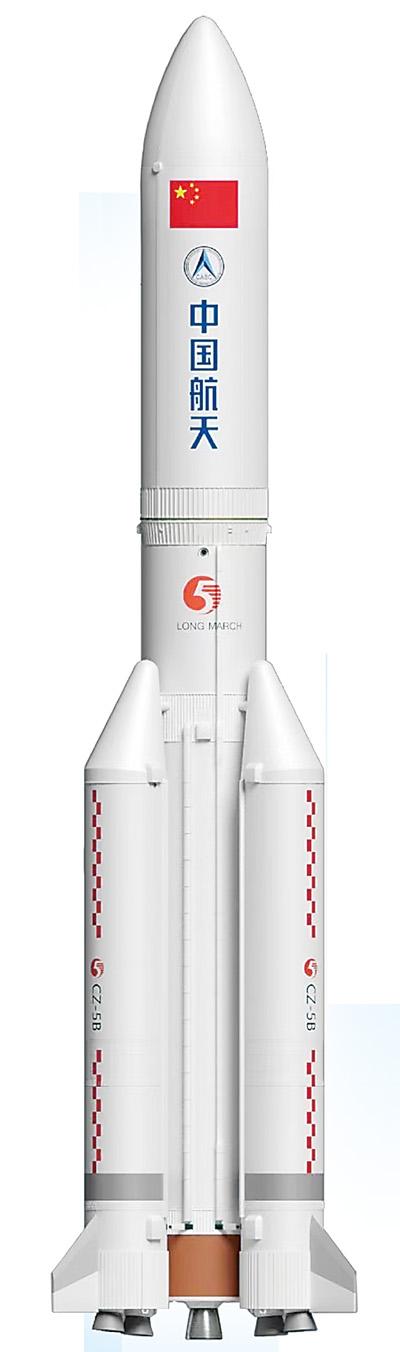
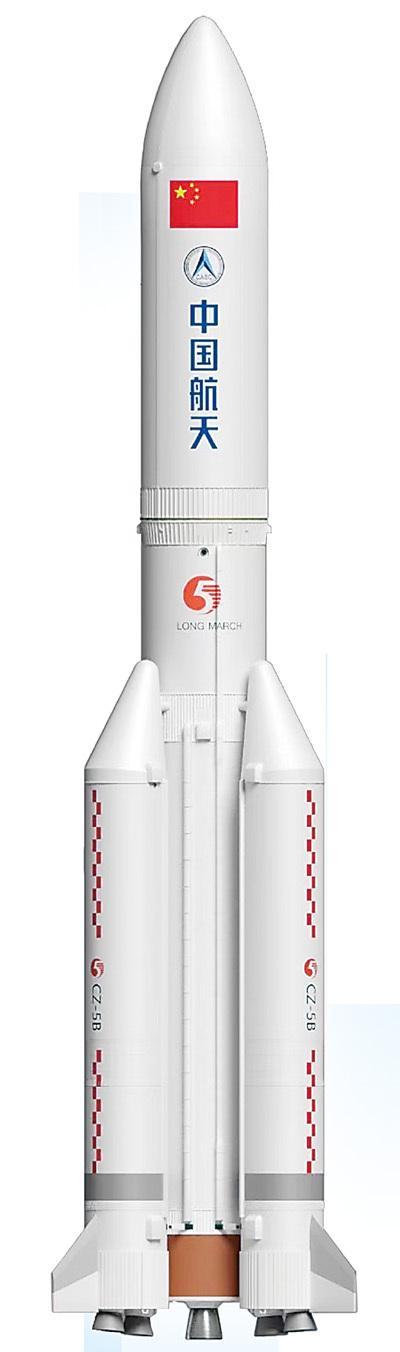
长征五号乙运载火箭

Search documents
【人民日报】科学有答案 创新无止境——八位院士眼中的二〇二五
Ren Min Ri Bao· 2025-12-29 03:02
Core Insights - China's technological innovation is expanding into various fields, including quantum technology and lunar research, with significant breakthroughs expected by 2025 [4][6] - The "14th Five-Year Plan" emphasizes the importance of technology and innovation, highlighting a commitment to advancing scientific research and applications [4] - The development of deep space exploration and quantum computing is seen as crucial for China's strategic technological autonomy and future economic growth [8][17] Group 1: Deep Space Exploration - Major breakthroughs in lunar research are anticipated, including the discovery of new mineral types from samples returned by the Chang'e 6 mission, which will enhance understanding of lunar oxidation mechanisms [5] - The Tianwen-2 probe is set to conduct close-range exploration of a near-Earth asteroid, with sample return expected by the end of 2027 [5] - Future projects include the construction of a lunar research station, manned lunar missions, and exploration of Mars and Jupiter, aiming to enhance capabilities in deep space science and resource utilization [5][6] Group 2: Quantum Computing - Quantum computing is identified as a key technology for future strategic autonomy, requiring advancements in hardware and software integration [8] - China's third-generation superconducting quantum computer, "Benyuan Wukong," has been successfully deployed, participating in numerous collaborations across various sectors [9] - The development of quantum computing is likened to building a rocket, emphasizing the need for a comprehensive approach from hardware to software [8] Group 3: Brain-Computer Interfaces - Brain-computer interface technology is evolving to connect biological and machine intelligence, with advancements in decoding and encoding neural signals [10] - Clinical applications of brain-computer interfaces are emerging, with significant progress in invasive and non-invasive technologies [12] - The technology aims to redefine the boundaries of intelligence by integrating carbon-based and silicon-based systems [11] Group 4: Hydrogen Energy - Hydrogen energy is positioned as a vital component of the renewable energy revolution, complementing electricity and addressing sustainability challenges [17] - The development of hydrogen fuel cells is expanding into various sectors, including transportation and machinery, with China making significant strides in related technologies [18] - The strategic importance of hydrogen energy is underscored by its potential to facilitate a low-carbon energy transition [17] Group 5: Talent Development in Research - The cultivation of research talent is critical for supporting high-level technological independence, with a focus on aligning educational programs with national strategic needs [20] - Young researchers are increasingly prominent in key national projects, indicating a shift towards a younger demographic in scientific achievements [21] - A supportive environment for basic research is essential, requiring stable funding and a culture that encourages innovation and tolerates failure [22][23]

科学有答案 创新无止境(院士讲科普·年终特别报道)
Ren Min Wang· 2025-12-26 22:21
Core Insights - By 2025, China is expected to achieve significant breakthroughs in various scientific fields, including quantum technology and lunar research, contributing to the nation's technological self-reliance and innovation [3][5]. Group 1: Space Exploration - The Chang'e 6 mission is set to return samples from the moon's far side, revealing new insights into lunar oxidation mechanisms and marking a major scientific breakthrough in lunar research [4]. - The Tianwen-2 probe will conduct close-range exploration of a near-Earth asteroid, with a sample return expected by the end of 2027, indicating a shift towards long-term space exploration and resource utilization [4]. - China plans to advance its lunar research station, manned lunar missions, Mars sample return, and Jupiter system exploration, enhancing its capabilities in deep space exploration [4]. Group 2: Quantum Computing - Quantum computing is identified as a critical future technology, with China focusing on achieving full autonomy in quantum computing through the development of hardware and software systems [7]. - The third-generation superconducting quantum computer "Benyuan Wukong" has been launched, participating in numerous collaborations across key industries and achieving international cooperation in quantum computing [8]. - The development of quantum computing is likened to building a rocket, emphasizing the importance of integrating hardware and software for effective functionality [7]. Group 3: Brain-Computer Interfaces - Brain-computer interface technology is evolving to connect biological intelligence with machine intelligence, utilizing advanced decoding and encoding techniques to interpret brain signals [9]. - Clinical advancements in brain-computer interfaces are being made, with the establishment of comprehensive clinical trial centers and the initiation of global trials [11]. - The technology aims to redefine the boundaries of intelligence by merging carbon-based and silicon-based systems, enhancing cognitive capabilities [10]. Group 4: Digital Intelligence Technologies - Digital intelligence technologies, including cloud computing and artificial intelligence, are seen as essential tools for enhancing innovation across various industries [13]. - The integration of digital technologies into industrial processes is expected to significantly improve production efficiency and transform manufacturing paradigms [13]. - Open collaboration and resource sharing are highlighted as accelerators for technological advancement, contributing to global challenges [14]. Group 5: Hydrogen Energy - Hydrogen energy is recognized as a vital component of the renewable energy revolution, complementing electricity and supporting sustainable development [16]. - China has made significant progress in hydrogen fuel cell technology and is establishing a related industrial chain to enhance the role of hydrogen in the energy transition [17]. - The future of hydrogen energy will focus on tailored solutions that meet specific regional needs, ensuring its benefits for society [16]. Group 6: Research Talent Development - Universities are positioned as key players in nurturing research talent, aligning educational programs with national strategic needs [19]. - The emphasis is on practical applications of research, encouraging scientists to engage with industry and address real-world challenges [19]. - A supportive environment for young researchers is essential, promoting innovation and allowing for flexible evaluation of research outcomes [20]. Group 7: Basic Research Support - Basic research in China is gaining increased attention and funding, although it still lags behind developed countries in terms of investment [22]. - Continuous support for basic research is necessary, including funding stability and diverse investment channels to foster groundbreaking discoveries [22][23]. - A positive research culture is crucial for sustaining long-term engagement in basic research, promoting a supportive atmosphere for scientists [23]. Group 8: Science Popularization - The relationship between scientific innovation and public science education is emphasized, with efforts to enhance public understanding of science [24][25]. - Initiatives aimed at improving scientific literacy among youth are seen as foundational for future technological advancements [25][26].
25天9次发射!中国商业航天冲刺“中国版星链”
第一财经· 2025-08-21 05:19
Core Viewpoint - China's commercial space industry is entering a period of intensive launches, with significant growth in the number of rocket launches and a focus on satellite network projects like the GW constellation, which aims for global broadband coverage similar to SpaceX's Starlink [3][4]. Launch Statistics - In the past 25 days, China has conducted nine rocket launches, accounting for over 25% of the total 35 launches in the first half of 2025 [3][4]. - The recent launches include multiple missions supporting the GW constellation, a broadband satellite project led by China Satellite Network Group [3][4]. Cost and Technology Challenges - The cost of satellite launches in China is high, averaging around 150,000 yuan per kilogram, leading to launch costs for a 500 kg satellite potentially exceeding 75 million yuan [6]. - Key challenges in the industry include improving launch frequency and reducing costs, particularly through advancements in rocket engine technology and reusability [4][6][8]. Engine Development - Engine performance is critical for determining rocket payload capacity and reusability, directly impacting launch costs [7][8]. - Current domestic engines face challenges such as high-temperature coking, which complicates maintenance and increases costs [8][9]. - Companies are exploring alternative fuels like liquid oxygen and methane to enhance reusability and efficiency [9]. Competitive Landscape - SpaceX's Starship serves as a benchmark for domestic companies, particularly in terms of recovery technology and cost reduction through reusability [12][13]. - Domestic companies are working on developing high-capacity rockets, with some aiming for payload capacities of over 40 tons to significantly lower launch costs [12][14]. Investment and Market Trends - Recent funding rounds indicate a growing interest in foundational capabilities, particularly in engine development and low-orbit satellite networks [18][19]. - The market is expected to see significant orders from satellite network construction in the next three years, emphasizing the need for low-cost, high-capacity launch capabilities [19][20].
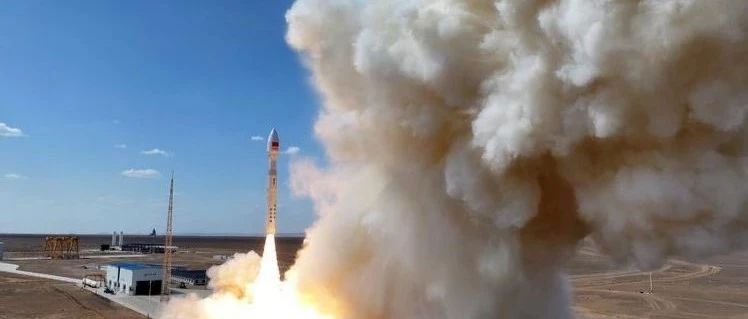
产业观察:商业航天跟踪13期,长征五号乙运载火箭发射成功,中国星网加速组网
GUOTAI HAITONG SECURITIES· 2025-08-20 14:11
Group 1: Launch Successes - The Long March 5B rocket successfully launched the low Earth orbit satellite internet group 08 on August 13, 2025, marking the 588th launch of the Long March series[1] - In the past two weeks, China Star Network has accelerated its satellite deployment with four successful launches (groups 05-08) of low Earth orbit satellites[1] Group 2: Upcoming Launches and Developments - The Gushenxing II rocket series has completed key ground tests and is entering countdown for its maiden flight, set to carry over 1 ton of payload including six commercial satellites and two non-separable payloads[1] - Three rocket companies, Blue Arrow Aerospace, Tianbing Technology, and CAS Space, have been shortlisted for the "One Rocket, 18 Satellites" tender by Yuanxin Satellite, with service delivery expected by March 2026[4] Group 3: Regulatory Changes and Financing - On August 13, 2025, President Trump signed an executive order to ease regulations on the U.S. commercial space industry, aiming to enhance competitiveness and streamline approval processes for new space activities[4] - Aerospace company Yuhang Yuxing completed a C+ round financing of 430 million yuan, aimed at developing satellite internet infrastructure[23] - Beijing Weiguang Qihang Technology completed an angel round financing of several million yuan, focusing on carbon fiber composite rocket development[23] Group 4: Market Performance - The Wind Commercial Aerospace Index (8841877.WI) fell by 0.64% during the week of August 11-15, 2025, with a trading volume of 189 billion yuan, down 3.93% from the previous week[4] - Among the 66 companies in the commercial aerospace sector, 24.24% saw their stock prices rise, with top gainers including Feilihua (30.81%) and Aerospace Science and Technology (16.93%)[4]
卫星互联网低轨08组卫星发射成功
Ke Ji Ri Bao· 2025-08-13 10:14
Group 1 - The successful launch of the Long March 5B rocket and the Yuan Zheng 2 upper stage took place on August 13, 2023, at 14:43, sending the low Earth orbit satellite internet group 08 into its designated orbit [1][3] - The Long March 5B rocket is a large cryogenic launch vehicle that builds on the foundation of the Long March 5 rocket, while the Yuan Zheng 2 upper stage is the largest and most powerful conventional liquid upper stage currently available [3] - This mission marks the 588th launch of the Long March series of launch vehicles, showcasing the capabilities of the launch system to execute various orbital missions, including near-Earth and sun-synchronous orbits [3] Group 2 - The launch system supports multiple deployment configurations, including single satellite launches, multiple satellite launches, and constellation deployments, with capabilities for serial, parallel, side-mounted, and combined configurations [3] - The satellite internet low Earth orbit group 08 was developed by the Fifth Academy of China Aerospace Science and Technology Corporation [1]

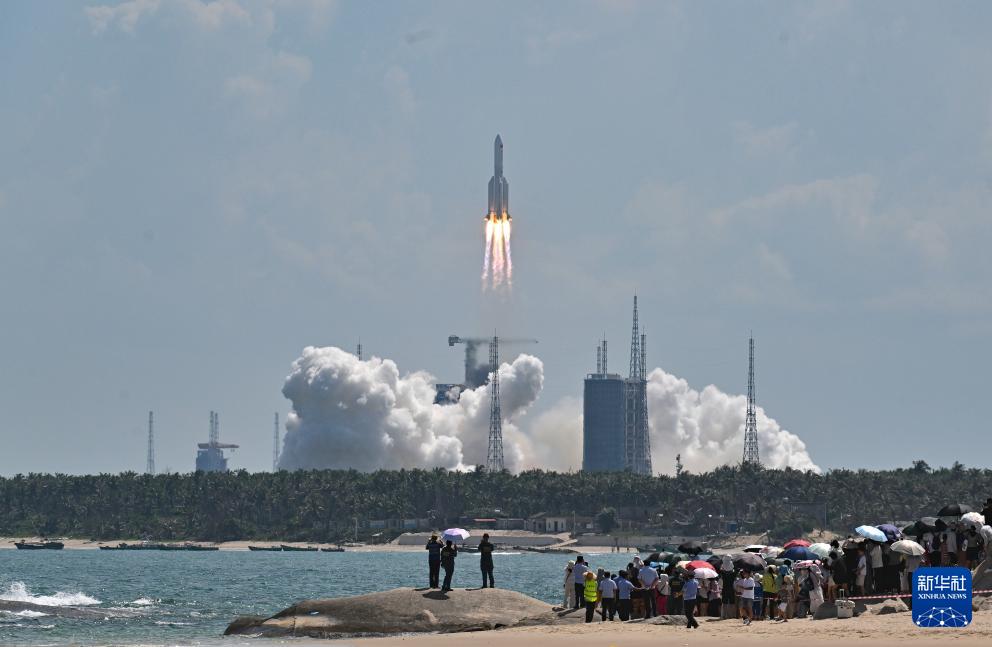
现场:我国成功发射卫星互联网低轨卫星
Xin Jing Bao· 2025-08-13 08:45
Core Points - The successful launch of the low Earth orbit satellite constellation, known as the Internet Low Earth Orbit 08 group, was conducted using the Long March 5B rocket and the YZ-2 upper stage [1] - This mission marks the 588th flight of the Long March series of launch vehicles [1] Industry Summary - The launch took place at the Wenchang Space Launch Site, indicating the continued development and capability of China's space launch infrastructure [1] - The successful deployment of the satellite constellation is a significant step in enhancing satellite internet connectivity, reflecting the growing importance of satellite technology in the telecommunications industry [1]
智通港股早知道 | 终端设备直连卫星服务管理规定发布 蔚来-SW(09866)4月交付2.39万辆同比增长53%
Zhi Tong Cai Jing· 2025-05-01 23:47
Group 1 - The National Internet Information Office and six other departments have jointly issued the "Regulations on the Management of Direct Satellite Services for Terminal Equipment," effective from June 1, 2025, which governs the provision and use of direct satellite services within China [1] - China's low-orbit satellite constellation, Qianfan, has successfully completed five batches of satellite launches, with over 600 satellites ordered, amounting to approximately 4.5 billion RMB, and plans to deliver over 200 satellites by 2025 [1] Group 2 - MGM China reported total revenue of 7.994 billion HKD for Q1 2025, a decrease of 3.2% year-on-year, with adjusted EBITDA of 2.368 billion HKD, down 5.46% [6] - China Hongqiao reported a net profit of 6.357 billion RMB for Q1 2025, representing a year-on-year increase of 46.46%, with total revenue of 40.173 billion RMB, up 15.56% [10] Group 3 - NIO delivered 23,900 vehicles in April, a year-on-year increase of 53%, while Li Auto delivered 33,939 vehicles, up 31.6% [7] - BYD's total sales of new energy vehicles reached approximately 1.3809 million units in the first four months of 2025, reflecting a year-on-year growth of 46.98% [7] Group 4 - Xinda Biopharmaceuticals reported total product revenue exceeding 2.4 billion RMB in Q1 2025, maintaining a strong year-on-year growth of over 40%, with four new drugs launched during the quarter [9] - Hansoh Pharmaceutical's HS-20089 has been approved as a breakthrough therapy for platinum-resistant recurrent epithelial ovarian cancer by the National Medical Products Administration [8]