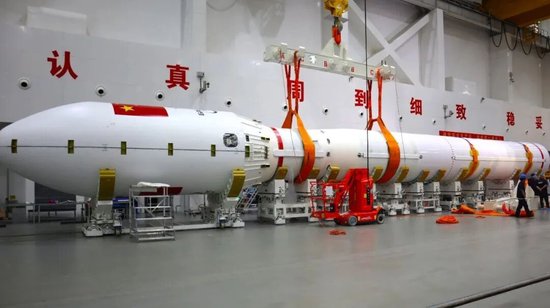
谷神星二号运载火箭

Search documents
决战2026:中国民营火箭企业该“交卷”了
经济观察报· 2026-02-07 05:53
Core Viewpoint - The Chinese commercial space industry has reached a critical juncture after 11 years of development since the government encouraged private investment in space infrastructure in 2014. Despite recent launch failures, market enthusiasm remains high, with significant IPO activities and capital inflow into the sector [4][6][24]. Group 1: Recent Launch Failures - On January 17, 2026, both a state-owned Long March 3B rocket and a private company, Xinghe Power's "Gushenxing No. 2" rocket, experienced launch failures on the same day [2][3]. - In December 2025, another private rocket, Zhuque No. 3, faced issues during its recovery phase, highlighting ongoing challenges in the industry [3]. Group 2: Market Response and IPO Activities - Despite the setbacks, the capital market's interest in commercial space remains strong, with companies like Blue Arrow Aerospace and Star Glory making significant progress towards IPOs [4][5][24]. - The commercial space sector has seen a surge in stock prices, with many companies experiencing rapid increases in market value, even if they have not yet generated substantial revenue [5][8]. Group 3: Satellite Production and Capacity - China submitted an application for 203,000 satellites, which has led to a bullish market reaction, with many companies seeing their stock prices double [8]. - The production capacity for satellites is not a limiting factor, as companies like Galaxy Aerospace have significantly reduced manufacturing times through advanced production techniques [8]. Group 4: Structural Challenges in Launch Capacity - The reliance on state-owned rockets for major launches has created a bottleneck for private companies, which struggle to secure launch opportunities [10][11]. - Private companies have primarily used solid rockets, which are less capable of meeting the demands for large-scale satellite deployments, leading to a mismatch in supply and demand [10][11]. Group 5: Development of New Rocket Companies - Due to dissatisfaction with existing launch options, companies like "Xinghuo Shikong" have been established to develop new rockets, indicating a shift towards self-reliance in launch capabilities [12]. - The new company is backed by significant investment and aims to produce larger rockets capable of carrying more substantial payloads [12]. Group 6: Cost and Technology Challenges - The high costs associated with launching rockets, particularly at commercial launch sites, have led some companies to consider alternative methods, such as sea launches [13]. - The industry is focused on developing reusable rocket technology to reduce costs, with various companies exploring different propulsion systems [16][20]. Group 7: Financial Pressures and IPO Timing - The urgency for companies to go public is driven by early investors seeking liquidity, with many companies nearing IPOs despite ongoing technical challenges [27][28]. - The year 2026 is seen as a pivotal moment for the industry, where successful launches and technology validation are critical for maintaining investor confidence [28].

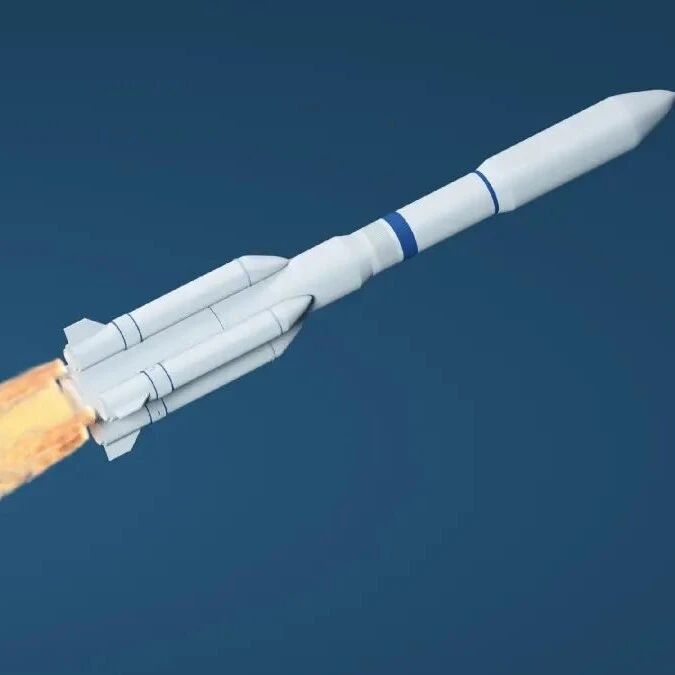
商业航天迎来“决战时刻”
Jing Ji Guan Cha Wang· 2026-02-06 13:52
Core Insights - The Chinese commercial space industry is facing significant challenges, highlighted by the failures of both state-owned and private rocket launches on January 17, 2026, marking a critical moment in the sector's development [1][2][3] - Despite recent launch failures, investor enthusiasm for commercial space remains high, with multiple companies advancing towards IPOs and significant market activity in related stocks [2][16] - The industry is at a pivotal point, with a pressing need for liquid rocket capabilities to meet the ambitious goal of deploying 203,000 satellites [4][10] Industry Developments - On January 10, 2026, China submitted a large-scale application for frequency and orbital resources for 203,000 satellites, which spurred a surge in stock prices within the commercial space sector [4] - The production capabilities of companies like Galaxy Space have improved significantly, with a reported annual capacity of 100 to 150 medium-sized satellites [5] - The commercial space sector is experiencing a structural mismatch in launch capacity, as most private companies are still reliant on solid rockets, which are not suitable for large-scale deployments [6][10] Market Dynamics - The demand for launch services has led companies like Yuanxin Satellite to explore in-house rocket development due to dissatisfaction with existing commercial options [7][8] - High costs associated with launch facilities, such as the Hainan commercial space launch site, are pushing companies to consider alternative solutions like sea-based launches [9] - The urgency for private companies to demonstrate liquid rocket capabilities is underscored by the need to fulfill the ambitious satellite deployment plans [10][12] Financial Landscape - The IPO landscape for commercial space companies is becoming increasingly competitive, with several firms, including Blue Arrow Aerospace and Tianbing Technology, nearing public offerings [16][17] - The regulatory environment has shifted to support commercial space ventures, allowing companies to meet IPO requirements even with recent setbacks in rocket recovery [16][17] - Early investors are feeling pressure to exit, leading to a trend of share sell-offs as companies approach IPOs, highlighting the need for liquidity in the sector [18][19] Technological Challenges - The focus on reusable rocket technology is critical for reducing launch costs, with estimates suggesting that reusability could lower costs by 40% to 60% [11][12] - The industry is divided between two main propulsion technologies: liquid oxygen and kerosene versus liquid oxygen and methane, each with its own advantages and challenges [14][15] - Achieving successful rocket recovery remains a significant hurdle, with technical complexities involved in ensuring reliable performance during re-entry and landing [13][14]
对商业航天产业发展给予更多耐心
Zheng Quan Ri Bao· 2026-01-19 16:12
Core Viewpoint - The recent failures in the aerospace sector highlight the critical challenges that commercial space development must overcome for high-quality growth [2] Group 1: Technical Challenges - The need to respect technology and accept trial-and-error costs is emphasized, as technological innovation is rarely straightforward [3] - The failure of the Gushenxing-2 rocket, a medium-sized solid launch vehicle, reflects the objective development trajectory of China's commercial aerospace moving from technology validation to maturity [3] - The failure of the Long March 3B rocket serves as a reminder of the inherent risks present throughout the lifecycle of complex aerospace systems [3] Group 2: Systemic Capacity Building - The commercial aerospace sector in China is entering a high-density launch phase, but reliable, low-cost, and high-frequency launch capacity has not yet been fully established [4] - By 2026, commercial space launch activities are expected to become more active, with several private rockets set for their inaugural flights [4] - Overcoming capacity bottlenecks requires not only increasing launch frequency but also enhancing systemic capabilities, including the development of reusable rockets and large thrust engines [5] - Improvements in rocket manufacturing and delivery efficiency through standardization and scaling are necessary to support higher-density mission sequences [5] Group 3: Learning from Failures - The complexity of commercial aerospace development means that setbacks are often part of the process, necessitating a rational approach to launch failures and a focus on troubleshooting progress [6] - China's commercial aerospace industry benefits from a rigorous "zeroing" mechanism that allows for systematic fault diagnosis and accelerated technological iteration [6] - The parallel exploration of diverse technological routes creates a risk-diversification and technology-complementation framework, potentially shortening the technology maturation cycle [6] - Long-term healthy development of the commercial aerospace sector requires patient capital support, focusing on companies with core technological strengths and clear business paths [6]
商业航天需要冲刺也需要耐心
Bei Jing Shang Bao· 2026-01-18 15:11
Core Viewpoint - The commercial aerospace sector in China is experiencing significant growth and interest, driven by government support and increasing demand for satellite launches, despite facing high risks and challenges in profitability [1][2][4]. Group 1: Industry Overview - The commercial aerospace sector has been included in government work reports for two consecutive years, indicating strong policy support [1]. - The market is witnessing a surge in demand, with China submitting an application for an additional 203,000 satellites to the International Telecommunication Union, significantly surpassing SpaceX's Starlink application total [1]. - The sector is characterized by a dual structure of state-owned and private enterprises, exemplified by the GW and Qianfan constellations, which enhances market opportunities [2]. Group 2: Company Developments - Star River Dynamics publicly apologized for the failure of its first flight test of the Ceres II rocket, highlighting the challenges faced by companies in the sector [1]. - Other companies like Blue Arrow Aerospace, Tianbing Technology, and Interstellar Glory are also pursuing IPOs, competing to become China's "first commercial aerospace stock" [1]. - The industry is under pressure to adopt reusable rocket technology to reduce costs and meet the increasing demand for satellite launches [2]. Group 3: Market Dynamics - The commercial aerospace industry is seen as a high-risk, high-technology field with long investment return cycles, which has historically limited the number of commercial launch contracts [2]. - The recent failures in flight tests, such as the Zhuque-3 recovery attempt, reflect the ongoing challenges and the need for product optimization and iteration [3]. - The market is currently experiencing a mix of excitement and caution, with a need for quality investments amidst potential market corrections and scrutiny of companies for compliance and performance issues [4].
【西街观察】商业航天,需要冲刺也需要耐心
Bei Jing Shang Bao· 2026-01-18 10:32
Core Viewpoint - The commercial aerospace sector in China is experiencing significant growth and interest, driven by government support and increasing demand for satellite launches, despite facing high risks and challenges in profitability [1][2][4]. Group 1: Industry Overview - The commercial aerospace sector has been included in government work reports for two consecutive years, indicating strong policy support [1]. - The market is witnessing a surge in demand, with China submitting an application for an additional 203,000 satellites to the International Telecommunication Union, significantly surpassing SpaceX's Starlink total [1]. - The industry is characterized by a dual structure of state-owned and private enterprises, exemplified by the GW and Qianfan constellations, which are expanding the market for satellite launches [2]. Group 2: Company Developments - Star River Dynamics publicly apologized for the failure of its first flight test of the Ceres II rocket, highlighting the high-risk nature of the aerospace industry [1]. - Other companies like Blue Arrow Aerospace, Tianbing Technology, and Interstellar Glory are also pursuing IPOs, competing to become China's "first commercial aerospace stock" [1]. - The industry is focusing on reusable rocket technology to reduce costs and meet the increasing demand for satellite launches, despite recent failures in recovery attempts [2][3]. Group 3: Market Dynamics - The capital market's enthusiastic response to the commercial aerospace sector is expected, given the expanding launch capacity and the potential for a stable triangle between rockets, satellites, and applications [2]. - The sector is currently facing challenges such as speculative bubbles and the need for quality investments, as some popular stocks have come under regulatory scrutiny for issues like disclosure violations and accounting errors [4]. - The long-term prospects of the commercial aerospace industry are intertwined with short-term capital dynamics and technological uncertainties, necessitating both urgency and patience [4].
特朗普:将对欧洲8国加关税;黔西南州通报医院招聘问题丨每经早参
Mei Ri Jing Ji Xin Wen· 2026-01-18 00:27
Group 1 - The People's Bank of China and the National Financial Regulatory Administration announced that the minimum down payment ratio for commercial housing loans will be adjusted to no less than 30% [3] - The Ministry of Industry and Information Technology has revised the management measures for the cultivation of high-quality small and medium-sized enterprises, now including technology-based SMEs in the cultivation scope [4] - The Boao Forum for Asia 2026 Annual Conference will be held from March 24 to 27, with the theme "Shaping a Shared Future: New Situations, New Opportunities, New Cooperation" [5][6] Group 2 - The China Passenger Car Association indicated that by 2025, the structure of China's automobile export enterprises will show significant optimization, with a focus on core growth from domestic passenger car manufacturers [7] - The recent recruitment process at Qianxinan People's Hospital faced issues such as poor organization and management, leading to the cancellation of the exam results and a re-examination for candidates [8] - Star River Dynamics announced that the first flight test of its commercial rocket failed, and the company is currently investigating the cause [11] Group 3 - Novo Nordisk's new CEO emphasized that all future business expansions must focus on the core needs of diabetes or obesity patients, marking a strategic shift away from previous diversification attempts [12] - Avita Technology reported that a recent traffic accident involving 15 vehicles was due to driver error, with the vehicle's assisted driving feature not activated at the time of the incident [13] - Aiko Micro Technology has initiated the A-share listing guidance process, focusing on high-end chip design in the wireless communication sector [14]

特朗普:对欧洲8国加征关税直至收购格陵兰岛;星河动力回应火箭首飞失利;商业用房最低首付下调至30%;黔西南州通报医院招聘问题丨每经早参
Mei Ri Jing Ji Xin Wen· 2026-01-17 23:01
Group 1 - The People's Bank of China and the National Financial Regulatory Administration have adjusted the minimum down payment ratio for commercial housing loans to no less than 30% [1] - Local branches of the People's Bank of China and the National Financial Regulatory Administration can set lower limits for the down payment ratio based on local government policies [1] Group 2 - The Eastern Theater Command monitored and guarded the passage of U.S. naval vessels through the Taiwan Strait, maintaining a high level of readiness to safeguard national sovereignty and regional stability [2] - The Southern Theater Command conducted normal drone flight training near the Dongsha Islands, asserting the legality of the operation [2] Group 3 - The Ministry of Industry and Information Technology has revised the management measures for the cultivation of high-quality small and medium-sized enterprises, now including technology-based SMEs in the cultivation scope [3] - The new measures aim to enhance the quality of cultivated enterprises and improve the standards for recognizing specialized and innovative SMEs [3] Group 4 - The Boao Forum for Asia 2026 Annual Conference is scheduled to be held from March 24 to 27, with the theme "Shaping a Shared Future: New Situations, New Opportunities, New Cooperation" [4][6] Group 5 - The China Passenger Car Association predicts a significant optimization in the structure of automotive exports by 2025, with a focus on enhancing core technology and local production [7] - The association emphasizes the need for companies to strengthen collaboration and address external risks to promote high-quality development in automotive exports [7] Group 6 - Star River Dynamics announced the failure of the first flight test of the Vesta II rocket, with ongoing investigations to determine the cause [12] - Novo Nordisk's new CEO emphasized that all business expansions must focus on the core needs of diabetes or obesity patients, marking a strategic shift away from previous diversification attempts [13] Group 7 - Avita Technology clarified that the recent traffic accident involving 15 vehicles in Nanning was due to driver error, with the vehicle's assisted driving feature not activated at the time of the incident [14] - The company highlighted the importance of enhancing safety in automated driving technology and user education [15] Group 8 - Aiko Micro has initiated the A-share listing guidance process, with no single shareholder holding more than 30% of the company [17] - Zhuhai Wanda Commercial Management has appointed a new CEO, reflecting adjustments in management in response to market pressures [18] Group 9 - LoBo Quick Run has launched a fully autonomous driving service in Abu Dhabi, marking its first overseas public operation [18]


一天两次火箭发射失利,一个三级出问题,一个一级出问题!咋回事?
Xin Lang Cai Jing· 2026-01-17 10:42
Core Viewpoint - On January 17, 2026, China's aerospace sector experienced a rare "double failure" event, with the Long March 3B rocket and the private commercial rocket Gushenxing 2 both encountering flight anomalies on the same day [1][17]. Group 1: National Team (Long March 3B) - The Long March 3B rocket, a veteran in China's Long March series, faced an unexpected failure during the launch of the Practice 32 satellite, which is typically a routine mission [3][19]. - The failure was not a complete loss of control; the first two stages of the rocket operated normally, with issues arising in the third stage [3][19]. - As a mature model, the Long March 3B's design has been validated over time, suggesting that the failure is likely due to a single component fault or minor assembly deviation rather than a systemic issue [5][21]. Group 2: Private Sector (Gushenxing 2) - The Gushenxing 2 rocket's situation is unique as it was its first flight test, and it is designed to carry a payload of 1.6 tons to a 500 km low Earth orbit, emphasizing low cost and quick response [9][25]. - The failure of Gushenxing 2 may be linked to issues with the first stage rocket, likely involving the engine or control systems [12][28]. - The challenges faced by the private sector highlight the common issues of balancing high-frequency launch demands with quality management, as rapid production and testing cycles can lead to errors [11][27]. Group 3: Industry Insights - The dual failures underscore the inherent risks in aerospace, where even minor errors can lead to significant consequences, reflecting the industry's ongoing challenges [12][30]. - Both failures provide valuable lessons for the industry, emphasizing the need for improved detail management in established models and a better balance between rapid iteration and quality stability in the private sector [30][32]. - The exploration of both national and private sectors indicates a diversification in China's aerospace development, with each contributing unique strengths to meet market demands [30][32].
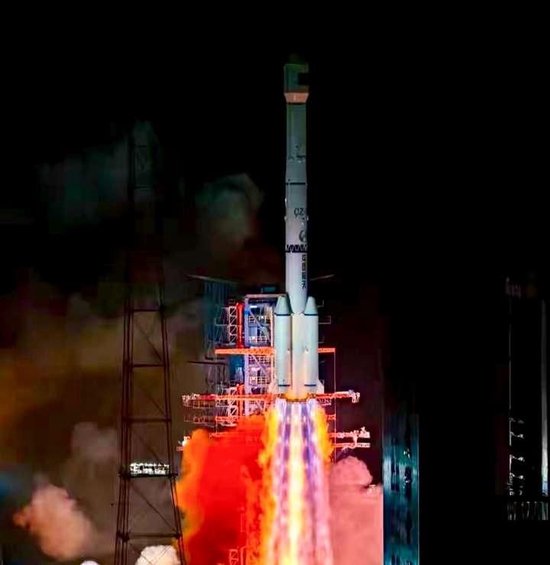
一天两发火箭任务失利
Xin Lang Cai Jing· 2026-01-17 10:42
Core Viewpoint - The recent satellite launch attempts by China's Long March 3B rocket and the private commercial rocket, Gushenxing No. 2, both experienced flight anomalies, resulting in mission failures. The specific causes are currently under investigation [1][3]. Group 1 - On January 17 at 00:55, the Long March 3B rocket launched from the Xichang Satellite Launch Center to deploy the Shijian-32 satellite, but the mission failed due to flight anomalies [1][3]. - At 12:08 on the same day, the Gushenxing No. 2 private commercial rocket was launched from the Jiuquan Satellite Launch Center, also experiencing flight anomalies and resulting in a failed first flight test [1][3]. - Star River Dynamics Aerospace issued a statement regarding the Gushenxing No. 2 mission, expressing sincere apologies to all parties involved and emphasizing their commitment to thoroughly investigate the failure and ensure the success of future launches [1][3].
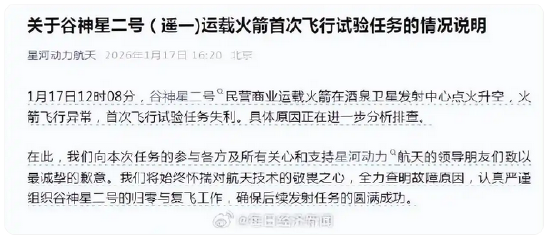
星河动力回应发射失利
Xin Lang Cai Jing· 2026-01-17 09:52
Core Viewpoint - The recent launch of the Xinghe Power's Gushenxing No. 2 rocket was unsuccessful due to flight anomalies, and the company is currently investigating the cause of the failure [1][7]. Group 1: Gushenxing No. 2 Rocket - Gushenxing No. 2 is an upgraded model based on Gushenxing No. 1, featuring a three-stage solid rocket combined with a liquid upper stage, with a launch mass of 100 tons [8]. - The rocket has a payload capacity of 1.6 tons to a 500 km Low Earth Orbit (LEO) and 1.3 tons to a 500 km Sun-Synchronous Orbit (SSO), achieving an efficiency of 1.3% [8]. - The company aims to reduce launch costs significantly while maintaining flexibility and rapid deployment capabilities, with launch prices comparable to medium-sized liquid rockets of 200 tons [8]. Group 2: Gushenxing No. 1 Rocket - Gushenxing No. 1 is the main rocket model for Xinghe Power, having successfully conducted 21 commercial launches, delivering a total of 89 satellites into their designated orbits [10]. - The successful launch of the Gushenxing No. 1 sea-launch variant on January 16 marked a positive start for private commercial launches in 2026, successfully placing four satellites into near-Earth orbit [10]. Group 3: Zhishenxing Series Development - The Zhishenxing series is being developed for large constellation deployment, with the first flight of Zhishenxing No. 1 imminent [10]. - The main engine of Zhishenxing No. 1, CQ-50, has completed over 10,000 seconds of cumulative testing, achieving a significant breakthrough in thrust variability [10]. - Zhishenxing No. 2, a large reusable liquid rocket, is set to enter production, with its main engine CQ-90 having completed assembly and ready for system testing [12]. Group 4: IPO Plans - In October 2025, Xinghe Power filed for IPO guidance with the Beijing Securities Regulatory Bureau, joining the queue of commercial rocket companies for public offering [12].