顺风车

Search documents
最坏情况预期:滴滴
citic securities· 2026-03-16 11:49
Group 1: Company Performance - Didi's Chinese ride-hailing business saw a 10% year-on-year increase in order volume, reaching 3.6 billion orders, with a total transaction value (GTV) of 87 billion yuan, up 11% year-on-year[5] - Adjusted EBITDA for the Chinese ride-hailing business was 2.6 billion yuan, with a GTV profit margin of 3.0%[5] - Didi maintains its GTV profit margin target of 4.2% for 2026[5] Group 2: International Business and Strategy - Didi's international food delivery business experienced a 25% year-on-year growth in order volume, with GTV growth accelerating to 47% (38% excluding exchange rate effects)[6] - The company aims to achieve a quarterly food delivery GTV of $2 billion in Brazil by Q4 2026, positioning itself as the second-largest platform in the region[7] - Despite significant losses of 3.4 billion yuan in Q4, the international ride-hailing and fintech businesses have reached breakeven[6] Group 3: Market Outlook and Risks - The management is confident in the current food delivery strategy, indicating that the worst period may soon be over if Q1 2026 can achieve both scale expansion and controlled losses[4] - Investment risks include intensified competition, macroeconomic slowdowns, regulatory risks, and challenges related to international expansion and autonomous vehicle development[9] - Didi's market share in China remains stable at 70-75%, with ongoing operations in ride-hailing, food delivery, and fintech[10]

春运开始,顺风车在五环外疾驰
远川研究所· 2026-02-11 13:48
Core Viewpoint - The ride-sharing market in China, particularly the "顺风车" (carpooling) segment, is experiencing rapid growth, with a compound annual growth rate of approximately 40% over the past seven years, significantly outpacing the 10% growth rate of traditional ride-hailing services [3][5]. Group 1: Market Dynamics - The total transaction volume of the carpooling industry is expected to exceed 100 billion RMB by 2027, making it the only segment outside of ride-hailing to reach this milestone in the transportation sector [4]. - The market for carpooling began to take shape around 2019, transitioning from a low-cost ride-hailing alternative to a distinct segment focused on intercity travel [5][8]. - The shift in order structure from urban to intercity travel has led to a significant influx of non-professional drivers, with nearly 30 million registered drivers on platforms like 哈啰 (Hello) [8][11]. Group 2: Consumer Behavior - Consumer preferences have evolved, with a growing demand for door-to-door services that carpooling can provide, addressing needs that traditional public transport cannot meet [9][10]. - The carpooling model has become a cost-effective option for long-distance travel, appealing to price-sensitive users and transforming it into a viable business model outside urban centers [9][10]. Group 3: Supply Side Changes - The rapid increase in car ownership in China over the past decade has created a vast pool of potential carpool drivers, with a younger demographic more open to the sharing economy [11][13]. - 哈啰 has distributed over 100 billion RMB in earnings to drivers, maintaining a lower service fee compared to traditional ride-hailing platforms, which enhances its attractiveness to drivers [16]. Group 4: Operational Strategies - 哈啰 has adapted its operational model to accommodate the unique characteristics of non-professional drivers, implementing a "select order" system to improve matching efficiency and reduce cancellations [15]. - The platform has introduced a membership system for active drivers to ensure a stable supply of drivers, addressing the challenges posed by the high proportion of non-professional drivers [16]. Group 5: Future Outlook - During the 2026 Spring Festival, 哈啰 is projected to handle 50-60 million orders, capturing about 50% of the market demand for carpooling during this peak travel period [20].


大数据透视春运“回家路” 科技护航让归途既有速度更有温度
Yang Shi Wang· 2026-02-09 04:44
Group 1 - The core point of the news is that the Spring Festival travel rush (Chunyun) in 2026 is expected to see a record high of 9.5 billion trips, with the first week alone projected to exceed 1.4 billion trips, averaging over 200 million trips per day, marking a 2% increase compared to the previous year [1][3]. - The Ministry of Transport anticipates that the peak passenger flow will occur around February 14, just before the Spring Festival [1]. - As of February 8, a total of 150 million train tickets have been sold for the Spring Festival travel period, with the railway expected to send 13.25 million passengers on that day alone [4][5]. Group 2 - The data indicates that self-driving will continue to dominate travel modes, accounting for approximately 80% of trips during this year's Spring Festival [5]. - High-tech support is evident, with over 31.9 trillion satellite positioning calls made in the first six days of the travel rush, covering a total navigation distance of 28.3 billion kilometers [7]. - The introduction of upgraded safety systems, such as the Eagle Eye warning system, aims to enhance road safety by providing real-time alerts for various traffic risks, thereby improving driver response times [11][12].
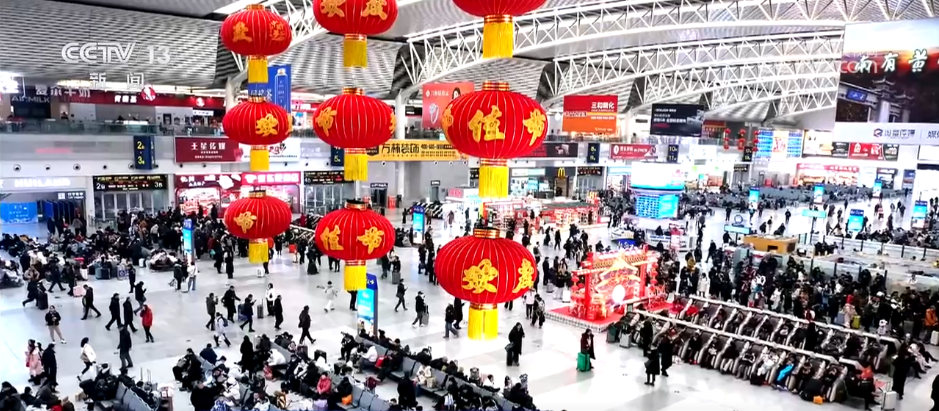
丙午年春节出行前瞻:95亿人次大迁徙 将出现四波打车高峰
Xin Lang Cai Jing· 2026-02-08 09:19
Core Insights - The Spring Festival travel rush in China is expected to reach a historic high of 9.5 billion trips in 2026, marking a significant shift in travel patterns and consumer behavior [1][2] - The traditional "one-way journey" is being replaced by a decentralized travel model, with approximately 80% of trips expected to be by private car, and new trends such as "reverse New Year" where families travel to cities and bring pets home [1][4] Travel Trends - The travel volume during the Spring Festival is projected to hit 9.5 billion trips, with self-driving trips accounting for around 80% [1][2] - High peaks in travel demand are anticipated before and after the festival, with specific dates identified for peak travel times [2] - Didi forecasts four significant peaks in ride-hailing demand during the 40-day travel period, driven by various needs such as returning home, visiting relatives, and vacationing [2] Market Dynamics - The Spring Festival has evolved from a "survival-type flow" of 2.91 billion trips in 2016 to a "development-type flow" of 9.5 billion trips in 2026, reflecting improvements in transportation infrastructure and changing consumer preferences [2][6] - The demand for flexible travel options, such as ride-sharing, is increasing, with a notable rise in charging and refueling needs during the travel period [3][4] Consumer Behavior Changes - The rise of "reverse New Year" signifies a shift in family dynamics and consumer spending, moving from traditional gift-giving to experiences and services [4][6] - The trend of traveling with pets is becoming increasingly common, indicating a change in travel preferences among consumers [5][6] - The growth of cross-province tourism and the combination of returning home with vacationing is expected to account for 40% of travel, showcasing resilience in domestic demand [6][7] Future Outlook - The emergence of younger generations (post-2000s and post-2010s) as the main force in travel is anticipated to fundamentally reshape the Spring Festival travel model [7] - The travel patterns are expected to transition from concentrated homeward journeys to more dispersed and staggered flows, while maintaining the cultural significance of family reunions [7][8]
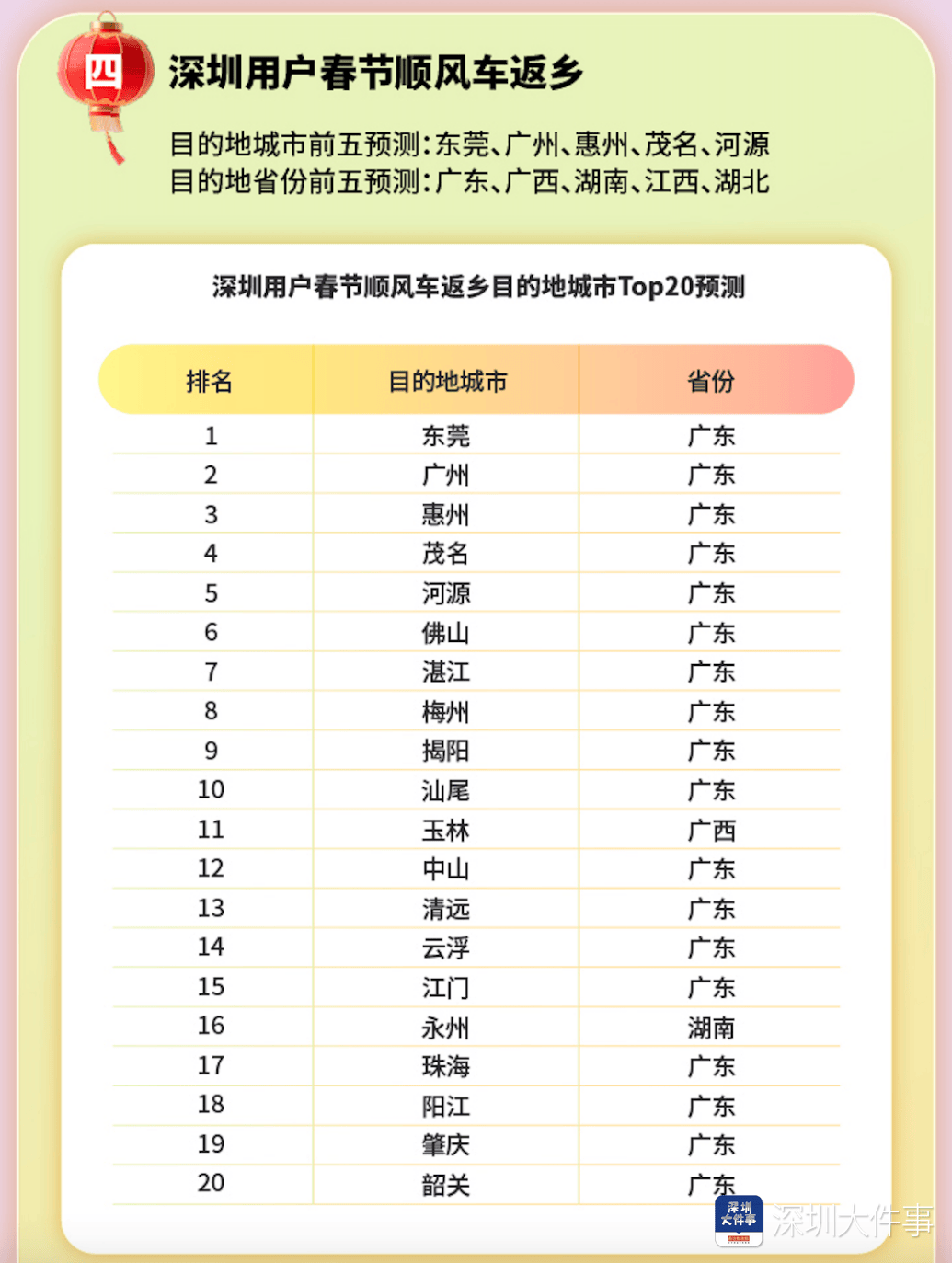
深圳位列一线城市顺风车返乡出发规模第一,深莞线路最热门
Sou Hu Cai Jing· 2026-02-05 08:36
Core Insights - The 2026 Spring Festival travel season has begun, highlighting significant population migration trends and economic changes, with ride-sharing services like Dida providing insights into these migration patterns [1] - Dida's data predicts that Shenzhen will lead in cross-city ride-sharing orders among first-tier cities, with eight of the top twenty popular return routes originating from Shenzhen [1][5] Group 1: Migration Trends - From 2022 to 2025, the proportion of ride-sharing orders from lower-tier cities to new first-tier cities is expected to increase from 7.72% to 9.07%, while orders from lower-tier cities to first-tier cities remain stable [3] - The share of ride-sharing orders from first-tier cities to lower-tier cities is declining, with a notable drop from 19.68% in 2022 to 16.63% in 2025, indicating a shift in migration patterns [4] Group 2: Popular Routes and Destinations - The top ten return destinations for ride-sharing from Shenzhen include Dongguan, Guangzhou, and Huizhou, with Shenzhen accounting for three of the top five cross-city routes [5][6] - The most popular cross-city routes are: Shenzhen to Dongguan, Shenzhen to Guangzhou, and Shenzhen to Huizhou, with six of the top ten routes originating from Guangdong province [5][6] - Approximately 80.2% of ride-sharing orders from Shenzhen are directed towards Guangdong province, with 10.1% going to Guangxi [6]
嘀嗒出行报告:南山居深圳顺风车通勤热门城区第一
Nan Fang Du Shi Bao· 2026-01-08 15:13
Core Insights - The report by Dida Chuxing reveals that ride-sharing users are exploring various emerging professions, particularly in AI, chips, overseas expansion, enterprise services, and lifestyle services [1][3][4] Group 1: Ride-Sharing Commute Trends - The top five popular commuting districts for ride-sharing in Shenzhen are Nanshan District, Futian District, Luohu District, Longhua District, and Bao'an District [2] - Nanshan District's high commuting activity is attributed to the concentration of tech parks such as KeXing Science Park and Shenzhen Software Park [2] - Over 50% of ride-sharing orders in Shenzhen's top 100 commuting destinations are from high-tech, internet, and IT sectors, indicating a significant presence of these industries [2] Group 2: Emerging Professions and User Demographics - The majority of ride-sharing users are office workers, with over 50% of passengers and 80% of drivers falling within the age range of 26 to 50 years [3] - The top ten professions among ride-sharing users include engineers, technical researchers, salespeople, workers, finance professionals, teachers, designers, civil servants, healthcare workers, and accountants [3] - A notable number of users are individual entrepreneurs, reflecting the microeconomic vitality of the current economic landscape [3] Group 3: Impact of New Technologies - The rapid development and application of emerging technologies like AI and big data have led to the creation of numerous digital new professions and job types [4] - Increasing consumer demand for quality of life, health management, cultural experiences, and personalized services has also spurred the emergence of new professions in lifestyle services [4]

多地已经加强对顺风车的监管
Qi Lu Wan Bao· 2026-01-06 11:12
Core Viewpoint - The ride-sharing industry, initially centered around "sharing," has evolved into a dedicated operational hub, leading to a breakdown of industry rules and necessitating timely regulatory measures to prevent further distortion and protect the overall transportation market order [1] Group 1: Regulatory Developments - The State Council issued guidelines in 2016 emphasizing that ride-sharing should not be profit-driven, allowing users to share travel costs or provide free mutual assistance [1] - As of March 2025, Guangzhou has prohibited operational vehicles from accepting ride-sharing orders with endpoints in the city, limiting drivers to a maximum of three orders per day [3] - In August 2025, Kunming implemented regulations requiring ride-hailing platforms to disclose maximum commission rates and ensure real-time visibility of commission per order on driver apps [2] Group 2: Industry Challenges and Suggestions - Industry insiders have highlighted the need for platforms to establish transparent service information disclosure mechanisms and effective dispute resolution systems to balance consumer rights and industry development [1] - Multiple online users have suggested that platforms should create a more flexible and inclusive ecosystem to connect the increasingly segmented supply and demand [1] - Recent policies across various regions aim to address the "pseudo-sharing" issues in the industry, pushing it back towards its original essence of "mutual assistance" [3]
从Robotaxi“撞人”到金融业务“撞墙”:哈啰深陷双重困境
Sou Hu Cai Jing· 2025-12-15 14:01
Core Viewpoint - The company, Hello Chuxing, is facing a dual crisis involving safety issues with its Robotaxi service and compliance risks in its financial operations, which could jeopardize its business model and growth prospects [4][22]. Group 1: Robotaxi Safety Issues - On December 6, 2025, a Hello Robotaxi in Zhuzhou hit two pedestrians, leading to serious injuries and the suspension of operations in several cities just four months after launching [2]. - The company's aggressive strategy aimed to achieve in two years what competitors took a decade to accomplish, but this rapid expansion has resulted in significant safety oversights [5][7]. - Prior to the December incident, there were reports of another collision involving a Hello Robotaxi, indicating ongoing safety concerns [9]. Group 2: Financial Compliance Risks - Hello Chuxing's financial operations, which have grown to a scale of 40 billion yuan, are now at risk due to the implementation of new regulations that require proper licensing, which the company lacks [10][11]. - The "Assisted Loan New Regulations" that took effect on October 1, 2025, restrict partnerships with unlicensed entities, threatening the company's financial partnerships and operations [14]. - Users have reported high hidden fees and aggressive collection practices, raising concerns about the company's compliance and customer trust [21][15]. Group 3: Strategic Misalignment - The simultaneous crises in both the Robotaxi and financial sectors reflect a broader issue of strategic misalignment and overextension in the company's growth strategy [22]. - Hello Chuxing has failed to build core competencies while diversifying into multiple sectors, leading to a lack of competitive advantage in each area [28]. - The company's past focus on rapid expansion without securing necessary licenses has left it vulnerable to regulatory changes, highlighting the risks of a growth-at-all-costs mentality [30].

网约车竞争加剧,今年收入增长止步,享道出行靠啥冲上市?
Nan Fang Du Shi Bao· 2025-11-21 14:32
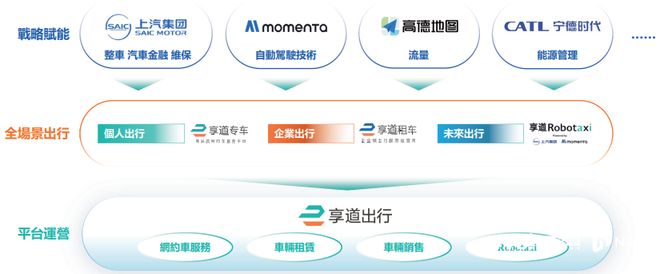
Core Viewpoint - Xiangdao Mobility is preparing for an IPO in Hong Kong to raise funds for autonomous driving research, Robotaxi operations, and expanding its user and driver base, amidst increasing competition in the ride-hailing market [1][2] Group 1: Company Overview - Xiangdao Mobility, a subsidiary of SAIC Group, was established in 2018 and offers various transportation services including ride-hailing, car rentals, and ride-sharing [2] - The company has raised multiple rounds of financing, achieving a valuation of $1 billion after its 2022 funding round [2] - As of June 30, 2025, Xiangdao Mobility's ride-hailing services are expected to cover 26 provinces and 85 cities in China, with over 2 million registered users and 106,200 drivers [2] Group 2: Financial Performance - The company has reported cumulative losses exceeding 1.9 billion yuan over the past three and a half years, with revenues primarily driven by ride-hailing services [5][6] - Revenue figures for 2022, 2023, and 2024 were 4.729 billion yuan, 5.718 billion yuan, and 6.395 billion yuan respectively, with losses of 781 million yuan, 604 million yuan, and 407 million yuan [6] - In the first half of 2025, revenue declined by 2.8% to 3.013 billion yuan, resulting in a loss of 115 million yuan due to increased competition and operational costs [6] Group 3: Market Dependency and Risks - Xiangdao Mobility's order volume is heavily reliant on aggregation platforms, with over 98% of orders sourced from platforms like Didi and Meituan, leading to increased commission costs [4][5] - The company paid commissions of 273 million yuan, 327 million yuan, and 442 million yuan in 2022, 2023, and 2024 respectively, with the proportion of sales expenses attributed to these commissions rising from 52% to 75.3% [5] Group 4: Robotaxi Strategy - The company views Robotaxi as a strategic core for future growth, aiming to establish a fleet of 200 L4-level Robotaxis by 2026 [9][11] - The global Robotaxi market is projected to grow significantly, reaching 2.1 billion yuan by 2025 and 25.3 trillion yuan by 2035, with the Chinese market expected to reach 11 billion yuan by 2025 [8][9] - Xiangdao Mobility is developing a comprehensive ecosystem for autonomous driving, integrating vehicles, technology, and platforms to enhance operational efficiency [9][11] Group 5: Industry Trends - The ride-hailing market is experiencing intense competition, with a shift from aggressive pricing strategies to a focus on optimizing unit economics [12] - The industry is moving towards a decentralized model, providing growth opportunities for emerging platforms as user traffic distribution becomes more fragmented [12]
顺风车市内通勤时速提升9.2%,费用降10.4%
第一财经· 2025-11-14 07:06
Core Insights - The article highlights the continuous improvement in the efficiency and cost of ride-sharing services in China over the past three years, indicating a growing preference for ride-sharing among commuters [2][3]. Group 1: Ride-Sharing Efficiency - Ride-sharing commuting efficiency has improved for three consecutive years, with average speeds for urban and intercity commuting reaching 40.2 km/h and 56 km/h respectively in 2025, marking increases of 9.2% and 14.5% compared to 2023 [3]. - The average commuting cost for urban and intercity ride-sharing has decreased to 37.2 yuan and 100.3 yuan, reflecting declines of 10.4% and 5.8% respectively [3]. Group 2: Commuting Patterns - Major cities such as Dongguan, Tianjin, Qingdao, Chongqing, and Beijing have a significant number of early commuters (departing between 6:00-7:00 AM), indicating a trend towards early morning travel [6]. - Over 60% of surveyed passengers reported that ride-sharing saves them more than 20 minutes compared to public transportation for urban commutes [6]. Group 3: Urban and Intercity Trends - The report identifies the top five city clusters for intercity ride-sharing as the Pearl River Delta, Yangtze River Delta, Beijing-Tianjin-Hebei, Shandong Peninsula, and Chengdu-Chongqing [6][7]. - The Yangtze River Delta shows extensive intercity ride-sharing connections, particularly between cities like Shanghai, Suzhou, and Hangzhou, while the Beijing-Tianjin-Hebei area has concentrated routes primarily between Beijing and its neighboring cities [7].