
高精地图

Search documents
中国无人驾驶“军团”,“武装”阿布扎比!
Xin Lang Cai Jing· 2026-01-30 17:42
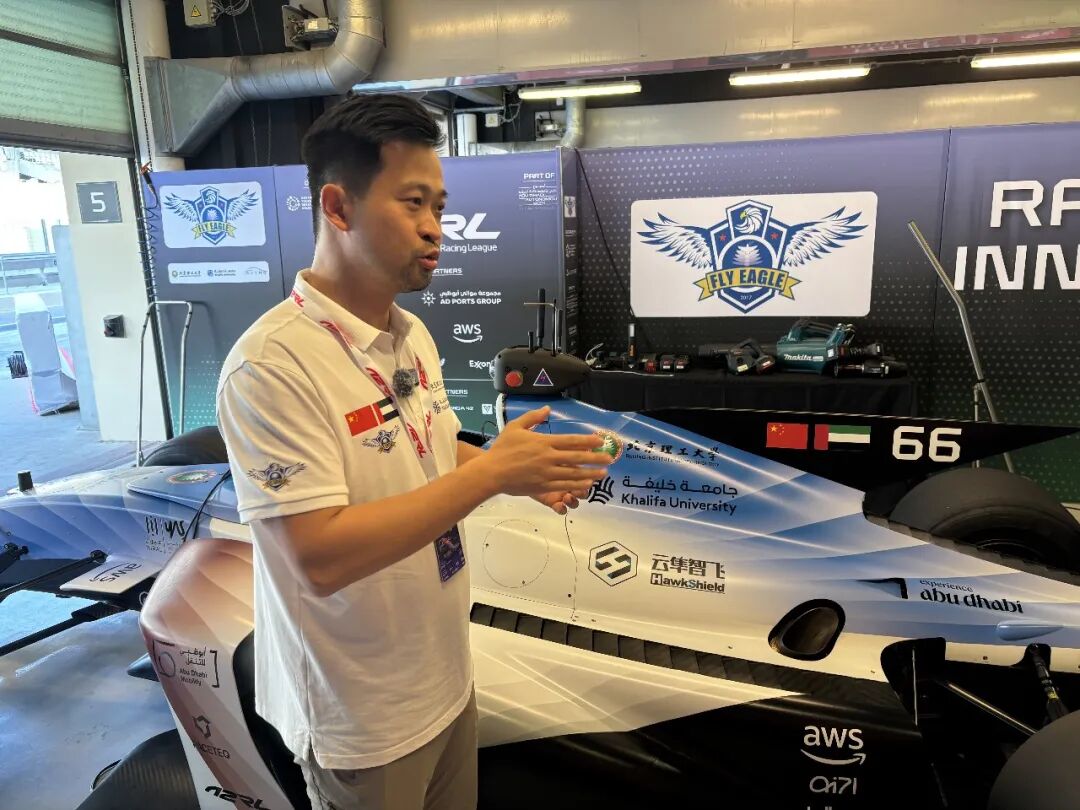
Core Insights - The article highlights the rapid development and commercialization of autonomous driving technology in Abu Dhabi, driven primarily by Chinese companies [5][19]. - Chinese firms are establishing a significant presence in Abu Dhabi's autonomous driving sector, with a focus on creating a comprehensive ecosystem for technology and business operations [12][24]. Group 1: Chinese Companies' Involvement - Chinese companies, including WeRide and Baidu, have successfully launched the world's first fully autonomous taxi service integrated with Uber in Abu Dhabi [4][7]. - The autonomous driving initiative in Abu Dhabi is a result of years of collaboration between Chinese enterprises and the local government, leading to the issuance of the first autonomous driving road test license in the UAE [5][6]. - By November 2025, the average daily mileage of test vehicles from Baidu's "LuoBo Kuaipao" service exceeded 200 kilometers, maintaining a zero-accident rate without human intervention [5][6]. Group 2: Government Support and Market Structure - The Abu Dhabi government has adopted a proactive role in supporting autonomous driving, creating a unique model that integrates regulatory bodies, private sectors, and academia to facilitate business growth [13][14]. - Achieving profitability for autonomous taxi operations in Abu Dhabi requires only 200 vehicles, significantly lower than the thousands needed in other markets, due to favorable market conditions such as short average trip distances and high fare rates [12][14]. - The local population structure, with a high percentage of expatriates, minimizes resistance to job displacement concerns associated with autonomous driving technology [15][18]. Group 3: Strategic Goals and Future Prospects - Abu Dhabi's push for autonomous driving is part of a broader strategy to reduce reliance on oil and develop a knowledge-based economy, with significant investments planned in AI and autonomous technologies [19][20]. - The UAE aims for AI to contribute 335 billion dirhams (approximately 633.6 billion RMB) to its GDP by 2031, with autonomous driving identified as a key area for growth [19][20]. - The autonomous driving market in the UAE is projected to reach $2.73 billion by 2030, with a compound annual growth rate of 19.2% [19].

新能源渗透率突破临界点,L3级自动驾驶激活产业链价值重构
Xin Lang Cai Jing· 2025-12-26 08:47
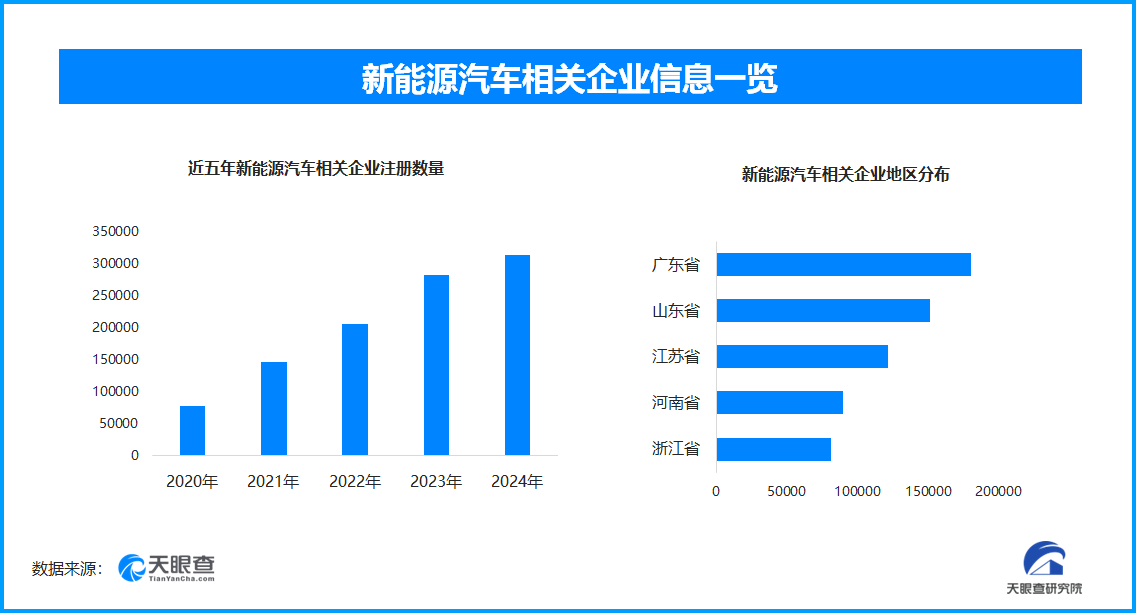
Core Insights - The year 2025 marks a pivotal point for China's automotive industry, with the penetration rate of new energy passenger vehicles surpassing 50%, indicating a shift from "policy-driven" to "market-driven" dynamics [1] - The Ministry of Industry and Information Technology (MIIT) has issued the first batch of L3-level conditional autonomous driving vehicle permits, signaling a transition from closed testing to commercial application [1] New Energy Vehicle Market - The new energy vehicle (NEV) market is experiencing significant growth, with production and sales reaching 14.907 million and 14.78 million units respectively from January to November 2025, reflecting year-on-year increases of 31.4% and 31.2% [1] - The structural change in consumer demand is driven by a surge in replacement purchases, with an expected replacement rate exceeding 60% in 2025, and Generation Z becoming the main consumer group [2] - The sales growth rate of NEVs in third-tier cities and below is as high as 61%, with the 100,000 to 150,000 yuan price range becoming mainstream [2] - As of 2025, there are over 1.642 million registered NEV-related enterprises in China, with approximately 304,000 newly registered in the current year [2] Technological Diversification and Investment Opportunities - Pure electric vehicles remain the market's mainstay, while plug-in hybrid and range-extended models are expected to exceed 8 million units in sales by 2025, enhancing the coverage of autonomous driving features [3] - Investors can leverage tools to identify capital connections between NEV companies and upstream suppliers of intelligent components, pinpointing core enterprises and potential collaboration opportunities [3] L3-Level Autonomous Driving - The issuance of conditional permits for L3-level autonomous driving marks a new phase of controlled commercialization, with clear responsibility delineation during system takeover [4] - There are over 8,900 registered autonomous driving-related enterprises in China, with Guangdong, Hebei, and Beijing leading in numbers [4] Core Component Industry Growth - The demand for LiDAR is expected to surge, with the domestic market projected to reach 24.07 billion yuan in 2025, a 127% increase from 13.96 billion yuan in 2024 [5] - Domain controllers, essential for data processing and decision-making in autonomous driving, are transitioning to high-performance models, with processing power increasing from 100-200 TOPS to over 500 TOPS [6] - The high-precision map market is anticipated to grow to 6.5 billion yuan in 2025, up from 5 billion yuan in 2024, enhancing the reliability of autonomous driving [6] Future Outlook - The continuous decline in technology costs, expansion of pilot areas, and improvement of regulatory frameworks are expected to facilitate the evolution of autonomous driving from specific scenarios to comprehensive coverage [6] - The automotive industry is poised to transition from a manufacturing powerhouse to a leader in automotive intelligence, driven by the convergence of policy, market, and technology [6]
天眼新知 从技术验证到商业量产,自动驾驶产业链的增长逻辑与机遇
Huan Qiu Wang Zi Xun· 2025-12-25 04:46
Group 1: Industry Trends - The year 2025 marks a critical turning point for China's automotive industry, with the penetration rate of new energy passenger vehicles surpassing 50%, indicating a shift from "policy-driven" to "market-driven" dynamics [1] - The Ministry of Industry and Information Technology (MIIT) has issued the first batch of L3-level conditional autonomous driving vehicle permits, signaling a transition from closed testing to commercial application [1][6] - The combination of these trends is reshaping the competitive landscape of the automotive industry and signaling a clear demand for core supply chain components such as lidar, domain controllers, and high-precision maps [1] Group 2: Market Growth and Consumer Behavior - The new energy vehicle (NEV) market has seen significant growth, with production and sales reaching 14.907 million and 14.78 million units respectively from January to November 2025, reflecting a year-on-year increase of 31.4% and 31.2% [2] - Structural changes in consumer demand are driving this growth, with over 60% of consumers expected to replace their vehicles, and 70% of younger consumers prioritizing intelligent driving features in their purchasing decisions [2] - The sales growth in lower-tier cities is notable, with a 61% increase in NEV sales, and the 100,000 to 150,000 yuan price range becoming mainstream [2] Group 3: Technological Advancements - The diversification of technology routes is enhancing the potential for intelligent development, with pure electric vehicles remaining the market's mainstay, while plug-in hybrids and range-extended models are expected to exceed 8 million units in sales by 2025 [5] - The transition to a "hardware + software + services" business model among NEV companies is driving increased investment in intelligent driving technology, fostering a positive cycle of research, application, and iteration [5] Group 4: Autonomous Driving Development - The issuance of L3-level permits represents a controlled commercialization phase, with clear responsibilities established for both manufacturers and drivers during system takeover scenarios [6][8] - The market for lidar is projected to reach 24.07 billion yuan in 2025, reflecting a 127% increase from 13.96 billion yuan in 2024, driven by the demand for precise environmental perception in L3-level autonomous driving [9] - The domestic market for high-precision maps is expected to grow to 6.5 billion yuan in 2025, up from 5 billion yuan in 2024, enhancing the reliability of autonomous driving systems [9] Group 5: Investment Opportunities - There are over 8900 existing autonomous driving-related companies in China, with Guangdong, Hebei, and Beijing leading in the number of enterprises [6] - Investors can leverage tools to identify core enterprises and potential collaboration opportunities within the supply chain of NEVs and intelligent components [5][9] - The continuous decline in technology costs, expansion of pilot areas, and improvement of regulatory frameworks are expected to drive the evolution of autonomous driving from specific scenarios to widespread coverage [10]
对话斯年智驾CEO何贝:L4 智驾公司的宿命,是大集成商或大运营商丨L4十人谈
雷峰网· 2025-12-11 07:00
Core Viewpoint - The future of L4 autonomous driving companies is to become large integrators or major operators like Didi, as indicated by the founder of Sien Intelligent Driving, He Bei [1]. Group 1: Background and Development - He Bei graduated from Tsinghua University and joined Baidu in 2015, where he contributed to the development of autonomous driving technology [2][3]. - The early team at Baidu iV saw many members, including He Bei, leave to start their own ventures, driven by differing views on the future of autonomous driving technology [3][4]. - He Bei's initial focus was on a cost-effective, vision-based approach to autonomous driving, which contrasted with Baidu's emphasis on high-definition maps [4][10]. Group 2: Company Overview and Achievements - Sien Intelligent Driving, founded by He Bei in 2020, has completed eight rounds of financing and aims to achieve profitability by 2025 [4][5]. - The company has established strategic partnerships with two of the world's top three ports, Ningbo-Zhoushan and Qingdao, and has implemented solutions in key port areas [5][6]. - Sien Intelligent Driving's revenue is projected to reach around 500 million yuan in the coming year, with the company currently experiencing a slight loss [24][26]. Group 3: Market Challenges and Opportunities - The primary challenge for autonomous trucks is the difficulty in monetizing services, as clients are often reluctant to pay for autonomous vehicle operations despite the apparent market potential [6][35]. - The autonomous driving industry has experienced various waves of interest, with the current focus shifting towards logistics, ports, and mining [23]. - He Bei believes that the commercial value of autonomous vehicles is clearer in port operations compared to other sectors, as these environments have a more mature level of information technology [15][16]. Group 4: Future Outlook and Strategy - Sien Intelligent Driving plans to focus on delivery, customer acquisition, and expanding into international markets, with potential clients in Singapore, Brazil, and Abu Dhabi [36][37]. - The company aims to become a major player in the L4 commercial vehicle sector, emphasizing the importance of system integration capabilities and deployment efficiency [18][30]. - He Bei envisions Sien Intelligent Driving evolving into a large integrator, potentially diversifying through partnerships and acquisitions rather than solely expanding its own operations [39].

被车企无情抛弃?高精地图厂商,过得还好吗?
电动车公社· 2025-12-06 16:05
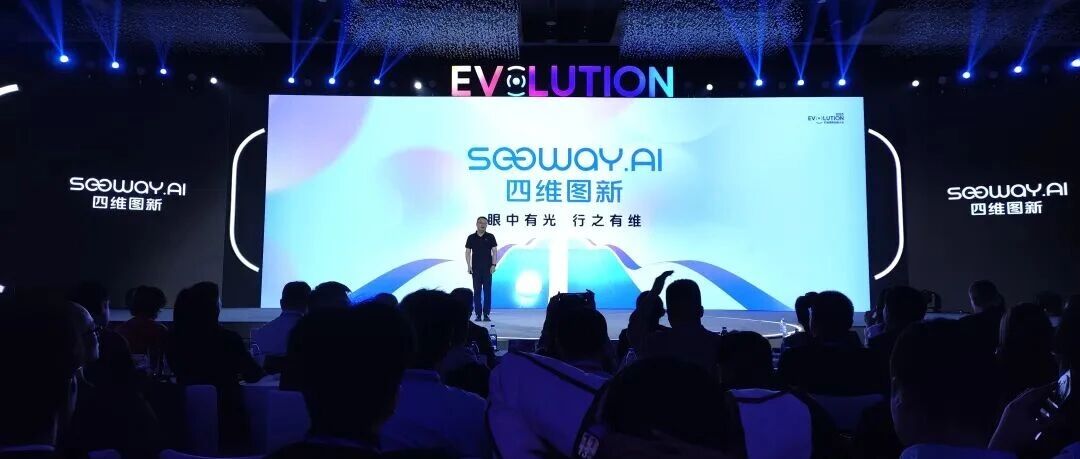
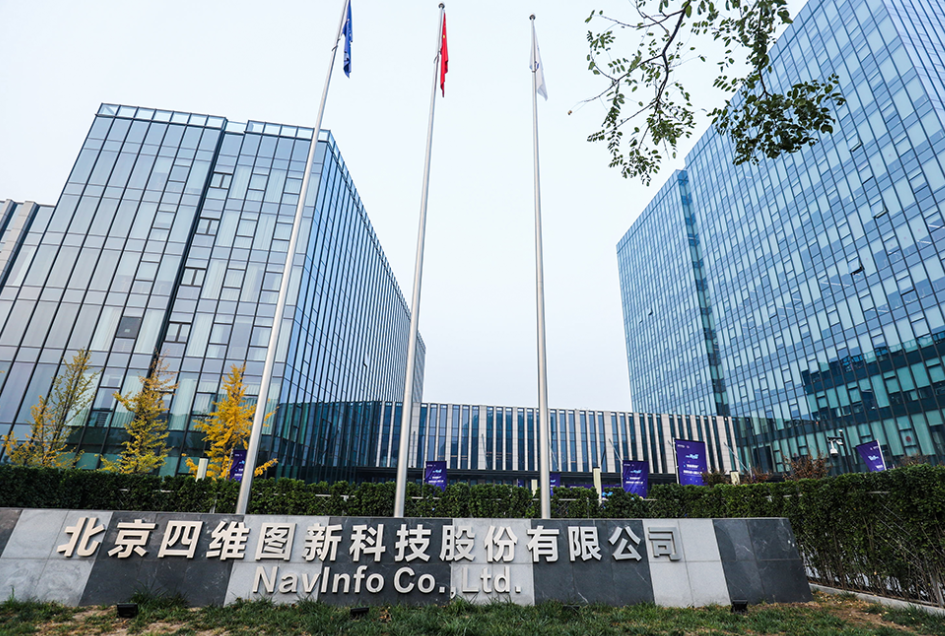
Core Viewpoint - The article discusses the significant shift in the autonomous driving industry from high-precision maps to real-time modeling and vehicle-based scanning technologies, highlighting the challenges faced by high-precision map providers like NavInfo [1][2][3]. Group 1: Industry Transition - Two years ago, the autonomous driving sector was undergoing a "no-map" revolution, with companies abandoning high-precision maps in favor of vehicle-based scanning technologies [1][2]. - The demand for high-precision maps has decreased, leading to a strategic pivot by companies like NavInfo to lighter, lower-cost mapping solutions [6][10][16]. Group 2: Financial Performance - NavInfo's revenue grew from 3.347 billion yuan in 2022 to 3.518 billion yuan in 2024, marking a 5% increase, while its net profit loss expanded from 336 million yuan in 2022 to 1.095 billion yuan in 2024 [10]. - The core business of NavInfo, which is selling high-precision maps, accounted for 61.54% of total revenue in 2022, increasing to 64.08% in 2024, but the gross margin dropped from 60.65% to 36.6% [14]. Group 3: Strategic Shift - NavInfo's recent product launch at the "2025 Innovation Conference" emphasized a shift towards chip development and integrated solutions rather than focusing solely on high-precision maps [17][20]. - The company has developed various products, including chips and driving assistance systems, indicating a broader strategy to diversify its offerings beyond traditional mapping [20][46]. Group 4: Competitive Landscape - The article notes that the competition in the autonomous driving sector is intense, with major players like Huawei and Momenta already established in the market, making it crucial for NavInfo to form deep partnerships with automotive manufacturers [67][71]. - The transition from being a map provider to a comprehensive solution provider reflects a strategic necessity for survival in a rapidly evolving industry [85][86].

第七届全球智能驾驶大会在苏州举办
Zhong Zheng Wang· 2025-12-02 12:00
Group 1 - The seventh Global Intelligent Driving Conference was held in Suzhou, focusing on building a new global development pattern for intelligent driving with the theme "Smart Connection World, Driving the Future" [1] - The conference discussed two main themes: "Exploring the Path for Automotive Intelligent Products to Go Global" and "Building an Ecosystem for Automotive Digitalization and Service Globalization" [1] - The event featured discussions from industry leaders and representatives from various organizations, including China Electromechanical Products Import and Export Chamber, China Automotive Research, and several automotive companies [1] Group 2 - Suzhou has established itself as a leading "Smart Driving City," with over 800 related enterprises and an intelligent vehicle networking industry scale of 110 billion yuan [2] - The Jiangsu Provincial Intelligent Driving Technology Key Laboratory was established under the guidance of the Suzhou government, led by Suzhou Zhizhi Technology Group in collaboration with Tsinghua University and Momenta [2] - Suzhou has developed an industrial chain ecosystem centered on intelligent vehicles, covering over 30 subfields including autonomous driving algorithms, lidar, high-precision maps, and advanced driver assistance systems [2]

四维图新与车联天下达成战略合作,聚焦智能座舱/舱驾融合域控制器核心场景
Ju Chao Zi Xun· 2025-10-30 05:26
Core Viewpoint - The strategic cooperation agreement between Siwei Tuxin and Wuxi Chelian Tianxia aims to enhance the development and commercialization of automotive intelligence technologies through collaboration in five key areas: R&D platform, chip technology, supply chain, smart manufacturing, and market expansion [2] Group 1: Strategic Cooperation Details - The cooperation focuses on the intelligent cockpit and cockpit-driving integrated controller sector, establishing a full-chain cooperation system from technology R&D to market expansion [3] - The partnership will involve collaborative efforts in R&D platform capabilities, chip technology, supply chain optimization, and market development [4][5] Group 2: Specific Areas of Collaboration - In chip technology, the companies will open an SOC platform for mutual capability enhancement and jointly develop new SOC products [4] - They will establish a mechanism for shared BOM lists and supplier resources to optimize costs and enhance resource complementarity [3][6] - The collaboration will also include smart manufacturing, focusing on improving production capacity utilization and product delivery capabilities [5] Group 3: Market Expansion and Resource Integration - The partnership aims to integrate core resources in technology R&D, chip applications, supply chain management, and market channels to enhance product strength and market competitiveness in the intelligent cockpit sector [5] - Both companies will work together to explore overseas markets, leveraging their channel advantages to expand global business coverage [6]
四维图新程鹏:18亿并购,期待拿到高阶辅助驾驶订单
Xin Jing Bao· 2025-10-19 07:02
Core Insights - The company, Siwei Tuxin, is making a significant investment of 1.8 billion yuan to become the largest shareholder of Jianzhih Robot, aiming to establish a new platform for advanced driver assistance systems (ADAS) [1] - The integration of the two companies is expected to enhance the AI capabilities of Siwei Tuxin, allowing for improved quality in high-level ADAS and AI-enabled products [1][2] - The CEO of Siwei Tuxin anticipates securing over one million high-level ADAS orders in the future, building on their existing 5 million mid-level orders [2] Investment and Strategic Moves - Siwei Tuxin plans to invest 2.5 billion yuan in cash and inject 15.5 billion yuan in assets to acquire a controlling stake in Jianzhih Robot, marking a significant move in the A-share market for smart driving mergers [1] - The combined R&D team will consist of around 700-800 personnel, focusing on developing low, mid, and high-level ADAS products [1][2] Market Position and Future Outlook - The company has already captured a substantial market share in low and mid-level ADAS and aims to expand into high-level systems post-acquisition [1] - The CEO expressed confidence in achieving high-level orders within 1.5 to 2 years, leveraging the combined strengths of both companies [2] Technological Innovations - The future of L3-level ADAS is constrained by regulatory and safety concerns, but advancements are expected to lead to vehicles without steering wheels or brakes in the next 3-5 years [3] - The concept of "VLA (Visual Language Action)" is introduced, indicating a shift towards real-time decision-making in driving without relying solely on high-definition maps [4] Challenges and Adaptations - The demand for high-definition maps is evolving, with a need for real-time updates to accommodate urban changes, which necessitates vehicle-to-infrastructure collaboration [5] - The company is exploring various monetization strategies for high-definition maps, including vehicle-based data collection to enhance map accuracy [4][5]
继续降本增效!如祺出行发半年财报:毛利率首次转正
Nan Fang Du Shi Bao· 2025-08-27 05:58
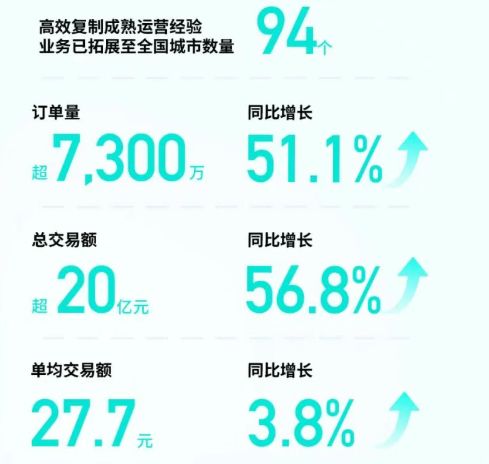
Core Insights - The company reported significant growth in key financial metrics for the first half of 2025, with total revenue reaching 1.676 billion RMB, a year-on-year increase of 61.7% [1][2] - The company achieved its first positive gross margin, indicating a critical breakthrough in profitability [1][4] Revenue Breakdown - The ride-hailing services, including ride-hailing and Robotaxi, contributed 1.636 billion RMB in revenue, marking an impressive year-on-year increase of 86.1% [4] - Revenue from technology services, which includes AI data and model solutions as well as high-precision mapping, surged by 207.0% year-on-year [4] Profitability Metrics - The total gross profit for the first half of 2025 reached 37.438 million RMB, reflecting a year-on-year growth of 215.4% [4] - The gross margin improved from -3.1% in the same period last year to 2.2%, a substantial increase of 171.0% [4] Cost Management - The company experienced a significant reduction in various costs during the reporting period, with financial costs decreasing by 43.4% and general and administrative expenses, as well as sales and marketing expenses, each declining by over 20% [8] - The order volume reached 73.3 million, representing a year-on-year increase of 51.1%, which contributed to a transaction value growth to 2.032 billion RMB, up 56.8% [6] Strategic Expansion - The company has implemented a "ripple effect" strategy for regional expansion, focusing on the Guangdong-Hong Kong-Macao Greater Bay Area and gradually extending to neighboring regions [8] - As of June 30, the company operated over 300 Robotaxi vehicles, with a year-on-year order volume growth exceeding 470% and a monthly active user increase of over 70% [9] Future Plans - The company plans to expand its Robotaxi operations to 100 core cities over the next five years, with a significant investment plan of 1 billion RMB to establish a comprehensive operational network [9]
如祺出行发布中期业绩:总收入增长61.7%,毛利率首次转正
Xin Lang Cai Jing· 2025-08-27 05:27
Core Insights - 如祺出行 reported a significant revenue increase of 61.7% year-on-year, reaching 1.676 billion yuan in the first half of 2025, marking its first positive gross margin with a gross profit of 37.438 million yuan [1][2] - The company's two main business segments, ride-hailing services and technology services, both experienced substantial growth, with ride-hailing services contributing 1.636 billion yuan in revenue, up 86% year-on-year, and technology services seeing a 207% increase [1][2] - Despite intensified competition in the Chinese ride-hailing market, the overall gross margin improved due to increased user traffic, higher order volumes, and optimized cost structures [1] Financial Performance - Total order volume increased to 73.3 million, a year-on-year growth of 51.13%, leading to a transaction value of 2.032 billion yuan, up 56.83% [2] - Significant reductions in various costs were noted, including a 43.4% decrease in financial costs and over 20% reductions in general and administrative expenses, as well as sales and marketing expenditures [2] Robotaxi Business Development - Since its listing, the company has invested over 137 million HKD in autonomous driving and Robotaxi operations, with plans to invest an additional 256 million HKD in 2026 and beyond [3] - As of June 30, the company operated over 300 Robotaxis, with order volume increasing by over 470% year-on-year and monthly active users rising by over 70% [3] - The company launched the "Robotaxi+" strategy, aiming to expand Robotaxi operations to 100 core cities over the next five years, collaborating with various partners to build a fleet of over 10,000 Robotaxis [3]