
黑米

Search documents
促进城乡区域协调发展,推动乡村全面振兴
Xin Hua Ri Bao· 2026-01-07 19:07
Core Viewpoint - The article emphasizes the importance of promoting coordinated urban-rural development and enhancing regional integration, particularly in the Yangtze River Delta and the Yangtze Economic Belt, while focusing on the revitalization of rural areas and the construction of key functional zones in the province [1][5]. Group 1: Urban-Rural Coordination and Development - Yixing City is transforming the 23 Bay scenic area to enhance its appeal, leading to increased tourist traffic and local economic benefits, with local specialties generating significant income for residents [2][3]. - The planning initiative "Bamboo Waves Without Boundaries" aims to integrate cultural and tourism resources, enhancing the area's infrastructure and visitor experience [3][6]. - The transformation of 23 Bay serves as a model for Yixing's broader strategy of urban-rural coordination and rural revitalization, with a focus on regional planning and resource optimization [5][6]. Group 2: Economic Impact and Community Benefits - The collective operating income of the village is projected to reach 1.0585 million yuan, with total income at 6.9743 million yuan, reflecting a steady increase in residents' disposable income [4]. - The integration of tourism and agriculture is creating diverse income channels for villagers, including employment, market stalls, and hospitality services, contributing to overall economic growth [6][7]. - Yixing has recognized 54 villages as "Beautiful and Livable Villages," showcasing the success of collaborative development efforts and enhancing the rural revitalization narrative [6]. Group 3: Planning and Resource Management - The provincial government is committed to improving the planning framework and resource management to support urbanization and rural revitalization, focusing on optimizing land use and enhancing infrastructure [7][8]. - A comprehensive "four-level three-type" spatial planning system is being implemented to ensure effective resource allocation and development coordination across regions [8].
冬季如何补气血,省名中医来支招
Xin Lang Cai Jing· 2025-12-31 17:56
Core Viewpoint - The article emphasizes the importance of winter nourishment according to traditional Chinese medicine, highlighting that winter is a time for energy storage and immune enhancement to prepare for the upcoming seasons [1]. Group 1: Importance of Winter Nourishment - Traditional Chinese medicine suggests that winter is a time for "storing" energy, where the body's metabolism slows down, making it easier to absorb nutrients [1]. - Adequate nourishment during winter can enhance the body's immunity and lay a solid foundation for health in the following spring and summer [1]. Group 2: Guidelines for Nourishment - Different body types require tailored nourishment methods and ingredients; blindly supplementing can be counterproductive [2]. - A balanced approach is essential, with gradual increases in nourishment and a mix of food types to ensure comprehensive nutrition [2]. - Maintaining a regular sleep schedule is crucial for maximizing the benefits of winter nourishment [2]. Group 3: Recommended Ingredients - It is advised to consume warm foods and limit cold items during winter; red meats like lamb and beef are recommended for their protein and iron content [3]. - Black foods and root vegetables are particularly beneficial in winter, with options like black sesame, black rice, sweet potatoes, and yam being highlighted [3]. - Vegetables such as cabbage and radish are essential for winter diets, aiding digestion and nutrient absorption [3]. Group 4: Specific Nourishing Recipes - "Angelica Ginger Lamb Soup" is recommended as an effective winter nourishing dish, combining lamb, ginger, and angelica for their warming and blood-nourishing properties [4].
黑米还能抗衰老?张启发/鲁友明团队Nature Aging论文,揭示黑米抑制阿尔茨海默病病理的作用机制
生物世界· 2025-12-20 03:21
Core Viewpoint - Alzheimer's disease (AD) is characterized by the accumulation of β-amyloid plaques and tau protein tangles, leading to progressive cognitive decline. Current disease-modifying therapies are limited, and chronic neuroinflammation is recognized as a significant component of AD, making the regulation of neuroinflammatory pathways a promising treatment strategy [1][2]. Group 1: Dietary Interventions - Diet is an easily implementable intervention to regulate neuroinflammation, with black rice diet (BRD) being rich in unsaturated fatty acids that may combat neurodegeneration associated with aging [2][5]. - Increased intake of ω-3 fatty acids and carotenoids from fish and plants is linked to improved brain function and delayed cognitive decline [2]. Group 2: Research Findings - A study published in Nature Aging revealed that α-linolenic acid (ALA) and 11,14-eicosadienoic acid (EDA) from black rice can inhibit amyloid pathology in AD mouse models through allosteric activation of cell-type-specific GPR120, improving cognitive function and extending lifespan [3][10]. - The research demonstrated that BRD significantly prevents cognitive decline in two common AD mouse models, APP/PS1 and 5×FAD [5]. Group 3: Mechanisms of Action - ALA and EDA are identified as key mediators that reduce amyloid pathology and restore cognitive performance to wild-type levels by activating GPR120 in plaque-associated macrophages and activated microglia [7][8]. - The study elucidated the structural binding patterns of ALA and EDA with GPR120, enhancing the understanding of their allosteric effects and downstream signaling pathways [8]. Group 4: Implications for Treatment - The findings suggest that GPR120 activation has cell-type-specific functions in the brain, providing insights for the development of targeted therapies for Alzheimer's disease [10]. - While the actual intake of black rice may be challenging to achieve therapeutic concentrations, this research lays the groundwork for developing standardized therapeutic agents [11].


清风为伴产业兴丨以精准监督助民增收
Zhong Yang Ji Wei Guo Jia Jian Wei Wang Zhan· 2025-10-26 00:13
Core Insights - The organic black rice industry in Yang County, Shaanxi Province, is thriving, contributing to local farmers' income and rural revitalization [1][2] - The local government is actively supervising the entire black rice production and sales process to ensure compliance and prevent corruption [1][2] Industry Development - Yang County has leveraged its ecological resources to develop black rice cultivation and related industries, focusing on key aspects such as planting, processing, and sales [1] - The black rice industry has become a significant pillar for the local economy, with annual revenue from processing and sales exceeding 1.52 billion yuan [2] Regulatory Oversight - The Yang County Discipline Inspection Commission is addressing issues of non-compliance among officials in the black rice sector, leading to disciplinary actions against those involved in fraudulent activities [1][2] - Specific cases of subsidy fraud have been identified, resulting in penalties and full refunds of misappropriated funds [1]
金秋好“丰”景:全国秋粮收获已近八成 特色轮作与多元种植模式促增产增收
Yang Shi Wang· 2025-10-23 07:11
Group 1 - The core viewpoint of the articles highlights the significant progress in the harvest of autumn crops across various regions in China, with nearly 80% of the autumn grain harvested by October 21, 2023 [1] - In the Huang-Huai-Hai region, the harvest rate is also close to 80%, with Hebei at 95%, Shandong and Anhui over 80%, Shanxi and Shaanxi over 65%, and Jiangsu nearly at 30% [1] - The articles emphasize the adoption of innovative agricultural practices, such as crop rotation, to enhance productivity and sustainability in farming [2][4][6][8] Group 2 - In Hunan, the implementation of a "pepper + corn" rotation model has been reported, which improves soil fertility, reduces pest occurrences, and enhances the flavor of the crops [4] - The "rice-vegetable rotation" model in Hunan's Yuanjiang has led to the harvesting of over 30 tons of fresh vegetables daily, which are quickly distributed to the Guangdong-Hong Kong-Macao Greater Bay Area [6] - In Nanchang, Jiangxi, farmers are focusing on diversified planting of high-quality black rice and brown rice, utilizing full mechanization to improve land utilization and diversify agricultural products [8]
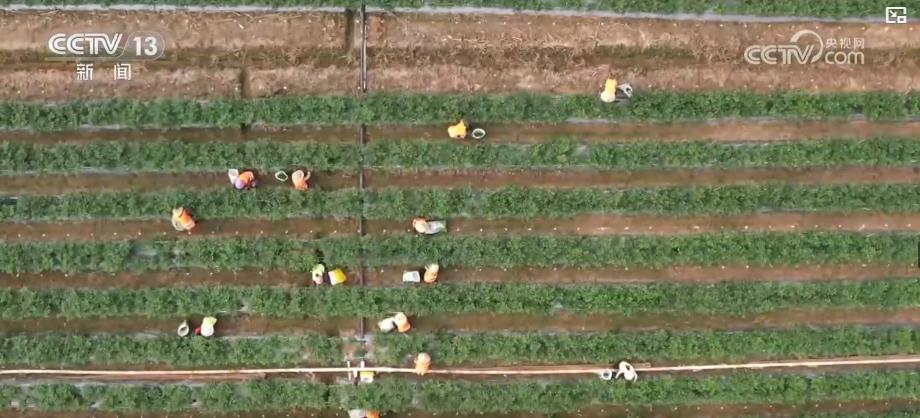
2025现代化大农业发展论坛启幕 数智赋能引领龙江农业新赛道
Zhong Guo Jin Rong Xin Xi Wang· 2025-08-03 02:19
Core Insights - The forum held in Harbin focused on the modernization of agriculture in China, emphasizing the transition towards digital and smart agriculture as a key driver for future development [1][3]. Group 1: Digital Agriculture Transformation - Digital agriculture is identified as a crucial element in the transformation of modern agriculture, moving from resource-based and industrial agriculture to digital and smart agriculture [3]. - The integration of intelligent and digital technologies is seen as essential for attracting talent back to rural areas and fostering entrepreneurship in agriculture [3]. Group 2: Agricultural Branding and Market Connectivity - The forum aimed to enhance the branding of agricultural products, particularly from Northeast China, by creating a platform for production and sales connections [5]. - The launch of the "Traceability China" initiative is intended to connect high-quality agricultural products with broader markets, promoting regional specialties [5][15]. Group 3: Expert Insights and Innovations - Experts shared insights on the deep connection between modern agriculture and national nutrition, advocating for a dual certification system for traceability and nutrition labeling [8]. - The introduction of the "Natural Birch Juice Authenticity Recognition Technical Guidelines" marks a significant step towards standardized and high-quality development in the birch juice industry [10]. Group 4: Brand Development and Agricultural Practices - Local enterprises showcased their innovative practices in branding and product development, highlighting the unique value propositions of their agricultural products [11]. - The "Small Garden Corn Leading Big Health" concept was presented as a unique value proposition for agricultural products from the region [11]. Group 5: Industry Collaboration and Supply Chain Optimization - A roundtable discussion emphasized the need to break down information barriers and strengthen technological support to create a consumer-driven flexible supply chain [17]. - The forum served as a high-level platform for dialogue between policy, technology, and industry, injecting strong "digital intelligence" into the modernization of agriculture in the region and nationwide [17].
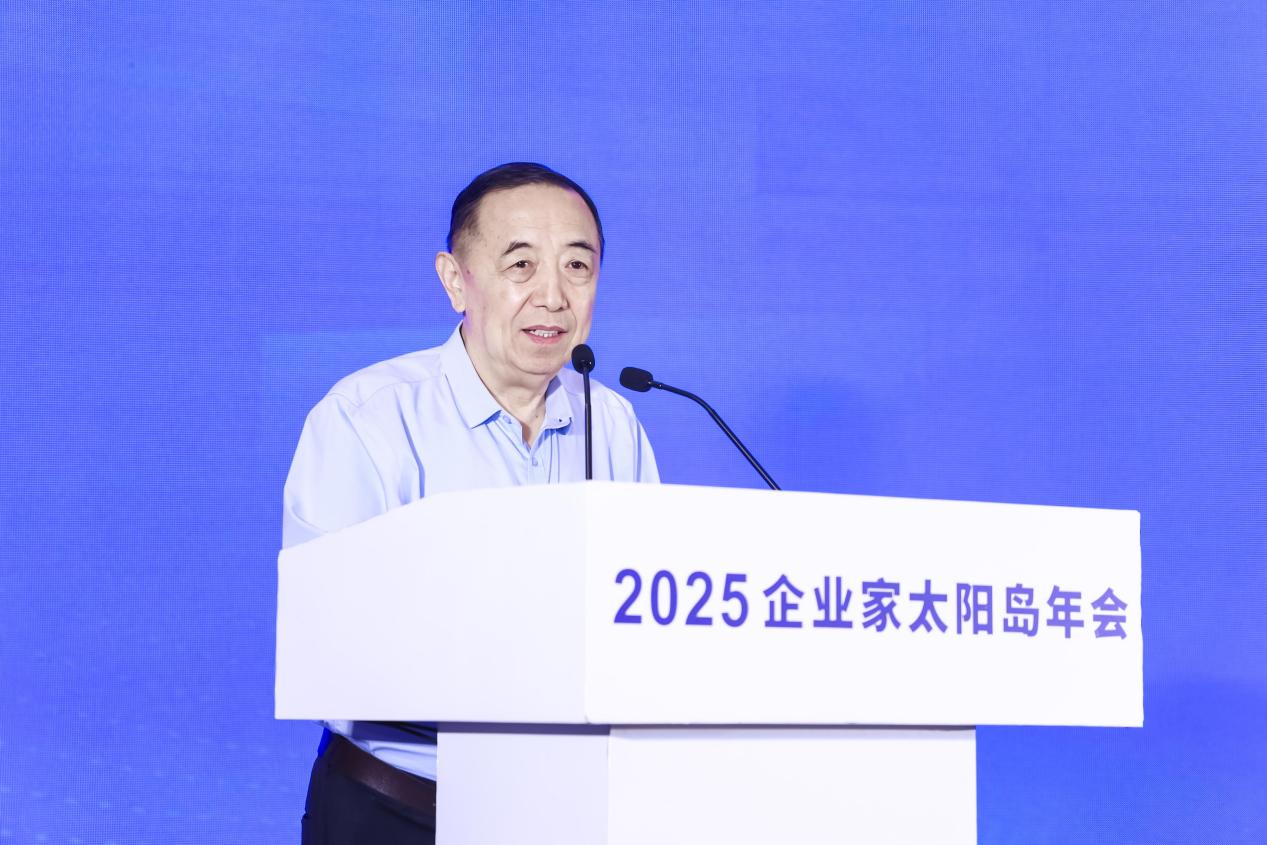
艺术设计赋能乡村振兴:“广州工程”、驻镇工作队联手在蕉岭县打造特色农产品牌
Nan Fang Nong Cun Bao· 2025-07-26 10:05
Core Viewpoint - The collaboration between Guangzhou Engineering Technology Vocational College and local government in Jiaoling County aims to enhance rural revitalization through art design, focusing on agricultural product branding and packaging [2][30]. Group 1: Project Overview - The initiative is part of Guangdong Province's "Double Hundred Action," which connects universities with county development needs to promote high-quality rural development [6][8]. - The project involves a team from the Art Design College conducting research on agricultural product packaging and brand creation in various villages [3][10]. Group 2: Achievements and Activities - The Art Design College has completed over 2,000 square meters of mural painting in villages, injecting artistic vitality into local communities [12]. - The team is working on designing a visual branding system for the "Xiali Xiang" trademark, focusing on products like rice and tea, with the first design expected to be completed by August [18][19]. Group 3: Local Economic Impact - The project aims to enhance the added value of local products, thereby increasing collective economic income for the villages [19]. - The initiative promotes a model of diversified planting projects in New Spring Village, including various specialty crops, and has registered the "Xinseng" trademark [21][22]. Group 4: Future Plans - The college plans to continue leveraging its design expertise to support the branding and packaging of agricultural products, enhancing market competitiveness [23]. - The team is also providing professional advice for the application of the 3A scenic area in Taohuayuan, aiming to create a cultural tourism brand for Jiaoling County [27][28]. Group 5: Commitment to Local Development - The college emphasizes its responsibility to assist in the "Hundred Thousand Project" and the "Double Hundred Action," aiming for sustainable local development through ongoing collaboration [37][39].

