5G标准必要专利

Search documents
中兴胜讼!美国法院驳回三星诉讼!
国芯网· 2026-02-03 12:05
Core Viewpoint - The article discusses the recent legal developments between ZTE Corporation and Samsung Electronics regarding patent licensing agreements, highlighting ZTE's advantages following a U.S. court ruling that dismissed Samsung's lawsuit [1]. Group 1: Legal Developments - On February 3, a U.S. district court ruled in favor of ZTE, dismissing Samsung's lawsuit related to fair, reasonable, and non-discriminatory (FRAND) licensing agreements, which strengthens ZTE's position in ongoing negotiations [1]. - Prior to this ruling, ZTE had already achieved preliminary victories in lawsuits against Samsung in the UK, China, and Brazil [3]. Group 2: Patent Licensing Agreement - The dispute between ZTE and Samsung originated from a global patent cross-licensing agreement signed in 2021, which covers both parties' 4G asset portfolios and early standard essential patents (SEPs) [3]. - This agreement is set to expire at the end of 2023, but includes a clause preventing litigation until December 31, 2024 [3]. - ZTE holds over 6,500 families of 5G standard essential patents and believes that the value of its patent portfolio should be reflected in the new licensing fees, while Samsung argues that ZTE's proposed rates are excessively high and not in line with FRAND principles [3]. Group 3: Ongoing Litigation - Following the expiration of the agreement, Samsung initiated litigation against ZTE in the UK on December 19, 2024, and subsequently filed similar lawsuits in Germany, the European Unified Patent Court, and the U.S. [3]. - In response, ZTE filed a lawsuit against Samsung in Chongqing, China, on December 23, 2024, and subsequently in Hangzhou, Germany, and Brazil, seeking unconditional injunctions for patent infringement [4].


商业航天和商发两机景气持续,重视海外共振赛道机遇
GF SECURITIES· 2026-01-25 12:48
Core Insights - The report emphasizes the ongoing prosperity in the commercial aerospace and military sectors, highlighting opportunities in overseas markets and the importance of technological advancements in the industry [2][3] Group 1: Industry Overview - The commercial aerospace sector is experiencing upward momentum, driven by SpaceX's advancements in reusable rocket technology, which could reduce space access costs by 100 times [13] - The military aviation sector is expected to benefit from increased demand for large aircraft and military trade, with significant growth anticipated in 2026 [14] - The report identifies a focus on supply chain reforms and the integration of AI technologies as key trends shaping the future of the defense and aerospace industries [15] Group 2: Investment Recommendations - The report recommends companies that align with the "S-curve" evolution, focusing on supply chain reforms and automation, including firms like航发动力 (Aero Engine Corporation) and 中航沈飞 (AVIC Shenyang Aircraft Corporation) [15] - Companies positioned for expansion in military trade and civil aviation, such as 国睿科技 (Guorui Technology) and 中国动力 (China Power), are highlighted for their growth potential [15] - Emerging industries like commercial aerospace, AI, and quantum computing are also recommended, with firms like 睿创微纳 (Ruichuang Micro-Nano) and 菲利华 (Feilihua) noted for their innovative capabilities [15] Group 3: Company Valuations and Financial Analysis - 航发动力 (Aero Engine Corporation) is projected to have a 2025E EPS of 0.22 CNY, with a PE ratio of 216.82 for 2025 [6] - 中航高科 (AVIC High-tech) is expected to achieve a 2025E EPS of 0.90 CNY, with a PE ratio of 29.16 for 2025 [6] - The report provides detailed financial metrics for various companies, indicating growth in EPS and improvements in PE ratios across the sector, reflecting a positive outlook for the defense and aerospace industries [6]


我国已启动第二阶段6G技术试验
Xin Hua She· 2026-01-21 02:45
Core Insights - The proportion of China's essential patents for 5G standards has reached 42% globally [1] - The first phase of 6G technology research and development has been completed, resulting in over 300 key technology reserves [1] - The second phase of 6G technology testing has recently commenced [1]
“硬科技”崛起:15家大湾区企业上榜中国科技50强
2 1 Shi Ji Jing Ji Bao Dao· 2025-08-25 14:22
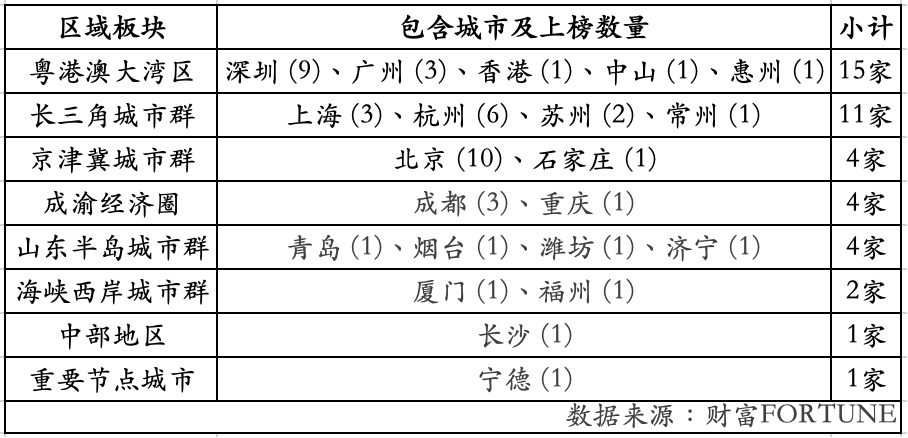
Core Insights - The 2025 China Technology Top 50 list published by Fortune magazine highlights the leading technology companies in China, with a significant representation from the Guangdong-Hong Kong-Macao Greater Bay Area [1][2]. Regional Overview - The Greater Bay Area leads the nation with 15 companies on the list, followed by the Yangtze River Delta with 12 and the Beijing-Tianjin-Hebei region with 10, indicating a concentration of technological innovation in these areas [2][3]. - Shenzhen stands out with 9 companies, while Guangzhou has 3 new entrants, showcasing its growing innovation capabilities [3]. Company Highlights - The list includes established leaders like Huawei, Tencent, and BYD, as well as emerging companies such as DJI, Dazhong Laser, and WeRide, covering sectors like telecommunications, digital technology, new energy vehicles, and life sciences [4][5]. - Notable companies from the Greater Bay Area include: - Huawei Investment Holding (Shenzhen) - Tencent Technology (Shenzhen) - BYD Co., Ltd. (Shenzhen) - DJI Innovations (Shenzhen) - Dazhong Laser Technology Group (Shenzhen) - SF Technology Co., Ltd. (Shenzhen) - Shenzhen BGI Technology Co., Ltd. (Shenzhen) - Kingfa Sci. & Tech. Co., Ltd. (Guangzhou) - Xian Dao Technology Group (Guangzhou) - WeRide (Guangzhou) - Zhongshan Kangfang Biopharmaceutical Co., Ltd. (Zhongshan) - TCL Technology Group (Huizhou) - Bern Optical Holdings Limited (Hong Kong) [5][9]. Evaluation Criteria - The evaluation criteria for the list have evolved from focusing on revenue and market share to emphasizing technological influence, key industry roles, and sustainable innovation [6][8]. - The new standards assess companies based on patent quality, technological independence, R&D investment intensity, and the practical application of technology [6][8]. Industry Trends - The strong performance of Guangdong technology companies reflects a shift from traditional manufacturing to technology-driven innovation, highlighting the rise of "hard technology" and the increasing importance of AI, energy, and biomedicine [4][10]. - The Guangdong government has implemented policies to foster an innovative ecosystem, aiming to build a modern industrial system that integrates technology and industry [10][11].


2025年《财富》中国科技50强
财富FORTUNE· 2025-08-21 04:07
Core Viewpoint - The article emphasizes the emergence of a new era where technology and humanity are increasingly integrated, highlighting the significant role of Chinese companies in driving technological advancements and global influence [2][3]. Group 1: Historical Context - The article traces the evolution of technology from the steam engine in the 18th century to the rise of artificial intelligence and quantum computing in the present day, illustrating how these advancements have transformed human labor and interaction [2]. Group 2: Current Trends in Technology - Chinese companies are focusing on practical applications of technology, particularly in vertical sectors like finance and healthcare, rather than engaging in vague conceptual discussions [3]. - Innovations such as embodied intelligence and brain-computer interfaces are being developed to enhance human capabilities and address complex problems [2][3]. Group 3: Featured Companies - Huawei is recognized for its leadership in 5G technology, with a 15% share of global essential patents, and significant advancements in chip development and AI algorithms [12]. - DeepSeek, a prominent AI model, achieved an MMLU benchmark score of 88.5, ranking it among the top AI models globally [15]. - CATL leads the global battery market with a 37.6% share in power battery installations and a significant investment in R&D [19]. - Alibaba has established itself as a major player in cloud computing and AI, with over 200 million active users on its AI applications [25]. - Tencent holds a strong position in digital technology, with over 86,000 patent applications globally [28]. - BYD's global electric vehicle sales reached 4.27 million units in 2024, with ambitious growth plans for 2025 [31]. - ByteDance is heavily investing in AI, with a capital expenditure of 80 billion yuan in 2024 [34]. - DJI dominates the consumer drone market, holding a 70-85% share globally [40]. - Lenovo leads the global PC market with a 23.8% share as of Q1 2025 [46]. - BOE Technology is a leader in the semiconductor display industry, with a significant share in various display applications [49]. - Other notable companies include Shanghai Yiyu Technology, SF Technology, and others, each contributing to advancements in their respective fields [56][59].



任正非早有预判,华为跟小米和解,起诉联发科不交专利费
Sou Hu Cai Jing· 2025-06-24 02:05
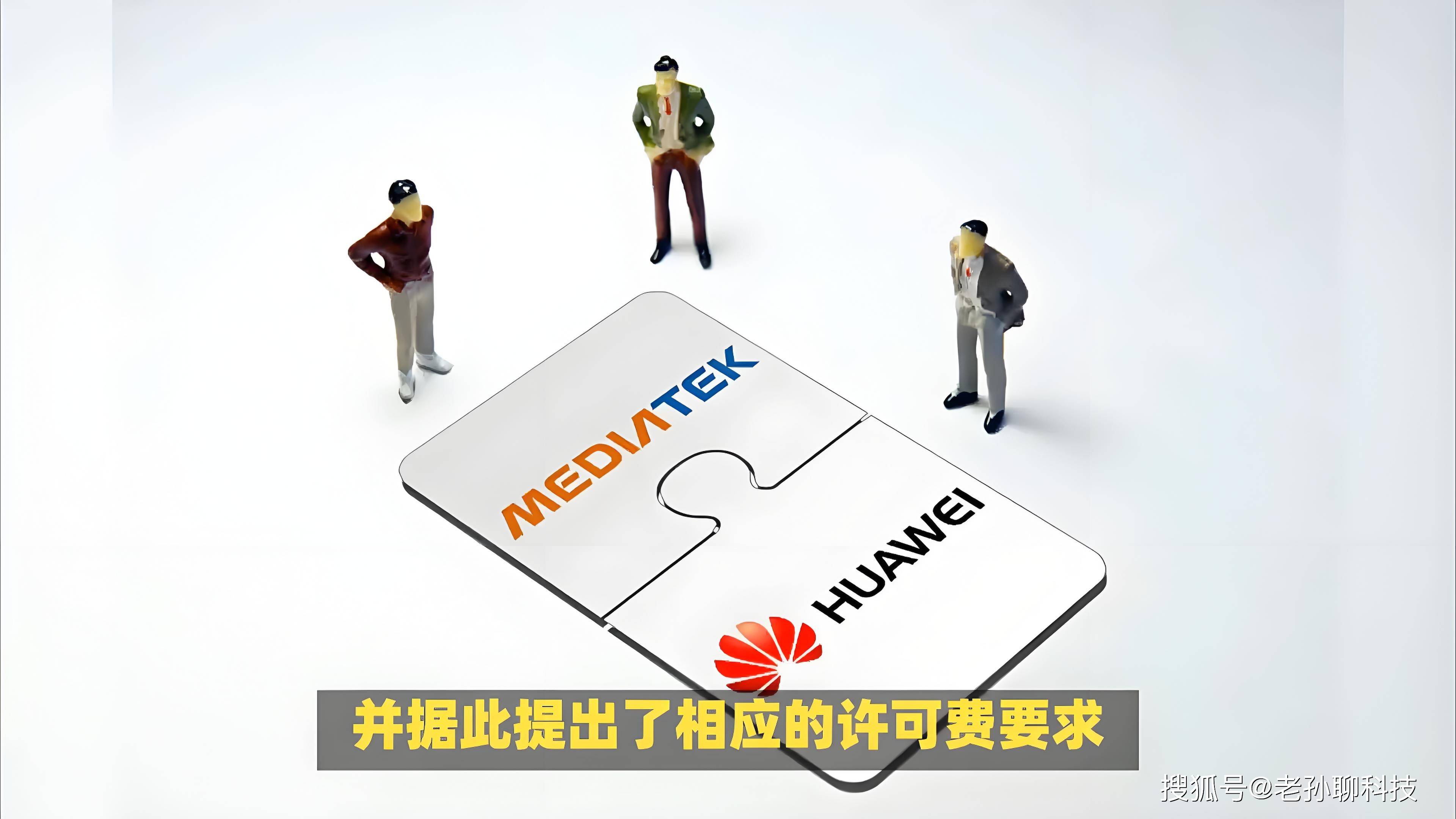
Core Viewpoint - Huawei, as the leading holder of communication patents in China, is engaged in a protracted legal battle with MediaTek over patent infringements, highlighting the tensions in the industry regarding patent licensing and fees [1][3][5]. Group 1: Patent Disputes - MediaTek's subsidiary has filed a lawsuit against Huawei in the European Unified Patent Court, accusing Huawei of infringing on communication patents, indicating a long-standing conflict between the two companies [3]. - The patent dispute dates back to 2022 when Huawei and MediaTek began negotiations for "5G standard essential patent" licensing, which ended in disagreement over terms perceived as unfair by MediaTek [3][5]. - In May 2024, Huawei initiated legal action against MediaTek in Shenzhen, claiming infringement of two communication patents and seeking an injunction [5]. Group 2: Legal Actions and Responses - Following Huawei's lawsuit, MediaTek counter-sued in multiple Chinese cities and also filed complaints in the UK, Germany, and the European Unified Patent Court, escalating the legal conflict [7]. - The ongoing litigation has drawn global attention, with calls for both parties to return to rational negotiations [7]. Group 3: Huawei's Patent Strategy - Huawei's founder, Ren Zhengfei, had anticipated such legal challenges and emphasized the importance of patent fees for the company's financial stability, especially after facing significant operational difficulties [8][10]. - Ren stated that while Huawei's patent fees should not be excessively high, they also cannot be too low, as this would hinder innovation across the industry [10]. - Huawei holds approximately 29,000 patents in the US and 19,000 in Europe, leading the world with 14.59% of essential 5G standard patents, generating substantial revenue from patent licensing [13].
隐秘的王国:一个由工程师、技术极客和企业家组成的少数派
Hua Xia Shi Bao· 2025-06-10 13:14
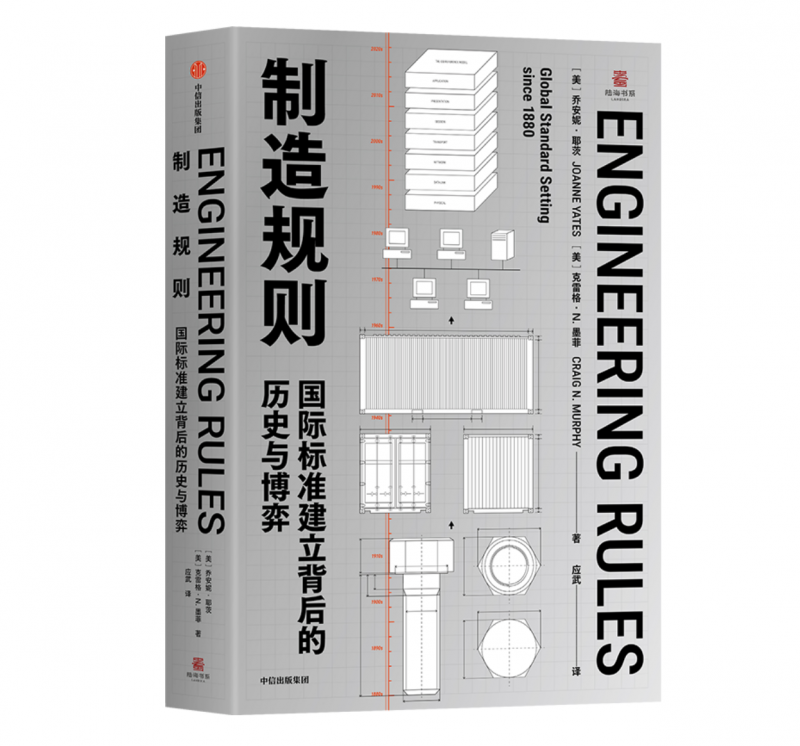
Core Insights - The book "Manufacturing Rules" reveals the psychological processes of engineers in standard-setting, highlighting the hidden forces that shape the material world and our lifestyles [2] - The formation of standards is determined by a triangular relationship among engineers, the market, and the government, with engineers often leading the consensus-driven process [3] - Market standardization is a lengthy evolutionary process, exemplified by the persistence of the QWERTY keyboard layout despite its inefficiency [4][5] - The book emphasizes the importance of personal charisma and organizational efficiency in the standard-setting process [5] - Standards are often created by "engineering geeks" rather than corporate leaders, who connect diverse ideas and influence significant business outcomes [6] - The interplay of engineers, entrepreneurs, and diplomats is crucial in the standard-setting process, which is characterized by compromise and human emotions [7] Industry Dynamics - The International Organization for Standardization (ISO) operates efficiently with a small staff, coordinating thousands of experts across numerous committees [8] - The history of standardization reflects a global mobilization of society, with various organizations like IETF focusing on specific industry standards [9][10] - The book outlines three waves of voluntary standard-setting, starting from the late 19th century, transitioning to international standards post-World War II, and culminating in the digital age [11][12][13] - China's manufacturing sector has the potential to lead the next wave of voluntary standardization, given its significant global manufacturing share and advancements in various technology fields [16][17]