6英寸晶圆

Search documents
成本压力叠加AI需求爆发,功率半导体掀涨价潮
2 1 Shi Ji Jing Ji Bao Dao· 2026-02-27 12:56
Core Viewpoint - The global price of power semiconductors has increased by 10% to 20% due to surging demand driven by AI and rising costs, with shortages in MOSFETs and IGBTs, while the production capacity of 6/8-inch wafers is tightening, leading to a turning point of simultaneous volume and price increase in the industry [1][2]. Group 1: Price Increase Drivers - The price increase in power semiconductors is primarily driven by rising manufacturing costs and structural demand from downstream applications [3][5]. - Major manufacturers have reported significant increases in the costs of raw materials and precious metals, which have led to higher costs in wafer manufacturing and packaging testing [4]. - The demand for power semiconductors is being fueled by rapid growth in AI data centers, electric vehicles, energy storage, and industrial control sectors, with AI servers being a notable source of demand [5][6]. Group 2: Supply Constraints - The supply of 6-inch and 8-inch wafers, which are primarily used for manufacturing power semiconductors, is entering negative growth, creating a scarcity in the global power and analog supply chain [5][6]. - Major international manufacturers like TSMC and Samsung are reallocating resources to advanced processes, reducing the supply of mature 6/8-inch wafers [5]. - Companies such as Infineon and ON Semiconductor are prioritizing production capacity for high-margin products like silicon carbide and gallium nitride, further tightening the supply of traditional low to medium voltage MOSFETs [6]. Group 3: Expansion Plans - Several domestic and international manufacturers are announcing or advancing expansion plans in response to the price surge [8]. - MinDe Electronics plans to raise up to 1 billion yuan for high-voltage power semiconductor devices and integrated circuit wafer foundry projects, aiming to increase monthly production capacity by 60,000 wafers [9]. - Infineon has raised its investment plan for fiscal year 2026 to 2.7 billion euros to accelerate capacity expansion for AI data center power solutions [10].

六十载创“芯”路:于开局时破局 在起步处进步
Shang Hai Zheng Quan Bao· 2025-12-25 19:03
Core Insights - Wuxi's semiconductor industry has evolved from "catching up" to "leading" in the past 60 years, with over 600 companies and an annual output value exceeding 250 billion yuan, ranking second nationally [1][2] - The "908 Project" initiated in 1990 was pivotal for Wuxi's semiconductor development, establishing a foundation for the city's growth as a semiconductor hub [2][3] - Wuxi's semiconductor packaging industry has become a leader nationally, with a projected output value of 652.51 billion yuan in 2024, showcasing its strength in the sector [6] Industry Development - The "908 Project" was the first approved 6-inch wafer manufacturing project in China, enabling Wuxi to support advanced semiconductor manufacturing [2] - Wuxi's semiconductor packaging sector gained prominence through strategic acquisitions, such as Changjiang Electronics Technology's acquisition of STATS ChipPAC, which significantly enhanced its market position [5] - The semiconductor equipment sector in Wuxi has seen substantial growth, with over 500 units shipped, indicating a robust full industry chain development [7] Future Outlook - Wuxi aims to strengthen its semiconductor industry by focusing on high-quality development and addressing challenges such as reliance on imported materials and the need for increased domestic equipment manufacturing [10] - Companies like MicroNano and Risen Technology are leading the charge in semiconductor equipment, with plans for IPOs to further enhance their market presence [8][10] - The industry is encouraged to adopt collaborative innovation to tackle underlying technical challenges and improve overall competitiveness [10]

突发!台积电关厂!
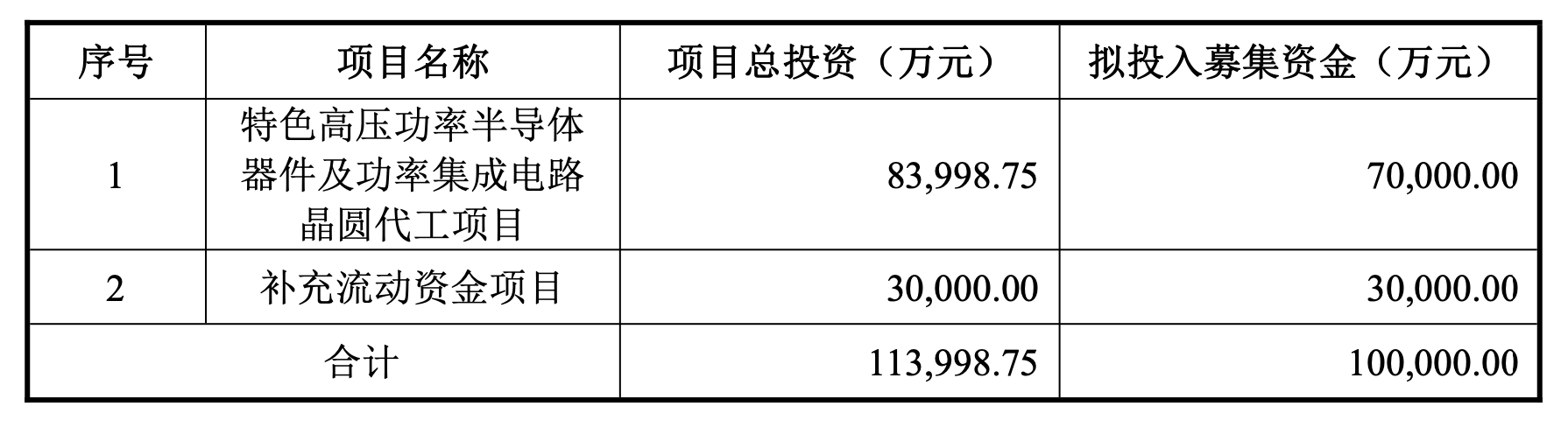
是说芯语· 2025-08-13 23:43
Core Viewpoint - TSMC plans to phase out 6-inch wafer production within two years and adjust 8-inch wafer production to enhance efficiency [1][3] Group 1: Production Changes - TSMC has notified customers that the 6-inch wafer production at Fab 2 and 8-inch wafer production at Fab 5 will cease by the end of 2027 [3] - The company is providing a timeline to assist customers in transitioning to 12-inch wafer production [3] - TSMC aims to redeploy some employees from the 8-inch wafer plants to strengthen advanced packaging capabilities and accelerate the shift to 12-inch wafers [3] Group 2: Capacity and Technology - TSMC operates four 12-inch "GigaFab" clusters with a monthly capacity of over 100,000 wafers, four 8-inch wafer plants, and one 6-inch wafer plant, with a total capacity of approximately 17 million 12-inch wafers in 2024 [3] - TSMC is a pioneer in GaN wafer foundry services, having introduced this technology in 6-inch wafer production in 2014 and expanded it to 8-inch wafers in 2021 [3] Group 3: Strategic Decisions - During the recent board meeting, TSMC announced five major resolutions but did not include speculated topics such as increased investment in the U.S. or collaboration with Intel [3] - TSMC intends to maintain its current level of investment in the U.S. and uphold its capital expenditure target of $38 billion to $42 billion for the year [3]


突发!台积电关厂!
国芯网· 2025-08-13 14:26
Core Viewpoint - TSMC plans to phase out 6-inch wafer production and adjust 8-inch wafer production within two years to enhance production efficiency [2][4]. Group 1: TSMC's Production Changes - TSMC has notified customers that its 6-inch wafer production at Fab 2 and 8-inch wafer production at Fab 5 will cease by the end of 2027 [4]. - The company is providing a timeline to assist customers in transitioning to 12-inch wafer production [4]. - TSMC aims to redeploy some employees from the 8-inch wafer plants to strengthen advanced packaging capabilities and accelerate the shift to 12-inch wafers [4]. Group 2: Current Production Capacity - TSMC operates four 12-inch "GigaFab" clusters with a monthly capacity of over 100,000 wafers, four 8-inch wafer plants, and one 6-inch wafer plant, with a total capacity of approximately 17 million 12-inch wafers in 2024 [4]. - TSMC is a pioneer in GaN wafer foundry services, having introduced this technology in its 6-inch wafer plant in 2014 and expanded production to 8-inch wafers in 2021 [4]. Group 3: Board Decisions and Investments - During the recent board meeting, TSMC announced five major resolutions but did not include speculated topics such as increased investment in the U.S. or collaboration with Intel [4]. - TSMC intends to maintain its current level of investment in the U.S. and aims for a capital expenditure target of $38 billion to $42 billion for the year [4].
台积电(TSM.US)两年内停产6英寸晶圆,8英寸产能提效不影响财务目标
Zhi Tong Cai Jing· 2025-08-13 11:28
Group 1 - TSMC will gradually cease its 6-inch wafer production over the next two years and will continue to integrate its 8-inch wafer manufacturing capacity to enhance operational efficiency [1][2] - The decision is based on market dynamics and aligns with the company's long-term development strategy [1] - TSMC currently operates one 6-inch wafer plant and four 8-inch wafer plants in Taiwan, primarily for mature process chips [1] Group 2 - The capacity adjustment will not affect TSMC's previously announced financial targets [1] - TSMC has raised its sales growth forecast for this year from the mid-20% range to approximately 30% [1] - The company expects third-quarter revenue to be between $31.8 billion and $33 billion, significantly up from $23.5 billion year-on-year and $30 billion quarter-on-quarter [1] Group 3 - TSMC reported July revenue of NT$323.2 billion (approximately $10.8 billion), a year-on-year increase of 26%, indicating accelerated investment in the AI sector [1] - TSMC continues to provide advanced process chips for major clients like Apple and NVIDIA at its 12-inch wafer plants [2] - The company plans to maintain its capital expenditure for the year between $38 billion and $42 billion while advancing its multi-billion dollar capacity expansion projects in the U.S., Japan, Germany, and Taiwan [2] Group 4 - The strategic adjustment focuses on optimizing resource allocation and enhancing production efficiency through the integration of mature process capacity [2] - Advanced process business remains unaffected by this adjustment and continues to be a key support for the company's core competitiveness [2]
台积电退出六英寸代工
半导体行业观察· 2025-08-13 01:38
Core Viewpoint - TSMC plans to gradually exit 6-inch wafer manufacturing by 2027, reallocating resources to advanced packaging, which reflects a strategic shift towards higher-margin businesses [2][3]. Group 1: TSMC's Strategic Shift - TSMC has verbally informed downstream clients about the closure of its last 6-inch plant by the end of 2027, transitioning production lines to advanced packaging [2]. - The decision to exit the 6-inch wafer business is based on market demand and TSMC's long-term business strategy, ensuring a smooth transition for clients [2][3]. - TSMC's stock price remained stable, unaffected by external news regarding the closure [2]. Group 2: Market Impact - The closure of TSMC's 6-inch plant is expected to trigger a shift in orders for power management ICs (PMICs) and other mature process ICs, potentially benefiting companies like World Advanced [2]. - The trend of major manufacturers moving away from 6-inch wafers is evident, as TSMC's decision follows its previous exit from the GaN market [3]. Group 3: Industry Trends - Siltronic AG plans to cease production of small-diameter wafers by July 2025, reflecting a broader industry trend towards larger, more efficient wafers [5][6]. - SUMCO has announced a restructuring plan to end production of 200mm and smaller wafers by 2026, indicating a shift in focus to larger wafer production [6][10]. - The semiconductor industry is witnessing a decline in demand for smaller diameter wafers, with a significant shift towards 300mm wafers for improved production efficiency [9][10].