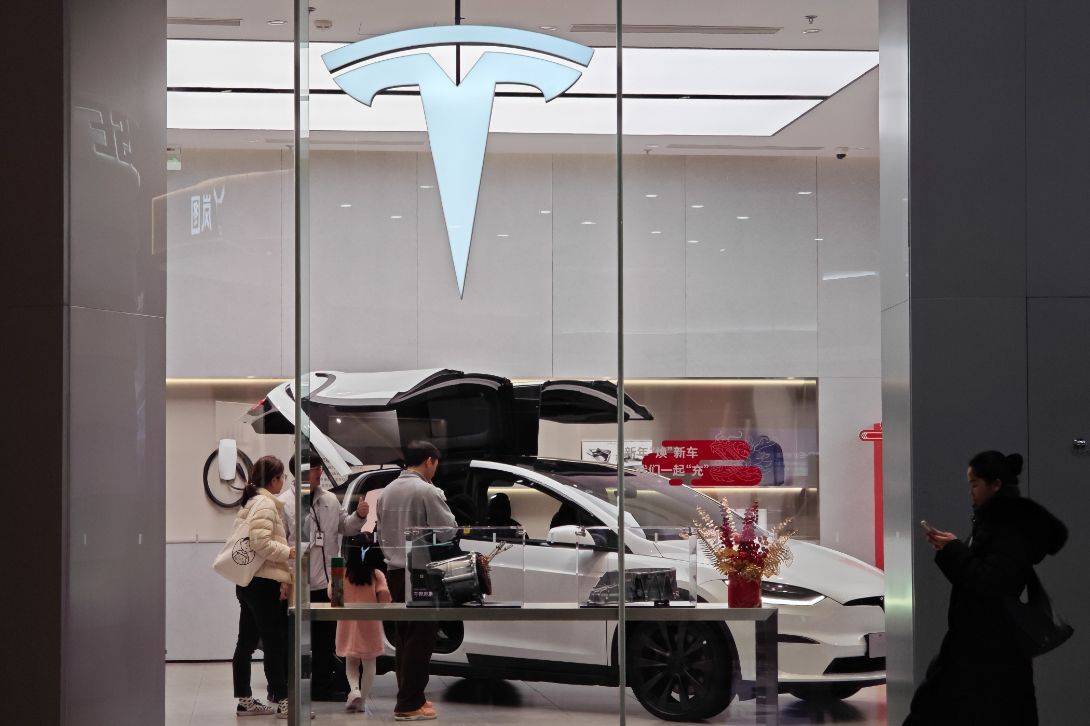
Cybercab无人驾驶出租车

Search documents
最后600辆特斯拉
汽车商业评论· 2026-04-02 23:06
Core Viewpoint - Tesla has officially ended custom orders for the Model S and Model X, marking the retirement of these pioneering electric vehicles after over a decade of production, with only about 600 inventory vehicles remaining globally [5][6][9]. Group 1: Retirement Announcement - Elon Musk announced the end of custom orders for Model S and Model X via social media, highlighting the emotional significance of this decision [3][5]. - The official retirement ceremony will commemorate the impact these models had on electric transportation over the past fourteen years [5][10]. - The decision to retire these models was anticipated by employees and investors, as Musk had previously indicated plans to phase them out to focus on other projects [7][9]. Group 2: Sales and Market Dynamics - Model S and Model X have seen a significant decline in sales, with actual sales in 2025 estimated at around 30,000 units, a small fraction of the Fremont factory's annual capacity of 100,000 units [12][13]. - In 2025, Tesla's most popular models were the Model 3 and Model Y, which accounted for 97% of the company's total deliveries of 1.59 million vehicles [12]. - The market landscape has shifted, with Tesla ceasing to report sales data for Model S and Model X separately, grouping them with other models [11]. Group 3: Strategic Shift - The retirement of Model S and Model X is part of a broader strategic shift as Tesla aims to transition from a car manufacturer to a technology-driven company focused on autonomous driving and robotics [22][26]. - Musk envisions a future where the majority of driving will be autonomous, reducing the importance of traditional car sales [23][26]. - Analysts suggest that Tesla's long-term valuation is increasingly tied to its ambitions in robotics and autonomous vehicles, with estimates indicating that up to 90% of its future value may come from these sectors [28][29]. Group 4: Financial Challenges and Investments - Tesla is facing significant financial challenges, with a nearly 16% decline in annual sales and a 46% drop in profits in 2025 [17]. - The company plans to invest over $20 billion in new production lines and AI infrastructure in 2026, excluding additional investments for semiconductor production [32][36]. - Analysts express concerns about the feasibility of Tesla's ambitious plans, particularly regarding the high costs associated with building semiconductor manufacturing facilities [36][37]. Group 5: Future Outlook - The transition to an AI-focused company is seen as a high-stakes gamble for Tesla, with expectations that meaningful revenue from autonomous taxi services may not materialize until 2027 [38][39]. - The company's ability to secure funding for its ambitious projects remains a critical question, with some analysts suggesting the possibility of Tesla needing to raise external capital for the first time since 2020 [37].


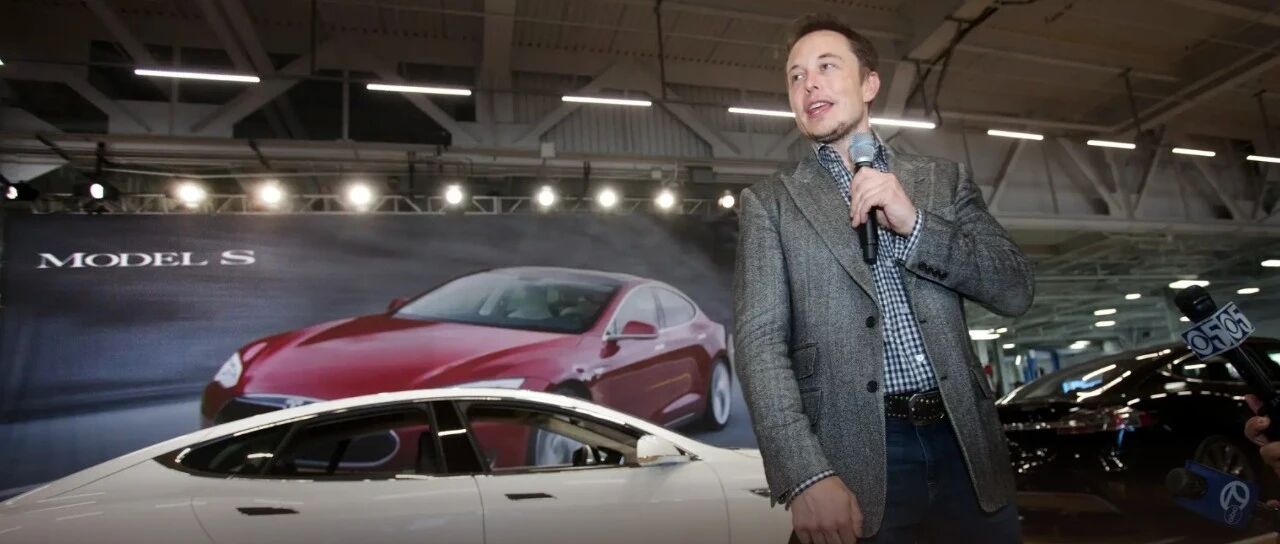
马斯克让特斯拉越来越不单纯了
Sou Hu Cai Jing· 2026-02-24 02:59
Core Viewpoint - Elon Musk's ambitions for Tesla and his broader business empire are evolving, with a shift towards robotics and AI, indicating a potential end of an era for traditional electric vehicles and a new milestone in industrial history [2][4]. Group 1: Tesla's Strategic Shift - Tesla plans to cease production of Model S and Model X by the end of Q2 2025 to allocate resources for the production of Optimus robots, which Musk sees as the future growth drivers alongside autonomous vehicles [4]. - The electric vehicle market is becoming increasingly saturated, leading to intensified competition and shrinking profit margins, prompting Musk to redefine Tesla's mission to "create incredible wealth" [4][11]. - In 2025, Tesla's global deliveries of electric vehicles are projected to decline by 8.56% year-on-year, marking a second consecutive year of decline [5]. Group 2: Financial Performance - Tesla's total revenue for 2025 was $94.827 billion, a decrease of 2.83% year-on-year, marking the first annual revenue decline in the company's history [11]. - The automotive segment generated $69.526 billion in revenue, down 9.79% year-on-year, with a gross margin of 17.8% [13]. - The net profit for Q4 2025 was $840 million, a significant drop of 60.47% year-on-year, with the annual net profit at $3.794 billion, down 46.79% [11]. Group 3: Market Dynamics and Competition - Tesla's Model 3 and Model Y continue to lead in several markets but face fierce competition from Chinese brands, with a year-on-year sales decline of 6.97% [7]. - The company plans to double its capital expenditure to approximately $20 billion by 2026, focusing on AI and robotics development [12]. - The shift towards AI and robotics is seen as a response to the evolving competitive landscape, where Tesla aims to transition from an automotive company to an "embodied AI company" [12]. Group 4: Geopolitical Implications - Musk's ambitions extend beyond business, with potential implications for national security, as Tesla and SpaceX engage in projects that may have military applications [19][21]. - The integration of Tesla, SpaceX, and AI initiatives reflects a strategy that intertwines commercial interests with national defense considerations, particularly in the context of U.S.-China relations [19][22]. - The expansion of SpaceX's Starlink satellite constellation raises concerns about space security and the dual-use nature of commercial technologies [22][24].
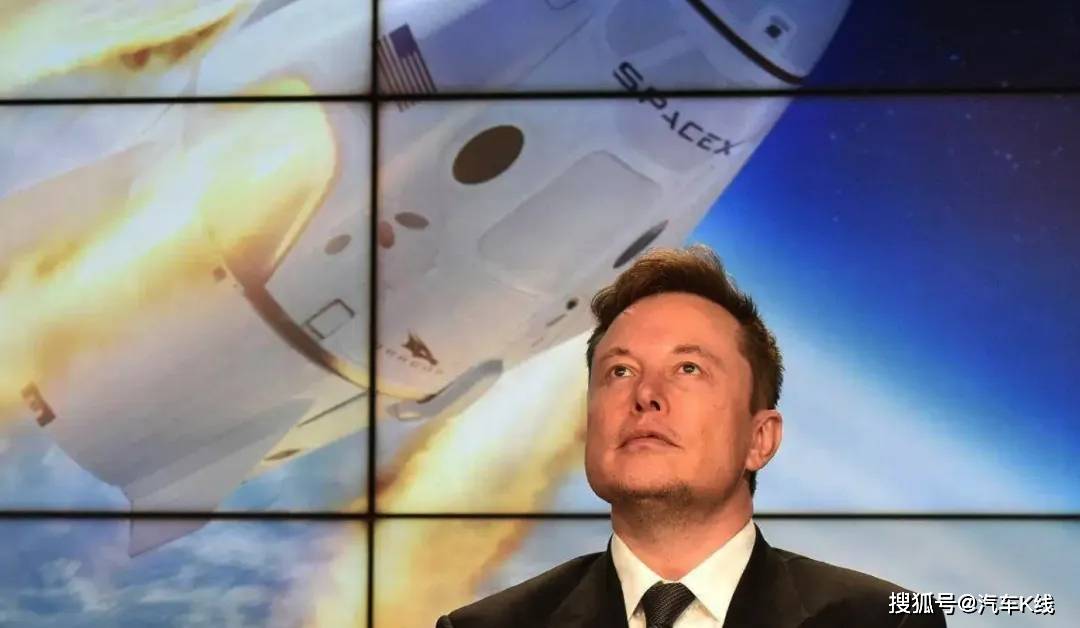
马斯克重塑特斯拉(TSLA.US)使命 聚焦AI与人形机器人 华尔街“一家欢喜一家愁”
Zhi Tong Cai Jing· 2026-01-29 15:40
Core Viewpoint - Tesla is shifting its strategic focus from being a traditional automaker to becoming a leader in autonomous driving, robotics, and energy solutions, which has received positive short-term feedback from the market [1]. Group 1: Strategic Direction - Tesla's CEO Elon Musk stated that the company has revised its mission to achieve "extraordinary abundance," emphasizing that AI and robotics will be central to Tesla's future rather than merely increasing vehicle sales [1]. - The company plans to exceed $20 billion in capital expenditures by 2026 to support this strategic transformation [1]. - Tesla will cease production of the Model S/X and convert its Fremont factory to produce the Optimus humanoid robot, aiming for an annual production capacity of up to 1 million units, with meaningful scale expected only after late 2026 [1]. Group 2: Product Development - The upcoming Cybercab autonomous taxi will eliminate the steering wheel and is expected to begin production around April this year, with plans for a driverless ride-hailing service to launch in select cities [1]. Group 3: Financial Outlook - Morgan Stanley has lowered Tesla's target price to $415, citing significant free cash flow pressures in the coming years, with an expected cash flow consumption of $8.1 billion in 2026, narrowing to $500 million in 2027, and returning to positive in 2028 [2]. - RBC Capital maintains an optimistic stance with a "Outperform" rating and a target price of $500, believing that increased capital expenditures align with market expectations and will drive innovation [2]. - Jefferies analyst Philippe Houchois remains neutral with a "Hold" rating and a target price of $300, expressing concerns over the lack of specific data supporting future projections beyond the capital expenditure plan [3].

马斯克近万亿美元薪酬方案获批,若奖励全部达成其持股比例将提升至约25%
Sou Hu Cai Jing· 2025-11-07 01:09
Core Points - Tesla's CEO Elon Musk's compensation plan was approved by shareholders with a 75% majority, potentially allowing him to earn nearly $1 trillion in stock over the next decade [1] - The new plan allows Musk to earn up to $878 billion in Tesla stock, contingent on achieving specific company milestones [2] - Musk's stock ownership could increase from approximately 13% to about 25% if all performance targets are met [1][2] Summary by Sections Compensation Plan - Musk's compensation plan includes 12 tranches of stock, with the first tranche contingent on Tesla's market cap increasing from approximately $1.5 trillion to $2 trillion and achieving sales of 11.5 million new cars [1] - The plan requires Musk to remain CEO for the next 7.5 years and to meet ambitious targets, including a market cap of $8.5 trillion and core profits of $400 billion [2] Performance Targets - Key performance targets include delivering 20 million vehicles, having over 10 million active Full Self-Driving (FSD) subscribers for three consecutive months, delivering 1 million robots, and operating 1 million Robotaxis simultaneously [2] - Musk expressed confidence in advancing FSD capabilities and regulatory approvals in international markets [2] Future Developments - Tesla plans to start mass production of the autonomous taxi, Cybercab, in April 2026 [3] - Musk believes that robots will become the largest product ever, surpassing smartphones, with current production costs for the Optimus robot at around $20,000 [3] Financial Performance - Tesla reported record revenue of $28.095 billion for the third quarter, but net profit attributable to common shareholders fell by 37% year-over-year to $1.373 billion [4]
进博会明日开幕!跨国公司加码投资中国
Zheng Quan Shi Bao Wang· 2025-11-04 00:30
Group 1 - The 8th China International Import Expo (CIIE) will officially open on November 5, showcasing various innovative products and technologies [1] - The expo will feature 461 new products, technologies, and services, positioning China as a testing ground for global innovation [5] - The event serves as a significant platform for global companies to launch their innovative products, with Tesla's Cybercab making its Asia-Pacific debut [3][5] Group 2 - WINZA, a Pakistani jewelry company, reported a 30% annual increase in jewelry sales in China, with the Chinese market now accounting for 60% of its sales [3] - Omron will showcase two innovative solutions aimed at addressing key challenges in the manufacturing sector, highlighting the shift towards flexible, lean, and intelligent manufacturing in China [6] - Siemens emphasizes the importance of integrating AI into industrial applications, aiming to enhance China's digitalization and low-carbon processes [6][7] Group 3 - The expo is seen as a window to observe new trends in the Chinese consumer market, with companies like Volkswagen showcasing advanced technologies in smart and electric vehicles [7] - The ongoing expansion of China's open market is viewed as a significant opportunity for global companies, making investment in China a necessity rather than an option [7][8] - Volkswagen plans to increase its investment in China, reflecting confidence in the stable and predictable business environment created by recent reforms [8]
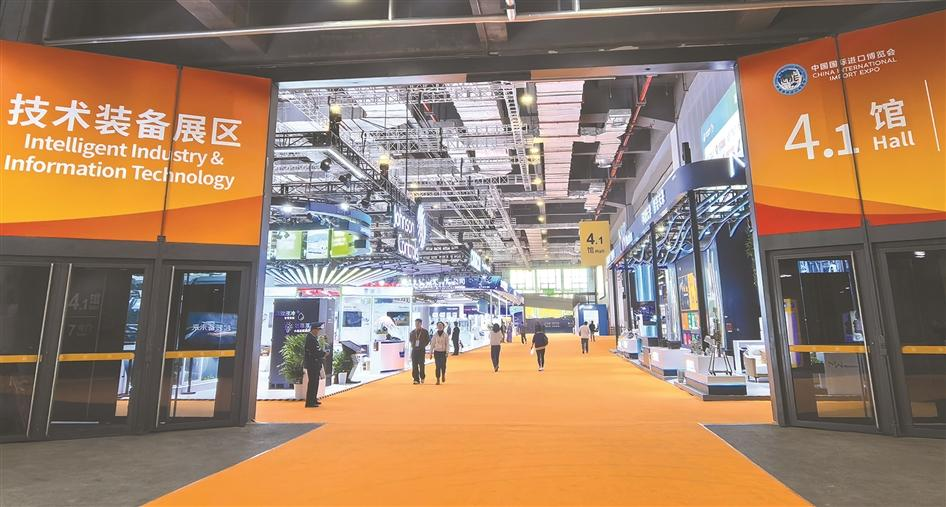
进博会明日开幕!跨国公司加码投资中国丨聚焦第八届进博会
证券时报· 2025-11-04 00:18
Group 1 - The eighth China International Import Expo (CIIE) will officially open on November 5 [1] - The exhibition areas have been fully set up, with large exhibits waiting to be unveiled and smaller items like jewelry being arranged [2] - The CIIE serves as an important platform for the global launch of innovative products, with Tesla's Cybercab making its Asia-Pacific debut at this year's event [4] Group 2 - The CIIE will showcase 461 new products, technologies, and services, positioning China as a testing ground for global innovation [6] - Omron will present two innovative solutions aimed at addressing key challenges in the manufacturing sector, highlighting the event's role in promoting industrial innovation in China [6] - Siemens emphasizes the importance of the CIIE in fostering deep interactions between China and the world in terms of industry collaboration and innovation [6] Group 3 - The CIIE is a vital window for observing new trends in the Chinese consumer market, with companies like Volkswagen showcasing advanced technologies and exploring new opportunities in the electric and intelligent vehicle sectors [7] - The event reflects China's commitment to opening up its market, which is increasingly seen as a necessary choice for global companies looking to invest [7][8] - Volkswagen expresses confidence in continuing to invest in China, driven by the improved business environment and high-level opening-up policies [8]
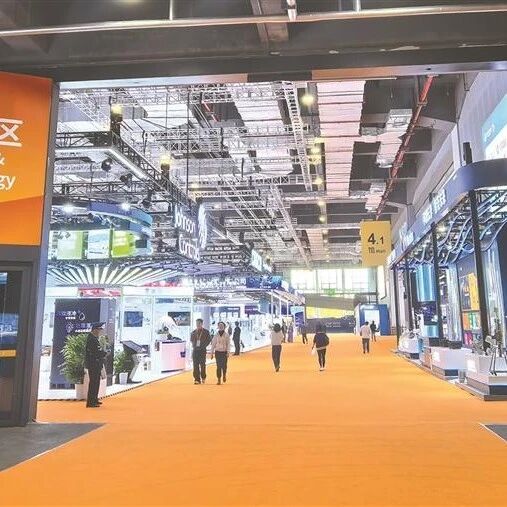
让中国大市场成为全球创新的试验场、利润场、应用场 第八届进博会明日开幕 跨国公司加码投资中国
Zheng Quan Shi Bao· 2025-11-03 17:44
Group 1 - The eighth China International Import Expo (CIIE) will officially open on November 5, showcasing a variety of innovative products and technologies [1] - The expo will feature 461 new products, technologies, and services, positioning China as a testing ground for global innovation [2] - Companies like Omron will present innovative solutions aimed at addressing key challenges in the manufacturing sector, promoting the transition to flexible, lean, and intelligent manufacturing [2] Group 2 - The CIIE serves as an important platform for observing new trends in the Chinese consumer market, with companies like Volkswagen showcasing advanced technologies in smart and electric vehicles [3] - The event highlights China's ongoing upgrades in consumption structure, technological innovation, and green transformation, creating broader development opportunities for the automotive industry [3] - The expo has become a critical choice for global companies looking to invest in China, reflecting the country's commitment to high-level opening up and improved business environment [4]
特斯拉,酝酿新招!
Sou Hu Cai Jing· 2025-10-24 05:31
Core Insights - Tesla reported record revenue of approximately $28.1 billion for Q3 2025, a 12% year-over-year increase, driven by vehicle deliveries and strong performance in its energy business, although net profit fell by 29% to $1.77 billion, missing market expectations [1][3] Group 1: Automotive and Energy Business Growth - Tesla's automotive business generated $21.2 billion in revenue for Q3, a 6% increase year-over-year, primarily due to record vehicle sales [3] - The gross margin for the automotive segment was 15.4%, lower than the expected 16.3%, attributed to reduced electric vehicle prices and rising operational costs [3] - Tesla's global electric vehicle production reached approximately 447,000 units, with deliveries totaling 497,000 units in Q3, including over 90,000 units delivered from the Shanghai Gigafactory [3][4] Group 2: Energy Business Performance - Tesla's energy generation and storage business saw a remarkable 44% year-over-year revenue growth, reaching $3.42 billion, making it the fastest-growing segment [4] - The installed capacity of Tesla's storage products hit a record 12.5 GWh in Q3, with gross profit reaching $1.1 billion [4] Group 3: AI and Robotics as Growth Drivers - Tesla identified AI technology, smart driving features, and humanoid robots as key drivers for future growth, with advancements in the Full Self-Driving (FSD) system and the commercial rollout of the Optimus humanoid robot being crucial for exceeding performance expectations [1][4] - The company is actively pushing the V14 version of its smart driving system and expanding its Robotaxi service in North America [5] - Tesla plans to start mass production of the Optimus humanoid robot by the end of 2026, with a potential annual production capacity of up to 1 million units [5]
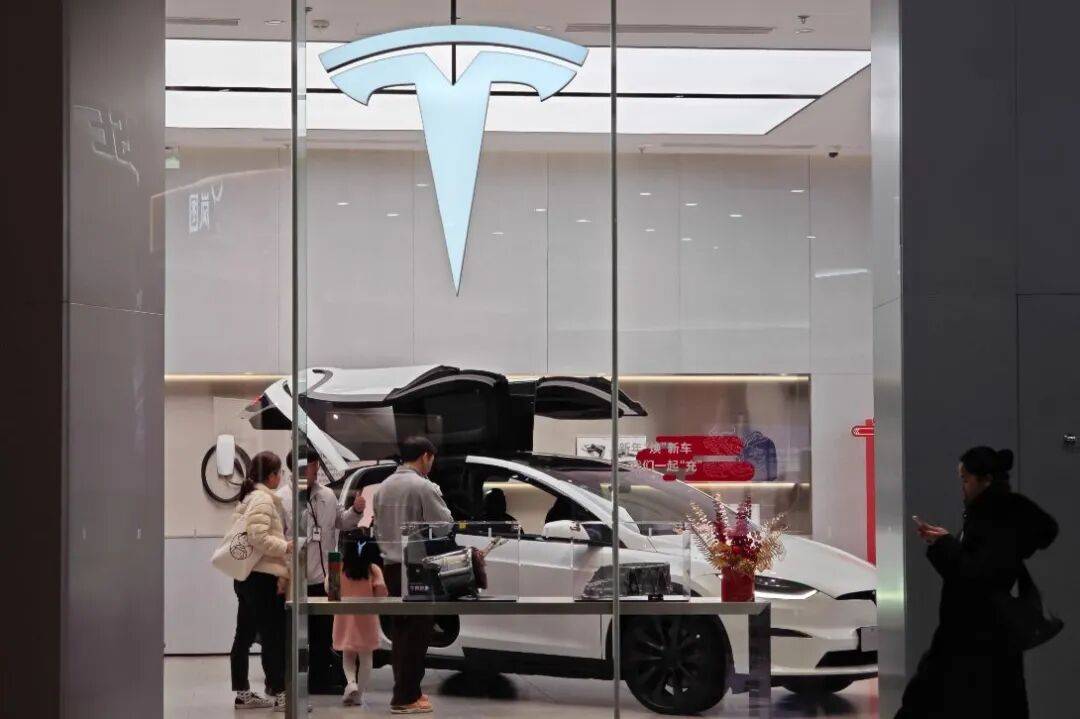
特斯拉三季度汽车销量创新高,但净利润大跌近三成
Xin Lang Cai Jing· 2025-10-24 01:36
Core Insights - Tesla reported record revenue of approximately $28.1 billion for Q3 2025, a 12% year-over-year increase, driven by vehicle deliveries and strong performance in its energy business [1] - However, the company's net profit (non-GAAP) fell to $1.77 billion, a 29% decline compared to the previous year, missing market expectations [1] Business Segments - The automotive segment remains Tesla's primary revenue driver, generating $21.2 billion in Q3, a 6% increase year-over-year, attributed to record vehicle sales [2] - The automotive gross margin, excluding regulatory credits, was 15.4%, below analyst expectations of 16.3%, primarily due to price reductions and rising operational costs linked to AI investments and ongoing R&D projects [2] - Tesla's Q3 production reached approximately 447,000 electric vehicles, with deliveries totaling 497,000, including over 90,000 units from the Shanghai Gigafactory [2] Energy Business - Tesla's energy generation and storage segment saw a remarkable 44% year-over-year revenue growth, reaching $3.42 billion, driven by solar and storage systems [4] - The installed capacity of Tesla's storage products hit a record 12.5 GWh in Q3, with gross profit reaching $1.1 billion [4] AI and Robotics Development - Tesla identified AI technology, smart driving features, and humanoid robots as key growth drivers for the future [1] - The company is focusing on the development of the next-generation fixed storage product, Megapack 4, and plans to launch the Optimus humanoid robot in Q1 of the following year [4] - Tesla has initiated the rollout of the Smart Driving V14 version and is expanding its Robotaxi service [5] Challenges and Strategic Outlook - The company faces potential challenges regarding FSD regulatory approvals, cost control in humanoid robot production, and fluctuations in global EV demand [6] - Despite these challenges, AI technology is seen as a catalyst for Tesla's transformation from an EV manufacturer to a smart mobility and service provider [6]
特斯拉发布第三季度财报 人工智能成为核心增长引擎
Sou Hu Cai Jing· 2025-10-23 08:58
Core Insights - Tesla reported record revenue of approximately $28.1 billion for Q3 2025, a 12% year-over-year increase, driven by vehicle deliveries and strong performance in its energy business [1] - However, net profit (non-GAAP) fell to $1.77 billion, a 29% decline compared to the previous year, missing market expectations [1] - Key future growth drivers identified include AI technology, advanced driver-assistance systems, and humanoid robots [1] Automotive and Energy Business Growth - Tesla's automotive segment generated $21.2 billion in revenue for Q3, a 6% year-over-year increase, primarily due to record vehicle sales [2] - The automotive gross margin (excluding regulatory credits) was 15.4%, below analyst expectations of 16.3%, attributed to reduced electric vehicle prices and rising operational costs [2] - Global electric vehicle production reached approximately 447,000 units, with deliveries totaling 497,000 units in Q3 [2] - In China, the Shanghai Gigafactory delivered over 90,000 vehicles in September, with total sales exceeding 71,000 units, reflecting a 25% quarter-over-quarter increase [2] Energy Generation and Storage Performance - Tesla's energy generation and storage business saw a 44% year-over-year revenue increase, reaching $3.42 billion, making it the fastest-growing segment [3] - Energy storage product installations hit a record 12.5 GWh in Q3, with gross profit reaching $1.1 billion [3] - CEO Elon Musk announced a focus on developing the next-generation fixed energy storage product, Megapack 4, and plans to launch the Optimus V3 humanoid robot in Q1 next year [3] AI and Autonomous Driving Developments - Tesla is advancing in AI, robotics, and related services, with the rollout of the Smart Assist Driving V14 version and expansion of the Robotaxi service [3][4] - The company is actively collaborating with regulatory bodies in China, Europe, the Middle East, and Africa to launch its Full Self-Driving (FSD) system [6] - The production line for the humanoid robot is being installed, with a projected annual capacity of up to 1 million units by the end of 2026 [6] Challenges and Strategic Outlook - Potential challenges include regulatory approval for FSD, cost control in humanoid robot production, and fluctuations in global electric vehicle demand [6] - The AI strategy is seen as a transformative step for Tesla, evolving from an electric vehicle manufacturer to a provider of intelligent mobility and services [6]