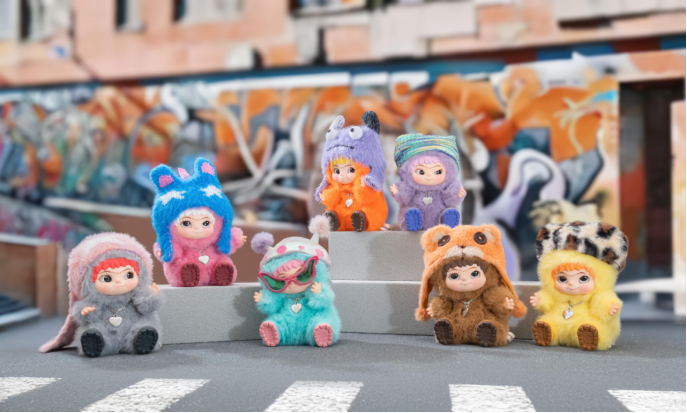
WAKUKU

Search documents
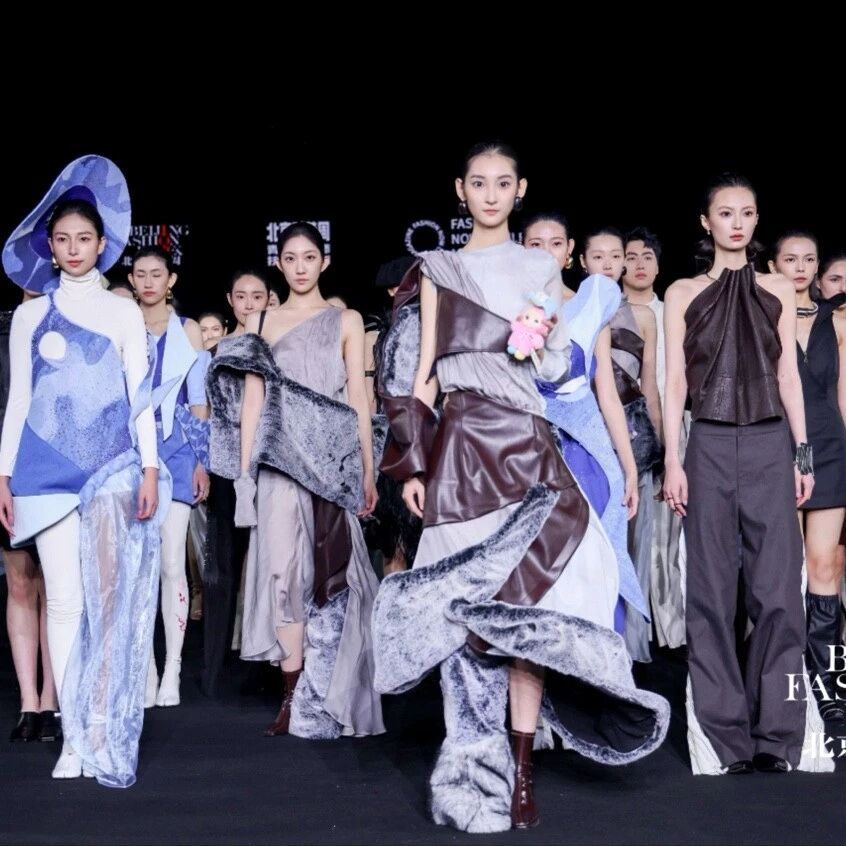
WAKUKU 4.0手工世界系列亮相北京时装周,奇梦岛IP时尚化进入深水区
IPO早知道· 2026-03-21 02:09
Core Viewpoint - HERE Qimeng Island is strategically evolving from "cross-border" to "integration" by launching the WAKUKU 4.0 Handmade World series at the Beijing Fashion Week, showcasing the brand's ability to merge trendy toys with fashion [3][5]. Group 1: Event Highlights - The AW2026 Beijing Fashion Week Youth Designer Support Program was successfully held on March 20, featuring a collaboration with HERE Qimeng Island, marking a new chapter in "trendy toys + fashion" [2]. - The WAKUKU 4.0 Handmade World series made its global fashion debut at Beijing Fashion Week, establishing WAKUKU as a fashion icon and a vital communication channel with core users [5][8]. Group 2: Strategic Actions - The "WAKUKU Pain Elevator," an immersive media installation located in the venue's core area, became a social media hotspot, generating significant buzz on platforms like Weibo and Xiaohongshu, thus enhancing WAKUKU's presence among young fashion audiences [7]. - The collaboration involved deep co-creation with designers, where WAKUKU was used as an icon for fashion creation, breaking away from traditional IP usage and allowing users to become spontaneous "WAKUKU players" [7][8]. Group 3: Industry Implications - The case of WAKUKU represents a shift from the "IP+" logic, where IP serves merely as a traffic entry point, to the "+IP" model, where IP is deeply integrated into the fashion content production process, marking a significant evolution in the fashion industry [8]. - The transformation of WAKUKU from a mere design element to a creative asset signifies a critical milestone in the fashionization of trendy toy IPs, indicating a broader and more imaginative IP fashion landscape [8].

Here Group Limited Q2 2026 Earnings Call Summary
Yahoo Finance· 2026-03-12 20:41
Core Insights - The company achieved a 35.4% quarter-over-quarter revenue growth, primarily driven by the transition to a dedicated IP-trained company model and strong performance from flagship IPs [5] - Flagship IP WAKUKU contributed 73% of Q2 revenue, while emerging IP SIINONO generated RMB 19.2 million in quarterly revenue, indicating potential for future growth [5] - The company is shifting to a systematic 'IP factory' approach, utilizing data-driven mechanisms for IP planning, production, and promotion [5] Growth Outlook and Strategic Initiatives - Q3 revenue guidance is projected between RMB 140 million and RMB 150 million, accounting for seasonal distributor slowdowns and a proactive product launch schedule [5] - Full fiscal year 2026 revenue is expected to be between RMB 750 million and RMB 810 million, reflecting confidence in the scaling IP portfolio [5] - Management plans to transition IPs from 'physical spaces' to 'narrative spaces' through a new live content strategy and short-form storytelling [5] Operational Adjustments and Strategic Partnerships - The company expanded its offline presence with five new D2C stores and distributor channels to enhance user interaction and brand loyalty [5] - A joint venture was established with Enlight Media to integrate professional content creation and film/television development into the IP ecosystem [6] - The deployment of intelligent sales robots to offline locations is planned to innovate user interaction through AI-driven smart terminals [5] Financial Metrics - Gross margin decreased to 31% from 41% due to a strategic shift toward offline distributor channels, which have lower per-unit margins compared to direct online sales [5] - Inventory increased significantly to RMB 111.8 million to mitigate risks from Chinese New Year factory closures and support upcoming product launches [5] - Accounts receivable decreased despite revenue growth, attributed to improved collection discipline and customer engagement management [5]
潮玩产业反思“爆款赌局”:IP应跨业态跨文化
Bei Jing Shang Bao· 2026-01-26 16:37
Core Insights - The competition logic in the trendy toy industry has shifted from pursuing single blockbuster products to building comprehensive IP ecosystems [1] - Successful IP content now carries strong emotional resonance, with younger consumers paying for the emotional experiences projected onto the IP [1][2] - The essence of an IP's success lies in its product strength, and creating enduring IP is a challenge for all trendy toy companies [2] Company Performance - In Q1 of FY2026 (July 1, 2025 - September 30, 2025), the company's trendy toy business generated revenue of 127 million yuan, reflecting a quarter-on-quarter growth of 93.3% [2] - The rapid growth is attributed to the company's focus on emotional resonance and social currency within its IP offerings [2] IP Development Strategy - The company emphasizes the importance of a distinct character and values for its IP, aiming to create a space that embodies curiosity and dreams [2] - To maintain emotional resonance, the company is focusing on three areas: solidifying IP character as the core, encouraging user-generated content, and integrating IP into various life scenarios [2][3] Market Trends - The competition in the trendy toy industry is evolving towards "IP ecological operation capability," focusing on cultural narrative ability and full industry chain collaboration efficiency [3] - The company plans to enhance its closed-loop capabilities from R&D design to marketing, with upcoming brand stores set to open in major cities [3] Industry Evolution - The trend in the trendy toy industry is shifting from simple retail to experiential services, with leading brands investing in immersive experience spaces [4]
潮玩产业告别“爆款赌局” IP应跨业态跨文化
Bei Jing Shang Bao· 2026-01-26 12:17
Core Insights - The competition in the潮玩 (trendy toy) industry has shifted from chasing single hit products to building comprehensive IP ecosystems, with successful IPs becoming emotional carriers and social currencies that connect deeply with young consumers [1][2] - The emotional value is now the core driver of潮玩 consumption, with companies aiming to create a sense of connection and belonging for users beyond just selling toys [2][4] Group 1: IP Development and Emotional Connection - Successful IPs are characterized by strong emotional tendencies, allowing consumers to project their feelings onto the IP, thus establishing deep emotional connections [4][9] - The concept of "product strength" is fundamental to the longevity of an IP, with companies needing to ensure that their products can carry the artistic value of the IP [5][6] - Companies are encouraged to engage users in secondary creation and integrate IP into various life scenarios to maintain relevance and avoid aesthetic fatigue [6][12] Group 2: Market Performance and Financials - 奇梦岛 (Qimengdao) reported a quarterly revenue of 127 million yuan for Q1 of the 2026 fiscal year, marking a 93.3% increase quarter-on-quarter, reflecting the market's recognition of its IPs [5] - The潮玩 industry has seen a significant increase in the number of related companies, with over 20,700 existing as of June 2025, a tenfold increase since 2020, indicating a growing market [6] Group 3: Strategic Direction and Future Trends - The future competition in the潮玩 industry will focus on "cultural narrative ability" and "full supply chain collaboration efficiency," with companies enhancing their capabilities from design to marketing [11][12] -潮玩 brands are increasingly exploring overseas markets and diversifying their operational strategies, indicating a shift from single product competition to "IP ecological operation capabilities" [10][11]
文化情感科技勾勒消费新维度
Bei Jing Shang Bao· 2026-01-19 15:17
Group 1: Cultural and Creative Industry Insights - The CEO of HERE Qimeng Island Group emphasized that trendy toys have become symbols connecting diverse cultures, with the company's original IP "WAKUKU" gaining significant attention in the market [2] - The company has launched an overseas expansion plan, achieving positive responses in Southeast Asia and North America, with over 75 million interactions on social media platforms in North America [2] - The cultural IP "Younli" series and "WAKUKU" limited edition have been well-received, showcasing the ability to convey cultural depth through contemporary design [2] Group 2: Retail and Experience Innovation - Qimeng Island is focusing on building offline experience stores in Beijing, prioritizing emotional connections and immersive environments over mere consumption functions [3] - The company aims to deepen experience innovation and expand cross-industry collaborations to integrate into the industry ecosystem [3] Group 3: Cultural Integration in Business - Beijing Zhonghai Dajixiang's VP highlighted the importance of deeply integrating culture with business to create cultural super IPs that can serve as benchmarks for physical commerce [5] - The Dajixiang project emphasizes cultural preservation while adapting to modern trends, featuring public cultural exhibition spaces and diverse cultural activities [6] Group 4: Emotional Consumption Trends - The founder of Beijing Huajiang Cultural Group noted that the sports industry is becoming a significant commercial opportunity, with substantial market potential in various revenue streams [8] - The company has successfully combined the "Bing Dwen Dwen" mascot with Chinese zodiac culture, generating over 300 million yuan in retail sales from the "Zodiac Dwen Dwen" series [8] Group 5: AI and Digital Transformation in Business - Ningbo Bank's platform has served over 161,000 enterprises, providing comprehensive services and solutions, including AI-driven tools to help brands expand their market reach [11] - The bank is transitioning from a traditional funding provider to a resource integrator, enhancing its service offerings to support various industries [12] Group 6: Trends in Fashion and Consumer Behavior - The essence of successful fashion products lies in cultural resonance, emotional connections, and innovative expressions, with a focus on creating immersive experiences for consumers [14] - Weibo IN has successfully engaged users through limited edition releases and immersive events, demonstrating the combination of product scarcity, emotional resonance, and community engagement [15] Group 7: Pet Industry Growth Potential - The pet market in Beijing shows a high proportion of pet owners, with significant growth potential as the pet penetration rate is only about 12%, compared to over 50% in developed countries [16] - Future strategies in the pet market should focus on storytelling and creating engaging consumption environments that resonate with local preferences [16] Group 8: Retail Transformation Strategies - Yonghui Supermarket is implementing a comprehensive transformation strategy to enhance customer experience, with an 80% SKU turnover rate and the introduction of over 30 new convenience services [17] - The supermarket aims to develop its private label products and improve service quality to meet the demands of young families [17] Group 9: Cultural Heritage and Commercial Innovation - The chairman of Beijing Jingxi Shadow Play Cultural Park plans to innovate the commercial model of shadow play art, aiming to engage more children with this cultural heritage [18] - The company has successfully integrated shadow play with modern technology, achieving over 65 billion views through collaborative campaigns [18]

叶国富的IP豪赌:6000家门店换一个宇宙
3 6 Ke· 2026-01-09 12:39
Core Insights - The article discusses the transformation of MINISO from a retail company to a cultural and creative group, aiming to become a global leader in IP operations, akin to Disney [1][11] - The company plans to upgrade its store model and product structure, increasing the proportion of IP products from 50% to over 80% [1][11] Group 1: Company Transformation - MINISO is undergoing a significant transformation, referred to as "腾笼换鸟," which involves closing and reopening 80% of its stores, impacting nearly 6,000 locations [1][3] - The new store model will feature larger thematic immersive spaces, moving from stores under 200 square meters to those between 400-600 square meters [1][3] - The company aims to shift its focus from merely selling products to selling culture, thereby creating a more engaging consumer experience [11][12] Group 2: Market Position and Strategy - Since its inception in 2013, MINISO has rapidly expanded to over 8,000 global stores by leveraging its channel advantages [2] - The founder, Ye Guofu, recognizes the limitations of relying solely on scale and is pivoting towards an IP ecosystem to enhance competitiveness [3][11] - The competition with Pop Mart, a leading player in the collectible toy market, highlights the strategic battle for "dream-making rights" in the IP retail space [4][17] Group 3: IP Development and Future Plans - MINISO's strategy includes a dual approach to IP development, focusing on both top-tier licensed IPs and original IPs to drive growth [15][11] - The launch of MINISO LAND, a themed store concept, has shown promising results, with one store achieving over 100 million yuan in sales within nine months, with IP products contributing 80% [14][15] - The company plans to recruit top IP design talent globally to enhance its IP incubation capabilities, indicating a commitment to building a robust IP ecosystem [15][11] Group 4: Competitive Landscape - The competition between MINISO and Pop Mart represents a clash between two different business models: MINISO's channel-driven approach versus Pop Mart's content-driven strategy [21][22] - Both companies are striving to create an emotional consumption utopia, emphasizing the importance of storytelling and emotional connection in IP retail [22][24] - The future of IP retail is expected to transcend mere product sales, focusing on creating a comprehensive "IP universe" that integrates various forms of media and consumer experiences [23][24]



金马游乐联手乐华,共同押注IP具身化风口
Hua Er Jie Jian Wen· 2026-01-04 08:55
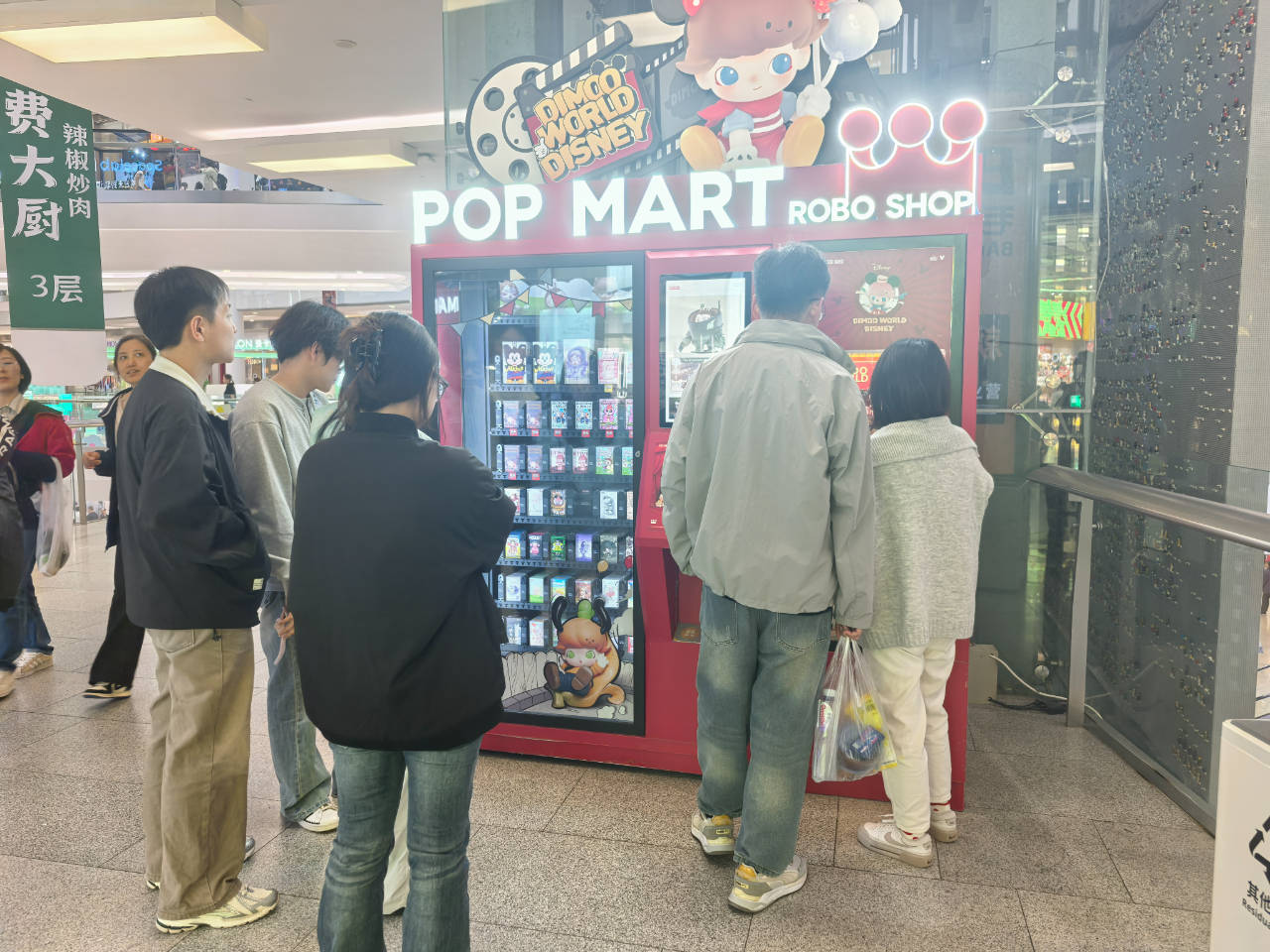
Core Viewpoint - Jinma Amusement is undergoing a strategic transformation to integrate AI robotics into its business model, collaborating with partners to enhance its offerings in the cultural tourism sector [1][2]. Group 1: Strategic Collaboration - Jinma Amusement has partnered with Lehua Entertainment, Weifeng Electronics, Beifeng Technology, and Maoxiao Bole to establish a market-oriented operational platform and joint ventures [1]. - The collaboration aims to leverage each partner's strengths in cultural tourism technology, entertainment IP, smart products, and distribution channels to advance the development and application of intelligent robots in cultural tourism [1][2]. Group 2: Technological Adaptation - Jinma Amusement has developed core technologies that can be adapted for the production of embodied intelligent robots, with a strong overlap in target customer groups and application scenarios with its existing business [2]. - The company has initiated the mass delivery of over 1,000 embodied intelligent robots, which will serve various environments such as theme parks, commercial districts, and cinemas [2]. Group 3: IP Integration - Lehua Entertainment is enhancing product value through IP empowerment, addressing consumer motivations for purchasing [2]. - The collaboration has led to the establishment of the "YHT Smart Adoption Store" in Beijing, featuring humanoid robots that provide services and promote products from the "WAKUKU" IP [4]. Group 4: Market Expansion - Lehua Entertainment plans to open the first batch of 50 stores starting in January this year, expanding its market presence [5]. - The integration of IP embodiment with cultural tourism scenarios is showing promising prospects, as demonstrated by Disney's development of a robot based on the character "Olaf" from "Frozen" [6][7]. Group 5: Product Development - Jinma Amusement has outlined ten product series based on market demand, including sales series, guided tours, and various types of service robots [8]. - The company is focusing on creating immersive experience venues that combine service robots, performance robots, and parade robots with IP elements [8].

年终盘点|不只是LABUBU!中国潮玩走向全球
Sou Hu Cai Jing· 2025-12-31 19:46
Core Viewpoint - The潮玩 (trendy toy) market is experiencing significant growth, driven by "emotional consumption," with LABUBU's global success marking a pivotal moment in 2025 [2][3]. Group 1: Market Growth and Trends - The潮玩 market in China is projected to grow from 229 billion in 2020 to 763 billion by 2024, with expectations to surpass 1 trillion by 2026 [5]. - In 2025, emotional consumption has become a key trend, leading to a surge in潮玩 popularity, particularly following LABUBU's breakout success [2][3]. - The潮玩 industry has seen a rapid increase in new registrations, with 9,787潮玩-related companies established in 2025, bringing the total to 25,000 [5]. Group 2: Company Performance - Bubble Mart reported a revenue of 138.8 billion in the first half of 2025, a 204.4% increase year-on-year, with an adjusted net profit of 47.1 billion, up 362.8% [3]. - LABUBU's segment, THE MONSTERS, generated 48.1 billion in revenue, achieving a staggering 668% year-on-year growth [3]. - Bubble Mart's international revenue showed remarkable growth, with the Americas experiencing a 1,142.3% increase and Europe seeing a 729.2% rise [8]. Group 3: International Expansion - Bubble Mart participated in the Macy's Thanksgiving Day Parade in New York, becoming the first Chinese brand to feature an original潮玩 IP in the event [6]. - The company has seen long queues at its overseas stores, indicating strong demand for LABUBU products [6]. - Other潮玩 brands like 52TOYS and TOP TOY are also expanding internationally, with TOP TOY planning to open over 1,000 stores in 100 countries within five years [9]. Group 4: Development of Proprietary IP - The success of LABUBU has prompted潮玩 brands to focus on developing proprietary IP, which offers greater brand autonomy compared to licensed IP [10]. - TOP TOY's revenue from proprietary IP remains low, with only 610,000 generated in the first half of 2025, compared to 6.15 billion from licensed IP [10]. - Both 52TOYS and TOP TOY are increasing their investment in proprietary IP, with 52TOYS launching multiple original潮玩 IPs in 2025 [12]. Group 5: Marketing Strategies - The rise of明星营销 (celebrity marketing) has become a significant strategy for潮玩 brands, with various brands collaborating with popular figures to boost visibility and sales [16]. - Brands are recognizing that while celebrity endorsements can drive initial interest, sustained success requires effective brand management and product quality [16].
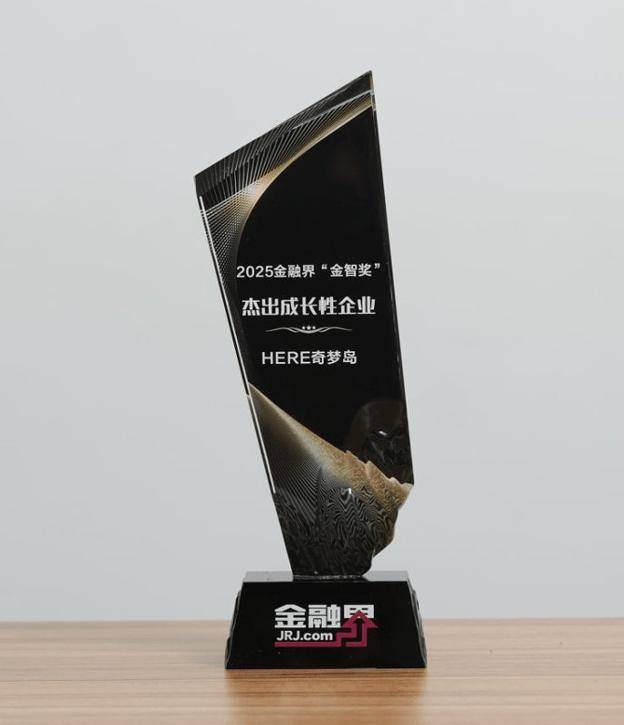
潮玩新势力强势崛起!HERE奇梦岛斩获第十四届金融界“金智奖”杰出成长性企业
Sou Hu Cai Jing· 2025-12-26 10:37
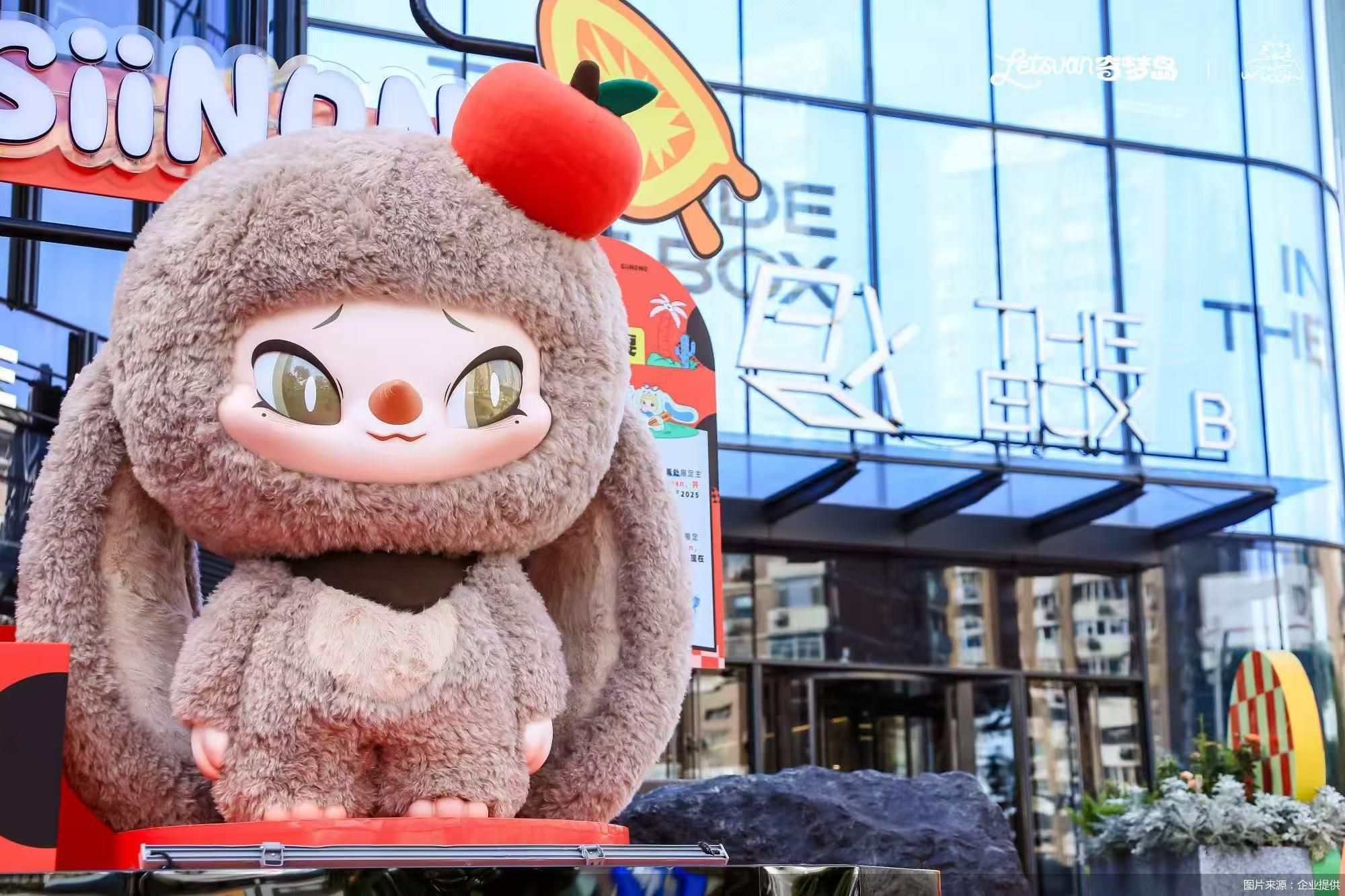
Group 1 - The "Qihang·2025 Financial Summit" was successfully held in Beijing, focusing on the theme of "New Starting Point, New Momentum, New Journey," gathering hundreds of leaders and guests from various sectors including regulatory bodies, industry associations, financial institutions, listed companies, and media [1] - The "Jinzhi Award" aims to establish benchmarks for high-quality development, guiding listed companies to focus on their core businesses, continue innovation, and fulfill social responsibilities, thereby promoting capital concentration towards quality enterprises [3] - The award evaluation covered over 8,000 companies across A-shares, Hong Kong stocks, and Chinese concept stocks, with nearly 200 companies recognized for their achievements in high-quality development [3] Group 2 - HERE Qimeng Island focuses on the construction of trendy art and original cultural ecosystems, utilizing a dual-engine IP incubation model of "self-research original + signed original" [4] - The company has rapidly built a diversified star IP matrix, with its core IP WAKUKU continuing to sell well, and the new IP SIINONO making a strong market debut, showcasing robust IP incubation and commercial conversion capabilities [4] - In the online channel, Qimeng Island's e-commerce GMV exceeded 44.6 million yuan in Q1 of the 2026 fiscal year, driven by brand popularity and structural growth [4] - The company has established a presence in over 100 key channels and plans to open flagship and themed pop-up stores in major cities like Beijing, Shanghai, Shenzhen, and Chongqing, while also expanding internationally [4] - Winning the "Outstanding Growth Enterprise" award is a recognition of HERE Qimeng Island's strategic effectiveness and growth strength, highlighting the vibrant energy of trendy cultural creativity as a new force in the cultural industry [5] - The company is expected to continue leading industry innovation and empower industrial upgrades through its mature IP incubation system and global layout advantages, promoting Chinese trendy culture on the world stage [5]
摸LABUBU过河后 奇梦岛「上岸」开店了
Hua Er Jie Jian Wen· 2025-12-26 07:00
Core Viewpoint - Qimengdao has officially opened its first offline store in Beijing, marking its entry into the trendy toy and plush market, positioning itself as a significant player alongside Pop Mart in the capital market [1][2]. Company Overview - Qimengdao is the only publicly listed company in the trendy toy sector, focusing on IP creation and operation, figurines, and plush toys, apart from Pop Mart [2]. - The transformation of Qimengdao originated from the acquisition of the trendy toy brand Letsvan by the online learning service provider "Quantum Song" for 235 million yuan, acquiring a 61% stake [2]. - In November, the company rebranded itself as "HERE Qimengdao" after divesting its online education business, fully committing to the trendy toy sector [2]. Market Dynamics - The trendy toy market is characterized by high fragmentation and continuous growth, with leading players like Pop Mart holding only a 10% market share in China's toy market [2]. - Qimengdao's revenue from trendy toys reached 127 million yuan in Q3, a 93.3% increase quarter-on-quarter, with a gross margin improvement of 6.5 percentage points to 41.2% [2]. Product Launch and Marketing Strategy - The WAKUKU IP, launched by Letsvan, has drawn comparisons to the successful LABUBU brand, with a focus on unique character design and marketing strategies [5][11]. - Qimengdao has leveraged celebrity collaborations for product exposure, including placements in popular dramas and endorsements from various celebrities, enhancing brand visibility [7][12]. - The initial sales of WAKUKU products have been strong, with record-breaking sales at MINISO LAND stores [8][9]. Financial Performance and Projections - Qimengdao aims for revenue of 750 million to 800 million yuan for the fiscal year 2026, building on a Q3 revenue of approximately 127 million yuan [18]. - The company has reported that three major IPs, including WAKUKU, contributed 97% of its revenue, with WAKUKU alone accounting for over 70% [19]. Operational Challenges - As the company expands, it faces operational challenges, including a significant increase in inventory and accounts receivable [20]. - Despite these challenges, Qimengdao has accumulated nearly 800 million yuan in cash and short-term investments, providing a financial cushion for future business exploration [20].