Walker S2工业人形机器人

Search documents
挡不住了,从春晚炸到全球,中国机器人集体“狂飙”
3 6 Ke· 2026-02-27 13:10
Core Viewpoint - The Chinese humanoid robot industry is rapidly expanding its global presence, transitioning from sporadic exports to a collective international strategy, driven by technological advancements, supportive policies, and a robust supply chain [3][12][20]. Group 1: Industry Expansion - In early 2026, Chinese humanoid robots are gaining significant international attention, with over half of the humanoid robots showcased at CES 2026 coming from China [1][3]. - Major Chinese companies like Yushutech and ZhiYuan Robotics are accelerating their global footprint, establishing operations in Malaysia, Italy, and Germany [3][8]. - The overseas revenue contribution of humanoid robot manufacturers has surged, with companies like Yushutech and Magic Atom reporting around 50% of their revenue from international markets [3][12]. Group 2: Strategic Partnerships and Local Operations - Leading manufacturers are shifting from simple product exports to establishing regional headquarters and R&D bases, enhancing local operations and partnerships with global giants [5][6]. - Yushutech has been proactive in its global strategy since 2018, with its products now available in over 50 countries [6][8]. - Partnerships with companies like Airbus and Texas Instruments are facilitating entry into advanced manufacturing and logistics sectors in Europe and North America [6][9]. Group 3: Policy and Cost Advantages - The introduction of a dedicated export tax code for humanoid robots has removed regulatory barriers, enabling more streamlined international trade [13][15]. - The Chinese government has provided substantial subsidies exceeding $20 billion to humanoid robot companies, fostering technological maturity and production capacity [15][16]. - Cost advantages in component manufacturing are significant, with projections indicating a reduction in procurement costs from $35,000 to $17,000 by 2030 if sourced from China [15][16]. Group 4: Market Potential and Challenges - The global humanoid robot market is projected to grow exponentially, with estimates suggesting a shipment increase to 1.8 million units by 2025, with China accounting for over 70% [20][22]. - However, challenges such as compliance with diverse international standards and the need for localized operations remain critical hurdles for Chinese companies [24][25]. - Establishing trust and credibility in developed markets will require sustained investment and a focus on local market needs [22][25].



富士康新能源汽车项目官宣落地!优必选机器人“入职”,无人物流车同步下线
Jin Rong Jie· 2026-02-05 10:12
Group 1 - Foxconn's new energy vehicle R&D center officially commenced operations on February 4, marking a key milestone in the company's transition into the new energy vehicle era [1] - The R&D center is a core project of Foxconn's "3+3+3" strategy, which focuses on three future industries: electric vehicles, digital health, and robotics, alongside three core technologies: artificial intelligence, semiconductors, and next-generation mobile communications [1] - The center aims to create an "innovation engine" that integrates intelligence, automation, high quality, and efficiency, significantly shortening the production cycle of new vehicle models to 24 months [1] Group 2 - The Zhengzhou Airport Economic Zone's official stated that the R&D center's launch is a strategic foundation for Foxconn's deepening presence in Central China and a new milestone in cooperation with the airport zone [2] - Since the establishment of Foxconn's new energy vehicle trial production center in the airport zone in 2024, the company has accelerated the transition from R&D to mass production, with an expected output of 558,000 new energy vehicles by 2025 [2] - The launch of the R&D center coincided with the first batch of production validation test (PVT) vehicles from UQI's autonomous logistics vehicle, Chitu, marking a significant step in the production process [2] Group 3 - During the production of Chitu, UQI integrated embodied intelligence into its operations, creating a "self-manufacturing closed loop" for automotive-grade production lines [3] - The production process utilized a cluster scheduling system with robots, enabling a fully automated material transfer system that enhances stability and flexibility in logistics [3] - The PVT phase is crucial for validating the vehicle's mass production capabilities, ensuring consistency, stability, and traceability in manufacturing processes [3]
量产元年之后 中国人形机器人走向“价值战”
Xin Jing Bao· 2026-01-23 14:36
Core Insights - The humanoid robot industry in China is experiencing significant growth, with expectations of over 140 companies and more than 330 products by 2025, marking it as the "year of mass production" [1] - The industry is transitioning from mere technological showcases to practical applications in various sectors, including industrial manufacturing, commercial services, and home companionship [1] - Despite the growth, challenges remain, including the need for breakthroughs in key technologies, stability in mass production, and issues with cost control and scene adaptation [1] Industry Overview - The humanoid robot market is projected to see a price drop for consumer-grade models, with products entering the 10,000 yuan range, focusing on education, companionship, and development [2] - Notable products include the "Xiao Bu Mi" priced at 9,998 yuan, and the Unitree R1 starting at 29,900 yuan, showcasing features like voice and image integration [2] - Industrial flagship models, such as the Walker S2 from UBTECH, are demonstrating advanced capabilities in sectors like automotive manufacturing and smart logistics [3] Technological Advancements - The competition in the humanoid robot sector is shifting towards the integration of AI capabilities, with a focus on end-to-end embodied large models and world models for enhanced task execution [4] - The introduction of models like WALL-A, which combines VLA and world models, is improving robots' ability to operate in unstructured environments [5] - Data and model limitations remain a significant challenge, with high costs associated with data collection for training [5] Production and Market Dynamics - 2025 is seen as a pivotal year for mass production, with companies like Zhiyuan Robotics and UBTECH planning to significantly increase their output [6] - The industrial sector is becoming a primary battleground, with substantial orders reported, such as nearly 1.4 billion yuan in orders for humanoid robots from UBTECH [7] - The market is expected to undergo consolidation by 2026, with only a fraction of the current companies likely to survive, similar to trends observed in the electric vehicle industry [9][10] Future Outlook - The Chinese government is committed to promoting technological innovation in humanoid robots, focusing on enhancing core technologies and ensuring product safety [9] - The industry is anticipated to face challenges in balancing speed and potential market bubbles, with a need for sustainable business models [8] - The year 2026 will be critical for assessing the commercial viability of humanoid robots, with a focus on real-world applications and profitability [10]
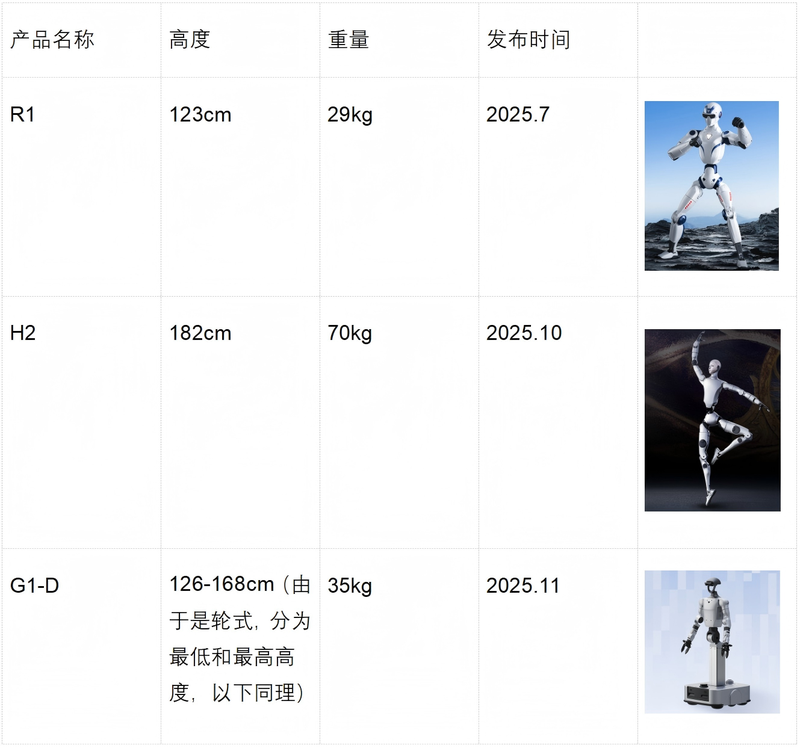
从技术验证迈向量产交付 硬科技龙头企业开启“规模化元年”
Zhong Guo Zheng Quan Bao· 2026-01-13 22:16
Core Insights - The year 2026 is projected to be a pivotal year for emerging industries in China, particularly in the low-altitude economy and robotics sectors, as they transition from pilot testing to mass production and ecosystem development [1][2][7] Group 1: Robotics Industry - UBTECH aims to achieve an annual production capacity of 10,000 humanoid robots in 2026, following the delivery of over 500 units of its "Walker S2" model in 2025 [2] - The humanoid robot market in China is expected to reach a production scale of 100,000 to 200,000 units in 2026, driven by companies like Zhiyuan Robotics and strategic partnerships [2] - The application of robots is anticipated to expand from hazardous and monotonous jobs to broader industrial and commercial services, eventually reaching household use [5] Group 2: Low-altitude Economy - The low-altitude economy is expected to experience significant growth in 2026, with companies like XPeng Heitech planning to deliver their flying car, "Land Aircraft Carrier," in the same year [3] - The market penetration of industrial-grade drones is increasing, with companies like United Aircraft Group expecting to double their revenue as they achieve key milestones in product certification [3] - Cloud Saint Intelligent's products are projected to expand coverage in urban governance, potentially doubling their reach in 2026 [3] Group 3: Commercial Aerospace - A surge in IPO activities is anticipated in the commercial aerospace sector, driven by the demand for reusable medium to large rockets, with companies like Blue Arrow Aerospace and Star Glory actively pursuing public offerings [4] - The focus in commercial aerospace is on reducing costs through reusable rocket technology, while long-term success will depend on market applications [7] - The industry is facing challenges related to infrastructure and commercial viability, necessitating policy support and cross-departmental collaboration [7] Group 4: Market Competition - The emergence of a "scale year" in 2026 will intensify competition among emerging industries, with companies needing to focus on customer needs and continuous innovation to maintain their competitive edge [7] - The development of new infrastructure and unified management systems is crucial for the low-altitude economy and commercial aerospace sectors [7] - The overall environment for hard technology enterprises is improving, driven by policy guidance, technological breakthroughs, and market demand [7]

技术创新+质量管控 优必选人形机器人创新成果深度落地产业场景
Zhong Guo Zhi Liang Xin Wen Wang· 2026-01-13 07:08
Core Insights - The company, UBTECH Robotics, has initiated mass production and delivery of its Walker S2 humanoid robots, achieving nearly 1.4 billion yuan in orders for the year [1] - UBTECH has launched the world's first collaborative training with multiple humanoid robots across various scenarios and tasks, partnering with several leading industry enterprises [1] - The company has developed a pioneering hot-swappable autonomous battery replacement system for humanoid robots, enabling 24/7 operational capabilities [1] Group 1 - Humanoid robots are seen as the ultimate embodiment of intelligent technology, crucial for upgrading manufacturing and building new productive forces [2] - UBTECH emphasizes quality as the "conscience of the enterprise," establishing a high-standard quality management system covering R&D, materials, production, and sales [2] - The company has achieved ISO certifications in quality, environmental, and occupational health and safety management systems, ensuring comprehensive product reliability [2] Group 2 - As of June 2025, UBTECH has been granted 2,790 patents and has actively participated in the formulation of approximately 40 standards in the fields of intelligent robotics and artificial intelligence [2] - The company's advancements reflect the maturity of Chinese humanoid robot technology, facilitating the transition from "laboratory" to "production line" [3] - UBTECH aims to continue driving industry upgrades through innovation, integrating intelligent robots into various sectors and contributing to the high-quality development of the global humanoid robotics industry [3]
锋龙股份搭上人形机器人概念,优必选16.6亿收购催生两连板
Sou Hu Cai Jing· 2025-12-27 04:56
Core Viewpoint - UBTECH Robotics is making significant strides in the humanoid robot industry, highlighted by its recent acquisition of Fenglong Co., which has sparked market interest and led to a surge in Fenglong's stock price [1][2]. Company Summary - UBTECH Robotics plans to acquire 43% of Fenglong Co. for a total of 1.665 billion yuan, utilizing a combination of "agreement transfer + tender offer" [2]. - Fenglong Co. specializes in manufacturing garden machinery, engines, hydraulic control systems, and automotive parts, reporting a revenue of 373 million yuan in the first three quarters of 2025, a year-on-year increase of 9.47%, and a net profit of 21.52 million yuan, up 1715% [2]. - The acquisition is a strategic move for UBTECH to enhance its industrial chain layout and strengthen its core competitiveness in the humanoid robot sector [3]. Industry Summary - UBTECH has secured nearly 1.4 billion yuan in humanoid robot orders this year, with the Walker S2 industrial humanoid robot entering mass production and being deployed in various industries such as automotive manufacturing and smart logistics [3][4]. - The company is positioned as a leader in the manufacturing sector for humanoid robots, having partnered with major firms like BYD, Dongfeng Liuzhou, and Audi, making it the most widely adopted humanoid robot in global factories [4]. - The Chinese market for embodied intelligent robots is expected to experience explosive growth, with user spending projected to exceed 1.4 billion USD by 2025 and reach 77 billion USD by 2030, reflecting a compound annual growth rate of 94% [4]. - UBTECH's strategy focuses on commercializing humanoid robots in industrial applications, aiming to expand their use into more repetitive labor scenarios and eventually into commercial and household settings [5].

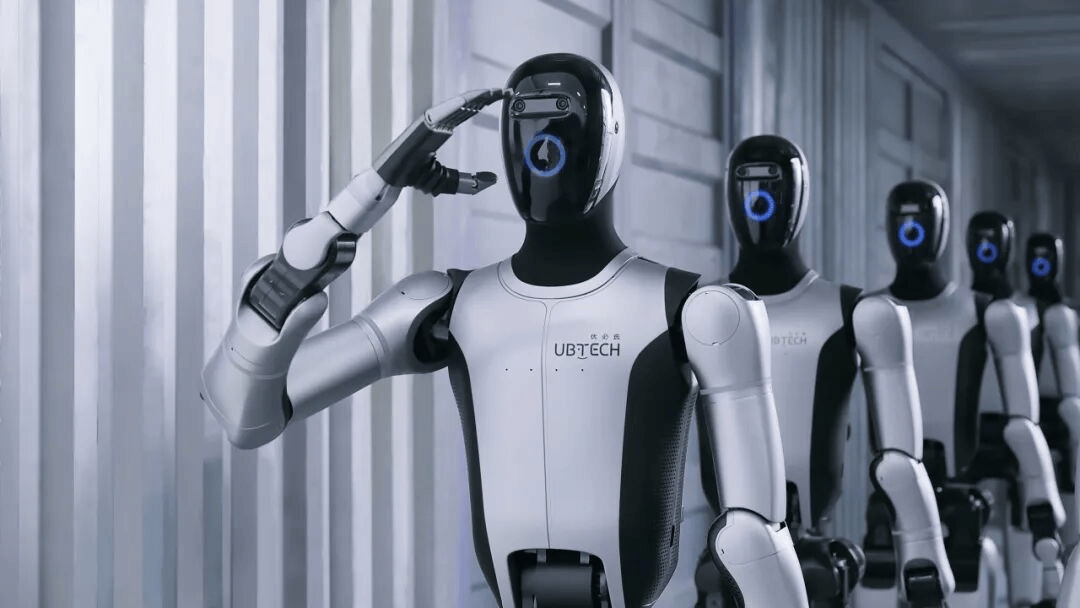
人形机器人2025转型实录:脱下实验室“长衫”,穿上工厂“工装”
Xin Lang Cai Jing· 2025-12-25 12:40
Core Insights - The humanoid robot industry is transitioning from experimental phases to real-world applications, taking on various roles in society by 2025 [2][9] - Key companies in the sector include Yushu Technology, UBTECH, ZhiYuan Robotics, Accelerated Evolution, Songyan Power, and Zhongqing Robotics, which have gained significant media attention [2][9] Orders and Deliveries - Humanoid robots are now actively used in diverse scenarios such as dancing, running, fighting, and production line operations, leading to increased orders for companies [3][10] - Accelerated Evolution reported a global shipment of nearly 1,000 units, serving over 200 clients, with over 40% of sales in overseas markets [3][10] - Songyan Power signed a contract for 1,000 units of its Bumi humanoid robot, with total orders reaching several thousand [3][10] - Star Motion Epoch disclosed total orders exceeding 500 million yuan, with over 400 units delivered and expectations to ship over 1,000 units next year [4][10] - UBTECH secured nearly 1.4 billion yuan in orders this year, with plans to produce over 1,000 units of the Walker S2 robot by 2025 [4][11] - ZhiYuan Robotics aims to achieve 5,000 units shipped by year-end, with the Lingxi X2 robot entering mass production [4][11] Capital Market Activity - Despite challenges in demonstrating real-world applications, the humanoid robot sector continues to attract significant investment, with 160 investment events reported by November 25, 2025, compared to 69 in 2024 and only 14 in 2022 [6][13] - Recent funding rounds include over $300 million for Galaxy General and nearly 500 million yuan for Cloud Deep, indicating a surge in capital inflow [7][14] - Companies are preparing for potential public listings, with Yushu Technology and Cloud Deep undergoing listing guidance, suggesting a possible wave of IPOs in 2026 [7][14] Industry Challenges and Future Outlook - The industry faces skepticism regarding the gap between demonstration and actual deployment, with companies emphasizing their commitment to real-world applications [6][13] - The focus for companies will be on production capacity, gross margins, and order conversion rates to ensure resilience and mitigate risks in the evolving market [7][14]
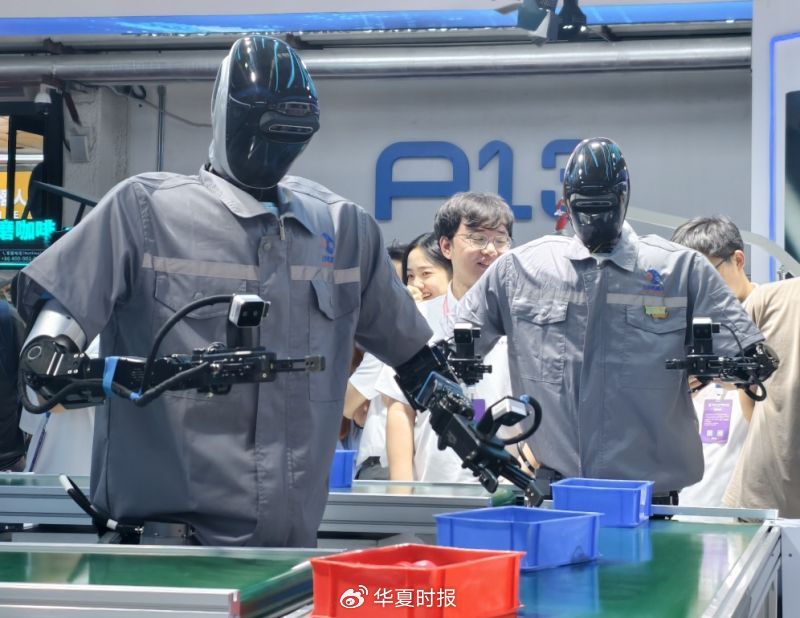
AI的下一个突破口在哪
Bei Jing Shang Bao· 2025-12-10 13:12
Core Insights - The report indicates that AI is transitioning from the "tool era" to the "partner era" by 2025, with clearer development trends emerging for 2026 [1] Group 1: Infrastructure and Computing Power - The report emphasizes that computing power is the primary engine of the intelligent industry, with unprecedented global demand for AI computing power driving the construction of large-scale data centers [5] - Cloud computing vendors are shifting investments from traditional general computing resources to dedicated computing infrastructure that meets AI demands, evolving their partnerships with AI companies into deep strategic collaborations [5] - The demand for AI is reshaping chip innovation, with a significant market opening up for new opportunities in chip technology, challenging the dominance of GPUs and promoting the adoption of NPUs and custom chips [6] Group 2: Model Innovation - Pre-training determines the hierarchy of large models, while architectural innovation influences pre-training levels, with hybrid expert models becoming mainstream due to their cost-effective design [7] - By 2025, large models will enter a "reasoning time," with continuous breakthroughs in multi-modal deep reasoning and adaptive reasoning frameworks [7] Group 3: Embodied Intelligence and Applications - There is a growing trend in the research and development of physical AI and embodied intelligence, with significant orders being placed for humanoid robots, indicating a shift towards broader application exploration [8] - The report highlights that AI is reshaping traffic entry points, transitioning from "people finding services" to "services finding people," which is becoming the next generation of interaction paradigms [10] - The emergence of lightweight models and edge computing technologies is facilitating the proliferation of AI capabilities in devices such as smartphones, cars, and IoT devices, addressing key issues of data privacy and cost efficiency [10]
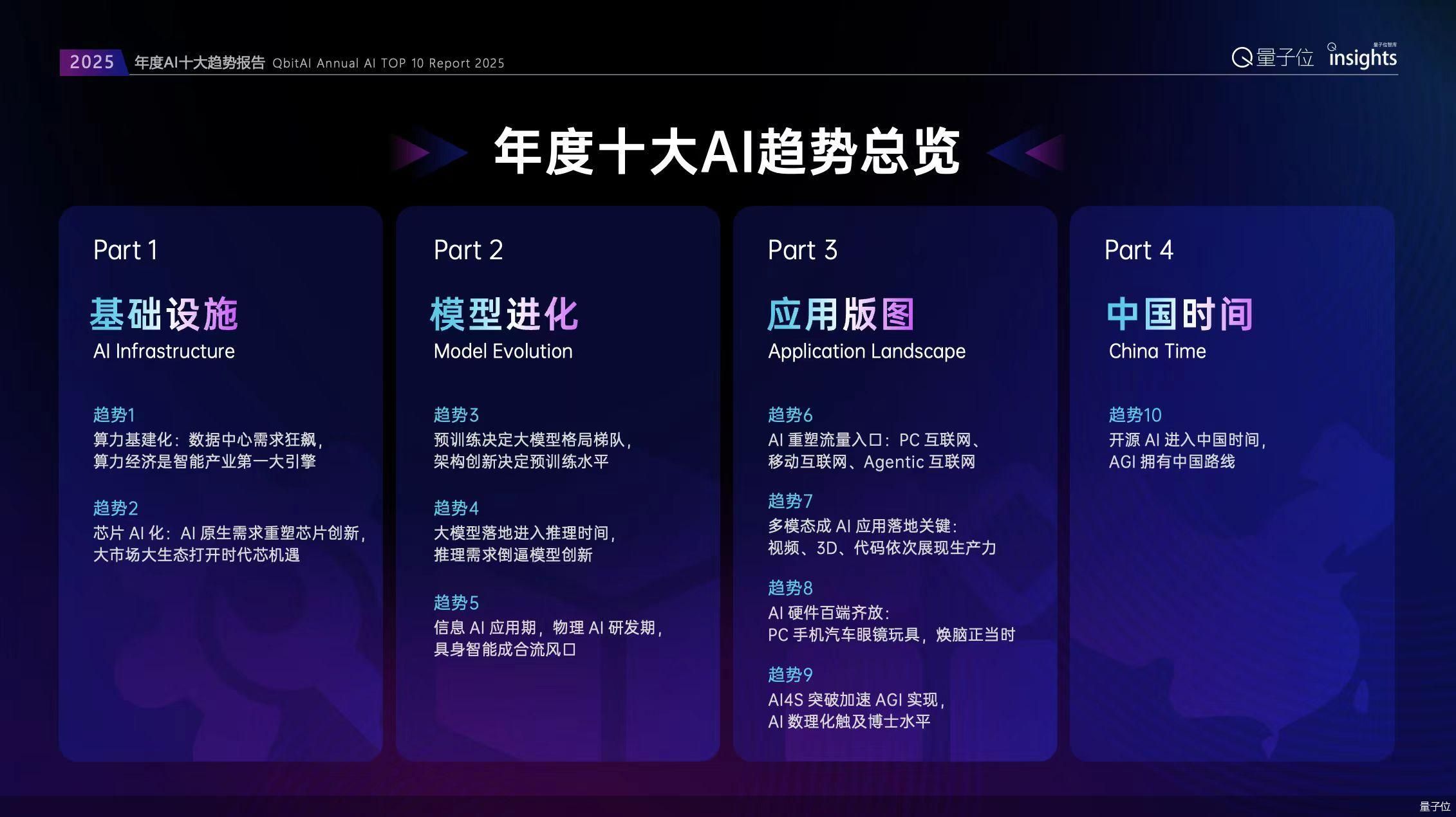
《硬核AI客》首期来袭:深入创新腹地,链接技术与人
Xin Lang Cai Jing· 2025-12-10 04:32
Core Insights - The article emphasizes the rapid transition of Chinese AI companies from deep technology research to practical applications, driven by policy support and market demand [1][5] - The program "Hardcore AI Guest" aims to provide in-depth insights into the AI industry, helping investors navigate the complex market landscape and understand the real-world applications of AI technology [1][5] Program Overview - "Hardcore AI Guest" is a deep exploration program focused on the AI sector, utilizing a unique format that combines a host with top institutional experts for immersive visits and sharp dialogues [3][7] - The first episode focuses on humanoid robots, featuring a visit to the leading company UBTECH, where the host and an economist will observe the innovation journey of the Walker S2 industrial humanoid robot [3][7] Key Discussions - The program will include a deep dialogue with UBTECH's Chief Brand Officer, addressing critical industry topics such as technological breakthroughs, the logic behind an 800 million yuan order, and the impact of large model developments on industrial applications [4][8] - The economist will provide three key judgments on the humanoid robot industry's technology validation progress, commercialization prospects, and potential challenges, offering viewers a comprehensive industry insight [4][8] Industry Context - The AI industry is on the brink of explosive growth, with increasing interest in the practical applications of AI technologies, particularly in humanoid robotics [1][5] - The program aims to bridge the gap between AI technology and industry practice, presenting a clearer picture of the development pulse of China's AI sector [4][8]
优必选获2.64亿人形机器人订单,全年订单超11亿元
Xin Lang Ke Ji· 2025-11-25 23:00
Group 1 - Company Ubtech Robotics announced a successful bid for a humanoid robot project in Fangchenggang, Guangxi, with a contract value of 264 million yuan [1] - The project will focus on the application of humanoid robots in various sectors including passenger guidance, patrol inspection, logistics, commercial services, and facility inspection in large manufacturing bases for steel, copper, and aluminum [1] - As of now, the total order value for Ubtech's Walker series humanoid robots is projected to reach 1.1 billion yuan by 2025, excluding other robot models [1] Group 2 - The main product for the project is the latest industrial humanoid robot, Walker S2, which features autonomous battery swapping capabilities [1] - The expected delivery date for the order is in December [1]