
Yang Guang Wang

Search documents
海南全岛封关!更开放的海南有哪些“零关税”大礼包?
Yang Guang Wang· 2025-12-18 09:43
Group 1 - The implementation of new policies in Hainan Free Trade Port starting December 18 marks a significant step in its development, including tax policies for goods, import tax item catalog, and customs regulations [1] - The "one line open, one line controlled, and island free" concept indicates that imported goods will have zero tariffs, while measures will be in place to prevent smuggling and tax evasion between Hainan and the mainland [1] - The expansion of the zero-tariff product list from 1,900 to approximately 6,600 items, covering about 74% of all product tax categories, represents a 53% increase compared to before the closure [2] Group 2 - The "processing value-added 30% domestic sales tax exemption" policy is particularly attractive for manufacturing enterprises, allowing them to avoid import tariffs on high-value goods processed in Hainan [3] - Companies like Hainan Oscar International Grain and Oil Co., Ltd. are already benefiting from these policies, enabling them to meet the requirements for tariff exemptions and expand their international market reach [3] - The upgraded "duty-free" policy, effective from November 1, allows for a broader range of duty-free products and lowers the threshold for foreign talent to work in Hainan, with personal income tax capped at 15% [3][4] Group 3 - The gradual process of full closure operation in Hainan is ongoing, with continuous improvements in infrastructure and services expected to attract more businesses [4] - The openness of Hainan's policies is anticipated to create new growth opportunities for enterprises, showcasing a more "free and convenient" environment to the world [4]
空调竖着挂 电视推着跑 家电“变形”不走寻常路
Yang Guang Wang· 2025-12-18 09:17
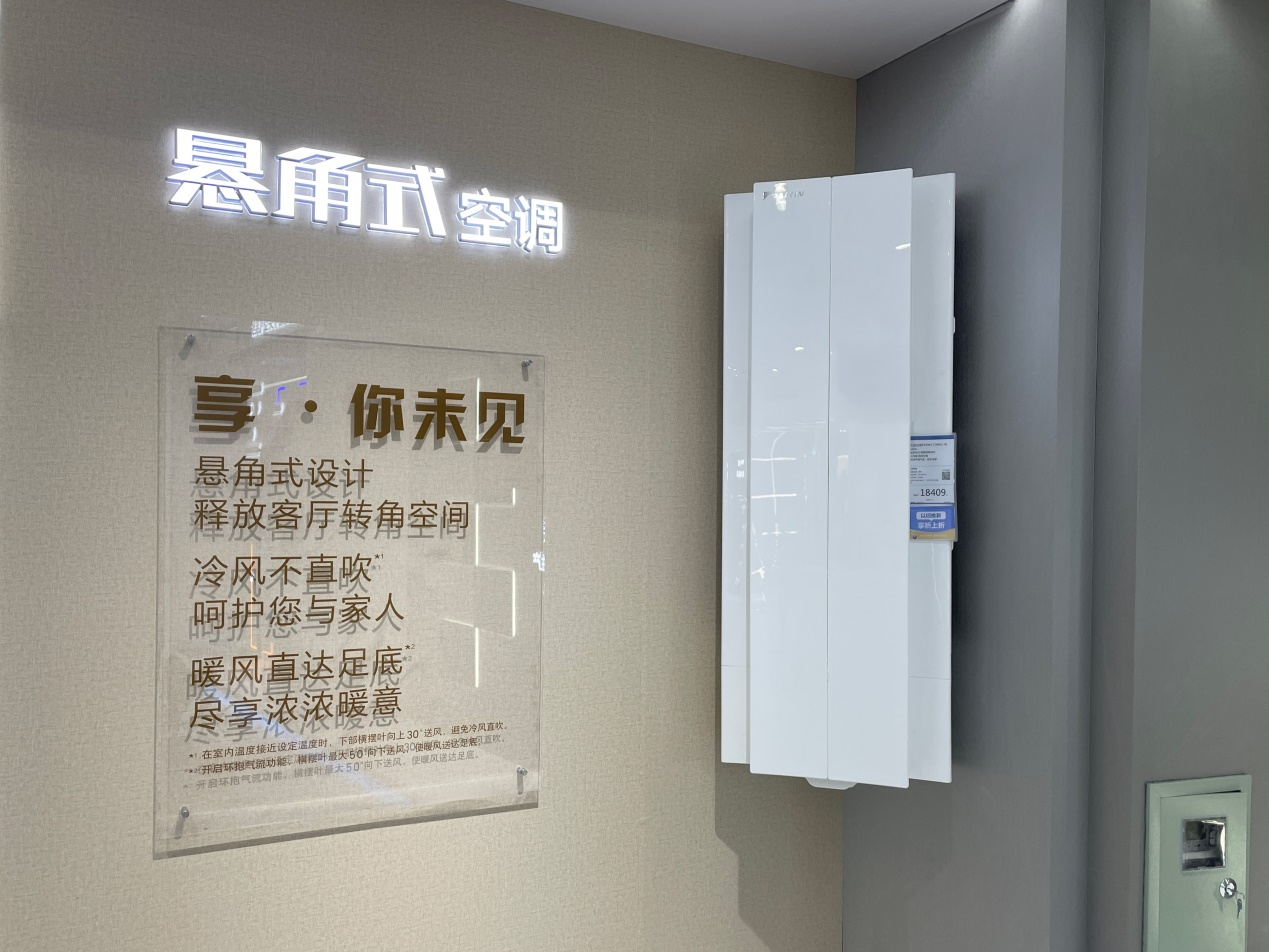
Core Insights - The traditional perceptions of home appliances are being challenged, with innovative designs emerging that enhance functionality and aesthetics [1][3][7] Group 1: Product Innovations - Air conditioners are now designed to be corner-mounted, saving 0.5-0.8 square meters of floor space while providing more even temperature distribution [3] - The "magic tea table" heater combines heating and cooking functions, creating a cozy atmosphere for family gatherings [5] - The "dual washing station MAX" integrates six cleaning functions into a single unit, optimizing space and streamlining household chores [3][7] Group 2: Consumer Feedback - Consumers report significant improvements in quality of life due to these innovations, with products like the "magic tea table" and "mobile TV" enhancing family interactions and convenience [5] - The "mobile TV" allows for versatile use across different rooms, catering to various family needs [5] Group 3: Market Trends - Sales data from Suning shows a 184% year-on-year increase in the sales of the "mobile TV," and a 233% increase for kitchen air conditioners designed to address cooling challenges [7] - The introduction of over a hundred new trend products during the Double 11 shopping festival, along with substantial subsidies, indicates a strong market response to these innovative appliances [7] Group 4: Industry Outlook - The recent policy from the Ministry of Industry and Information Technology emphasizes the need for innovation in smart home products, supporting the trend towards scenario-based, intelligent, and user-friendly appliances [7] - Future competition in the home appliance sector will increasingly depend on understanding user lifestyles and developing comprehensive solutions [7]


信也科技携手顶尖学者深度对话 共探AI新范式
Yang Guang Wang· 2025-12-18 09:17
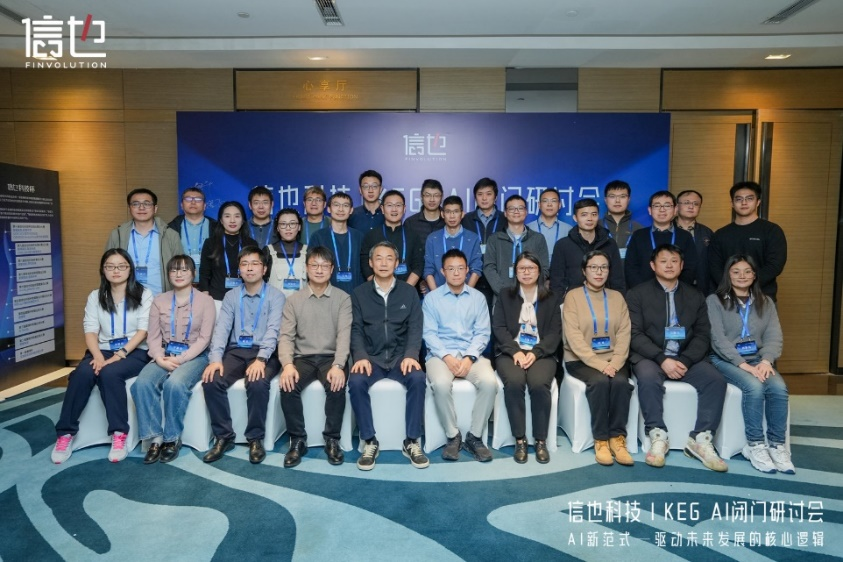
Group 1 - The core theme of the closed-door seminar hosted by Xinyi Technology is "AI New Paradigm - The Core Logic Driving Future Development," focusing on how AI technology transitions from a tool to a systemic capability in the era of large models, significantly reshaping the fintech business [1][2] - The seminar featured over 20 top academic experts from various universities, including Tsinghua University and Zhejiang University, discussing the integration of cutting-edge technology with real industry scenarios to explore feasible paths for high-quality development [2][3] - Xinyi Technology's COO and CTO, Wang Yuxiang, emphasized that the essence of the new AI paradigm lies in deeply empowering business logic, necessitating a systematic reconstruction of the underlying architecture rather than merely stacking model capabilities [4][6] Group 2 - Xinyi Technology's AI construction direction includes building a centralized model layer, resource layer, and application layer on top of hardware, utilizing commercial large models and proprietary models to create a business-oriented Agent platform [4] - The company’s multilingual intelligent robot, Blu, currently serves over 5 million times daily across 9 countries, exemplifying the systematic empowerment of business through AI technology [4] - A joint announcement was made to initiate the compilation of the "Intelligent Leadership Global: Financial Technology AI Evolution White Paper," which will summarize experiences in integrating AI technology into core business operations across different global markets and regulatory environments [6][8] Group 3 - The white paper aims to provide reusable and practical technical methodologies based on Xinyi Technology's global operational experiences, focusing on how AI technology can be applied effectively while balancing innovation and compliance [8] - The seminar also highlighted the shift in AI application from "discriminative" to "generative," advocating for a comprehensive perception and decision-making approach across the entire business chain [6] - Xinyi Technology plans to continue promoting deep collaboration between industry, academia, and research, exploring long-term development paths for fintech under the new AI paradigm [8]
腾讯新闻何毅进:AI 时代 从“内容平台”进化为“可信生态”
Yang Guang Wang· 2025-12-18 09:17
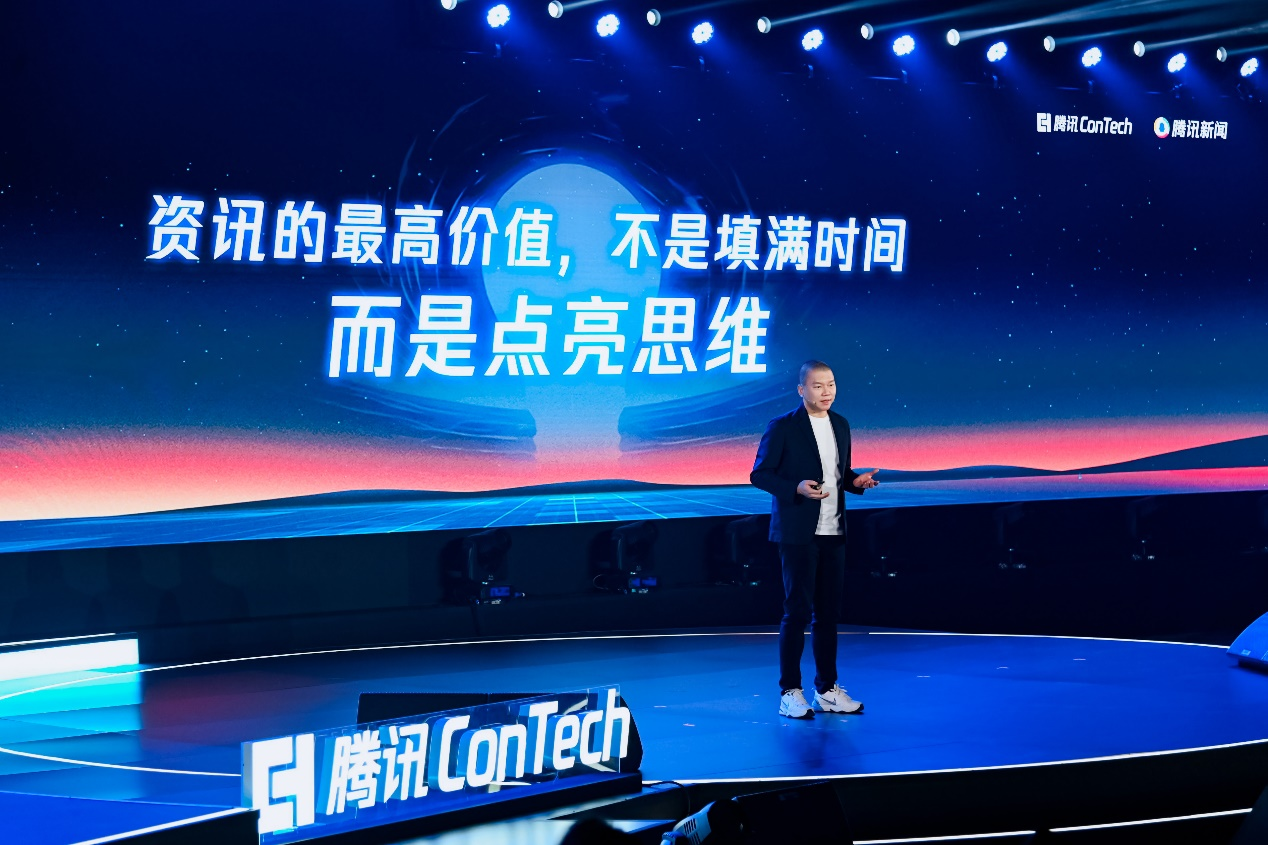
Core Insights - The article emphasizes the dual nature of AI in the information industry, highlighting the challenges of misinformation and cognitive limitations while advocating for a shift towards trustworthy and collaborative information ecosystems [1][2]. Group 1: Trustworthiness as a Foundation - Trustworthiness is identified as the most scarce resource in the AI era, necessitating a credible content ecosystem where each content account has a dedicated quality score that can dynamically change based on content quality [2]. - A mechanism for fact-checking is proposed, utilizing AI capabilities to cross-verify content and monitor the spread of misinformation, thereby assisting human experts in identifying deep fakes and misleading information [2]. Group 2: User Experience and Transparency - Future information products should incorporate features for "information traceability," allowing users to verify the original sources of key facts and data, thus enhancing their ability to assess information accuracy [3]. Group 3: Collaborative Empowerment - Information products must evolve from mere information providers to cognitive collaborators, organizing information into coherent narratives that provide context and connections, thereby reducing cognitive barriers for users [4]. - The article suggests that information products should present multiple perspectives on contentious issues, encouraging users to engage with diverse viewpoints and develop empathy [4]. Group 4: Stimulating Curiosity and Engagement - The article outlines practical tools to enhance user engagement, such as visual aids for data news, logic fallacy highlighting, and interactive features that allow users to pose questions and explore hypothetical scenarios [5][6]. - Tencent News has already made significant strides in implementing these concepts, having removed 95% of low-quality content over the past four years and providing extensive fact-checking services [6]. Group 5: Future Direction of the Industry - The overarching goal is to build a credible ecosystem, become cognitive collaborators, and encourage critical thinking, positioning Tencent News as a leader in navigating the challenges posed by the AI wave in the information industry [6].
透视11月数据 3个关键词锚定明年经济工作
Yang Guang Wang· 2025-12-18 07:08
透视11月数据 3个关键词锚定明年经济工作 第一个关键词:服务消费。身边抢演唱会门票、打卡文旅展览的人越来越多,这个现象并非偶然,而是 消费升级的必然!国家统计局数据显示,1-11月份,服务零售额同比增长5.4%,增速比上月加快0.1个 百分点,连续3个月回升,而且快于商品零售额增速。同时,1-11月份,文体休闲服务类、通讯信息服 务类零售额均保持两位数增长。比如,从周末滑雪的雪票,到晚间追剧的视频会员,这些看似日常的消 费选择,实则是居民"悦己型"服务消费需求释放的生动注脚。 国家统计局新闻发言人透露,未来将持续加大对教育、医疗、住房、基本公共服务等民生保障领域的投 入。 实际上,这与今年中央经济工作会议所强调的"投资于物和投资于人紧密结合"的要求一脉相承。国家推 进教育资源优化、稳岗增收、完善社保,就是在给大家"充电赋能"。人的能力提升了,收入持续增加, 才能敢消费、会消费,从而支撑新质生产力发展。毕竟,人工智能、高端制造等赛道,终究拼的还 是"人的智慧和创造力"。 总之,投资于人提升能力,能力带动服务消费升级,消费带动提质增效,这不仅是11月经济数据传递出 的信号,更是中央定调的明年经济发展主线和工作方 ...
中国中医科学院西苑医院建院70周年 高质量发展论坛召开
Yang Guang Wang· 2025-12-18 06:31
Group 1 - The forum celebrated the 70th anniversary of Xiyuan Hospital, focusing on the high-quality development of traditional Chinese medicine (TCM) [1] - Xiyuan Hospital, established by the Central People's Government, has a history deeply rooted in the "national team" spirit, emphasizing its commitment to innovation and historical responsibility [1] - The hospital aims to continue its mission of serving the public, benefiting the nation, and contributing to global health [1] Group 2 - A roundtable discussion featured prominent figures in TCM, emphasizing the need for clinical practice-based innovation and the integration of traditional wisdom with modern technology [2] - Awards were presented to distinguished individuals for their lifetime achievements and contributions to the development of the hospital [2] - The forum included multiple sub-forums focusing on the integration of TCM and Western medicine, technological innovation in TCM, and the education and transmission of TCM knowledge [2]
学习贯彻党的二十届四中全会精神丨内蒙古、福建、重庆、共青团中央开展形式多样的宣讲 推动全会精神深入基层、见行见效
Yang Guang Wang· 2025-12-18 02:47
共青团福州市鼓楼区委员会书记王均杰:我们深刻领悟"两个确立"的决定性意义,坚决做到"两个 维护",以自身的坚定信念和实际行动,引导广大青年把个人理想融入到中国式现代化建设的伟大事业 中,让青春在奋斗中绽放光彩。 央广网北京12月18日消息 据中央广播电视总台中国之声《新闻和报纸摘要》报道,连日来,内蒙 古、福建、重庆和共青团中央,结合各自实际,组织开展形式多样的基层宣讲,让党的二十届四中全会 精神在基层落地落实、见行见效。 内蒙古统筹自治区、盟市、旗县三级宣讲力量,发挥"理论学习轻骑兵"等宣讲队伍扎根基层的优 势,结合受众特点,用基层群众喜闻乐见的方式,回应百姓关切,推动宣讲走深走实。 内蒙古呼和浩特市新城区新悦社区党委书记计麟:全会提出加强普惠性、基础性、兜底性民生建 设,解决好人民群众急难愁盼问题,让我们深深感受到习近平总书记的为民情怀。下一步,把全会精神 转化为服务群众的实际行动,精准对接居民需求、高效解决百姓急难愁盼问题,努力建好居民满意的幸 福家园。 福建组织理论宣讲专家、青年宣讲员等,深入党政机关、街道社区,开展对象化、互动式基层宣 讲。福州的青年宣讲员围绕奋进"十五五"主题,结合年轻群体可感可知 ...
新思想引领新征程丨海南自贸港正式启动全岛封关 高水平对外开放迈出新步伐
Yang Guang Wang· 2025-12-18 02:47
在海南岛西北部的洋浦港,小铲滩码头数台高大的岸桥正在进行装卸作业,港内集装箱运输车沿着 既定路线穿梭往返。这里承接着海南岛超七成的进口货物量,是连接世界与中国市场的前沿门户。 作为海南自贸港的"样板间",洋浦港推出一系列通关创新举措,让国际船舶靠港离港效率大幅提 升。 洋浦边检站边防检查处处长谢锋:我们根据"无感通关"的要求,推出了保税燃油快速通关法,以及 洋浦港籍国际航行船舶一系列便利措施。我们将执勤点前移了9公里,在3个码头设立了3个执勤点,民 警24小时驻守,为船员办理上下船手续,提高了效率。 央广网北京12月18日消息(记者熊传刚 朱永 刘会民)据中央广播电视总台中国之声《新闻和报纸 摘要》报道,建设海南自由贸易港,是习近平总书记亲自谋划、亲自部署、亲自推动的改革开放重大举 措。习近平总书记强调,建设海南自由贸易港的战略目标,就是要把海南自由贸易港打造成为引领我国 新时代对外开放的重要门户。 自12月18日起,海南自贸港正式启动全岛封关。这是我国坚定不移扩大高水平对外开放、推动建设 开放型世界经济的标志性举措。随着自贸港建设扎实推进,海南迎来前所未有的发展机遇,宏伟蓝图正 一步步变为美好现实。 随着" ...
晶采观察丨透视11月数据 3个关键词锚定明年经济工作
Yang Guang Wang· 2025-12-18 02:16
Group 1 - The core focus of the article is on the three key areas that will drive China's economic development in the coming years: service consumption, quality improvement, and investment in people [1][4] - Service consumption is experiencing significant growth, with retail sales in the service sector increasing by 5.4% year-on-year from January to November, outpacing the growth of goods retail sales [1][2] - The central economic work conference emphasizes the importance of domestic demand and the development of a strong domestic market, with service consumption being a crucial factor in unlocking China's market potential [2][3] Group 2 - Quality improvement is highlighted as essential for economic growth, with digital technologies enhancing service delivery efficiency and promoting new business models like live e-commerce and instant retail [2][3] - Investment in people is identified as a foundational logic for the other two key areas, with a focus on enhancing education, healthcare, housing, and public services to meet the needs of the population [3][4] - The government is expected to continue increasing investments in social welfare sectors, which will support the development of new productive forces and ultimately drive economic growth [4]
严处重罚药品领域垄断案,查处平台企业“二选一”……民生领域反垄断执法助力构建良性竞争的市场秩序
Yang Guang Wang· 2025-12-17 15:43
Core Viewpoint - The article emphasizes the importance of antitrust enforcement in maintaining fair competition and protecting the rights of consumers, highlighting the efforts made by the State Administration for Market Regulation (SAMR) in addressing monopolistic practices in various sectors, particularly in the pharmaceutical and public utility industries [1][2]. Pharmaceutical Sector - Over the past three years, SAMR has investigated 12 cases of monopolistic agreements and abuse of market dominance in the pharmaceutical sector, resulting in fines exceeding 2.4 billion yuan [1]. - The average penalty for these cases was 5% of the previous year's sales revenue, with an average fine of over 200 million yuan [1]. - Specific cases, such as the monopolistic behavior related to the drug "甲硫酸新斯的明注射液," resulted in a maximum penalty of 10% of the previous year's sales revenue, demonstrating a strict enforcement approach [2]. Public Utilities - The public utility sector has been a significant focus, with 16 cases of monopolistic practices leading to fines totaling 183 million yuan [2]. - The investigation into the bottled liquefied gas market in Nanjing revealed a collusion among 10 companies to fix prices, resulting in a penalty of 8.27 million yuan [2]. - SAMR aims to restore fair competition in public utilities, which are characterized by natural monopolies, thereby reducing living costs for consumers [3]. Platform Economy - SAMR has addressed monopolistic practices in the platform economy, including cases of "二选一" (choose one of two) and algorithmic pricing disparities, indicating a need for improved compliance awareness among platform enterprises [3][4]. - The introduction of the "Internet Platform Antitrust Compliance Guidelines" aims to identify and mitigate new forms of monopolistic risks, such as algorithm collusion and below-cost sales [4]. - SAMR encourages platforms to develop transparent algorithms to protect the interests of merchants and consumers [4]. Innovative Enforcement Measures - In addition to strict penalties, SAMR is exploring innovative "soft measures" for antitrust enforcement, such as the "Three Letters and One Letter" system, which includes notifications and reminders to encourage compliance [4]. - Recent actions, such as the public interview with the company "货拉拉," highlight SAMR's proactive approach to ensuring compliance with antitrust laws and protecting the interests of stakeholders [4].