Hua Xia Shi Bao

Search documents
突发!为夺取格陵兰岛,特朗普对欧洲8国加征关税!马克龙:不可接受 将捍卫欧洲主权
Hua Xia Shi Bao· 2026-01-18 00:41
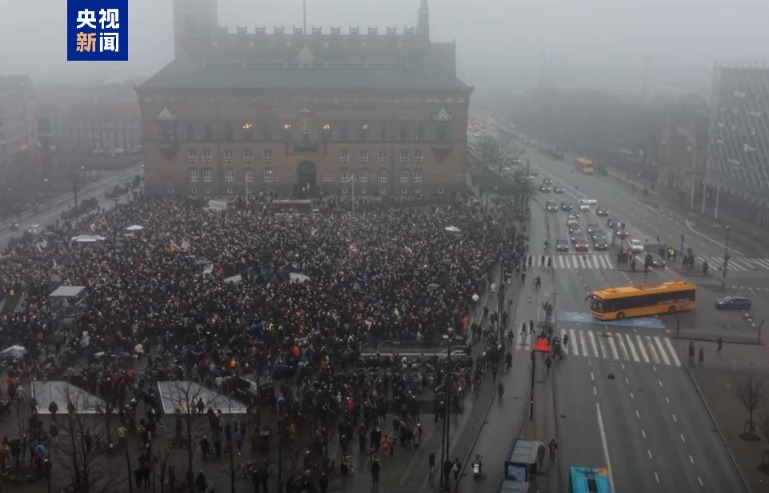
Core Viewpoint - Protests in Denmark and Greenland against the U.S. claims over Greenland, with significant backlash from European leaders regarding the proposed tariffs by the U.S. [1][3][5] Group 1: Protests and Reactions - Protests occurred in multiple locations, including Nuuk and Copenhagen, with significant participation from political leaders emphasizing Greenland's autonomy [6][7] - Danish Tax Minister expressed strong support for Greenland, stating that Greenland will not be sold [7] - Protests also took place in other Danish cities, indicating widespread public dissent against U.S. actions [7] Group 2: U.S. Tariff Threats - President Trump announced a 10% tariff on goods from Denmark and other European countries starting February 1, increasing to 25% by June 1, contingent on the purchase of Greenland [3][5] - European leaders, including the UK Prime Minister and Danish Defense Minister, condemned the tariff threats as unacceptable [9][11] Group 3: International Law and Stability - Experts criticized the U.S. actions as violations of international law, arguing they undermine regional stability and challenge global governance [12][14] - The unilateral approach of the U.S. is seen as detrimental to its international influence and respect among other nations [14]

2025年GDP前瞻:全年5%左右目标可完成 国务院领导密集下地方调研
Hua Xia Shi Bao· 2026-01-18 00:41
Economic Outlook - The Chinese economy is expected to show resilience in 2025, with a projected growth rate of around 5% for the year, supported by various government initiatives and policies aimed at innovation and stability [1] - Predictions indicate that the economic growth rate will gradually recover from 4.5% in Q4 2025 to 5.1% by the end of 2026, with an overall annual growth rate of approximately 4.8% [3] Policy Initiatives - The Chinese government is focusing on technology innovation and industrial transformation, with key leaders emphasizing the importance of these areas during local inspections [1] - The National Development and Reform Commission has announced a budget of 295 billion yuan for early 2026 projects, with a significant portion allocated to infrastructure and urban development [6] Consumer Behavior - There is a noted recovery in consumer sentiment, although challenges remain due to income levels and expectations [2] - The upcoming Spring Festival is expected to boost service consumption, with historical data indicating that tourism revenue during this period significantly contributes to quarterly averages [4] Investment Strategies - The emphasis on "investment in people" alongside "investment in material" is highlighted as a crucial strategy for achieving common prosperity and addressing demographic challenges [8] - Recommendations include debt restructuring and enhancing fiscal sustainability to support social welfare initiatives [7]
百万平供应冲击下 深圳写字楼空置率已超三成 豪宅成全年楼市“稳定器”
Hua Xia Shi Bao· 2026-01-18 00:41
Core Insights - In 2025, Shenzhen's real estate market exhibited a contrasting performance characterized by significant supply and differentiated demand, leading to a high vacancy rate of 31.4% despite a record net absorption of 664,000 square meters in the Grade A office sector [1][3][7] Group 1: Grade A Office Market - The Grade A office market in Shenzhen saw a substantial supply increase with 1.182 million square meters added, marking a 9.4% year-on-year growth in total stock to 12.843 million square meters [3] - The net absorption reached a four-year high of 664,000 square meters, exceeding the five-year average by 16.9% [3] - Despite high absorption, the vacancy rate remained elevated at 31.4%, reflecting ongoing structural challenges in the market [3][4] Group 2: Retail Property Market - The retail property market displayed a "two extremes" scenario, with premium projects thriving while secondary locations faced leasing challenges, resulting in negative net absorption in some areas [5][6] - Total retail supply reached 825,000 square meters, an 11.2% increase year-on-year, with a cautious approach from brands in opening new stores [5] - Rental trends varied significantly, with premium projects experiencing stable or rising rents, while some older projects had to reduce rents to retain tenants [6] Group 3: Residential Market - The residential market saw a decline in overall supply by 11% to 3.5 million square meters, with transaction volume dropping by 24.2% to 3.785 million square meters [7][9] - High-end luxury properties experienced a surge in demand, with average transaction prices stabilizing at 54,765 yuan per square meter, reflecting a narrowing decline of 7.3 percentage points year-on-year [7][8] - The luxury market's growth contrasted sharply with the subdued performance of the mass housing sector, which faced significant challenges in absorption and pricing [9][10][11] Group 4: Market Outlook - The outlook for 2026 suggests continued substantial supply, potentially exceeding one million square meters, with total stock expected to rise to nearly 14 million square meters [4] - The upcoming APEC conference and ongoing policy benefits are anticipated to create new opportunities for technology and high-end manufacturing sectors, supporting office demand [4]
“最懂安徽的券商”拟控股华富基金,“含基量”提升能给券商带来多少财富?
Hua Xia Shi Bao· 2026-01-17 08:20
Core Viewpoint - Huazhong Securities plans to increase its stake in Huafu Fund from 49% to 51% by investing 26.46 million yuan, marking a significant shift from a major shareholder to a controlling shareholder, which aligns with its wealth management strategy transformation [2][4]. Group 1: Investment Details - The investment will allow Huazhong Securities to gain a rare public fund license, completing its "securities + public fund + asset management" business chain [2]. - The board meeting to approve the capital increase is scheduled for January 12, 2026, with the new registered capital being 10.2041 million yuan [2]. - After the capital increase, the shareholding structure will adjust, with Anhui Credit Guarantee Group's stake decreasing from 27% to 25.94%, and Hefei Xingtai Financial Holding Group's stake decreasing from 24% to 23.06% [3]. Group 2: Financial Performance and Valuation - As of July 31, 2025, Huafu Fund's total equity value is assessed at 648.309 million yuan, with a net asset of 705 million yuan as of September 30, 2025 [4]. - The fund reported a revenue of 254 million yuan and a net profit of 19.2187 million yuan for the first nine months of 2025, reflecting a value increase of 8.5428 million yuan, with a growth rate of 1.34% [4]. Group 3: Strategic Implications - The acquisition of the public fund license is seen as a critical move for enhancing control over Huafu Fund, optimizing wealth management layout, and improving asset allocation service capabilities [4]. - The competition for public fund licenses is driven by the need for wealth management transformation, regulatory compliance, and the trend of residents moving their savings [4]. - Huafu Fund has surpassed 100 billion yuan in asset management scale, managing 180 funds and ranking 31st among 106 comparable fund management companies [7].


亏了700亿美元之后,Meta向元宇宙“挥刀”
Hua Xia Shi Bao· 2026-01-17 07:36
Core Insights - The concept of the metaverse, once seen as the "future of the internet," is now viewed as a burden, with Meta announcing a 10% layoff in its Reality Labs division, affecting around 1,500 employees, as it shifts resources from the metaverse to AI [2][4] - Over the past five years, Meta's metaverse business has incurred losses exceeding $70 billion, with a single-year loss of $13.2 billion in 2024 against revenues of only $2.1 billion [3][4] - The decline of the metaverse reflects a broader trend of capital retreating from overly optimistic expectations to a more pragmatic approach in the tech industry [5] Financial Performance - Reality Labs has accumulated losses of over $70 billion in five years, with 2024 alone seeing a loss of $13.2 billion and revenues of only $2.1 billion [3] - The Quest VR headsets have sold millions, but user engagement is low, with many users abandoning the devices after minimal use [3] - Horizon Worlds has seen a drastic drop in active users, from 3 million at launch to fewer than 150,000 by the fourth quarter of 2024 [3] Strategic Shift - Meta plans to cut up to 30% of its metaverse-related budget and halt collaborations for the Horizon OS system, reallocating resources to AI [4] - The layoffs primarily target core developers in the metaverse projects, including game designers and VR engineers, with several VR game studios being shut down [4] - The shift towards AI is seen as a response to the immediate need for efficiency in Meta's core advertising business, contrasting with the long-term investment required for the metaverse [4] Industry Trends - Major tech companies, including Microsoft and Disney, are also retreating from metaverse initiatives, indicating a collective industry shift away from the concept [6] - The metaverse faces significant challenges due to technological maturity, business models, and content ecosystems, with a lack of compelling applications that provide unique value [7][8] - The rise of AI is creating a stark contrast, as it requires less user investment and offers immediate benefits, while the metaverse demands higher time and resource commitments from users [8][9] Future Outlook - Experts suggest that the metaverse's breakthrough will depend on developing a "killer application" in a specific vertical that can drive market adoption [7] - The integration of AI technologies is crucial for enhancing content creation efficiency and addressing the cost barriers in the metaverse [9] - Future advancements in hardware and the establishment of open industry standards are necessary to create a cohesive digital world, moving beyond isolated platforms [9]


80多家央企“一把手”2024年年薪披露:最高近百万元, 能源通信行业居前
Hua Xia Shi Bao· 2026-01-17 05:17
Core Viewpoint - The recent disclosure of salary information for over 80 central enterprises by the State-owned Assets Supervision and Administration Commission (SASAC) highlights the structure, level, and distribution of executive compensation, reflecting a commitment to transparency and accountability in state-owned enterprises [2][3]. Salary Structure and Distribution - The highest annual salary for a central enterprise leader in 2024 is 978,500 yuan, held by the chairman of PetroChina, Dai Houliang, followed closely by the former chairman of China Mobile at 972,100 yuan and the former chairman of CNOOC at 966,900 yuan, all from the energy and communication sectors [3]. - Overall, the salary distribution among central enterprise leaders shows a clear stratification, closely related to the industry characteristics and operational challenges, with energy and communication sectors leading in compensation [4]. - Leaders of energy and power central enterprises, such as Huaneng Group and China Southern Power Grid, have salaries exceeding 950,000 yuan, while those in construction, manufacturing, and logistics typically earn between 600,000 and 950,000 yuan, and those in public service sectors earn between 400,000 and 600,000 yuan [3][4]. Industry Differences - There are significant salary disparities among central enterprises based on industry, with energy and communication sectors commanding higher salaries due to their monopolistic nature and substantial impact on the national economy, while sectors like forestry and pharmaceuticals, which focus on social welfare, tend to have lower compensation levels [4]. - Some central enterprises involved in overseas operations, such as China Resources Group, have additional overseas allowances that increase their overall compensation, with the highest total compensation reaching 1,351,200 yuan [4]. Salary Reform and Mechanism - The salary structure for central enterprise leaders consists of a basic salary, performance-based salary, and long-term incentive income, with performance evaluations directly influencing compensation [5][9]. - The 2024 salary determination aligns with the SASAC's performance reform direction, ensuring that compensation is closely tied to performance, with a significant portion of salaries being variable based on performance outcomes [9][10]. - The mechanism for salary determination includes comprehensive assessments of various factors, including safety, social responsibility, and innovation, with penalties for significant operational failures [10]. Transparency and Accountability - The recent salary disclosure is part of ongoing efforts to enhance transparency and accountability in central enterprises, with detailed public reporting of executive names, positions, salaries, and benefits [10]. - To improve public trust, it is suggested that the disclosure should also include the rationale behind salary structures and performance evaluations, not just the figures [10].





剥离贸易“旧壳”、注入铁矿“新核”,重组动态催生五矿发展二连板
Hua Xia Shi Bao· 2026-01-17 03:01
Core Viewpoint - The recent asset restructuring of Wukuang Development marks a significant shift from a trading intermediary to a major player in iron ore resources, reflecting the value of central enterprise resource integration in the market [2][3]. Group 1: Restructuring Overview - Wukuang Development plans to replace its existing trading assets with 100% equity stakes in Wukuang Mining and Luzhong Mining through asset swaps and private placements [2][5]. - The restructuring aims to address the low-profit margins of the trading business, which have been below 5%, compared to 15%-20% in upstream black metal mining [3][4]. - The restructuring aligns with national policies that emphasize the strategic importance of iron ore and aims to fulfill long-standing commitments to integrate black metal businesses [5][6]. Group 2: New Business Structure - The restructuring involves a three-step approach: first, divesting low-margin trading assets; second, injecting high-quality iron ore assets; and third, raising funds through share issuance to support the new business model [6][7]. - The injected assets are expected to provide stable cash flows and enhance Wukuang Development's profitability, shifting the focus to resource management [6][9]. Group 3: Market Implications - The transition to a resource-based business model is anticipated to change the company's valuation logic, as resource companies typically enjoy higher PE and PB ratios compared to trading firms [9][10]. - Post-restructuring, key performance indicators will shift to resource reserves, capacity utilization, and cost per ton, which may lead to adjustments in market valuation [10]. Group 4: Challenges Ahead - The restructuring process faces multiple risks, including regulatory approvals and operational integration challenges, particularly due to the management team's lack of experience in the mining sector [11][12]. - The cyclical nature of iron ore prices remains a critical factor, as fluctuations can significantly impact profitability, especially if global steel demand declines [12][13].

资本市场不相信快运业?又一巨头宣布退市
Hua Xia Shi Bao· 2026-01-17 03:01
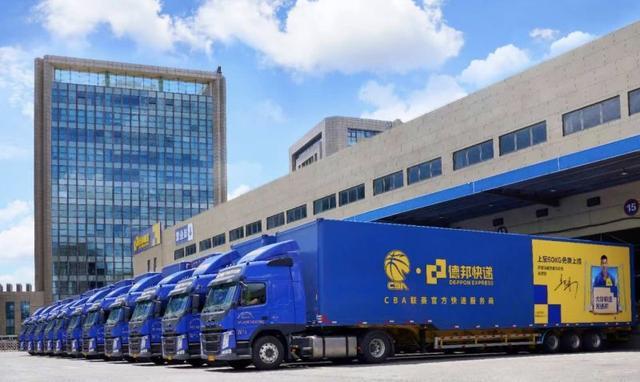
Core Viewpoint - The logistics industry in China is experiencing significant changes, with major players like Debon Logistics and Aneng Logistics opting for privatization and withdrawal from the capital market, indicating a shift in strategy and market dynamics [2][8] Group 1: Company Actions - Debon Logistics announced its decision to voluntarily withdraw its A-share listing on the Shanghai Stock Exchange, following Aneng Logistics' privatization last year [2] - The withdrawal is part of a strategic move to resolve competition issues with JD Logistics, which acquired Debon Logistics [3][4] - JD Logistics plans to offer a cash option to Debon shareholders at a price of RMB 19.0 per share, representing a market capitalization of over 19 billion RMB, with a premium of 35.3% compared to the last trading price [6] Group 2: Market Context - The logistics industry has seen a transition from a fragmented market to increased concentration, with major mergers and acquisitions reshaping the competitive landscape [8] - The current market environment emphasizes comprehensive service capabilities over price competition, necessitating strategic collaborations like that between JD Logistics and Debon Logistics [9] - The decision for Debon to go private aligns with national strategies for high-quality development in the logistics sector, allowing for deeper integration with JD Logistics' resources [10]

降温组合拳火速出手 解码四万亿天量
Hua Xia Shi Bao· 2026-01-17 01:13
Core Viewpoint - The recent regulatory measures in the A-share market aim to cool down speculative trading and maintain market stability, guiding the market towards a "slow bull" trend in the medium to long term [1][3][4]. Market Performance - On January 16, the three major A-share indices experienced collective declines, with the Shanghai Composite Index down 0.26%, Shenzhen Component Index down 0.18%, and ChiNext Index down 0.2% [1]. - The trading volume in the market decreased from nearly 4 trillion yuan to over 2 trillion yuan, indicating a significant reduction in trading activity [1]. Regulatory Actions - The financing margin ratio was raised from 80% to 100% for new financing contracts, a move aimed at controlling the heat of financing funds and preventing the accumulation of leverage trading risks [3][4]. - Major stocks, including招商银行 (China Merchants Bank) and 贵州茅台 (Kweichow Moutai), saw significant sell orders, interpreted as a clear intention to cool the market [3]. Investor Sentiment - The market has seen a resurgence of interest from external funds, with the margin financing balance reaching a historical high of 2.7 trillion yuan [3]. - Analysts believe that the current market environment, characterized by a combination of domestic economic recovery and international fund inflows, supports a positive outlook for A-shares [5][6]. Sector Performance - Sectors such as advanced packaging, semiconductors, and electric grid equipment showed strong performance, while sectors like AI materials and cultural media faced declines [1]. - The market is expected to continue its upward trajectory, driven by structural opportunities in sectors like AI computing, semiconductors, and new energy [9].
L3级自动驾驶商业化落地再提速,元戎启行:2026年力争累计交付突破一百万辆
Hua Xia Shi Bao· 2026-01-16 13:58
Group 1 - By the end of 2025, China's first batch of L3 autonomous vehicles will receive exclusive licenses, marking the transition from technical testing to commercial deployment [2] - In early January 2026, Yuanrong Qixing announced a partnership with a leading international OEM for L3 autonomous driving, representing the first international collaboration of its kind for domestic smart driving companies in 2026 [2] - The introduction of exclusive licenses and international collaboration is seen as a significant milestone, indicating that 2026 will be the year when L3 autonomous driving commercialization truly begins [2] Group 2 - L3 autonomous driving represents a turning point, shifting from driver-assisted systems (L2 and L2+) to highly automated systems where the vehicle takes over driving tasks under specific conditions [3] - The transition to L3 requires higher safety and reliability standards, focusing on environmental perception stability and decision-making predictability [3] - The challenge in moving from L2+ to L3 lies in redefining responsibility; once a system is classified as L3, the responsibility shifts from the driver to the system during its operation [4] Group 3 - Yuanrong Qixing's collaboration with an international OEM is a milestone in China's autonomous driving sector, moving beyond previous partnerships that focused on Robotaxi demonstrations and hardware collaborations [4] - Yuanrong Qixing aims for L4 fully autonomous driving from the outset, emphasizing the system's understanding and judgment capabilities without relying on high-precision maps [5] - The company's city NOA system is designed for nationwide deployment without the need for city-specific adaptations, showcasing its technological advancements [5] Group 4 - In 2025, over 200,000 vehicles equipped with Yuanrong Qixing's assisted driving system are expected to be delivered, involving more than 15 mass-produced models [6] - The collaboration with domestic OEMs allows for faster project rhythms and shorter feature rollout cycles, necessitating efficient communication and delivery mechanisms [6] - The differences in focus between domestic and international OEMs highlight varying approaches to L3 product planning, with domestic firms prioritizing efficiency and rapid iteration, while international firms emphasize safety and regulatory compliance [6]