Hua Xia Shi Bao

Search documents
黄酒破圈记:会稽山换帅“挖角”啤酒,老酒种试新路
Hua Xia Shi Bao· 2026-02-12 03:46
Core Viewpoint - The leadership change at Kuaijishan, a leading Huangjiu producer, aims to leverage the marketing expertise of its new general manager, Tang Guijiang, from the beer industry to address the challenges of regional consumption limitations and to attract younger consumers [3][4][5]. Group 1: Leadership Change - Kuaijishan appointed Tang Guijiang as the new general manager, replacing Yang Gang, with a term of three years [4]. - Tang Guijiang has extensive marketing experience in the beer industry, having held various senior positions at major companies like Budweiser and China Resources Snow Beer [4]. - The appointment is seen as a strategic move to enhance Kuaijishan's market presence and operational capabilities [4][6]. Group 2: Industry Challenges - Huangjiu, represented by Shaoxing Huangjiu, has a long history of about 2,500 years but faces significant regional consumption limitations, with 83% of Kuaijishan's revenue coming from the Jiangsu, Zhejiang, and Shanghai regions as of the first three quarters of 2025 [5][6]. - The industry is characterized by a need for modernization and a shift towards younger demographics, which has become a critical focus for Huangjiu companies [6][7]. Group 3: Strategic Initiatives - Kuaijishan's strategy includes high-end, youth-oriented, and nationwide expansion, addressing the traditional challenges of the Huangjiu market [4][6]. - The company has engaged in cross-industry collaborations, such as partnering with popular influencers and launching new products to attract younger consumers [6][7]. - Despite these efforts, Kuaijishan's revenue growth remains slow, with a revenue of approximately 12.12 billion yuan in the first three quarters of 2025, reflecting a year-on-year increase of 14.12% [6][7]. Group 4: Comparative Analysis - Kuaijishan and another leading Huangjiu producer, Guyue Longshan, are both attempting to leverage beer industry expertise to overcome similar market challenges, albeit through different strategies [7]. - Kuaijishan focuses on internal transformation by integrating beer industry marketing practices, while Guyue Longshan opts for external partnerships to innovate products and reach new consumer segments [7].


非农数据强劲,特朗普点赞!三大指数却集体收跌,美联储降息要黄了?
Hua Xia Shi Bao· 2026-02-12 01:04
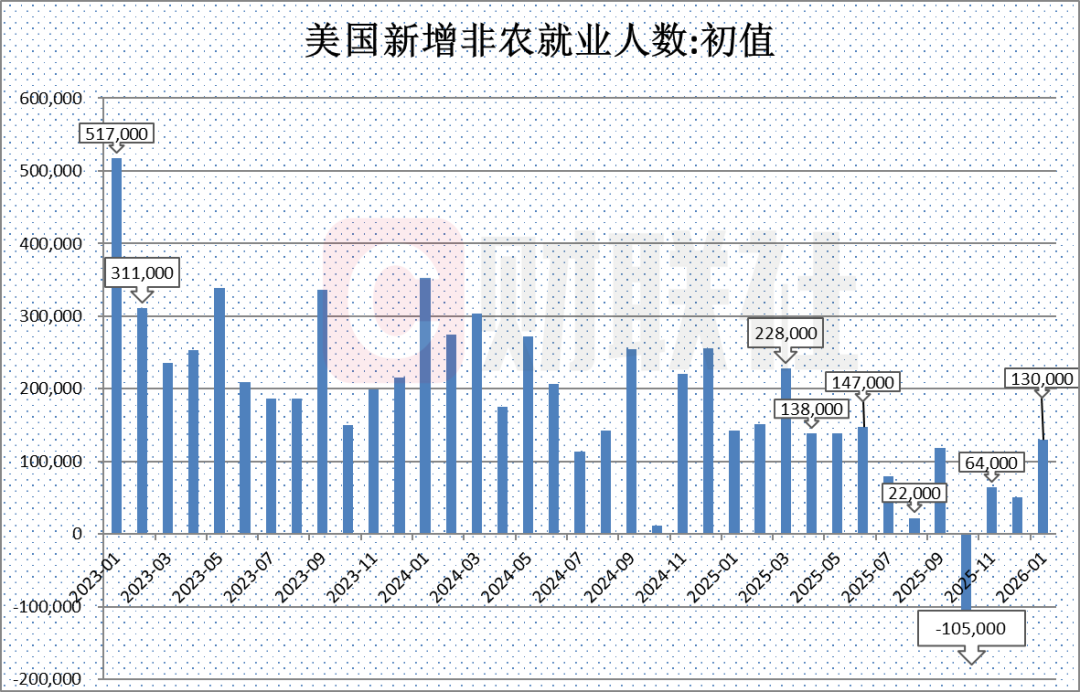
据CME"美联储观察":美联储到3月降息25个基点的概率为5.9%,维持利率不变的概率为94.1%。美联储到4月累计降息25个基点的概率20.5%,维持利率 不变的概率为78.5%,累计降息50个基点的概率为1%。到6月累计降息25个基点的概率为48.1%。 截至收盘,道琼斯指数跌0.13%,报50,121.40点;标普500指数微跌0.34点,报6,941.47点;纳斯达克指数跌0.16%,报23,066.47点。 具体数据显示,经季节性调整后,美国1月非农新增就业岗位13万个,远超市场预期的5.5万人,前值(12月份)被小幅下修至4.8万人。 分析指出,1月就业数据良好意味着美联储短期降息的概率正在降低。数据发布后,交易员已将下次美联储降息的预期时点从6月推迟至7月。据CME"美 联储观察",截至发稿,美联储到3月降息25个基点的概率由19.6%降至6%,维持利率不变的概率已升至94%。 "市场原本带着对疲弱数据的预期,结果却得到了相反的结果。"法国外贸银行美国利率策略主管约翰·布里吉斯(John Briggs)表示,"至于市场对降息的 定价,鉴于美联储对劳动力市场的关注,降息预期正在回落。" 美国重要数 ...
实探!上海小南国一夜全城闭店,股价暴跌沦为“仙股”,曾拥有超过80家门店
Hua Xia Shi Bao· 2026-02-12 00:17
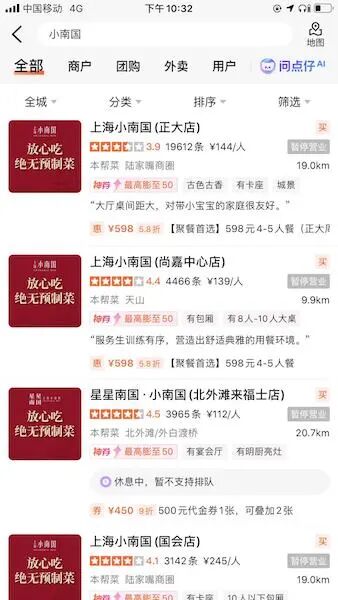
"半年前二楼的小南国就已经关闭了。"企业广场一楼接待人员告诉《华夏时报》记者。 而在1987金融街门店玻璃门上,则贴着两张商场物业的告示,内容显示:"1987小南国在未通知我司的 情况下,于2026年2月6日自行闭店,鉴于该商铺系独立自主运营,品牌自身经营中所办理的储值卡,为 品牌与顾客之间的合约,商场温馨提醒,若有未消费完毕的金额,尽快与店铺进行协商处理。"落款方 为上海金树街商业管理有限公司。另外一份则是解除与上海小南国餐饮管理有限公司的房屋租赁合同, 该门店拖欠商场租赁费用199多万元,并保留通过司法程序追究法律责任的权利。 2月6日晚间,上海知名餐饮企业小南国(03666.HK)在毫无征兆之下,宣布旗下十家门店关闭运营。2 月10日深夜,作为港股上市公司的上海小南国,发布公告称,董事会认为公司目前拥有的上海小南国品 牌旗下餐厅暂时停止运营,以配合集团的策略性重整,公司正为顾客办理按金(年夜饭定金)退还,而 预付卡有资金存放在指定的保证金账户,可供退还,董事会成员将确保所有按金及预付卡均妥善退还给 顾客。 11日,《华夏时报》记者实地调查发现,无论是上海小南国总部办公场所还是旗下门店,均已人去楼 空,有 ...
打破惯例!“油电同降、豪华领跑”,1月乘用车平均降价3.7万元
Hua Xia Shi Bao· 2026-02-11 20:55
本报(chinatimes.net.cn)记者于建平 见习记者 田野 北京报道 根据全国乘用车市场信息联席会(下称"乘联会")发布的最新市场数据显示,2026年1月国内乘用车市 场出现首轮大规模降价潮,新车平均降价金额达3.7万元,总体降幅14.9%,较2025年全年10.5%的平均 降幅显著提升。 此次降价打破了此前单一品类调价的市场格局,呈现"油电同降、豪华领跑"的鲜明特征,而降价车型数 量、降价力度更是创下了近年新高。 豪华品牌"领降",经销商迎福利 2026年1月的乘用车市场降价潮,在核心数据、品类分布、品牌参与度等多个维度均呈现出突破性特 征,各项指标均较历史同期及2025年全年水平有明显变化,形成了覆盖不同价位、不同动力形式的全面 调价态势。 在常规燃油车方面,降价车型均价23.8万元,平均降价3.6万元,降幅15%,略高于新能源车型,实现了 油电车型降幅近乎持平的格局。这种均衡性调价态势,反映出市场竞争已从单一动力品类的博弈,转向 全动力形式的综合竞争。 从降价金额分布来看,降价金额最高的车型为宝马i3纯电动与东风本田HRV,均实现7.59万元的大幅降 价。降幅最高的车型为东风本田HRV,降幅达 ...

从吃的到“飞的”,华强北“科技年货”走红|新春走基层
Hua Xia Shi Bao· 2026-02-11 12:55
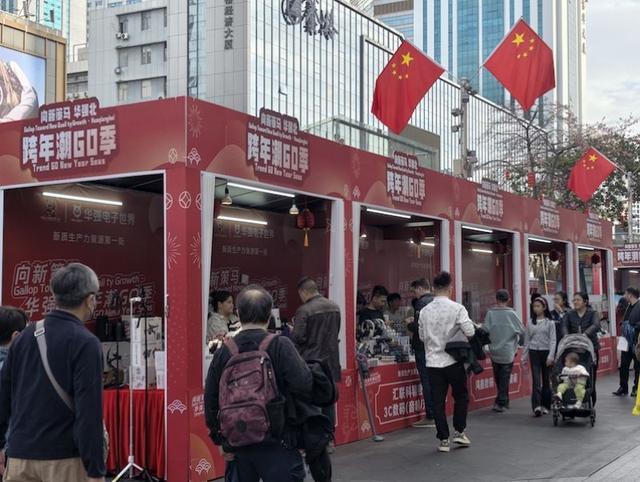
Core Viewpoint - The article highlights the vibrant consumer activity in Huaqiangbei, showcasing a significant shift towards technology-driven products as the preferred choice for New Year gifts, reflecting a broader trend of consumption upgrade and cultural evolution in China [2][5][10]. Group 1: Consumer Trends - Huaqiangbei experiences a daily foot traffic of approximately 750,000, with a recent increase of 10%-15% due to promotional activities [4][12]. - Sales of "tech New Year goods" such as consumer electronics, AI wearables, and smart devices have surged by about 30% month-on-month [4][5]. - The shift in consumer preferences is evident, with gifts transitioning from traditional items to innovative tech products, indicating a cultural evolution in gift-giving practices [9][10]. Group 2: Market Dynamics - Huaqiangbei hosts over 115,000 business entities, generating an annual transaction volume of 480 billion yuan [10]. - The area operates on a "front store, back factory" model, allowing for rapid response to global market demands, supported by a robust supply chain within the Greater Bay Area [10]. - The local manufacturing ecosystem, characterized by a complete electronic industry supply chain, enhances efficiency and responsiveness to market signals [10]. Group 3: International Engagement - The influx of foreign buyers and tourists has notably increased, with over 7,000 foreign visitors daily, doubling year-on-year [12]. - Policies such as the "240-hour visa-free transit" and "departure tax refund" are driving inbound tourism and trade, significantly boosting local consumption [12]. - The number of departure tax refund stores in Shenzhen has surpassed 2,000, with over 1,000 new stores added in 2025, reflecting the growing international consumer base [12].
4100点再出发!A股再融资优化“精准滴灌”,开启“高质量”新周期
Hua Xia Shi Bao· 2026-02-11 12:55
Core Viewpoint - The recent announcement by the Shanghai and Shenzhen Stock Exchanges to optimize refinancing measures marks a significant step in the reform of A-share financing, coinciding with the stabilization of the Shanghai Composite Index at 4100 points and the approach of the Lunar New Year [2][3]. Group 1: Refinancing Measures - The new refinancing measures aim to enhance flexibility and convenience for quality listed companies, improving the efficiency of refinancing processes [3]. - Specific measures include optimizing the review process for quality companies, allowing companies facing share price declines to use methods like competitive placements and convertible bonds for reasonable financing [3][4]. - The measures also strengthen the entire chain of refinancing supervision, ensuring that companies do not apply for refinancing while in poor financial health and enhancing the responsibilities of information disclosure [4]. Group 2: Market Impact and Analysis - The optimization is seen as a profound "supply-side reform" in the capital market, clearly directing capital towards high-quality technology enterprises and improving market efficiency [4]. - The measures are expected to stabilize investment expectations and prevent misleading financing practices, contributing to a healthier balance in investment and financing [4][5]. - Analysts believe that the stabilization of the Shanghai Composite Index at 4100 points represents a key cognitive shift and structural watershed, indicating a transition from liquidity-driven valuation expansion to a focus on profit recovery and industrial upgrades [6][7]. Group 3: Investor Strategies - Investors are advised to adopt a cautious strategy, focusing on value stocks and sectors supported by policy and economic recovery, while avoiding excessive speculation [9][10]. - The emphasis is on maintaining a balanced portfolio, with recommendations to take profits on previous gains and selectively invest in undervalued stocks [10]. - The overall sentiment is that the market outlook remains positive in the medium to long term, supported by ongoing reforms and economic recovery [8][9].

「一城一酒」黄酒破圈记:会稽山换帅“挖角”啤酒,老酒种试新路
Hua Xia Shi Bao· 2026-02-11 12:33
Core Viewpoint - The leadership change at Kuaijishan, a leading Huangjiu producer, aims to leverage the experience of new General Manager Tang Guijiang from the beer industry to address the challenges of regional consumption limitations and to attract younger consumers [2][3] Group 1: Leadership Change - Kuaijishan appointed Tang Guijiang as the new General Manager, replacing Yang Gang, with a three-year term starting from February 9 [3] - Tang Guijiang has extensive marketing experience in the beer industry, having held various senior positions at companies like Budweiser and China Resources Snow Beer [3] Group 2: Industry Challenges - Huangjiu, a traditional liquor with a history of about 2,500 years, faces significant regional consumption limitations, primarily concentrated in the Jiangsu, Zhejiang, and Shanghai areas [5] - In the first three quarters of 2025, 83% of Kuaijishan's revenue came from the Jiangsu, Zhejiang, and Shanghai regions [5] Group 3: Strategic Directions - The core strategy for Kuaijishan includes high-end positioning, youth engagement, and national expansion, addressing the traditional challenges of the Huangjiu industry [3][6] - Kuaijishan's marketing expenses have significantly increased, with sales expenses reaching 3.32 billion yuan in 2024, a 60.2% year-on-year increase, and 3.34 billion yuan in the first three quarters of 2025, a 54.7% increase [5] Group 4: Market Response - Kuaijishan's attempts to attract younger consumers through collaborations and product innovations have gained some visibility but have not yet resulted in a decisive market breakthrough [6] - The company's revenue growth remains slow, with a less than 20% increase in both revenue and net profit in 2024, and a revenue of 12.12 billion yuan in the first three quarters of 2025, a 14.12% year-on-year increase [6] Group 5: Comparative Strategies - Kuaijishan and Guyue Longshan are both exploring ways to leverage beer industry expertise to overcome Huangjiu's challenges, but they are taking different approaches: Kuaijishan focuses on internal management transformation, while Guyue Longshan emphasizes external product innovation and partnerships [7]

春节错月影响1月CPI同比涨幅回落至0.2%,PPI同比降幅收窄
Hua Xia Shi Bao· 2026-02-11 12:15
华泰证券首席宏观经济学家易峘分析数据时表示,春节错位压制1月CPI同比增速、但2月有望明显回 升,核心CPI环比延续回升态势或显示通胀中枢稳步抬升,有色及通信价格等上涨带动1月PPI超预期上 行。 CPI同比上涨0.2% 从数据来看,1月CPI较12月的0.8%回落至0.2%,环比持平于0.2%。 本报(chinatimes.net.cn)记者张智 北京报道 随着春节的临近,年货的采买如火如荼,物价也随之小幅波动。 2月11日,国家统计局发布数据显示,1月份,居民消费需求持续恢复,居民消费价格指数(CPI)环比 上涨0.2%,同比上涨0.2%,扣除食品和能源价格的核心CPI同比上涨0.8%。 节前重要民生商品量足价稳。数据显示,2月5日,商务部会同财政部在少数民族地区组织投放2000吨中 央储备冻牛羊肉,增加节日肉类市场供应。同时,指导各地结合实际,灵活安排地方储备肉菜投放。安 徽、福建、山东等地落实猪肉、冬春蔬菜储备10万吨以上,山西、广西、新疆等地大型批发市场、超市 生活必需品库存量比平时增加10%—20%。河北组织420家商贸流通企业与外地的供应基地签订供货协 议,提前锁定货源。 "值得注意的是,猪肉为 ...
“居民消费价格温和上涨”,政策利率短期或以稳定为主
Hua Xia Shi Bao· 2026-02-11 11:36
文/冉学东 央行去年第四季度货币政策报告中对于2025年物价的判断是:居民消费价格温和上涨,这表明短期央行 降息的可能性较小。 2025年的居民消费价格与上年持平,全年总体呈"W型"波动回升,央行对此的评价是:"物价运行呈现 积极变化"。 2025年12月CPI同比回升至0.8%,已回升到2023年3月以来最高水平,全年CPI与上年持平;不包括食品 和能源的核心CPI同比上涨1.2%,连续4个月保持在1%以上;PPI 同比下降1.9%,降幅也较2025年7月低 点收窄了1.7个百分点,环比连续3个月上涨。 生产价格总体低位回升。2025年,工业生产者出厂价格指数(PPI) 同比下降2.6%,降幅比上半年和前 三季度均收窄0.2个百分点。 国际投行高盛认为,在宏观与地缘风险上升的驱动下,投资者分散配置硬资产的意愿已成为本轮商品行 情的关键推动力。硬资产通常指大宗商品等,其在通胀及不确定性环境下的保值属性,正吸引资金从股 票、债券等传统金融资产中分流。 央行在去年第三季度的货币政策报告关于降低融资成本的表述是 ,"推动社会综合融资成本下降",而 在第四季度货币政策报告中则表述为,"促进社会综合融资成本低位运行", ...
规模首破3万亿元!华夏基金业绩出炉:2025年狂赚近24亿元
Hua Xia Shi Bao· 2026-02-11 11:36
Core Insights - 华夏基金 achieved significant financial growth in 2025, with total revenue of 9.626 billion yuan and net profit of 2.396 billion yuan, alongside a total asset management scale surpassing 3 trillion yuan, reaching 3.014484 trillion yuan by year-end [2][3][4] Financial Performance - In the first half of 2025, 华夏基金 reported revenue of 4.258 billion yuan and net profit of 1.123 billion yuan, reflecting year-on-year growth of 16.05% and 5.74% respectively [3] - The total assets of 华夏基金 increased to 22.246 billion yuan by the end of 2025, with total liabilities at 7.151 billion yuan, maintaining a stable debt ratio of approximately 30%-32% [3] - Year-on-year comparisons indicate a revenue growth of approximately 19.86% and a net profit growth of about 11.03% for 2025, with net profit growth lagging behind revenue growth [3][4] Asset Management Growth - The asset management scale of 华夏基金 reached 2.851237 trillion yuan by mid-2025, with a notable increase of approximately 163.2 billion yuan in the second half, culminating in a total of 3.014484 trillion yuan for the year [4] - In Q2 2025 alone, 华夏基金's funds generated profits of 30.092 billion yuan, marking it as the most profitable fund manager for that quarter [4] Business Structure - The growth in asset management is primarily driven by the expansion of passive investment, particularly Exchange-Traded Funds (ETFs), which reached a scale of 955.563 billion yuan by the end of 2025, more than doubling from 400 billion yuan in 2023 [5][6] - The ETF management scale increased significantly, with a growth of 2.80631 billion yuan in the first half of 2025 compared to the same period in 2024 [5] Industry Challenges - The public fund industry is facing a trend of declining fee rates, with management fees for many ETFs reduced from 0.5% to 0.15%, impacting net profit growth despite rising management scale [7] - Competition in the ETF market has intensified, with a focus on details such as fee rates, tracking errors, and liquidity, which are critical for maintaining market position [7] Strategic Recommendations - To sustain growth, 华夏基金 should continue to strengthen its dominance in the ETF sector while also revitalizing its active management business to balance revenue structure and brand image [8] - The company's robust financial structure provides a buffer against industry changes, emphasizing the importance of sustainable profitability and long-term investor returns beyond mere scale [8]