Zhong Guo Jing Ying Bao

Search documents
资不抵债!知名公司爆雷了 扫地机器人“鼻祖”iRobot濒临破产
Zhong Guo Jing Ying Bao· 2025-12-07 01:47
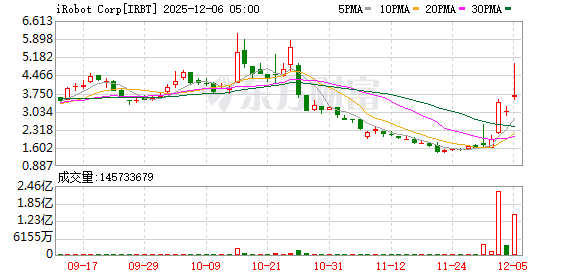
Core Viewpoint - iRobot, once a leader in the robotic vacuum industry, is now facing bankruptcy, heavily indebted to its contract manufacturer Shenzhen Sijuan, which has acquired a significant portion of its debt [2][3]. Group 1: Financial Situation - iRobot disclosed that Shenzhen Sijuan acquired $190.7 million in bonds and is owed $161.5 million in manufacturing costs, with $90.9 million overdue, totaling approximately 2.5 billion RMB [2]. - iRobot's cash and cash equivalents amount to only $24.8 million, indicating severe liquidity issues [2]. Group 2: Dependency on Contract Manufacturers - The company increasingly relies on third-party contract manufacturers for production, with Shenzhen Sijuan being its primary manufacturer located in China and Vietnam [3]. - The partnership with Shenzhen Sijuan has been extended until August 2027, but unpaid amounts could lead to a breach of contract [3]. Group 3: Market Position and Competition - iRobot was once the pioneer of robotic vacuums, launching its first model in 2002 and achieving over 80% market share at its peak, but has faced operational losses since 2021, with a 26.47% revenue decline in the first three quarters of 2025 [3][5]. - The company's market share has plummeted to 7.9% as of Q2 2023, reflecting its declining competitive position [5]. Group 4: Industry Dynamics - The rapid growth of the cleaning appliance industry, particularly during the pandemic, has left iRobot behind, as competitors like Ecovacs and Roborock have surged ahead in technology and product offerings [4]. - Shenzhen Sijuan, established in 2016, has become a significant player in the high-end robotic vacuum market, producing 3 out of every 10 units globally [4].


民营医院数量为公立医院2.3倍 诊疗人次仅为1/5
Zhong Guo Jing Ying Bao· 2025-12-06 15:58
Core Insights - The number of hospitals in China is projected to reach 38,710 by the end of 2024, with private hospitals numbering approximately 26,956, which is about 2.3 times the number of public hospitals at 11,754. However, private hospitals account for only about 1/5 of the core medical service metrics compared to public hospitals [2][3] Group 1: Hospital Statistics - In 2024, the total number of hospitals is 38,710, with public hospitals at 11,754 and private hospitals at 26,956 [2] - Public hospitals handled 3.77 billion outpatient visits and 210 million inpatient admissions, while private hospitals managed 730 million outpatient visits and 45 million inpatient admissions [2] - The number of community health service centers is projected to increase from 10,070 in 2023 to 10,228 in 2024 [1] Group 2: Industry Challenges and Development - The private hospital sector faces significant challenges, including tightening regulations, reduced operational space, and increased survival thresholds, necessitating compliance and refined management practices [3][4] - The industry has undergone three major development phases, with the current phase marked by stricter regulations and the impact of the pandemic [3] - Some listed companies are selling hospitals at low prices due to perceived lack of operational viability, indicating a potential trend of consolidation and survival of the fittest in the industry [4] Group 3: Future Outlook - The future of the private healthcare sector may see the exit of smaller, less effective hospitals, while those with strong management, market orientation, and specialized expertise are expected to thrive [4][5] - The industry is viewed as a valuable complement to the public healthcare system, emphasizing the need for a balanced perspective towards private healthcare [5]

瑞泰人寿总经理蔡廉和任职资格获批
Zhong Guo Jing Ying Bao· 2025-12-06 13:41
Group 1 - The core point of the article is the approval of Cai Lian He as the general manager of Ruitai Life Insurance Co., Ltd., effective from July 2024 [1] - Cai Lian He holds both North American actuary (FSA) and Chinese actuary qualifications, and is a founding member of the Chinese Actuarial Association [1] - He has over 20 years of experience in life insurance and reinsurance, having previously worked for several foreign institutions including AIA, Canada Life, and Manulife [1] Group 2 - RuTai Life Insurance was established in January 2004 and is headquartered in Beijing, making it one of the earlier joint venture life insurance companies in China [1] - The current shareholders of RuTai Life are China National Energy Group Capital Holdings Co., Ltd. and Sanlam Life Insurance Ltd. (South Africa), each holding 50% [1]
打造一流投资银行和投资机构 证监会主席吴清提出五点希望
Zhong Guo Jing Ying Bao· 2025-12-06 13:41
中经记者 孙汝祥 夏欣 北京报道 "'十五五'是我们乘势而上,全面深化资本市场改革、加快打造一流投行和投资机构的战略机遇期。"证 监会主席吴清12月6日在中国证券业协会第八次会员大会上致辞时指出,证券行业要把握机遇,勇立潮 头,争创一流。 吴清指出,"十五五"是推进中国式现代化、加快建设金融强国的关键时期。新征程上,证券行业作为直 接融资的主要"服务商"、资本市场的重要"看门人"、社会财富的专业"管理者",发展空间广阔、大有可 为,必须主动呼应时代召唤,自觉担负使命责任。 受访专家对《中国经营报》记者表示,吴清致辞中有不少新提法或重点强化的要求,值得行业关注,并 深入落实。 奋力打造一流投资银行和投资机构 对于证券行业奋力打造一流投资银行和投资机构,吴清提出了五点希望。 一是行业功能发挥要迈上新台阶。 吴清指出,要坚决摒弃简单拼规模、比增速、争排名,切实把重心聚焦到高质量发展上来。要牢牢把握 服务实体经济这个根本,突出服务新质生产力发展这个重点,自觉承担保护投资者合法权益和促进稳市 兴市的社会责任。要带头践行价值投资理念,强化跨周期逆周期布局,提升投资稳健性和价值判断力。 要发挥好首席经济学家和行业机构分析研 ...
GDP贡献率超10% 文化产业成“塔尖”城市经济高质量发展引擎
Zhong Guo Jing Ying Bao· 2025-12-06 12:04
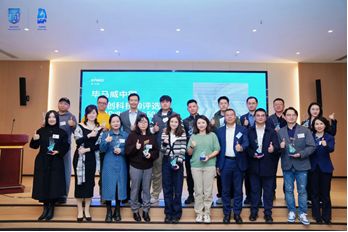
中经记者 杨让晨 石英婧 上海报道 ("文创科技50"评选颁奖典礼。受访者/图) 在数字经济浪潮席卷全球的今天,文化与科技的深度融合正以前所未有的速度重塑产业生态。"十五 五"规划建议明确强调,"十五五"期间,文化自信更加坚定,主流思想舆论不断巩固壮大,社会主义核 心价值观广泛践行,全民族文化创新创造活力不断激发,人民精神文化生活更加丰富,中华民族凝聚力 和中华文化影响力显著增强,国家软实力持续提高。 《中国经营报》记者注意到,当前文创产业已不再是单一的内容领域,通过与互联网、大数据、虚拟现 实等前沿技术深度融合,演进为推动文化自信、国家软实力与经济高质量发展的重要力量之一。 "数据显示,在北京、上海、成都等'塔尖'城市,文化产业GDP贡献率已超过10%,成为地方经济高质量 发展的重要引擎。"毕马威中国"文创科技50"评选主管合伙人李吉鸣表示,此次毕马威"文创科技50"评 选颁奖典礼的举办,不仅为"文旅体"领域的优质科技企业提供了展示创新实力的舞台,更以评选+文化 研学的模式,搭建起多方协同的交流桥梁,为文创科技产业的融合发展注入了新活力。 毕马威中国客户及业务发展主管合伙人江立勤表示,中国有着深厚的历史文化 ...
证监会主席吴清:证券业未来五年要自觉担负四大使命
Zhong Guo Jing Ying Bao· 2025-12-06 09:48
三是在加快建设金融强国方面强化使命担当。强大的金融机构是金融强国的关键要素,对资本市场来 说,更需要有国际一流的投资银行。"证券行业每一家机构都要对标金融强国建设的目标,在核心竞争 力、市场引领力、投资能力等方面苦练内功。"吴清强调。 四是在促进高水平制度型开放方面强化使命担当。近年来,证券行业机构在帮助企业跨境融资、并购等 方面的作用日益显现,同时,中国资产已经成为也会长期构成全球化资产配置当中不可或缺的一部分。 吴清指出,无论是中国投资还是投资中国,都需要一批熟悉中国国情也精通国际规则、国际市场情况, 能够高效动员全球资源的专业服务机构。 (编辑:罗辑 审核:夏欣 校对:燕郁霞) 中经记者 孙汝祥 夏欣 北京报道 证监会主席吴清12月6日在中国证券业协会第八次会员大会上表示,证券行业作为直接融资的主要服务 商、资本市场的重要"看门人"、社会财富的专业管理者,发展空间广阔、大有可为,未来五年需要自觉 担负起四个方面的使命。 一是在服务实体经济和新质生产力发展方面强化使命担当。吴清指出,证券公司连接资本市场和实体企 业,拥有扎实完备的研究体系、专业化的价值评估和风险定价能力,具备得天独厚的优势,在发掘企业 的 ...
上交所霍瑞戎:科创板全方位提升资本市场支持科技强国建设能级,“十五五”部署四大重点工作
Zhong Guo Jing Ying Bao· 2025-12-06 09:29
中经记者 孙汝祥 夏欣 北京报道 上交所副理事长霍瑞戎12月5日在一次公开演讲中表示,上交所以科创板改革为引擎,助力加快提高高 水平科技自立自强。7年来,上交所坚守科创板硬科技定位,围绕服务高水平科技自立自强,服务新质 生产力发展,全方位提升了资本市场支持科技强国建设和中国式现代化能级。 针对"十五五"时期上交所科创板重点工作部署,霍瑞戎表示,主要包括四个方面。 其一,服务国家战略,培育新质生产力。紧密围绕"十五五"规划纲要,科创板将牢牢坚守"硬科技"定 位,深入贯彻落实创新驱动发展和科技强国的战略,同时持续引导资本投向关键核心技术领域,为培育 新质生产力发展提供坚实的资本市场保障。 其二,持续深化改革,发挥科技创新试验田的作用。持续完善股票发行、再融资、重组等一系列成体系 机制,进一步提升制度的包容性、适应性,增强吸引力和竞争力。 其三,夯实公司基础,提升治理效能。全面深入实施提质增效重回报的行动,激发上市公司规范发展转 型升级,提升投资价值以及积极回报投资者的动力,同时加强科学有效的监管。 其四,优化投融资生态。倡导长期投资理念,深化投资生态建设,积极培育壮大耐心资本、长期资本, 通过拓宽中长期资金入市渠 ...
证监会主席吴清:头部券商要进一步增强整合,用好并购重组工具
Zhong Guo Jing Ying Bao· 2025-12-06 09:29
吴清指出,头部机构要保持时不我待、不进则退的紧迫感,在市场竞争力、客户和投资者服务、风险管 理等方面树标杆做表率。要进一步增强资源整合的意识和能力,用好并购重组机制和工具,实现优势互 补、高效配置,力争在"十五五"时期形成若干家具有较大国际影响力的头部机构。 吴清强调,一流投行不是头部机构的专属,中小机构也要把握优势、错位发展,在细分领域、特色客户 群、重点区域等方面集中资源,深耕细作,努力打造"小而美"的精品投行、特色投行和特色服务商。 中经记者 孙汝祥 夏欣 北京报道 证监会主席吴清12月6日在中国证券业协会第八次会员大会上表示,证券公司要立足自身资源禀赋,发 挥好比较优势,从价格竞争加快转向价值竞争。 吴清表示,证监会将着力强化分类监管、扶优限劣,对优质机构适当松绑,进一步优化风控指标,适度 打开资本空间和杠杆限制,提升资本利用效率。对中小券商、外资券商在分类评价、业务准入等方面, 探索实施差异化监管,促进特色化发展。对少数问题券商要依法从严监管,违法的要依法从严惩治。 (编辑:罗辑 审核:夏欣 校对:燕郁霞) ...
证监会主席吴清:A股实现了量的合理增长和质的有效提升
Zhong Guo Jing Ying Bao· 2025-12-06 09:02
吴清指出,证券机构是资本市场链接投融资各方最重要的桥梁,对市场功能和生态完善发挥至关重要。 证券公司总资产达到14.5万亿元,净资产约3.3万亿元。证券行业结构不断优化,包括国泰海通合并等标 志性案例平稳推动,1+1>2的效果初步实现。 (编辑:罗辑 审核:夏欣 校对:燕郁霞) 中经记者 孙汝祥 夏欣 北京报道 证监会主席吴清12月6日在中国证券业协会第八次会员大会上表示,今年以来,A股市场总体活跃,市 值从8月份开始超过100万亿元,实现了量的合理增长和质的有效提升。 ...

减员与增员并行 金融外包公司迎来转型期
Zhong Guo Jing Ying Bao· 2025-12-06 08:49
Core Viewpoint - The outsourcing market for banking business processes remains strong, driven by the acceleration of digital transformation in the banking sector, allowing banks to focus on core business development while outsourcing non-core processes to specialized service providers [1][2]. Group 1: Outsourcing Market Dynamics - Jingbeifang (002987.SZ) won a public procurement project from Zhuhai China Resources Bank for an outsourcing framework agreement worth 75.3726 million yuan [1]. - In November 2025, Jingbeifang had 22 winning projects, of which 11 were business process outsourcing projects, including human resources outsourcing and retail expansion outsourcing [1]. - The demand for outsourcing in the banking sector is expected to remain robust in the short term, as banks seek to reduce costs and improve efficiency [2]. Group 2: Shift in Business Focus - Financial IT companies are shifting their focus from labor-intensive outsourcing to a model that emphasizes technology and services, with a growing emphasis on automation and external data intelligence [2][7]. - Companies like Jingbeifang are transitioning from a project-based model to a comprehensive service model that includes consulting, products, solutions, and services [6]. - The revenue from software and IT solutions at Jingbeifang increased to 68.32% of total revenue, while the digital operation business, which includes smart customer service and consumer finance marketing, is becoming a new growth engine [6]. Group 3: Employee Trends and Financial Performance - Jingbeifang's employee count increased from 27,404 in 2022 to 31,268 in 2024, with a notable rise in technical personnel, although there was a contraction in business process outsourcing personnel in 2024 [2]. - The financial performance of Jingbeifang showed a revenue of 3.613 billion yuan in the first three quarters of 2025, a year-on-year increase of 5.14%, with net profit rising by 7.94% [6]. - The gross profit margins for Jingbeifang, Changliang Technology, and Tianyang Technology showed a slight decline from 2022 to 2024, indicating a competitive pressure in the outsourcing market [4]. Group 4: International Expansion - Facing domestic competition and cautious IT spending from banks, financial IT companies are looking to expand overseas, with Jingbeifang establishing a wholly-owned subsidiary in Hong Kong to serve a diverse client base [8]. - The Southeast Asian banking IT solutions market is experiencing high growth, and Chinese companies have a competitive advantage in terms of cost-effectiveness [8]. - Challenges in international expansion include cross-border regulatory differences and the need for localized operations, which require a balance of technology and local adaptation [8].