
Zhong Guo Qing Nian Bao

Search documents
建武高速衢江特大桥建设迎来关键节点
Zhong Guo Qing Nian Bao· 2025-11-26 10:54
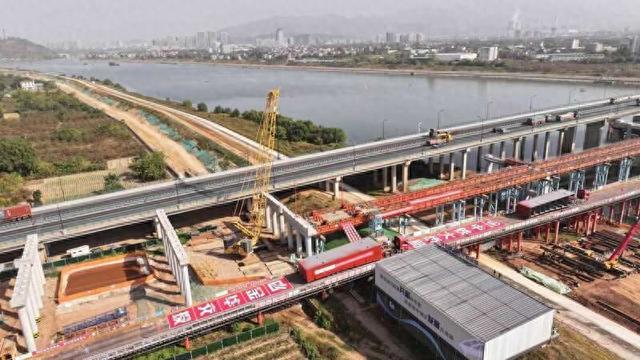
来源:中国青年报客户端 中国青年报客户端浙江金华讯(肖德文 中青报·中青网记者蒋雨彤)11月25日,浙江省建德至武义高速 公路兰溪段控制性工程——衢江特大桥建设取得又一重大进展,引桥第八联首段钢箱梁完成精准架设, 标志着大桥由下部结构全面转入上部结构施工阶段,为后续主桥建设奠定了坚实基础。 11月25日,浙江省建德至武义高速公路兰溪段控制性工程——衢江特大桥建设工地,引桥第八联首段钢 箱梁完成精准架设。方雨晗/摄 该项目由金华交投兰城高速公路有限公司投资、中铁大桥局集团有限公司承建。作为目前浙江省内同类 型中跨度最大的提篮式网状系杆拱桥,衢江特大桥在设计阶段就秉承"科学规划、精准建造"的理念。针 对衢江流域地形特点,为确保工程结构与自然地貌的协调统一,大桥引桥采用两种跨径钢箱梁设计形 式。本次吊装第八联(建德侧)引桥钢箱梁中的K段,长18.78米、宽5.1米、高4.2米,重72.4吨,采用 滑移施工工艺,由主臂42米的400吨履带吊装。项目团队先后开展多轮方案论证,在确定最优方案的基 础上,制定了周密的施工组织计划,同步完成全流程安全技术交底工作;同时引入第三方对滑移体系进 行全程监测,全力保障施工作业安全。 ...

共赴一场建功西部的青春之约
Zhong Guo Qing Nian Bao· 2025-11-26 03:28
在2024年大连理工大学迎新晚会上,4名来自云南龙陵的新生表演了一场名为《寻梦》的节目,感谢支 教团老师。 作为表演者之一的孙轩回忆,6年前在支教团老师的课上,他对大连纷飞的雪、辽阔的海充满着向往, 更渴望大学里丰富多彩的生活,如今,已有30名像他一样的服务地学子考入大连理工大学,实现这 场"双向奔赴"。 和西部"牵手"的27年里,很多研究生支教团成员在完成学业后将扎根基层、扎根教育作为一生的追求。 同时,支教团还整合社会和学校资源,在服务地先后发起实施"碧海雪山"助学活动、"玉兰千寻"物资捐 赠计划等十余项奖助学金及物资捐赠项目,累计发放奖助学金和物资价值200余万元,开展结对帮扶及 思想引领项目直接受益学生7万余人,带动更多人为西部教育发展贡献力量。 新疆哈密市第十一中学的教室内,学生含泪递上书信,老师深深鞠躬。这是大连理工大学研究生葛相国 支教期满的最后一课。视频传上网后,感动无数网友:"这才是青春最美的模样!" 自1999年起,大连理工大学作为中国青年志愿者研究生支教团首批派遣高校之一,每年选派优秀学子, 奔赴新疆哈密、青海化隆和云南龙陵开展支教工作,27年里,先后有220余名学生接续书写报效祖国、 ...
何以“班超”,“班超”当何?
Zhong Guo Qing Nian Bao· 2025-11-26 03:28
Core Viewpoint - The "Class Super" initiative in Beijing's primary and secondary schools promotes inclusive sports participation, aiming to enhance physical health and social skills among students, addressing issues like obesity and myopia [1][2][3]. Group 1: Overview of "Class Super" - "Class Super" encompasses various sports competitions, allowing every student to participate regardless of their skills, fostering a sense of community and teamwork [1][3]. - The initiative has seen significant engagement, with 99.7% of schools in Beijing hosting various class competitions, totaling 194,000 events and involving approximately 4.986 million student participants in the first half of the year [3][5]. Group 2: Educational Impact - "Class Super" is not just about increasing sports frequency; it also reflects a shift in educational philosophy, integrating physical education with arts and moral education [4][5]. - Activities like creating hand-drawn posters and engaging in debates about sportsmanship help blend physical education with critical thinking and creativity [4]. Group 3: Community Involvement - Schools are collaborating with parents and local communities to organize events, enhancing student engagement and promoting family participation in physical activities [5]. - For instance, at Beijing Normal University Experimental Primary School, the student fitness rate improved to 95%, a 9% increase since 2021, showcasing the positive impact of community involvement [5]. Group 4: Personal Development - The initiative teaches resilience, teamwork, and responsibility, as students learn to cope with wins and losses while fostering a love for sports [6]. - The goal is to cultivate each student's potential within a collective environment, making physical activity a daily norm and promoting overall well-being [6].
“3+”模式育“硬核青年”
Zhong Guo Qing Nian Bao· 2025-11-26 00:15
山东省枣庄市高新区张范街道青年干部小马自2016年到街道工作以来,先后在村担任党支部书记助理2 年,又赴市区相关部门锻炼学习2年。多岗位的实践历练,使她迅速掌握了基层工作方法与政策执行能 力。回到街道后,她很快承担起部门重点任务,在推动基层党建、项目建设、服务群众等方面挑大梁、 担重任。 张范街道聚焦年轻干部成长规律,创新实施"3+"培养模式,在第一线培养素质过硬、担当有为的"硬核 青年"。 为帮助年轻干部在一线实践中快速成长,街道构建"导师+平台"立体化培养体系。创新推行"1+1+N"帮 带机制,由一名总导师、一名实践导师和多名帮带人员组成指导团队,围绕思想作风、政策解读、群众 工作等方面开展全方位指导。目前已有30余名年轻干部加入"育苗工程",在"跟着学、陪着干"中实现角 色转变和能力提升。街道积极拓展实践锻炼平台,实施"上派下挂"双向交流机制,先后选派10余名优秀 年轻干部到上级部门学习锻炼,20余名青年干部下沉至管区、村(居)一线挂职履职,推动他们在田间 地头、服务前沿增长才干。此外,创新开设"产业课堂",组织年轻干部走进企业生产一线,通过政策解 读、情景模拟、专家座谈等方式,提升服务发展和解决实际问 ...
弦歌不辍,精神薪传
Zhong Guo Qing Nian Bao· 2025-11-26 00:08
Core Viewpoint - The performance of the original music and dance epic "Southwest Associated University" commemorates the 80th anniversary of China's victory in the Anti-Japanese War and the World Anti-Fascist War, highlighting the spirit of resilience and dedication embodied by the university during a tumultuous historical period [1][6]. Group 1: Performance Structure and Themes - The performance consists of six acts, including a prologue and a finale, which collectively narrate the historical significance and emotional depth of the Southwest Associated University, emphasizing its motto of "resilience and excellence" [2][3]. - The acts depict key historical moments, such as the migration of students during the 1937 Marco Polo Bridge Incident and the university's contributions to the new China, showcasing the struggles and triumphs of its faculty and students [3][4]. Group 2: Audience and Impact - Audience members expressed deep emotional responses, with remarks highlighting the importance of the university's spirit and the desire for more performances to educate future generations about its legacy [4][5]. - The performance serves as a historical reflection and a call to contemporary youth to understand and carry forward the values of perseverance and dedication exemplified by the university's founders [6][7]. Group 3: Educational and Artistic Contributions - The production involved significant contributions from students and faculty over four years, emphasizing the educational value of engaging with historical narratives through performance art [4][5]. - The director and cast members focused on historical accuracy and emotional authenticity, ensuring that the portrayal of historical figures resonated with the audience and provided a deeper understanding of the university's legacy [6][7].

大学“家长会”的机制重构与价值回归
Zhong Guo Qing Nian Bao· 2025-11-25 22:57
高等教育阶段家校协同互动是大学生思想教育工作的重要抓手,然而,在实践中出现了"家长会泛滥"的 异化现象,部分高校将新生家长会、期中沟通会纳入常规育人环节,依托家长会延续基础教育管理模 式,此类现象引发了社会关于家校权责边界的广泛探讨。 (二)聚焦联动关键:以需求导向创新载体 传统家长会的单向信息灌输模式,本质是基础教育沟通载体的数字化复刻,已无法适配大学生个性化发 展需求。部分高校尝试搭建线上联络群、公众号等多元平台,但仍未突破"学校推送-家长接收"的被动 框架,未能实现从形式创新到功能创新的跨越。真正的载体突破,应是构建线上+线下融合的立体化沟 通矩阵:线上层面,借助智慧学工系统建立家长信息查询平台,开放学校发展动态、专业培养方案、就 业创业政策等公开信息,允许家长根据需求自主检索,避免信息过载与隐私泄露的双重困境;线下层 面,替代传统家长会的应是主题式家校论坛、预约制开放日,还可以针对家长关注的生涯规划主题推送 就业指导讲座信息,将沟通主动权交还家长,实现按需对接的精准协同。这种载体创新的核心,是将家 长从被动接收者转化为主动参与者,契合"成长共同体"构建中多元主体平等互动的本质要求。 (三)强化联动保障 ...
大连理工大学和西部“牵手”27年 共赴一场建功西部的青春之约
Zhong Guo Qing Nian Bao· 2025-11-25 22:55
Core Points - The article highlights the impactful work of the Dalian University of Technology's graduate student volunteer teaching team in western China, particularly in Xinjiang, Qinghai, and Yunnan, over the past 27 years [1][2][3] - The initiative has seen over 220 students participate, contributing to educational development and inspiring local students to pursue higher education [1][2] Group 1 - The Dalian University of Technology has been sending outstanding students to support education in western regions since 1999, with a focus on improving student performance and engagement [1] - Volunteer teachers, like Ge Xiangguo and Li Ying, have dedicated significant time to tutoring and providing additional support to students, demonstrating commitment to their educational success [1][2] - The program has led to a notable impact, with 30 local students gaining admission to Dalian University of Technology, showcasing a reciprocal relationship between the university and the communities served [2] Group 2 - The volunteer teaching team has organized various activities beyond traditional teaching, including cultural competitions and social practice, aimed at broadening students' horizons and aspirations [2] - The initiative has also implemented numerous scholarship and material donation programs, distributing over 2 million yuan in aid and benefiting over 70,000 students [2] - The university plans to continue supporting the volunteer teaching program, encouraging more passionate youth to contribute to educational development in western China [3]

山东出台文件推动普高与中职学生互转 给学生中考后的“二次选择”
Zhong Guo Qing Nian Bao· 2025-11-25 22:55
近日,山东一份具有"破冰"意义的文件正式出台。随着《山东省普通高中和中等职业学校学生互转实施 办法》(以下简称《实施办法》)的公布,公众长期关注的职普融通终于从理念倡导走向落地实施。 《实施办法》明确,山东省各市结合实际,确定一定数量的全日制普通高中和全日制中职学校作为互转 学校,学生可在普高与中职之间相互转学,转学后不适应的学生可申请转回原学校。 为什么转?怎样转?如何保证互转效果?围绕这些问题,《实施办法》作了明确而具体的规定。 关于出台背景,《实施办法》提出,"促进高中阶段教育多样化发展,丰富学生成长成才路径,满足人 民群众和经济社会多元化的教育需求"。普通高中和中职学校同属高中阶段教育,在培养目标、培养方 式和学生"出口"方面,各有侧重。"但是,长期以来两者间各自独立、沟通不畅的情况,在一定程度上 不利于学生多样化选择和成长。"在《实施办法》的政策解读中,山东省教育厅这样概括。 对此,北京师范大学中国教育与社会发展研究院首席专家、教授张志勇评价:"山东省此次出台《实施 办法》,是回应时代需求、落实国家政策的必然之举,是深化高中阶段教育教学改革、育人模式创新的 重要举措,从省级层面打破了长期以来普通高中 ...
商务部研究院:预计“十五五”期间即时零售行业年均增速达到12.6%
Zhong Guo Qing Nian Bao· 2025-11-25 21:50
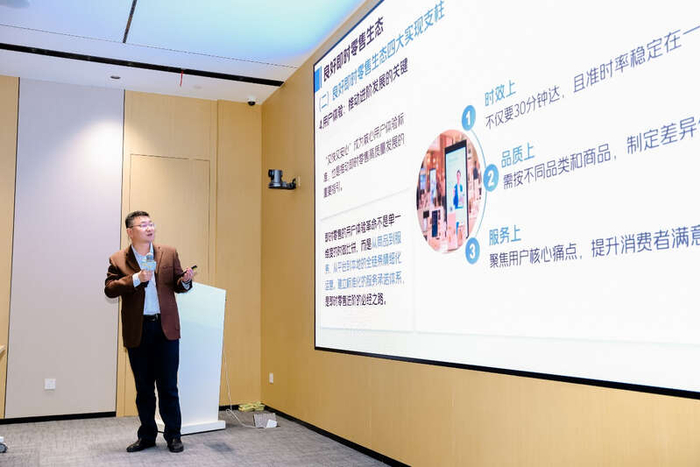
商务部研究院电子商务研究所所长杜国臣指出,前置仓的规模化与数字化发展显著提升了履约效率,已 成为支撑即时零售生态的关键环节,贡献了全渠道一半以上的交易额。展望未来,"全域下沉"与"多场 景拓展"成为即时零售增长的主引擎,国内县域市场存在巨大增长空间。同时,人工智能与大数据将全 面赋能,贯穿于选品、补货、配送、营销、售后各个环节。 来源:中国青年报客户端 报告指出,2026年我国即时零售规模将突破1万亿元,预计到2030年,将达到2万亿元,"十五五"期间年 均增速达到12.6%。据测算,2024年我国即时零售规模达7810亿元,同比增长20.15%,比同期全国网络 零售增速高出12.95个百分点,比同期社会消费品零售总额增速高出16.65个百分点,即时零售已成为我 国零售业增长的新动能。 报告指出,目前即时零售用户对健康消费高度关注,约80%的消费者愿意为健康属性产品支付溢价。从 平台数据看,有70.7%的即时零售消费者觉得0添加产品更可靠。健康产品及其定制服务将成为即时零 售的重要增长点。 即时零售平台加快拓展县域市场,成为即时零售增长的重点领域。报告以美团闪购举例,目前,美团闪 购已覆盖了全国2800个县市 ...

公安部:依法严打消防领域假冒伪劣犯罪
Zhong Guo Qing Nian Bao· 2025-11-25 07:42
Core Insights - The Chinese Ministry of Public Security has intensified efforts to combat the production and sale of counterfeit fire safety equipment, electric bicycles, and electrical products, resulting in the investigation of 520 criminal cases from January to October this year [1][2] Group 1: Law Enforcement Actions - Law enforcement agencies have dismantled several counterfeit production chains and eliminated safety hazards for the public [1] - A three-year action plan focusing on safety production and a comprehensive overhaul of fire product quality has been implemented, targeting professional criminal gangs and cross-regional illicit networks [1] - Collaborative enforcement mechanisms have been optimized among police, fire safety, market regulation, and emergency response departments to address issues like case transfer and inspection [1] Group 2: Notable Cases - In July 2025, a case in Liaoyang, Liaoning Province, led to the arrest of 6 suspects and the dismantling of 3 counterfeit production companies, with over 10,000 substandard fire extinguishers and more than 50 tons of inferior extinguishing agents seized, involving over 50 million yuan [1] - In June 2025, a case in Mianyang, Sichuan Province, resulted in the arrest of 6 suspects and the destruction of 14 criminal sites, with 50,000 counterfeit self-rescue breathing apparatuses confiscated, involving over 10 million yuan [2] - The Ministry of Public Security's Intellectual Property Crime Investigation Bureau has committed to maintaining a high-pressure crackdown on counterfeit crimes in the fire safety sector, enhancing risk prevention and public safety governance [2]