
Zhong Yang Ji Wei Guo Jia Jian Wei Wang Zhan

Search documents
三堂会审丨准确认定违反廉洁纪律与受贿犯罪
Zhong Yang Ji Wei Guo Jia Jian Wei Wang Zhan· 2025-10-15 00:34
Core Viewpoint - The case of Luo, a former public official, highlights the distinction between legitimate civil actions and violations of integrity discipline, particularly in the context of private lending and potential bribery [1][9][10]. Summary by Sections Basic Case Facts - Luo, a member of the Communist Party since June 1994, held various positions including Chairman of the City Investment Company and Director of the Planning Bureau. He was found to have violated integrity discipline by lending money to management and service objects, resulting in significant profits [3]. - Between 2016 and 2018, Luo lent a total of 345 million yuan, receiving 13 million yuan in interest, while also being implicated in accepting bribes totaling over 606 million yuan during his tenure [3]. Investigation Process - The investigation into Luo's alleged serious violations began on October 22, 2024, leading to his detention and subsequent extension of detention time [4]. - On April 10, 2025, the case was transferred to the People's Procuratorate for prosecution, and Luo was expelled from the Party and public office shortly thereafter [5]. Legal Proceedings - On May 19, 2025, the People's Procuratorate filed charges against Luo for bribery, resulting in a sentence of ten years and one month in prison, along with a fine of 500,000 yuan [6]. Analysis of Private Lending - The analysis indicates that Luo's private lending activities, while profitable, did not constitute bribery as there was no evidence of using his official position to benefit the borrowers [9][10]. - The determination of whether such lending constitutes a violation of integrity discipline hinges on the potential impact on the impartial execution of public duties [10]. Recognition of Bribery in Lending - In a separate case involving a businessman named Peng, it was established that the loan provided by Luo was not based on a genuine need, indicating a potential bribery scenario masked as a loan [12][13]. - The relationship between the loan and the official's actions was scrutinized, revealing that the loan was a means to facilitate a quid pro quo arrangement [14][15]. Discounted Housing Transactions - Luo's purchase of property at a significantly reduced price from a developer was analyzed to determine if it constituted bribery. The sale price was 38% lower than the market rate, indicating a potential violation of integrity [17][19]. - The transaction was deemed a form of bribery as it was not a standard market practice and was directly linked to Luo's official actions [19]. Self-Reporting and Sentencing - Although Luo provided information about his bribery activities, it did not meet the legal criteria for self-reporting due to the nature of the crimes being similar to those already known to the authorities [21][22]. - His cooperation was acknowledged, leading to a lighter sentence despite not qualifying for self-reporting [22].

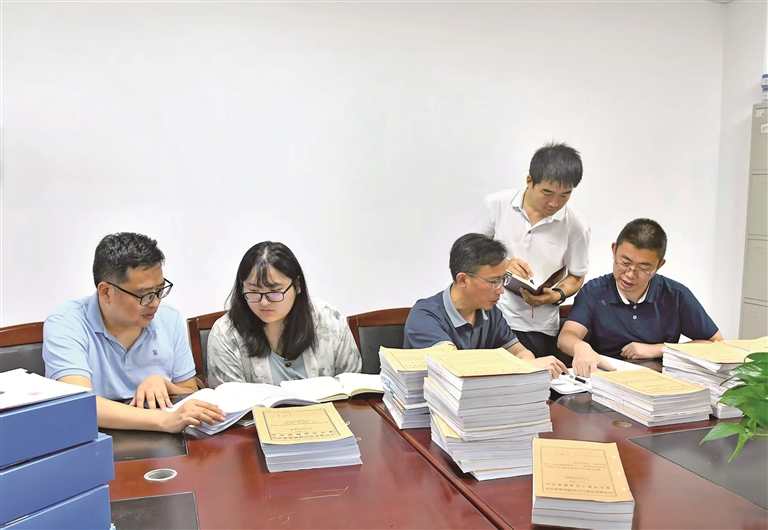
贿赂案件中“中间人”行为性质分析
Zhong Yang Ji Wei Guo Jia Jian Wei Wang Zhan· 2025-10-15 00:34
Core Viewpoint - The article discusses the complexities of defining the nature of "intermediary" behavior in bribery cases, particularly focusing on a specific case involving a vice district chief and an intermediary who facilitated bribery for a construction project [1][2]. Group 1: Case Overview - The case involves Li, a vice district chief, and Ou, an employee of a company, who conspired to facilitate a construction project for Liu, the actual controller of a construction company, in exchange for a bribe [1]. - Liu approached Ou to help secure a project, leading to an agreement where Li would receive a portion of the bribe, initially set at 120 million yuan but later increased to 150 million yuan [1][2]. Group 2: Legal Opinions on Bribery - There are two main opinions regarding the nature of the actions of Li and Ou: one suggests they should be jointly liable for the full bribe amount of 150 million yuan, while the other argues for a recognition of only 120 million yuan based on their initial agreement [2][3]. - The second opinion is favored, asserting that Ou's additional request for 30 million yuan was outside of Li's knowledge and intent, thus should not be included in the joint bribery amount [2][5]. Group 3: Role of Intermediaries - The article highlights the role of intermediaries in facilitating bribery, noting that their involvement can complicate the assessment of joint liability and the actual amounts involved [3][4]. - It emphasizes that intermediaries often have varying degrees of involvement, from merely relaying messages to actively participating in the collection and distribution of bribes [3][6]. Group 4: Determining Bribery Amounts - The determination of the bribery amount in cases involving intermediaries is complex, as the actual amounts exchanged may differ from the agreed-upon figures due to the intermediary's actions [4][5]. - The principle of subjective-objective consistency is discussed, indicating that if an intermediary does not inform the public official about additional amounts collected, the official's liability should be limited to the originally agreed sum [5][6].
业务聚焦丨有效发挥法规制度激励约束作用
Zhong Yang Ji Wei Guo Jia Jian Wei Wang Zhan· 2025-10-15 00:34
Group 1 - The core viewpoint emphasizes the importance of institutional governance and rule-based management in enhancing the effectiveness of disciplinary inspection and supervision work in Hanzhong City, Shaanxi Province [1] - The focus is on three main areas: learning, establishing, and executing regulations to improve the standardization and legalization of disciplinary inspection and supervision [1][2] Group 2 - The initiative includes regular learning and training sessions to ensure that all personnel are well-versed in party regulations and laws, fostering a culture of compliance [1][2] - The establishment of comprehensive systems for supervision and accountability is highlighted, including the development of guidelines for managing problem clues and handling disciplinary cases [2] - The implementation of strict execution of regulations is emphasized, ensuring that all actions are in accordance with established laws and procedures, with a focus on dynamic updates to regulatory documents [3]
业务聚焦丨完善制度机制 规范履职用权
Zhong Yang Ji Wei Guo Jia Jian Wei Wang Zhan· 2025-10-15 00:34
Core Points - The 20th Central Commission for Discipline Inspection emphasizes institutional development, focusing on deepening organizational reform and enhancing systemic effectiveness to improve overall work quality [1] Group 1: Institutional Development - Jilin Province's Siping City Discipline Inspection Commission prioritizes institutional construction by launching a "Year of Institutional Development" initiative, planning to formulate and revise 75 regulations to enhance the quality of discipline inspection work [1] Group 2: Supervision System - Siping City Discipline Inspection Commission establishes a political supervision framework, detailing tasks, targets, content, and standards to clarify supervision processes and prevent issues of generalization and virtualization [2] - Specific measures are taken to strengthen supervision of key individuals, including the development of guidelines for supervising top leaders and a checklist for upper-level leaders overseeing their subordinates [2] - Collaborative supervision mechanisms are created with the Public Security Bureau to address issues related to public officials outside of work hours, aiming for comprehensive oversight of misconduct and corruption [2] - Measures are implemented to enhance the effectiveness of stationed supervision, focusing on leadership guidance, unified management, and team building [2] Group 3: Case Quality and Compliance - The Siping City Discipline Inspection Commission focuses on improving the quality of case handling by establishing procedures for the transfer of problem leads between departments, ensuring timely detection and resolution of violations [3] - Guidelines are set for feedback on complaints and reports, standardizing the response process to meet public expectations [3] - A joint review process is established for the resolution of problem leads, ensuring adherence to procedures and standards [3] Group 4: Internal Supervision and Accountability - The Siping City Discipline Inspection Commission implements measures to enhance internal supervision, promoting accountability among its members and ensuring they lead by example [4] - A regular supervision dialogue mechanism and warning education system are established to manage and correct potential issues among staff [4] - A compilation of regulations is created to facilitate compliance checks and ensure that discipline inspection personnel perform their duties according to established laws and regulations [4]
套取公款购买发放加油卡如何定性处理
Zhong Yang Ji Wei Guo Jia Jian Wei Wang Zhan· 2025-10-15 00:34
Core Viewpoint - The article discusses the violation of central regulations regarding the improper issuance of allowances and subsidies, highlighting a specific case involving officials who misappropriated public funds under the guise of providing transportation subsidies through fuel cards [1][2]. Group 1: Case Summary - In 2022, an official named Li, along with his deputy Wang, decided to issue transportation subsidies in the form of fuel cards, justifying it by claiming heavy workloads [1]. - Li instructed Wang to inflate expenses and issue false invoices through a private company, resulting in the misappropriation of 50,000 yuan, which was funded by government allocations [1][2]. - The fuel cards were distributed to team members, including Li himself, during the festive season, indicating a deliberate attempt to circumvent regulations [4]. Group 2: Legal and Disciplinary Analysis - Two viewpoints emerged regarding the classification of Li's actions: one suggests separate evaluations for the misappropriation of funds and the issuance of subsidies, while the other advocates for a unified assessment, treating the misappropriation as a means to achieve the goal of issuing subsidies [2][5]. - The behavior of Li is classified as a violation of the central regulations, specifically the improper issuance of allowances, which is defined under the Communist Party's disciplinary regulations [3][6]. - The article emphasizes that the misappropriation of public funds and the issuance of allowances are interconnected, warranting a singular disciplinary action based on the more severe violation of central regulations [5][6].
加强清廉学校建设 营造立德树人优良环境
Zhong Yang Ji Wei Guo Jia Jian Wei Wang Zhan· 2025-10-15 00:34
Core Viewpoint - The construction of a clean school is essential for promoting high-quality development and creating a favorable environment for moral education in universities, as emphasized by Nanjing University of Aeronautics and Astronautics [1] Group 1: Building a Clean Foundation - The university integrates the Party's comprehensive leadership into all aspects of clean school construction, ensuring progress in the right direction [2] - The institution emphasizes ideological education by incorporating Xi Jinping's thoughts into the monthly learning agenda for new staff and students, fostering internal motivation for integrity [2] - A top-level design approach is adopted, with the university's Party committee planning clean school initiatives as part of the overall development strategy [2] Group 2: Creating a Clean Atmosphere - The clean integrity concept is embedded in decision-making, teaching, management, and services, aiming for a goal of nurturing integrity through education [3] - The university has introduced courses like "Clean Life" and developed educational materials to promote integrity among students [3] - A comprehensive supervision mechanism is established, integrating various forms of oversight to ensure compliance and integrity within the institution [3] Group 3: Stimulating Clean Motivation - The university promotes a collaborative approach to clean school construction, ensuring participation from all levels [4] - Clear responsibilities are defined for various stakeholders, with performance evaluations linked to the implementation of strict Party governance [4] - The institution encourages cultural initiatives to enhance the visibility of integrity education and create a positive atmosphere [5]
驻中国中化纪检监察组紧盯关键环节强化监督 做实向雄安疏解搬迁工作
Zhong Yang Ji Wei Guo Jia Jian Wei Wang Zhan· 2025-10-15 00:34
Core Points - China Sinochem has officially moved its headquarters to Xiong'an New Area, marking it as one of the first central enterprises to relocate [1] - The Central Commission for Discipline Inspection and National Supervisory Commission has been actively supervising the relocation process, ensuring compliance with policies and high standards in project execution [2] Group 1 - The relocation ceremony for China Sinochem at the Xiong'an New Area headquarters was held recently, emphasizing the company's commitment to the government's directive to relieve non-capital functions from Beijing [1] - The supervisory team has been closely monitoring key aspects of the headquarters project, including site selection, policy implementation, and preparation for the official move [1][2] - The supervisory group has integrated the Xiong'an relocation work into its annual key supervision tasks, promoting monthly reviews by the company's leadership and ensuring effective communication regarding supportive policies [2] Group 2 - The supervisory team has developed a work plan to monitor the relocation process, focusing on air quality management, equipment configuration, and transitional housing arrangements [2] - China Sinochem's headquarters has now entered a phase of regular operations, with ongoing supervision to ensure compliance with relocation policies and support for the company's integration into national strategic initiatives [2]
以系统思维纵深推进正反两方面教育
Zhong Yang Ji Wei Guo Jia Jian Wei Wang Zhan· 2025-10-15 00:34
Core Viewpoint - The Sichuan Provincial Commission for Discipline Inspection and Supervision emphasizes the integration of traditional culture, revolutionary culture, and advanced socialist culture in building a high-standard clean governance education system, focusing on both positive and negative educational examples to strengthen discipline education [2][3][4]. Group 1: Education Framework - The provincial party committee aims to create a collaborative education framework involving various departments and the public, ensuring that responsibilities are clearly defined and executed [3][4]. - The provincial party committee has set clear priorities for enhancing clean governance culture and education, emphasizing the importance of both positive and negative examples in the education process [3][4]. Group 2: Implementation and Supervision - The provincial discipline inspection commission is responsible for coordinating and supervising the implementation of clean governance education, regularly reviewing and summarizing best practices [4][5]. - A systematic approach is adopted to ensure the effectiveness of both positive and negative educational efforts, creating a closed-loop process for learning and evaluation [4][5]. Group 3: Content and Methodology - The education content is diversified, focusing on both positive role models and negative case studies to enhance the effectiveness of the educational impact [6][7]. - The emphasis is placed on continuous discipline education, integrating it into daily management and supervision to reinforce the importance of adhering to party discipline [7][8]. Group 4: Targeted Education - Tailored educational approaches are developed for different groups, particularly focusing on key leadership positions and young cadres, to enhance the relevance and effectiveness of the education [8][9]. - Special attention is given to the families of officials, promoting family-oriented clean governance initiatives to strengthen the overall culture of integrity [9][10]. Group 5: Educational Outreach - Various innovative educational formats and activities are employed to broaden the reach of clean governance education, including public campaigns and competitions [10][11]. - The establishment of clean governance education bases across the province aims to provide immersive learning experiences, utilizing digital technologies to enhance accessibility [11][12].
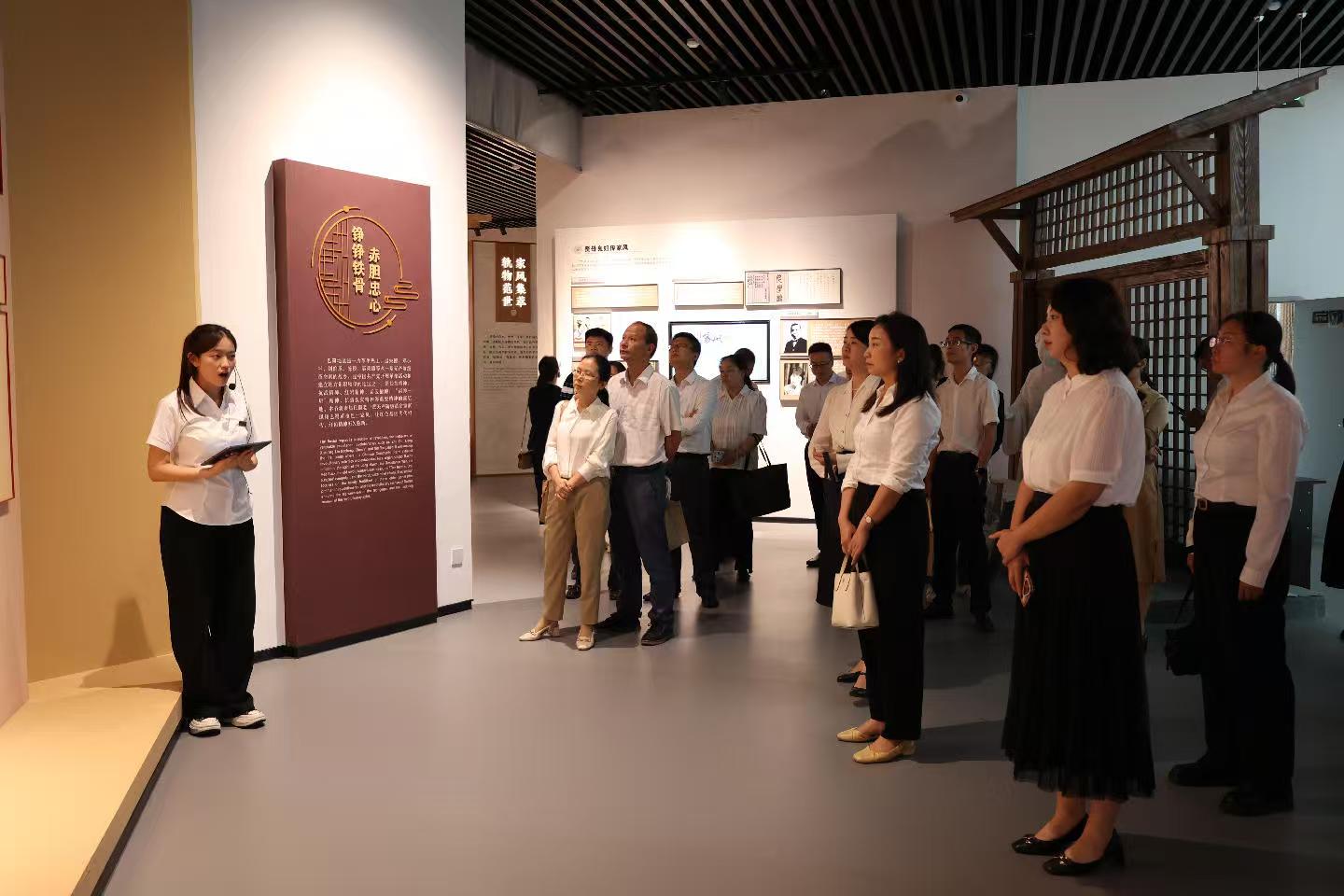
明纪释法丨不折不扣把党中央决策部署贯彻落实到位
Zhong Yang Ji Wei Guo Jia Jian Wei Wang Zhan· 2025-10-15 00:34
Core Points - The article emphasizes the importance of adhering to the decisions and policies set by the Central Committee of the Communist Party of China, highlighting the need for party members to internalize and act upon these directives [1][4] - It outlines the disciplinary measures for party members who fail to implement these decisions, particularly focusing on the behaviors of party leaders [2][6] Summary by Sections Disciplinary Regulations - Article 56 of the Disciplinary Regulations specifies that party leaders who act independently and refuse to implement central policies may face severe penalties, including removal from party positions or expulsion from the party [2][3] - The article also notes that failure to implement decisions or doing so half-heartedly can lead to warnings or more severe disciplinary actions depending on the consequences of such actions [2][4] Historical Context - The evolution of Article 56 reflects a growing emphasis on political discipline, with recent amendments highlighting the political dangers of failing to implement central directives [4][12] - The 2023 revision introduced new provisions to address local protectionism and its negative political impacts, reinforcing the need for strict adherence to central policies [4][12] Scope of Application - The article clarifies that the disciplinary measures primarily target party leaders, while ordinary members may face different consequences for similar failures [6][7] - It emphasizes that all party members have a responsibility to implement central decisions, regardless of their rank [7][8] Behavioral Expectations - Specific behaviors that constitute violations include merely stating intentions without follow-through, lack of decisiveness in implementation, and engaging in local or departmental protectionism [8][10] - The article stresses that these behaviors must have a direct negative impact on the authority of the Central Committee and the unity of the party to warrant disciplinary action [10][11] Distinctions in Violations - The article distinguishes between outright refusal to implement central policies and less severe forms of non-compliance, with different disciplinary consequences for each [12][13] - It also differentiates between violations of political discipline and general work discipline, noting that the former involves intentional disregard for central directives [13]
“十四五”时期国家粮食安全得到有效保障
Zhong Yang Ji Wei Guo Jia Jian Wei Wang Zhan· 2025-10-14 10:12
Core Insights - During the "14th Five-Year Plan" period, China's annual grain production is expected to stabilize above 1.3 trillion jin, reaching 1.4 trillion jin in 2024, with per capita grain availability increasing by 25 kg to 500 kg, surpassing the international safety line of 400 kg [1] - The National Development and Reform Commission reported that grain circulation reforms have progressed as expected, effectively ensuring national food security and supporting high-quality economic development [1] Group 1: Grain Production and Supply - Grain storage capacity has increased, with standard grain warehouses exceeding 730 million tons, up by 58 million tons from the end of the "13th Five-Year Plan" [2] - The total industrial output value of national grain enterprises is projected to exceed 4 trillion yuan in 2024, with accelerated technological innovation in the grain industry [2] Group 2: Regulatory and Legal Framework - The implementation of the Food Security Law marks a new phase in comprehensive legal governance and information-based regulation of grain circulation [3] - A digital regulatory system for grain reserves has been established, achieving full coverage of government reserve monitoring [3] Group 3: Grain Purchase and Market Dynamics - The average annual grain purchase volume is over 400 million tons, with market-oriented purchases accounting for over 90% of total purchases [4] - Key measures for the autumn grain purchase include enhancing market-oriented purchasing, organizing policy-based storage, and optimizing services for farmers [5]