
Zhong Guo Chan Ye Jing Ji Xin Xi Wang

Search documents
从行业黑马到赴港IPO,果下科技的底气成色如何
Zhong Guo Chan Ye Jing Ji Xin Xi Wang· 2025-08-04 07:12
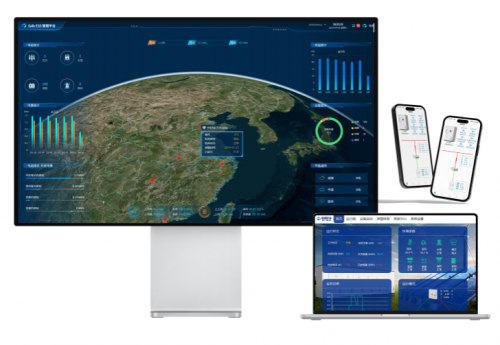
在当下蓬勃发展的储能行业,果下科技宛如一匹黑马,正以迅猛之势闯入大众视野,并朝着港股IPO的 目标稳步迈进。那么,果下科技究竟有着怎样的底气,能在竞争激烈的市场中脱颖而出,踏上赴港IPO 之路呢? 果下科技是中国储能行业领先的基于平台技术及人工智能驱动的可再生能源解决方案及产品提供商之 一。在储能行业风口正盛的当下,它凭借汇聚的全方位技术和服务,为全球用户量身定制专业、敏捷且 适用的智储解决方案。无论是大型能源企业,还是分布式能源用户,果下科技都能凭借其深厚的行业积 累和创新能力,满足不同场景下的能源需求,成为能源行业值得信赖的整合专家。 公司围绕"AI+储能"战略,精心打造了储能生态产品的全栈技术体系。从设备级控制到系统级优化,形 成了完整的能力闭环。这一体系如同一个智能大脑,持续推动储能系统向智能化、平台化、柔性化方向 演进。例如,在一些偏远地区的微电网项目中,果下科技的储能系统能够根据当地的气候条件、用电负 荷等因素,自动调整储能策略,实现能源的高效利用和稳定供应,为当地居民和企业带来了可靠的电力 保障。 如今公司已先后荣获百余项技术专利,这些专利如同坚实的基石,筑高了公司的技术高地,使其在激烈 的市场 ...

睡眠科技的脑电突围:从实验室到千亿市场的破壁革命
Zhong Guo Chan Ye Jing Ji Xin Xi Wang· 2025-08-04 06:56
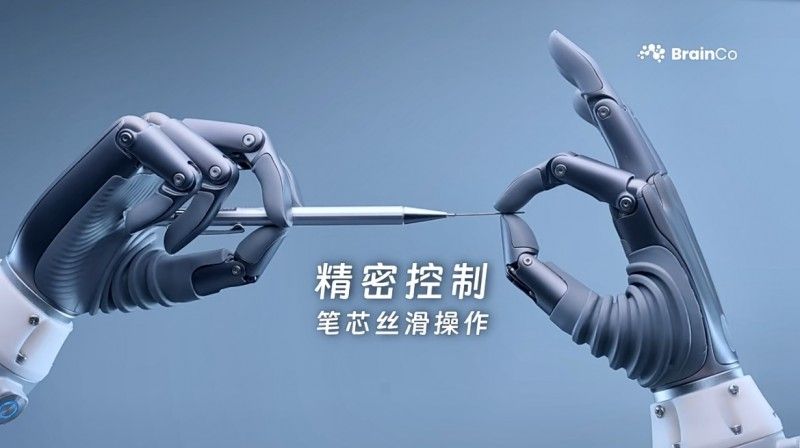
Group 1: Brain-Computer Interface (BCI) Technology - The recent advancements in brain-computer interface technology, particularly by Neuralink, have sparked global interest, showcasing its potential to address significant health issues [1][8] - In China, non-invasive BCI technology is gaining momentum, with applications demonstrated at the 2025 World Artificial Intelligence Conference, highlighting its practical potential [1][3] - Non-invasive BCI technology is expanding from medical rehabilitation to smart home applications, showing unique value in sleep management and other emerging scenarios [3][8] Group 2: Sleep Technology and Market Potential - Sleep issues, especially insomnia, affect millions globally, and traditional solutions often fall short, creating a demand for innovative approaches [4][8] - Non-invasive BCI products can provide precise monitoring of sleep quality by capturing and interpreting brain waves, offering a new pathway for sleep improvement [4][6] - The collaboration between Xilinmen and BrainCo to launch the world's first AI mattress integrating brainwave technology represents a significant product innovation in the sleep technology sector [6][8] Group 3: Future of Sleep Health Management - The integration of brainwave data into various sleep-related products is expected to create personalized sleep solutions across different environments, enhancing user experience [7][8] - The rapid development of BCI technology in China positions it as a leading experimental ground for consumer-level applications, with projections indicating a significant growth in the sleep health industry by 2030 [8][9] - The vision of a fully integrated "neuro-level" smart sleep environment is emerging, where brainwave monitoring can influence various aspects of the sleeping environment for optimal rest [8][9]
从“单点突破”走向“集群成势” 苏州工业园区打造生物制造全链生态
Zhong Guo Chan Ye Jing Ji Xin Xi Wang· 2025-08-04 05:40
Core Insights - The Suzhou Industrial Park is emerging as a hub for biomanufacturing, transitioning from laboratory research to large-scale application, and is referred to as the "engine of the Fourth Industrial Revolution" [1] - The integration of upstream, midstream, and downstream processes within the park is facilitating rapid development and collaboration among biomanufacturing companies [2] - The park aims to cultivate a complete ecosystem for biomanufacturing, with a goal to foster 5 leading enterprises and 150 high-growth companies by 2027, targeting an industry scale exceeding 15 billion yuan [4] Group 1: Industry Development - The Suzhou Industrial Park has established a comprehensive biomanufacturing ecosystem, connecting various stages of production from raw materials to clinical applications [2] - The park's strategy includes a detailed action plan for biomanufacturing development, focusing on four key areas: biomedicine, food, bio-based materials, and biomanufacturing equipment [6] - The park is leveraging national platforms and academic institutions to enhance research in synthetic biology and key enabling technologies [7] Group 2: Technology Transfer and Innovation - A recent 176 million yuan technology transfer agreement exemplifies the successful transition of research from the laboratory to clinical applications, facilitated by the Suzhou Biomedicine Center [3] - The park is implementing a full-chain technology transfer model, from original research to concept validation and large-scale production, to attract top talent and innovative projects [7] - The focus on AI-driven innovation and the establishment of common technology platforms are expected to accelerate the growth of the biomanufacturing sector [7] Group 3: Future Vision - The Suzhou Industrial Park is positioning itself as a global innovation center for biomanufacturing, aiming to become a new industrial landmark in Suzhou and beyond [8] - The park's initiatives are designed to create a supportive environment for high-tech enterprises and specialized small giants, enhancing overall industry competitiveness [7]
沈鼓集团获批设立国家标准验证点
Zhong Guo Chan Ye Jing Ji Xin Xi Wang· 2025-08-04 05:36
Core Viewpoint - The establishment of the national standard verification point for ShenGu Group marks a significant advancement in the energy chemical and metallurgical power equipment sector in China, enhancing the standardization and quality of related products [1] Group 1: National Standard Verification Point - ShenGu Group has been approved as the only national standard verification point in the energy chemical and metallurgical power equipment field in China [1] - The national standard verification point aims to validate technical requirements, core indicators, testing, and inspection methods to improve the scientificity, rationality, and applicability of standards [1] Group 2: Capabilities and Impact - The verification point will have the capability to test and validate standards for various products, including industrial fans, blowers, rotary blowers, compressors, turbines, industrial pumps, and hydraulic recovery turbines [1] - The establishment of this verification point is expected to promote the industry's advancement towards high-end, intelligent, and green development, optimize the standard verification technical system, and enhance the quality of various standards [1]
云南打好"组合拳"推动资源经济加快发展
Zhong Guo Chan Ye Jing Ji Xin Xi Wang· 2025-08-04 05:36
Group 1: Resource Economy Development - Yunnan has positioned resource economy as a key pillar of its economic strategy, with the value added of key resource industries accounting for approximately 45% of GDP [1] - The province is enhancing resource utilization through a comprehensive approach, including policy and financial support, to accelerate the development of key industries [1] - Major manufacturing projects are being promoted to drive industrial cluster development, with approximately 75% of large-scale industrial enterprises concentrated in resource economy industries [1] Group 2: Non-ferrous Metals Industry - Yunnan aims to become a strong province in the non-ferrous metals industry, targeting an industrial output value exceeding 400 billion yuan by 2024 [2] - The production of ten types of non-ferrous metals reached 819.45 million tons, accounting for 10.35% of the national total, ranking fourth in the country [2] - The industrial output value of the non-ferrous metals sector grew by 29% in the first half of the year, with a production increase of 17.4% [2] Group 3: Agricultural Sector - Yunnan is focusing on highland characteristic agriculture, maintaining a leading position in investment scale and production of key agricultural products [3] - The total output value of key agricultural industries reached 2.75 trillion yuan, with significant contributions from sectors like fresh-cut flowers, coffee, and tea [3] - Two agricultural clusters, namely Sanqi and dairy, have been recognized as national characteristic advantage industry clusters [3] Group 4: Tourism Industry - Yunnan is transforming its tourism industry, aiming to attract 700 million visitors and achieve a total tourism expenditure of 1.14 trillion yuan by 2024 [3] - In the first half of the year, the province received 370 million tourists, marking a 10.8% year-on-year increase, with tourism expenditure exceeding 650 billion yuan [3] - The number of residents engaged in tourism activities surged by 45.4%, indicating a robust growth trend [3]

济南高新区深耕智能工厂建设 打造转型升级新标杆
Zhong Guo Chan Ye Jing Ji Xin Xi Wang· 2025-08-04 05:36
Core Insights - Shandong Province's Ministry of Industry and Information Technology announced the list of outstanding intelligent factories and manufacturing scenarios for 2025, with 14 companies from Jinan High-tech Zone recognized for their excellence in intelligent manufacturing [1][2] - Among the recognized companies, 8 were designated as "Advanced Level (Provincial) Intelligent Factories," while 6 companies, including Jicheng Electronics (002339), received 14 honors for "Provincial Intelligent Manufacturing Excellent Scenarios" [1] Group 1: Intelligent Factory Development - Jinan High-tech Zone has prioritized intelligent factory construction as a key driver for high-quality manufacturing development, employing measures such as scenario-driven approaches, resource integration, and technology empowerment [1][2] - The zone emphasizes the discovery and cultivation of excellent intelligent manufacturing scenarios, encouraging enterprises to innovate in core areas such as design, production, management, and services, with applications like AI quality inspection and digital twins [1][2] Group 2: Resource Integration and Collaboration - Jinan High-tech Zone leverages its industrial cluster advantages to integrate resources from upstream and downstream enterprises, promoting collaborative innovation and cooperation among companies [2] - Leading enterprises are encouraged to take the initiative in driving the participation of small and medium-sized enterprises in intelligent factory construction, fostering a healthy industrial ecosystem [2] Group 3: Technological Empowerment - The zone actively attracts and cultivates high-level intelligent manufacturing system solution providers, establishing platforms for supply-demand matching and deep cooperation between local enterprises and service providers [2] - Efforts are being made to create a regional industrial internet platform and a demonstration area for the integration of 5G and industrial internet, facilitating the efficient penetration and collaborative innovation of technologies such as industrial software and big data [2] Group 4: Future Plans - Jinan High-tech Zone plans to continue optimizing the policy environment and enhancing service capabilities to accelerate the implementation of "intelligent transformation and digital networking" across broader and deeper levels [2] - The goal is to nurture more "hidden champions" in specific fields to join the ranks of intelligent factories, supporting benchmark companies like Inspur and Jicheng in advancing to "Excellence" and "Leading" levels [2]
陕汽首款潜伏举升式自动导引车正式投用
Zhong Guo Chan Ye Jing Ji Xin Xi Wang· 2025-08-04 02:54
近日,陕汽汽车装备制造厂自主研发的首款潜伏举升式AGV(自动导引车)正式投入使用,标志着汽 车装备制造厂迈出从"传统制造"向"智能物流"转型的关键一步。 作为陕汽生产体系的核心环节,新能源智能工厂预装线每日需处理超过3万件物料,长期面临倒框作业 频繁、分装环节冗杂、重件搬运高负荷等难题。为了解决这些生产痛点,汽车装备制造厂将潜伏举升式 AGV研发作为突破口,成功开辟了提升产线效率、优化运营成本的新路径。 潜伏举升式AGV创新应用线外分装与集配一体化SPS模式,将配送距离与拿取路径缩短40%以上,同 时,依托5G/Wi-Fi双模式通信网络和厂区数字地图,该款AGV将物流周转信息化率提升至95%以上,响 应延迟从30秒压缩至3秒,复杂场景下的避障效率提高了3倍,实现了快响应、高精度、强适应的智能调 度目标。 经过三个多月的试运行,这款AGV的成效远超预期。经测算,单车装配时间缩短0.3分钟,预装线整体 效率提升5.7%,日均替代1900次重件搬运作业,不仅显著降低了员工劳动强度,还有效解决了落地存 放、零件堆积等管理难题,在效率提升、成本优化和人效改善方面取得三重突破。 此次潜伏举升式AGV的成功投用,是陕汽以技 ...
新兴产业“抢人”现代服务业“吸才”——产业变革下的就业市场新动向
Zhong Guo Chan Ye Jing Ji Xin Xi Wang· 2025-08-04 02:11
Group 1: Employment Trends - In the first half of the year, 6.95 million new urban jobs were created, achieving 58% of the annual target, indicating overall stability in the employment situation [1] - The demand for talent in emerging industries and modern service sectors is increasing, reflecting a significant impact of industrial development on employment [1][3] - The shift from "demographic dividend" to "talent dividend" is evident, with a growing demand for high-tech and high-value-added positions [3] Group 2: Emerging Industries - The demand for composite talents in fields such as humanoid robotics and low-altitude economy is surging, with job postings in humanoid robots, new materials, and smart hardware increasing by 398.1%, 72.1%, and 50.3% year-on-year, respectively [2] - Companies like EX Robotics and WoFei ChangKong are actively seeking talent in mechanical automation, artificial intelligence, and supply chain management [2] Group 3: Service Sector Opportunities - The pet medicine sector is experiencing a talent shortage, with companies like Jiangxi Ruide Pharmaceutical Co., Ltd. needing professionals in product development and analysis, constituting about 30% of their workforce [4] - The modern service industry is witnessing rapid growth in job demand, particularly in pet services, automotive aftermarket, elderly care, and online life services, with pet services leading at a 72.2% increase in job postings [4] Group 4: Policy Support - The government is implementing policies to support employment growth along the industrial chain, including a series of incentives and skills training programs [5][6] - The Ministry of Human Resources and Social Security has introduced measures that have effectively reduced labor costs for enterprises by over 90 billion yuan through unemployment insurance rate reductions and other subsidies [6] - Continuous support for vocational skills training in key sectors is planned, with a target of subsidizing over 10 million training sessions annually for the next three years [6]
鸿蒙5终端数突破1000万新增260多项功能 覆盖近20个行业
Zhong Guo Chan Ye Jing Ji Xin Xi Wang· 2025-08-04 02:07
Core Insights - As of July 30, the number of devices running HarmonyOS 5 has surpassed 10 million, marking a significant milestone in the ecosystem's evolution within less than a year [1] - The rapid growth of HarmonyOS is attributed to its status as a domestically developed operating system, gaining widespread user support and breaking the long-standing monopoly in the operating system market [1] Group 1 - HarmonyOS 5 covers over 40 Huawei products, including smartphones, tablets, cars, and smart home devices, and has introduced more than 260 new features [1] - The number of developers submitting versions has exceeded 270,000, and the open-source code has reached 130 million lines, covering nearly 20 industries such as government, healthcare, and manufacturing [1] - By the end of June, over 1,200 types of products running the open-source HarmonyOS had been launched, totaling more than 1.19 billion units, with over 7.2 million developers and more than 25,000 applications and services available [1] Group 2 - The ecosystem has over 450 partners, indicating a rapidly improving ecosystem that meets the needs of the majority of users [1] - The adaptation of mainstream applications to HarmonyOS has further solidified its market presence and maturity, enhancing its competitive position in the global operating system landscape [1]
琛蓝健康响应国家战略推动海洋产业高质量发展
Zhong Guo Chan Ye Jing Ji Xin Xi Wang· 2025-08-04 02:04
为确保科技成果及时有效进行市场转化,琛蓝健康投资兴建了青岛崂山产业园、青岛即墨产业园和甘肃 琛蓝陇药国际化产业基地,并在全球范围设有多处原料专供基地,建立起全流程可追溯质控体系,形成 从原料提取到成品制备的闭环式产业链条,为广大家人提供专业的营养与健康解决方案。 专注精准营养 7月,中央财经委员会第六次会议召开,强调"推进中国式现代化必须推动海洋经济高质量发展",明确 提出要"更加注重创新驱动""发展海洋生物医药、生物制品""提高海洋科技自主创新能力"。会议指出, 要提高海洋科技自主创新能力,强化海洋战略科技力量,培育发展海洋科技领军企业和专精特新中小企 业,要做强做优做大海洋产业。 作为立足海洋产业,贯彻国家战略的琛蓝健康,从成立之初就专注于海洋活性物质的开发利用,以科技 创新深耕蓝色沃土,以产业升级激发健康动能,将"向海图强"国家战略转化为服务全民健康的创新实 践。 科技引领未来 琛蓝健康自成立以来,始终践行科技引领未来的发展战略,致力于功能营养素的探索与创新,赋能人民 群众的综合健康管理。 公司建有业内一流的健康科技研究院,拥有一支60余人硕士学位以上的跨国科研团队,由中国海洋大学 原校长管华诗院士担任 ...