
Si Chuan Ri Bao

Search documents
以成都试点带动全省赋能,加快构建“五区共兴”的全域要素协同配置格局 打造更多“四川样板成都经验”
Si Chuan Ri Bao· 2026-01-14 00:45
Core Insights - The pilot program aims to address three major challenges: inefficient flow of factors, low allocation efficiency, and insufficient collaborative capacity [5] - The initiative is tasked with creating new pathways for factor supply to cultivate new productive forces, exploring new paths for factor allocation in mega cities, and developing factor-driven strategies for regional coordinated development [6] Pilot Measures - The program will leverage provincial comprehensive planning and coordination, while city-level organizations will implement innovative and exploratory measures, focusing on significant reform tasks and small-scale reform projects [3][4] - Chengdu will concentrate on key areas such as technology, labor, and land, planning a series of "integrated supply" reform measures around its advantageous industries like biomedicine and low-altitude economy [4] Background and Necessity - The pilot is driven by national directives and the specific needs of Sichuan and Chengdu to overcome new challenges and expand economic development [2] - Chengdu initiated reforms in spatial planning and land policy to support the rapid development of new industries and business models [3] Implementation Strategy - A collaborative approach between provincial and city levels will transform the proposed "blueprint" into tangible outcomes, with a focus on strong leadership and coordinated efforts across departments [4] - The city aims to establish a comprehensive policy framework that integrates various departments and levels of government to enhance the effectiveness of the pilot [4] Expected Outcomes - The pilot is expected to generate replicable and scalable experiences that can benefit the entire province, enhancing the overall factor allocation and coordination across regions [6]
昔日游东南亚我们首选泰国 如今他们来川“沉浸式打卡” 38.9万人次 泰国成四川最大入境客源国
Si Chuan Ri Bao· 2026-01-14 00:45
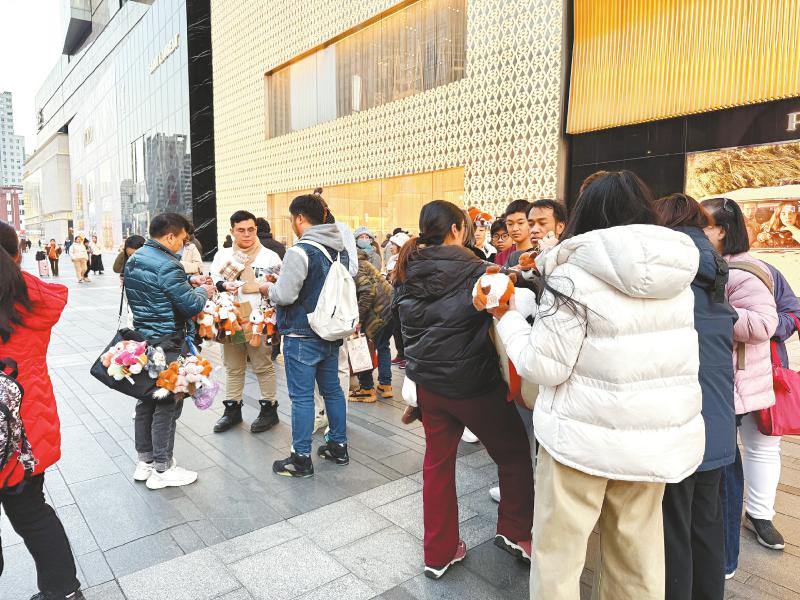
Core Viewpoint - In 2025, Sichuan has become a preferred destination for Thai tourists, with a significant increase in their numbers, driven by favorable travel policies, cultural attractions, and shopping opportunities [3][4][7]. Group 1: Tourist Statistics and Trends - In 2025, Sichuan border inspection stations recorded over 1.72 million foreign entries and exits, with Thai tourists numbering approximately 389,000, marking a year-on-year increase of 75.4% [4][6]. - Sichuan's travel agencies received over 9,000 Thai tourists in 2025, indicating a substantial rise in visitor numbers compared to previous years [5][6]. - Popular tourist spots among Thai visitors include Jiuzhaigou, Bifengxia, and the Chengdu Panda Base, with a notable increase in visits to trendy locations like Kuanzhai Alley and Daguan Glacier [5][6]. Group 2: Travel Experience and Preferences - Thai tourists exhibit diverse travel styles, from young travelers engaging in shopping sprees to older groups seeking in-depth cultural experiences [5][6]. - The average shopping expenditure per Thai tourist in Chengdu exceeds 1,000 yuan, particularly during winter when many purchase winter clothing [6][8]. Group 3: Travel Policies and Accessibility - The implementation of the mutual visa exemption agreement between China and Thailand since March 1, 2024, has significantly boosted Thai interest in traveling to China [7][8]. - Chengdu's proximity to Thailand, with direct flights to Bangkok and Chiang Mai taking only about 2 to 3 hours, enhances its appeal as a travel hub [7][8]. Group 4: Shopping and Payment Facilities - Chengdu offers a seamless shopping experience for Thai tourists, with over 180 tax refund shops and the ability to receive immediate refunds on purchases [8][9]. - The city supports various payment methods, including foreign bank cards and multiple international e-wallets, facilitating easy transactions for Thai visitors [9][10]. Group 5: Cultural Appeal - Sichuan's rich culinary offerings, such as hotpot and Mapo tofu, have become increasingly popular among Thai tourists, reflecting a growing cultural exchange [10].

看“十五五”开局之年我省工业“主引擎”的动力和方向 聚焦“新”与“需” 聚力取得突破
Si Chuan Ri Bao· 2026-01-14 00:26
Group 1: Focus on "New" - Sichuan is emphasizing breakthroughs in industrial transformation and upgrading, deep integration of technological and industrial innovation, and the intelligent, green, and integrated development of manufacturing [1][3] - The "14th Five-Year Plan" period will focus on developing new quality productivity and accelerating the construction of a modern industrial system with Sichuan characteristics and advantages [1][3] - The rise of artificial intelligence is reshaping the development pattern and providing significant opportunities for Sichuan's industrial transformation and leading development [4] Group 2: Focus on "Demand" - The central economic work conference highlighted the importance of domestic demand, with a focus on enhancing the adaptability of supply and demand in consumer goods [5][6] - Sichuan aims to optimize production supply in line with market demands and enhance the reputation of "Sichuan-made" products [6] - The province plans to continue implementing the "Industrial Investment Promotion Year" action in 2026, focusing on traditional industries' transformation and upgrading while accelerating investment in emerging fields like artificial intelligence and biomanufacturing [6][7]
成都市郫都区:锚定“十五五”新坐标 “锦绣郫都”书写奋进答卷
Si Chuan Ri Bao· 2026-01-13 22:01
Group 1: Economic Development and Goals - The core objective of Pidu District is to establish a "highland of science and innovation" and enhance manufacturing capabilities, cultural brand recognition, and overall economic quality and growth [2][3] - Pidu District aims to build a modern industrial system centered on advanced manufacturing, with a focus on attracting significant projects and investments, such as the signing of 19 major industrial projects with a total investment of 15.326 billion yuan [3] - The district is committed to optimizing its industrial layout and enhancing the development capabilities of its high-tech industrial park and film city [4] Group 2: Technological Innovation and Industry Integration - Pidu District emphasizes the integration of technological and industrial innovation, with plans to strengthen innovation platforms and enhance original innovation capabilities [5][6] - The district is fostering collaboration between enterprises and educational institutions to facilitate the transformation of scientific research into marketable products, as exemplified by the success of companies like Jiach Technology [6][7] - A series of activities aimed at matching technological achievements with industry needs will be conducted, including the release of technology demand lists and promoting enterprise participation in innovation projects [7] Group 3: Social Welfare and Quality of Life - Pidu District is focused on improving the quality of life for its residents through initiatives in employment services, ecological development, and rural environment improvement [8][9] - The district has established a three-dimensional curriculum system for job training and has created numerous internship bases for university students to enhance local employment opportunities [8] - Ongoing efforts to enhance public services, such as healthcare and education, are in place to ensure a high standard of living for residents [9]

打造更多“四川样板成都经验”
Si Chuan Ri Bao· 2026-01-13 21:59
Core Viewpoint - The pilot program in Sichuan and Chengdu aims to address three major challenges: inefficient flow of factors, low allocation efficiency, and insufficient collaborative capacity [1][5]. Pilot Objectives - The pilot seeks to create new pathways for factor supply to cultivate new productive forces, explore new paths for factor allocation in mega cities, and develop new factor-driven pathways for regional coordinated development [1][5]. Pilot Measures - The program will leverage provincial comprehensive planning and coordination, while city-level organizations will implement innovative and differentiated exploration. A series of impactful comprehensive reform tasks and small-scale reform projects will be planned to create a "Sichuan model" and "Chengdu experience" for market-oriented factor allocation [1][4]. Background for the Pilot - The pilot is driven by national directives and local needs, aiming to overcome new challenges in development and expand economic growth. Chengdu has initiated reforms in spatial planning and land policy to support the rapid development of new industries and business formats [2]. Achievements and Progress - Chengdu's reforms have shown significant results, such as reducing the average area of cultivated land occupied by individual projects by approximately 7%, incorporating over 420,000 new employment forms into occupational injury protection, and developing 299 primary products from 658 types of authorized data [2]. Implementation Strategy - The implementation will involve collaboration between provincial and municipal levels, transforming the proposed "blueprint" into practical outcomes. A coordinated work mechanism will be established to ensure effective policy execution across various departments [3][4]. Expected Outcomes - The pilot aims to enhance the spatial capacity and policy support for new industries and business formats, with the expectation of generating replicable and scalable experiences that can benefit the entire province [5].
从零起步引进培育新产业,用时不到五个月 研究定位,图谱导航 自贡精准招商出新招
Si Chuan Ri Bao· 2026-01-13 07:19
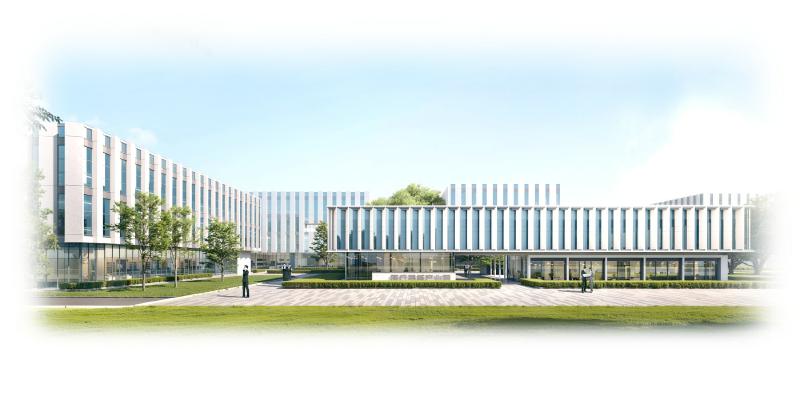
Core Insights - The establishment of the Advanced Medical Device Industrial Park in Zigong marks a significant breakthrough for the city, which previously lacked a related industrial foundation. The project has progressed from concept to initiation in less than five months, covering an area of over 60 hectares [3][4]. Group 1: Industry Focus and Strategy - Zigong has chosen to enter the advanced medical device sector due to its manageable investment cycle and higher success rate compared to the biopharmaceutical industry. The city has nine tertiary hospitals that can provide valuable clinical trial and application scenarios for enterprises [5][6]. - The city’s industrial research institute has developed a detailed industrial chain map, identifying key enterprises and potential partners, which serves as a "research map" for attracting investment [4][7]. Group 2: Investment Attraction and Implementation - The research institute has established four selection criteria for attracting advanced medical device projects, focusing on those that address real clinical problems and possess significant technological barriers [7][8]. - A comprehensive strategy has been implemented, including the establishment of a 1 billion yuan medical device special fund and supportive policies covering the entire product lifecycle, to facilitate the attraction of key enterprises [8][9]. Group 3: New Model Development - Zigong is developing a replicable new model for investment attraction that emphasizes external expertise and internal collaboration, successfully attracting quality projects like Wolant and Jiushi Intelligent [9][10]. - The model is lightweight, focusing on research capabilities and resource integration rather than asset investment, making it suitable for small to medium-sized cities [10].

四川开年首场国际赛事落地泸州 “一拳”能否打出赛事经济“全年红”
Si Chuan Ri Bao· 2026-01-13 07:19
Core Viewpoint - The third Asian Comprehensive Fighting Championship, the first international event in Luzhou, Sichuan, aims to boost the local economy and promote Luzhou as a regional consumption center through sports tourism and events [1][2]. Group 1: Event Significance - The championship features over 300 participants from 21 countries and regions, marking the largest scale in its history [1]. - Winning athletes will qualify for the 2026 Asian Games, enhancing the event's prestige and appeal [1]. Group 2: Local Advantages - Luzhou is recognized for its vibrant sports culture, producing notable athletes and investing in modern sports facilities like the Luzhou Olympic Sports Park [2]. - The city is leveraging its historical and geographical advantages to enhance its event hosting capabilities [6]. Group 3: Economic Impact - Luzhou's event hosting strategy has led to a significant increase in local service industry consumption, exceeding 700 million yuan [4]. - The city plans to host three international, five national, and twelve provincial events in 2025, setting a historical record for event scale and quantity [4]. Group 4: Future Development Strategies - Luzhou aims to integrate sports with tourism and culture, promoting a "sports + tourism" model to enhance visitor experiences [3][6]. - The city is focusing on developing a complete industrial chain from raw material supply to high-end equipment manufacturing in sports [7]. - Luzhou plans to implement a "dual-drive" strategy combining sports events and performing arts to sustain economic growth and enhance city branding [7].
四川推动省属事业单位公务用车信息化管理 不再纸质派单 平台调度派遣
Si Chuan Ri Bao· 2026-01-13 03:51
Core Viewpoint - The Sichuan provincial government is transitioning the management of official vehicles in provincial public institutions to an information-based system, similar to that of government agencies, starting from February this year [1][2]. Group 1: Implementation of Information Management - The new system will eliminate the use of paper dispatch orders, requiring all vehicle dispatches to be managed through the Sichuan Provincial Government Vehicle Management Platform [1]. - The implementation will involve two main steps: uploading vehicle documentation and installing vehicle tracking devices, followed by assigning platform accounts to each public institution for vehicle management [2]. Group 2: Benefits and Oversight - The information management system aims to address the lack of real-time oversight and efficient management of vehicle usage across various public institutions, which have diverse categories and funding sources [1]. - The system will track vehicle usage, provide alerts for any irregularities, and ensure compliance with regulations, thereby enhancing accountability and oversight [2].
巡河记 奔腾吧 赤水河
Si Chuan Ri Bao· 2026-01-13 00:25
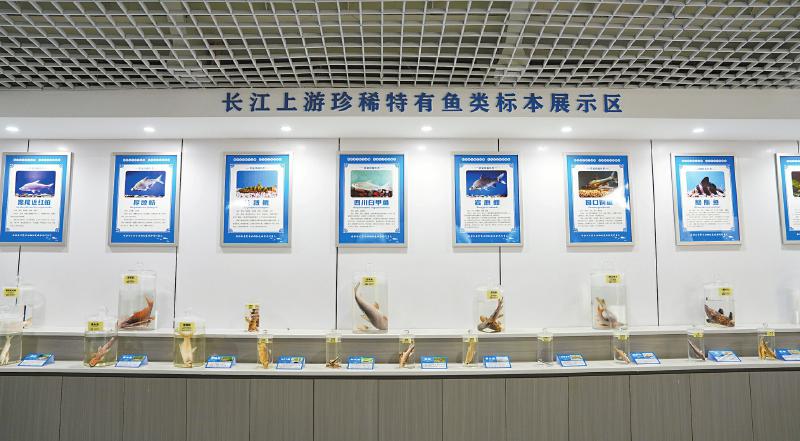
Core Viewpoint - The article highlights the ecological recovery of the Chishui River, emphasizing the successful implementation of a fishing ban, collaborative legislative efforts among three provinces, and the significant increase in rare fish species over the past decade [3][4][12]. Group 1: Ecological Recovery - Recent monitoring indicates a significant increase in fish species and their populations in the Chishui River, with notable rises in the frequency of rare species such as Yangtze sturgeon and redfin [5][7]. - The Yangtze sturgeon achieved natural spawning and hatching in the Chishui River for the first time, marking a critical step in the reconstruction of its wild population [7][8]. - The Chishui River has restored fish species to 149 types, with a notable increase in rare and endemic fish populations, reflecting ongoing improvements in aquatic biodiversity [13][15]. Group 2: Fishing Ban and Community Transformation - The Chishui River has been under a comprehensive fishing ban for ten years, leading to a transformation of local fishermen into river guardians, with many finding new livelihoods through agriculture and aquaculture [9][11]. - The fishing ban has allowed fishermen like Fan Yonglong and Wang Zhengming to transition from traditional fishing to sustainable practices, resulting in increased income and stability [10][11]. - Approximately 16,480 fishermen in Sichuan have successfully transitioned to new livelihoods through various support measures, ensuring a smooth shift from fishing to alternative sources of income [11]. Group 3: Collaborative Legislative Efforts - In May 2021, the three provinces of Sichuan, Yunnan, and Guizhou passed joint legislation to enhance the protection of the Chishui River, marking a pioneering effort in local watershed governance in China [14]. - The collaborative approach has led to the establishment of joint patrols, information sharing, and case collaboration among local authorities, effectively breaking down administrative barriers [12][14]. - The integration of punitive and restorative justice practices has been implemented in the region, promoting community involvement in ecological governance and enhancing public awareness [14].
四川2025年12月CPI同比上涨0.2% 呈现低位温和回升态势
Si Chuan Ri Bao· 2026-01-13 00:25
Group 1 - Overall, Sichuan's CPI shows a low-level moderate recovery trend, with core CPI continuing to strengthen, having risen for 10 consecutive months [1][2] - In December 2025, pork prices in Sichuan decreased by 16.6% year-on-year and 0.8% month-on-month, attributed to industry overcapacity and weak terminal demand [1][2] - The prices of communication tools, entertainment durable goods, and household appliances have increased due to the effects of consumption-boosting policies and rising demand before the New Year [2] Group 2 - In December 2025, the core CPI, excluding food and energy prices, rose by 0.9% year-on-year, maintaining the same growth rate as the previous month [2] - The increase in core CPI is primarily driven by a 0.9% rise in service prices, indicating that positive factors in price movements are gradually accumulating [2]