Qian Zhan Wang

Search documents
【投资视角】启示2025:中国医药流通行业投融资及产业基金分析(附投融资事件、产业基金等)
Qian Zhan Wang· 2025-09-04 03:13
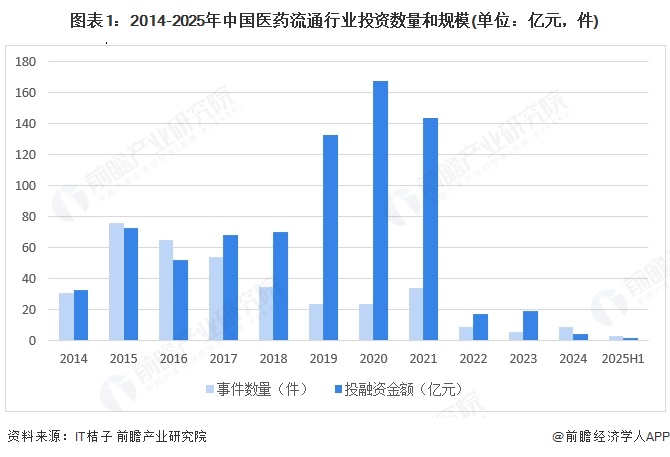
Core Insights - The investment scale in the pharmaceutical distribution industry has shown a trend of increasing and then decreasing from 2014 to 2024, with the most active investment phase occurring between 2014 and 2017, and the highest investment amount recorded from 2019 to 2021. Since 2022, both the number and amount of investments have declined, with 2024 seeing 9 investments totaling 420 million yuan [1][2]. Investment Trends - From 2014 to 2020, the average single investment amount increased from 110 million yuan to 700 million yuan, but began to fluctuate downwards from 2021, with a rebound to 320 million yuan in 2023. Investments in 2024 and 2025 are expected to be in the million yuan range [2]. Financing Events Summary - A summary of financing events from 2024 to 2025 shows various companies receiving investments, with notable amounts such as 150 million yuan for Zhengshe Pharmacy and 600 million yuan for Huaren Biopharma [6][7][8]. Financing Rounds - The majority of financing rounds from 2021 to 2025 are strategic investments, accounting for 37% of total investments, indicating a trend towards business transformation and enhanced bargaining power through regional network integration. A rounds account for 17.7%, while B and C rounds are also prevalent [9]. Investment Entities - Private Equity (PE) and Venture Capital (VC) firms dominate the investment landscape, making up 73% of the total investment entities, followed by enterprises at 17%. This trend is driven by the need for substantial capital to support chain expansion and acquisitions, as traditional bank loans are insufficient [10]. Investment Destinations - The primary destinations for investment in the pharmaceutical distribution sector are Beijing (27%), followed by Shanghai (16%), Guangdong (13%), and Zhejiang (10%). These regions are characterized by strong economic development and high demand for pharmaceutical distribution [12]. Fund Management Capabilities - Several funds are actively investing in the pharmaceutical distribution sector, including the Shanghai Comprehensive Reform Fund and the National Mixed Ownership Fund, with management scales exceeding 50 billion yuan. Most of these funds are backed by state and local government resources, indicating strong management capabilities [13][17].






【行业深度】洞察2025:中国智慧交通行业竞争格局及排名情况(附项目竞争情况、企业排名、细分赛道、战略集群、波特五力模型)
Qian Zhan Wang· 2025-09-03 10:41
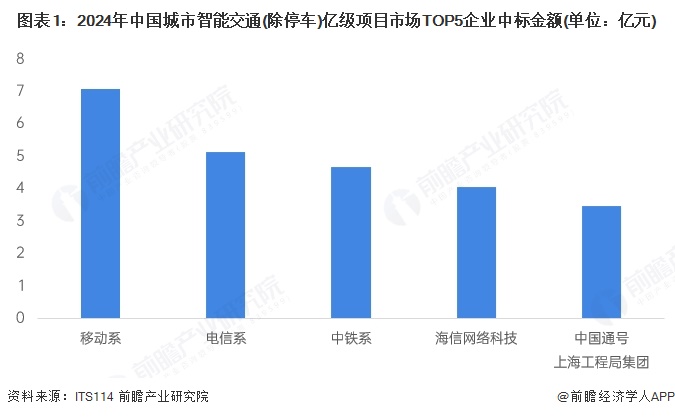
Core Viewpoint - The Chinese smart transportation industry is experiencing moderate market concentration, with leading companies like China Mobile and China Telecom dominating the market due to their advanced communication technologies and infrastructure resources [2][6]. Market Competition Analysis - In 2024, the top five companies in the urban smart transportation project bidding are China Mobile, China Telecom, China Railway, Hisense Network Technology, and China Communications Shanghai Engineering Bureau Group, collectively holding over 45% of the market share [1][2]. - The market is characterized by a layered competition where telecom operators lead infrastructure, state-owned enterprises focus on vertical markets, and tech companies emphasize technological breakthroughs [6][15]. - The CR3 (concentration ratio of the top three companies) stands at 31%, while the CR5 (concentration ratio of the top five companies) is 44%, indicating a significant presence of leading firms [6]. Innovation and Technology Ranking - The top five companies in the Chinese smart transportation technology innovation ranking for 2025 are Baidu Apollo, Huawei, Mogu Car Union, Zhongke Chuangda, and Jinzhi Technology, recognized for their comprehensive technology solutions and successful pilot projects [8][9]. - Companies like Baidu Apollo and Huawei leverage their full-stack technology and integrated solutions to maintain their leading positions in the market [8][10]. Segment Analysis - Smart transportation solution providers include Baidu Apollo and Huawei, which offer comprehensive solutions from perception to control, focusing on technology integration and scene implementation capabilities [10]. - Hardware product solution providers consist of component manufacturers like Bosch and Dahua Technology, which meet the demand for sensors and vehicle-mounted terminals [10]. - The competitive landscape also includes technology integrators such as Baidu Maps and Gaode Maps, which provide foundational data and technical support for smart transportation [10]. Strategic Cluster Analysis - Market leaders like Dahua Technology excel in revenue and profit margins by offering a range of smart transportation products and solutions [13]. - Companies such as Junsen Electronics and Yutong Bus are recognized as market drivers due to their scale advantages in automotive manufacturing and components [13]. Competitive Forces Summary - The competitive landscape of the smart transportation industry is characterized by high technical barriers for existing competitors, with significant pressure from potential entrants, particularly tech giants [15]. - The bargaining power of suppliers is moderate, while buyers, including government and automotive companies, exert strong pressure for cost-effectiveness and customization [15]. - The threat of substitutes is low, as smart transportation is a necessary upgrade area, making it difficult for existing technologies to be disrupted in the short term [15].
理想汽车李想放话:目标年底高端纯电赛道“保五争三”,销量稳定在18000-20000辆/月【附新能源汽车行业市场分析】
Qian Zhan Wang· 2025-09-03 07:43
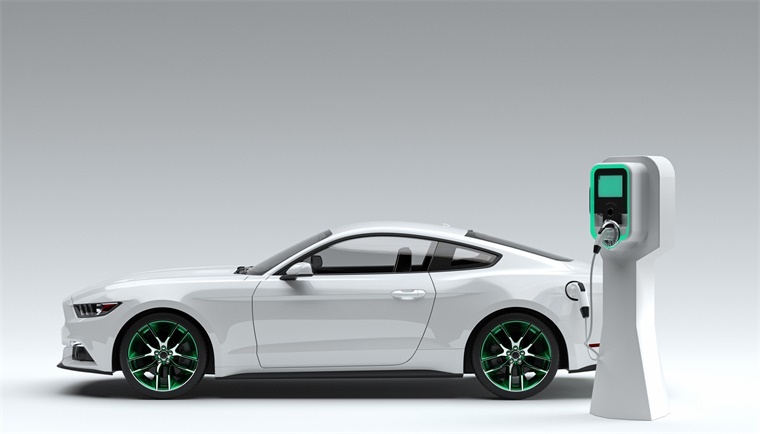
Core Viewpoint - Li Auto aims to enter the pure electric SUV market in 2025, targeting monthly sales of 18,000 to 20,000 units across its electric models by the end of the year [2][6]. Group 1: Company Goals and Targets - Li Auto's CEO, Li Xiang, expressed confidence in achieving the goal of "maintaining fifth and striving for third" in the high-end pure electric vehicle segment by the end of 2025 [2]. - The specific targets for Li Auto's models include stabilizing sales at 6,000 units per month for the Li i8 and 9,000 to 10,000 units per month for the Li i6 [2]. Group 2: Market Context - The Chinese new energy vehicle market continues to grow rapidly, with a cumulative production of 11.26 million units from January to November 2024, representing a year-on-year increase of 35.6% [3]. - In the same period, the production of pure electric vehicles reached 6.8 million units, accounting for 60.4% of the total new energy vehicle production [5]. Group 3: Competitive Landscape - The high-end market (vehicles priced above 300,000 yuan) is notably concentrated, with Tesla's Model Y leading with a market share of 41.3%, followed by NIO's ES6 at 18.7% and Zeekr 001 at 15.2% [5]. - To achieve its sales targets, Li Auto must navigate and overcome the existing competitive landscape [6]. Group 4: Industry Trends - The advancement of technology and market maturity indicates that pure electric technology will become the mainstream direction for future automotive development [9].

2025年中国超硬材料行业细分市场结构分析—技术演进、应用突破与增长机遇
Qian Zhan Wang· 2025-09-03 04:13
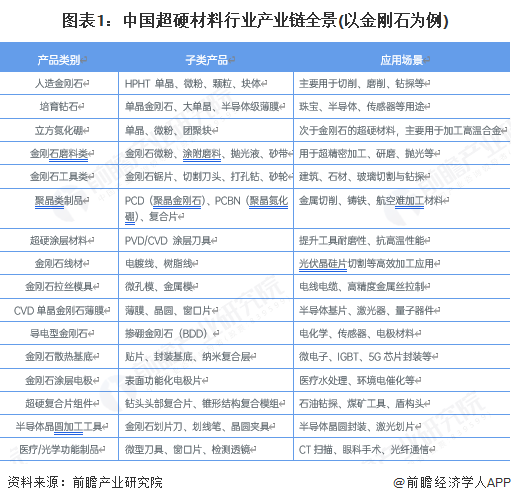
Core Viewpoint - The Chinese superhard materials industry is accelerating its transformation from traditional grinding tools to high-end fields such as semiconductors and new energy, forming a three-tier product hierarchy of basic materials (HPHT/cBN), functional products (PCD tools), and high-end applications (CVD films), with the semiconductor/optical field growing at an 8% rate, becoming a new growth driver [1][6]. Product Structure - The superhard materials industry in China can be divided into three main levels: basic synthetic materials, functional products, and high-end application materials. Basic synthetic materials include industrial synthetic diamonds (HPHT), cubic boron nitride (cBN), diamond micropowder, and nanodiamonds, which are core raw materials for superhard tools. HPHT diamonds are widely used in grinding and cutting, while cBN is suitable for processing difficult materials like high-temperature alloys. CVD-synthesized diamond single crystals or films are primarily used in high-end electronics and heat dissipation devices [2][3]. Market Trends - The downstream demand for superhard materials in China is showing a trend of diversification and structural upgrading. The metal cutting tool sector still holds the largest share, while precision grinding and photovoltaic silicon wafer cutting are experiencing stable growth. The semiconductor and optical fields are emerging as new engines of growth, indicating a shift from traditional applications to high-tech areas such as semiconductors, consumer electronics, and new energy [6][10]. Supply and Demand Dynamics - The overall production and sales ratio of various segments in the superhard materials industry remains high, indicating a balanced supply-demand relationship. Diamond wire and micropowder products have a production-sales ratio close to 100%, reflecting strong demand in mature application scenarios. PCD/PCBN tools and superhard grinding wheels maintain a ratio of around 95%, showing stable penetration in traditional manufacturing and precision processing. However, the production-sales ratio for CVD diamond films is only 75%, indicating that it is still in the early stages of industrialization [7][10]. Market Composition - The Chinese superhard materials market is characterized by a leading position of industrial diamond micropowder, which accounts for over half of the market share. PCD/PCBN tools, benefiting from the rapid growth in CNC machine tools and new energy vehicle component processing, account for nearly one-fifth of the market. Superhard grinding wheels are used for precision grinding and high-hardness material processing, maintaining stable demand. Although CVD diamond films currently account for less than 10% of the market, their applications in semiconductors, optics, and thermal management are rapidly expanding, making them a high-growth category [10][15].


预见2025:《2025年中国汽车座椅行业全景图谱》(附市场现状和发展趋势等)
Qian Zhan Wang· 2025-09-03 02:18
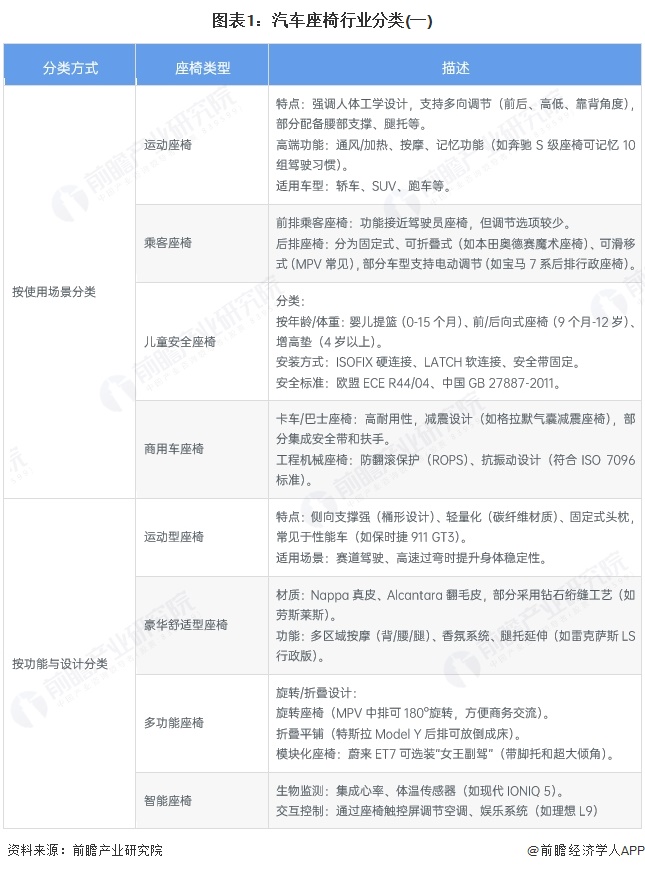
Industry Overview - The automotive seat is a core component of vehicle interiors, providing comfort and safety for passengers. It consists of various parts including seat cushions, backrests, side supports, and headrests [1] - The automotive seat industry in China has evolved through four stages: initial stage with simple structures, technological development with mechanization, rapid development with smart and personalized features, and transformation focusing on safety, comfort, lightweight, and intelligence [8][11] Market Size and Growth - The estimated market size for passenger car seats in China for 2024 is approximately 109.91 billion yuan, while the market size for commercial vehicle seats is around 15.33 billion yuan, leading to a total market size of approximately 125.34 billion yuan [23] - The automotive seat industry is projected to reach a market size of about 174.6 billion yuan by 2030, with an average annual growth rate of 5.4% [34] Competitive Landscape - Major players in the automotive seat assembly market include companies like Lear, Faurecia, Adient, and Yanfeng, with significant market shares [7][26] - The market is characterized by a high concentration of a few large enterprises, but domestic companies are increasingly gaining market share due to the rise of new energy vehicles and smart seat technologies [30][33] Technological Trends - The industry is moving towards innovations in smart, lightweight, and environmentally friendly materials, with a focus on personalized designs to meet consumer demands [30][33] - Key technological advancements include the integration of sensors for automatic adjustments, health monitoring, and the use of lightweight materials like carbon fiber and aluminum [33] Policy Environment - Current policies in China emphasize safety, lightweight design, intelligence, and green recycling, with standards being upgraded to enhance safety features and promote the use of new materials [14][15] - Regulations are set to increase the recycling rate of materials to 95% by 2030, encouraging the adoption of sustainable practices in the automotive seat industry [14] Consumer Preferences - Consumers prioritize leather seats and are increasingly interested in features such as adjustable backrests, seat height adjustments, ventilation, heating, and memory functions [21]


前瞻全球产业早报:宇树科技将在四季度提交IPO申请
Qian Zhan Wang· 2025-09-02 23:13
Group 1 - The National Development and Reform Commission's expert indicates that shrinking cities may face consolidation or merging in the future due to issues like single industrial structure leading to resource loss [2] - Apple is accelerating the automation transformation of its supply chain, requiring suppliers to invest in automation technology independently to continue receiving contracts [3] - The 3GPP has officially started the standardization research for 6G wireless access networks, marking a shift from concept exploration to technical challenges [4] Group 2 - Shanghai is supporting the development and application of high-performance AI training, inference chips, and edge chips, aiming to enhance intelligent computing capabilities [4] - Shenzhen has passed regulations to encourage social capital participation in synthetic biology, promoting the establishment of industry merger funds to facilitate industry chain integration [5] - Yushu Technology plans to submit an IPO application between October and December, with quadruped and humanoid robots expected to account for 65% and 30% of 2024 sales, respectively [6] Group 3 - Tencent has open-sourced the Youtu-Agent framework to provide efficient tools for researchers and developers in various applications [7] - BYD has increased its registered capital from approximately 30.39 billion RMB to about 91.17 billion RMB, marking a 200% increase [8] - Bosch and Alibaba have announced a deepened strategic partnership focusing on cloud-driven enterprise operations and AI-enabled business innovation [9] Group 4 - Mixue Ice City has applied for multiple AI-related trademarks, indicating a strategic move into the AI sector [10] - NextEra has received approval to restart the Duane Arnold nuclear power plant in Iowa, which is expected to be back online by the end of 2028 [10] - ChatGPT's user base in South Korea has surpassed 20 million, representing a significant increase from 4.07 million a year ago [11] Group 5 - Musk's investment in electric flying cars has begun trial operations at two airports in California, showcasing a vehicle capable of vertical takeoff and landing [12] - Apple is set to introduce the AirPods Pro 3 with new health monitoring features, including heart rate and temperature monitoring [14] - Tesla's "Master Plan Part 4" aims to integrate AI into physical products and services, indicating a significant future direction for the company [15] Group 6 - Samsung and SK Hynix plan to extend DDR4 production into next year due to stable prices amid supply constraints [15] - The eye medical device company "Siairan Medical" has completed a new round of financing exceeding 100 million RMB, led by Qianji Capital and Shunwei Capital [16] - The smart lawn mower manufacturer "Laimu Technology" has secured several million RMB in Series A financing, with multiple investors involved [16] Group 7 - Aux Electric has officially listed on the Hong Kong Stock Exchange, with an IPO price of HKD 17.42 per share, valuing the company at approximately HKD 27 billion [17] - Sungrow Power plans to issue H-shares and apply for listing on the Hong Kong Stock Exchange [18] - The three major A-share indices collectively fell, with the Shanghai Composite Index down 0.45% [18]





华为董事陶景文:国产算力基本能够解决美国卡脖子问题,我们在大模型竞争力上不输美国【附AI算力行业市场分析】
Qian Zhan Wang· 2025-09-02 11:51
Core Insights - The rapid development of artificial intelligence (AI) in China, particularly in large models, has become a global focus, with 478 large AI models released by Q1 2024, second only to the United States [2] - The maturity of China's large model industry is evident in its comprehensive research and development system, which includes theoretical methods, algorithm frameworks, and hardware-software collaboration [4] - The construction of self-built computing power is crucial for the core competitiveness of large language models, with China's computing power scale reaching 180 EFlops in 2022, a 28.6% year-on-year increase, ranking second globally [4] Industry Development - The demand for computing power in AI services is increasing, and there is a need to effectively utilize existing supercomputing and intelligent computing centers to avoid resource waste [5] - The establishment of an AI infrastructure system should not overly emphasize integrated layouts but should support diverse developments under national policy guidance [5] - The use of large models to create specialized models can achieve high precision with low energy consumption, highlighting the importance of strategic planning and division of labor in AI computing power services [5]

计划2026年商业化应用!马斯克:特斯拉未来约80%价值将来自于Optimus擎天柱机器人【附人形机器人行业发展趋势】
Qian Zhan Wang· 2025-09-02 11:00
Group 1 - Elon Musk believes that approximately 80% of Tesla's future value will come from the Optimus robot [2] - The mission of the Optimus robot is to liberate human labor by taking over tedious or dangerous jobs, with plans for commercialization by 2026 [2][3] - Market sentiment is mixed, with a prediction that the likelihood of Optimus being launched before 2027 is only 40% according to Kalshi [3] Group 2 - The humanoid robot industry integrates advanced technologies from mechanical engineering, electronics, computer science, and artificial intelligence [3] - The Chinese humanoid robot market is projected to reach approximately 2.76 billion yuan in 2024, with significant growth expected by 2027 [4] - Global humanoid robot shipments are expected to reach 38,000 units by 2030 according to Qianzhan Industry Research Institute [5] Group 3 - Major tech companies and startups are actively pursuing mass production of humanoid robots, despite challenges such as high R&D costs and market acceptance [7] - The development of humanoid robots is expected to bring new productivity and lifestyle changes to society as technology advances and market demand grows [7]



【投资视角】启示2025:中国4K、8K超高清电视机行业投融资及兼并重组分析(附投融资汇总、产业基金和兼并重组等)
Qian Zhan Wang· 2025-09-02 09:18
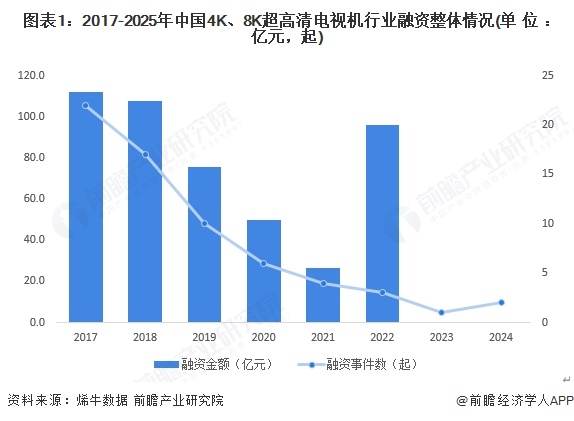
Core Insights - The investment and financing activity in the 4K and 8K ultra-high-definition television industry in China has shown a declining trend, with only 2 financing events disclosed in 2024 and none in 2025 as of August 7 [2][3] Investment Activity - From 2017 to 2024, there were a total of 65 financing events in the 4K and 8K ultra-HD television industry, indicating fluctuating but overall decreasing investment activity [2] - The majority of financing rounds are concentrated in equity and strategic investments, primarily occurring post-IPO [4] - Guangdong province has the highest number of financing events, totaling 18 from 2017 to 2024, with significant activity also in Shanghai and Beijing [7][8] Sector Focus - Investment in the 4K and 8K ultra-HD television industry is primarily focused on terminal manufacturing [8] - The main investors in this sector are investment firms, with notable participants including CITIC Securities and CICC, while companies like TCL and Konka represent the industrial investors [15] Mergers and Acquisitions - The industry has seen a significant number of horizontal mergers and acquisitions as companies seek to expand their scale, reflecting a mature market [17] - Notable mergers include Huaxing Optoelectronics acquiring Guangzhou LG Display and other similar transactions aimed at horizontal integration [18] Summary of Trends - Overall, the investment and financing activities in the 4K and 8K ultra-HD television market have decreased compared to previous years, while the frequency of mergers and acquisitions has increased, indicating a shift in market dynamics [20]





2025年中国生物医用材料上游市场现状分析 金属和高分子材料应用更广【组图】
Qian Zhan Wang· 2025-09-02 08:30
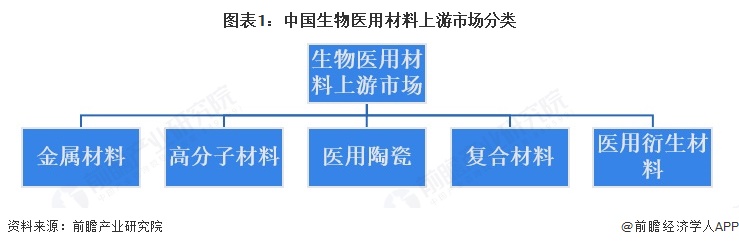
Core Viewpoint - The article discusses the current state and future trends of the biomedical materials industry in China, highlighting the competitive landscape and the significance of various material types in the market [1][3]. Group 1: Industry Overview - The biomedical materials industry is categorized into five main types: metal materials, polymer materials, medical ceramics, composite materials, and medical-derived materials [1]. - In 2022, metal and polymer materials held a significant share in the biomedical materials market, while composite and bio-derived materials are expected to gain market share due to technological advancements and increased demand in the medical aesthetics sector [3]. Group 2: Innovation and Competitiveness - The Ministry of Industry and Information Technology and the National Medical Products Administration have initiated a collaborative innovation task for biomedical materials, with a notable number of polymer material companies leading in the selection of innovation tasks [6]. - Companies from Beijing and Shandong provinces have shown strong competitiveness, as they have the highest number of selected units in the first batch of innovation tasks [7]. Group 3: Market Development Trends - The development trends for various types of biomedical materials in China are as follows: - Metal materials are focusing on high-strength, low-modulus, bioactive modifications, and biodegradable alloys to enhance long-term compatibility of implants and reduce the need for secondary surgeries [13]. - Polymer materials are evolving towards high functionality, smart responsive designs, and biodegradable controls to meet the precise needs of medical applications [13]. - Medical ceramics are enhancing bioactivity, nanoscale modifications, and optimizing porous structures for complex tissue engineering applications [13]. - Composite materials are centered on low-cost mass production and high-performance multifunctional integration for advanced medical devices [13]. - Medical-derived materials are transitioning from passive repair to active induction through intelligent regeneration systems, integrating personalized medicine and tissue regeneration technologies [13].