
人民币存款

Search documents
买美元存款的人亏钱了
Di Yi Cai Jing· 2026-02-26 14:22
Core Viewpoint - The recent appreciation of the Renminbi (RMB) against the US dollar has led to significant losses for investors who opted for high-yield US dollar deposits, as the currency exchange rate changes have overshadowed the interest earnings [1][2][3]. Group 1: Currency Market Dynamics - The onshore and offshore RMB exchange rates have strengthened post the Spring Festival, with the US dollar to RMB hitting lows of 6.8310 and 6.82665 respectively [1]. - Investors who previously bought US dollar deposits under the "high interest + exchange rate difference" logic are now reassessing their returns, often finding that interest earned does not cover exchange rate losses, leading to capital depreciation [1][2]. - The RMB deposit rates have fallen to the "1" range, while US dollar deposits were initially attractive with rates above 3% to 4% [1][4]. Group 2: Investor Experiences - Many investors have reported losses, with one individual noting a loss of 7,000 yuan after investing in US dollar deposits, highlighting a common sentiment of unexpected losses due to currency fluctuations [2]. - Another investor, who purchased 50,000 USD at an exchange rate of 7.23, received 2,250 USD in interest but faced a loss when converting back to RMB due to the appreciation of the RMB [2][5]. - The overall trend shows that many investors are seeking alternative sources of yield in a low-interest environment, leading to increased interest in US dollar deposits [2]. Group 3: Bank Strategies and Offerings - Despite the losses faced by some investors, banks continue to promote US dollar deposit products, with rates around 3% for one-year deposits and some promotional rates reaching up to 3.7% [4]. - The interest rate for RMB deposits has been declining, with major banks offering rates of 1.10% for one-year deposits, creating a persistent interest rate differential that attracts investors to US dollar deposits [4]. - Banks are using US dollar deposits as a tool for differentiated asset gathering, especially during key periods, while managing exchange rate risk [4][5]. Group 4: Future Outlook on Currency and Deposits - The ongoing appreciation of the RMB raises questions about the future value of US dollar deposits, with analysts suggesting that returns will increasingly depend on interest rates rather than exchange rate movements [6][7]. - The RMB has maintained a strong appreciation trend, with macroeconomic factors contributing to this shift, including a global move away from the US dollar and improvements in the international balance of payments [6][7]. - Analysts caution that the logic behind investing in US dollar deposits should focus on asset allocation rather than short-term gains, emphasizing the importance of understanding currency risks [7].
人民币节后快速升值,买美元存款的人亏钱了
Di Yi Cai Jing· 2026-02-26 12:41
Core Viewpoint - The recent appreciation of the Renminbi (RMB) has led to significant losses for investors holding USD deposits, as the exchange rate fluctuations have overshadowed the interest income from these deposits [2][4][7]. Group 1: Currency Exchange Dynamics - Since 2026, the offshore RMB has repeatedly approached the 6.8 level, firmly remaining in the "6" era [1]. - The RMB has maintained a strong appreciation trend, with the USD to RMB exchange rate hitting a low of 6.8310 and 6.82665 for onshore and offshore RMB respectively [2]. - The RMB has appreciated for five consecutive months, with macro analysts identifying three phases of this appreciation since November 2025 [7]. Group 2: Investor Behavior and Reactions - Many investors who opted for high-yield USD deposits are now facing unexpected losses, as the interest earned does not compensate for the depreciation in value when converted back to RMB [3][4]. - A specific case highlighted an investor who lost approximately 7,000 RMB due to unfavorable exchange rate movements despite earning interest on their USD deposit [3]. - The trend of seeking alternative yield sources has led to increased interest in USD deposits, particularly when RMB deposit rates fell to the "1" range [3][6]. Group 3: Bank Strategies and Market Conditions - Despite the risks associated with exchange rate fluctuations, banks continue to promote USD deposit products, with rates around 3% to 4% for new customers [5][6]. - The interest rate for USD deposits remains attractive compared to the declining rates for RMB deposits, which are around 1.10% for one-year terms [5]. - Banks are using various strategies to attract deposits, including special rates for new customers and short-term offerings, while managing their exposure to currency risk [6]. Group 4: Future Outlook and Considerations - The future value of USD deposits is uncertain, as the RMB's strength may lead to diminishing returns from these investments [8]. - Analysts suggest that the decision to hold USD deposits should be based on genuine foreign currency needs or diversification rather than short-term speculative gains [8]. - Historical trends indicate that the USD to RMB exchange rate has experienced significant fluctuations, suggesting potential for future volatility [8].
2026年首月我国社会融资规模增量为7.22万亿元
Xin Hua Wang· 2026-02-13 10:37
Core Insights - The People's Bank of China reported that in January 2026, RMB loans increased by 4.71 trillion yuan, maintaining reasonable growth, while the social financing scale increased by 7.22 trillion yuan, setting a historical record for the same period [1] Group 1: Loan Data - As of the end of January, the RMB loan balance reached 276.62 trillion yuan, reflecting a year-on-year growth of 6.1% [1] - In January, household loans increased by 456.5 billion yuan, with short-term loans rising by 109.7 billion yuan [1] - Corporate loans increased by 4.45 trillion yuan, with medium to long-term loans accounting for 3.18 trillion yuan [1] Group 2: Money Supply - By the end of January, the broad money supply (M2) stood at 347.19 trillion yuan, showing a year-on-year increase of 9% [1] - The narrow money supply (M1) was 117.97 trillion yuan, with a year-on-year growth of 4.9% [1] - The currency in circulation (M0) reached 14.61 trillion yuan, reflecting a year-on-year increase of 2.7% [1] Group 3: Deposit Data - In January, RMB deposits increased by 8.09 trillion yuan, with household deposits rising by 2.13 trillion yuan and non-financial enterprise deposits increasing by 2.61 trillion yuan [1] Group 4: Social Financing - As of the end of January, the total social financing scale was 449.11 trillion yuan, with a year-on-year growth of 8.2% [1] - The social financing increment for January was 7.22 trillion yuan, which is 166.2 billion yuan more than the same period last year [1]
货币政策靠前发力,M2和社融保持较高增速
Sou Hu Cai Jing· 2026-02-13 09:58
Group 1 - The People's Bank of China reported that the social financing scale increased by 7.22 trillion yuan in January 2026, which is 166.2 billion yuan more than the same period last year [1] - The broad money supply (M2) reached 347.19 trillion yuan, showing a year-on-year growth of 9%, with an increase of 0.5 percentage points compared to December of the previous year [1] - The narrow money supply (M1) stood at 117.97 trillion yuan, with a year-on-year growth of 4.9%, up by 1.1 percentage points from December [1] Group 2 - In January 2026, the demand for loans in renminbi increased by 4.71 trillion yuan, with household loans rising by 456.5 billion yuan and corporate loans increasing by 4.45 trillion yuan [1] - The total deposits in renminbi increased by 8.09 trillion yuan, with household deposits growing by 2.13 trillion yuan and non-financial enterprise deposits increasing by 2.61 trillion yuan [1] Group 3 - As of the end of January 2026, the total social financing stock was 449.11 trillion yuan, reflecting a year-on-year growth of 8.2% [2] - The balance of renminbi loans to the real economy was 273.3 trillion yuan, with a year-on-year increase of 6.1% [2] - The balance of government bonds reached 95.9 trillion yuan, showing a year-on-year growth of 17.3% [2] Group 4 - The People's Bank of China announced a series of monetary policies, including structural interest rate cuts and adjustments to the minimum down payment ratio for commercial housing loans [4] - The central bank emphasized the continuation of a moderately accommodative monetary policy to enhance the effectiveness of both incremental and stock policies [4]

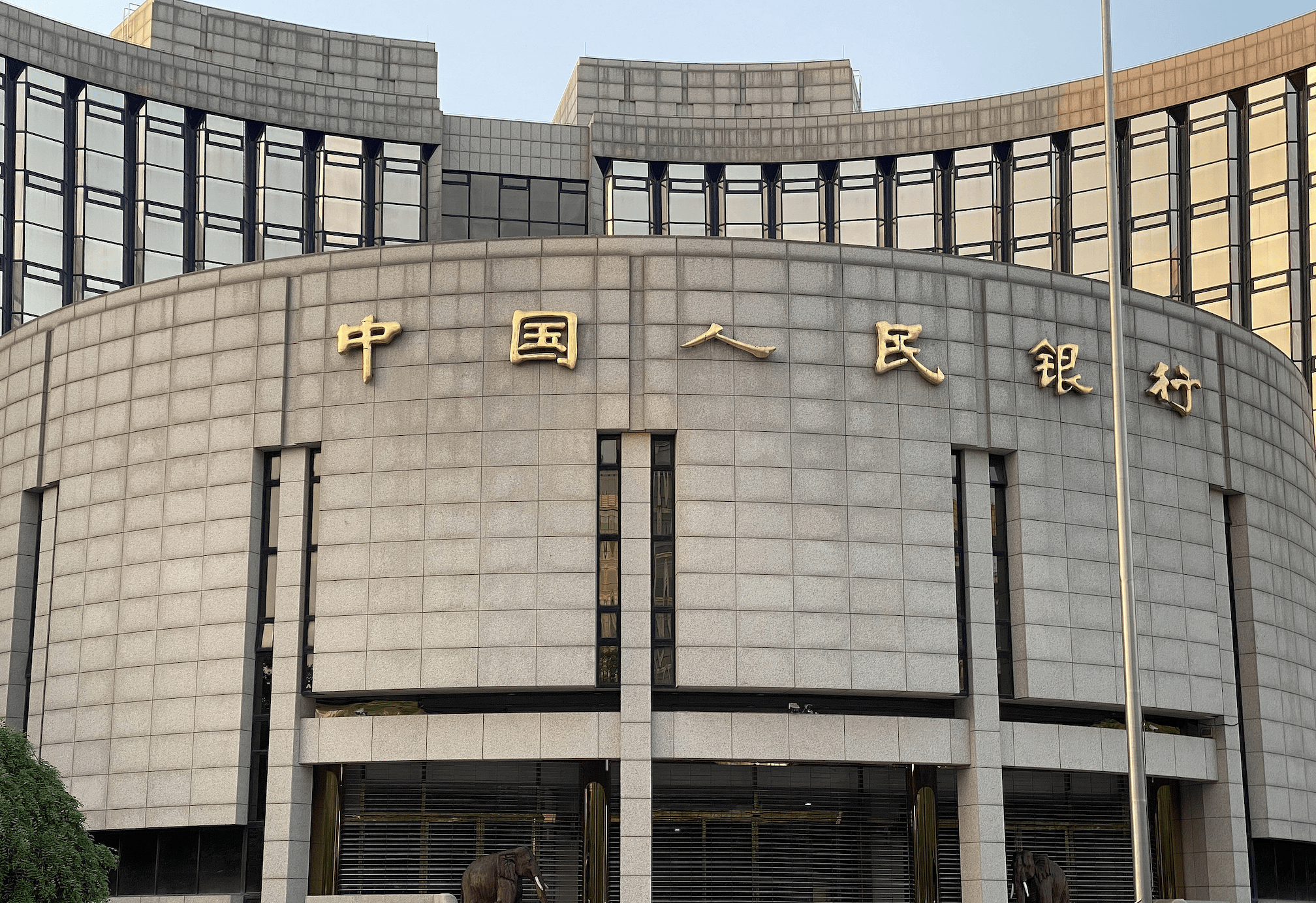
1月金融数据出炉!M2余额347.19万亿元,同比增长9% 1月人民币贷款增加4.71万亿元
Jin Rong Jie· 2026-02-13 09:28
Group 1 - The central bank reported that as of the end of January, the broad money supply (M2) was 347.19 trillion yuan, a year-on-year increase of 9% [1] - The narrow money supply (M1) was 117.97 trillion yuan, with a year-on-year growth of 4.9% [1] - The cash in circulation (M0) reached 14.61 trillion yuan, growing by 2.7% year-on-year [1] - In January, a net cash injection of 519.1 billion yuan was recorded [1] Group 2 - In January, the total amount of social financing increased by 7.22 trillion yuan, which is 166.2 billion yuan more than the same period last year [2] - The increase in RMB loans to the real economy was 4.9 trillion yuan, which is a decrease of 317.8 billion yuan compared to the previous year [2] - The net financing of corporate bonds was 503.3 billion yuan, an increase of 57.9 billion yuan year-on-year [2] - The net financing of government bonds was 976.4 billion yuan, which is 283.1 billion yuan more than the previous year [2] Group 3 - The total RMB deposits increased by 8.09 trillion yuan in January, with household deposits rising by 2.13 trillion yuan [2][4] - The total balance of RMB deposits reached 336.77 trillion yuan, reflecting a year-on-year growth of 9.9% [2] - The foreign currency deposit balance was 1.1 trillion USD, showing a year-on-year increase of 23.7% [2] Group 4 - The total RMB loans increased by 4.71 trillion yuan in January, with household loans rising by 456.5 billion yuan [3][4] - The balance of RMB loans was 276.62 trillion yuan, reflecting a year-on-year growth of 6.1% [3] - The balance of foreign currency loans was 570.1 billion USD, with an increase of 251 billion USD in January [4] Group 5 - The average weighted interest rate for interbank RMB market lending was 1.4%, which is 0.04 percentage points higher than the previous month [4] - The total transaction volume in the interbank RMB market reached 211.96 trillion yuan in January, with a daily average transaction of 10.09 trillion yuan [4] - The average weighted interest rate for pledged bond repos was 1.43%, which is 0.03 percentage points higher than the previous month [4] Group 6 - The cross-border RMB settlement amount under the current account was 1.49 trillion yuan in January [5] - The direct investment cross-border RMB settlement amount was 0.78 trillion yuan, with foreign direct investment accounting for 0.51 trillion yuan [5]
节奏明显加快 多家银行火速跟进 “降息”!
Zhong Guo Ji Jin Bao· 2026-02-11 06:34
Core Viewpoint - The recent trend of interest rate cuts on deposits has accelerated, with various banks, including state-owned and regional banks, quickly following suit to lower their deposit rates, indicating a significant shift in the banking sector's approach to managing interest rates and net interest margins [1][4]. Group 1: Interest Rate Adjustments - Changsha Bank announced a reduction in its deposit rates effective August 1, with cuts ranging from 10 to 20 basis points for various terms [2]. - Other banks, such as Xiamen Bank and Jiangsu Bank, also adjusted their deposit rates, aligning with the reductions made by major state-owned banks [2]. - In Guangxi, Longsheng Rural Commercial Bank lowered its deposit rates, with the one-year term dropping to 1.55%, a reduction of 20 basis points [2]. Group 2: Speed of Rate Cuts - The current round of interest rate cuts began on July 25, with major state-owned banks leading the way, followed by 18 joint-stock banks within four days [4]. - The rapid pace of these adjustments is notable compared to previous cycles, where larger banks typically initiated changes, and smaller banks followed later [4]. - Analysts suggest that the quick response from smaller banks may be due to increased pressure on net interest margins and the market's adaptation to previous rate cuts [4]. Group 3: Future Outlook - Experts predict that deposit rates may continue to decline throughout the year, with potential further cuts expected in the fourth quarter or early next year [5]. - The chief economist at Minsheng Bank noted that the recent rate cuts could lead to a shift of deposits towards wealth management products, as the market for such products has been recovering rapidly [6].

2026年2月9日平安银行人民币存款利率是多少
Jin Tou Wang· 2026-02-09 06:55
Group 1 - The article provides updated interest rates for various deposit products offered by Ping An Bank, effective from May 21, 2025 [1] - The benchmark interest rates for demand deposits are set at 0.35%, while the quoted rates are at 0.05% [1] - For time deposits, the rates vary by term, with a one-year deposit rate at 1.50% (benchmark) and 1.15% (quoted) [1] Group 2 - The rates for three-month, six-month, and two-year time deposits are 1.10% (benchmark) and 0.70% (quoted), 1.30% (benchmark) and 0.95% (quoted), and 2.10% (benchmark) and 1.20% (quoted) respectively [1] - The rates for three-year and five-year time deposits are 2.75% (benchmark) and 1.30% (quoted), and the quoted rate for five-year deposits is 1.35% [1] - The article notes that the rates for various savings products, including zero deposit and flexible deposits, are also provided, with specific rates for one-year, three-year, and five-year terms [1]

2025年长三角地区人民币贷款增加5.83万亿元
Guo Ji Jin Rong Bao· 2026-01-30 12:23
Group 1: Loan Data - As of the end of December, the total loan balance in the Yangtze River Delta region reached 76.52 trillion yuan, with a year-on-year growth of 8.3%, a decrease of 0.1 percentage points from the previous month [1] - The balance of RMB loans was 75.65 trillion yuan, growing by 8.4% year-on-year, also down by 0.1 percentage points from the previous month [1] - Foreign currency loans amounted to 123.5 billion USD, with a year-on-year increase of 1.7%, maintaining the same growth rate as the previous month [1] - In 2022, RMB loans in the Yangtze River Delta increased by 5.83 trillion yuan, which is 633.6 billion yuan less than the previous year [1] - Household loans increased by 77.3 billion yuan, which is 696.1 billion yuan less year-on-year, with short-term loans decreasing by 300.5 billion yuan and medium to long-term loans increasing by 377.8 billion yuan [1] - Corporate loans increased by 5.6 trillion yuan, which is 189.7 billion yuan more than the previous year, with short-term loans increasing by 2.22 trillion yuan and medium to long-term loans increasing by 2.79 trillion yuan [1] - In December, RMB loans increased by 281.4 billion yuan, which is 937 billion yuan less year-on-year [1] - Foreign currency loans increased by 21 billion USD in 2022, which is 20.5 billion USD more than the previous year [1] - In December, foreign currency loans increased by 3 billion USD, which is 1 billion USD more year-on-year [1] Group 2: Deposit Data - As of the end of December, the total deposit balance in the Yangtze River Delta region reached 86.98 trillion yuan, with a year-on-year growth of 9.3%, an increase of 1.3 percentage points from the previous month [2] - The balance of RMB deposits was 84.1 trillion yuan, growing by 8.9% year-on-year, up by 1.4 percentage points from the previous month [2] - Foreign currency deposits amounted to 40.94 billion USD, with a year-on-year increase of 22.6%, although the growth rate decreased by 2.6 percentage points from the previous month [2] - In 2022, RMB deposits in the Yangtze River Delta increased by 6.9 trillion yuan, which is 2.83 trillion yuan more than the previous year [2] - Household deposits increased by 3.62 trillion yuan, which is 127.7 billion yuan more year-on-year [2] - Non-financial corporate deposits increased by 1.05 trillion yuan, which is 1.48 trillion yuan more than the previous year [2] - In December, RMB deposits increased by 713.8 billion yuan, which is 1.04 trillion yuan more year-on-year [2] - Foreign currency deposits increased by 754 million USD in 2022, which is 665 million USD more than the previous year [2] - In December, foreign currency deposits increased by 12 million USD, which is 67 million USD less year-on-year [2]
2025年全年长三角地区外币贷款增加21亿美元 同比多增205亿美元
Sou Hu Cai Jing· 2026-01-30 10:45
Group 1: Currency Loans - In 2025, the total foreign currency loans in the Yangtze River Delta increased by 2.1 billion USD, a year-on-year increase of 20.5 billion USD [1] - The total RMB loans in the region increased by 5.83 trillion CNY, a year-on-year decrease of 633.6 billion CNY [1] - Household sector loans increased by 77.3 billion CNY, a year-on-year decrease of 696.1 billion CNY, with short-term loans decreasing by 300.5 billion CNY and medium to long-term loans increasing by 377.8 billion CNY [1] Group 2: Corporate Loans - Corporate loans increased by 5.6 trillion CNY, a year-on-year increase of 189.7 billion CNY, with short-term loans increasing by 2.22 trillion CNY and medium to long-term loans increasing by 2.79 trillion CNY [1] - Bill financing increased by 481 billion CNY [1] - Non-bank financial institution loans decreased by 21.3 billion CNY, a year-on-year decrease of 64.7 billion CNY [1] Group 3: Deposits - In 2025, total RMB deposits in the Yangtze River Delta increased by 6.9 trillion CNY, a year-on-year increase of 2.83 trillion CNY [2] - Household sector deposits increased by 3.62 trillion CNY, a year-on-year increase of 127.7 billion CNY [2] - Non-financial corporate deposits increased by 1.05 trillion CNY, a year-on-year increase of 1.48 trillion CNY [2] Group 4: Foreign Currency Deposits - Total foreign currency deposits in the Yangtze River Delta increased by 75.4 billion USD, a year-on-year increase of 66.5 billion USD [2] - In December, foreign currency deposits increased by 1.2 billion USD, a year-on-year decrease of 6.7 billion USD [2]
央行上海总部:2025年长三角地区人民币存款增加6.9万亿元,外币存款增加754亿美元
Xin Lang Cai Jing· 2026-01-30 08:27
Core Insights - The People's Bank of China (Shanghai Headquarters) reported on the monetary credit situation in the Yangtze River Delta region for the end of December 2025, indicating a total deposit balance of 86.98 trillion yuan, a year-on-year increase of 9.3% [1][2] Summary by Category Overall Deposit Situation - As of December 2025, the total balance of both domestic and foreign currency deposits in the Yangtze River Delta reached 86.98 trillion yuan, with a growth rate of 9.3%, which is 1.3 percentage points higher than the previous month [1][2] - The balance of RMB deposits stood at 84.1 trillion yuan, reflecting an 8.9% year-on-year increase, with a growth rate 1.4 percentage points higher than the previous month [1][2] - Foreign currency deposits amounted to 409.4 billion USD, showing a year-on-year growth of 22.6%, although the growth rate decreased by 2.6 percentage points compared to the previous month [1][2] Annual Deposit Increases - In 2025, the Yangtze River Delta region saw an increase of 6.9 trillion yuan in RMB deposits, which is 2.83 trillion yuan more than the previous year [1][2] - Household deposits rose by 3.62 trillion yuan, an increase of 127.7 billion yuan year-on-year [1][2] - Non-financial enterprise deposits increased by 1.05 trillion yuan, which is 1.48 trillion yuan more than the previous year [1][2] - Fiscal deposits grew by 96.4 billion yuan, an increase of 33.2 billion yuan year-on-year [1][2] - Deposits from non-bank financial institutions rose by 1.64 trillion yuan, which is 732.7 billion yuan more than the previous year [1][2] - In December alone, RMB deposits increased by 713.8 billion yuan, which is 1.04 trillion yuan more than the same month last year [1][2] Foreign Currency Deposits - The total increase in foreign currency deposits for the year was 75.4 billion USD, which is 66.5 billion USD more than the previous year [1][2] - In December, foreign currency deposits increased by 1.2 billion USD, which is a decrease of 6.7 billion USD compared to the same month last year [1][2]