Qian Zhan Wang

Search documents
前瞻全球产业早报:联发科辟谣被英伟达收购
Qian Zhan Wang· 2025-09-08 06:37
Group 1: Carbon Market Development - The Central Government of China has issued its first central document regarding the carbon market, outlining a "timetable" and "roadmap" for development [2] - By 2027, the mandatory carbon market will expand to cover major industrial sectors beyond power generation, steel, cement, and aluminum [2] - The voluntary carbon market aims for full coverage of key areas by 2027, including biomass utilization and solid waste treatment, with a goal to establish a transparent and internationally aligned market by 2030 [2] Group 2: State-Owned Enterprises and Economic Development - The State-owned Assets Supervision and Administration Commission (SASAC) emphasizes the need for high-quality development of state-owned enterprises (SOEs) and the preparation of the "14th Five-Year Plan" [3] - The focus is on enhancing core functions and competitiveness to better serve national economic and social development [3] Group 3: Automotive Industry Subsidies - Nanjing has launched a new round of automotive consumption subsidies from September 5 to December 31, 2025, with varying subsidy amounts based on the price of new cars [7] - Subsidies range from 1,000 yuan for cars under 100,000 yuan to 8,000 yuan for cars over 400,000 yuan [7] Group 4: AI Industry Developments - A recent report highlights that China and the U.S. dominate the global AI application landscape, with Chinese companies showing particular strength in mobile applications [8] - The report indicates that the U.S. remains a leader in AI development, but China's application-oriented approach is gaining traction [8] Group 5: Corporate Developments - Media reports indicate that MediaTek has denied rumors of being acquired by NVIDIA, clarifying that the speculation is unfounded [4] - Lenovo has launched the world's first vertical rotating screen AI PC, showcasing innovation in the personal computing sector [11] - Wanda Group has seen over 9.4 billion yuan worth of its shares frozen, indicating potential financial challenges [12] Group 6: Market Trends and Consumer Behavior - Meituan has introduced a return service without shipping fees for various retail brands, aiming to enhance customer satisfaction in the instant retail sector [10] - The German beer industry is facing a significant decline, with beer sales dropping 6.3% in the first half of the year, marking a historic low [18]


预见2025:《2025年中国文旅融合行业全景图谱》(附市场现状、竞争格局和发展趋势等)
Qian Zhan Wang· 2025-09-08 03:08
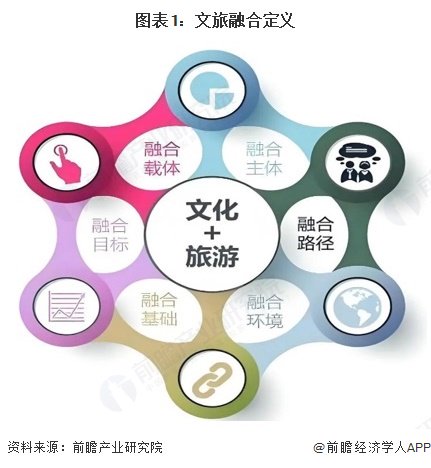
Core Viewpoint - The cultural tourism industry in China is experiencing rapid growth, driven by the integration of culture and tourism, supported by government policies and increasing consumer demand for diverse travel experiences [5][10][24]. Industry Overview - "Cultural tourism" refers to the process of experiencing and understanding human culture through travel, emphasizing the integration of cultural and tourism industries to create unique experiences [1]. - The cultural tourism industry has evolved through four stages since its inception in the late 1970s, becoming a new growth point for China's economy [5]. Industry Chain Analysis - The cultural tourism industry chain consists of three main segments: upstream (project development), midstream (project operation), and downstream (product sales) [3][4]. - Key players in the upstream include developers like Wanda Group and Huashang City, while midstream operators include China Tourism Group and Qujiang Cultural Tourism [4]. Industry Development Status - In 2024, domestic tourism in China is expected to reach 5.62 billion trips, a year-on-year increase of 14.8% [12]. - Domestic tourism expenditure is projected to be 5.8 trillion yuan in 2024, reflecting a 17.1% increase from the previous year [13]. - The cultural tourism market size is estimated to be approximately 2.32 trillion yuan in 2024, with cultural consumption in tourism expected to rise to 40% [18]. Competitive Landscape - The top ten companies in the cultural tourism sector include Ctrip Group, China Youth Travel Service, and Huashang City, indicating a competitive market [22]. - The regional distribution of cultural tourism enterprises is concentrated in Guangdong, Anhui, Jiangsu, and Shanghai, with Huashang City being a representative enterprise in Guangdong [23]. Future Development Outlook - The market size of the cultural tourism industry is projected to approach 7 trillion yuan by 2030, driven by economic recovery and increasing travel demand [24]. - The trend of "tourism+" and immersive experiences is expected to shape the future of the cultural tourism industry, highlighting the importance of cultural integration [27].
卖爆了!全新问界M7一小时订单破10万台,余承东感叹:超预期,超乎想象【附新能源汽车行业市场分析】
Qian Zhan Wang· 2025-09-05 10:28
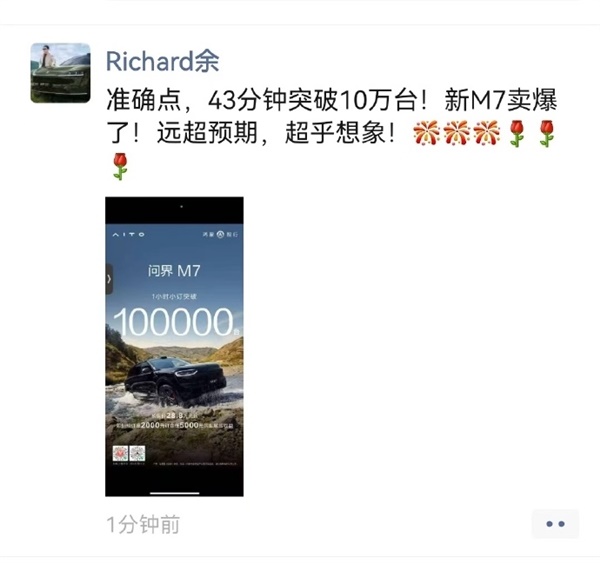
Core Insights - The new AITO M7 has started pre-orders with a starting price of 288,000 yuan, achieving over 20,000 orders in 10 minutes and surpassing 100,000 orders in 43 minutes, indicating strong market demand [1][3] - The AITO M7 has already surpassed 300,000 cumulative deliveries, making it the best-selling single model series in the AITO brand's history [3] - The AITO M7 offers both range-extended and pure electric versions, with prices ranging from 288,000 to 368,000 yuan for the range-extended version and 328,000 to 388,000 yuan for the pure electric version, targeting the mid-to-high-end market [3] Product Features - The AITO M7 features a family design closely resembling the AITO M8, with a continuous LED light strip and compact headlights enhancing its technological appeal [6] - It is equipped with Huawei's ADS 4 intelligent driving assistance system and introduces an in-cabin laser vision solution [7] Market Context - As of 2023, China's new energy vehicle penetration rate reached 31.6%, increasing to 40.3% in the first 11 months of 2024, indicating a shift from policy-driven to demand-driven growth in the smart electric vehicle sector [10] - The new energy vehicle market in China is highly concentrated, with the top ten enterprises accounting for 85.6% of total sales, reflecting a competitive landscape [7] Industry Outlook - Huawei's executive highlights a significant transformation in the smart electric vehicle industry, predicting a pivotal change by 2025, where competition will shift from electrification to intelligence [13] - Industry leaders emphasize the importance of core technology for survival in the competitive landscape, suggesting that companies must have a clear strategic direction to capitalize on the current 3-5 year window of opportunity [13]
2025年全球光纤连接器市场现状分析 2024年全球市场规模约55.6亿美元【组图】
Qian Zhan Wang· 2025-09-05 08:38
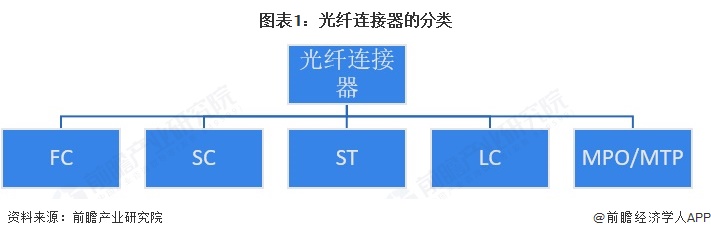
Core Insights - The global fiber optic connector market is projected to reach approximately $5.56 billion in 2024, reflecting a year-on-year growth of 7.2% driven by increasing demand for high-capacity data transmission and next-generation communication networks [3]. Market Overview - The fiber optic connector is defined as a passive optical device that enables detachable connections between optical fibers, ensuring minimal impact on system performance and reliability [1]. - The small square fiber optic connectors hold a significant market share, accounting for nearly 35% of the global fiber optic connector market [6]. Regional Analysis - North America is identified as the largest demand region for fiber optic connectors, capturing about 31% of the global market share, followed by Europe with a 27% share [8]. Industry Trends - The industry is witnessing a trend towards high-speed and high-density solutions, particularly in the context of 5G and future communication networks, where the demand for fiber optic connectors is expected to surge due to the increasing number of base stations [13]. - The integration of intelligent technology into fiber optic connectors is enhancing their capabilities, allowing for self-monitoring and diagnostics, which is crucial for maintaining communication stability and reliability in complex networks [13].



【干货】售电公司产业链全景梳理及区域热力地图
Qian Zhan Wang· 2025-09-05 07:55
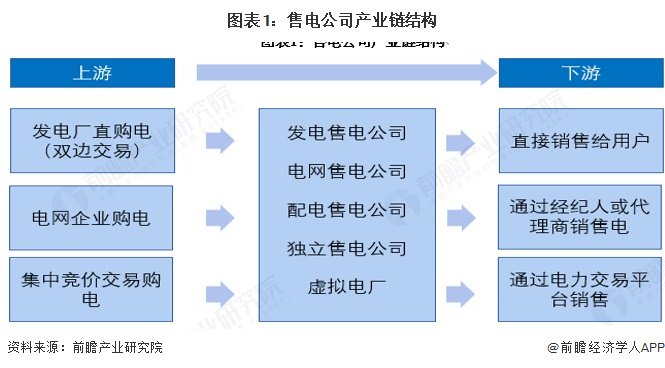
Core Insights - The article discusses the dynamics of the electricity retail industry in China, emphasizing the importance of the sales segment as a critical link between electricity production and consumption [3][8]. - It highlights the regional concentration of electricity retail companies in eastern coastal and southern provinces, driven by high economic activity and electricity demand [6]. Industry Overview - The electricity retail industry is characterized by a production-sales-consumption chain, with electricity distribution primarily managed by grid companies. Despite government efforts to liberalize the distribution network, significant impacts on grid companies are not expected in the short term [3]. - The retail segment serves as both the export for electricity production and the entry point for user services, necessitating a balance between production and consumption to avoid resource wastage [3]. Market Dynamics - In 2024, major national electricity trading companies like Huaneng International and Guodian Power are expected to have transaction amounts significantly exceeding those of other listed companies [8]. - The marketization of electricity trading is projected to increase, with companies adapting their strategies to optimize sales and enhance participation in green electricity trading [9]. Company Developments - Huaneng International initiated a comprehensive energy service demonstration project in March 2025 and is focusing on cross-regional green electricity trading [11]. - Guodian Power invested in overseas renewable energy projects and reported an increase in marketized trading volume in its semi-annual results [11]. - Guangzhou Development is actively participating in large-scale green electricity trading and user-side energy storage projects [11]. - Other companies like Yuedian Power A and Guangxi Energy are also adjusting their sales strategies and enhancing their market presence in response to new electricity market policies [11].



2025年中国功能性护肤品行业技术发展现状分析 三大赛道品牌商核心技术各异【组图】
Qian Zhan Wang· 2025-09-05 04:08
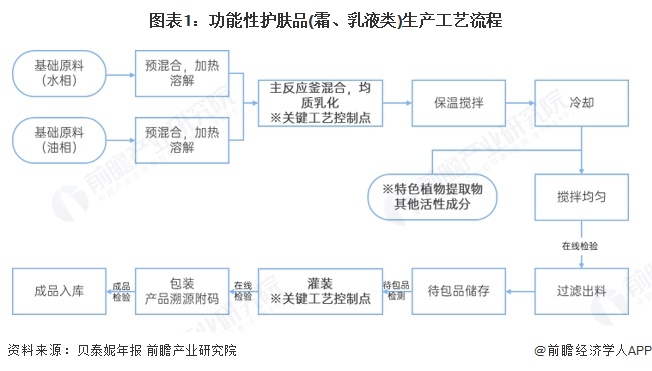
Core Insights - The article focuses on the research and development (R&D) investments of listed companies in China's functional skincare industry, highlighting the importance of R&D intensity relative to revenue [1][10]. R&D Investment Overview - The leading company in R&D investment is Huaxi Biological, with a projected investment of 466 million yuan in 2024, representing 8.68% of its revenue [10]. - Other companies like Chuang'er Biological also show significant R&D investment intensity, indicating a competitive landscape in innovation [10]. Key Companies and Their R&D Focus - **Betaini**: Focuses on the R&D of Yunnan specialty plants to address various skin issues and enhance product lines [11]. - **Huaxi Biological**: Concentrates on active ingredient delivery control and efficacy extension projects [10][11]. - **Chuang'er Biological**: Specializes in collagen protein project development [10][11]. - **Fuerjia**: Aims to expand its product line, including Class III medical devices and sunscreen products [10][11]. Production Processes - Functional skincare products include creams, lotions, masks, serums, and emulsions, each with distinct production processes. For instance, Betaini's cream and lotion production involves several key steps, with homogenization and filling being critical control points [1]. Competitive Landscape - The article outlines various brands and their core technologies, such as Vichy and La Roche-Posay from France, which emphasize thermal spring water, and Curel from Japan, which focuses on ceramide care [6][7].
重磅消息!亿纬锂能“龙泉二号”全固态电池成功下线,能量密度高达300Wh/kg【附全固态电池行业市场分析】
Qian Zhan Wang· 2025-09-04 08:33
Core Insights - EVE Energy has made significant progress in solid-state battery technology with the successful launch of its "Longquan No. 2" all-solid-state battery, which features an energy density of 300Wh/kg and is aimed at high-end applications such as humanoid robots and low-altitude aircraft [2] Company Developments - EVE Energy's new solid-state battery production facility in Chengdu is set to be completed in two phases, with the first phase expected to be operational by December 2025, capable of producing 60Ah batteries, and the second phase aiming for a total annual capacity of 100MWh by December 2026 [2] - The "Longquan No. 2" battery utilizes solid electrolytes to eliminate safety risks associated with liquid electrolytes, enhancing charge and discharge rates, which improves device endurance and response speed [2] Industry Trends - Solid-state batteries are recognized as the core direction for next-generation power batteries, with advantages such as high energy density (theoretical potential exceeding 500Wh/kg), inherent safety, and long cycle life, which could reshape the landscape of the electric vehicle, energy storage, and consumer electronics industries [2] - Major Chinese battery manufacturers like CATL, BYD, and Guoxuan High-Tech are leading the first tier in solid-state battery development, while EVE Energy and AVIC Lithium Battery are accelerating their technological advancements to catch up [2][3] Market Data - In 2023, China's (semi) solid-state battery shipment volume reached 2GWh, including laboratory and defective products [5] - The industry consensus is forming around a "semi-solid transition, full solid breakthrough" approach, with predictions that solid-state battery technology could achieve industrial application around 2030 [7]


二季度营收超190亿,环比收窄超30%!李斌:蔚来汽车四季度要做到月销5万台【附新能源汽车行业市场分析】
Qian Zhan Wang· 2025-09-04 06:51
Core Insights - NIO's Q2 financial report shows a significant recovery in core business metrics, with double-digit growth in both delivery volume and revenue, alongside improved gross margins and increased cash reserves [2] Group 1: Delivery and Revenue Performance - In Q2, NIO delivered 72,056 vehicles, marking a year-on-year increase of 25.6% and a quarter-on-quarter increase of 71.2%, achieving a historical high [2] - Revenue for Q2 reached 19.01 billion yuan, representing a year-on-year growth of 9.0% and a quarter-on-quarter growth of 57.9%, driven by the increase in delivery volume [2] Group 2: Profitability and Cost Management - The overall gross margin improved to 10.0%, with other sales gross margin turning positive for the first time at 8.2%, indicating maturation in NIO's non-core business commercialization [2] - Operating losses narrowed by over 30% quarter-on-quarter due to effective cost optimization measures implemented by the company [2] Group 3: Market Position and Competition - NIO aims to achieve an average monthly delivery of 50,000 vehicles in Q4, targeting a total quarterly delivery exceeding 150,000 vehicles across its three brands [3] - In August, NIO ranked fourth in the new energy vehicle sales list with 31,305 units sold, a rise of three positions from the previous month, accounting for 43.3% of its Q2 total deliveries [3] - The Chinese new energy vehicle market is experiencing rapid growth, with a market penetration rate of 31.6% in 2023, projected to rise to 40.3% in the first 11 months of 2024 [3] Group 4: Competitive Landscape - The competitive landscape in China's new energy vehicle market is intensifying, with major players like BYD and Tesla posing significant challenges [6] - NIO emphasizes its systemic advantages, such as a comprehensive charging and battery-swapping infrastructure and integrated smart systems, which are seen as competitive barriers beyond individual innovations [8] - As market penetration continues to rise, NIO must expand its market share while solidifying its technological barriers and ecosystem advantages to maintain a position in the highly competitive market [8]

2025年中国光电芯片经营主体分析 企业注册数量较少【组图】
Qian Zhan Wang· 2025-09-04 04:28
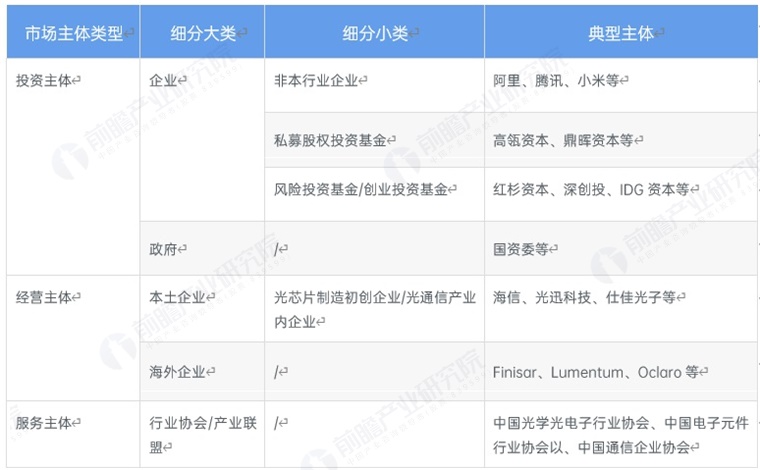
Market Structure - The Chinese optical chip industry consists of three main types of market entities: investment entities, operating entities, and service entities [1] - Investment entities include non-industry companies like Alibaba, Tencent, and Xiaomi, private equity funds such as Hillhouse Capital and IDG Capital, and government bodies like the State-owned Assets Supervision and Administration Commission [1] - Operating entities are categorized into domestic companies (e.g., Hisense, Lightwave Technology) and foreign companies (e.g., Finisar, Lumentum) [1] - Service entities include industry associations and organizations like the China Optical Optoelectronic Industry Association [1] Entry Methods - Companies in the Chinese optical chip industry adopt various entry methods, including independent R&D, collaboration with research institutions, acquisitions, and participation in industry standards [2][4] - Vertical integration (IDM model) allows companies to cover the entire supply chain from chip design to packaging, exemplified by Source Technology focusing on InP optical chips [4] - The "Fab-lite" model combines self-built facilities with outsourcing to balance flexibility and cost, as seen with Zonghui Chip Light [4] - Mergers and acquisitions are used to quickly gain core patents and resources, demonstrated by Shijia Photon acquiring Dongguan Fuke Xima [4] Industry Statistics - As of August 2025, there are approximately 56 registered optical chip companies in China, with a low annual increase of 1-2 companies from 2016 to 2024 [5] - Nearly 45% of these companies have registered capital exceeding 10 million yuan, while around 40% have capital between 1-5 million yuan [6] - Guangdong province leads in the number of registered optical chip companies, followed by Hubei and Jiangsu [7]


启示2025:中国医药流通行业投融资及产业基金分析(附投融资事件、产业基金等)
Qian Zhan Wang· 2025-09-04 04:02
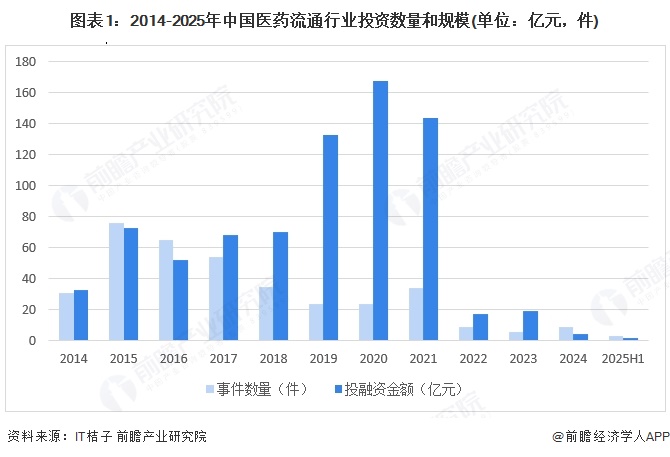
Investment Trends - The investment scale in the pharmaceutical distribution industry from 2014 to 2024 shows an initial increase followed by a decline, with the most active investment period being from 2014 to 2017 and the highest investment amount recorded between 2019 and 2021. Since 2022, both the number and amount of investments have decreased, with only 9 investments recorded in 2024 [1][17] - The single investment amount fluctuated from 110 million yuan per deal in 2014 to 700 million yuan per deal in 2020, then began to decline in 2021, with a rebound to 320 million yuan per deal in 2023 [3][17] Financing Rounds - Strategic investments are the primary financing round in the industry, accounting for 37% from 2021 to 2025, driven by companies accelerating business transformation and enhancing bargaining power through regional network integration [9][17] - A-round financing accounts for 17.7% of the total financing rounds [9] Investment Entities - Private Equity (PE) and Venture Capital (VC) account for 73% of the investment entities, while enterprises account for 17%, primarily for vertical investments in the supply chain [11][17] - Funds represent 8% of the investment entities [11] Investment Destinations - The majority of funds are directed towards Beijing, accounting for 27%, followed by Shanghai at 16%, and Guangdong and Zhejiang at 13% and 10%, respectively [13][17] Fund Management - Several funds are actively investing in the pharmaceutical distribution sector, with management scales exceeding 50 billion yuan, including the Shanghai Comprehensive Reform Fund and the National Mixed Ownership Fund [16][17]