Zhong Guo Zi Ran Zi Yuan Bao

Search documents
广西藤县:土地整治引入村集体投资平台
Zhong Guo Zi Ran Zi Yuan Bao· 2025-12-24 03:40
Core Viewpoint - The comprehensive land remediation project in Laingnan Town, Teng County, has been approved and included in the project reserve of Guangxi Zhuang Autonomous Region, aiming to enhance rural revitalization through systematic optimization of production, living, and ecological spaces [1] Group 1: Project Overview - The project covers 13 administrative villages with a total investment of approximately 550 million yuan [1] - The construction scale reaches 19,712 hectares, with the remediation area covering 19,431 hectares, including agricultural land remediation, construction land organization, ecological protection and restoration, rural construction, and industrial layout [1] Group 2: Implementation Strategy - The project introduces the Teng County Village Collective Investment Company as the main implementation body, moving away from traditional reliance on government platform companies [1] - This approach is expected to enhance funding efficiency, improve project operation and maintenance, and encourage active participation from villagers throughout the remediation process [1] Group 3: Economic Development Focus - The project is centered around the tea industry, leveraging local agricultural resources and the foundation of Liu Bao tea cultivation [1] - It aims to promote deep integration of primary, secondary, and tertiary industries, constructing a comprehensive development model that covers the entire industrial chain and supporting services to enhance regional economic value [1]
治山理水 显山露水丨江西上饶矿山生态修复助力乡村全面振兴
Zhong Guo Zi Ran Zi Yuan Bao· 2025-12-24 03:36
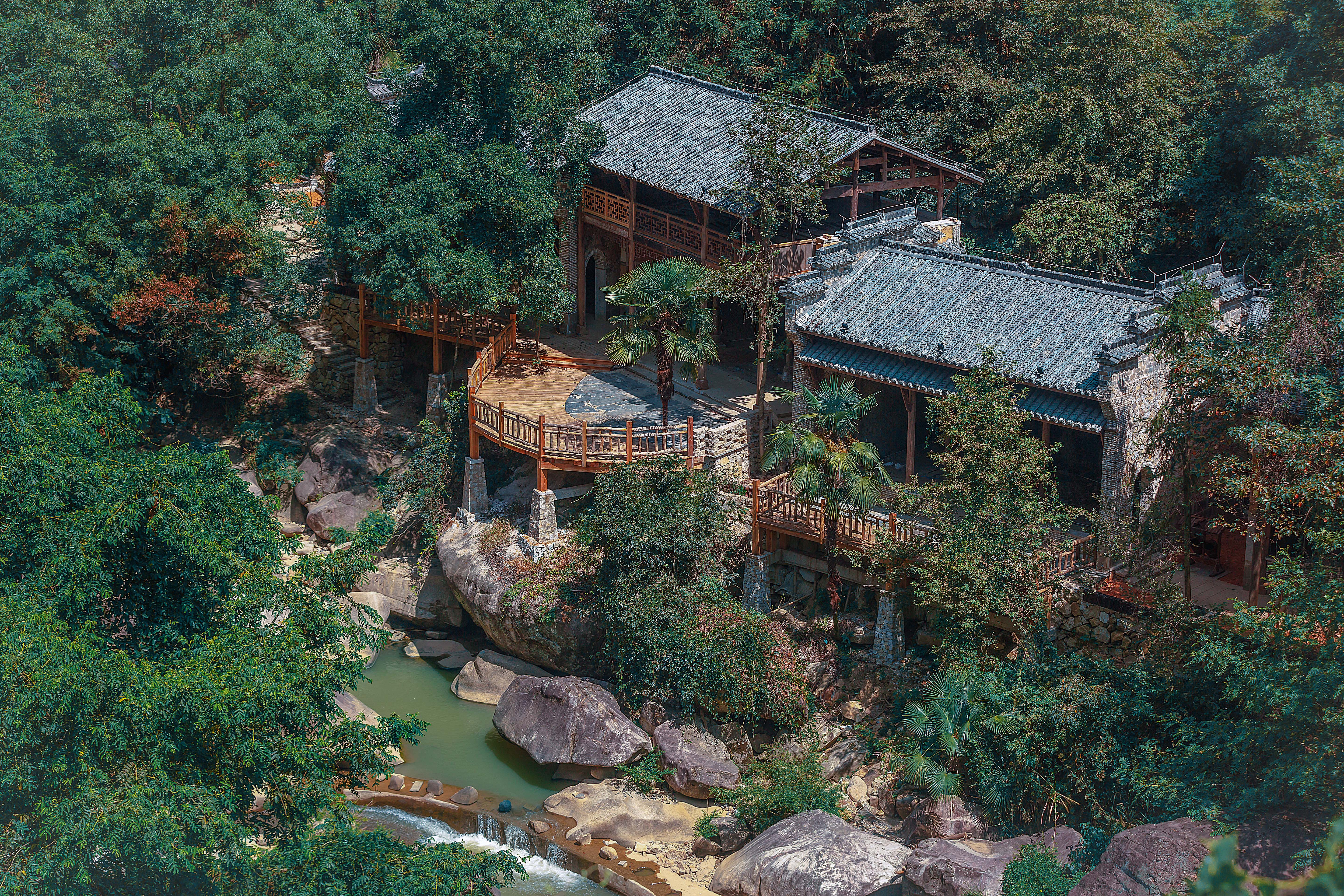
望仙谷岩铺醉仙街区域治理前后 2023年10月,习近平总书记在江西省上饶市婺源县考察时指出,优美的自然环境本身就是乡村振兴的优质资源,要找到实现生态价值转换的有 效途径,让群众得到实实在在的好处。上饶市委、市政府深入学习贯彻习近平生态文明思想和习近平总书记考察江西重要讲话精神,持续做好"治 山理水、显山露水"文章,在矿山生态修复中践行"两山"理念,把绿色生态变为最大财富、最大优势、最大品牌,走出一条以高水平矿山生态修复 助力乡村全面振兴的新路径。 基本情况 上饶市地处江西省东北部,位于赣浙闽皖四省交界处。上饶矿山开采历史悠久,北宋湿法炼铜家张潜著述的《浸铜要略》一书中总结的"胆水 浸铜",开创了湿法炼铜的先河;广信区包家金矿遗址是我国矿产开采年代最早的遗址之一,历经唐宋元明清5个朝代,持续开采时间在1100年以 上。上饶已发现矿产79种,查明资源储量75种,有铜、金、银、铅、锌等20余种优势矿种,是国家级铜、金等有色金属基地;黑滑石保有资源储量 2亿吨,居亚洲第一。 党的十八大以来,上饶市委、市政府牢固树立和践行"绿水青山就是金山银山"理念,将矿山生态保护修复摆在突出位置,全面启动"矿山复 绿"行动,全力攻坚 ...

以案说法|土地出让合同能否依申请公开?
Zhong Guo Zi Ran Zi Yuan Bao· 2025-12-24 01:47
Core Viewpoint - The article discusses the nature of land transfer contracts in China, arguing that they should be considered public government information rather than merely real estate registration materials, emphasizing their role in public interest and administrative governance [4][5][7]. Group 1: Nature of Land Transfer Contracts - Land transfer contracts are not just civil agreements but also contain mandatory administrative elements such as land use, construction requirements, and public obligations, reflecting government planning and policy [4][5]. - These contracts serve as the legal basis for real estate registration and are essential for land management and regulatory oversight, indicating their independent status as government information [5][6]. Group 2: Public Interest and Transparency - The public interest in land transfer contracts is significant, as they relate to public finance and urban development, necessitating their disclosure to ensure transparency and accountability [7][8]. - Existing regulations require that the results of land transfers be publicly announced, including key details such as location, area, and price, reinforcing the need for public access to these contracts [8][9]. Group 3: Recommendations for Information Disclosure - It is recommended that land transfer contracts be treated as government information, with a clear framework for public access that prioritizes transparency while protecting sensitive personal information [10][11]. - Encouraging proactive disclosure by local natural resource departments through dedicated online platforms can help reduce disputes and improve public service [11].
“十四五”时期我国草原生态得到整体改善
Zhong Guo Zi Ran Zi Yuan Bao· 2025-12-23 08:00
"十四五"期间,我国大力推进草原修复治理,以实施"三北""双重"等重点工程为主要抓手,持续加 大草原修复力度,退化草原面积缩减近2.8亿亩,年均防治草原有害生物超1亿亩,全国草原生态状况稳 中向好,综合植被盖度保持在50%以上,科尔沁沙地正重现稀树草原风光,京津上风口沙源明显减少。 同时,我国持续强化草原资源监管,始终保持打击破坏草原高压态势,查处各类破坏草原案件近3万 起,向司法机关移送犯罪案件千余起,形成有力震慑,违法占用草原案件数量逐年减少。启动治理草原 超载过牧专项行动,实施第三轮草原生态补奖政策,落实草原禁牧和草畜平衡任务近40亿亩,重点省区 牲畜超载率逐步下降。 此外,五年来我国积极发展现代草业,草种生产规模逐步扩大,建设草种繁育基地60万亩,多年生 生态草种供给能力达到每年2.5万吨,有效缓解了草种供给卡脖子问题。加快建设现代饲草产业体系, 积极释放草业发展空间。推动草原公园、国有草场、红色草原建设,促进现代草业整体、协调、融合发 展。 下一步,国家林业和草原局将坚持山水林田湖草沙一体化保护和系统治理,按照分区施策、分类管 控、分级治理原则,协同推进草原保护修复、合理利用和草业发展,持续加大草原 ...
自然资源部通报表扬甘肃永靖滑坡避险突出贡献单位和个人
Zhong Guo Zi Ran Zi Yuan Bao· 2025-12-23 00:56
该起地质灾害的成功避险,得益于地方健全的防灾体系和完善的防灾预案、基层群测群防员的履职尽 责,以及各级党委政府的高度重视、各级自然资源主管部门强有力的组织执行。由于地方政府和基层组 织层层压实责任,定期开展培训演练,才使得群众具有较强的防灾意识和临灾避险能力。 12月10日15时许,甘肃省临夏州永靖县盐锅峡镇黄茨2号滑坡发生复活滑动,滑坡造成直接经济损失约 3950万元,灾情等级为特大型。由于群测群防员第一时间发现险情,及时预警,盐锅峡镇政府果断对威 胁区和影响区人员进行转移,组织120户378人成功避险,避免了重大人员伤亡。 12月19日,自然资源部办公厅发函,对在甘肃省永靖县黄茨2号滑坡成功避险中作出突出贡献的群测群 防员张得元同志和黄茨村委、盐锅峡镇政府、甘肃省地质矿产勘查开发局水文地质工程地质勘察院、甘 肃省煤田地质局一四九地质队、永靖县自然资源局、省临夏州自然资源局、甘肃省自然资源厅予以通报 表扬。 自然资源部要求,时值冬季,冷暖交替引发的地质灾害风险不容忽视,各地自然资源主管部门要认真借 鉴学习甘肃省永靖县盐锅峡镇黄茨2号滑坡成功避险的有益经验,高度重视冬春季防灾减灾工作,压实 属地管理责任。一是 ...
守护“海底草原”
Zhong Guo Zi Ran Zi Yuan Bao· 2025-12-22 02:56
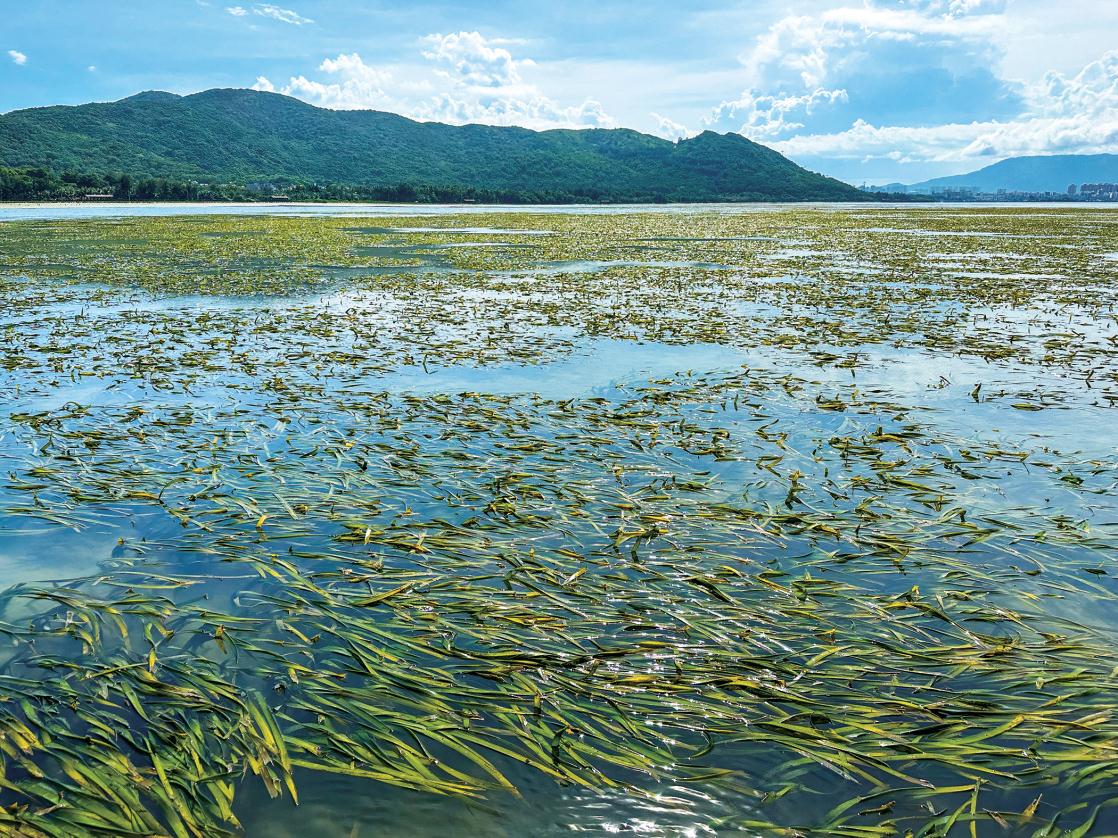
Core Insights - The project "Investigation and Assessment of Seagrass Beds in Hainan Island and Adjacent Waters" has passed inspection, providing solid scientific support for the ecological protection and restoration of seagrass beds in Hainan [4] - The South China Sea Ecological Center's youth research team has played a crucial role in the project, employing innovative technologies such as "remote sensing + AI recognition + on-site verification" to establish a dynamic database for seagrass beds [4][6] - The project has systematically mapped the distribution and ecological status of seagrass resources in Hainan, laying a strong foundation for future conservation efforts [6][8] Group 1 - The project involved a comprehensive survey of seagrass species and area distribution across 20 regions in seven coastal cities in Hainan, with a focus on ecological condition assessments in seven representative areas [4] - The youth research team, composed of multidisciplinary young researchers, has been instrumental in conducting field surveys and data analysis, overcoming challenges such as high temperatures and risks associated with marine operations [6] - The project has produced significant data that supports the delineation of marine ecological protection boundaries and research on blue carbon policies [4][6] Group 2 - Since 2018, the South China Sea Ecological Center has led multiple significant investigations into seagrass bed ecosystems, including damage assessments and monitoring projects across over 20 regions [8] - The center has developed a long-term monitoring dataset for seagrass beds, which helps in understanding the long-term ecological changes in the region [8] - The center emphasizes the importance of public awareness and education, organizing various outreach activities to enhance community engagement in seagrass bed conservation [10]
深化中非海洋领域务实合作
Zhong Guo Zi Ran Zi Yuan Bao· 2025-12-22 02:56
Group 1 - The visit by the delegation from the Second Institute of Oceanography is an important measure to implement the consensus on cooperation in the marine field between China and Africa [2] - Multiple agreements were reached during discussions with the Egyptian and Kenyan institutions regarding marine observation, capacity building, and platform co-construction [1][2] - A cooperation agreement was signed to establish the BRICS Deep Sea Center, enhancing collaboration through the China-Africa Marine Center and the BRICS Deep Sea Center [1] Group 2 - The cooperation aims to build a broader practical cooperation platform for marine scientific research, blue economy development, and talent capacity building between China and African institutions [2] - The delegation's discussions included integrating existing platform resources and conducting customized capacity building projects with the Kenyan institution [1] - Future cooperation will focus on expanding collaboration areas and improving working mechanisms based on past achievements [1][2]
北海生态中心持续助力海洋科普宣传
Zhong Guo Zi Ran Zi Yuan Bao· 2025-12-22 02:56
与小学生们的纯粹好奇不同,青岛科技大学海洋科学专业的2025级新生带着对专业的憧憬,希望在 此找到未来的方向。同学们关注的焦点更多地投向了我国海洋生态保护修复与预警监测的前沿技术、科 研成果以及面临的挑战。在参观实验室时,他们与科研人员深入交流,详细了解各类仪器的功能、实验 流程以及最新的研究项目。一位同学说:"之前对专业的认识还停留在书本上,今天亲眼看到这些先进 的科研装备和老师们的工作,让我对投身海洋自然资源工作充满了信心和期待。" 超银小学的同学们在海洋生物展区,被形态各异的海洋生物标本吸引,走进海洋化学实验室,各种 精密的仪器和设备则让同学们感受到了海洋科研的严谨与奇妙。 近日,自然资源部北海生态中心接连迎来两批访客——青岛市超银小学的少先队员与青岛科技大学 海洋科学专业的共青团员,为青少年开启了海洋科学探索之旅。 ...
《中国海洋新兴产业指数报告二○二五》发布
Zhong Guo Zi Ran Zi Yuan Bao· 2025-12-19 07:25
Group 1 - The "China Marine Emerging Industry Index Report 2025" indicates a steady increase in the marine emerging industry index, with a value of 209 for 2024, reflecting a growth rate of 6.9% [1] - Sub-indices for human input, technological innovation capability, capital heat, and market confidence show positive trends, with year-on-year growth rates of 8.7%, 3.4%, 9.1%, and 6.1% respectively [1] - The marine emerging industry saw the establishment of 19,000 new enterprises in 2024, with over 30,000 new patent applications and a workforce of 84,000 engaged in patent research [1] Group 2 - Traditional marine industries are upgrading through green and intelligent technologies, with a 24.6% average annual growth in green power ship patents over the past five years [2] - The financing for marine new energy is particularly active, accounting for 55.3% of the total annual financing, with a 30% year-on-year increase in bidding projects related to offshore wind power [2] - Guangdong, Shandong, and Jiangsu provinces have consistently contributed over 11% to the total index since 2020, with a combined contribution of 43.2% in 2024 [2] Group 3 - The report is compiled by the Qingdao Institute of Science and Technology Information, the National Marine Information Center, and Wanlian Index, utilizing big data and enterprise dimensions for dynamic monitoring of the marine emerging industry since its initial release in October 2021 [3]
浙江宁波:象山港跨海大桥主桥合龙在即
Zhong Guo Zi Ran Zi Yuan Bao· 2025-12-19 07:25
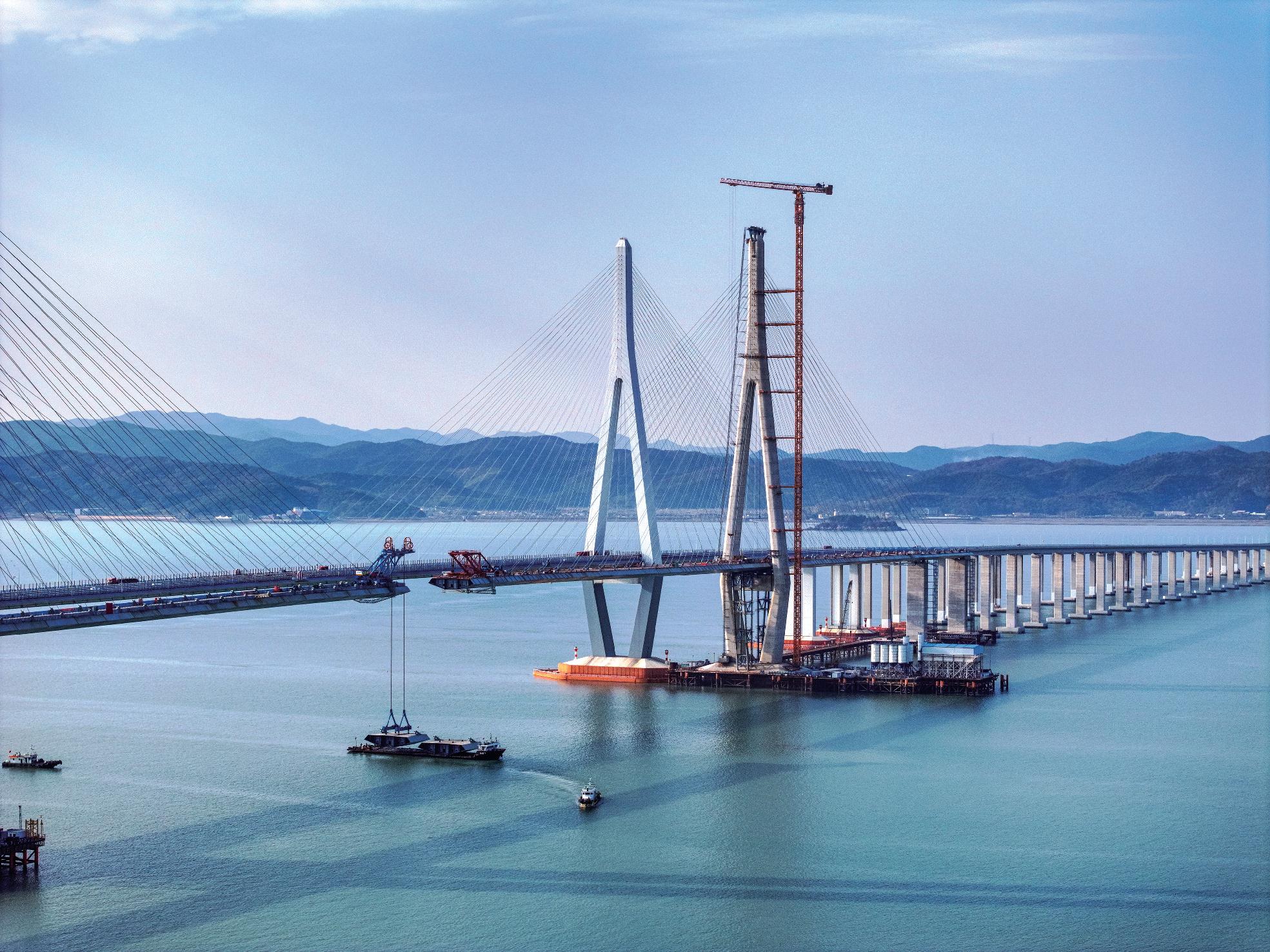
据了解,象山港大桥主通航孔桥共有钢箱梁95段,目前已架设92段,主桥合龙在即。 12月16日下午,浙江省宁象线市域(郊)铁路象山港跨海大桥主通航孔桥南侧架梁施工现场,重达两百余吨的钢箱梁正在缓缓起吊。近2小时后,提升 至离海面50米的高度,与已架梁段完成精准对接。这是象山港跨海大桥主通航孔桥架设的南侧第22段梁。 ...