Zhong Guo Zi Ran Zi Yuan Bao

Search documents
海南省海洋厅发布海洋科技和国际合作成果
Zhong Guo Zi Ran Zi Yuan Bao· 2025-12-19 07:25
Group 1 - The sixth "Ocean Cooperation and Governance Forum" was held in Sanya, Hainan, showcasing practical progress and achievements in international marine cooperation with Southeast Asian countries [1] - The Marine Technology Achievement Exhibition focused on four main areas: disaster prevention and mitigation, marine fisheries, marine renewable energy, and marine ecological protection, highlighting significant technological advancements [1] - Key technologies displayed included multi-dimensional integrated intelligent forecasting and early warning for marine disasters, precise typhoon early warning, and ecological restoration projects [1] Group 2 - Multiple cooperation achievements were announced, including successful international collaboration on the large-scale breeding and ecological conservation of Tridacna by the South China Sea Institute of Oceanology and several universities from Singapore, Malaysia, and Fiji [2] - The establishment of a joint laboratory for marine biotechnology research between Hainan Tropical Ocean University and the University of Malaya aims to create an international collaborative innovation platform [2] - The launch of the "Blue Dream Song" cruise ship on the South China Sea long route marks the beginning of a journey through historical and cultural marine cities, reflecting Hainan's commitment to deepening international cooperation under the "Blue Partnership" framework [2]
南极纪行之中国第42次南极考察|在中山站的最后一天
Zhong Guo Zi Ran Zi Yuan Bao· 2025-12-19 07:18
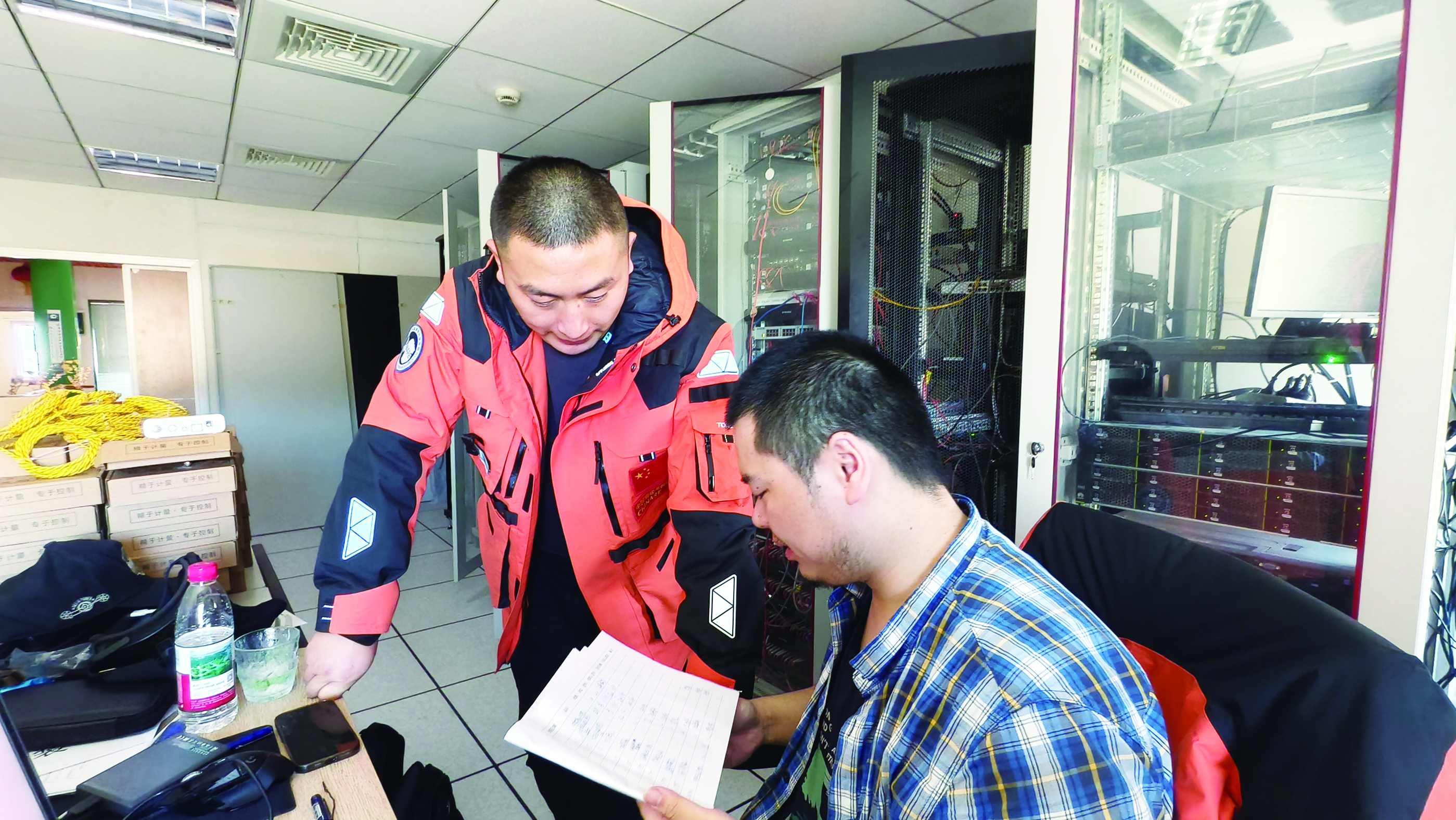
Group 1 - The 41st Antarctic Expedition's wintering team at Zhongshan Station is concluding their mission, with 17 members preparing to return home after 406 days away from their families [2][10] - The team is engaged in a busy schedule of unloading supplies and conducting handovers as the 42nd expedition team arrives [2] - Medical support is crucial during the extreme conditions, with a doctor providing treatment for injuries sustained during unloading activities [4][7] Group 2 - The extreme polar night period raises concerns about the mental health of team members, leading to organized activities to alleviate stress and anxiety [4] - The station manager actively organizes recreational activities, such as sports and mock exams, to maintain morale among the wintering team [4] - Meteorological observations are conducted daily, requiring team members to endure harsh weather conditions to collect and send data [5] Group 3 - Logistics and maintenance are vital for the success of scientific research in Antarctica, with power supply being critical for both research and daily life [6] - Team members face significant challenges in equipment maintenance due to the remote and harsh environment, often needing to improvise solutions [5][6] - The handover process includes detailed briefings on equipment and operational protocols to ensure continuity of operations [10]

法治经纬|协同治理破解执法难题 ——看福建省南平市延平区在全域土地综合整治中加强执法工作
Zhong Guo Zi Ran Zi Yuan Bao· 2025-12-19 03:21
Core Insights - The natural resource law enforcement is undergoing significant transformation, necessitating a shift from a "technology-driven + dedicated enforcement" model to a more proactive and systematic governance approach [1][3] Group 1: Challenges and Opportunities - The transition in enforcement models faces multiple challenges, including the fragmentation of enforcement power leading to a lack of specialized talent, insufficient grassroots monitoring capabilities, and increased coordination costs that may reduce enforcement efficiency [3] - Central policy direction emphasizes a new path of "rectification + industry," with the 2025 Central Document No. 1 highlighting the need for county-level coordination and town-level implementation [3][4] Group 2: New Pathways for Enforcement Challenges - The comprehensive land remediation model in Yanping District effectively addresses the pain points of natural resource law enforcement, showcasing advantages such as county-level coordination and town-level implementation, which enhances enforcement efficiency by reducing response times to under 24 hours [5] - A diversified funding mechanism has been established, integrating fiscal guidance, policy loans, and social capital investments to ensure stable funding for enforcement activities, creating a positive cycle of "rectification - operation - revenue - reinvestment" [5] - The introduction of a "joint mechanism" involving local design units, higher-level design units, and local or central state-owned enterprises enhances technical support and compensates for grassroots enforcement capabilities [6] Group 3: Recommendations for Future Practices - Strengthening county-level coordination and improving enforcement collaboration mechanisms are recommended, integrating resources from various departments to form a unified governance framework [8] - Encouraging the cultivation or introduction of specialized comprehensive land remediation entities to enhance technical capabilities in enforcement, with a focus on utilizing new technologies such as drone surveillance and big data analysis [8] - Establishing a comprehensive evaluation system that combines process and outcome indicators to guide long-term enforcement behaviors, ensuring effective land use protection and industry development [9]
云南省楚雄州构建“闭环执法”体系牢守耕地保护红线
Zhong Guo Zi Ran Zi Yuan Bao· 2025-12-19 03:21
Core Viewpoint - Yunnan Province's Chuxiong Yi Autonomous Prefecture has implemented a comprehensive action plan to enhance natural resource management, focusing on farmland protection and law enforcement effectiveness through various innovative mechanisms and actions [1][4]. Group 1: Mechanisms and Frameworks - The "131" mechanism has been established to strengthen the institutional foundation for farmland protection, integrating a comprehensive implementation opinion, three collaborative plans, and one assessment method throughout the process [3]. - A "1+N" working mechanism has been developed to address various aspects of land use, including site selection, approval, and law enforcement, ensuring a multi-layered responsibility structure [3]. - The "1283" inspection mechanism has been introduced, which includes a field inspection system, two inspection scopes, eight inspection methods, and a three-tiered inspection approach to enforce local accountability [3]. Group 2: Special Actions and Improvements - Five special actions have been launched to tackle prominent law enforcement issues, including comprehensive policy promotion, thorough hazard investigations, problem rectification, mechanism enhancement, and capacity building [4]. - Policy promotion has reached all levels, with over 51,100 promotional materials distributed to ensure awareness of farmland protection laws [4]. - A zero-tolerance approach to problem rectification has been adopted, achieving a 91.26% rectification rate for illegal land use from 2018 to 2024, the highest in the province [4]. Group 3: Public Engagement and Monitoring - June has been designated as Farmland Protection Month, with 27 promotional events held to raise public awareness and encourage community participation in protection efforts [6]. - A three-pronged regulatory network combining satellite remote sensing, ground inspections, and platform monitoring has been established, with 68 data analysis sessions conducted throughout the year [6]. Group 4: Enforcement and Accountability - Strict enforcement measures have been implemented, including cross-enforcement and a "four uniform" policy for handling illegal land use cases, ensuring accountability at all levels [7]. - By 2025, the prefecture aims to investigate 300 land violation cases and transfer eight cases to the police for criminal prosecution [7]. - The prefecture has achieved the highest score in the province for addressing farmland "non-agriculturalization" issues, demonstrating significant improvements in law enforcement effectiveness and resource management [7].
安徽广德创新闭环工作机制提升自然资源执法质效
Zhong Guo Zi Ran Zi Yuan Bao· 2025-12-19 03:06
今年以来,安徽省广德市聚焦自然资源执法"发现难、协同低、执行难"问题,创新实施"1+3+N"工 作机制,通过强化统筹、明晰权责、技术赋能与多方联动,构建"早发现、快查处、强执行"闭环机制, 执法权威性与执行力显著增强。 "三维支撑"破解"协同难"。广德市明确属地政府、农业农村部门、城市管理部门三方职责,属地政 府负责城镇开发边界外违法建设查处,农业农村部门专攻农村非法占地建房问题,城市管理部门严控城 镇开发边界内违建整治,通过分工协作,实现违法问题 "及时预警、快速响应、精准查处",执法效率 显著提升。 "多方联动"破解"执行难"。针对重大复杂案件,广德市自然资源规划局牵头,联动公安、法院、交 通等部门,破解"多头管理、责任推诿"难题。今年以来,全市累计查处违法案件69起,其中申请法院强 制执行1起、移送公安追究刑事责任1起。 "一核引领"破解"发现难"。广德市自然资源规划局统筹机制设计与行动部署,融合智慧城市无人机 机库与属地巡查力量,构建 "地面巡查+空中监测" 立体排查体系,违法线索平均发现时间缩短5个工作 日以上,有效扭转偏远区域 "建成再查处" 被动局面,精准制止新增违法用地苗头性案件2起、涉及土地 ...
四川眉山 “快速闭环协同”办案破解越界采矿生态损害赔偿难题
Zhong Guo Zi Ran Zi Yuan Bao· 2025-12-19 03:00
Group 1 - The case of ecological environment damage compensation due to illegal mining by a building materials factory in Meishan, Sichuan Province has been selected as a reference case for ecological environment damage compensation in the province [1] - Meishan has implemented a "rapid response, closed-loop management, and collaborative linkage" case handling model, providing replicable and practical experience for similar cases [1] - A rapid response mechanism has been established to ensure early detection and handling of illegal activities, with the local planning and natural resources bureau initiating investigations and compensation procedures promptly after discovering issues during routine inspections [1] Group 2 - Full-process closed-loop management has been promoted to ensure standardized and lawful handling of ecological damage compensation cases, including land damage assessment and multiple rounds of compensation negotiations with the involved enterprises [1] - Cross-level and multi-departmental collaboration has been reinforced to ensure effective implementation of ecological restoration measures, with various departments participating in the supervision of restoration efforts [2] - The Meishan Bureau plans to further deepen the implementation of the ecological environment damage compensation system and improve case handling mechanisms to enhance restoration effectiveness [2]
浙江推动海洋工程环境与生态安全研究
Zhong Guo Zi Ran Zi Yuan Bao· 2025-12-18 10:09
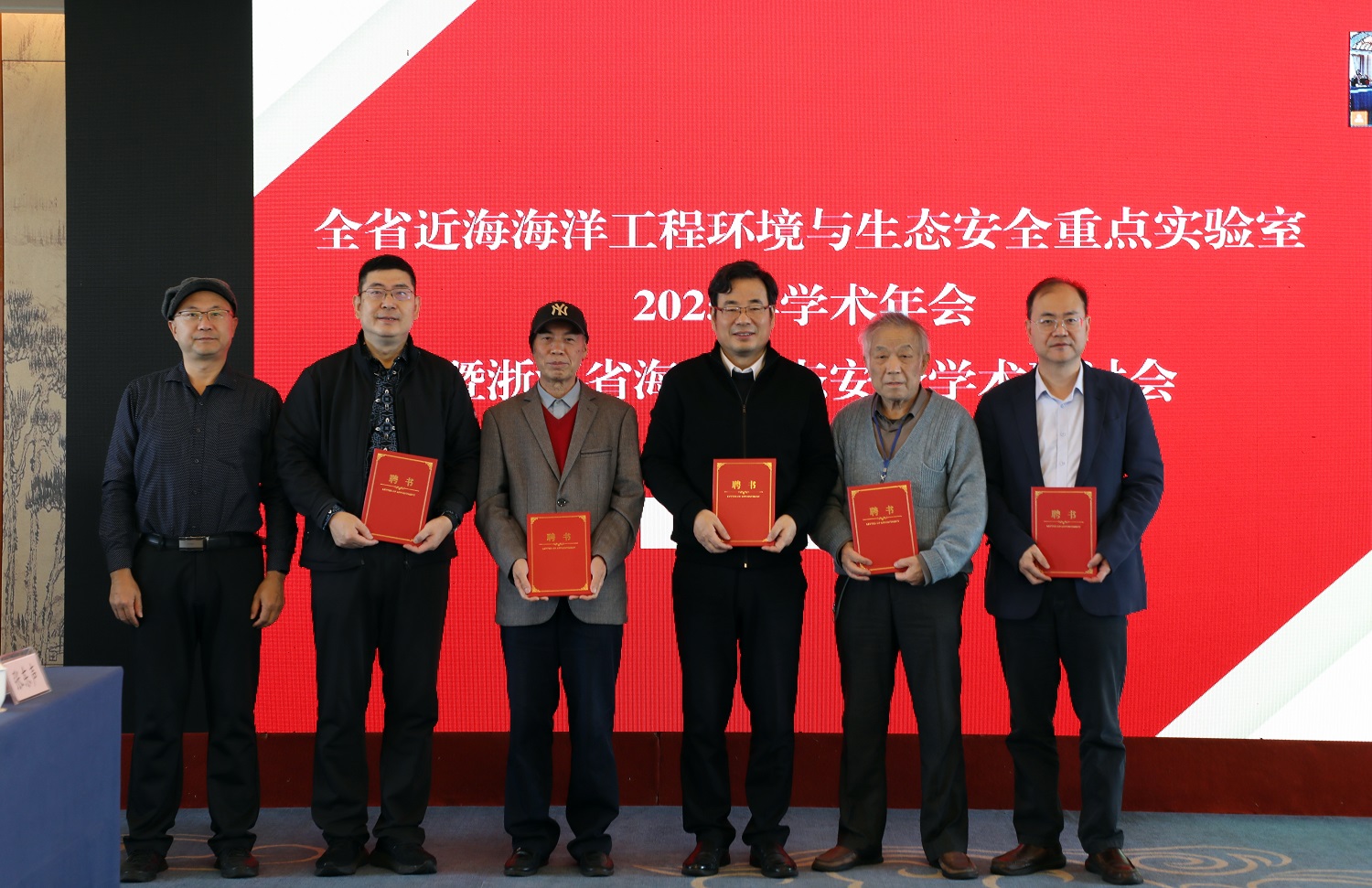
12月10日,自然资源部第二海洋研究所(以下简称海洋二所)牵头建设的浙江"全省近海海洋工程环境与生态安全重点实验室"召开学术年会。实验室第 一届学术委员会成立。 实验室将强化多学科交叉与"产学研用"协同,构建"基础理论—关键技术—工程示范—标准引领"的全链条创新体系,努力建设成为引领国内外海洋工程 安全领域科技研究的重要平台。 实验室第一届学术委员会委员接受聘书 该实验室为2023年启动浙江省重点实验室重组后的新型科技创新平台,由海洋二所、浙江海洋大学和浙江省环境科技股份有限公司形成"产学研"联合 体,设定"海洋工程安全与环境风险""近海污染生态效应与生命健康保障""海洋新业态生态环境影响评估与保护"3个重点研究方向,面向浙江省高质量发展 海洋经济建设中的海洋工程环境安全与海洋生态系统安全需求。 会上,实验室第一届学术委员会成立,中国科学院院士陈大可任学术委员会主任。实验室主任、海洋二所研究员曾江宁汇报了实验室基本情况,实验室 首批开放基金重点项目负责人围绕浙江省海洋灾害的内部成因与外部环境作专题报告。学术委员会针对实验室建设展开讨论,建议实验室进一步提升战略站 位,优化聚焦科技成果转化落地的场景方向。 ...
广西首个“海洋智慧大脑”上线
Zhong Guo Zi Ran Zi Yuan Bao· 2025-12-18 10:09
Core Viewpoint - The launch of the "Smart Ocean Supervision Service Platform" marks a significant digital transformation in marine governance in Guangxi, enhancing the region's capacity for high-quality development in the marine economy [1][2] Group 1: Platform Overview - The "Smart Ocean Supervision Service Platform" is the first comprehensive government information platform in the marine sector of Guangxi, officially entering trial operation after expert evaluation [1] - The platform integrates a unified marine data resource system, facilitating cross-departmental and cross-level business collaboration, and is recognized as a leading project in the country [1] - It features a "one platform gathers, multiple scenarios empower" approach, addressing long-standing challenges in marine information development and enabling data-driven decision-making [1] Group 2: Key Features and Applications - The platform has integrated ten intelligent applications covering the entire management chain from planning approval to law enforcement supervision, ecological protection, and emergency command [1] - It aims to achieve visible, manageable, controllable, and pre-warning capabilities in marine governance [1] - During its trial operation, the platform will focus on supporting key industries such as marine fisheries, marine tourism, and marine engineering equipment manufacturing through real-time monitoring and intelligent analysis [2]
海洋生态产品核算国家标准通过审查
Zhong Guo Zi Ran Zi Yuan Bao· 2025-12-18 10:09
Core Viewpoint - The National Standard "Technical Guidelines for Accounting the Total Value of Marine Ecological Products" has been approved, providing a technical framework for marine ecological product value accounting in China, filling a significant gap in national standards for the marine sector [1][2] Group 1: Technical Guidelines Overview - The guidelines outline the procedures, indicator system, accounting methods, and data sources for marine ecological product value accounting [1] - It includes 10 key procedures and a framework consisting of three main categories: marine material products, regulatory services, and cultural services, with a total of 10 indicators [1] Group 2: Collaborative Efforts and Research - The development of the guidelines involved collaboration among various organizations, including the Ministry of Natural Resources and the Chinese Academy of Sciences, supported by multiple research projects [1] - Pilot projects and method validation were conducted in locations such as Yantai and Yancheng to ensure the scientific and practical applicability of the standards [1] Group 3: Implications and Applications - The guidelines are expected to provide scientific data support for marine ecological resource management and policy-making by relevant departments [2] - The accounting results can be applied to assess marine ecological sustainability, contributions to coastal socio-economic welfare, performance evaluation of marine ecological protection and restoration, and management of ecological assets [2] - The guidelines will facilitate the assetization of marine ecological resources, providing quantitative basis for ecological compensation, blue finance, and the transformation of the "Two Mountains" concept [2]
新矿物背后的奥秘
Zhong Guo Zi Ran Zi Yuan Bao· 2025-12-18 03:02
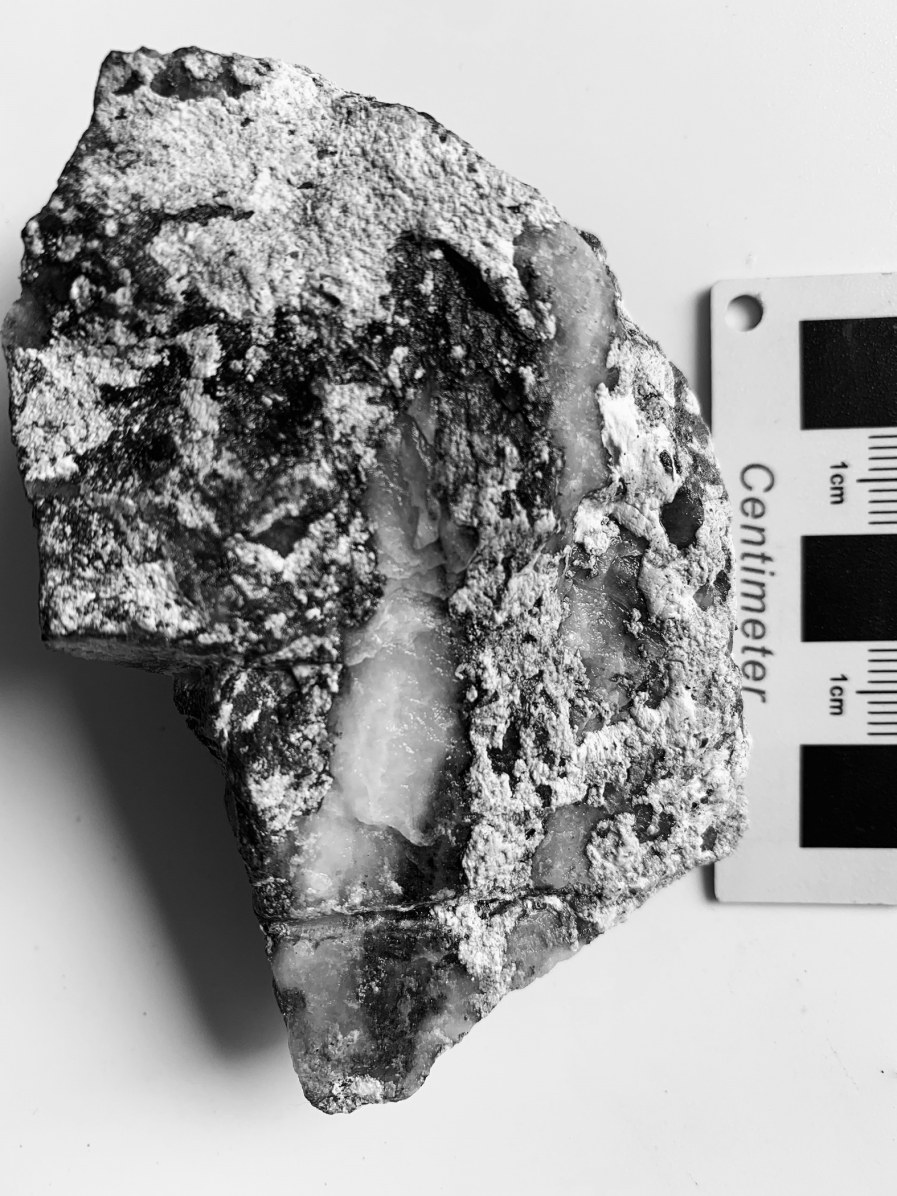
Core Viewpoint - The discovery of two new minerals, Gui Xiang Nickel-Bismuth Ore and Jin Xiu Ore, by the Chinese Academy of Geological Sciences marks a significant advancement in mineralogy and reflects China's growing influence in this field [5][12][22]. Group 1: New Mineral Discoveries - The new minerals were officially recognized by the International Mineralogical Association (IMA) after a thorough review process [12][25]. - As of 2025, China has discovered over 200 new minerals, positioning the country as a global leader in this area [9][26]. - The discoveries of Gui Xiang Nickel-Bismuth Ore and Jin Xiu Ore are part of a broader strategic initiative to enhance mineral exploration in China [10][22]. Group 2: Importance of Nickel-Cobalt Resources - Nickel and cobalt are critical minerals for various industries, including aerospace, chemical, and mechanical manufacturing, and are essential components in lithium batteries [11][27]. - The Longhua Nickel-Cobalt deposit, where the new minerals were found, has an average nickel grade of 7.48% and cobalt grade of 0.64%, indicating a medium-sized resource [11][27]. - China's reliance on imported cobalt highlights the strategic importance of domestic nickel-cobalt resources [11][27]. Group 3: Research and Technological Advances - The discoveries were facilitated by advancements in research techniques and persistent efforts from the geological team [13][19]. - New technologies, such as electron probes and transmission electron microscopy, have enabled the identification of smaller and previously undetectable minerals [19][21]. - The research team emphasizes that the identification of new minerals contributes to a deeper understanding of mineral formation processes and geological events [21][22].