Zhong Guo Zi Ran Zi Yuan Bao

Search documents
海洋地质信息化成果荣获山东省自然资源科学技术进步奖
Zhong Guo Zi Ran Zi Yuan Bao· 2025-11-06 03:08
Core Viewpoint - The China Geological Survey's Qingdao Marine Geological Research Institute has been awarded the second prize in the Shandong Provincial Natural Resources Science and Technology Progress Award for its achievement in "Key Technologies and Applications for the Full Lifecycle Management of Marine Geological Big Data" [1] Group 1: Achievement Overview - The achievement addresses issues such as low aggregation efficiency, poor standardization, management difficulties, and insufficient data mining of heterogeneous marine geological data [1] - A comprehensive solution from technology to product has been proposed, including the development of marine geological survey data collection and aggregation technology [1] Group 2: Technical Innovations - A collaborative software system has been constructed to facilitate marine geological surveys, covering the entire chain from field data collection to service [1] - A stable and flexible marine geological data model has been developed, along with the establishment of technical standards for the "Marine Geological Database Content and Structure," filling a gap in China's marine geological data standard system [1] Group 3: Data Management and Services - A hybrid management technology combining "relational + big data" for marine geological spatiotemporal data has been researched, leading to the establishment of a national-level authoritative marine geological professional database [1] - The project has enabled socialized public services for marine geological data, including the prediction of marine oil and gas resources, intelligent extraction and classification of marine bottom sediments, and the construction of marine geological virtual reality methods [1] Group 4: Award Significance - The Shandong Provincial Natural Resources Science and Technology Award is held annually to encourage the creativity and initiative of scientific personnel in the natural resources system, promoting technological innovation in the field [1] - This year, a total of 19 first prizes, 55 second prizes, and 75 third prizes were awarded [1]
我国首颗海风海浪探测卫星命名为“妈祖号”
Zhong Guo Zi Ran Zi Yuan Bao· 2025-11-06 02:14
Core Viewpoint - The naming of China's first ocean wind and wave detection satellite as "Mazu" represents a significant integration of traditional culture and modern technology, aimed at enhancing marine safety and disaster prevention capabilities [3][4] Group 1: Satellite Launch and Purpose - The "Mazu" satellite is scheduled for launch in 2027 and will play a crucial role in real-time monitoring of ocean wind and wave conditions [3] - The satellite will support marine and meteorological forecasting, promote marine resource development, and provide key technological support for disaster prevention and mitigation [3] Group 2: Cultural Significance - The core spirit of Mazu emphasizes "virtue, kindness, and great love," which is reflected in its application for maritime disaster relief [3] - The satellite's capabilities align with the goals of safeguarding marine safety and serving marine enterprises, showcasing a deep integration of Chinese traditional culture with modern technology [3] Group 3: Strategic Cooperation - A strategic cooperation framework agreement was signed between the National Satellite Ocean Application Center and the Putian Municipal Government, focusing on green development and mutual benefits [4] - The partnership aims to enhance dynamic early warning monitoring capabilities in nearby marine areas and establish an integrated monitoring network covering air, space, land, and sea [4] - The collaboration will provide all-weather technical support for marine environmental protection, emergency response to pollution incidents, and ecosystem health assessments in Putian [4]

海洋生物多样性保护与社区发展研讨会召开
Zhong Guo Zi Ran Zi Yuan Bao· 2025-11-06 02:13
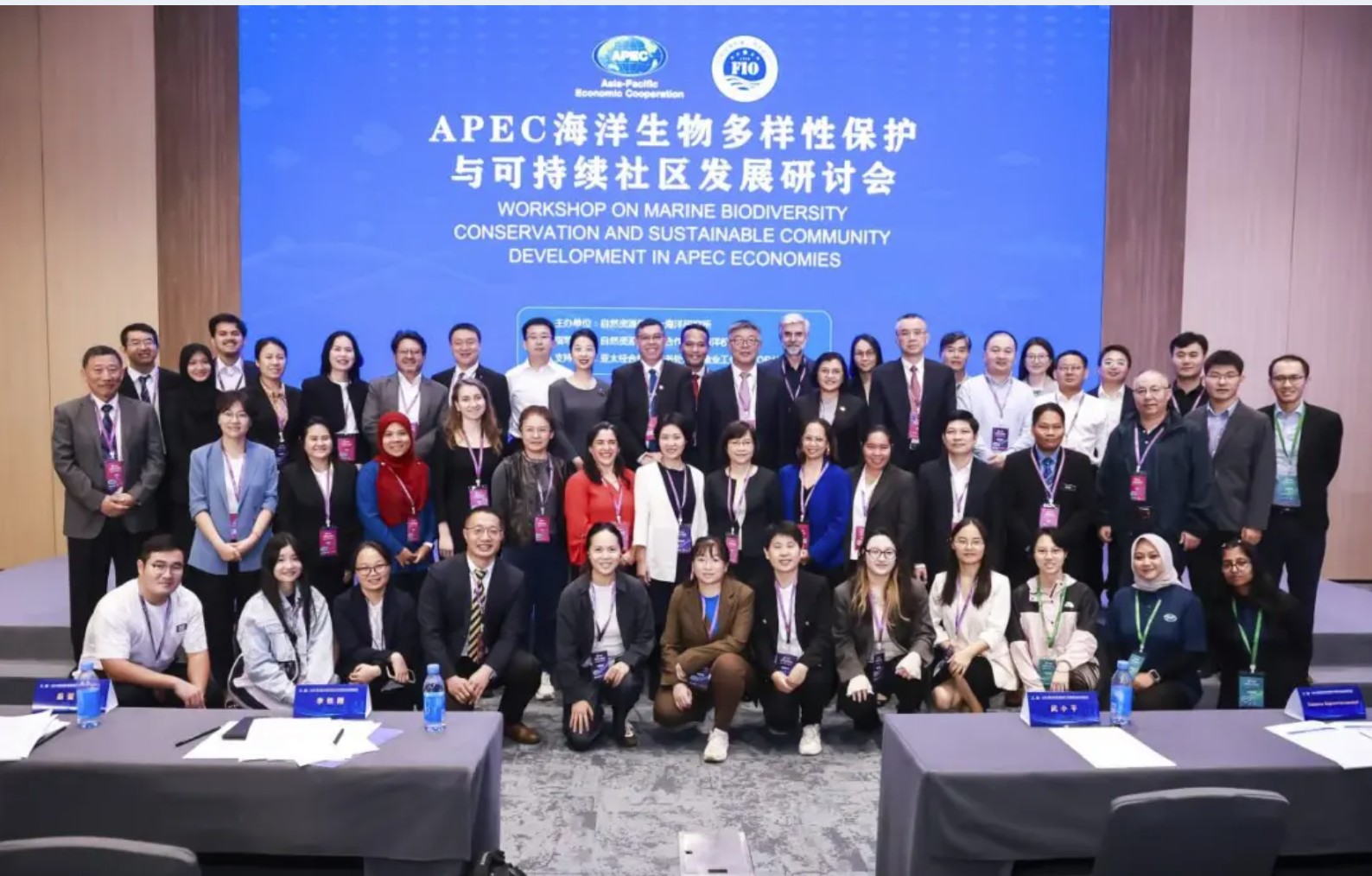
Core Insights - The APEC workshop on marine biodiversity protection and sustainable community development was held in Shenzhen from October 28 to 30, 2023, under the guidance of the Ministry of Natural Resources of China [2] - The workshop is part of an APEC international fund project led by China, with support from Chile, Hong Kong, and Peru, focusing on sharing experiences in marine resource management and ecological protection [2] - The event featured discussions on four main themes: macro strategies and policy guidance, innovation and technology empowerment, integrated practices and collaborative management, and multi-stakeholder governance and community empowerment [2] Summary by Sections - **Workshop Objectives**: The workshop aimed to promote marine biodiversity protection and sustainable community development through various activities, including baseline research, case studies, and international exchanges [2] - **Publication of Guidelines**: The "APEC Community-Based Marine Biodiversity Protection Technical Guidelines" was released, offering practical recommendations on community-led governance, cross-regional collaboration, and evidence-based monitoring mechanisms [3] - **Participation and Impact**: Approximately 100 participants from nine member economies, including China, Indonesia, Thailand, and Russia, as well as representatives from Panama, Bangladesh, and Sri Lanka, attended the workshop, highlighting APEC's role in fostering marine ecological civilization in the Asia-Pacific region [3]
海洋课堂“观、学、做”
Zhong Guo Zi Ran Zi Yuan Bao· 2025-11-06 02:13
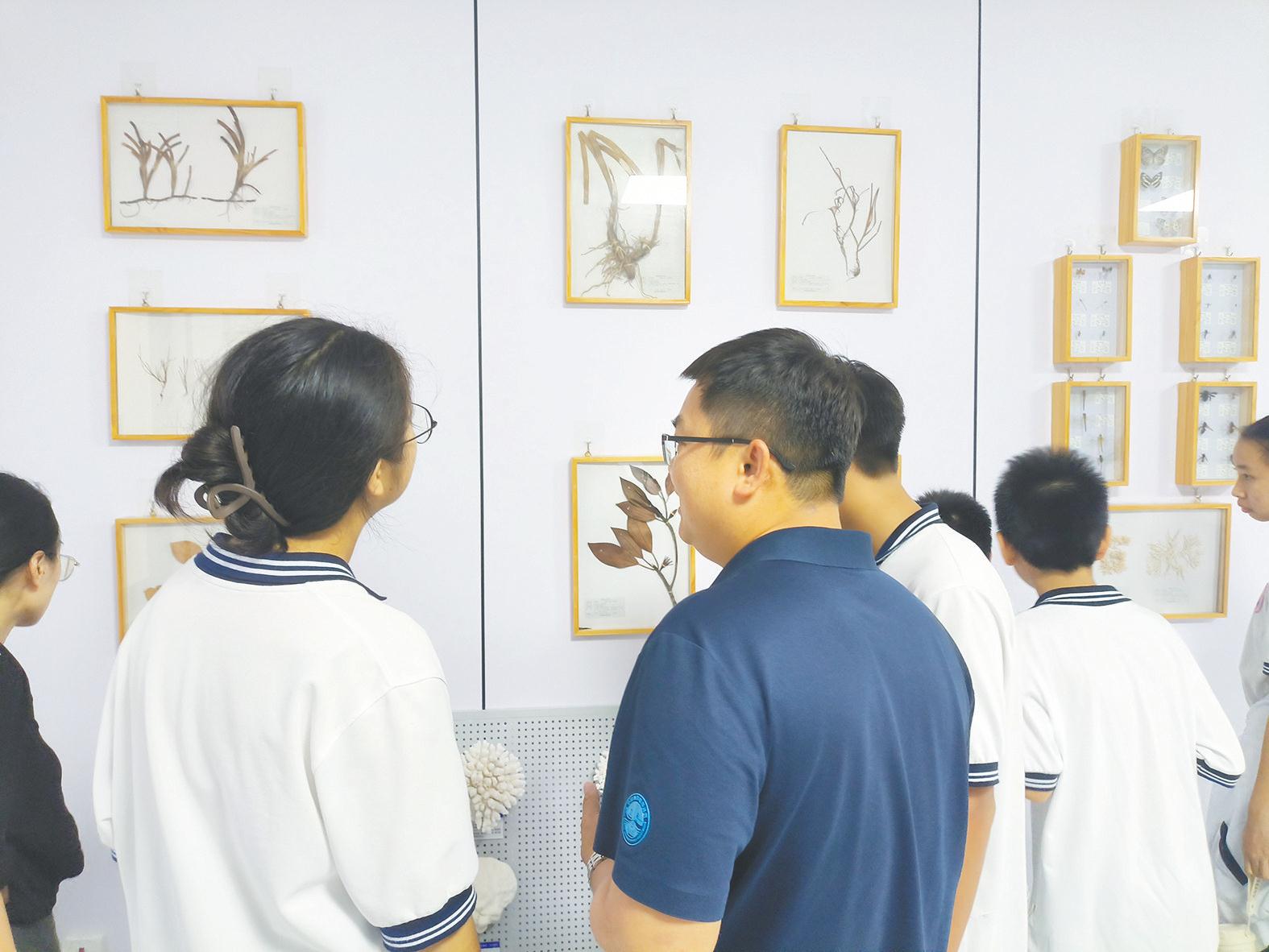
Core Points - The event organized by the Beihai Ocean Center and the Beihai Ocean Bureau aimed to promote marine science education among students and their families through immersive activities [1] - Participants engaged in hands-on experiments and observations to understand the importance of marine ecosystems and conservation [1] Group 1: Event Overview - The event involved nearly 30 students and parents from Beihai No. 5 Middle School, focusing on marine science education [1] - Activities included practical experiments in the chemistry analysis room and biological identification room, enhancing students' understanding of marine environments [1] Group 2: Educational Activities - Students conducted a dissolved oxygen titration experiment, learning about its critical role in marine life [1] - Observations of marine microorganisms through microscopes allowed students to interactively explore the microscopic marine world [1] Group 3: Ecological Awareness - The specimen room showcased various marine specimens, with explanations on the ecological value of coral reefs, mangroves, and seagrass beds [1] - The initiative aims to bridge the gap between classroom learning and real-world marine conservation efforts, fostering a sense of responsibility towards ocean protection [1]
南海海洋热浪周预报上线
Zhong Guo Zi Ran Zi Yuan Bao· 2025-11-06 02:13
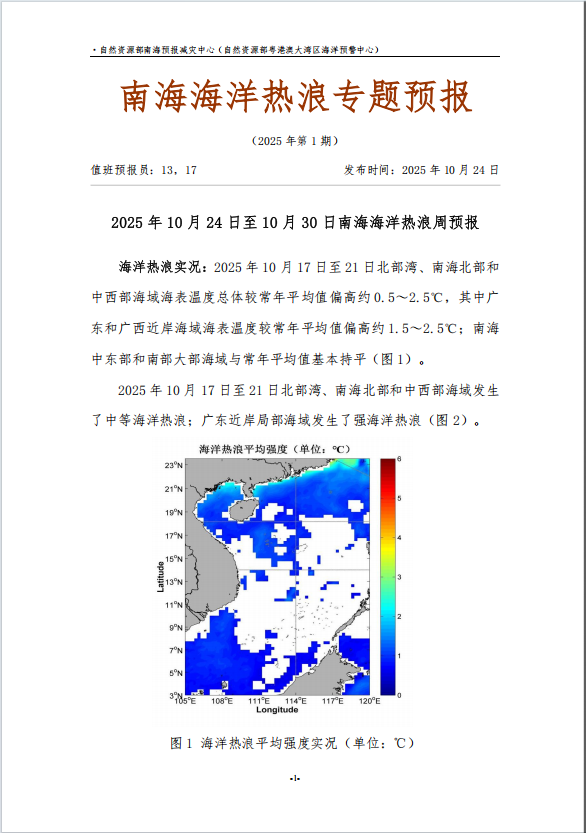
Core Insights - The South China Sea Marine Heat Wave Weekly Forecast product has been officially integrated into the disaster warning system by the South China Sea Forecast and Disaster Reduction Center, marking the first forecast specifically targeting marine heat waves [3][4] - This product utilizes satellite remote sensing data to monitor marine heat wave occurrences over the past week and combines numerical forecasting with artificial intelligence techniques to predict trends, impact range, and intensity for the upcoming week [3][4] Industry Impact - The increasing frequency and intensity of extreme marine heat wave events due to global climate change pose significant threats to marine ecological safety and the blue economy, leading to coral bleaching, fishery resource decline, and potential ecological chain reactions [4] - The operationalization of this forecasting product enhances the monitoring and warning capabilities against marine heat waves, which are considered a "silent killer" in the marine environment [4] - Future efforts will focus on improving forecasting technology and expanding the precision of forecasts across different time scales, providing scientific support for marine ecological protection, fishery management, climate change response, and sustainable marine economic development [4]
自然资源部第四海洋研究所联合相关科研单位组建广西海洋实验室
Zhong Guo Zi Ran Zi Yuan Bao· 2025-11-06 00:38
Core Viewpoint - The establishment plan for the Guangxi Marine Laboratory has been approved by the Guangxi Zhuang Autonomous Region Science and Technology Committee, aiming to enhance marine technology innovation and support sustainable development in the Beibu Gulf region [1] Group 1: Laboratory Structure and Goals - The laboratory will hold its first council and academic committee meeting on November 1 in Beihai, Guangxi, along with a plaque unveiling ceremony [1] - The laboratory will leverage the research strengths of the Fourth Institute of Oceanography under the Ministry of Natural Resources and the Guangxi Academy of Sciences, integrating various resources and forces [1] Group 2: Research Directions - The laboratory focuses on a "3+1+1" research direction: - "3" main directions addressing core needs of Guangxi's marine industry, including modern fishery technology research, marine new materials and high-end equipment manufacturing, and marine pharmaceuticals and biomedicine [1] - "1" digital foundation to empower industrial development, specifically through AI-based digital construction of marine elements in the Beibu Gulf [1] - "1" open window for international cooperation, linking with marine technology joint research and development between China and ASEAN countries [1] Group 3: Innovation Ecosystem - The goal is to create a marine technology innovation hub that serves the region, radiates nationwide, and connects with ASEAN, focusing on building an integrated innovation ecosystem of "research + industry + talent" [1] - The laboratory aims to provide significant support for promoting sustainable development of the marine economy in the Beibu Gulf region and enhancing marine technology innovation capabilities [1]
“两山”理念20年丨浙江湖州:从“因矿而生”到“因矿重生”
Zhong Guo Zi Ran Zi Yuan Bao· 2025-11-05 22:40
Core Viewpoint - Huzhou has transformed from a mining city with ecological scars into a model of green development, embodying the principle that "lucid waters and lush mountains are invaluable assets" through systematic ecological restoration and innovative practices [1][3][7]. Group 1: Historical Context and Policy Initiatives - Huzhou was known for its mining industry, which led to significant ecological damage due to high-intensity extraction practices [1]. - The concept of "lucid waters and lush mountains are invaluable assets" was introduced by Xi Jinping during a visit in 2005, marking a pivotal shift towards ecological civilization [1]. - Over the past 20 years, Huzhou has implemented the "Two Mountains" concept, focusing on ecological restoration and sustainable development [1][3]. Group 2: Phased Development of Green Mining - The transition to green mining occurred in four stages: 1. **Pilot Exploration (2005-2010)**: Initiated green mining construction trials and established standards for resource utilization and environmental protection [3]. 2. **Comprehensive Promotion (2011-2015)**: Expanded green mining initiatives citywide, creating a regulatory framework for sustainable practices [3]. 3. **Demonstration Creation (2016-2020)**: Huzhou became a national model for green mining, integrating local regulations and standards [3]. 4. **Intelligent Enhancement (2021-Present)**: Focused on integrating smart technology with green practices, establishing intelligent green mines [4]. Group 3: Systematic Innovations in Ecological Restoration - Huzhou's ecological restoration has evolved from merely addressing past damages to creating economic value through sustainable practices [5]. - The approach shifted from isolated repairs to a comprehensive planning strategy that integrates land use and ecological restoration [5]. - A scientific evaluation system was developed to ensure precise management of mining sites, moving from experience-based to data-driven governance [5]. Group 4: Achievements and Impact - Huzhou has successfully reduced the number of mining operations from over 1,000 to 28, achieving a "zero death" safety record since 2016 [7]. - The city boasts a 100% completion rate for green mines, with 15 recognized nationally, transforming ecological scars into environmental assets [7]. - Resource utilization efficiency has reached over 99%, with numerous patents filed, showcasing innovation in the mining sector [7]. - Successful case studies include the transformation of abandoned mines into parks and industrial hubs, attracting significant investments and tourism [8].
山东汶上:废弃矿山重叠翠
Zhong Guo Zi Ran Zi Yuan Bao· 2025-11-05 22:34
Core Viewpoint - Shandong Province's Wen Shang County is actively promoting ecological restoration of abandoned mines through various measures, successfully restoring five abandoned mines over an area of 605.32 acres [2] Group 1: Ecological Restoration Efforts - The county has implemented techniques such as slope reduction, mining backfill, waste pile leveling, net spraying, and vegetation cover to restore the ecological balance of the mining areas [2] - A total of 605.32 acres have been treated, indicating a significant commitment to environmental rehabilitation [2] Group 2: Integrated Management - For the restored mines, the county is conducting integrated management that includes monitoring, maintenance, and protection to further solidify the restoration effects [2]
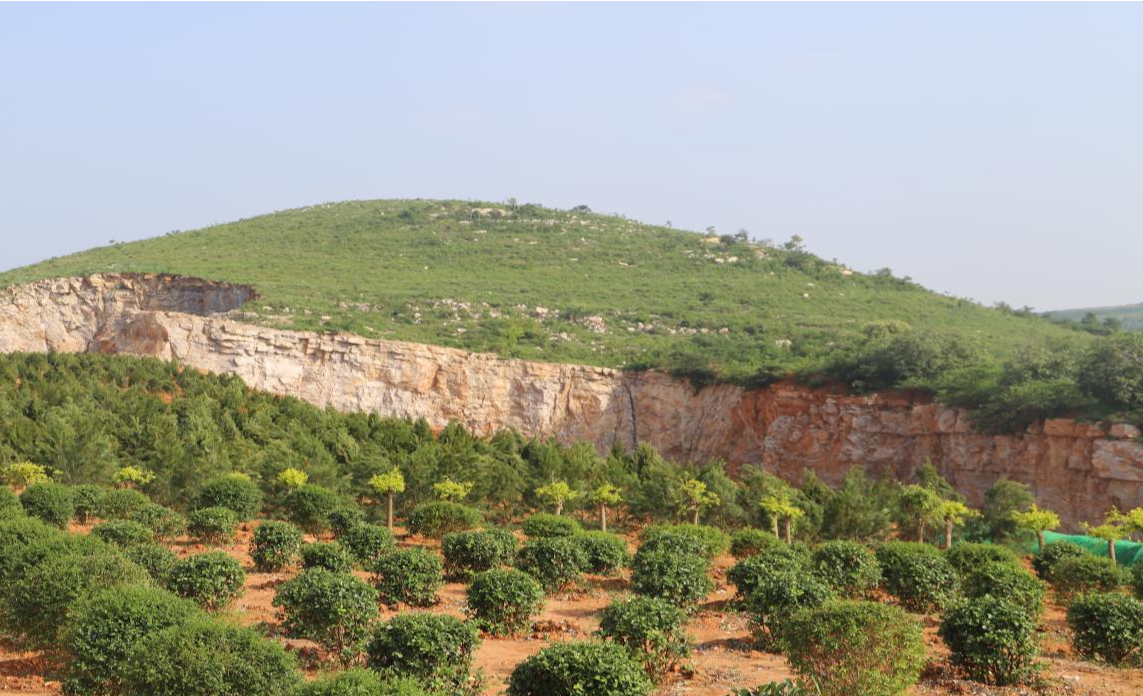
安徽池州多举措推进矿山增绿提质
Zhong Guo Zi Ran Zi Yuan Bao· 2025-11-05 22:34
Group 1 - The core viewpoint is that Chizhou City in Anhui Province is advancing green mining construction and the remediation of abandoned mines, achieving ecological, social, and economic benefits simultaneously [1] - As of the end of October, Chizhou has included 23 green mines in the provincial and national lists, with 7 being national-level [1] - The city has attracted 13 projects for the remediation of abandoned mines, restoring 1,302 acres of ecology and transforming 1,450 acres of land [1] Group 2 - Chizhou is integrating village planning with land and mining ecological restoration, promoting the reuse of abandoned mine land [2] - A resource reserve has been established for 108 closed and abandoned mines, covering an area of 21,300 acres, with 8,305 acres preliminarily selected for transformation [2] - The city is developing a smart AI duck farming project on a 150-acre mine site, with an investment of 560 million yuan and an expected annual output value of 42 million yuan [2]
2025深圳国际海洋周启幕
Zhong Guo Zi Ran Zi Yuan Bao· 2025-11-05 04:00
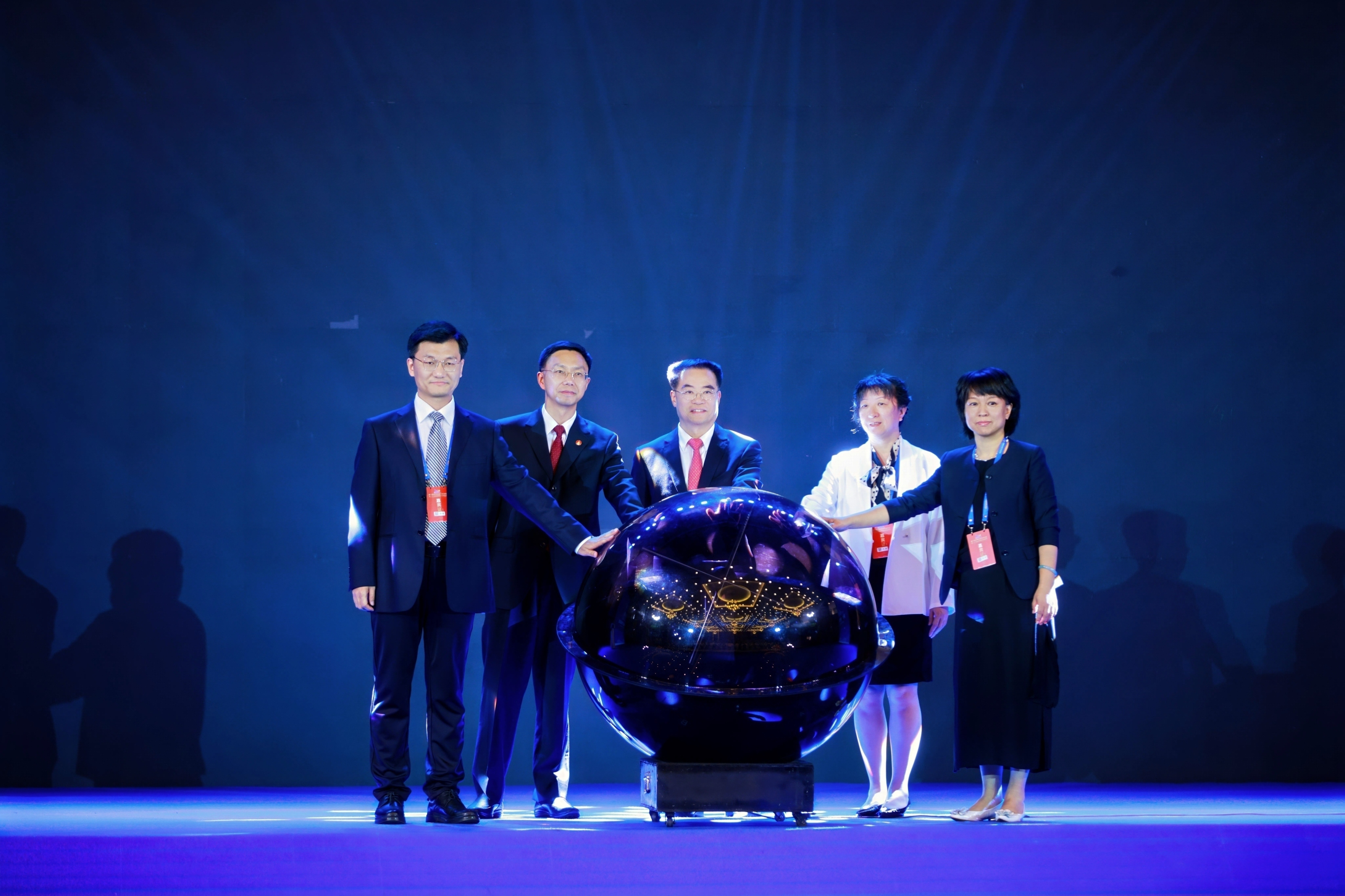
Core Viewpoint - The 2025 Shenzhen International Marine Week, themed "The Same Ocean, The Same Dream," commenced on October 29, 2023, marking the beginning of a series of events leading up to the 2025 China Marine Economy Expo, aimed at enhancing public engagement in marine development [3]. Group 1: Event Overview - The Marine Week will run from October 29 to November 2, 2023, featuring nearly 50 marine-themed activities across various districts in Shenzhen [4]. - The activities are organized into six major categories: "Art Ocean, Knowledge Ocean, Taste Ocean, Sports Ocean, Leisure Ocean, and Ecological Ocean," promoting a comprehensive marine cultural celebration [4]. Group 2: Cultural Initiatives - A "Shenzhen Marine Culture Museum Alliance" was established, with 13 representative marine museums and cultural spaces receiving recognition, including the Lighthouse Library and Shenzhen University Marine Culture Education Base [4]. - The alliance aims to create a "1+1+N" marine museum system, enhancing marine cultural dissemination in Shenzhen [4]. Group 3: International Collaboration - The Marine Week includes international and regional dialogue sessions to showcase practices in marine ecology, fostering global marine cultural exchange and cooperation [4].