Zhong Guo Zi Ran Zi Yuan Bao

Search documents
一叶兴百业
Zhong Guo Zi Ran Zi Yuan Bao· 2025-08-27 02:51
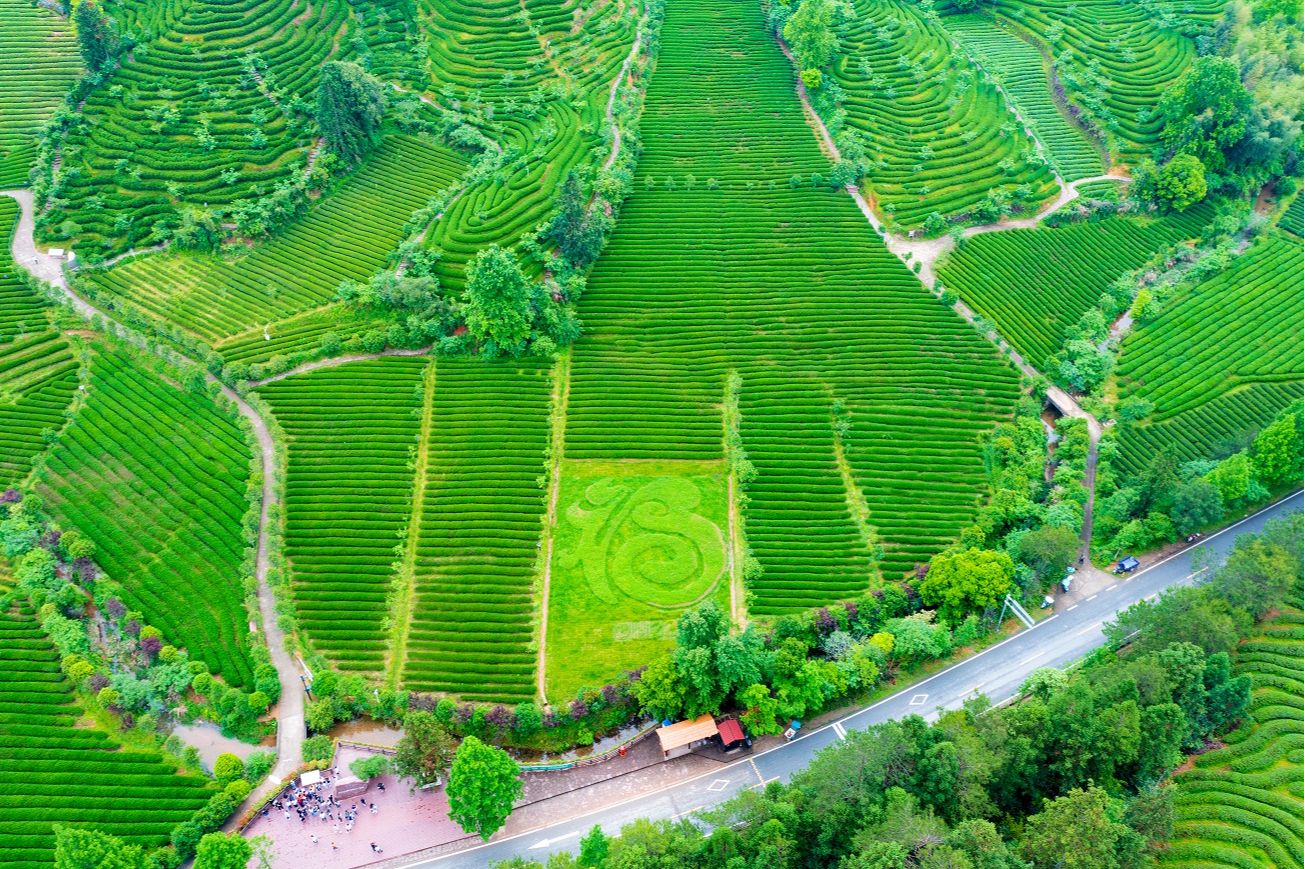
Core Viewpoint - Wuyishan City prioritizes ecological protection while integrating culture, technology, and industry to promote the coordinated development of the tea industry, achieving significant economic growth and rural revitalization through the tea sector [2][4][18]. Group 1: Tea Industry Development - The tea industry in Wuyishan faced significant challenges, including low standards in tea garden area, production, market share, and product quality, which limited its economic impact [2]. - By 2024, the tea garden area expanded to 148,000 acres, with the number of workers increasing over tenfold, and the total industry output value surpassing 15 billion yuan, contributing to nearly half of rural residents' income [3]. Group 2: Cultural Empowerment - Wuyishan emphasizes the "living heritage" of tea culture, integrating ecological and historical values to drive high-quality regional development, showcasing the transformation from "green mountains and clear waters" to "golden mountains and silver mountains" [6]. - The city has established a comprehensive cultural communication strategy, including digital content and brand activities, to promote the ecological and cultural values of Wuyishan tea [6]. Group 3: Technological Empowerment - Wuyishan leverages technological innovation to reconstruct the tea industry's ecological value chain, enhancing quality and value through a full-chain technological upgrade [8]. - Collaborations with research institutions have led to the establishment of a provincial tea tree germplasm resource nursery, preserving and cultivating various tea varieties to enhance competitiveness [9][12]. Group 4: Industry Strengthening - The city promotes the development of large-scale and clustered tea enterprises, with 38 regulated tea companies by 2024, including three national leading enterprises, enhancing ecological value and sustainability [14][15]. - Wuyishan is building a traceable green production quality control system and a digital twin platform for the tea industry, achieving a 99.6% compliance rate in product inspections [15]. Group 5: Institutional Innovation - Wuyishan implements various ecological tea garden technologies and promotes a unified approach to ecological protection and economic development, ensuring mutual benefits for both [17][18]. - The establishment of a leadership group for high-quality tea industry development facilitates cross-departmental collaboration, enhancing policy formulation and industry planning [17].

“生态伤疤”变“致富塘田”
Zhong Guo Zi Ran Zi Yuan Bao· 2025-08-27 02:51
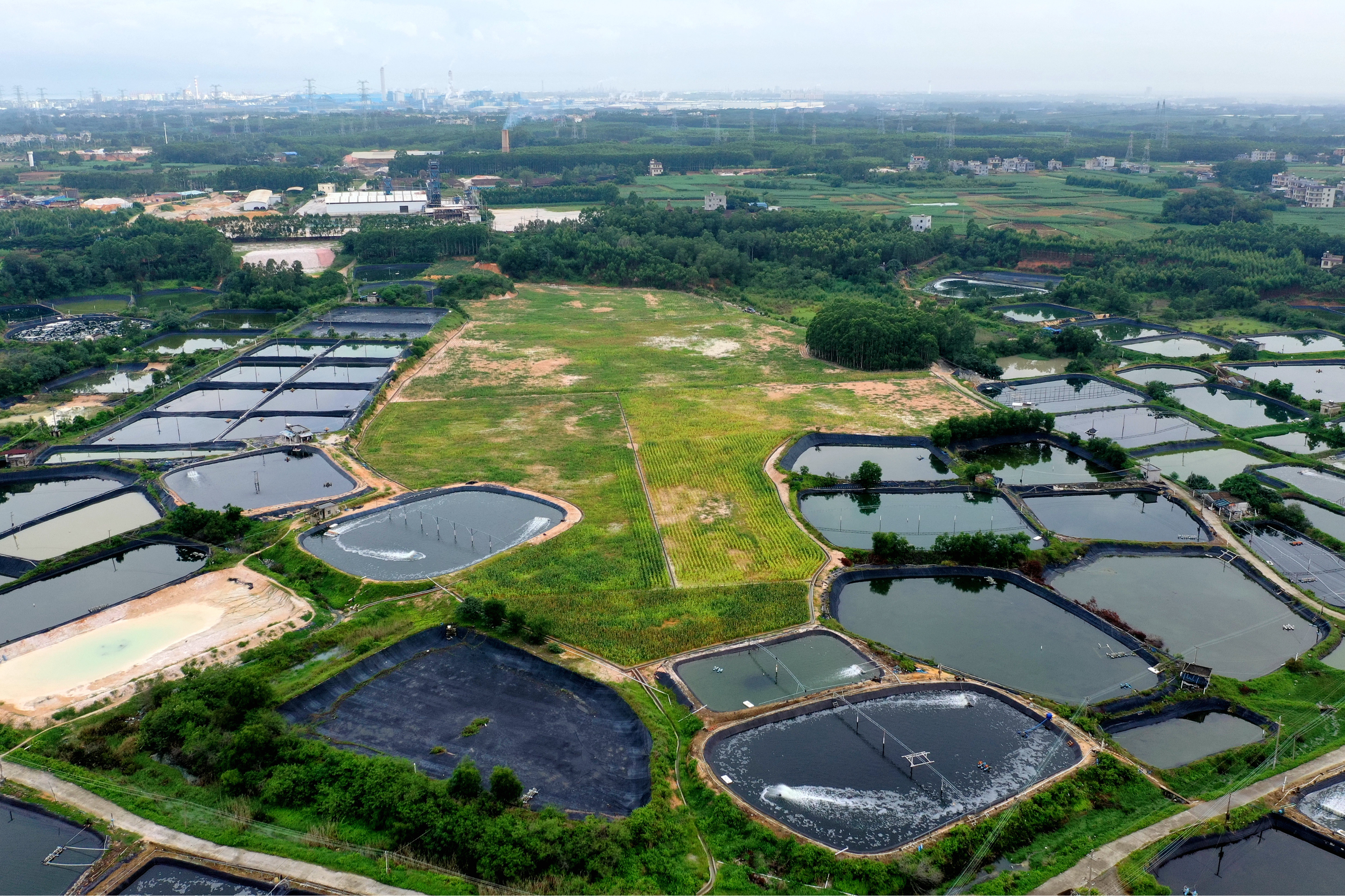
Core Viewpoint - The article discusses the ecological restoration project in Tieshan Port District, Beihai City, Guangxi, focusing on transforming abandoned mining sites into productive agricultural land and shrimp farming areas. Group 1: Project Overview - The ecological restoration project is commissioned by the local natural resources department and involves the restoration of 31 historical abandoned mining sites, with 22 sites requiring remediation over an area of 54 square kilometers, aiming for a total restoration area of 58 square kilometers [2]. Group 2: Restoration Techniques - The project employs various engineering measures such as slope reduction, slope surface restoration, foot support, drainage ditches, vegetation re-greening, and monitoring to eliminate geological disaster risks in the exposed and damaged areas [2]. - For areas intended to be restored as arable land, techniques include drainage ditches, land leveling, soil enrichment, and planting crops like corn and cassava, utilizing nearby seawater to support the development of specialty agriculture [2]. Group 3: Results and Impact - Over 120 acres of the restored area have been converted into seawater shrimp farming ponds, while some reclaimed farmland has been planted with crops, transforming the former "ecological scars" into "wealthy ponds and fields" [2][3].
守护绿水青山 打造幸福靠山
Zhong Guo Zi Ran Zi Yuan Bao· 2025-08-27 02:51
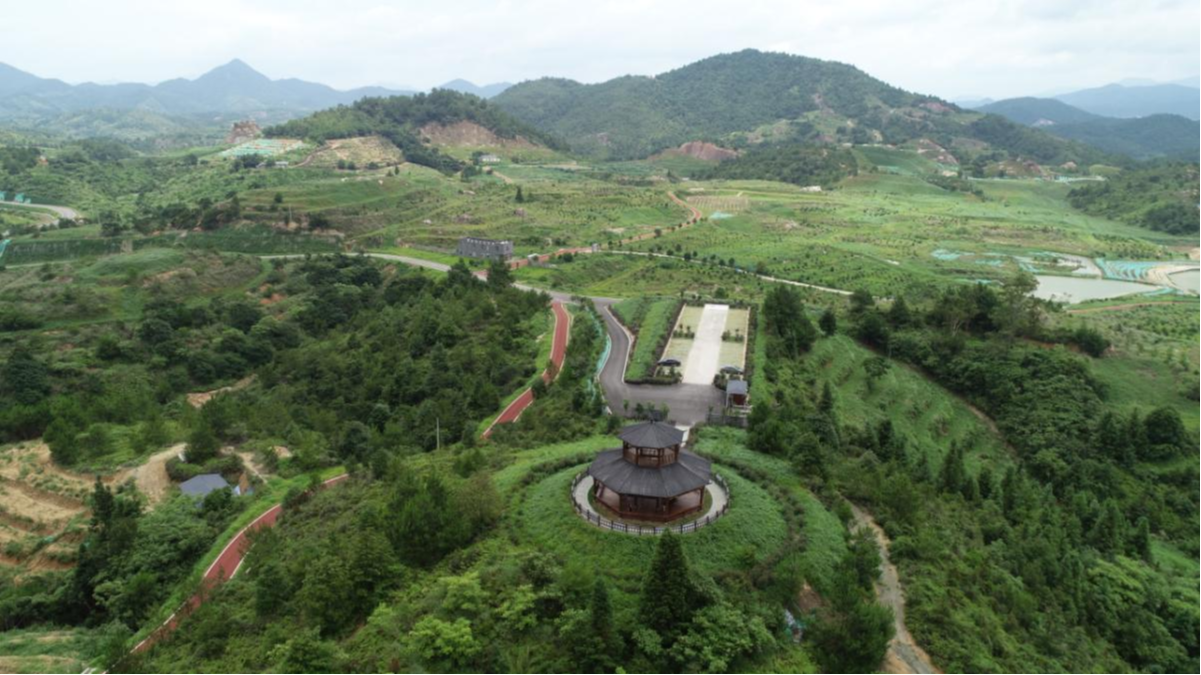
Core Viewpoint - The article highlights the successful transformation of abandoned mining areas in Ganzhou, Jiangxi Province, into ecological and cultural assets through effective governance and innovative practices [3][5][7]. Group 1: Environmental Management - Ganzhou has implemented strict controls on new open-pit mines and actively promoted the construction of green mines, reducing the number of licensed mines from approximately 1,500 to over 500 since 2015 [3]. - The city has established 70 green mines, including 17 national-level and 50 provincial-level, leading the province in both categories [3]. Group 2: Systematic Restoration - The city has rehabilitated approximately 7,367 hectares of historical abandoned mines, addressing environmental issues that have persisted for nearly half a century [5]. - Since 2017, Ganzhou has secured 567 million yuan in central funding for mine restoration and has encouraged social capital participation, with an estimated investment exceeding 500 million yuan for ecological restoration projects [5]. Group 3: Economic Transformation - The city has adopted an "ecological+" governance approach, transforming abandoned mines into valuable ecological resources through various initiatives, including agricultural development and tourism [7]. - For instance, Xinfeng County has converted abandoned rare earth mines into modern agricultural parks, contributing to rural revitalization and increasing farmers' incomes [7].
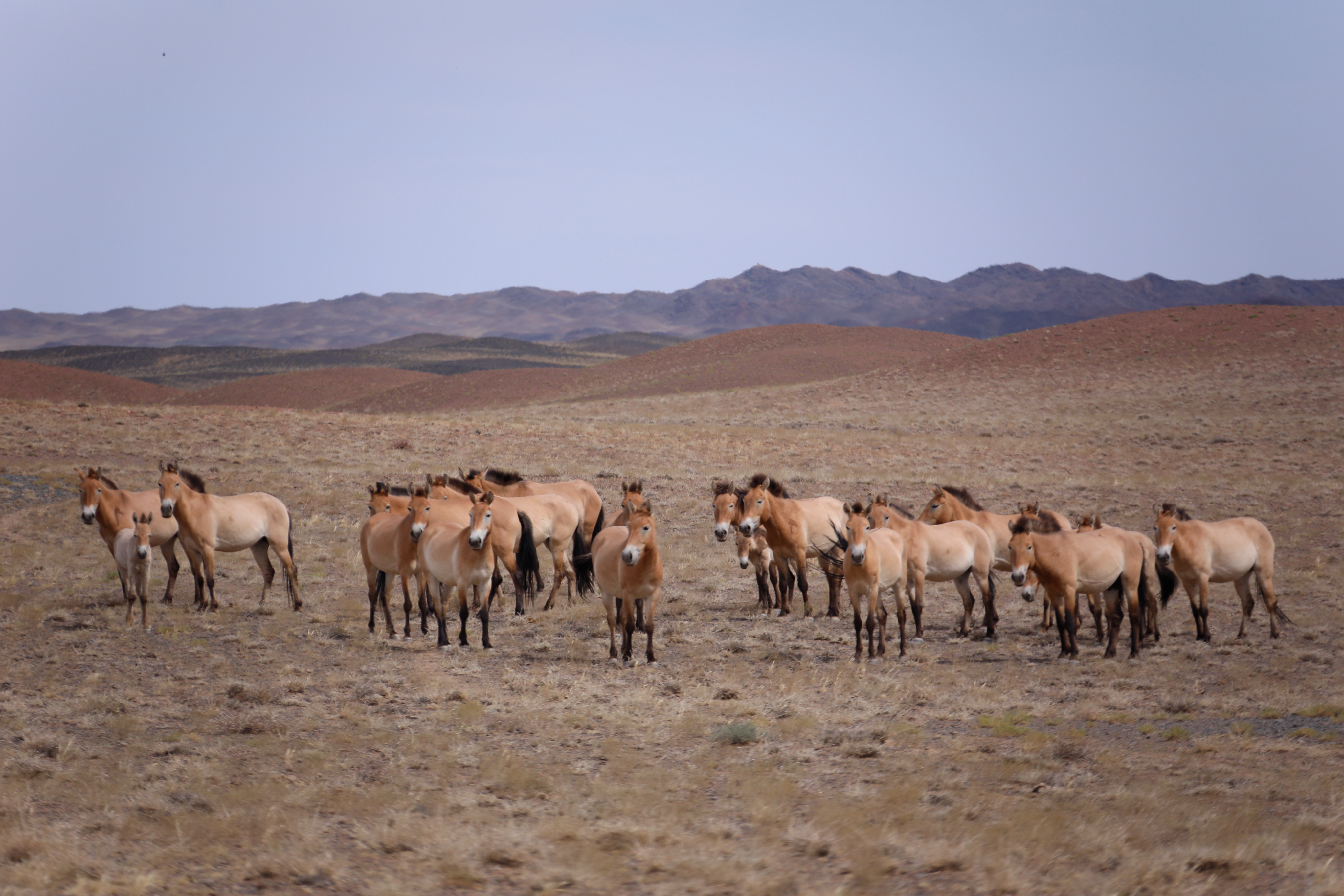
我国普氏野马总数突破九百匹
Zhong Guo Zi Ran Zi Yuan Bao· 2025-08-27 02:51
Core Viewpoint - The event celebrating the 40th anniversary of the return of the Przewalski's horse in China highlights the successful reintroduction and conservation efforts that have led to a population exceeding 900 individuals, representing about one-third of the global total [3]. Group 1: Conservation Efforts - The "Return of the Wild Horse" program initiated in 1985 involved the introduction of Przewalski's horse, the only existing wild horse species, from overseas to breeding bases in Xinjiang and Gansu [3]. - The Xinjiang Kalamaili Mountain Ungulate Nature Reserve has become a core habitat for the Przewalski's horse, benefiting from unique geographical and ecological advantages [3]. - Scientific protection strategies, habitat optimization, and continuous wild release efforts have contributed to the steady increase in the Przewalski's horse population [3]. Group 2: Technological Integration - The implementation of an integrated monitoring network using drones, satellite collars, and other technologies has enabled precise tracking of the horses' activities and health [3]. - The ecological restoration projects in Xinjiang have created favorable living conditions for the Przewalski's horse [3]. Group 3: International Collaboration - The conservation success has had international implications, with the export of four breeding individuals to Mongolia in 2012 and the release of 12 horses in Inner Mongolia in 2021 [3]. - Plans are in place for the release of 18 horses in the Helan Mountain area in three batches by 2025 [3].
让每一抹自然之色找到“归属”
Zhong Guo Zi Ran Zi Yuan Bao· 2025-08-27 02:44
Core Viewpoint - The article emphasizes the importance of unified natural resource property rights registration in Tibet, which aims to clarify ownership and enhance ecological protection, thereby supporting sustainable development and environmental conservation [2][4]. Group 1: Natural Resource Registration - The unified property rights registration work in Tibet is a key measure to implement ecological civilization and the "Two Mountains" concept, which is crucial for establishing a national ecological security barrier [4]. - As of December 2023, the registration work has covered 22 units, including 16 nature reserves and 3 rivers, with the completion of the Nam Co Nature Reserve marking a significant milestone [4]. - The registration process aims to create a comprehensive database of natural resources, clarifying ownership and boundaries to facilitate strict and systematic protection and rational utilization [4][10]. Group 2: Ecological Significance - The registration of the Muxu Langjie Sea Buckthorn Forest highlights the ecological functions of this unique green barrier, which includes windbreaks and water conservation [6]. - The work conducted by the Natural Resources Ministry's remote sensing team involves precise mapping and boundary delineation to ensure effective ecological protection [9][10]. - The registration process respects local customs and engages communities, ensuring that the benefits of clear property rights are communicated effectively to local residents [9]. Group 3: Implementation and Impact - The registration efforts in Lhasa City are set to enhance the implementation of the "Two Mountains" concept, ensuring that every forest and natural resource has a clear ownership coordinate [7]. - The delineation of boundaries for rivers like the Xuerong Zangbu is crucial for establishing clear property rights, which will aid in ecological management and protection [10]. - The overall initiative aims to provide a systematic guarantee for the protection and sustainable development of Tibet's rich natural resources, ensuring that they remain vibrant and preserved for future generations [10].
自然资源部通报表扬四十六位地质找矿青年科技人才
Zhong Guo Zi Ran Zi Yuan Bao· 2025-08-27 01:49
Core Points - The Ministry of Natural Resources has recognized 46 young scientific talents for their outstanding achievements in the new round of mineral exploration breakthrough strategic actions [1][2] - The recognized talents are part of the high-level scientific innovation talent program focused on geological exploration, with selections made from both 2023 and 2024 candidates [1] - The notification emphasizes the importance of these talents in enhancing the mission of "finding minerals for the country" and their contributions to theoretical innovation, technical methods, and equipment development [1] Group 1 - The Ministry of Natural Resources has issued a notice to commend 46 young scientific talents for their excellent mineral exploration results [1] - The recognized talents have shown significant achievements in theoretical innovation, technical methods, and mineral exploration, supporting the new round of mineral exploration breakthrough strategy [1] - The Ministry encourages the recognized talents to cherish their honor and continue to contribute to the high-quality development of natural resource services [2] Group 2 - The notice calls for relevant employers and departments to fully implement measures to strengthen the training and utilization of young scientific talents [2] - Young scientific workers are encouraged to learn from the recognized examples and to embody the spirit of innovation and practicality in their work [2] - The overall goal is to promote the new round of mineral exploration breakthrough strategy and contribute to the high-quality development of the natural resources sector [2]
吉林:“金色粮仓”扎根黑土地
Zhong Guo Zi Ran Zi Yuan Bao· 2025-08-27 01:04
Core Insights - The article emphasizes the importance of protecting and utilizing black soil, referred to as the "panda of arable land," to benefit the people sustainably [1][7] - The "Pear Tree Model" has been widely adopted in Jilin Province, leading to improved black soil protection and increased agricultural productivity [1][3] Group 1: Black Soil Protection and Agricultural Practices - Jilin Province, located in the core area of black soil, contributes over 80% of the province's grain output, particularly high-quality corn [1][2] - The adoption of the "Pear Tree Model" has resulted in a significant recovery of soil quality, with corn yields exceeding 2,000 pounds per acre and net income per acre over 1,200 yuan [2][3] - The implementation of corn straw coverage and no-till planting has led to a gradual restoration of soil fertility and stable grain production [3][4] Group 2: Regulatory Framework and Monitoring - Jilin has established a comprehensive regulatory framework for black soil protection, including the delineation of protected farmland areas [4][5] - The province has designated 10,944 million acres of arable land for protection, with 8,201 million acres classified as permanent basic farmland [4][5] - A grid-based monitoring system has been implemented, involving over 43,000 personnel to ensure compliance with land protection regulations [6] Group 3: Community Engagement and Economic Impact - Local farmers have recognized the benefits of the "Pear Tree Model," leading to increased community involvement in black soil protection [4][6] - The number of cooperative members has grown from 6 to approximately 180, with an average annual income of 70,000 to 80,000 yuan per household [2][3] - The article highlights the positive economic impact of improved soil quality and agricultural practices on local communities [2][3][6]
美式“航行自由”缺乏国际法基础
Zhong Guo Zi Ran Zi Yuan Bao· 2025-08-26 03:08
Core Viewpoint - The report critiques the U.S. interpretation of "freedom of navigation," arguing it exceeds the provisions of the 1982 United Nations Convention on the Law of the Sea (UNCLOS) and undermines the balance between coastal states' rights and navigation freedoms [1][2][5] Group 1: U.S. Interpretation of Freedom of Navigation - The U.S. concept of "freedom of navigation" is described as an all-encompassing right that improperly applies to various maritime areas, disregarding the limitations set by UNCLOS [1][2] - The report highlights that the U.S. has not ratified UNCLOS but selectively interprets international law to justify its actions, leading to ambiguities in international legal understanding [2][3] Group 2: Legal Status of Military Vessels - The report indicates that the U.S. claims military vessels can exercise innocent passage in foreign territorial waters, a stance lacking solid legal foundation under international law [2][3] - Data shows that among 158 countries, at least 29 require prior approval for foreign military vessels to enter their territorial waters, indicating a lack of consensus on the U.S. position [3] Group 3: Concept of "International Waters" - The term "international waters" is identified as a U.S.-created concept, not recognized in international law, which traditionally differentiates between territorial seas and high seas [4][5] - The U.S. conflates exclusive economic zones (EEZ) with high seas, advocating for unrestricted navigation, contrary to UNCLOS provisions that grant coastal states jurisdiction over their EEZs [4][5] Group 4: Double Standards in Maritime Claims - The U.S. applies double standards in recognizing the legal status of maritime features, being lenient towards its own and allies' claims while imposing strict standards on other nations [6][7] - Examples include the U.S. supporting its own claims over uninhabited islands while ignoring similar claims made by other countries, such as Australia and Japan [6][7] Group 5: Key Messages from the Report - The report categorizes U.S. claims of "freedom of navigation" into two main categories: excessive expansion of navigation interests and illegal restrictions on coastal state rights, providing a structured legal critique [7] - It emphasizes the need for a legal perspective in opposing U.S. interpretations, moving beyond mere political statements to a systematic legal analysis of the legitimacy of U.S. claims [7]
全国海岛代码行业标准出版发行
Zhong Guo Zi Ran Zi Yuan Bao· 2025-08-26 02:29
Core Points - The publication of the "National Island Code" (HY/T0119—2024) marks a significant step towards standardized, refined, and information-based management of islands in China [1] - The standard addresses long-standing issues related to the lack of a unified and authoritative identification system for islands, which has hindered effective management and data sharing across different departments and sectors [1] Group 1 - The "National Island Code" provides a unique, permanent identification code for each named island, ensuring a "one island, one code" system [1] - The code structure is designed to reflect geographical location and type, facilitating identification and classification management [1] - The standard is based on principles of scientificity, normativity, uniqueness, stability, and scalability, allowing for future expansion to meet new management needs [1] Group 2 - The implementation of the "National Island Code" supports various management activities such as investigation, rights registration, planning, protection, utilization, law enforcement, and statistics by providing a unified identity [2] - It enhances information sharing and collaboration across departments, levels, and regions, establishing a foundational link for data exchange [2] - The standard aids in constructing a comprehensive database for islands, supporting data-driven decision-making in areas like resource management, policy formulation, ecological restoration, and disaster prevention [2]
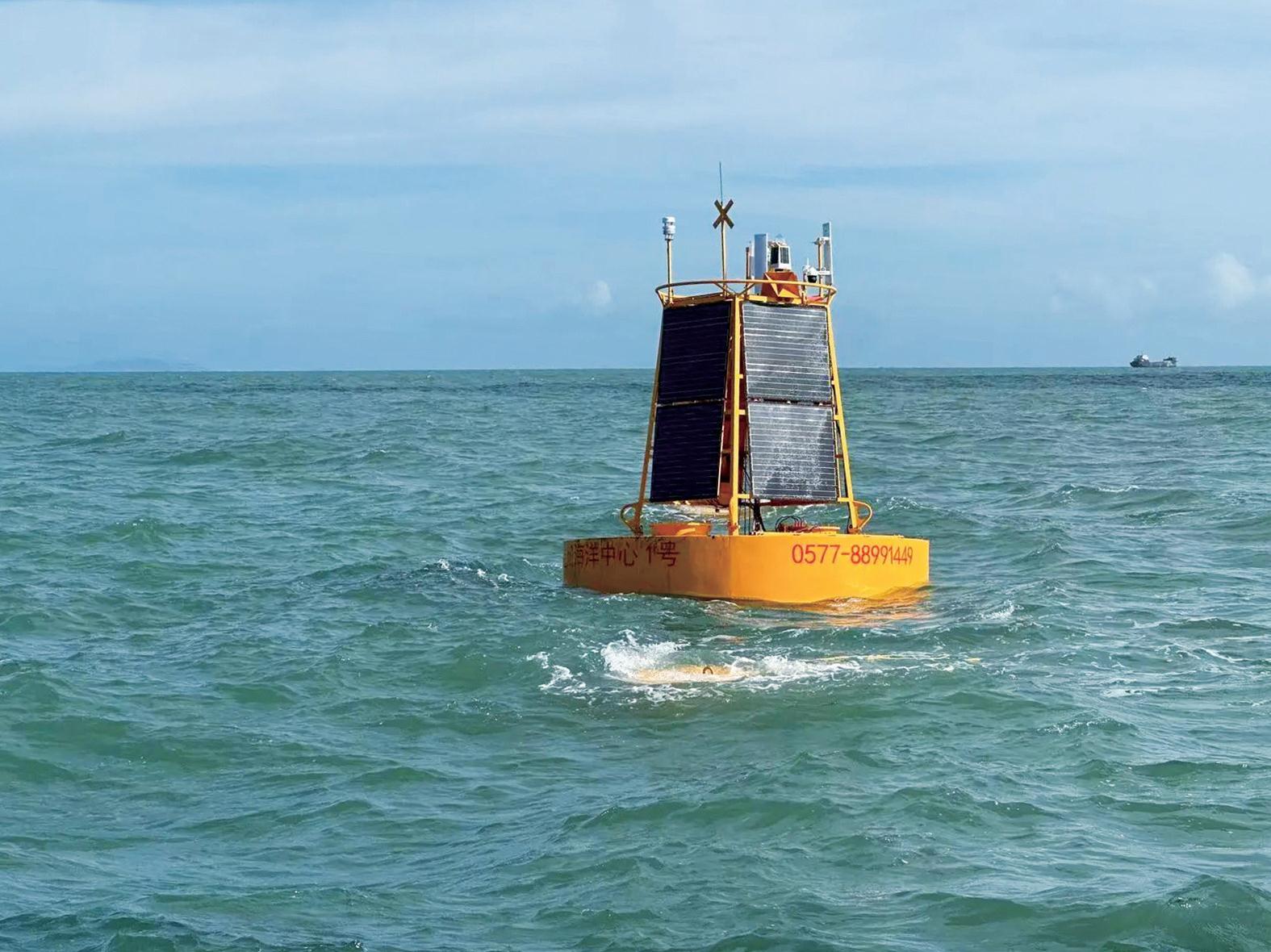
“温州海洋中心1号”浮标入海
Zhong Guo Zi Ran Zi Yuan Bao· 2025-08-26 02:29
Core Insights - The establishment of a 360-degree ecological monitoring network around the San'ao Nuclear Power Plant has been marked by the deployment of the "Wenzhou Ocean Center No. 1" biological monitoring buoy [1][2] - The buoy is designed to monitor marine biological dynamics in real-time, providing critical data to prevent potential blockages in the cooling systems of the nuclear facility caused by the accumulation of marine life [2] Group 1 - The "Wenzhou Ocean Center No. 1" buoy was successfully deployed in the San'ao Nuclear Power Plant area, equipped with advanced sonar and current measuring devices [1] - The buoy's operation fills a significant gap in long-term online monitoring of marine biology in the region, enhancing ecological control and nuclear safety management [2] - The monitoring network can identify species and monitor their distribution density, allowing for early warnings of biological outbreaks, thus providing valuable response time for nuclear operations [2]