
凤凰网财经

Search documents
头发越掉越多?这瓶「持证上岗」的精华液让发根“抓”得更牢
凤凰网财经· 2025-12-05 12:35
发量 决定一个人的氛围感,真没错! 你瞅,拥有一头海藻般的头发,随便一甩就是氛围感~ 跟别人合照也能轻松出圈。 男人也是如此!! 头发多就是显年轻! 但想维持健康的发量可太难了! 工作生活的各种压力, 让现在的人掉发越来越严重。 枕头上、梳子上、地上、浴缸里到处都是头发,自己头上却没剩多少... 数据显示: 我国现在有超2.5亿人受掉发困扰,也就是说每6个人里就有1个人脱发 。 像我们平时使用的染发剂, 各种含硅洗发水,或多或少都会损伤发根,影响头皮健康。 而 头 发少不仅会显老 ,连造型都做不了,再高的颜值也撑不住。 点击下图即可购买 ▼ | F | . | 10 | | --- | --- | --- | | œ | | | | 产品名称 | RUYI儒意臻萃防脱精华液 | | --- | --- | | 产品类别 | 防脱类 | | 注册人 | 广州海雅生物科技有限公司 | | 任所地址 | 广州市白云区鹤龙街黄边北路620号二层209室 | | | 1.变托境内生产 生产企业名称:广州臻颜化妆品有限公司 住所地址:广州市白云区钟落潭镇良园二横路15号之一 | | | 1栋401室、1栋501室 | | ...


5年超5000倍,A股最狠造富故事,藏不住了
凤凰网财经· 2025-12-05 12:35
Core Viewpoint - The successful debut of Moole Thread on the STAR Market has ignited enthusiasm in the A-share market, with its stock price soaring significantly on the first day of trading [1][2]. Group 1: Stock Performance - Moole Thread opened at 688 CNY per share, a staggering 502% increase from its issue price of 114.28 CNY, leading to a market capitalization of 282.3 billion CNY by the end of trading [2][3]. - The trading volume reached 251,200 shares, with a turnover rate of 85.49% and a closing price of 600.50 CNY [3]. Group 2: Investor Gains - Ordinary investors who purchased one lot (500 shares) could have realized a floating profit of approximately 267,900 CNY, equivalent to a down payment for a property in a second-tier city [5]. - Major institutional investors, such as Shenzhen Minghao, have seen substantial returns, with their holdings valued at 11.966 billion CNY after the IPO [10][12]. Group 3: Institutional Participation - A total of 267 institutions participated in the offline subscription, setting a record for the year in the STAR Market, with an oversubscription rate of 1796 times [26][27]. - Public funds were the main force in this round of subscription, with E Fund's products acquiring 3.8418 million shares, resulting in a floating profit of approximately 1.866 billion CNY [28]. Group 4: Financial Performance and Future Outlook - Despite the impressive stock performance and returns, Moole Thread faces challenges with nearly 6 billion CNY in cumulative losses and an unproven commercialization path, highlighting a gap that needs to be bridged through technological breakthroughs and market validation [31].

偷税被罚超200万的陈震,究竟有多赚钱?
凤凰网财经· 2025-12-05 05:05
Core Viewpoint - The article discusses the tax evasion case of Chen Zhen, a well-known automotive reviewer, highlighting the legal consequences he faced and the impact on his online presence and business operations [1][10]. Group 1: Tax Evasion Case - Chen Zhen was found to have evaded personal income tax totaling 1.1867 million yuan from 2021 to 2023 through various means, including concealing income and false declarations [1]. - The tax authority imposed a penalty of 2.4748 million yuan, which includes the tax owed, late fees, and fines [1]. - Following the tax investigation, Chen Zhen's accounts on multiple social media platforms were banned due to violations of laws and community rules, affecting over 24 million followers [1]. Group 2: Advertising Revenue - Chen Zhen's Douyin account has approximately 10.745 million followers, with advertising rates ranging from 350,000 yuan for 1-20 seconds to 800,000 yuan for over 60 seconds [2]. - In November, he published at least seven videos that were advertisements, potentially generating over 5 million yuan in revenue based on the highest advertising rate [2]. Group 3: Business Operations - Chen Zhen is associated with five companies, four of which are active in advertising, information technology, and commerce, while one has been deregistered [6]. - His main company, Ge Rui Chi Advertising, has a tax debt of 2,965 yuan, indicating potential financial issues within his business operations [6]. Group 4: Personal Brand and Business Model - Chen Zhen's rise to fame began with his nickname "Erhuan Shisanlang," which he earned from a high-speed driving incident, leading to a successful career in automotive media [12][13]. - His business model relies heavily on his personal brand, which has expanded into various sectors, including digital culture and commerce, but is vulnerable to risks associated with his personal reputation [15]. - Recent incidents, including a significant traffic accident and public controversies, have raised concerns about the sustainability of his business model, as personal credibility is crucial for his commercial success [15].

美的维修师傅性骚扰客户?回应来了
凤凰网财经· 2025-12-04 15:24
来源丨凤凰网财经《公司研究院》 12月4日,有消费者反映,在预约美的热水器维修时,遭到维修师傅言语性骚扰。该师傅在约定时间后,向用户发送"感觉哥哥怎么样啊"等不当言 论。 (图源:《正在新闻》) 据《正在新闻》报道,该维修师傅为高级工程师,服务天数超3000天。 对此,美的中国区徐州运营中心回应凤凰网财经《公司研究院》表示:"经核查,涉事工程师为美的合作服务商工作人员,在与用户沟通中确有不当 言论,对于给用户带来的不适及困扰,表达诚挚的歉意。目前,该工程师已停职反省,接受批评教育。未来运中将帮助合作服务商进行内部培训,持 续提升服务规范,杜绝此类事件的再次发生。" 点击在 看 持续关注↓↓↓ 不过,客服强调,所有维修人员都必须经过线下技术培训,考核合格后方可上岗,公司有严格规定,技术不达标者不允许提供服务。 就在前不久,美的陷入要求服务商"二选一"争议。 有市场消息称,美的要求售后服务商不得同时承接小米或格力的空调安装维修业务。该政策由中国区各区域负责人单独通知合作服务商,涉及小米、 格力等其他品牌的空调售后服务。 对此,美的集团品牌部回应凤凰网财经《公司研究院》:"美的一直秉承用户体验第一的原则,并无强制售 ...


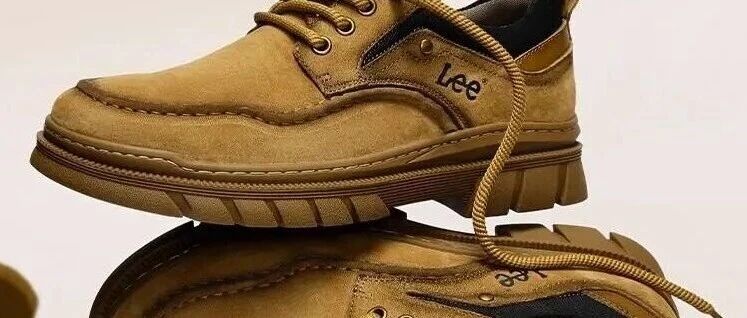
闭眼冲Lee清仓鞋!断码预警,全场一口价太香了
凤凰网财经· 2025-12-04 15:24
谁懂当代人的穿鞋痛点? 想穿得正式撑气场,皮鞋硬底磨脚又板脚;想舒服自在,运动鞋又显得不够专业;遇到阴雨天,还得担 心鞋子打滑、难打理…… 直到挖到 【 Lee家MODERN 系列工装靴 】 ,才发现原来能 "鱼和熊掌兼得"—— 帅得有质感,穿得像踩云,通勤、出差、户外全 hold 住! 先跟大家说今天的超顶福利!Lee家品牌鞋,新粉入门选它准没错! 授权齐全!首先品质上大家完 全可以放心!! 其次,今天又让我们等来品牌断码鞋的骨折价!! 放到商场要699元左右零售价、随便一款天猫售价都是400-500+; 今天全场269元任选一双! 正品Lee家有码就能拍!码数余量不多,拍到就赚到!!! Lee家这个系列的工装鞋,之前我们就单独推过一篇, 当时一上架就卖断货了 , 老粉都知道,这次赶上断码好价不用犹豫直接拍没毛病! 点击下图即可购买 ▼ 再给新粉介绍下,作为百年经典品牌 ,Lee家的 MODERN系列 把 "实用与颜值" 焊得死死的。 今天捡漏福利中就有 这个系列的几双经典款, 常规款和加绒款都有, 它们有个超实用的共通点 —— 上脚舒服不磨,特别防滑又耐造,户外出行的脚部需求基本都能满足! 作为 Lee ...
传新东方员工发内部信吐槽“加班严重”后,账号光速被锁
凤凰网财经· 2025-12-04 15:24
Core Viewpoint - The controversy surrounding the internal email from a New Oriental employee expressing dissatisfaction with the company's overtime culture continues to escalate [3][4]. Group 1: Employee Concerns - An employee highlighted issues such as encroachment on rest time, unrealistic performance indicators, and excessive non-core tasks, leading to fatigue [3][5]. - The employee described the "996 single rest day" work model, where work hours extend from 9:30 AM to beyond 9:30 PM, making long working hours a norm [4]. - Despite the labor contract stipulating weekends off, the employee noted that actual implementation is rare, and the eight-hour workday mandated by labor laws has become an unattainable luxury [5]. Group 2: Management and Company Culture - The employee expressed dissatisfaction with management and a desire for a more respectful work environment that honors basic labor rights and work planning [5]. - The employee referenced Yu Minhong's statement that a company that continuously harms its employees is not a good company, urging a return to prioritizing educational quality and employee rights [6]. - The email emphasized Yu Minhong's encouragement of freedom of expression, which inspired the employee to voice their concerns [7]. Group 3: Company Response - Yu Minhong responded to the controversy regarding his trip to Antarctica, stating that allowing employees to voice complaints is a tradition at New Oriental and that he encourages employees to express dissatisfaction [10][12]. - He mentioned plans to take a select group of outstanding employees to Antarctica, highlighting a commitment to recognizing and rewarding employee contributions [13].


美财长贝森特:即使在最高法院败诉 特朗普政府仍能推行关税
凤凰网财经· 2025-12-04 15:24
Group 1 - The core viewpoint is that regardless of the Supreme Court's decision on Trump's tariffs, the Trump administration can still advance its tariff plans [1][2]. - Secretary of the Treasury, Bessent, reiterated that the 1962 Trade Act grants the president broad powers over import tariffs, specifically referencing sections 301, 232, and 122 [2][3]. - Bessent emphasized that the tariffs must be implemented permanently, although section 122's tariff authority is limited to 150 days, while sections 301 and 232 do not specify a time frame [4]. Group 2 - Bessent believes that the Trump administration has a strong chance of winning the case regarding tariffs in the Supreme Court [7]. - The administration has historically used tariffs as a negotiation tool with trade partners, although recent measures have become less aggressive [5]. - Bessent is awaiting the Supreme Court's ruling before deciding whether to use any additional revenue from tariffs for income tax cuts [6]. Group 3 - Bessent avoided questions about the next Federal Reserve Chair nominee, indicating that the chair's power over interest rates is limited [8]. - Recent discussions suggest that Kevin Hassett, the Director of the National Economic Council, is a leading candidate for the position [8]. - Bessent noted that some sectors of the U.S. economy are weakening, and a rate cut could benefit these areas, particularly the softening real estate market [8].

2000万外卖骑手,困在新国标电动车
凤凰网财经· 2025-12-04 15:24
Core Viewpoint - The implementation of the new national standard for electric bicycles has significantly impacted the delivery industry, particularly for food delivery riders, leading to operational challenges and reduced income potential [1][6][10]. Group 1: New National Standard Impact - The new national standard (GB 17761-2024) has officially ended the transition period, banning the sale of old standard electric bicycles, causing many shops to close and limiting the availability of new models [1][14]. - The new electric bicycles are designed with strict limitations, including a maximum speed of 25 km/h, which is deemed insufficient for timely deliveries, leading to increased delivery times and potential income loss for riders [1][6][7]. - Many riders express that the new models are impractical for delivery purposes, lacking necessary features such as adequate storage space for delivery boxes and rearview mirrors, which are essential for safety [8][9]. Group 2: Delivery Challenges - The delivery platforms have reduced the time allocated for deliveries, making it increasingly difficult for riders to meet the new speed regulations while ensuring timely service [12][13]. - Riders report that the new regulations have led to a significant decrease in their earnings, with some stating that they can only make around 3,000 yuan per month under the new conditions, which is insufficient to cover living expenses [10][18]. - The introduction of a "speed cut-off" mechanism in the new electric bicycles further complicates the situation, as it prevents riders from exceeding the speed limit, resulting in more missed delivery deadlines and financial penalties [6][10]. Group 3: Market Dynamics - The demand for old standard electric bicycles has surged due to the new regulations, leading to increased prices for second-hand models as new riders struggle to find compliant vehicles [14][16]. - The market for electric motorcycles is also affected, as many cities impose restrictions on their use, complicating the options available for delivery riders [16][17]. - The overall sentiment within the delivery industry indicates a decline in job attractiveness, with many riders transitioning to part-time work due to the unsustainable nature of full-time delivery under the new regulations [18][19].
如何将自然馈赠的礼物转化为乡村振兴的动力?许戈辉带你实地考察
凤凰网财经· 2025-12-04 15:24
Core Viewpoint - The article emphasizes the importance of community engagement and the role of responsible enterprises in promoting rural revitalization and enhancing the quality of life for local residents [1][4][12]. Group 1: Community Sentiment - Local residents exhibit a strong sense of kindness and happiness, attributed to a relatively peaceful and comfortable lifestyle [2]. - The pursuit of happiness is highlighted as a lifelong goal, with good deeds being a cornerstone of a fulfilling life [2]. Group 2: Rural Revitalization Strategies - The concept of rural revitalization is framed around three key actions: "going out," "inviting in," and "staying," focusing on attracting young people to remain in their hometowns [4]. - The success of rural revitalization is linked to the presence of young people and their ability to find development opportunities locally [5]. Group 3: Corporate Responsibility - The article discusses the significant contributions of Yingjia Group, which has invested nearly 6 billion yuan in local infrastructure, including schools, hospitals, and recreational facilities, thereby improving the living environment [6]. - The role of responsible entrepreneurs is underscored, with a focus on their impact on community well-being and development [8]. Group 4: Evolving Philanthropy - Modern philanthropy is described as evolving beyond basic needs to encompass cultural enrichment and spiritual fulfillment, as evidenced by community activities and facilities [9]. - The importance of respecting all members of society, not just the wealthy, is emphasized as a measure of social progress [10]. Group 5: Cultural Revitalization - Cultural revitalization is identified as one of the most challenging aspects of rural development, with Yingjia Public Welfare Fund's initiatives serving as a model for fostering cultural growth and community spirit [12].


大客户“包养”、股份高质押,千里科技闯关港股找钱
凤凰网财经· 2025-12-04 06:08
Core Viewpoint - The article discusses the transformation of Qianli Technology from a struggling motorcycle manufacturer to a player in the AI driving sector, highlighting its upcoming IPO in Hong Kong and the challenges it faces due to financial losses and dependency on Geely [1][2]. Group 1: Company Background and Transformation - Qianli Technology, originally Lifan Technology, started as a motorcycle engine manufacturer but faced operational difficulties leading to bankruptcy restructuring five years ago [3][4]. - The company has undergone a significant transformation, retaining its motorcycle base while launching a new brand, Ruiblu, and shifting towards an "AI + vehicle" strategy, officially rebranding as Qianli Technology in February [6]. Group 2: Financial Performance and Investment - The company reported a non-recurring net loss of 1.3 billion yuan in the first half of the year, a decline of over 900% compared to previous periods [15]. - R&D expenditures have surged, with planned investments of 0.9 billion yuan, 2.1 billion yuan, and 4.1 billion yuan from 2022 to 2024, reflecting a compound annual growth rate of over 110% [10]. - Despite increased R&D spending, the company has not yet generated significant revenue from its smart driving and related technologies [12]. Group 3: Dependency on Geely and Market Position - Qianli Technology heavily relies on Geely, with over 30% of its revenue coming from the Geely Group, raising concerns about its independence and sustainability if this relationship changes [24][25]. - The company aims to provide solutions across the industry, but its close ties to Geely may hinder its ability to attract external clients and compete effectively [28]. Group 4: Market Challenges and Future Outlook - The smart driving sector is characterized by high costs and competition, with companies needing to invest significantly over the long term to succeed [19]. - The article notes that Qianli Technology's financial struggles and reliance on Geely could jeopardize its future, especially if it fails to achieve a successful IPO [33].
