凤凰网财经

Search documents
孟晚舟华为年报致辞:坚持开源开放,繁荣产业生态
凤凰网财经· 2026-03-31 15:37
Core Viewpoint - Huawei's 2025 annual report indicates a stable business performance with a global sales revenue of 880.9 billion RMB and a net profit of 68 billion RMB, marking the second-highest revenue in the company's history [2][4]. Group 1: Revenue and Business Performance - Huawei's overall revenue for 2025 reached 880.9 billion RMB, showing a year-on-year growth of 2.2% [2][4]. - The revenue breakdown by business segments includes: - ICT Infrastructure: 375.014 billion RMB, up 2.6% - Terminal Business: 344.473 billion RMB, up 1.6% - Digital Energy: 77.312 billion RMB, up 12.7% - Intelligent Automotive Solutions: 45.018 billion RMB, up 72.1% [5][6]. - The intelligent automotive solutions business achieved significant growth and profitability, with a revenue increase of over 70% [7]. Group 2: Strategic Focus and R&D Investment - Huawei emphasizes strategic focus on four main pillars: strategic focus, battlefield transformation, open-source collaboration, and quality-driven success [2][6]. - The company invested 192.3 billion RMB in R&D in 2025, accounting for 21.8% of total sales revenue, with cumulative R&D investment exceeding 1.382 trillion RMB over the past decade [8][9]. Group 3: Ecosystem Development - The Harmony ecosystem has crossed a critical threshold, with over 10 million developers and more than 36 million devices running Harmony 5.0 by the end of 2025 [9][10]. - The Ascend ecosystem has developed over 3,000 partners and 4 million developers, while the Kunpeng ecosystem has over 6,800 partners and 3.8 million developers [10][26]. Group 4: Future Outlook - Huawei plans to strengthen its core ecosystem in 2026, focusing on enhancing developer tools and services to improve the Harmony ecosystem experience [28]. - The company aims to maintain strategic focus and high-quality development, ensuring that quality remains the foundation of its survival and growth [29][30].


张雪机车,一战封神
凤凰网财经· 2026-03-31 15:37
Core Viewpoint - The article highlights the remarkable journey of Zhang Xue, who transformed from a motorcycle repair apprentice to the founder of a successful motorcycle brand, achieving a historic victory for Chinese manufacturers in the World Superbike Championship (WSBK) [7][9][10]. Group 1: Historical Achievement - On March 28, Zhang Xue's motorcycle, the 820RR-RS, won the WSBK, marking the first victory for a Chinese manufacturer in this prestigious event [9][10]. - This victory not only signifies a breakthrough in the competitive landscape dominated by European and Japanese brands but also boosts confidence in the entire Chinese motorcycle industry [11][12]. Group 2: Entrepreneurial Journey - Zhang Xue moved to Chongqing in 2013 with only 20,000 yuan, facing numerous challenges but demonstrating resilience and resourcefulness [15][16][18]. - His initial entrepreneurial efforts included modifying a motorcycle and selling it to fellow enthusiasts, which led to significant early revenue [25][26]. Group 3: Overcoming Challenges - Zhang faced multiple crises, including a failed product launch that resulted in financial losses, but he learned from these experiences and adapted his strategies [27][28][30]. - By 2025, the company launched its first model, the 500RR, despite facing a cash flow crisis, showcasing Zhang's determination to succeed [29][30]. Group 4: Product Philosophy and Market Strategy - The company's product philosophy focuses on three key aspects: sound, horsepower, and lightweight handling, which resonate with motorcycle enthusiasts [34]. - Zhang's decision to restrict sales of certain models to inexperienced riders reflects a commitment to safety over immediate profit, indicating a long-term vision for the brand [34]. Group 5: Future Aspirations - Zhang aims to capture over 50% of the high-displacement motorcycle market share from international brands within three years, setting an ambitious target for the company [40][41]. - The company is preparing to participate in international competitions, further establishing its presence in the global motorcycle market [40][41].

细思极恐!在网上发自己的照片,直接被AI短剧偷脸
凤凰网财经· 2026-03-31 15:37
Group 1 - The article discusses the increasing prevalence of AI-generated short dramas that use individuals' likenesses without consent, highlighting a trend where not only celebrities but also ordinary people are affected by this issue [4][7]. - The driving forces behind this phenomenon are advancements in AI technology and the profit motives of the industry, which have made it easier and cheaper to produce content using AI [7]. - The legal landscape regarding responsibility for these infringements is complex, with both the production companies and the platforms that distribute the content potentially liable for violations of portrait rights [9]. Group 2 - Ordinary individuals can take specific steps to protect their rights if they find their likeness used without permission, including documenting evidence of the infringement and filing complaints with the platforms [10][11]. - Compensation for infringements can vary significantly, with ordinary individuals potentially claiming reasonable expenses and damages, which can range from thousands to tens of thousands of yuan depending on the severity of the infringement [12]. - To mitigate the risk of their images being misused, individuals are advised to employ strategies such as watermarking photos and adjusting privacy settings on social media [13].

珍酒李渡如何穿越白酒寒冬?
凤凰网财经· 2026-03-31 15:37
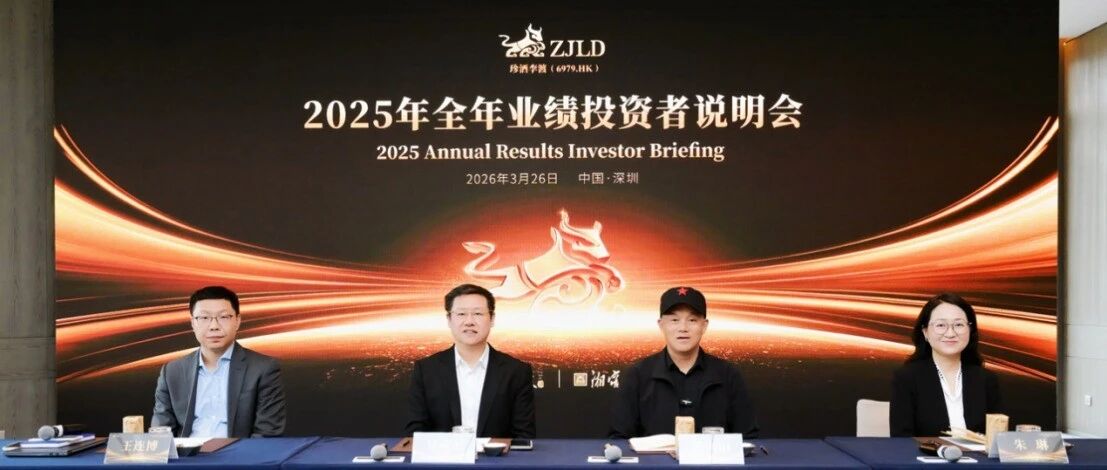
Core Viewpoint - The white liquor industry is undergoing significant challenges, with declining production, high inventory turnover, and intense competition, leading to a critical phase of "de-bubbling" and "bottoming out" [1][4][5]. Group 1: Industry Challenges - The white liquor industry's production has decreased by 12.1% year-on-year, with a cumulative decline of over 74% from the historical peak in 2016 [4]. - The structural collapse in consumer demand is a root cause, with the main sales price range dropping from 300-500 yuan to 100-300 yuan, and high-end price ranges experiencing price inversions [4]. - The era of easy profits and high growth is over, with the industry now facing stock competition, structural differentiation, and increased concentration [5]. Group 2: Company Performance - Despite the industry's downturn, the company reported a revenue of 3.65 billion yuan and an adjusted net profit of 523 million yuan, demonstrating proactive adjustments and a focus on long-term stability [2]. - The company maintained a gross margin of 58.5%, indicating strong core product pricing and brand value amidst industry challenges [9]. - Sales and distribution expenses decreased by 30.6%, reflecting improved operational efficiency through refined management and supply chain optimization [10]. Group 3: Strategic Innovations - The company has launched a strategic flagship product, "Da Zhen·Zhen Jiu," priced at 600 yuan, targeting the core drinking needs of the middle-class by offering quality comparable to 3000 yuan products [15][17]. - The company has innovated its distribution model through the "Wan Shang Alliance," which has signed over 4,300 merchants, enhancing channel stability and creating a shared risk and profit structure [20]. - The company is expanding into the high-end craft beer market with the launch of "Super Beer Bull Market," diversifying its product offerings and creating a second growth curve [22][23]. Group 4: Future Outlook - The company is well-prepared for the industry's cyclical nature, focusing on long-term health over short-term sales, maintaining quality-price ratios, and investing in innovation [26][27][28]. - The company aims to strengthen its competitive advantages by deepening production capacity reserves and enhancing brand heritage, positioning itself as a potential winner in the next industry recovery phase [29][30].
复旦大学最新《报告》:AI浪潮下,80%家长陷入子女失业焦虑,如何破局?
凤凰网财经· 2026-03-31 15:37
Core Viewpoint - The article discusses the transformative impact of AI on employment and education, highlighting the need for families to adapt their financial planning and insurance strategies to navigate the uncertainties brought by AI advancements [3][4][5]. Group 1: AI's Impact on Employment and Education - AI is evolving from a mere tool to a comprehensive productivity entity, disrupting traditional educational and employment pathways [3]. - A significant 80% of high-net-worth parents are concerned about AI's impact on their children's future employment, yet only 27% have taken actionable steps [4]. - Over 70% of families are experiencing a collective dilemma of awareness and inaction regarding the impending changes brought by AI [4]. Group 2: Parental Concerns and Responses - Families in mainland China believe that AI makes traditional career paths less predictable, while families in Hong Kong and Macau worry about AI replacing entry-level jobs [5]. - More than 80% of mainland families anticipate that jobs in manufacturing and logistics are most likely to disappear due to AI, while 67% of families in Hong Kong and Macau believe sales and customer service roles will be the first to go [5]. - Parents are shifting their focus from academic achievements to developing skills that AI cannot easily replicate, such as character, communication, and problem-solving abilities [6]. Group 3: Financial Planning Needs - High-net-worth families prioritize education and health emergency funds as essential financial planning elements, while downplaying the importance of housing and marriage savings [7]. - There is a significant planning gap, with nearly 70% of families recognizing the need for comprehensive financial planning but focusing primarily on short-term educational needs [9]. - Families are increasingly using diverse financial tools, including savings insurance, to prepare for long-term life events such as marriage and home ownership [11]. Group 4: Insurance Product Features - The ideal insurance products for high-net-worth families should offer high liquidity, stable growth, and low entry barriers, addressing the challenges posed by AI and planning gaps [16]. - Hong Kong Prudential's savings insurance products are highlighted as meeting these needs by providing a comprehensive financial safety net for children's growth [14][17]. - The insurance sector is evolving to ensure that families can effectively manage the uncertainties of the AI era, emphasizing the importance of professional planning and systematic approaches to financial security [15][19].
牛仔裤的版型+运动裤的舒适,穿上根本不想脱
凤凰网财经· 2026-03-31 15:37
Core Viewpoint - The article emphasizes the versatility and comfort of NOXELES men's Lyocell denim pants, highlighting their unique fabric and design that cater to various body types and styles [1][3][5]. Group 1: Product Features - NOXELES denim pants are made from Lyocell fabric, which is soft and skin-friendly, providing a comfortable wearing experience [9][22]. - The pants are lightweight and breathable, addressing common issues with traditional denim such as stiffness and heat retention [11][44]. - The fabric composition includes 72% natural plant fibers, making it environmentally friendly and more breathable than pure cotton [24][26]. Group 2: Quality and Craftsmanship - The pants are produced in collaboration with a well-known factory associated with major brands like Nike and Adidas, ensuring high-quality craftsmanship [18]. - The manufacturing process adheres to strict German standards, featuring specialized stitching that enhances durability and appearance [20][60]. - The pants are designed with a 3D cut that accommodates various body shapes, providing a flattering fit for different leg types [56][58]. Group 3: Comfort and Practicality - The pants are designed to be non-restrictive, allowing for ease of movement during various activities [72]. - They are easy to care for, resistant to fading and shrinking, and do not require special washing instructions like silk [46][50]. - The pants are available in multiple classic colors and sizes ranging from M to 5XL, catering to a wide audience [74][81]. Group 4: Pricing and Market Position - The NOXELES denim pants are priced at 99 yuan, which is significantly lower than similar quality products on the market, typically priced in the hundreds [84]. - Positive feedback from customers highlights the pants' durability, comfort, and stylish appearance, reinforcing their value proposition [88].

套路太深!原来今麦郎的 “手打”挂面,只是一个注册商标
凤凰网财经· 2026-03-31 09:40
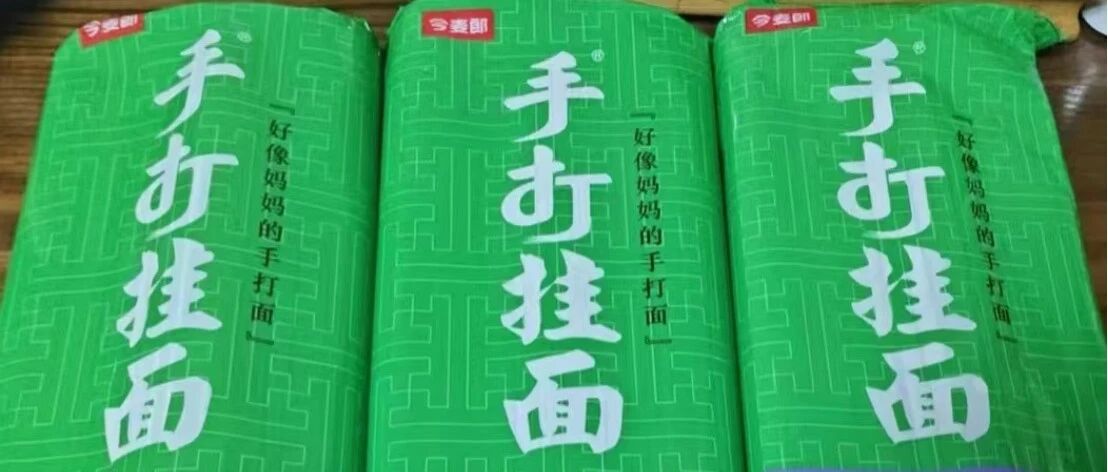
Core Viewpoint - The article discusses the misleading use of the term "handmade" in the branding of Jinmailang's "handmade noodles," highlighting the discrepancy between consumer expectations and the actual product quality, which is mass-produced rather than handmade [6][9][28]. Group 1: Misleading Branding Practices - Jinmailang's "handmade" label is a registered trademark, which creates confusion among consumers who associate it with traditional handmade quality [5][9]. - A similar case occurred in 2018, where consumers sued Jinmailang for misleading labeling, resulting in a court ruling against the company for violating food safety laws [7][8]. - The prominent display of "handmade" on packaging, alongside suggestive marketing phrases, blurs the line between trademark and product attributes, leading to consumer deception [17][19]. Group 2: Industry-Wide Issues - The article notes that Jinmailang's case is not isolated, as other brands also engage in similar misleading practices, such as using registered trademarks that do not accurately reflect product characteristics [18][20]. - The trend of using misleading trademarks is attributed to intense market competition, where companies prioritize short-term profits over product integrity [20][21]. - Such practices can erode consumer trust, potentially harming the long-term viability of brands and the industry as a whole [21][22]. Group 3: Consumer Perception and Product Quality - Despite the controversy, some consumers have positively reviewed Jinmailang's noodles for their taste and texture, indicating that product quality can still resonate with consumers [24][27]. - The article suggests that companies should focus on genuine product quality rather than relying on deceptive marketing strategies to attract consumers [28].
瞒报近9成收入?鞠婧祎遭实名举报,起底其商业版图
凤凰网财经· 2026-03-31 08:04
Core Viewpoint - The article discusses the tax evasion allegations against the well-known artist Ju Jingyi, highlighting the significant discrepancy between her reported income and actual earnings, which has raised public concern and scrutiny [1][2][3]. Group 1: Allegations and Financial Discrepancies - Ju Jingyi reportedly declared an income of 11.0018 million yuan for the entire year of 2024, while her estimated earnings from various activities from June to December 2024 exceeded 50 million yuan, indicating an income concealment of nearly 88% [3]. - Specific income details include a fee of 16 million yuan for her role in the drama "Yue Lin Qi Ji," and additional earnings from magazine shoots and brand endorsements totaling over 3 million yuan [6][7]. Group 2: Business Ventures and Upcoming Projects - Ju Jingyi is associated with two companies, both wholly owned by her: Shanghai Ju Shi Shun Li Film and Television Culture Studio and Shanghai Wan Shi Ru Yi Film and Television Culture Studio [12]. - As of March 31, 2026, she has four upcoming dramas, including the highly anticipated "Yue Lin Qi Ji," which is set to premiere on April 1, 2026 [14]. Group 3: Brand Endorsements and Collaborations - In 2026, Ju Jingyi has announced five new endorsements, including becoming the first global ambassador for several brands, indicating a strong presence in the commercial sector [15][16]. - Notable endorsements include her roles as the global ambassador for "Hu Shang A Yi" and "Pasha Glasses," as well as being the brand ambassador for "Taobao Tmall" [15][16]. Group 4: Ongoing Tax Investigation and Public Response - The tax investigation is ongoing, and there are concerns regarding how this will affect her upcoming projects and endorsements [19][20]. - Ju Jingyi's team has publicly denied the allegations, asserting compliance with tax laws and claiming the accusations are baseless [19].

特朗普政策前神秘押注引爆内幕疑云,专家:应彻查
凤凰网财经· 2026-03-30 13:15
Core Viewpoint - The article discusses suspicious trading activities that occurred before major policy announcements during Trump's second term, raising concerns about potential insider trading and market fairness [1][2]. Group 1: Suspicious Trading Activities - Multiple instances of precise trading before significant policy announcements have been identified, suggesting potential insider information leaks [1]. - Notable cases include options trading just minutes before a tariff announcement in April 2025, where traders profited as the S&P 500 index rose by 9.5% [1]. - An anonymous account made over $400,000 betting on a change in the Venezuelan regime in January, and several accounts profited approximately $1.2 million before an Iranian event in February [1]. - Recently, traders placed $500 million in oil positions just minutes before a policy release, indicating a pattern of abnormal trading behavior [1]. Group 2: Regulatory Response and Challenges - The White House stated that government ethics rules prohibit profiting from non-public information, labeling the related accusations as "baseless" [2]. - The CFTC is monitoring unusual trading but has not confirmed whether an investigation has been initiated, while the SEC and the Justice Department have not responded [2]. - Regulatory challenges exist, particularly in the commodities market where insider trading enforcement is rare, and oversight of prediction markets is inadequate [2]. - The complexity of multiple regulatory agencies involved creates uncertainty in legal applicability, making thorough investigations difficult [2].

提取年轻人血液、换血治疗?被海尔打假的医美老板有多野
凤凰网财经· 2026-03-30 13:15
Core Viewpoint - The article discusses the controversies surrounding Yu Wenhong, the chairman of Yumeiren Group, and her dubious business practices, particularly the promotion of unscientific anti-aging treatments like "blood transfusion therapy" and "eternal needles" [1][5][12]. Group 1: Company Background and Expansion - Yu Wenhong started her career in the beauty industry by opening a small beauty workshop in Dalian in 1992, which later evolved into the Yumeiren brand [7]. - By 2005, Yumeiren had over 150 franchise stores nationwide, and by 2011, it began international collaborations, establishing anti-aging centers in multiple countries [9]. - Currently, Yu Wenhong is associated with 47 companies, with 21 of them already deregistered or revoked, while Yumeiren continues to operate 30 clinics across major cities in China [14]. Group 2: Controversial Practices and Legal Issues - Yu Wenhong has faced numerous controversies, including accusations of practicing medicine without a license and misleading marketing claims about her anti-aging treatments [18][20]. - In 2022, she was implicated in a tax evasion case, where it was revealed that her company concealed over 47.55 billion yuan in income, leading to significant fines [22]. - The company has also faced regulatory penalties for advertising violations, including a fine of 2 million yuan in 2023 for illegal medical advertising [23]. Group 3: Marketing Tactics and Scientific Validity - Yu Wenhong's marketing strategies include promoting "blood transfusion therapy" as a revolutionary anti-aging treatment, which lacks scientific backing and poses health risks [12][14]. - The concept of "blood transfusion therapy" is based on flawed animal studies and has been discredited by health authorities, including the FDA, which warned against its use for non-medical purposes [16][17]. - Despite the lack of evidence supporting her claims, Yu Wenhong continues to market these treatments at exorbitant prices, claiming they are exclusive to wealthy clientele [12][13]. Group 4: Ongoing Controversies and Industry Implications - The ongoing disputes within Yu Wenhong's family and her public persona as a self-made entrepreneur contrast sharply with the legal and ethical challenges she faces [22][24]. - The article highlights the broader implications of her practices for the medical aesthetics industry, reflecting concerns about compliance and the potential for exploitation of consumers [25].