理想TOP2

Search documents
AI应用公司负责人分享对理想VLA的理解
理想TOP2· 2025-09-13 11:50
Core Viewpoint - The core value of VLA (Vehicle Learning Assistant) lies in its ability to effectively utilize data for training foundational models and personal memory, enhancing user experience through self-evolution without the need for OTA updates [2][5][6]. Group 1: VLA Functionality - VLA's memory function captures various driving habits and preferences, allowing for a personalized driving experience that evolves over time [2][12]. - The system operates by tokenizing and summarizing collected data, which is then utilized to enhance the driving experience [10][13]. - Users are encouraged to actively engage with VLA by driving frequently to improve its performance and adaptability [8]. Group 2: Strategic Insights - The strategy involves a decentralized approach to personal memory data, AI infrastructure, and hardware integration, positioning the company to leverage user data effectively [6][20]. - The focus is on creating a unified experience across various devices, similar to Apple's ecosystem, which enhances user reliance on the brand [20][25]. - The importance of foundational model capabilities and the need for proprietary chip development to support advanced AI functionalities are emphasized [22][23]. Group 3: Market Positioning - The company is currently leading in the development of VLA and its memory capabilities, with competitors like Huawei and Horizon still in the early stages [15][19]. - The concept of "persistent memory" is highlighted as a key investment theme, enabling AI to evolve from a one-time tool to a reliable long-term partner [16][25]. - The integration of personalized memory with AI models is seen as a significant challenge but essential for creating customized driving experiences [25].


理想郎咸朋发了一条看起来和自动驾驶没啥关联的微博
理想TOP2· 2025-09-12 04:34
Core Viewpoint - The article discusses the determination and strategic decisions made by Li Xiang and the team at Li Auto regarding their approach to autonomous driving technology, emphasizing self-reliance and innovation in the face of challenges [5][9]. Group 1: Leadership and Decision-Making - Li Xiang's decision to not pursue car manufacturing aligns with his belief in the potential of artificial intelligence over smart vehicles, indicating a strategic pivot towards larger opportunities [5]. - The leadership style of Li Xiang is characterized by a strong commitment to self-reliance, as demonstrated by the decision to develop autonomous driving technology in-house rather than relying on external suppliers [8][9]. Group 2: Challenges and Responses - The company faced significant pressure from suppliers regarding the development of autonomous driving features, which included demands for high fees and control over the technology [7]. - The internal conflict regarding supplier dependency led to a decisive shift towards self-development, with the leadership rallying the team to take control of the autonomous driving project [9]. Group 3: Team Dynamics and Culture - The culture within the company is marked by a strong sense of resilience and determination, as exemplified by the leadership's refusal to accept unfavorable terms from suppliers [8]. - The team mobilized quickly to support the self-development initiative, showcasing a collaborative spirit and commitment to overcoming obstacles [9].

理想法务部25年9月11日查证332个账号恶意诋毁理想产品质量与经营状况
理想TOP2· 2025-09-11 06:05
Core Viewpoint - The company has identified malicious online campaigns aimed at defaming its brand and products, which disrupt market order and harm consumer rights [1]. Group 1: Malicious Activities - A network technology company operates 13 MCN institutions with 332 accounts that spread false information to damage the company's product quality and operational status [1]. - Specific false claims about the upcoming Li Auto i6 model include fabricated complaints about customer service, exaggerated sales declines, and misleading pricing information [1]. - Certain self-media accounts have been identified as consistently publishing defamatory content against the company, distorting facts and misleading the public [1]. Group 2: Legal Actions - The company has gathered evidence and plans to pursue legal actions, including criminal reports, administrative complaints, and civil lawsuits against the perpetrators [1]. - The company emphasizes its commitment to welcome genuine and objective criticism while resisting malicious attacks and online violence [1]. Group 3: Industry Cooperation - The company will continue to cooperate with the Ministry of Industry and Information Technology and other departments to address online chaos in the automotive industry, aiming to create a healthier public opinion environment for the new energy vehicle market [1].

星环OS通信总线介绍
理想TOP2· 2025-09-11 06:05
Core Viewpoint - The article emphasizes the importance of the Vehicle Bus System (VBS) as a digital nervous system for smart vehicles, providing a unified protocol and efficient transmission mechanism to enhance reliability and security in automotive communication [3][4]. Group 1: Overview of the Communication Bus - The VBS is designed as an efficient data interaction communication platform for smart vehicles, enabling real-time and reliable information channels for various services such as autonomous driving and active safety [4]. Group 2: Background of the Communication Bus - The development of VBS is driven by the need to address the limitations of traditional distributed ECU architectures in the face of rapid electrification, intelligence, and connectivity in vehicles. Key goals include improving development efficiency and reducing costs through standardized protocols and self-developed technologies [6]. - The VBS aims to enhance product competitiveness by optimizing resource usage, reducing communication latency, and allowing for deep customization to meet specific automotive requirements [6]. Group 3: Technical Architecture of the Communication Bus - The VBS employs a "protocol unification + hardware independence" architecture, facilitating deep collaboration across various vehicle domains without the need for multiple protocol translations [9]. - The system supports multiple communication modes and provides a multi-language SDK, ensuring flexibility and adaptability in various deployment scenarios [11]. Group 4: Core Technical Features of the Communication Bus - The VBS features self-decision transmission, allowing it to adapt to various transmission media, thereby simplifying the development process and reducing costs [13]. - Enhanced reliability mechanisms are implemented, including end-to-end verification and redundancy in transmission, ensuring critical commands reach their destination reliably [15]. - The system is designed to minimize resource overhead, allowing for a higher number of deployable services on resource-constrained devices [15]. Group 5: Security Enhancements - The VBS incorporates a multi-layered security framework, including device-level authentication, application-level permissions, and session-level data encryption to safeguard against unauthorized access and data breaches [20][22]. Group 6: Typical Application Scenarios - The VBS connects various subsystems within the vehicle, enabling data sharing and collaboration essential for overall vehicle intelligence, including applications in assisted driving and smart cockpit systems [21][22]. Group 7: Conclusion - The VBS is positioned as a critical component in the evolution of automotive electronic architectures, supporting the transition to software-defined vehicles and enhancing the overall intelligent and personalized driving experience [22].

李想学习方法分享
理想TOP2· 2025-09-11 06:05
Core Insights - The article emphasizes the importance of learning ability and speed as key differentiators among individuals, as highlighted by Li Xiang's reflections on his own learning journey and methods [1][2]. Learning Methodology - Li Xiang developed a structured learning methodology that involves three stages: creating a framework in the mind, gathering relevant literature, and engaging with experts in the field to refine and personalize the knowledge [1]. - This methodology allows for continuous learning and adaptation, enabling the individual to validate and improve their understanding through practical application [1]. AI Learning Approach - Li Xiang actively participates in 4-5 AI meetings weekly, focusing on analyzing the latest research papers and sharing best practices among different teams, which fosters mutual inspiration [2]. - He frequently uses various AI products to enhance his practical understanding and application of AI technologies [2]. - Engaging in numerous conversations about AI is considered by Li Xiang as an efficient way to learn, as structured questions help clarify intentions and meanings [2].

不同人对VLA一些体验反馈
理想TOP2· 2025-09-11 06:05
Core Insights - The current version of the intelligent driving system shows improvements in vehicle control and lane changing, but the enhancement in complex scenarios and decision-making is perceived as minimal, around 10%-20% improvement in user experience [1][2] - Users report a strong sense of safety with the system, although it still requires human intervention in complex traffic situations, indicating a need for human-machine collaboration [2][4] Group 1: User Experience - Users have experienced the system in various driving conditions, including highways and urban traffic, and have found it generally reliable, though some situations still necessitate manual driving [2] - Specific feedback includes the need for the system to better handle left turns and lane changes, as well as to improve its recognition of road conditions like water and potholes [3] Group 2: System Performance - The system's performance is noted to be affected by the hardware version, with significant differences observed between versions 7.4 and 8.0, particularly in smoothness and functionality [5] - Users express concerns about the system's speed management in certain scenarios, such as turning and merging, which could pose safety risks [4]
开过华为ADS所有版本的人如何评价理想VLA?
理想TOP2· 2025-09-10 04:24
Core Insights - The article discusses the advancements in the VLA (Vehicle Level Automation) capabilities compared to ADS (Autonomous Driving System), highlighting the rapid iteration speed and improved performance in various driving scenarios [1][2]. Group 1: VLA vs. ADS Performance - The VLA preview is compared to ADS 3.0, indicating that VLA has made significant progress in a short time, outperforming ADS in various aspects [1]. - The VLA's ability to navigate and find exits is noted to be more accurate and reliable than its competitors, attributed to its strong spatial understanding capabilities [2]. Group 2: Model Development and Future Potential - The article emphasizes the importance of the model's speed and intelligence, suggesting that the upcoming long-range thinking model in October will be significant due to the foundational speed established by version 3.1 [2]. - There is a recognition that while the VLA's public road experience may not yet surpass ADS 3.3.2, this does not detract from the overall positive assessment of VLA's capabilities [2].
理想超充站3203座|截至25年9月8日
理想TOP2· 2025-09-09 05:16
Group 1 - The core viewpoint of the article highlights the progress of the company's supercharging station construction, with a current total of 3203 stations built, moving towards a target of over 4000 stations by the end of 2025 [1] - The completion rate for new supercharging stations this year has increased from 64.85% to 64.94%, indicating a steady advancement towards the annual goal [1] - There are 797 stations remaining to be built to meet the 2025 target, with an average of 6.99 stations needed to be completed daily over the remaining 114 days of the year [1] Group 2 - Two new supercharging stations have been established in Zhejiang Province and Yunnan Province, each with a configuration of 4C × 6 [1]

理想可以完成25Q3交付指引下限
理想TOP2· 2025-09-09 05:16
Core Viewpoint - The article discusses the delivery guidance and performance of Li Auto for the third quarter of 2025, highlighting the challenges in meeting delivery targets and the implications for future performance [1][5][6]. Delivery Guidance and Performance - Li Auto's delivery guidance for Q3 2025 is set between 90,000 and 95,000 units, with July and August deliveries recorded at 30,731 and 28,529 units respectively [1]. - As of early September, Li Auto has delivered 6,100 units, indicating that the remaining weekly average deliveries need to be between 7,499 and 9,021 units to meet the lower and upper guidance limits respectively [1]. - Cumulative deliveries from January to August total 263,198 units, suggesting that if September meets the lower guidance, total deliveries for the first nine months would reach 293,938 units [1]. Historical Context and Challenges - Historically, Li Auto has only exceeded weekly deliveries of 13,000 units six times, with the highest two-week total being 28,020 units [4]. - The article notes that achieving a monthly average of 5.8 to 6.0 thousand units is essential for meeting the delivery guidance, which Li Auto may not be able to sustain in June 2025 [5]. - If Li Auto does not update its delivery guidance, it would mark the third instance in history where the company fails to meet quarterly delivery targets [5]. Recent Performance Metrics - For the weeks of May 26 to June 15, 2025, Li Auto's weekly deliveries were recorded at 12,020, 8,270, and 7,874 units respectively [2]. - A high estimate for the delivery volume from June 1 to June 15 suggests that the company would need to maintain a weekly average of 14,160 units for the remaining days to meet the June delivery guidance [3]. Conclusion - The analysis indicates that Li Auto faces significant challenges in meeting its delivery targets for Q3 2025, with historical performance metrics suggesting that achieving the necessary delivery volumes may be difficult [1][5][6].

多人评价这个i8视频适合理想官方制作与发布
理想TOP2· 2025-09-08 04:25
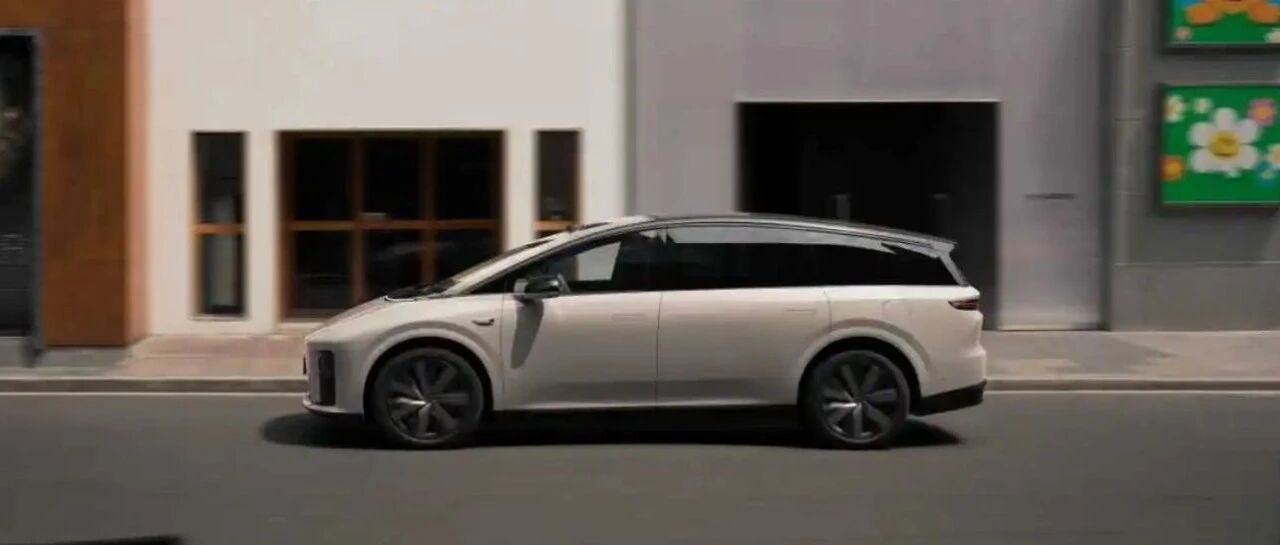
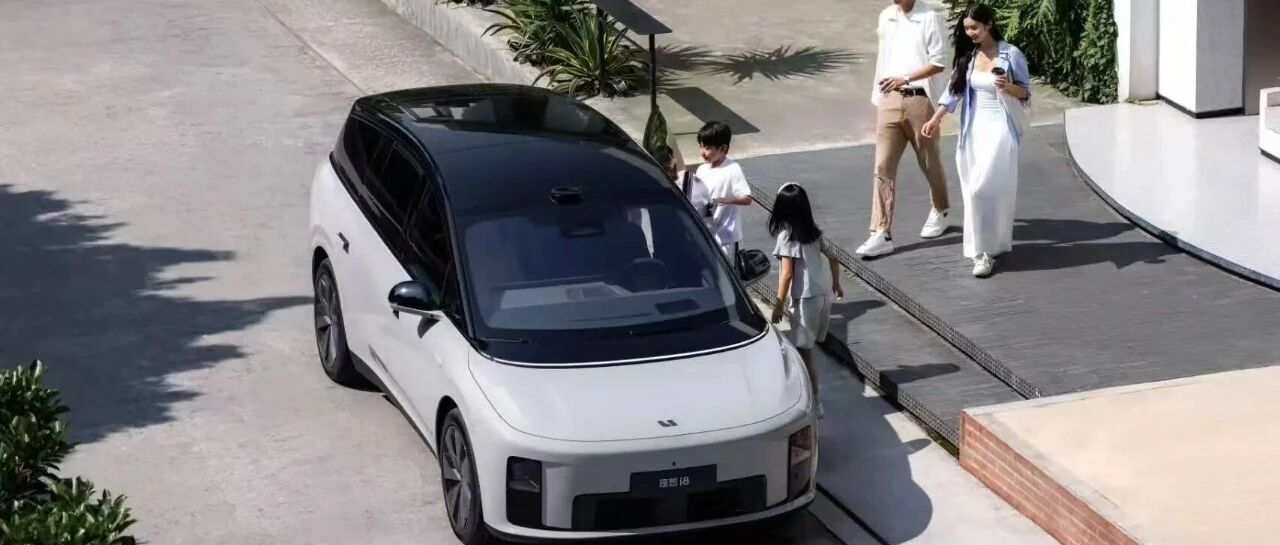
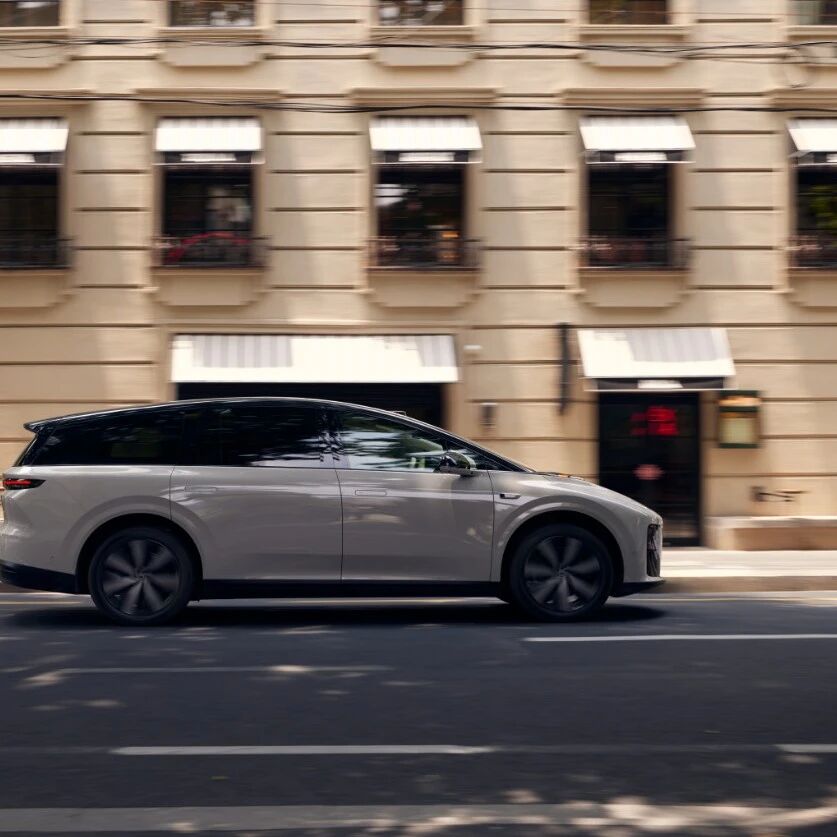
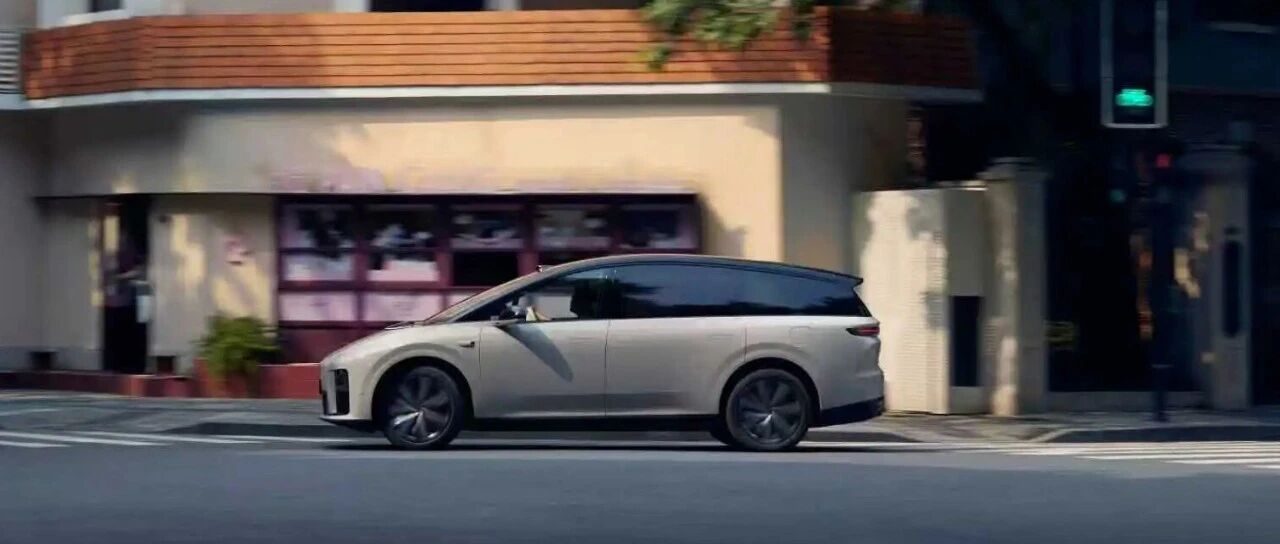
视频: 建议读者观看原视频,这块的表现力的确视频大于文字 文字压缩版: 理想i8基于第一性原理,旨在解决大型纯电SUV普遍存在的怪圈:为追求空间而增大车身 -> 重量和 风阻增加 -> 续航下降 -> 不得不增加电池 -> 成本和车重再次增加,形成恶性循环。 理想i8通过从底层架构出发,极致压榨机械占用空间,将每一寸节省都还给乘客,实现"空间真正围 绕人服务"。 独特设计与技术亮点 1. 原生纯电平台与极致的机械结构压缩 基础架构:采用全新的原生纯电平台,布局极其简洁、规整,为乘员舱留出最大化的平整空间,没有 传统燃油车或油改电车型因发动机、变速箱、传动轴等造成的空间侵占和地板凸起。 短车头设计:以上设计最终实现了标志性的短前悬和子弹头式车头,同时通过优化的安全结构(三条 力传递路径)保证了碰撞安全。 后舱: 完全自研后电驱系统:为同时满足性能和空间需求,理想自研了从碳化硅芯片到整体结构的后电驱总 成。 原创三明治布局:将电机、减速器、控制器在水平线上并排布置,而非行业常见的垂直堆叠,极大地 释放了垂直空间,为第三排带来了舒展的坐高和头部空间。 分离式空气弹簧:将后桥的空气弹簧拆分布置,避免侵占横向宽度,保证 ...