理想TOP2

Search documents
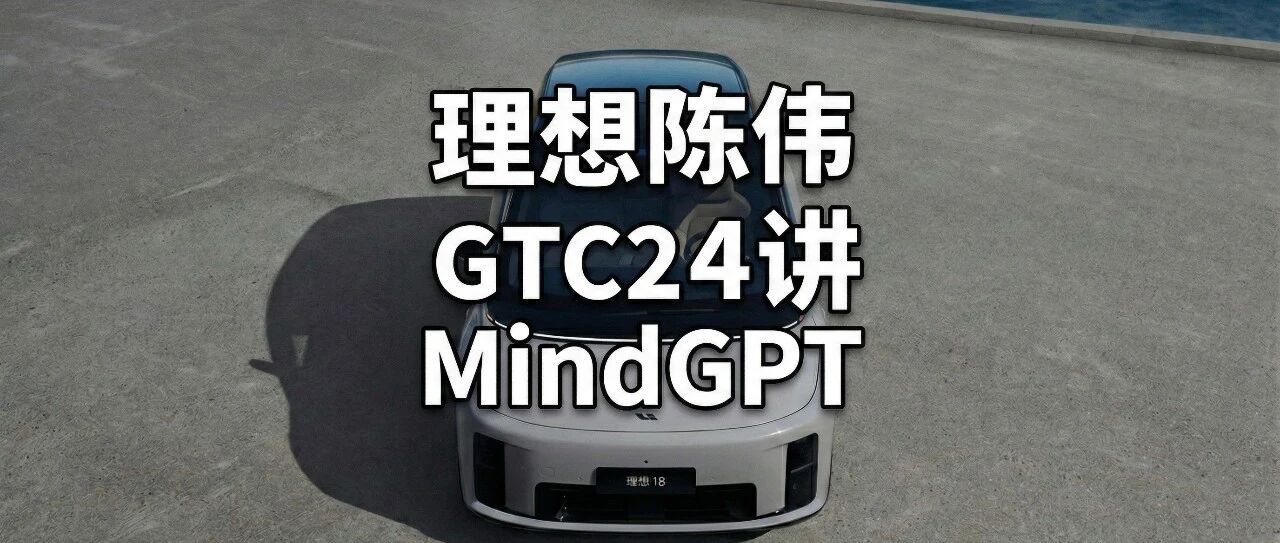
陈伟GTC2024讲MindGPT压缩版/视频版/图文版
理想TOP2· 2025-12-15 12:02
Core Viewpoint - The article discusses the advancements in the development of MindGPT, a multimodal cognitive model designed to enhance human-machine interaction in smart vehicles, emphasizing its capabilities in perception, understanding, and interaction [2][20][39]. Group 1: Technology and Model Architecture - MindGPT is built on a self-developed TaskFormer structure, which has been recognized for its performance in industry evaluations [2][35]. - The model incorporates multimodal perception capabilities, allowing it to process audio and visual data simultaneously, enhancing user interaction through features like voice recognition and gesture control [29][30]. - The architecture supports a complete agent capability, integrating perception, planning, memory, tools, and action [35][36]. Group 2: Training and Performance - The training strategy focuses on 15 key areas relevant to in-car scenarios, utilizing self-supervised learning and reinforcement learning from human feedback (RLHF) to cover over 110 domains and 1,000 specialized capabilities [3][35]. - The training platform, Li-PTM, achieves training speeds that are significantly faster than industry standards, with SFT phase speeds over three times better than the best open-source capabilities [46][47]. - The model's inference engine, LisaRT-LLM, has been optimized for performance, achieving a throughput increase of over 1.3 times compared to previous models under high concurrency [5][53]. Group 3: User Interaction and Experience - MindGPT aims to create a natural interaction experience by allowing users to communicate with the vehicle using simple commands and gestures, reducing the complexity of user input [10][32]. - The system is designed to understand and remember user preferences, providing personalized interactions based on historical conversations [36][39]. - The integration of advanced AI technologies aims to enhance emotional connections between users and their vehicles, creating a more immersive experience [14][18].


理想通过AI产品经理与数据部门来让智驾模型自我迭代闭环
理想TOP2· 2025-12-14 13:04
本文标题没有任何标题党成分,准确基于理想2025年11月17日发布的 CorrectAD: A Self-Correcting Agentic System to Improve End-to-end Planning in Autonomous Driving 西湖大学的Enhui Ma与理想的Lijun Zhou为共同一作,Enhui Ma的工作完成于理想实习期间。 论文明确指出PM-Agent是在模拟产品经理的角色(simulate the role of product manager), 核心职责不是 简单的看见错误,而是深刻理解为什么错了并提出需要什么数据。 将 DriveSora比作数据部门(similar to the role of Data Department), 职能是根据PM-Agent的需求,基于 DiT架构生成高保真的训练数据 。不是普通的视频生成,DriveSora 解决了传统生成模型胡乱发挥的 问题,实现精准可控。 过去面对长尾问题,内核是基于检索,广义的历史数据库里有这个场景就能解决,没有就无法解决, 处理思路一般是要么自己派车去收集,要么尝试从用户的实车数据去收据,即内核 ...
两位机器人创业者对李想评价非常高
理想TOP2· 2025-12-13 11:44
Core Insights - The article highlights the admiration for entrepreneur Li Xiang, with multiple industry leaders expressing their respect for his innovative approach and product management skills [1][3][4]. Group 1: Entrepreneurial Insights - Li Xiang is recognized as a significant role model among entrepreneurs, with figures like Jiang Zeyuan and Shang Yangxing citing his influence on their own careers [1][3]. - Jiang Zeyuan emphasizes Li Xiang's exceptional product management abilities, recalling a video from 2020 that showcased Li's entrepreneurial philosophy [3]. - The common traits of successful entrepreneurs, as discussed by Zhou Hongyi, include strong learning capabilities and resilience, which are essential for long-term success [4]. Group 2: Company Developments - Songyan Power, founded by Jiang Zeyuan, has developed three main humanoid robot products, with the N2 model priced starting at 39,900 yuan [6]. - The company secured nearly 300 million yuan in a Pre-B round led by Fangguo Capital and an additional 200 million yuan in a Pre-B+ round led by CICC [6]. - Qiaojieshuwu, founded by Shang Yangxing, has achieved profitability within its first year and has provided software solutions for over 30 robotics companies [6].
李铁马东辉减持是股权激励归属时卖掉一部分交税
理想TOP2· 2025-12-11 16:55
这个是RSU通用的做法,因为需要交所得税。通常都是归属时卖掉一部分交税,而不是额外自己再掏现金交税。 2025年12月11日,李铁(CFO )持有A类普通约2437万股 售出40万股售出比例1.6%。马东辉(总裁)持有A类普通约900万股,售出20万股,售出比例 2.2%。 马东辉公告里提到 | 144: Remarks and Signature | | --- | | Remarks The securities set toth herein are being sold mainly pursuant to a sel-to-cover arrangement for the purpose of satisfing moome tax liabilities incurred upon vesting of resiri | | Date of Notice 12/11/2025 | | ATTENTION: | | The person a versen a whose accurations contribution in which the restor and the rest from t ...
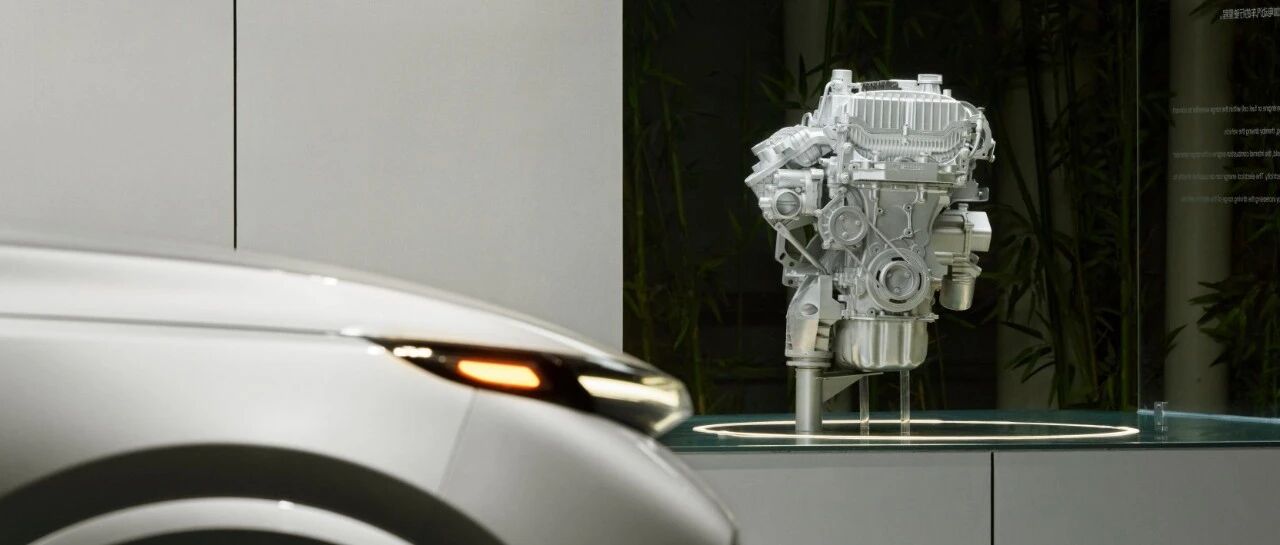
i6i8MEGA分别交付6798/6719/680|理想25年11月记录
理想TOP2· 2025-12-11 06:09
Core Insights - The total delivery of Li Auto in November 2025 reached 33,181 units, with 18,984 being range-extended vehicles and 14,197 being pure electric vehicles [1][2] - The delivery numbers show a month-on-month increase from October 2025, where total deliveries were 31,767 units, indicating a growth trend in the company's performance [2] Delivery Data Summary - November 2025: Total deliveries of 33,181 units, including 18,984 range-extended and 14,197 pure electric vehicles [1][2] - October 2025: Total deliveries of 31,767 units, with 18,340 range-extended and 13,427 pure electric vehicles [2] - September 2025: Total deliveries of 33,951 units, with a significant number of 24,554 being range-extended vehicles [2] - The data indicates fluctuations in monthly deliveries, with the highest in September and the lowest in February 2025, which had 26,264 total deliveries [2] Company Developments - Li Auto's cumulative delivery of range-extended SUVs has surpassed 1.4 million units as of November 10, 2025 [3] - The company is focusing on enhancing its AI capabilities, with a new paper published on closed-loop reinforcement learning for autonomous driving [4] - Li Auto plans to shorten its platform iteration cycle from four years to two years, aiming to increase differentiation in vehicle design [4] Strategic Initiatives - The company is actively engaging in partnerships for technology and IP acquisition, particularly in silicon carbide chips [4] - Li Auto is also expanding its charging infrastructure, with the number of charging stations increasing from 3,509 to 3,597 [4] - The company is implementing new features in its charging stations to enhance user experience and efficiency [4]
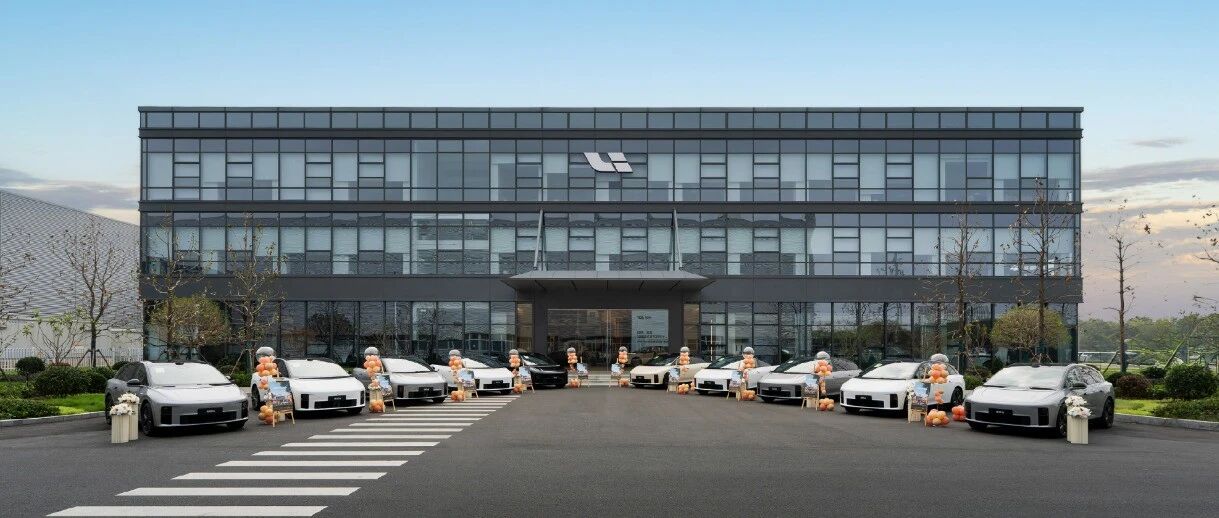
理想郎咸朋长文分享为什么关于VLA与宇树王兴兴观点不一致
理想TOP2· 2025-12-10 06:50
Core Insights - The core viewpoint emphasizes that the key to successful autonomous driving lies in the integration of the VLA model with the entire embodied intelligence system, where data plays a crucial role in determining effectiveness [1][4]. Summary by Sections VLA Model - The VLA is fundamentally a generative model, utilizing a GPT-like approach for autonomous driving, generating trajectories and control signals instead of text. User feedback indicates that VLA exhibits emergent behaviors in certain scenarios, reflecting a growing understanding of the physical world [2]. - The world model is better suited for creating "test environments" rather than acting as "test subjects," due to its high computational demands. Ideal is currently leveraging cloud-based data generation and realistic simulation testing, utilizing several exaFLOPS of computational power for simulation tests, which cannot be matched by even the most powerful vehicle chips [2]. - Discussions about model architecture are less relevant than the actual performance outcomes. In autonomous driving, focusing on vast amounts of real data is essential, and Ideal's commitment to VLA is supported by a data loop created from millions of vehicles, enabling near-human driving levels with current computational resources [2]. Embodied Intelligence - To excel in autonomous driving, it is essential to treat it as a complete embodied intelligence system, where all components must work together during development to maximize value. Human drivers do not require extraordinary abilities; rather, coordination among various parts is crucial [3]. - The embodied intelligence system comprises perception (eyes), models (brain), operating systems (nervous system), chips (heart), and the body (vehicle). Full-stack self-research is necessary, encompassing both software and hardware. Ideal's autonomous driving team collaborates with foundational model, chip, and chassis teams to create a comprehensive autonomous driving system [3]. Data Utilization - The key to effective modeling is its compatibility with the entire embodied intelligence system, with data being the decisive factor. While data acquisition is challenging in robotics, it is not a significant issue for companies in the autonomous driving sector that have established data loops. Ideal can mine and filter from over 1 billion kilometers of accumulated data and continuously gather new data from 1.5 million vehicle owners [4]. - During data filtering, interesting patterns were observed, such as nearly 40% of human driving data showing a tendency to drive on one side and not strictly adhering to speed limits. This behavior aligns with typical human driving patterns, leading to the decision not to eliminate these data samples. The VLA model is expected to serve both current and future automotive forms of embodied robots [4].
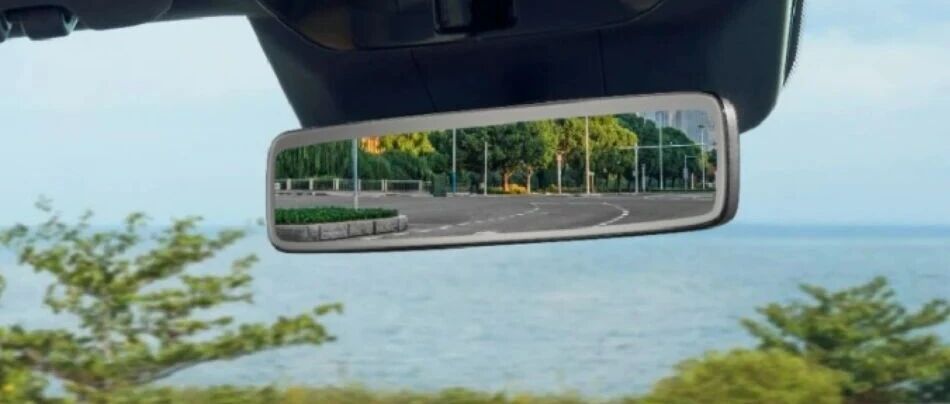
分享一下认为理想流媒体后视镜改装方案大概率物有所值的视角
理想TOP2· 2025-12-09 12:07
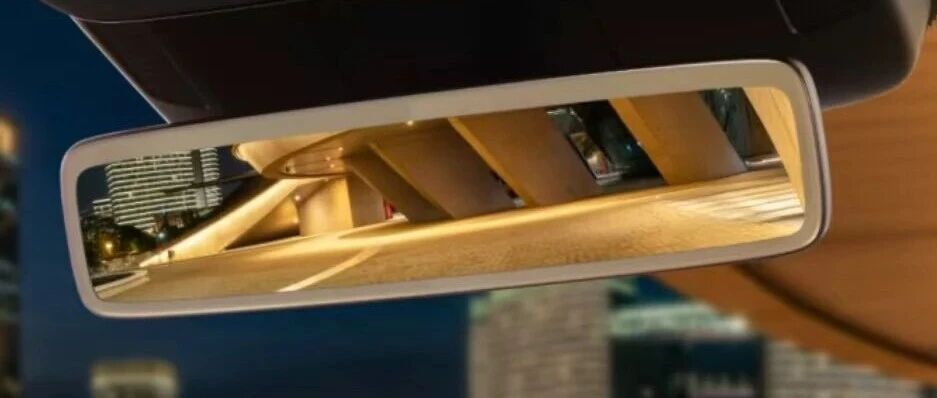
这次理想上架的L系列流媒体后视镜的主要特点为: 1.不涉及车辆外部设备改装合规上路,同样的车规级可靠性。 2.60度广角视野比普通内后视镜优秀。 这位群友明确认为很多改装用户实际体验下来会满意的,可以 解决用户开后排屏幕后无法观察车位的痛点,并且夜晚视野更清晰。 有预算额外买摄像头 模组,上嘉立创打板自己做。 中国国家法规中对于内部后视镜的要求驾驶员可以看到80米后20米宽的范 围假设后部有一个流媒体摄像头安装这个等效的摄像头的视角是30度。 3.对标24款MEGA,估计没有多少⼈体验过高亮清洗防眩、 夜间夜视也超清晰 50Hz的刷新率对于高速的画面清晰流畅。 25款纯电和24款MEGA的最大区别就是60度广角升级为120度视野更宽。 关于200万像素 本身60度的流媒体后视镜已经比传统后视镜相比有碾压的⽤户体验了。 200万像素的摄像头传感器对应后视镜的显示器的像素是73万1920*384像素,考虑画面是长条状,截取画面的尺寸和显示的像素基本上可以映射。 简单说这个200万像素的摄像头像素是完全足够的,还多出很多像素得到的数据可以做环境光的感光计算以及画面质量的算法优化。 关于电子后视镜的清晰度 人眼到后视 ...
一位对理想很有感情的人认为理想流媒体改装方案辜负了大家的信任
理想TOP2· 2025-12-09 10:20
这是一位对理想非常有感情,品鉴能力学习能力都很强的读者。是那种对话两三句就可以知道很聪明的那种人。 以下为这位读者的视角: 这是一次理想的内部组织问题(部门墙隔阂、为各自绩效不合作)外溢到了车主身上的表现,是非常需要警醒的。兄弟阋于墙,外御其侮。(TOP2备注:兄 弟之间内部争吵分歧,但能团结起来对付外来的侵略) 作为官方出品并且做过问卷、预热的官方产品,大家对于理想品牌的精品路线的信任度被辜负了。 这个后视镜改装方式与第三方后装市场的产品没有任何区别,对线束的改装会导致保险的拒保风险也没有区别,甚至一些性能体验差于第三方顶级方 案。大家期待的是做到与后市场不同的方案,毕竟理想擅长整车智能空间融合起来一起设计产品。 拿一个第三方的东西,直接就换个名字卖,真的会被怀疑这三个月的预热和研发,重点解决了没有理想Logo包装盒的问题吗? 用户对这个产品的期待是: 如果在后窗玻璃内: 整合进后窗饰板内,不要外露摄像头,没有拒保风险。 如果在车外尾部: 变更后高位刹车灯的零件,整合成与MEGA或i系列一致的体验。 曾经官方在推销MEGA和i系列的流媒体后视镜时,从摄像头分辨率、视场角、车机可控、放大缩小平移角度可调、抗眩 ...
预期前字节跳动公关总监杨继斌加入后理想公关风格会变
理想TOP2· 2025-12-08 16:00
明天将结束北京线下交流,接触了不少观点,叠加这几天理想自身的新事也不算少,感觉还挺信息爆炸的。 这次北京线下交流中,正好遇到了两位曾长期接触过主流大厂公关的人。两位对理想公关有两种看法,一位认为理想必须得做好公关,不然让一个随机 用户家庭成员遇到大量黑舆情是很不合适的。一位认为理想公关有所进步当然是更好的,不过是次要矛盾,相对更差的公关更多只是一定程度的阻碍, 显著重要得多的是李想自身成长速度。认为杨继斌的加入是靠谱的。认为公关实际上更多是一号位真正重视的话,就是能做起来的。 TOP2挺认同何同学的一句话"文学天才常有,故事天才不常有",公关这事更接近上面的文学,理想如何把产品做好,如何把组织这个产品做好更接近上 面的故事。 2025年12月8日 前字节跳动公关总监杨继斌朋友圈表示已加入理想。预期理想之后公关风格会变。 加微信,进群深度交流理想实际经营情况与长期基本面。不是技术群,不是车友群。 ...
微博1301万博主描述接理想商务
理想TOP2· 2025-12-07 14:34
Group 1 - The article discusses the recent engagement of a social media influencer with the automotive brand Li Auto, highlighting that the influencer has only promoted this brand in the past year [1] - The influencer has successfully recommended several vehicles from Li Auto to friends and followers, resulting in actual purchases, which the influencer believes have generated enough profit to justify the advertising costs [1] - The influencer emphasizes the importance of personal integrity and ethical standards in their role as a future brand ambassador, stating that they must lead by example in their recommendations [1] Group 2 - The article mentions a call for deeper discussions regarding the actual operational status and long-term fundamentals of Li Auto, indicating a focus on community engagement rather than technical or casual car enthusiast discussions [2]