理想TOP2

Search documents
理想超充站3031座|截至25年8月4日
理想TOP2· 2025-08-04 13:12
Core Viewpoint - The company is making progress towards its goal of establishing over 4000 supercharging stations by the end of 2025, with a current total of 3031 stations built as of August 3, 2025 [1]. Summary by Relevant Sections - **Supercharging Station Development** - Total number of supercharging stations increased from 3030 to 3031 [1] - Remaining stations to reach the 4000+ target is 969 [1] - Progress towards this year's addition of stations is at 57.37% [1] - Time progress for the year stands at 58.90% [1] - To meet the year-end target, an average of 6.46 stations need to be built daily for the remaining 150 days [1] - **Newly Built Station** - A new supercharging station has been established in Kashgar, Xinjiang, located at the Kashgar Oulan International Hotel [1] - The new station is categorized as a 4C station with specifications of 4C × 8 [1]


为什么Thor芯片要保留GPU,又有NPU?
理想TOP2· 2025-08-02 14:46
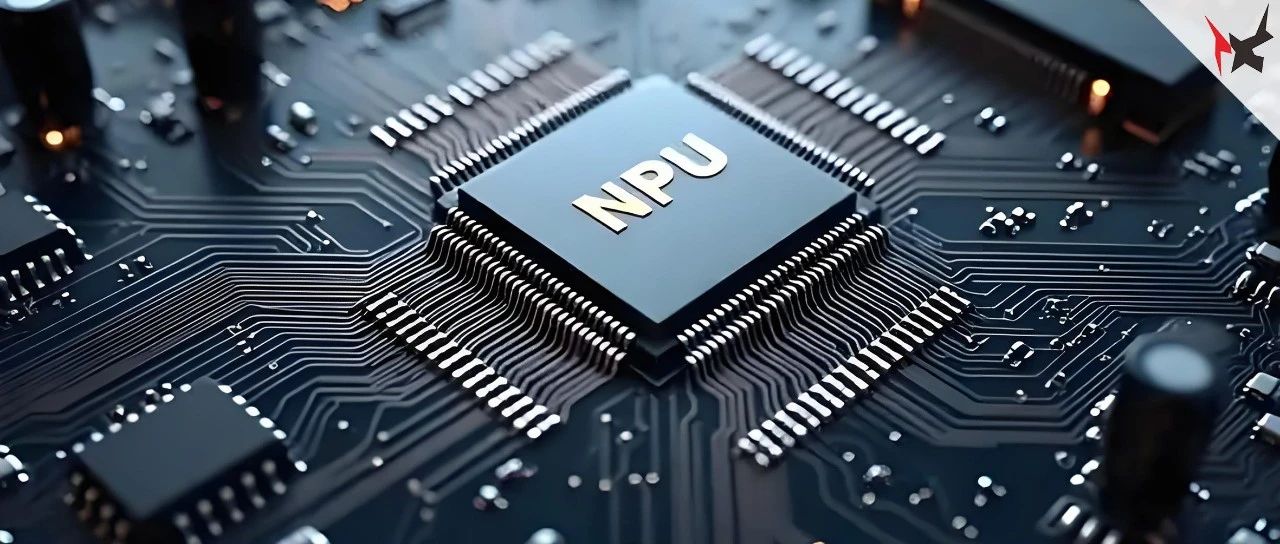
Core Viewpoint - Pure GPU can achieve basic functions for low-level autonomous driving but has significant shortcomings in processing speed and energy consumption, making it unsuitable for higher-level autonomous driving needs [4][40]. Group 1: GPU Limitations - Pure GPU can handle certain parallel computing tasks required for autonomous driving, such as sensor data fusion and image recognition, but is primarily designed for graphics rendering, leading to limitations [4][6]. - Early autonomous driving tests using pure GPU solutions, like the NVIDIA GTX 1080, showed a detection delay of approximately 80 milliseconds, which poses safety risks at high speeds [5]. - The data processing capacity for L4 autonomous vehicles generates about 5-10GB of data per second, requiring multiple GPUs to work together, which increases power consumption significantly [6][9]. Group 2: NPU and TPU Advantages - NPU is specifically designed for neural network computations, featuring a large number of MAC (Multiply-Accumulate) units, which optimize matrix multiplication and accumulation operations [10][19]. - TPU, developed by Google, utilizes a pulsed array architecture that enhances data reuse and reduces external memory access, achieving higher efficiency in large matrix operations compared to GPU [12][19]. - NPU and TPU architectures are more efficient for neural network inference, with NPU showing a significant reduction in energy consumption compared to GPU [36][40]. Group 3: Cost and Efficiency Comparison - In terms of energy efficiency, NPU's performance is 2.5 to 5 times better than that of GPU, with lower power consumption for equivalent AI computing power [36][40]. - The cost of NPU solutions is significantly lower than pure GPU solutions, with NPU hardware costs being only 12.5% to 40% of those for pure GPU setups [37][40]. - For example, achieving 144 TOPS of AI computing power with a pure GPU solution requires multiple GPUs, leading to a total cost of around $4000, while a solution with NPU can cost about $500 [37][40]. Group 4: Hybrid Solutions - NVIDIA's Thor chip integrates both GPU and NPU to leverage their strengths, allowing for efficient task division and compatibility with existing software, thus reducing development time and costs [33][40]. - The collaboration between GPU and NPU in autonomous driving systems enhances overall efficiency by avoiding frequent data transfers between different chips, resulting in a 40% efficiency improvement [33][40]. - The future trend in autonomous driving technology is expected to favor hybrid solutions that combine NPU and GPU capabilities to meet the demands of high-level autonomous driving while maintaining cost-effectiveness [40].


理想超充站3030座|截至25年8月2日
理想TOP2· 2025-08-02 14:46
Core Insights - The company has achieved a total of 3030 supercharging stations as of August 2, 2025, with a target of over 4000 stations by the end of the year [1] - The progress towards the annual target is at 57.33%, with 151 days remaining in the year, indicating a need for an average of 6.42 new stations to be built daily to meet the goal [1] Summary by Sections - **Supercharging Station Construction** - The total number of supercharging stations increased from 3028 to 3030 in a single day [1] - The company has added 16 new stations recently across various cities, including Dongguan, Shanghai, Hefei, and several locations in Guangdong province [1][2] - **Progress Towards Annual Goals** - The current progress towards the goal of 4000+ stations stands at 57.33%, with a time progress value of 58.63% [1] - To meet the target, the company needs to maintain a daily construction rate of 6.42 stations for the remainder of the year [1]
理想i8开启零重力模式时也能通过中保研测试
理想TOP2· 2025-08-02 14:46
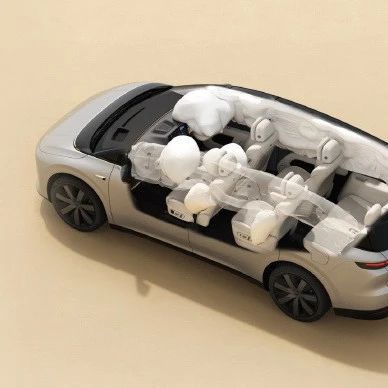
Group 1 - The article discusses the interaction between TOP2 and a product manager from the second product line of Li Auto during the i8 offline launch event, specifically regarding the use of the zero-gravity mode while driving [1] - It was confirmed that using the zero-gravity mode while driving can still pass the China Insurance Research Institute (CIRC) tests, as verified by TOP2 with multiple confirmations [1] - Further communication was established to discuss Li Auto's actual operating conditions and long-term fundamentals, indicating a deeper engagement beyond just a car enthusiast group [1]
喧嚣过后, 理想i8后续口碑会非常高
理想TOP2· 2025-08-01 08:44
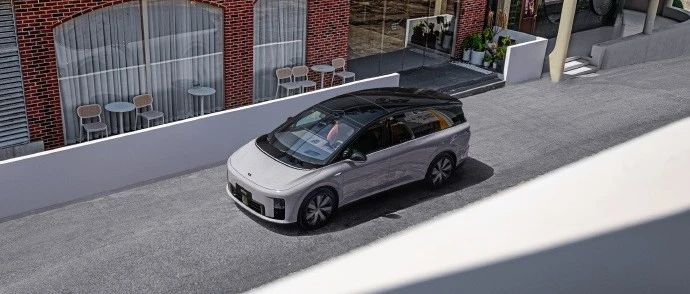
Core Viewpoints - The i8 will not take long to gain market reputation and response, with a notably shorter time than the MEGA's reputation buildup [2] - The i8 will stimulate MEGA orders and capture a portion of L789 orders, while the next generation of range-extended vehicles will reclaim some pure electric orders [2] Group 1: Foundational Premise - Human decisions are primarily driven by the subconscious, with the conscious mind later rationalizing these decisions [4] - Public expectations for the i8's immediate sales surge stem from three reasons: the impact of the YU7 launch, the perception of Li Auto as a previously successful company, and the i8 being a product delayed by a year [4][5] Group 2: Public Sentiment and Expectations - There is a strong subconscious expectation for the i8 to achieve immediate sales, leading to three specific anticipations: the need for compelling reasons to lock orders quickly, the necessity for impactful highlights that can be easily communicated, and the desire for an impulsive buying urge [5][6][7] - The YU7 effectively created a sense of urgency for quick order locking, while the i8's design did not cater to this expectation, leading to public dissatisfaction [7][8] Group 3: Market Dynamics and Competitor Analysis - The i8's features require more experience to appreciate, lacking the immediate impact that the YU7 had [8] - The i8 is positioned as a cost-effective alternative to the MEGA, offering superior specifications for pure electric vehicle enthusiasts [8][9] Group 4: Consumer Perception and Value Proposition - Consumers with a budget around 350,000 yuan will find the i8 to be a compelling choice compared to other vehicles, especially when considering comfort, technology, and driving experience [15] - The i8's top configuration offers significant value, especially when compared to the L9, making it an attractive option for consumers seeking high-end features at a lower price [16][17] Group 5: Future Outlook and Innovations - The i8's future reputation is expected to be high, contingent on how quickly concerns regarding the truck incident are resolved [15] - The introduction of AI-driven features, such as the Card Master, represents a significant advancement in user interaction and personalization, aligning with the company's focus on user value and operational efficiency [19][20]
理想超充站3008座|截至25年7月30日
理想TOP2· 2025-07-31 00:32
Core Insights - The article discusses the progress of the company's supercharging station construction, highlighting the current number of stations and the target for the end of 2025 [1] Group 1: Supercharging Station Progress - The total number of supercharging stations has increased from 3005 to 3008, with a target of over 4000 stations by the end of 2025, leaving 992 stations to be built [1] - The progress rate for new stations this year has slightly increased from 56.23% to 56.36%, with 154 days remaining in the year [1] - The time progress for the year stands at 57.81%, indicating that an average of 6.44 stations need to be constructed daily to meet the year-end target [1] Group 2: New Stations Details - Three new supercharging stations have been established in Jiangsu, Shandong, and Chongqing, with specific configurations for each location [1] - In Nanjing, the new station at Century Yuan Hotel (Lishui) is a city 5C station with a configuration of 2C × 3 and 5C × 1 [1] - In Tai'an, the new station at Baosheng Daogu Hotel (Fangte) is also a city 5C station with the same configuration [1] - In Chongqing, the new station at Yubei District, Huofeng Mountain, is a city 4C station with a configuration of 4C × 6 [1]
张骁对发布会后的理想i8是非常冷静克制的
理想TOP2· 2025-07-31 00:32
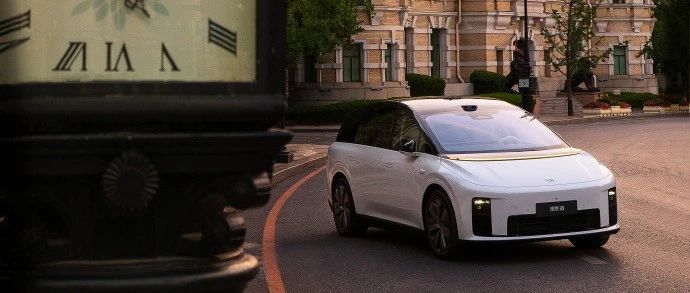
Core Viewpoint - The launch of the i8 product marks the beginning of a long-term journey, emphasizing the importance of user acceptance and experience over the initial release event [1][2]. Group 1: Product Launch and User Experience - The i8 is viewed as a long-cycle product, and its true value will be determined by how well it integrates into users' lives over time, rather than just the launch event [1]. - The focus is on the experience of the 1.36 million car owners, with a strong emphasis on user satisfaction and whether the i8 meets or exceeds their expectations compared to previous vehicles [2]. Group 2: Product Definition and Sharing - The company aims to redefine the product experience, encouraging users to not only see the i8 but to fully engage with it, thereby enhancing their daily lives [2]. - There is a desire for more people to experience the product firsthand, highlighting the importance of user feedback and Net Promoter Score (NPS) in assessing satisfaction [2].
关于理想VLA的22个QA
理想TOP2· 2025-07-30 00:02
Core Viewpoint - The VLA architecture has significant technical potential and is seen as a long-term framework for autonomous driving, evolving from end-to-end systems to a more robust model that can support urban driving scenarios [1][4]. Group 1: VLA Architecture and Technical Potential - The VLA architecture is derived from robotics and embodied intelligence, emphasizing the need for visual and action capabilities, and is expected to evolve alongside advancements in robotics [1]. - VLA's ability to generalize is not solely dependent on data input but is enhanced through reinforcement learning, allowing it to autonomously address new challenges [5]. - The VLA model is designed to support various platforms without differentiation, ensuring consistent performance across different hardware [2][3]. Group 2: Performance Metrics and Future Enhancements - The current operational speed of the Thor-U chip is 10Hz, with potential upgrades to 20Hz and 30Hz through optimizations in data and algorithm architecture [2]. - The VLA model's upgrade cycle includes both pre-training and post-training updates, allowing for continuous improvement in capabilities such as spatial understanding and language processing [6]. - The VLA architecture aims to achieve L4 autonomous driving capabilities within a year, with a focus on rapid iteration and simulation-based testing [12]. Group 3: User Experience and Interaction - Language understanding is deemed essential for future autonomous driving, enhancing the model's ability to handle complex scenarios and improving overall driving experience [4]. - The VLA system is designed to adapt to user preferences, allowing for different driving styles based on individual needs and enhancing user trust in the technology [19]. - Features such as remote vehicle summoning and real-time monitoring of the vehicle's surroundings are being developed to improve user interaction and experience [13]. Group 4: Competitive Landscape and Strategic Decisions - The company is currently utilizing NVIDIA chips for model deployment, focusing on maintaining versatility and avoiding being locked into specific architectures [3]. - The company is closely monitoring competitors like Tesla, aiming to learn from their advancements while prioritizing a gradual and comprehensive approach to achieving full autonomous driving capabilities [12]. - The VLA architecture is positioned as a differentiating factor in the market, leveraging reinforcement learning to enhance driving logic and user experience [20].
理想超充站3005座|截至25年7月29日
理想TOP2· 2025-07-30 00:02
Core Insights - The article discusses the progress of the company's supercharging station construction, highlighting the current number of stations and the target for the end of 2025 [1]. Group 1: Supercharging Station Progress - The total number of supercharging stations has changed from 2988 to 3007 and then to 3005, with a target of over 4000 stations by the end of 2025 [1]. - There are currently 995 stations left to be built to meet the 2025 target [1]. - The progress rate for new stations this year has increased from 55.48% to 56.23% [1]. - The time progress value for this year is at 57.53%, indicating that an average of 6.42 stations need to be built daily to reach the year-end goal [1]. Group 2: Newly Built and Removed Stations - A total of 19 new stations have been constructed across various provinces, including locations in Anhui, Fujian, Gansu, Guangdong, Jiangsu, Inner Mongolia, Ningxia, Shaanxi, Shanghai, Sichuan, Xinjiang, Yunnan, and Zhejiang [1][3]. - Two stations have been removed, located in Guangdong and Henan [4].
理想超充站2988座|截至25年7月28日
理想TOP2· 2025-07-28 09:23
Core Insights - The article discusses the progress of the construction of charging stations by the company, aiming to reach a target of over 4000 stations by the end of 2025 [1]. Group 1: Construction Progress - The total number of charging stations has increased from 2961 to 2988, indicating a growth of 27 new stations [1]. - The current progress towards the annual target is 55.48%, with 156 days remaining in the year [1]. - To meet the end-of-year goal, an average of 6.49 new stations must be constructed daily [1]. Group 2: New Charging Stations Details - New charging stations have been established in various provinces, including: - Anhui: Huangshan Shibei Hotel, 4C × 6 [1]. - Guangdong: Multiple locations in Dongguan and Guangzhou, with specifications ranging from 4C × 4 to 5C × 1 [1]. - Other provinces include Henan, Hubei, Jiangsu, Shaanxi, Shanghai, Sichuan, and Xinjiang, with similar specifications for urban and highway stations [3][4].