创业邦

Search documents
从“科研玩具”到“产线主力”:机器人如何跨越商用化鸿沟?
创业邦· 2025-10-17 00:09
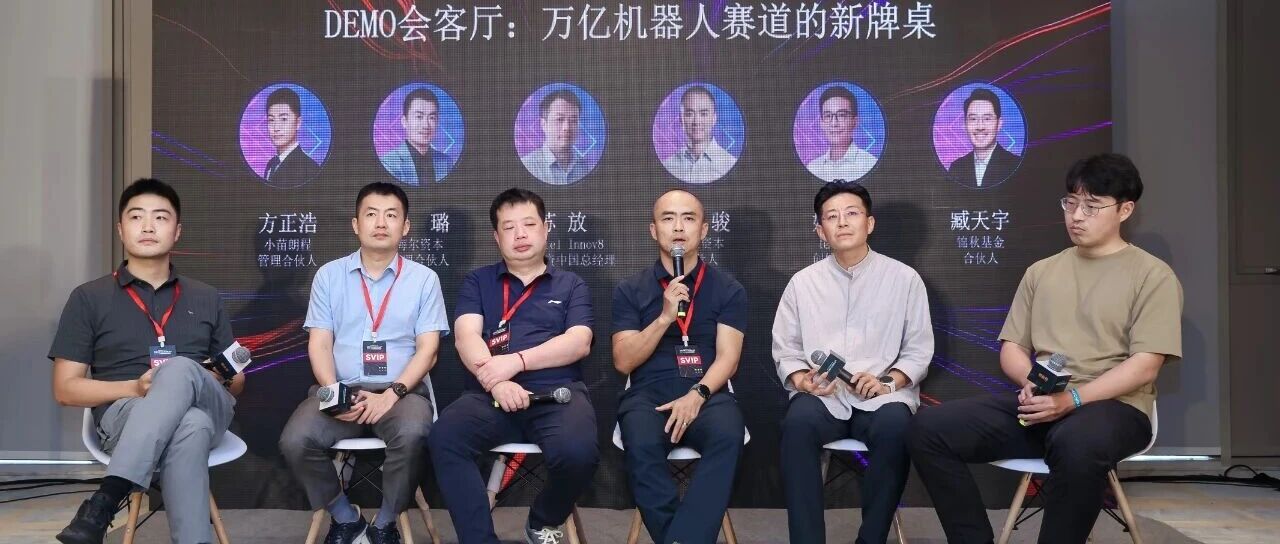
Core Insights - The emergence of intelligent agents and embodied intelligence is accelerating the transition into a new era of innovation, with humanoid robots moving from concept to practical applications in various sectors, including factories, retail, homes, and healthcare, thus driving China's economic transformation [2][5][10] Industry Trends - The current landscape of "robotics +" and embodied intelligence is undergoing rapid updates driven by policy support, with a focus on the core changes and new competitive focal points in the industry [5] - The penetration rate of embodied products in society is currently very low, likened to the early stages of mobile phone adoption in the early 1990s, indicating significant room for growth and innovation [6][11] - The commercialization of embodied intelligence is still in its early stages, with logistics and industrial applications likely to lead the way, while household service applications may take longer to mature due to their complexity [7][12] Investment Opportunities - The investment community is observing a diversification in the backgrounds of entrepreneurs entering the robotics field, with a shift from academic scientists to product managers from large companies, indicating a broader talent pool [9] - Government support for humanoid robot innovation is increasing, with initiatives in cities like Beijing and Shanghai, creating substantial opportunities for early-stage investments [9] - Companies that can effectively address the current technological bottlenecks in intelligence and hardware design are seen as having significant potential for success [15][16] Challenges and Considerations - The main challenges for large-scale deployment of humanoid robots include the reliability of hardware and the maturity of AI models, which need to evolve to handle diverse tasks effectively [11][12] - The cost of household robots remains prohibitively high, with current models priced between 300,000 to 500,000 yuan, necessitating significant reductions in price to enhance market penetration [12] - The need for robots to adapt to highly unstructured environments, such as homes, presents a major hurdle compared to more controlled industrial settings [12][13] Future Directions - The focus is shifting towards consumer-grade applications of embodied intelligence, particularly in scenarios that combine embodied attributes with innovative designs [9][15] - There is a growing interest in vertical market applications, especially in small B2B and retail environments, which may offer more immediate opportunities compared to traditional industrial applications [17]

智元发布新一代工业级交互式具身作业机器人精灵G2;Sora 2更新:所有用户均能生成15秒视频,Pro最长25秒丨AIGC日报
创业邦· 2025-10-17 00:09
Group 1 - The core viewpoint of the article highlights advancements in AI and robotics, showcasing new products and features from various companies [2][3][4]. Group 2 - Zhiyuan Robotics launched the new generation industrial interactive embodied robot, Zhiyuan Spirit G2, which features high-performance motion joints and multi-modal voice interaction capabilities, and has begun commercial delivery [2]. - Oracle introduced the OCI Zettascale10, a large-scale cloud AI supercomputer capable of connecting tens of thousands of NVIDIA GPUs across multiple data centers, achieving peak performance of 16 zettaFLOPS [2]. - Tongyi Qianwen announced the launch of the Qwen Chat Memory feature, enabling its AI system to retain user preferences and context in conversations, built on the Qwen3-Max model with over 1 trillion parameters and 36 trillion tokens of pre-training data [2]. - OpenAI updated Sora 2, allowing all users to generate videos up to 15 seconds on app and web, while Pro users can create videos up to 25 seconds on the web [3][4].


法拉利Amalfi国内首发亮相,259.85万元起售;启境首款车已完成设计定型丨汽车交通日报
创业邦· 2025-10-16 10:44
Group 1 - The first car of the new brand "Qijing," jointly created by GAC and Huawei, has completed its design and finalization [2] - Xpeng Motors reported an export volume exceeding 5,000 units in September 2025, representing a month-on-month increase of 65.8% and a year-on-year increase of 79.4%. From January to September 2025, the total export volume surpassed 29,723 units, marking a year-on-year growth of 125.2% [2] - Ford Motor Company announced a recall of 59,006 vehicles in the U.S. due to potential fire hazards caused by a short circuit in the engine block heater, affecting various models from 2016 to 2024 [2] - Ferrari's new two-door hardtop sports car, Amalfi, has officially launched in China with a starting price of 2.5985 million yuan, and the first deliveries are scheduled for the fourth quarter of 2026 [2] Group 2 - The Ferrari Amalfi is equipped with an optimized F154 series 3.9T twin-turbo V8 engine, delivering a maximum power of 640 horsepower and paired with an 8-speed dual-clutch transmission, achieving 0-100 km/h in 3.3 seconds and 0-200 km/h in under 9 seconds [3]

双11得买144瓶牛奶和2000ml卸妆液才有低价,李佳琦们把打工人出租屋当「囤货仓库」?
创业邦· 2025-10-16 10:44
Core Viewpoint - The article discusses the evolving dynamics of the Double 11 shopping festival, highlighting how consumer behavior has shifted towards bulk purchasing and the implications for brands and retailers, particularly in the context of live-streaming sales led by influencers like Li Jiaqi [6][24][50]. Group 1: Consumer Behavior - Consumers are increasingly purchasing in bulk during Double 11, with examples such as 144 bottles of milk and 40 bags of cat litter being sold in single transactions [21][24]. - The trend of buying large quantities has transformed consumers into quasi-distributors, as they are encouraged to share products with friends and family to justify the bulk purchases [19][45]. - The perception of necessity for such large quantities raises questions about consumer needs and the practicality of using such amounts within a reasonable timeframe [36][49]. Group 2: Live-Streaming Sales Dynamics - Li Jiaqi's live-streaming sessions have shifted from simple discounting to complex bulk sales strategies, where the focus is on selling larger quantities at lower per-unit prices [24][41]. - The promotional strategies have evolved, with brands now offering large packages and combinations to attract consumers, often leading to confusion and fatigue among shoppers [37][50]. - The competitive landscape has changed, with brands needing to negotiate better deals and offer larger quantities to maintain consumer interest and sales volume [42][44]. Group 3: Brand and Retailer Strategies - Brands are adapting to the bulk purchasing trend by offering larger sizes and combinations, which can reduce shipping and packaging costs while increasing sales volume [42][44]. - The article notes that the high profit margins in the beauty and personal care industry allow brands to maintain pricing strategies despite consumer pushback against bulk purchasing [41]. - Retailers are facing challenges in aligning their offerings with consumer expectations, leading to dissatisfaction and complaints about the lack of consideration for actual consumer needs [45][50].

湖南博士做锌电池,冲击千亿数据中心市场,成本砍到国外同行一半
创业邦· 2025-10-16 10:44
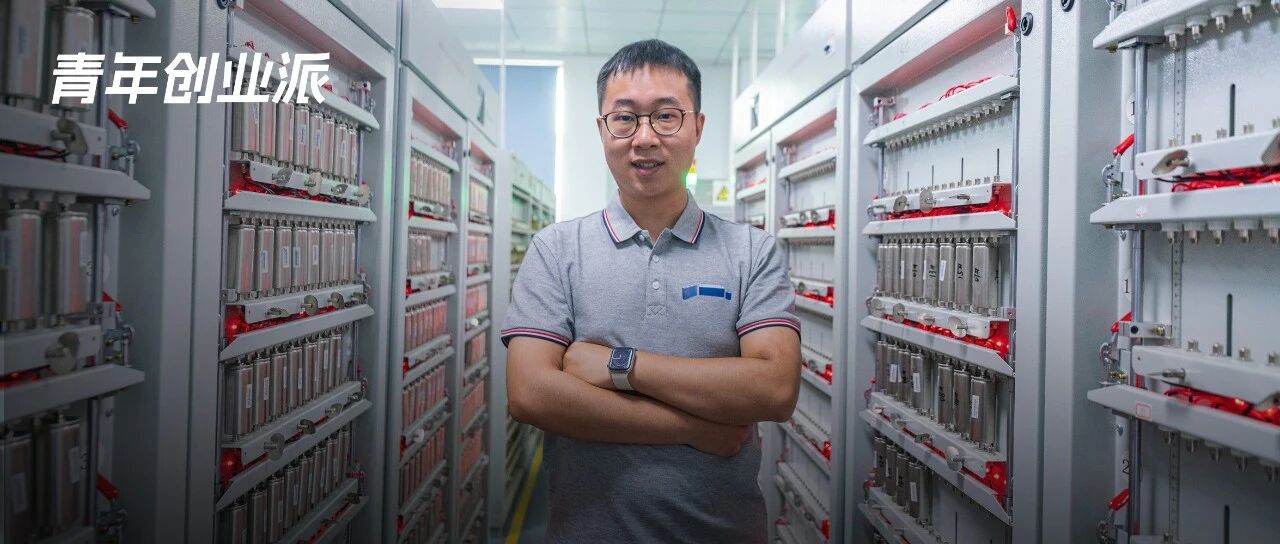
*** 程年创业派 9 公司全称: 东莞大锌能源有限公司 融资轮次:Pre-A+轮 产品/服务:锌基电池 2023年,大锌能源成功实现锌基电池的量产 技术的 突破,成为国内第一家提供 高倍率 锌基电池量 产的公司。 大锌能源的锌基 电池 , 具备6C高倍率放电能力,可在断电瞬间 提供稳定安全的大电流 供应,弥补水系电池能效不高的短板 。 而且, 大锌能源的产品 成本 仅为美国对手的一半。在空间 与重量上,与主流使用的铅酸电池相比,在同等功率输出下, 其体积 和重量 仅为 前者 三分之一 。 目前,大锌能源产品已在海底电缆机房、数据中心、通信基站的备电系统中得到使用;同时在储能领 域,不仅在油田场景实现落地, 还 中标国家储能创新中心项目,进行技术开发。 今年9月,大锌能源在创业邦第十九届DEMO CHINA上入选"2025值得关注的硬科技创变者"榜单。 拒绝跟风锂电,押注"水系不燃"电池 唐子杰出生于湖南,本科毕业于中南大学,2015年进入香港城市大学攻读博士,并加入支春义团队 专注于锌基电池的研发。支春义 目前 是香港大学讲席教授,长期从事水系电池的研究。 创始人:唐子杰 出生年份:1993年 教育背景:香 ...
阿里、腾讯联手投出的女总裁,收获一个机器人IPO,最新市值82.81亿港元
创业邦· 2025-10-16 10:44
Core Viewpoint - Cloud-based robotics service company Yunji Technology has officially listed on the Hong Kong Stock Exchange, becoming the world's first publicly traded company focused on "robot service agents" [2][6]. Group 1: Company Overview - Yunji Technology was founded in 2014 and specializes in the sale of robotic systems and AI digital systems, with a focus on service robots [2]. - As of May 2025, the company has served over 34,000 enterprise clients across various sectors, including hotels and hospitals, completing over 500 million services [2][19]. - The company holds a 6.3% market share in China's robot service agent market, ranking first, and a 13.9% share in the hotel sector, surpassing the combined share of its next four competitors [2][34]. Group 2: Financial Performance - Yunji Technology's revenue grew from 161 million yuan in 2022 to 245 million yuan in 2024, with a compound annual growth rate (CAGR) of 23.2% [30]. - The company's AI digital system revenue has a CAGR of 45.5% from 2022 to 2024, with gross margins of 61.5%, significantly higher than the hardware business's 38.1% [4][31]. - Despite revenue growth, the company reported net losses of 365 million yuan, 265 million yuan, and 185 million yuan from 2022 to 2024, although adjusted net losses decreased over the same period [33]. Group 3: Business Model and Strategy - Yunji Technology is transitioning from traditional robot sales to an "AI + subscription" model, with a focus on rental and subscription services [4]. - The company has developed a comprehensive AI-driven digital operation system (HDOS) that automates service tasks, significantly reducing manual workload [15]. - The company aims to expand internationally, leveraging support from the Hong Kong Productivity Council to establish a presence in markets like Japan and Southeast Asia [4][5]. Group 4: Investment and Market Position - Yunji Technology has attracted significant investment from major players like Alibaba, Tencent, and Lenovo, completing eight rounds of financing since its inception [3][21]. - The company’s IPO was highly anticipated, with its shares surging 49.37% on the first trading day, reflecting strong market interest [2][6]. - The service robot market in China is rapidly growing, with an expected market size of 30 billion yuan in 2023 and a projected CAGR of 18.7% until 2028 [34].

刚刚, AI视频王者大更新!硬刚Sora,威尔史密斯吃面更香了
创业邦· 2025-10-16 03:23
Core Insights - OpenAI recently launched the Sora 2 video generation model, while Google upgraded its Veo 3.1 model, indicating a competitive landscape in AI video generation technology [4][41]. Group 1: Google Veo 3.1 Upgrade - The upgrade includes enhanced video editing capabilities, allowing users to make more precise adjustments to video segments [5]. - New features such as "Ingredients to Video," "Frames to Video," and "Extend" now incorporate audio, making audio a part of the creative process [7][11]. - Veo 3.1 shows significant improvements in prompt understanding and audiovisual quality, resulting in more natural transitions from images to videos [8]. Group 2: User Functionality - Users can define characters and styles using multiple reference images, which the "Ingredients to Video" feature utilizes to generate final scenes [13]. - The "Frames to Video" feature allows for seamless transitions between starting and ending frames, beneficial for artistic projects [15]. - The "Extend" feature can generate content longer than one minute, maintaining narrative continuity based on previous segments [17]. Group 3: Output Formats and User Engagement - Veo 3.1 now supports both horizontal and vertical video formats, adapting to current content consumption trends [19]. - Since the launch of Flow in May, users have created over 275 million videos, leading to the introduction of new editing features like "Insert New Elements" and "Remove Objects" for more flexible video editing [20]. Group 4: Application Scenarios - Practical applications of Veo 3 include generating first-person perspective videos, ASMR fruit slicing, and night vision monitoring videos [24]. - The model has been used to create product advertisement videos, showcasing its ability to deliver high-quality visual content [30]. Group 5: Performance Comparison - While Veo 3.1 excels in photo-realistic and commercial content generation, it still has room for improvement in accurately replicating specific artistic styles, such as anime [40]. - The rapid iteration of video generation models like Veo 3.1 and Sora 2 suggests a fast-evolving market, with potential for widespread adoption in various content creation platforms [41][42].


“假性省钱”,正在掏空年轻人的钱包
创业邦· 2025-10-16 03:23
Core Viewpoint - The article discusses the trend among young people to engage in DIY (do-it-yourself) projects as a means to save money, highlighting the paradox that while these activities seem cost-effective, they often require significant time and effort, leading to the realization that "free" can be the most expensive option in terms of time invested [5][38]. Group 1: DIY as a Cost-Saving Strategy - Many young individuals are attempting to save money by creating their own products, from lip balm to furniture, by purchasing raw materials and following online tutorials [11][12]. - For example, a young woman named Li Zishan calculated that making her own lip balm cost her only about 3 yuan per stick, significantly less than the market price, allowing her to save over 100 yuan in a winter season [8][12]. - The article presents various examples of DIY projects, such as homemade soap and cleaning enzymes, which can lead to substantial savings compared to store-bought alternatives [11][24]. Group 2: The Reality of Time Investment - Engaging in DIY projects often requires a considerable time commitment, which can negate the financial savings when calculated against the individual's hourly wage [18][31]. - For instance, a young woman named Xiao Min spent over 12 hours making a tiny doll outfit, which, when factoring in her potential earnings, made the cost of the DIY project nearly equivalent to purchasing a ready-made garment [31]. - The article emphasizes that while DIY can provide a sense of accomplishment and personalization, the time and effort involved can lead to frustration and a realization that purchasing ready-made items may be more practical [25][31]. Group 3: The Psychological Aspect of DIY - The article explores the psychological motivations behind DIY projects, suggesting that for some, it represents a shift in mindset away from consumerism towards a more self-sufficient lifestyle [38]. - Li Zishan, for example, reflects on her journey from being a "money-spending" consumer to someone who finds fulfillment in creating her own products, indicating a deeper search for meaning beyond material possessions [39]. - However, the article also notes that many DIY enthusiasts find themselves caught in a cycle of spending on materials, which can contradict their initial goal of saving money [34][39].

官宣更名丨海愿资本:紫金港资本品牌升级了!
创业邦· 2025-10-16 03:23
Core Viewpoint - The company has officially rebranded from "Zijin Port Capital" to "Haiyuan Capital," reflecting its commitment to long-term investment in hard technology and a global perspective on innovation [3][9]. Group 1: Company History and Achievements - Over the past 11 years, the company has focused on hard technology investments, managing a total of 7 billion yuan and successfully investing in over 120 innovative enterprises, with 8 of them having gone public [6]. - The company has maintained a core investment philosophy of "invest early, invest small, invest well, and invest in hard technology," particularly in sectors such as semiconductors, artificial intelligence, new energy materials, and life sciences [6]. Group 2: New Brand Significance - The new name "Haiyuan" symbolizes a global vision and the intention to expand international hard technology investments through partnerships with top overseas institutions like MIT and Imperial College [9]. - The brand change also signifies a commitment to an open ecosystem, integrating industrial resources, academic wisdom, and capital power to enhance global innovation [9]. Group 3: Team and Operational Strength - The company boasts a core team with an average of 20 years of experience in investment and enterprise management, combining engineering and financial expertise to identify valuable investment opportunities [12]. - The dual-core model of "investment + empowerment" provides comprehensive support for enterprises, from technology transformation to global expansion [12]. Group 4: Future Commitments - Haiyuan Capital will focus on three main commitments: maintaining a long-term focus on hard technology, enhancing global resource networks, and strengthening investment capabilities to achieve long-term win-win outcomes with partners [15]. - The company aims to help Chinese hard technology influence the global market and become a bridge connecting Chinese innovation with the world [15].

阿里云在迪拜启用第二座数据中心;芯上微装亮相2025湾芯展丨智能制造日报
创业邦· 2025-10-16 03:23
Group 1 - Alibaba Cloud has launched its second data center in Dubai to meet the growing demand for cloud and AI services in the Middle East, expanding its global presence to 29 regions and 92 availability zones [2] - Shanghai Chip-on-Wafer Technology Co., Ltd. (Chip-on-Wafer) showcased its advanced semiconductor equipment at the 2025 Bay Area Semiconductor Industry Expo, focusing on market-ready solutions derived from Shanghai Microelectronics Group [2] - Yuke Technology has signed a strategic agreement with the Global Industrial AI Alliance Excellence Center to enhance international brand influence and accelerate overseas market expansion in cloud computing and Sovereign AI [2] - Bharti Airtel has partnered with Google to establish India's first large-scale AI hub in Visakhapatnam, with Google planning to invest approximately $15 billion between 2026 and 2030 to develop a gigawatt-level data center operation system [2] - ZTE Corporation has completed key technology testing for RAN AI under the IMT-2020 (5G) promotion group, validating the integration of AI with RAN to enhance user experience and efficiency [3]