唇膏

Search documents
LVMH集团被曝考虑出售玫珂菲,属于美妆板块亏损品牌
Xi Niu Cai Jing· 2026-02-28 03:22
Group 1 - LVMH is considering selling its makeup brand Make Up For Ever as part of a restructuring of its beauty business [2] - The group has approached several strategic investors and private equity firms to gauge interest in the brand [4] - Make Up For Ever has been exclusively sold through Sephora in Europe and North America [4] Group 2 - LVMH is also weighing the sale of its skincare brand Fresh and the divestment of shares in the makeup brand Fenty Beauty [5] - Make Up For Ever was founded by makeup artist Dany Sanz in 1984 and was acquired by LVMH in 1999, with expectations of joining the "1 billion euro club" [5] - The brand has reported losses for eight consecutive years, with annual net revenue around 300 million euros [5] Group 3 - Make Up For Ever's product range includes foundation, eyeshadow, and lipsticks, featuring popular items like the Ultra HD Foundation and Artist Color Pencil [5] - The brand has undergone three CEO changes since 2019 in attempts to reverse its declining performance, but with limited success [5] - LVMH has not yet responded to rumors regarding the potential sale of Make Up For Ever [5]


润本股份(603193):母婴赛道新声,润物生长
Dongguan Securities· 2026-02-25 09:43
Investment Rating - The report assigns a "Buy" rating for Runben Co., Ltd. (603193) as a new benchmark in the maternal and infant care sector [1]. Core Insights - Runben Co., Ltd. has shown steady performance with a focus on the baby mosquito repellent market, gradually expanding into baby care and plant essential oils, forming a multi-category daily chemical ecosystem. The core categories of mosquito repellent and baby care account for over 85% of revenue, driving continuous growth in revenue and profit [7][24]. - The global and Chinese markets for mosquito repellent and baby care products are expected to grow steadily, with the children's mosquito repellent market projected to reach 1.795 billion yuan by 2024, and the baby care market expected to reach 32.9 billion yuan in the same year [7][40]. - Runben's integrated research, production, and sales model creates long-term competitive barriers, with plans to invest 700 million yuan in smart factories and 600 million yuan to expand R&D and production bases [7][24]. Summary by Sections 1. Business Growth and Performance - Runben Co., Ltd. has transitioned from a single-category brand focused on mosquito repellent to a multi-scenario daily chemical enterprise, leveraging user assets and integrated operations [16]. - The company has achieved a compound annual growth rate (CAGR) of 31.32% in revenue from 582 million yuan in 2021 to 1.318 billion yuan in 2024, with net profit increasing from 121 million yuan to 300 million yuan in the same period [7][24]. - The revenue structure is concentrated, with the baby care segment's share increasing from 37.22% in 2021 to 52.36% in 2024, while the mosquito repellent segment stabilized between 31% and 33% [22]. 2. Industry Landscape and Trends - The global children's mosquito repellent market is expected to grow at a CAGR of 4.26% from 2023 to 2027, while the Chinese market is projected to grow at approximately 6.1% during the same period [7][33]. - The baby care market in China is anticipated to reach 32.9 billion yuan by 2024, with a CAGR of 7.97% from 2023 to 2027, indicating strong growth potential [40][42]. - The competitive landscape in the mosquito repellent market shows a concentration of top brands, with the top 10 brands holding significant market shares, reflecting a strong competitive environment [34]. 3. Competitive Advantages - Runben Co., Ltd. maintains a high sales net profit margin, with figures ranging from 18.69% to 22.77% from 2021 to 2025, indicating strong operational control and market positioning [54]. - The company has a superior inventory turnover efficiency, with inventory turnover days decreasing to 66.29 days in 2025, showcasing effective supply chain management [57]. - The accounts receivable turnover days are also favorable, with a notable efficiency in cash collection, primarily due to the online direct sales model [58].

“以前哪能想到,都是中国的…”
Xin Lang Cai Jing· 2026-01-14 12:36
Core Insights - Chinese brands are increasingly establishing a presence in global markets, with a focus on building local operations and brand recognition rather than merely exporting cheap products or making large-scale acquisitions [1][2] - The global expansion of Chinese companies is marked by a significant increase in overseas sales, with projections indicating that overseas sales for Chinese listed companies will reach 15 trillion RMB in 2024, up from 11.6 trillion RMB in 2021 [2] - The shift in Chinese companies' strategies is driven by rising domestic labor costs and geopolitical tensions, prompting a move towards establishing manufacturing bases abroad, particularly in developing countries [5][7] Group 1 - Chinese electric vehicle manufacturer BYD surpassed Tesla in sales, with over 20% of its sales coming from overseas, doubling from 10% in 2024 [2] - The transformation of Chinese enterprises from imitation to innovation is evident, as they now produce high-end products and are sought after by Western companies for their expertise [4] - The establishment of local distribution and supply chain systems is becoming a priority, with companies like Mengniu successfully launching products in local markets [7] Group 2 - The historical context of Chinese companies' global expansion reveals a journey marked by challenges, including initial perceptions of low-quality products and failed acquisitions due to increasing Western scrutiny [3][4] - A shift in human resource strategies is occurring, with Chinese companies increasingly hiring local employees to reduce cultural friction and enhance local engagement [7] - Professional service firms are now actively supporting Chinese companies in their global expansion efforts, reflecting a change in focus from assisting Western firms entering China [8] Group 3 - Despite the strong momentum of expansion, Chinese multinational companies face complex pressures, including Western regulatory challenges and geopolitical risks [8] - The Chinese government is expected to relax strict overseas investment approval processes, which may lead to a greater presence of vibrant Chinese brands in the global market [9]

女律师将唇膏给犯罪嫌疑人用,被停止执业3个月
Xin Lang Cai Jing· 2026-01-08 12:49
Core Viewpoint - The Zhejiang Provincial Lawyers Association has issued a disciplinary decision against lawyer Hu Shuangshuang for violating regulations by smuggling lip balm to a detainee during a meeting, resulting in a three-month suspension of her practice and membership rights [2][3][4]. Summary by Sections Disciplinary Action - Hu Shuangshuang, a lawyer from Zhejiang Shijian Law Firm, was found to have violated regulations by delivering lip balm to detainee Wu Moujie during a meeting at the Linhai City Detention Center [2]. - The Taizhou Municipal Justice Bureau confirmed that Hu's actions constituted interference with legal proceedings, leading to administrative penalties under relevant laws [3]. Legal Framework - The actions of Hu Shuangshuang were deemed to violate Article 40(8) of the Lawyer Law of the People's Republic of China and Article 39(1) of the Lawyer Practice Management Measures [3]. - The penalties imposed included a three-month suspension of her legal practice and a corresponding three-month suspension of her membership rights in the lawyers' association [4]. Implications of the Violation - The incident raised concerns about the potential misuse of seemingly harmless items like lip balm, which could be transformed into weapons or used to smuggle prohibited substances, thereby jeopardizing judicial integrity [5]. - Legal experts emphasized that the transmission of any unauthorized items to detainees is strictly prohibited, highlighting the importance of maintaining order in legal proceedings [5].

律师将唇膏给嫌疑人用被停业3个月
Xin Lang Cai Jing· 2026-01-07 15:06
Core Viewpoint - A lawyer in Zhejiang Province was suspended for three months after illegally providing lip balm to a criminal suspect during a meeting, violating prison regulations [1] Group 1: Incident Details - The lawyer, identified as Hu, was appointed to defend a suspect named Wu, whose father commissioned the legal representation [1] - During a meeting on January 3, 2025, Hu unlawfully handed lip balm to Wu, which was later discovered and confiscated by prison staff [1] - The Zhejiang Provincial Judicial Bureau found Hu's actions to be a clear violation of regulations, constituting interference with legal proceedings [1] Group 2: Disciplinary Actions - The Zhejiang Provincial Judicial Bureau imposed a three-month suspension on Hu's legal practice due to the violation, considering the absence of prior disciplinary records and cooperation during the investigation [1] - The Taizhou Lawyer Association also suspended Hu's membership rights for three months, aligning with the administrative penalty [1]
杭州一家“以物易物”的小店走红,90后老板:交换比交易更有温度
Sou Hu Cai Jing· 2025-12-25 14:10
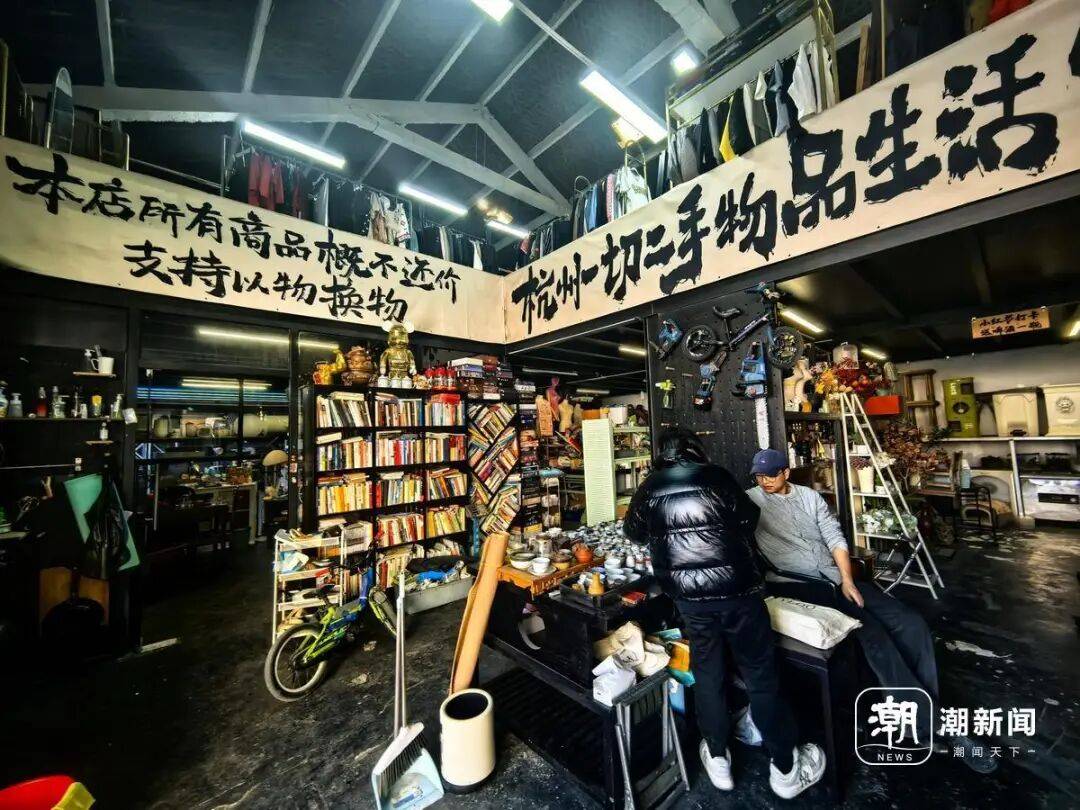
Core Viewpoint - The store "Everything Secondhand" in Xiaoshan District, Hangzhou, has gained popularity on social media for its unique trading method of "bartering" secondhand goods, which has sparked discussions among consumers [1][10]. Group 1: Business Model and Goals - The store offers over 2,000 categories of secondhand items, allowing customers to either purchase or exchange goods [1][3]. - The owner, A Jie, aims to accumulate 10,000 types of secondhand products to create a unique "circular kingdom" that reflects the daily life of Hangzhou residents [3][10]. - A Jie transitioned from selling luxury secondhand goods to a broader range of secondhand items, believing that every item has its own value and can serve a greater purpose [3][10]. Group 2: Popular Items and Consumer Behavior - Popular items in the store include practical goods like power strips, eyelash stickers, and various household items, with a dedicated section for low-cost items priced between 1-5 yuan [5][7]. - Consumers are attracted to the uniqueness of secondhand items, with some customers expressing interest in specific pieces like handmade teapots [7][10]. - The store's "bartering" model appeals to two main customer groups: those seeking a fun experience and those who support eco-friendly practices by exchanging unused items [10][12]. Group 3: Bartering Process - The bartering process involves A Jie assessing the value of items brought in by customers, allowing them to select equivalent items from the store [10]. - The store has seen a variety of exchanges, including clothing, household appliances, and books, indicating a diverse customer base and interest in sustainable practices [10][12].
华尔街日报:中国曾经是西方公司的摇钱树,现在却成了试验场
美股IPO· 2025-12-01 01:03
Core Viewpoint - The era of easy profits for Western companies in China has ended, with increasing competition and a more cautious consumer base leading to significant challenges in the market [1][3]. Market Dynamics - China's economic slowdown has made consumers more cautious, resulting in intensified competition and price wars, which have significantly compressed profit margins [3][7]. - Local competitors are rapidly gaining market share, often outpacing international brands in various sectors [4][6]. Strategic Adjustments - International brands are adapting their strategies to better align with Chinese consumer preferences, including product adjustments, faster R&D, different marketing approaches, and price reductions [3][4]. - Companies like Starbucks have had to sell majority stakes in their Chinese operations due to competition from local brands like Luckin Coffee, which has surpassed Starbucks in sales and store numbers [4][6]. Industry-Specific Challenges - The automotive sector is experiencing fierce competition, with local brands like BYD overtaking established foreign brands such as Volkswagen, which reported a 7% decline in quarterly deliveries in China [9][10]. - Volkswagen is shifting its strategy to focus on local R&D and production to better cater to Chinese consumers, highlighting the need for foreign companies to remain competitive in the local market [10][12]. Consumer Expectations - Consumer demands in China have evolved, with higher expectations for quality relative to price, prompting brands like Guerlain to introduce more affordable luxury products [14][15]. - Companies like IKEA are lowering prices on popular items and investing significantly in the Chinese market, while Procter & Gamble is focusing on innovative products tailored for Chinese consumers [16][17]. Performance Insights - Some companies are still thriving in the Chinese market, with Ralph Lauren reporting over 30% sales growth and Estée Lauder seeing a 9% increase in revenue [20]. - 3M has identified China as its fastest-growing market, emphasizing the need for rapid product development to keep pace with local manufacturers [22].
价格再击穿!京东折扣超市11.11上线“千头猪万吨菜”计划
Zhong Jin Zai Xian· 2025-10-24 06:34
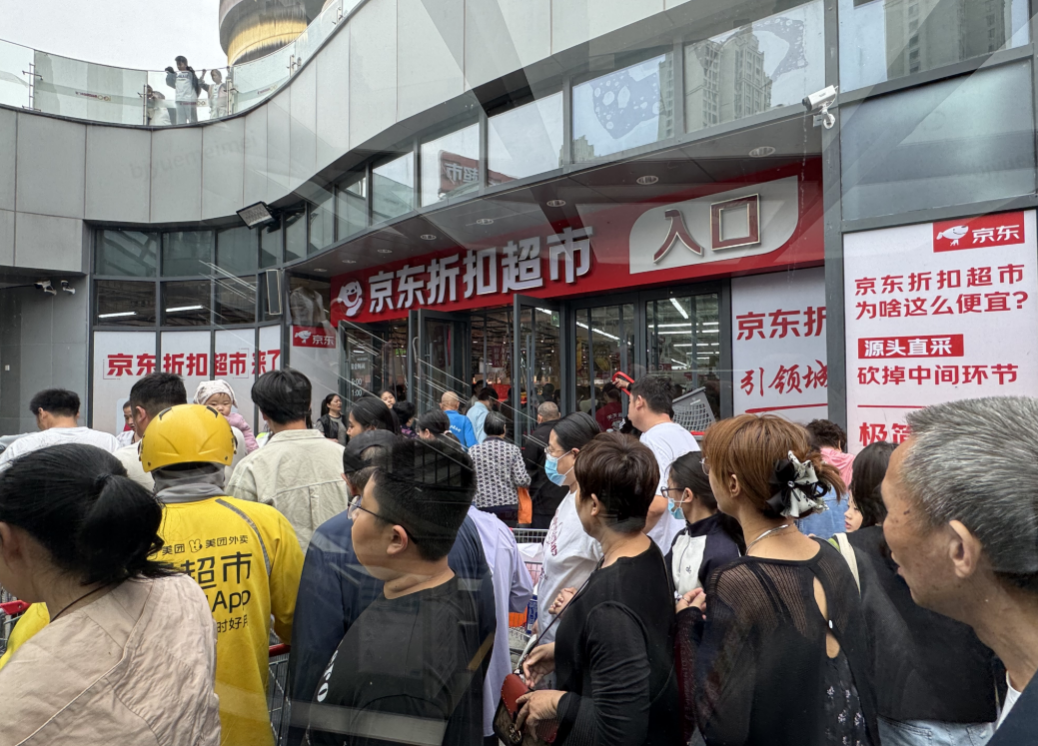
Core Insights - JD Discount Supermarket's "Warm Winter Hot Pot Season" campaign during the 11.11 shopping festival has significantly boosted sales in categories such as hot pot, warmth, and skincare products [1][3] - The upcoming "Thousand Pigs and Ten Thousand Tons of Vegetables" plan aims to further stimulate urban consumption by offering fresh-cut meats and low-priced vegetables [1][7] Sales Performance - Hot pot meat slice sales increased by 97% month-on-month, while hot pot seasoning sales surged by 158%, highlighting the "hot pot economy" effect [3] - Consumers are increasingly favoring high-quality products like original cut meats and specialty seasonings, with a preference for one-stop shopping experiences [3] Product Offerings - The prices for original cut lamb rolls and beef rolls are set at 56.9 yuan/kg and 65.9 yuan/kg respectively, providing consumers with affordable options for high-quality hot pot ingredients [5] - Collaborations with leading brands like Haidilao have allowed JD Discount Supermarket to offer competitive prices on hot pot bases and dipping sauces, with some products priced as low as 5.5 yuan per bag [5] Seasonal Trends - The sales of warming and skincare products have seen a week-on-week increase of 320%, with warming patches experiencing a staggering 586% growth [7] - Traditional warming items such as hats and scarves have also maintained stable growth [7] Future Plans - The "11.11 JD Pork Festival" will feature live demonstrations of fresh meat cutting and low-priced vegetable offerings, enhancing consumer engagement through immersive shopping experiences [7][10] - JD Discount Supermarket aims to continue its focus on discount retail, providing quality and affordable products to activate consumption potential in rural areas and set new trends in modern family consumption [10]

「假性省钱」,正在掏空年轻人的钱包
36氪· 2025-10-22 13:36
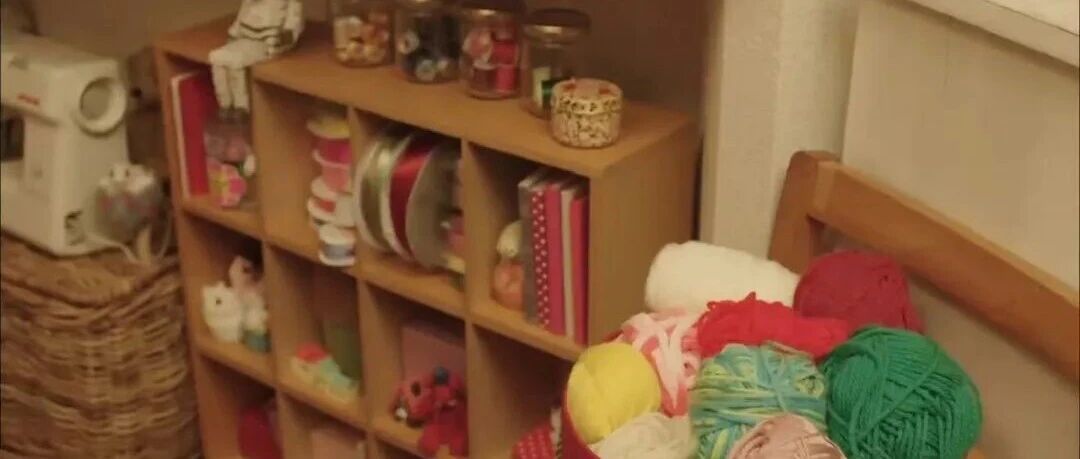
Core Viewpoint - The article discusses the trend among young people to engage in DIY (do-it-yourself) projects as a means to save money, highlighting the potential pitfalls and time investments involved in this approach [4][9][23]. Group 1: DIY as a Cost-Saving Strategy - Many young individuals, like Li Zishan, attempt to save money by creating their own products, such as lip balm, using low-cost raw materials [7][10]. - The article provides examples of how DIY projects can appear to be cost-effective, such as making a tea table for under 200 yuan compared to a market price of 600-700 yuan [10]. - Li Zishan's experience shows that her homemade lip balm cost only about 3 yuan per stick, significantly less than the 30-40 yuan for store-bought versions, allowing her to save over 100 yuan in a winter season [7][11]. Group 2: Time vs. Money - The article emphasizes a shift in mindset among young people, who are willing to invest time to save money, contrasting the traditional view of "buying time with money" [16][23]. - DIY projects often require significant time investment, as seen in the case of Xiao Min, who spent over 12 hours making a doll's outfit, which, when calculated at her hourly wage, cost nearly 1,000 yuan [33]. - The time required for DIY projects can lead to frustration and realization that the effort may not be worth the savings, as illustrated by Xiao Min's dissatisfaction with her sewing skills [34][44]. Group 3: The Reality of DIY - The article points out that while DIY can seem like a way to escape consumerism, it often leads to additional costs and challenges, such as health issues from prolonged sitting during crafting [29][31]. - Many individuals, including Mao Mao, find themselves accumulating materials and spending more than intended, contradicting the original goal of saving money [37][39]. - The narrative concludes that the true cost of DIY projects often includes not just materials but also the value of time and effort, leading to the realization that some expenses cannot be avoided [44].

“假性省钱”,正在掏空年轻人的钱包
首席商业评论· 2025-10-18 03:50
Core Viewpoint - The article discusses how young people are increasingly turning to DIY (do-it-yourself) projects as a strategy to save money, but often find that the time and effort invested may not yield the expected financial benefits, leading to a realization that "the free is often the most expensive" [4][19][29]. Summary by Sections DIY as a Money-Saving Strategy - Many young individuals, like Li Zishan, are attempting to save money by creating their own products, such as lip balm, using low-cost raw materials [6][8]. - The article highlights various DIY projects, from furniture to daily necessities, where the perceived cost savings are often misleading [8][19]. Personal Experiences - Li Zishan, who previously spent 30-40 yuan on lip balm, managed to create her own for just over 3 yuan, demonstrating significant savings [6][9]. - Another individual, Xiao Min, attempted to make clothes for her small dolls but found the costs and time involved exceeded simply purchasing ready-made items [10][23]. Time vs. Money - The article emphasizes a shift in mindset among young people, who are willing to "spend time to save money," contrasting with the traditional view of spending money for convenience [13][19]. - The time investment required for DIY projects often leads to frustration, as seen in Xiao Min's experience where she spent over 12 hours on a small garment, ultimately realizing it was not worth the effort [23][25]. Challenges and Realizations - Many DIY enthusiasts face challenges in mastering the necessary skills, leading to subpar results that diminish the perceived value of their efforts [19][25]. - The article notes that while DIY can provide a sense of control and personal satisfaction, it often does not translate into actual savings when time and effort are factored in [19][28]. Consumerism and Identity - The narrative explores how young people are questioning the value of consumer goods and the identity tied to purchasing branded items, leading them to seek alternatives through DIY [9][28]. - Li Zishan's journey reflects a broader trend of individuals seeking fulfillment beyond material possessions, aiming for a more self-sufficient lifestyle [29].