日经中文网

Search documents
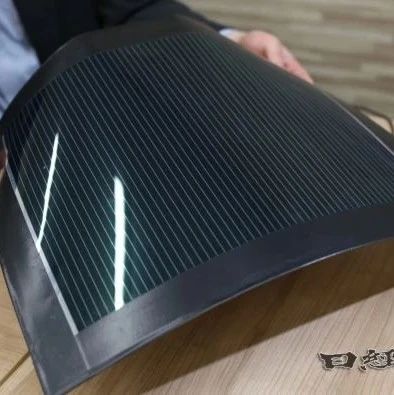
日本将支援企业研发叠层光伏电池
日经中文网· 2025-07-25 05:43
Core Viewpoint - Japan is expanding support for the development of next-generation photovoltaic (PV) cells, particularly focusing on tandem perovskite solar cells, which can enhance efficiency and reduce reliance on imports from China [1][2][3]. Group 1: Government Support and Objectives - The Japanese Ministry of Economy, Trade and Industry (METI) will use the "Green Innovation (GI) Fund" to subsidize the development of decarbonization technologies, including tandem perovskite solar cells [2]. - The support will begin in the fiscal year 2025, with a goal to establish manufacturing and mass production technologies by 2030 [2]. - METI requires supported companies to achieve a power conversion efficiency exceeding 30%, durability equivalent to traditional PV panels (20 years), and reduce residential power generation costs to below 12 yen per kilowatt-hour [2][3]. Group 2: Technological Advantages - Tandem solar cells utilize multiple layers of PV cells to absorb a broader spectrum of sunlight, potentially doubling the conversion efficiency compared to traditional products [3]. - The combination of perovskite cells for visible light absorption and silicon cells for infrared light absorption enhances overall efficiency [2][3]. Group 3: Market Potential and Domestic Supply Chain - The demand for rooftop installations is significant, with METI mandating that factories, shops, and schools set installation targets for rooftop PV panels after 2026 [3]. - Tandem products are suitable for installation in energy-efficient homes and buildings with higher load-bearing capacities [3]. - The raw materials for perovskite solar cells can be sourced domestically in Japan, reducing dependence on foreign imports and allowing for the potential establishment of a local supply chain [3]. Group 4: Future Energy Goals - The Japanese government aims to increase the share of solar energy in the overall power supply from 9.8% in 2023 to between 23% and 29% by 2040 as part of its renewable energy strategy [3].

沙特带头“超额”增产,底气来自中国?
日经中文网· 2025-07-25 05:43
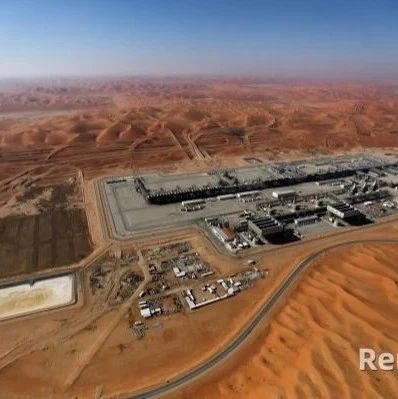
沙特增产可能会拉低油价(Reuters) 自认为是产油国盟主的沙特本应劝说其他国家遵守规则,但沙特在6月却开始超额生产。强势生产的背 景是中国旺盛的需求。有观点认为中国似乎在为不测之事做准备…… Kpler的高级原油分析师施穆宇指出,中国似乎在为不测之事做准备。他认为,由于无法预测美国政府 的行动,中国政府可能在战略性增加原油储备。 美国总统特朗普7月14日表示,考虑对购买俄罗斯石油和天然气的第三国征收100%关税。虽然有50天的 宽限期,但如果实际实施,购买俄罗斯能源的中国将被迫寻找替代来源。 产油国的盟主沙特阿拉伯开始增产。6月,沙特原油产量大幅超出生产配额,出口量也达到约两年来的 新高。一直主导石油输出国组织(OPEC)成员国产量调整的沙特自行"违反"规则引发震惊。强势生产 的背景是中国旺盛的需求。 以沙特为首的OPEC与俄罗斯等非成员国组成的"OPEC+"的部分国家自愿从4月开始逐步减产,每日产 量缩减220万桶,以增加原油供应。产油国被要求在分配的生产配额范围内增产。 国际能源署(IEA)7月中旬发布的月度报告显示,沙特6月的产量为每天980万桶,环比增加了71万桶 (增幅8%)。超出配额43万桶。 ...
冲绳侏罗纪公园开业,外国客票价贵约90人民币
日经中文网· 2025-07-25 05:41
Core Viewpoint - The opening of Okinawa Jurassic Park has been highlighted, with foreign ticket prices being approximately 90 RMB higher than local prices [1] Group 1 - Okinawa Jurassic Park has officially opened, attracting attention from both local and foreign tourists [1] - The ticket pricing strategy shows a significant markup for foreign visitors, indicating a potential revenue strategy targeting international tourists [1] - The park's theme and attractions are expected to enhance tourism in Okinawa, contributing to the local economy [1]

日美达成关税协议,日本车企高兴得起来吗?
日经中文网· 2025-07-25 05:41
Core Viewpoint - The U.S. is reducing the automobile import tariff on Japan from 27.5% to 15%, which will alleviate the financial burden on Japanese automakers, but the high tariff level is expected to become a new norm, limiting future growth prospects [1][3][7]. Group 1: Tariff Changes and Financial Impact - The estimated reduction in tariff burden for seven major Japanese automakers is approximately 1.6 trillion yen, down from a previous burden of 3.47 trillion yen [3][4]. - The impact on operating profit for these companies is expected to decrease from a 47% drop to a 25% drop for the fiscal year 2024 [3]. - Specific companies like Toyota, Honda, and Nissan will see their tariff impacts reduced significantly, with Toyota's burden decreasing from 1.6 trillion yen to 872 billion yen [3][4]. Group 2: Supply Chain Adjustments - Japanese automakers are restructuring their supply chains to mitigate tariff impacts, with Honda moving production of its Civic hybrid model to the U.S. [4]. - Mitsubishi Motors, lacking a factory in the U.S., will rely on Nissan for OEM production [4]. Group 3: Local Market Reactions - U.S. manufacturers, including General Motors, express dissatisfaction with the tariff reduction, arguing it undermines American industry and labor [6]. - Despite the tariff reduction, Japanese automakers may still face challenges in maintaining competitiveness without price increases, as inflation continues to affect consumer behavior [7]. Group 4: Long-term Outlook - The high tariff rate of 15% is expected to persist, leading to a need for Japanese automakers to enhance local production and operational efficiency [7][8]. - The competitive landscape in the U.S. market is becoming increasingly challenging for Japanese automakers, especially with the rise of domestic manufacturers in China [8].



36氪精选:「碰杯站」完成5000万融资,想让更多人喝上「平价星巴克」 | 早起看早期
日经中文网· 2025-07-25 05:41
Core Viewpoint - The article discusses the emergence of "碰杯站," a smart beverage retail brand that aims to capitalize on the rapid growth of the coffee market in China by offering high-quality coffee at a lower price point, utilizing advanced technology and innovative solutions to address common issues in traditional coffee vending machines [5][6]. Company Overview - "碰杯站" is operated by Hangzhou Huading Acoustic Technology Co., Ltd., which focuses on AIOT solutions for unmanned retail and aims to become the leading brand in the smart beverage machine sector [5][6]. - The company recently completed a financing round of 50 million yuan, primarily to accelerate market deployment, channel expansion, and operational optimization [5]. Market Context - The Chinese coffee market has been experiencing rapid growth, with an average annual compound growth rate exceeding 25% in recent years, driven by brands like Luckin Coffee [5]. - In 2024, the per capita annual coffee consumption in China is projected to reach 22.24 cups, significantly lower than Japan and South Korea, which have per capita consumption rates of 281 cups and 353 cups, respectively [5]. Product Innovation - "碰杯站" offers coffee at a price of 9.9 yuan per cup, utilizing a patented nitrogen-deoxygenation technology to preserve the flavor of high-quality Arabica coffee beans for up to 18 months [7][8]. - The machines are designed to address common issues such as moisture and contamination, ensuring food safety and consistent taste [8]. - Each machine can accommodate up to 20 different SKUs, allowing for a diverse range of beverages beyond coffee, including milk tea and juice [8]. Operational Efficiency - The equipment occupies less than one square meter and features real-time data monitoring and remote operation capabilities, making it suitable for high-traffic locations such as airports, train stations, and office buildings [9]. - The company has invested nearly 200 million yuan in equipment development, achieving a low failure rate of 0.1% after extensive market testing and product iterations [9]. Expansion Plans - "碰杯站" is actively pursuing a "thousand cities, ten thousand stores" plan, aiming to deploy over 20,000 machines across approximately 1,000 districts and counties in China [10]. - The partnership with Nantian Information, which has connections to Yunnan Green Food Co., Ltd., a key player in the coffee supply chain, enhances the potential for efficient sourcing of high-quality coffee beans [9][10].

丰田本土300万产量商业模式面临考验
日经中文网· 2025-07-25 05:41
Core Viewpoint - Toyota's strength is attributed to its continuous cost reduction efforts and the collaborative work of thousands of employees in the vicinity of Toyota City, emphasizing the importance of maintaining domestic production of 3 million vehicles in Japan to sustain related employment and the environment [1][4]. Group 1: Economic Impact and Export Dynamics - Toyota's president, Akio Toyoda, highlighted the importance of exports in generating foreign currency to support energy imports, with Japan importing approximately 25 trillion yen in energy annually, while automotive and parts exports amount to about 20 trillion yen [2]. - In the fiscal year ending March 2025, Toyota produced 3.23 million vehicles domestically, with nearly two-thirds exported to overseas markets, particularly the U.S. [2]. - Japan's market accounts for 66% of Toyota's operating profit, surpassing the North American market despite lower sales volume [2]. Group 2: Taxation and Employment Considerations - Export companies like Toyota benefit from a significant "consumption tax refund," estimated at around 700 billion yen annually, which constitutes about 15% of Toyota's operating profit for the fiscal year 2024 [3]. - The U.S. tariff policies pose a challenge to Toyota's traditional principles, as a reduction in exports could disrupt Japan's domestic ecosystem, with the automotive industry's production inducement effect being as high as 2.74 [3]. Group 3: Regional Relationships and Production Strategy - Toyota's commitment to maintaining domestic production of 3 million vehicles is rooted in its long-standing relationships with local communities and the collaborative efforts of nearby workers [4]. - The population of Toyota City has tripled since the establishment of the first "Crown" model in 1959, contrasting with the decline of Detroit, which faced economic challenges due to a lack of export focus [5]. Group 4: Future Challenges and Brand Value - Future challenges for Toyota include potential obstacles to its 3 million vehicle target, such as Japan's declining population and the shift towards local production and consumption in various countries [6]. - Despite these challenges, Japanese cars maintain high brand value, with Toyota's average new car price in the U.S. estimated at around $40,000, indicating strong market positioning [6].

日本放宽监管,拟允许用iPS细胞制造人类受精卵
日经中文网· 2025-07-25 02:48
Core Viewpoint - Japan's Cabinet Office has reached a consensus to allow the use of human iPS cells to create fertilized eggs for non-reproductive, scientifically valid research purposes, with a cultivation period limited to 14 days and a prohibition on implanting fertilized eggs into human or animal uteri [1][2][4]. Group 1: Research Guidelines - The new guidelines permit the creation and handling of fertilized eggs only for non-reproductive and scientifically reasonable research purposes, with a maximum cultivation period of 14 days [2][4]. - The aim of allowing research on fertilized eggs is to gain insights into the mechanisms of early reproduction, which could help identify causes of infertility and genetic diseases [2][3]. Group 2: Historical Context and Developments - Previously, research using iPS cells was limited to creating sperm and eggs, but the new guidelines expand this to include fertilized eggs, provided existing rules for fertilized egg research are followed [2][3]. - Japan has been at the forefront of research in using iPS cells for reproductive mechanisms, with successful experiments in mice leading to the creation of offspring [2][3]. Group 3: Ethical Considerations - The report emphasizes the need for ethical consistency regardless of the source of the fertilized egg, as stated by experts involved in the ethical review [3][4]. - The cultivation of fertilized eggs is restricted to 14 days due to the onset of significant developmental processes, marking the beginning of individual development [4]. Group 4: International Context - The guidelines are based on international standards, with some regions like California allowing similar research under specific ethical reviews [4]. - The discussion of life ethics and the establishment of rules can enhance Japan's international standing in the field of stem cell research [4].
【日经BP书籍】扭曲的目标管理
日经中文网· 2025-07-25 02:48
扭曲的目标管理 出版社: 东方出版社 内容简介 编者荐语: 日经中文网开设了"日经BP精选"栏目。日经BP是日本经济新闻社媒体集团的一员,成立于1969年。作 为日本领先的B2B媒体公司,聚焦经营管理、专业技术及生活时尚三大主要领域。敬请读者关注。 以下文章来源于日经BP ,作者日经BP 日经BP . 日经BP成立于1969年4月, 隶属于日本经济新闻社集团。作为日本领先的B2B媒体公司,我们聚焦"经营 管理"、"专业技术"及"生活时尚"三大主要领域,满足客户多元化的需求。 2.落地目标管理论的关键点 作者结合现实情况,基于指导企业落地目标管理的经验,围绕彼得·德鲁克的目标管理论系统阐述了企 业实施目标管理的现状、目标的本质、目标管理涵盖的领域、目标的设定方式、成果导向,以及定期检 查等内容。 阅读更多内容请点击下方" 阅读原文 " (本文由日经BP提供) 1.用目标来确认每个部门和每名员工的工作任务 经营企业就是在战斗,摧毁企业的最大因素就是客观形势,目标管理论是助力企业顶住客观形势压力和 谋求持续发展的有效的管理方式和思维方式。 ...
特朗普忘了初心
日经中文网· 2025-07-25 02:48
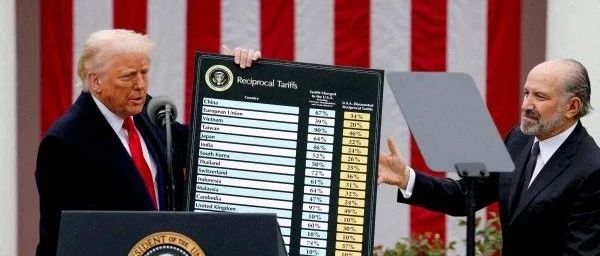
"在我的指示下,日本将向美国投资5500亿美元,美国将获得90%的利益。这是历史上最大规模的对日 交易",美国总统特朗普7月22日如此表示,对日本征收的对等关税税率降低到了15%。 根据此次协议,日本方面承诺通过政策性金融设置最高5500亿美元的资金额度,扩大对美直接投资。 美国商务部长卢特尼克7月23日就日美达成协议一事表示:"日本成了银行家",称"这是一种当美国想建 制药厂或半导体工厂时,由日本解决资金的机制"。他还表示,日美达成协议将成为美国与欧盟(EU) 等进行谈判的范例。日美贸易谈判在不知不觉之间演变成了对美投资谈判。 特朗普4月2日在总统令明确指出:"巨额贸易逆差是对美国的非同寻常的威胁,我宣布美国进入国家紧 急状态,将征收额外关税",就启动关税给出的法律依据是贸易逆差对美国构成威胁。 河浪武史:日美关税谈判达成了协议。"日本成了银行家","这是一种当美国想建制药厂或半导体工厂 时,由日本解决资金的机制"。特朗普4月2日发动关税战的理由是:巨额贸易逆差是对美国的非同寻常 的威胁…… 河浪武史: 日美关税谈判7月22日达成协议。金融市场以股价上涨来回应,经济界也普遍感到安心。接 近100天的谈判反映 ...
日美围绕关税协议的细节说明有出入
日经中文网· 2025-07-25 02:48
美国政府公布的协议概要文件中提到:"从日本进口的商品适用15%的基本关税率",但没有写明适用日 期。 特朗普政府公布了日美关税谈判协议概要,但并未写明15%对等关税等的适用日期。对于日本扩大美国 产大米进口,美方提到"将立即增加75%",但日本农相小泉表示"不是一个固定的框架"。关于购买防卫 装备,日方称"协议中不包括防卫费相关内容"…… 美国特朗普政府7月23日公布了日美关税谈判的协议概要。关于适用日期和对美投资框架,美方与日本 的说明存在很多出入或不明确之处。如果留下含糊其辞的内容,将对企业经营产生负面影响。日本政府 计划最快在下周公布汇总日美共识的文件,与此同时,努力向日本国内进行通俗易懂地说明也是当务之 急。 "15%的对等关税估计于8月1日生效",负责谈判的日本经济财政兼再生相赤泽亮正7月24日在东京羽田 机场对记者表示。日美双方针对将原计划从10%上调至25%的对等关税降至15%一事达成协议。关于从 总计27.5%降至15%的汽车关税,赤泽表示"希望尽快实施"。日本政府相关人士24日还提出看法称"将比 对等关税稍晚"。 日本称防卫装备不包括在内 关于日本扩大美国产大米进口,美方的文件提到"将立即增 ...