高工锂电

Search documents
57家材料及矿产企业H1业绩出炉:锂弱钴强,正负极/电解液/隔膜各有沉浮
高工锂电· 2025-09-05 08:55
Core Viewpoint - The article highlights the significant differentiation in performance among various sectors of the lithium battery supply chain in the first half of 2025, with notable trends in mineral resources, cathode materials, anode materials, electrolyte, and separator industries. Mineral Resources - The lithium market is experiencing a "weak lithium, strong cobalt" phenomenon, where lithium companies face dual pressures from capacity release and price declines, leading to revenue and profit impacts [2][4][6] - In contrast, cobalt companies benefit from supply-side policy changes and rising cobalt prices, resulting in improved performance for some, although others still face challenges from upstream and downstream price fluctuations [7] Cathode Materials - The cathode materials sector shows a clear divergence between lithium iron phosphate (LFP) and ternary materials, with LFP experiencing significant shipment growth but limited profit growth due to increased competition and cost fluctuations [8][10] - Ternary materials see a recovery in shipments driven by export increases and demand for power batteries, yet face declining market share and revenue pressures [11] Anode Materials - The anode materials sector performs well overall, with significant demand growth driven by policies and market recovery, leading to increased shipments and revenue for most companies [13][14] - However, some companies struggle due to operational issues, highlighting a trend towards industry concentration and product premiumization [15] Electrolyte - The electrolyte industry exhibits a bifurcation between leading companies and smaller firms, with top companies achieving revenue and profit growth due to their competitive advantages [17][19] - Price declines in lithium salts and competitive pressures have led to challenges for smaller firms, with some experiencing significant profit declines [20][21] Separators - The separator industry shows a trend of revenue growth but profit declines, as increased competition and cost pressures impact net profits despite rising shipment volumes [23][24] - The growth in demand for wet separators is driven by changes in downstream demand structures, yet many companies face profitability challenges as the industry moves towards average profit levels [26]

6F率先迎涨价拐点,锂电供需逆转中
高工锂电· 2025-09-05 08:55
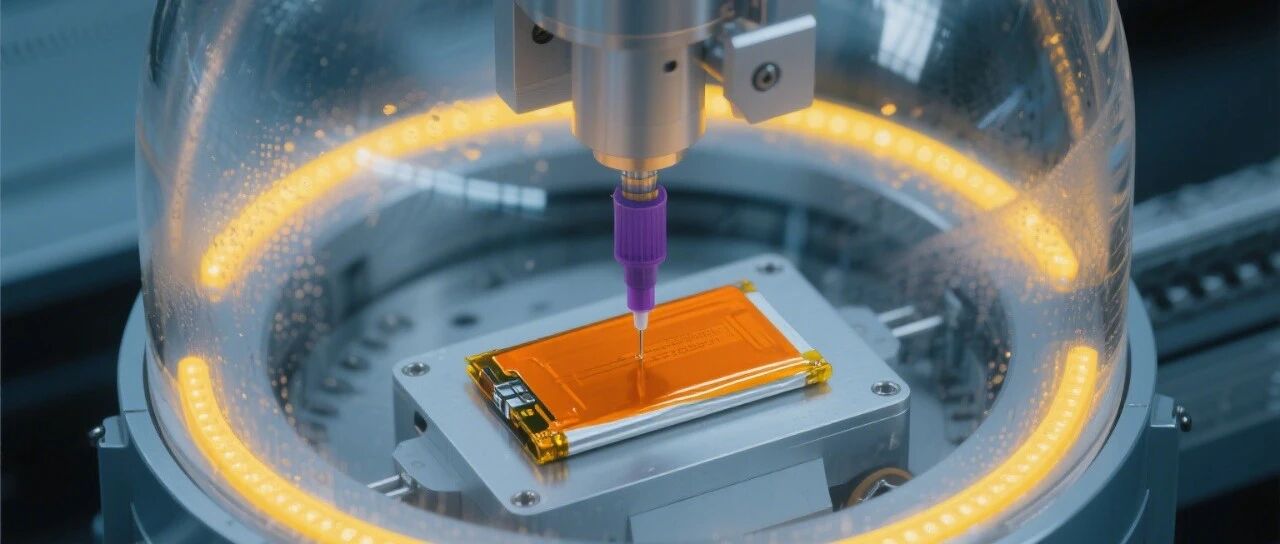
Core Viewpoint - Substantial demand growth is the direct driver of the current price increase in lithium hexafluorophosphate (6F) [2] Supply Side - The price of 6F has entered a rising cycle, with recent spot quotes reaching 58,500 yuan/ton, rebounding over 8,500 yuan/ton from mid-year lows [3] - The current monthly effective production capacity in the industry is approximately 24,500 tons, while September demand is expected to exceed 23,000 tons, indicating a tight supply-demand balance [6] - Major companies account for over 70% of the production, and the price rebound is not solely driven by lithium carbonate, as the actual price increase of 6F has exceeded the cost increment of 3,000-5,000 yuan/ton associated with lithium carbonate [6] - Limited expansion in supply is noted, with leading companies operating at over 80% capacity utilization, and some second and third-tier companies facing significant losses and low willingness to restart operations [9] - If high-cost production capacity does not resume, there remains a potential upward space of 5,000 yuan/ton for 6F processing fees [9] Demand Side - The explosive growth in energy storage demand is a key factor driving the price increase, with domestic and international energy storage cell production reaching historical highs since July [7] - Major manufacturers are operating at full capacity, and medium-sized integrators are experiencing slight increases in procurement prices for energy storage cells, indicating a transmission of price increases [7] - As the fourth quarter approaches, both domestic and overseas automotive companies are expected to ramp up orders, further boosting demand for lithium materials and 6F [7] - Industry estimates suggest that demand for energy storage and power batteries will maintain over 20% growth through 2025, providing long-term support for 6F [7] Future Outlook - The supply of 6F is expected to enter a tight balance, with a projected supply gap emerging by Q4 2026, potentially leading to stronger price elasticity for 6F [10]

每日速递|LG新能源攻克锂金属电池寿命难题
高工锂电· 2025-09-05 08:55
Battery - Zhongke Haina won a bid for a 20MWh sodium-ion battery energy storage project, marking a significant step in the engineering application of this technology [2] - Ganfeng Lithium's (Nanchang) battery production base project has reached 50% completion, with a total investment of approximately 4.07 billion yuan, aiming for production capacity of 10GWh of new lithium-ion batteries by July 2026 [3] Materials - The first public-type bonded warehouse for new energy battery materials in North China has officially started operations, focusing on lithium hydroxide, lithium carbonate, and cathode materials [6] Overseas - LG Energy Solution and KAIST announced a breakthrough in lithium metal battery technology, achieving a single charge range of 800 kilometers, a full charge time of 12 minutes, and a lifespan supporting 300,000 kilometers [9][10] - EOS Energy Enterprises plans to produce battery cathode materials domestically in the U.S. by the end of 2025 to mitigate the impact of tariffs [11] - Patriot Battery Metals reported progress in the permitting process for its lithium project in Quebec, with federal and provincial approvals now synchronized [13][14] - Natron Energy announced the closure of its operations in Michigan and California, laying off 95 employees after previously planning a $1.4 billion investment in a sodium-ion super factory [15]


12.5亿磷酸铁锂项目“折戟”背后
高工锂电· 2025-09-04 11:05
Core Viewpoint - The article highlights the contrasting situations in the lithium iron phosphate (LFP) industry, where leading companies are actively expanding production, while many small and medium-sized enterprises are struggling due to their products not meeting mainstream battery manufacturers' requirements, resulting in long-term idle capacity [3][11]. Group 1: Project Terminations - Fengyuan Co. recently announced the termination of its 50,000 tons per year lithium iron phosphate project in Yunnan, which had a total investment of 1.25 billion yuan [4]. - The project aimed to leverage local lithium resources to stabilize raw material supply and reduce production costs, but it faced significant delays and ultimately was terminated due to changes in the policy environment and lack of progress in approval procedures [5][6]. - Other companies, such as Chuanjinno and Zhonghe Titanium White, have also adjusted or terminated their LFP-related projects this year, citing market changes and demand slowdown as key reasons [7][8]. Group 2: Market Dynamics - The LFP industry is experiencing a structural contradiction characterized by "low-end capacity surplus and high-end capacity shortage," which explains the challenges faced by companies like Fengyuan Co. and indicates an impending industry reshuffle [11]. - The continuous decline in lithium battery product prices and intense market competition have forced companies to adjust their production capacity to avoid cost overruns and inventory buildup [8]. - The ongoing technological advancements in lithium battery materials have left some companies struggling, as their planned expansions are now considered outdated due to insufficient R&D investment [8][9]. Group 3: Industry Trends - The LFP materials have evolved to the fourth generation, with powder compaction density increasing from 2.40 g/cm³ to approximately 2.60 g/cm³, reflecting the industry's shift towards higher density products [9]. - The market demand for LFP materials is projected to grow significantly, with an expected shipment volume of 1.61 million tons in the first half of 2025, a year-on-year increase of 68% [10]. - Leading companies like Hunan Youneng and Fulin Precision have achieved over 90% capacity utilization, necessitating expansion to meet increasing demand for high-performance products [10].


每日速递|电动化进程低于预期,宁德时代退出芬兰电池项目
高工锂电· 2025-09-04 11:05
Battery - CATL exits the Finnish battery project, selling its 20.6% stake in Valmet Automotive to the Finnish government and Pontos, with the government injecting approximately €35 million into Valmet, resulting in a 79% ownership stake [2] - Huineng Technology announces collaboration with CEA-Liten to develop a modular, detachable solid-state battery that allows for individual cell replacement, aiming to reduce waste and maintenance costs, with a showcase planned for the 2025 Munich Motor Show [3] - Guangdong Jinseng New Energy submits a listing application to the Hong Kong Stock Exchange, focusing on the recycling of mainstream battery systems, including ternary lithium and lithium iron phosphate batteries, establishing a vertically integrated business model [5] Materials - Jiuwu High-Tech wins a bid for a lithium extraction project in the Lop Nur salt lake, with a contract value of 81.5 million yuan, which is expected to enhance the company's market share and performance in the lithium extraction sector [7] Overseas - SK On signs a supply agreement with Flatiron Energy for lithium iron phosphate batteries for energy storage systems, planning to supply up to 7.2 GWh of batteries from 2026 to 2030 [9] - SK On plans to convert part of its electric vehicle battery production line in Georgia, USA, to produce batteries for energy storage systems, with mass production expected to start in the second half of next year [11] - Volkswagen announces a reduction in production of its ID.4 electric SUV in the US due to lower-than-expected sales, indicating a need for manufacturers to adjust production plans in a competitive EV market [12] - Toyota announces plans to produce a pure electric vehicle model in its Czech Republic factory, marking its first local production of an all-electric model in Europe, with the Czech government investing up to €64 million in a new battery assembly facility [14]

10家设备企业H1业绩透视:头部企业靠“三板斧”领跑复苏
高工锂电· 2025-09-04 11:05
Core Viewpoint - The lithium battery equipment industry is experiencing a structural recovery despite some companies facing revenue and profit declines. A new wave of expansion is underway, driven by significant order growth among leading firms [1][3][10]. Group 1: Industry Performance - In the first half of 2025, among ten surveyed lithium battery equipment companies, six reported a year-on-year decline in revenue, and six experienced a drop in net profit [2][5]. - Notably, leading companies like Dazhu Laser and Xian Dao Intelligent achieved revenue growth rates of 19.8% and 14.9%, respectively, with Xian Dao Intelligent also reporting a net profit increase of over 60% [3][4]. Group 2: Demand and Supply Dynamics - The total shipment of lithium batteries in China reached 776 GWh in the first half of 2025, marking a 68% year-on-year increase, with power batteries and energy storage batteries growing by 49% and 128%, respectively [5][6]. - The current expansion cycle is characterized by a shift in order structure, with a surge in demand for new technology-related equipment such as solid-state batteries and high-voltage lithium iron phosphate [7][9]. Group 3: Competitive Landscape - The recovery in demand is not uniform, with smaller battery companies struggling to manage existing capacity, leading to a clear differentiation in equipment demand [8][9]. - Leading battery companies are increasingly collaborating with established equipment manufacturers, resulting in a pronounced "Matthew Effect" where stronger companies gain more market share [9][10]. Group 4: Strategic Responses - Companies are adopting differentiated strategies in response to the evolving industry landscape, focusing on cost control and operational efficiency rather than merely cutting expenses [11]. - Technological innovation is becoming a key factor for securing high-end orders, with companies like Xian Dao Intelligent and Hai Mu Xing making significant advancements in solid-state battery technology [12][13]. Group 5: Global Expansion - Globalization is crucial for amplifying the benefits of the expansion cycle, with leading companies actively pursuing international markets to enhance competitiveness [14]. - For instance, Hai Mu Xing reported a 192.5% year-on-year increase in overseas new orders, indicating a successful global strategy [14]. Group 6: Future Trends - The new expansion cycle is expected to accelerate the industry's "clearing and upgrading" process, leading to a more optimized market structure where value competition will replace scale competition [15][16]. - Companies that can convert technological advantages into market share and leverage international expansion for sustained growth will emerge as leaders in the high-quality development phase of the lithium battery equipment industry [17].

硫化锂量产突围,2026角逐千吨级市场
高工锂电· 2025-09-04 11:05
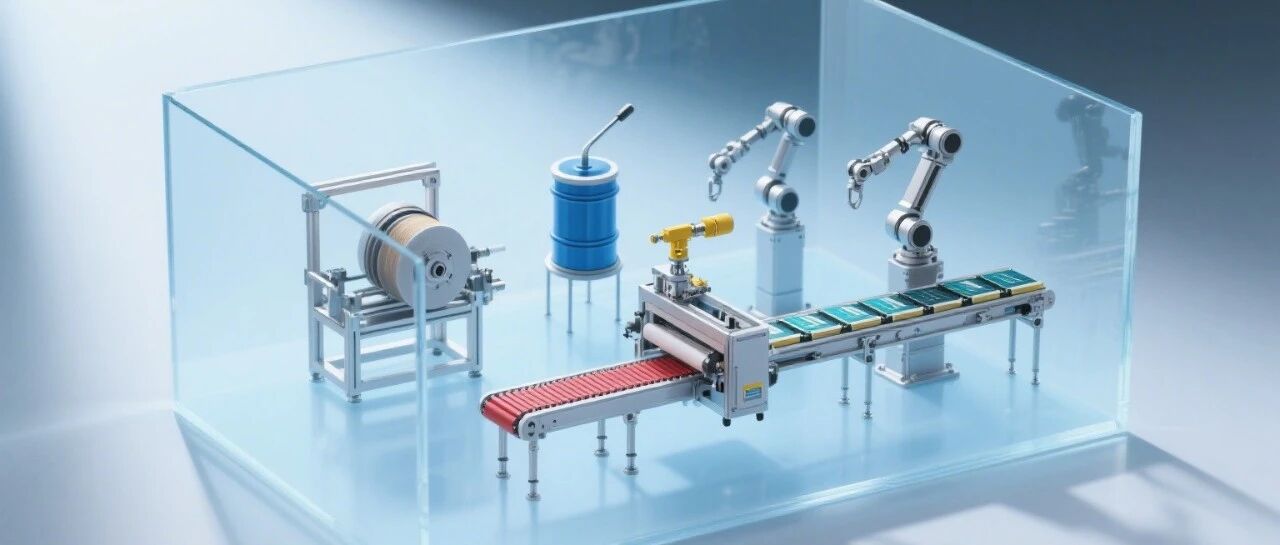
Core Viewpoint - The lithium sulfide sector is experiencing significant growth, with multiple companies ramping up production capabilities and advancements in solid-state battery technology [3][4][9]. Group 1: Industry Developments - Tianqi Lithium announced the commencement of a pilot project for lithium sulfide with an annual production capacity of 50 tons in Sichuan, emphasizing low risk and rapid mass production [3]. - Enjie Co. reported the completion of a pilot line for high-purity lithium sulfide with a capacity of 100 tons, indicating a strong focus on scaling production [4]. - The demand for lithium sulfide is projected to reach a hundred-ton level by 2025 and potentially escalate to a thousand tons by 2026, indicating a faster-than-expected growth trajectory [4]. Group 2: Cost and Performance Challenges - Lithium sulfide constitutes 77% to 80% of the cost of solid-state electrolytes, with current market prices ranging from 3 million to 4 million yuan per ton, making cost reduction critical for the commercialization of solid-state batteries [5]. - The purity of lithium sulfide is essential for high-performance solid-state electrolytes, with impurities adversely affecting ionic conductivity and posing safety risks [6][7]. Group 3: Technological Approaches - Companies are adopting various technological routes for lithium sulfide production, including: 1. **Hydrogen Sulfide Neutralization Method**: This method has achieved scale, with Shanghai Xiba leading the way and aiming to reduce prices significantly [10][11]. 2. **Liquid Phase Method**: Companies like Tianqi Materials and Huasheng Lithium have leveraged their expertise in electrolyte and fine chemicals to optimize this method, although it faces challenges related to organic solvent residues [12][13]. 3. **Lithium-Sulfur Direct Solid Phase Method**: Major lithium companies are exploring this route, which can yield high-purity products but faces scalability challenges due to the cost of lithium metal [14]. 4. **Carbothermic Reduction Method**: Enjie and Rongbai Technology are focusing on this method, which has cost advantages but must overcome issues related to carbon residue [15]. Group 4: Equipment and Process Challenges - The production of lithium sulfide requires specialized equipment due to its corrosive nature and sensitivity to moisture and oxygen, with three main equipment solutions currently in use [16]. - The hydrogen sulfide-lithium hydroxide method is currently leading in terms of production capabilities, but breakthroughs in other methods could reshape the competitive landscape [17].
每日速递|亿纬锂能“龙泉二号”全固态电池成功下线
高工锂电· 2025-09-03 09:19
Battery - EVE Energy's "Longquan No. 2" all-solid-state battery has successfully rolled off the production line, with a high energy density of 300Wh/kg and a volume energy density of 700Wh/L, targeting high-end applications such as humanoid robots and low-altitude aircraft [2] - Guoxuan High-Tech reported that it shipped approximately 40GWh of lithium batteries in the first half of the year, with a year-on-year growth of over 48%, and is expected to maintain a growth trend in shipments this year [3][4] - Guoxuan High-Tech's first all-solid-state battery pilot line is in trial production with a yield rate of 90%, and the design work for a 2GWh mass production line has officially started [4] Materials - Foshan Plastics Technology plans to acquire 100% of Hebei Jinli New Energy Technology Co., Ltd., entering the lithium battery separator field, which will enhance procurement capabilities and reduce costs [6] - Deyang Nano has successfully developed the fifth generation of high-performance lithium iron phosphate materials, currently in trial production, with the fourth generation gaining customer recognition [8] Project Developments - Tianjin Binhai Energy Development's subsidiary has signed a contract for a 50,000 tons/year lithium battery anode material project, which is about to enter the construction phase [9] Overseas Developments - General Motors announced that its electric vehicle sales in the U.S. exceeded 21,000 units in August, setting a monthly sales record [12] - LG Energy Solution signed battery supply agreements with Mercedes-Benz for a total supply of 107GWh, with contracts extending from 2028 to 2035 [14] - Oman has established the National Green Mobility Company to promote electric transportation, with an investment of approximately $7.5 million [16]



磷酸铁锂企业H1盈利修复 第四代LFP加速放量
高工锂电· 2025-09-03 09:19
Core Viewpoint - Profit recovery and capacity structure adjustment are becoming the main themes for lithium iron phosphate (LFP) companies throughout the year [1][20]. Group 1: Industry Overview - Major LFP companies have seen a turning point in profit recovery in the first half of the year, with reduced losses reported by Wanrun New Energy, Defang Nano, Longpan Technology, and Anda Technology [2]. - Leading LFP companies are expanding their scale and improving capacity utilization by locking in long-term contracts, which has led to improved gross margins [3]. - The industry is shifting towards the fourth generation of lithium iron phosphate, with the shipment proportion of high-pressure dense lithium iron phosphate expected to reach 15% by the end of the year, doubling from 2024 [3]. Group 2: Company Performance - **Hunan Yuno**: Achieved revenue of 14.358 billion yuan, a year-on-year increase of 33.17%, with a net profit of 305 million yuan, down 21.59% [5][7]. - **Wanrun New Energy**: Revenue reached 4.436 billion yuan, up 50.49%, with a net loss of 266 million yuan, but the loss narrowed compared to the previous quarter [8]. - **Defang Nano**: Reported revenue of 3.882 billion yuan, a decrease of 10.58%, with a net loss of 391 million yuan, although the loss margin improved [10]. - **Longpan Technology**: Revenue of 3.622 billion yuan, up 1.49%, with a net loss of 85 million yuan, a reduction of 61.70% in losses [12]. - **Fulin Precision**: Revenue increased to 5.813 billion yuan, a growth of 61.70%, with a net profit of 174 million yuan, up 32.41% [15]. - **Anda Technology**: Revenue of 1.536 billion yuan, a significant increase of 126.80%, with a reduced net loss of 168 million yuan [18]. Group 3: Challenges and Adjustments - Companies face common issues such as rising accounts receivable and increased debt ratios due to new project investments [3]. - Hunan Yuno's accounts receivable rose to 6.302 billion yuan, accounting for 18.86% of total assets, indicating high customer concentration risks [7]. - Anda Technology's aggressive capacity expansion has led to a debt ratio of 62.88%, raising concerns about the ability to absorb new capacity if market demand changes unfavorably [18]. Group 4: Future Outlook - The industry is expected to shift from "scale expansion" to "quality improvement," with a focus on upgrading products to the third and fourth generations of lithium iron phosphate [20][21]. - Companies are also exploring integrated layouts to mitigate raw material price fluctuations and enhance profit margins [22].
全场景电动化加速大圆柱验证,逸飞激光“牵头”技术升级
高工锂电· 2025-09-03 09:19
Core Viewpoint - The active demand in the large cylindrical battery terminal market is driving technological iteration and the maturity of production processes [3][10]. Group 1: Market Trends and Projections - By 2025, the industrialization and commercialization of large cylindrical batteries will accelerate, with increasing penetration in the passenger car market due to advantages in energy density, fast charging, and safety [4]. - The demand for large cylindrical batteries is expected to explode as they expand into various applications, including energy storage, eVTOL, lightweight power, and more [5][6]. - High-tech research predicts that by 2030, the shipment volume of cylindrical batteries in China will exceed 400 GWh, with a compound annual growth rate of over 50.1% from 2023 to 2030 [5]. Group 2: Technological Advancements and Collaborations - The project initiated by Yifei Laser aims to enhance the mass production process and equipment level of large cylindrical batteries through collaborative innovation among government, industry, academia, and research [6][10]. - The focus of the project is on the laser welding of full-tab cylindrical batteries, addressing challenges such as high-reflectivity materials and precise temperature control during welding [6]. - Yifei Laser has made significant breakthroughs in key processes and technologies for full-tab cylindrical batteries, achieving mass production with a yield of thousands of parts per million (ppm) [5][10]. Group 3: Industry Collaborations and Equipment Development - Yifei Laser has launched a series of equipment for assembling full-tab cylindrical battery cells, which are favored by leading battery manufacturers and automotive companies due to their high efficiency and yield [8]. - The company has provided professional and efficient technical verification and engineering services to over 170 universities, research institutes, and industry chain enterprises, effectively addressing key bottlenecks in technology transfer [10].