高工锂电

Search documents
每日速递|多氟多:动力电池已排产至12月
高工锂电· 2025-09-09 10:36
Battery - Duofuduo has seen a surge in orders for its power battery business, with production scheduled until December, indicating strong growth momentum. The company expects stable growth in power batteries next year, with significant increases in energy storage and two/three-wheeler batteries, potentially reaching a shipment volume of 30 GWh if capacity is fully released [2] - CATL's sodium-ion battery has become the first globally to pass the new national standard certification for electric vehicle power batteries, indicating advancements in battery technology [3] - Chuangneng signed an investment agreement for an 80 GWh lithium battery project in Yichang, which is expected to create over 6,000 jobs upon reaching full production [4] Materials - Huayou Cobalt announced the sale of 25% of its stake in BCM to Toyota Tsusho for approximately $12.12 million, aiming to comply with the U.S. "Inflation Reduction Act" and EU CRMA regulations, while optimizing BCM's equity structure to enhance competitiveness in the U.S. cathode materials market [6][7] Equipment - Xianhui Technology has received a notification to build a battery production line project in Hungary for a leading global battery company, showcasing its capabilities in the international market [9] - Liyuanheng has secured a contract to provide a module PACK production line for a leading commercial vehicle battery manufacturer in Poland, indicating growth in the European market [11] - Huazi Technology expects to deliver samples of all-solid-state battery hot-pressing fixtures in the fourth quarter, reflecting its commitment to advancing solid-state battery technology and meeting the demands of leading lithium battery manufacturers [12]

电动自行车新国标下,电池后装市场“起风”
高工锂电· 2025-09-08 11:38
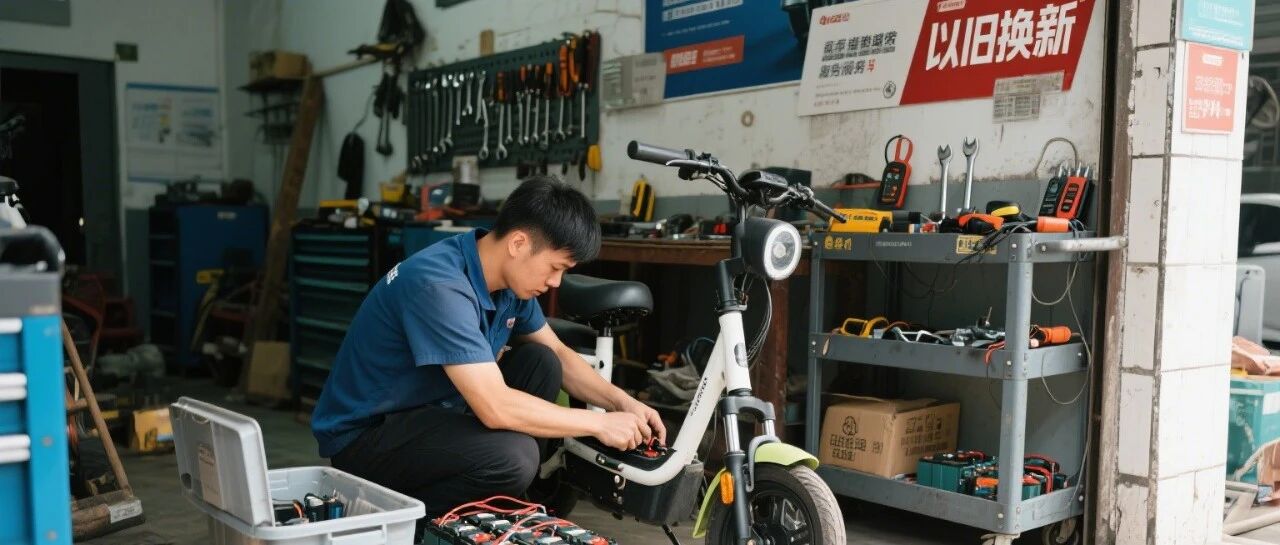
Core Viewpoint - The electric bicycle battery aftermarket is transitioning from a modification mindset to providing compliant battery replacement, trade-in, and recycling services for consumers [1][3]. Group 1: Market Overview - The electric bicycle ownership in China is between 350 million to 400 million units, with a significant number of non-compliant vehicles under the old standards, making regulation challenging [2]. - The new national standard requires that all new electric bicycles produced after September 1 must comply with the new regulations, while sales of non-compliant vehicles must clear by November 30 [2][3]. Group 2: Regulatory Changes - The new standard emphasizes anti-tampering designs, requiring battery replacements to match original factory parameters, which raises the technical barrier for illegal modifications [5]. - Local governments are conducting comprehensive inspections of electric bicycle sales and repair units to ensure compliance with the new standards [5]. Group 3: Battery Recycling and Recovery - The lead-acid battery recycling market is relatively mature, with companies like Tianneng Group creating a closed-loop system for recycling and production [6]. - The Ministry of Industry and Information Technology is promoting the health assessment and recycling of lithium-ion batteries, with companies like Xingheng establishing nationwide recovery networks [6][7]. Group 4: Industry Dynamics - The new standard has relaxed weight limits for lead-acid batteries, leading to an expected 18% year-on-year increase in lead-acid battery sales in the first half of 2025 [9]. - Major lead-acid battery manufacturers are rapidly developing new products to meet the new standards, while lithium battery companies are also entering the two-wheeler market [10][11]. Group 5: Future Outlook - The gradual replacement of lead-acid batteries by lithium batteries is anticipated, with a focus on improving driving experience and range [11]. - As the lithium battery recycling market becomes more standardized, it is expected to create a complete value chain that encourages recycling and limits battery modifications [11].
每日速递|比克发布46137大圆柱两轮车电池
高工锂电· 2025-09-08 11:38
Battery - Bick Battery has launched the PRO-MAX 46137 battery, designed for electric two-wheelers, featuring a high energy density of 190Wh/kg and a volume energy density of 490Wh/L, with a single cell capacity of 30Ah [2] - CATL introduced the NP3.0 technology platform, which ensures no flames or smoke during thermal runaway, enhancing safety for lithium iron phosphate batteries [3] - Weilan Haibo has commenced mass production of the SHS180-314Ah semi-solid-state battery, with an estimated annual production capacity of 3.6GWh, capturing over 90% of the domestic solid-state energy storage battery market [5] Materials - Sichuan Huayi Qingchuang plans to invest 1 billion yuan to establish a silicon-based anode material project for all-solid-state batteries [8] - Tianji Co. has received a patent for lithium sulfide materials, which are essential for producing solid-state battery electrolytes, and is advancing the industrialization of this technology [10] - A lithium iron phosphate production project by Beike New Energy in Hebei is set to produce 2,000 tons annually, with construction of a production line underway [12] Equipment - Liyuanheng has successfully launched a PACK production line for energy storage modules in the Czech Republic, marking significant progress in its international market expansion [14] Overseas - Kodal Minerals has obtained an export license for lithium spodumene concentrate from its Bougouni lithium mine in Mali, allowing for the shipment of up to 125,000 tons [15]
8月新能源车销量TOP12:比亚迪领跑,零跑第二
高工锂电· 2025-09-08 11:38
以下文章来源于高工产研 ,作者GGII 高工产研 . 高工产业研究院(简称GGII)是一家专注国内新兴产业市场研究与咨询的第三方机构,涉及的新兴产 业主要包括锂电池、储能、氢能与氢燃料电池、新能源汽车、智能汽车、LED照明与显示、机器人、新 材料等。 摘要 从GGII跟踪统计目前已公布的8月份部分车企新能源车销量数据来看,除鸿蒙智行、理想、智己较上月出 现小幅下滑外,其余企业均出现不同程度的增长。 随着国家第三批补贴资金7月末陆续到位后,全国各地以旧换新补贴相继重启,终端汽车市 场消费潜力进一步释放,促使8月新能源车市场整体呈现稳健增长态势。从GGII跟踪统计目 前已公布的8月份部分车企新能源车销量数据来看,除鸿蒙智行、理想、智己较上月出现小 幅下滑外,其余企业均出现不同程度的增长 。其中,蔚来汽车在乐道L90上市大卖的助推 下,8月交付量高达3.1万辆,时隔34个月首次赶超理想汽车。 | | | | 2025年8月新能源车销量&交付量排名 | | | | | --- | --- | --- | --- | --- | --- | --- | | 排名 | 品牌 | 8月销量 (辆) | 环比增速 | 同比增 ...
“为欧洲而来”:宁德时代全球首发NP3.0技术及神行Pro电池
高工锂电· 2025-09-08 11:38
Core Viewpoint - CATL aims to become an indispensable participant in Europe's electrification transition process [3] Group 1: Product Launch and Technology - On September 7, CATL held a product launch in Munich, showcasing the NP3.0 technology platform, which is the highest safety level in the battery field, and the Shenshan Pro lithium iron phosphate battery [4][6] - The NP3.0 technology platform integrates eight core technologies, creating a "safety triangle" for power battery systems [7] - Compared to the NP2.0 platform, NP3.0 has made significant breakthroughs in safety protection, chemical systems, structural design, and intelligent control [8][9] Group 2: Battery Performance and Market Adaptation - The Shenshan Pro battery offers a long-life version with a range of 758 kilometers (WLTP) and can last for 12 years or 1 million kilometers while maintaining 70% of its original capacity [17] - The ultra-fast charging version achieves a range of 683 kilometers (WLTP) and can charge 478 kilometers in just 10 minutes [18] - The battery's performance in extreme cold conditions is highlighted, with the ultra-fast charging version maintaining its capabilities even at -20°C [18] Group 3: Local Production and Strategic Goals - CATL's European strategy includes local production to support the green transition, with plans to start production at the Debrecen factory by the end of this year or early next year [20] - The Debrecen factory, with an investment of 35.3 billion HKD and a capacity of 100 GWh, will support local production for major European automakers [21] - The factory's construction aligns with the EU's new battery regulations, which set stringent requirements for battery production and certification [22] Group 4: Sustainability and Circular Economy - CATL is committed to a vision of a circular economy, aiming for 50% of new battery production to move away from mineral extraction within the next 20 years [23] - The company's strategy is multi-layered and systematic, focusing on local production, technological leadership, and alignment with green and circular economy goals [24]
蔚来技术输出迈凯伦,中国电动化技术授权潮起
高工锂电· 2025-09-07 10:55
Core Viewpoint - The article discusses the strategic shift of Chinese electric vehicle (EV) companies from technology importation to technology exportation, exemplified by NIO's collaboration with McLaren and XPeng's partnership with Volkswagen [5][7]. Group 1: NIO and McLaren Collaboration - NIO's chairman Li Bin confirmed a technology partnership with McLaren, with technology service revenue reaching several hundred million yuan in Q2 [3][4]. - NIO will develop power batteries based on 4680 cylindrical batteries for McLaren's hybrid models, with small-scale production expected in 2026 [4]. - The collaboration is facilitated by CYVN Holdings, which invested approximately $3.3 billion in NIO, acquiring a 20.1% stake [6]. Group 2: XPeng and Volkswagen Partnership - XPeng has achieved stable technology service revenue, with Q2 service and other income at 1.39 billion yuan, a 7.6% year-on-year increase, primarily from its collaboration with Volkswagen [8]. - The partnership has been upgraded, expanding the application of the jointly developed regional control electronic architecture (CEA) to include fuel and hybrid models starting in 2027 [8]. Group 3: Technology Authorization Models - The article highlights the differences between technology authorization models for battery companies and vehicle manufacturers, with NIO-McLaren and XPeng-Volkswagen representing a "mentor-mentee" relationship [9]. - Technology authorization is seen as a key method for Chinese battery companies to serve global markets, particularly in the context of lithium iron phosphate battery technology [9][10]. - Despite challenges posed by the "Inflation Reduction Act" in the U.S., the technology authorization model continues to show resilience and opportunities in global markets [12][15]. Group 4: Global Market Trends - European automakers are accelerating their electrification efforts, collaborating with battery companies to build cost-competitive supply chains [10]. - Fiat Chrysler is exploring local production based on lithium iron phosphate technology in partnership with CATL to address market stagnation and high costs [10]. - Companies like Honeycomb Energy are considering light-asset models for battery capacity in Europe, indicating a strategic shift towards partnerships rather than large-scale investments [11][12]. Group 5: Development of Cylindrical Batteries - The collaboration between NIO and McLaren focuses on cylindrical batteries, which are gaining attention for their application potential in high-end models [17]. - Major automakers like Mercedes-Benz and BMW are investing in cylindrical battery technology, with Mercedes-Benz procuring 157.5 GWh of 46 series cylindrical batteries for their models [18]. - Chinese battery companies are leading the maturation of cylindrical battery technology, with companies like EVE Energy achieving significant production milestones [20][21].

钢壳电池扩产潮起:iPhone17、AI眼镜、电动重卡多重带动
高工锂电· 2025-09-07 10:55
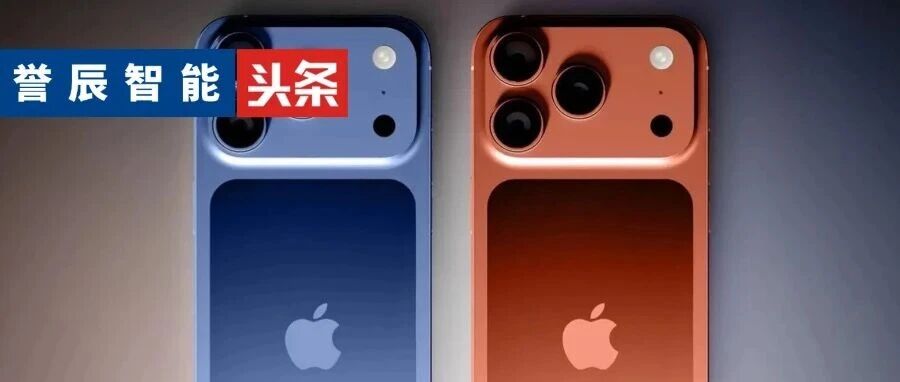
Core Viewpoint - The article discusses the significant shift in the consumer electronics supply chain driven by the adoption of steel shell batteries, particularly in smartphones, highlighting the financial forecasts and technological advancements in laser welding and battery design [2][3][29]. Group 1: Market Trends and Company Developments - Laser equipment manufacturer Lianying Laser reported that orders for welding equipment for small steel shell batteries reached 400 to 500 million RMB in the first half of 2025, with expectations for continued growth [2]. - Apple is expected to adopt steel shell batteries across all models of the iPhone 17 series, following the introduction of this technology in the iPhone 16 Pro [3]. - Samsung is actively developing its SUS CAN stainless steel shell solution, aiming for application in flagship smartphones by 2026 [5]. Group 2: Technological Advancements in Battery Design - The evolution of battery packaging is moving from soft-pack winding to soft-pack stacking and now to steel shell stacking, indicating a structural transformation in battery design [4]. - Steel shell batteries offer superior physical properties, allowing for thinner and more robust smartphone designs, with the iPhone 17 series potentially featuring batteries as thin as 2.5 mm [8][9]. - The use of steel shell batteries has improved space utilization in smartphones by 18% and increased battery capacity by 9% in the iPhone 16 Pro [12]. Group 3: Safety and Cost Benefits in Power Batteries - In the power battery sector, the application of steel shells is driven by cost savings, safety, and integration with vehicle structures, with steel battery casings potentially reducing costs by up to 50% compared to aluminum [17]. - The structural strength of steel shells provides better protection against battery failures due to chassis impacts, with steel shell strength reaching 550 MPa compared to 95 MPa for aluminum [17]. - Steel's higher melting point offers better safety in extreme conditions, providing longer escape times for passengers during thermal runaway events [18]. Group 4: Manufacturing Innovations - The scalability of steel shell batteries relies on advancements in manufacturing processes, particularly in laser welding and stamping technologies [21]. - Lianying Laser has developed high-speed turret welding technology to address precision challenges in welding steel shells for batteries [22]. - The introduction of new stamping techniques, such as DWI, has improved the efficiency and yield of steel shell production [26]. Group 5: Supply Chain and Material Developments - The domestic production of pre-plated nickel steel strips, essential for high-end battery casings, is set to enhance cost efficiency and supply chain security [27]. - Recent breakthroughs in material science have improved the forming characteristics of steel under extreme conditions, increasing production yield rates significantly [28].

车市“金九银十”开启,提振电池产业链需求
高工锂电· 2025-09-06 12:22
Core Viewpoint - The domestic battery industry chain has seen a month-on-month increase in production capacity in September, driven by the automotive market's recovery and the growing demand for energy storage solutions [1][7]. Group 1: Automotive Market Trends - The Chengdu Auto Show has commenced, with a focus on sales and inventory turnover rather than luxury brand showcases [2]. - The introduction of semi-solid batteries in mass production and advanced driver assistance systems in vehicles priced around 100,000 yuan is notable [2][4]. - The automotive market is expected to perform better in September compared to August, aided by the reintroduction of national subsidies and a peak delivery period for energy storage [3][6]. Group 2: Battery Production and Demand - The production capacity of the domestic battery industry in September reached 152 GWh, marking a 13.4% month-on-month increase and a 38.2% year-on-year increase [7]. - Energy storage battery production has surpassed that of power batteries for the first time, accounting for 38.5% of total production in September [9]. - Major battery manufacturers are experiencing significant order backlogs, with CATL's orders exceeding 48 GWh, extending production schedules into Q1 2026 [9]. Group 3: Material Supply and Pricing - The production of lithium iron phosphate (LFP) batteries is expected to increase by approximately 5% in September, with current market prices stabilizing at 76,700 yuan per ton [10]. - High-density LFP products are in high demand, leading to prioritization in production and maintaining premium pricing [11]. - The negative electrode material sector is also seeing growth, with a projected production increase of 6.32% in September [11]. Group 4: Market Strategies and Consumer Behavior - The automotive industry is shifting from aggressive discounting to upgrading configurations at similar price points, indicating a change in market strategy [4]. - The introduction of new consumer policies and subsidies is expected to alleviate consumer hesitation, leading to increased sales for innovative companies like NIO, Xpeng, and Great Wall [6].



宁德时代退出芬兰Valmet:电动化放缓与自主战略的双重博弈
高工锂电· 2025-09-06 12:22
Core Viewpoint - CATL has recently sold its 20.6% stake in Valmet Automotive, marking the end of its 8-year overseas investment, which reflects a strategic shift in its European ambitions and the completion of Valmet's "nationalization" [3][9]. Group 1: Valmet Automotive's Transition - Valmet has accelerated its battery system (EVS) business, with its battery module production line in Salo starting operations in 2019, achieving a production capacity of 800,000 units in 2023 and surpassing 2 million units cumulatively [4][5]. - In 2023, Valmet's EVS business revenue exceeded €1 billion for the first time, despite a 21.8% year-on-year decline in its traditional automotive contract manufacturing (VCM) revenue due to the termination of the Mercedes GLC production line in June 2022 [5][6]. Group 2: Market Challenges and Opportunities - The demand for fuel vehicles in Europe is declining, and while electric vehicle contract manufacturing has higher profit margins, Valmet faces insufficient new orders due to slower electrification progress and an overall downturn in the European automotive market [6]. - In 2024, European BEV sales are projected to be 1.993 million units, a 1.3% year-on-year decrease, with Finland's BEV sales dropping by 30.3% [6]. - Finland's electric vehicle average price remains higher than traditional fuel vehicles, and the country offers less subsidy and tax incentives compared to neighboring countries like Sweden and Denmark, impacting growth [6]. Group 3: Finland's Strategic Positioning - Finland is among the first countries to release a national battery strategy, focusing on building a complete value chain from raw materials to battery manufacturing and recycling [7]. - The extreme environment in Finland has driven battery technology innovation, and the high penetration of renewable energy is promoting large-scale energy storage [8]. - Valmet plans to spin off its battery business into a separate subsidiary, IONCOR, which will further enhance its position as a leading independent battery system supplier in Europe [8]. Group 4: Government Involvement and Future Prospects - The nationalization of Valmet reflects the Finnish government's intention to gain greater influence in the electrification sector, with the government already holding a 70% stake in IONCOR and committing an additional €20 million investment [9]. - Collaborative projects, such as the Keliber lithium project, aim to establish local production of battery-grade lithium hydroxide, providing essential materials for electric vehicle battery production [10]. Group 5: Implications for Chinese Enterprises - The strategic adjustments in Finland suggest that Chinese companies need to adopt more flexible strategies to enter the European market, including joint ventures and technology licensing to meet EU localization requirements [11][12]. - Long-term strategies should involve integrating compliance requirements into the entire lifecycle of product design, production, and recycling, as well as establishing R&D centers and brand ecosystems [12].
韩企再拿7.2GWh磷酸铁锂电池订单
高工锂电· 2025-09-05 08:55
Core Viewpoint - The article highlights the shift of overseas integrators towards non-Chinese supply chains for lithium iron phosphate (LFP) batteries, driven by policy incentives, with South Korean companies securing significant orders in North America [4][6]. Group 1: Market Dynamics - SK On has signed a 7.2GWh LFP battery order with Flatiron Energy Development, following LG Energy's $4.3 billion order with Tesla, indicating a strategic move by Korean firms in the booming global energy storage market [4][5]. - LFP batteries have captured nearly 90% of the energy storage market due to their cost control and stability advantages, with North America emerging as the second-largest energy storage market [5][6]. Group 2: Competitive Landscape - Chinese battery companies have established a presence in North America, with firms like Ruipu Lanjun and Envision Energy accelerating partnerships with overseas integrators to secure long-term supply contracts [5][6]. - The U.S. regulatory environment, including tariffs and the Inflation Reduction Act, has made it challenging for Chinese battery projects to qualify for tax incentives, prompting a shift in procurement strategies among North American integrators [6][9]. Group 3: Technological Advancements - Korean companies are rapidly adapting their production lines to focus on energy storage, while also planning to expand into the power battery sector [6][9]. - Chinese battery manufacturers are not resting on their laurels; they are investing in next-generation technologies to maintain their competitive edge, with a significant milestone expected in 2025 when high-pressure LFP materials enter industrialization [8][9]. Group 4: Strategic Partnerships - LG Energy has made substantial commitments, including a record 100 billion yuan order for LFP cathode materials and joint ventures for LFP production facilities, underscoring the reliance on Chinese supply chains [7][9]. - The Chinese battery industry has established a stronghold in the LFP supply chain, making it difficult for other countries to replicate this advantage in the short term [7][9].