FBeauty未来迹

Search documents
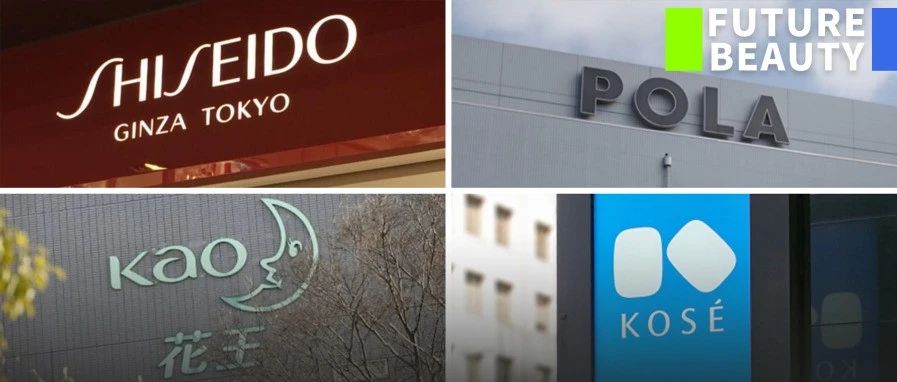
日妆巨头们,从未像今天这样渴望“本土化”
FBeauty未来迹· 2025-08-13 10:53
Core Viewpoint - Japanese cosmetics companies are facing significant challenges in the Chinese market, with declining sales and profits, prompting a need for strategic transformation to regain market share and adapt to local consumer demands [2][3][14]. Group 1: Market Performance - Shiseido's sales in China fell by 10% in the first half of 2025, while Kose's business declined by 7.3%, and POLA's net profit dropped by 38% due to market weakness [3][10][13]. - The overall sales of Japanese cosmetics in China have been adversely affected by the rise of local brands and external factors such as the nuclear wastewater incident [3][4]. - In the first half of 2025, Shiseido's global sales were 469.83 billion yen (approximately 22.86 billion RMB), down 7.6% year-on-year, but core operating profit increased by 21.3% to 23.37 billion yen (approximately 1.14 billion RMB) [7][8]. Group 2: Strategic Adjustments - Japanese companies are focusing on high-end markets and localizing their operations to better meet consumer needs in China [16][22]. - Shiseido plans to integrate its China and travel retail operations into an independent profit center to enhance brand synergy and respond to the trend of high-end market penetration [16][32]. - Kose is implementing a strategy of channel optimization and brand restructuring, emphasizing high-end and mass-market segments while enhancing local R&D and marketing efforts [24][31]. Group 3: Future Outlook - Despite current challenges, Japanese companies remain optimistic about the long-term growth potential in the Chinese market and are accelerating their transformation efforts [16][32]. - The focus on high-quality growth rather than short-term sales boosts is evident in Shiseido's strategy, which includes significant investments in core brands and new product launches [18][32]. - The ability to adapt to local consumer preferences and integrate local insights into product development will be crucial for Japanese brands to maintain competitiveness in the evolving Chinese beauty market [27][32].

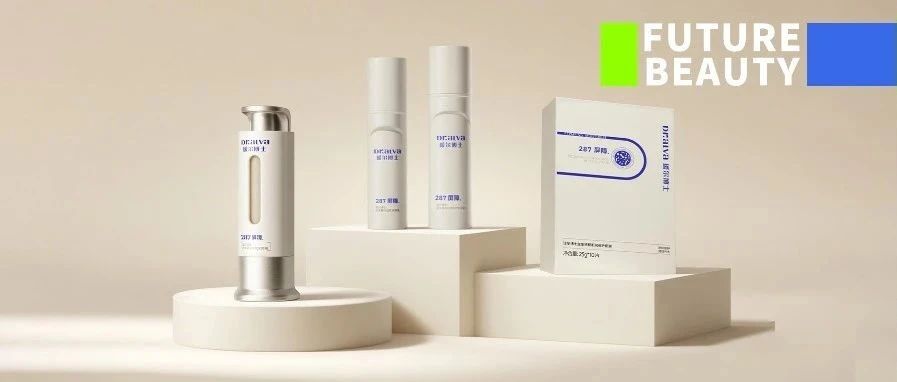
揭秘 | 瑷尔博士“287屏障科技”新品,为什么上市即爆?
FBeauty未来迹· 2025-08-12 11:36
Core Viewpoint - The article highlights the successful launch of the "287 Barrier Technology" series by Yal Doctor, achieving over 10 million in sales within 50 days, driven by a strong focus on long-term research and development rather than short-term marketing tactics [3][16]. Group 1: Research and Development Strategy - Yal Doctor has established a unique research moat in the field of skin microbiome, focusing on Chinese skin characteristics since its inception in 2018, with foundational research dating back to 2015 [6][8]. - The brand's research team has collected over 10,000 skin microbiome samples from various regions in China, creating the first "Chinese Healthy Skin Microbiome Resource Bank" with over 2,000 core strains identified [7][9]. - Yal Doctor has built a comprehensive platform system for research, application, product development, and efficacy evaluation, supported by two major databases [7][9]. Group 2: Product Development and Market Launch - The "287 Barrier Technology" was developed based on the identification of a specific strain, CCSM0287, which exhibits exceptional barrier repair capabilities and has been patented [10][11]. - The new product line, including masks and lotions, was launched with a focus on user experience and scientific backing, leading to rapid market acceptance and positive consumer feedback [12][16]. - The brand's sales strategy emphasizes a "research first, marketing later" approach, ensuring that products are backed by solid scientific evidence before reaching consumers [8][18]. Group 3: Market Position and Future Outlook - Yal Doctor has positioned itself as a leader in the skin microbiome skincare sector, transitioning from a pioneer to a market leader through substantial research investments and a systematic operational approach [8][15]. - The successful market performance of the "287 Barrier Technology" series reflects the brand's ability to convert research into profitable products, establishing a sustainable business model [16][19]. - As consumer acceptance of microbiome skincare grows, Yal Doctor is expected to enhance its influence in both the Chinese and global markets, potentially setting new industry standards [20].

超千亿个人洗护市场,迎来“四重进化”
FBeauty未来迹· 2025-08-12 11:36
Core Insights - The personal care market in 2025 is experiencing a "comprehensive acceleration" with online sales rebounding and body care leading the segment with a growth rate of 27% [3][5] - Brands must capture trends and build differentiated competitive advantages to secure growth in the next phase [4] Market Performance - The online personal care market shows a strong rebound, with mainstream e-commerce platforms reporting a 22.8% year-on-year sales growth [5] - Body care and hair care together account for over 90% of the market share, with body care's share rising to 56% and a market size exceeding 65.1 billion yuan, reflecting a 27% year-on-year growth [5] - The hair care market is close to 51.9 billion yuan, with a year-on-year growth of 17.9% [5] Consumer Demographics - Women aged 21-35 in first-tier and new first-tier cities represent over 70% of the consumer base, with female users making up over 85% [7] - The proportion of the under-30 age group has increased by 3.6%, indicating a rising interest in personal care among younger consumers [7] Evolving Consumer Demands - Core efficacy demands include hydration, oil control, and skin beautification, but niche demands are rapidly growing, such as products for hair loss and body acne [9] - Discussions around body care are expanding to include localized care for areas like the private parts, neck, chest, and nails, reflecting a trend towards more detailed body care [9] Product Trends - Fragrance body care is particularly prominent, driven by emotional value and sensory experience, with localized care products emerging [11] - Scent is becoming a crucial decision factor in beauty and personal care consumption, especially in hair and body care categories [14] - Sales of fragrance hair care products reached 9.37 billion yuan, with a year-on-year growth of 38.5% [16] Ingredient Trends - Traditional herbal ingredients like ginseng and angelica are gaining popularity, particularly in products aimed at hair loss prevention and scalp care [20] - High-recognition ingredients from facial skincare, such as niacinamide and peptides, are increasingly being used in body care products, driving growth in whitening and anti-aging segments [32] Packaging and Sustainability - Eco-friendliness and functionality are key trends in packaging design, with international brands leading in zero-plastic and recyclable materials [28] - Domestic brands are beginning to adopt functional designs that enhance user experience while conveying a sense of technology and professionalism [28] Market Opportunities - The body care segment is evolving from basic moisturizing to more advanced functions like anti-aging and skin repair [30] - The use scenarios for body care products are diversifying, with significant growth in gifting and travel contexts [38] - Brands leveraging holiday-specific, high-value gift sets are likely to achieve higher premiums and emotional value [42] Conclusion - The rise of body care and hair care is a result of market structure upgrades and mature consumer perceptions, with a shift from product-driven to value-driven approaches [44] - Brands that innovate in efficacy technology, fragrance artistry, and scenario marketing will have opportunities to lead the next growth phase in the personal care market [44]

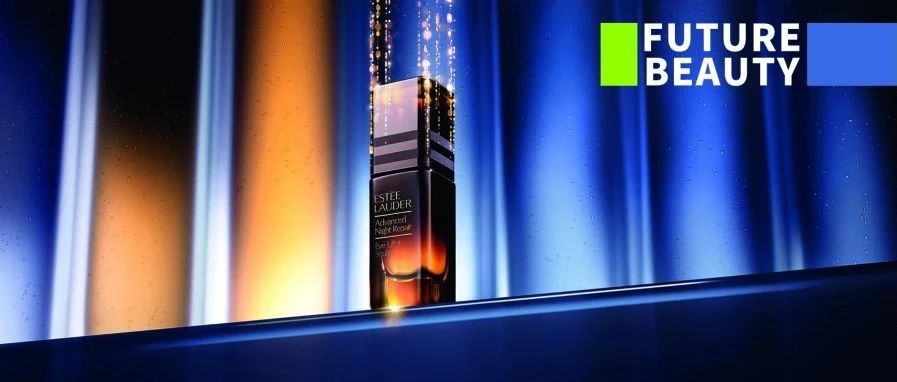
揭秘:雅诗兰黛首款“院线级”眼霜有多少科技含金量?
FBeauty未来迹· 2025-08-11 09:57
Core Viewpoint - The article discusses the launch of Estée Lauder's new eye cream, the "Micro-Sculpting Eye Cream," which aims to bridge the gap between cosmetic and medical beauty, addressing long-standing consumer pain points in eye care and leading the trend of dual beauty integration [3][4][28]. Market Context - The eye care market in China is experiencing rapid growth and intense competition, with increasing consumer demand for youthful appearance, particularly among younger demographics and men [23][24]. - The market for eye care products is evolving from basic moisturizing tools to "precise anti-aging solutions," driven by the integration of medical aesthetics and daily care [23][24]. Product Launch and Features - Estée Lauder's new eye cream is positioned as a "clinic-level anti-aging" product that simulates three major cosmetic procedures: Botox, Thermage, and hyaluronic acid fillers [16][27]. - The cream incorporates advanced technologies, including a blend of peptides and hyaluronic acid, to achieve effects similar to those of medical procedures without the associated side effects [16][19][20]. Consumer Insights - The demand for eye area rejuvenation is increasing, with consumers prioritizing safety, long-lasting effects, and comprehensive anti-aging solutions [6][12]. - The product aims to empower consumers to take proactive steps in their daily skincare routines, moving away from reliance on medical procedures [27][28]. Scientific Backing - Clinical trials presented at a leading dermatology conference demonstrated the effectiveness of the new eye cream in improving the appearance of the eye area, with significant percentages of participants reporting visible improvements [21][20]. - The product's formulation is supported by over 40 years of research and development in nighttime repair and eye care, establishing a strong scientific foundation for its claims [24][27]. Competitive Positioning - Despite competition from domestic brands and white-label products, Estée Lauder maintains a leading position in the eye care market, evidenced by its top sales figures in online platforms [23][24]. - The brand's long-standing commitment to research and innovation has allowed it to stay at the forefront of the eye care segment, continuously adapting to market trends and consumer needs [24][27].

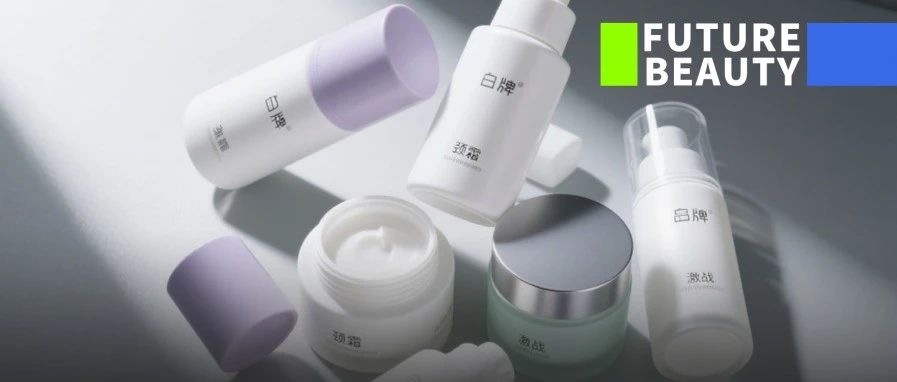
巨头缺席,白牌称王?美妆细分赛道的隐秘战争
FBeauty未来迹· 2025-08-08 12:38
Core Viewpoint - The beauty industry is experiencing a shift where traditional giants are being challenged by agile "white label" players, particularly in niche segments that have been overlooked by major brands, leading to significant growth in these areas [3][4]. Market Trends - The online beauty market has seen multiple niche categories with transaction growth rates exceeding 50% in the first half of the year, driven primarily by white label brands rather than mainstream giants [7][8]. - Eight beauty subcategories have shown remarkable growth, including body makeup, men's hair care, and foot care, with white label brands playing a crucial role in this expansion [7][8]. Performance Data - Specific high-growth categories include: - Body makeup: 0.36 billion, up 767.92% - Men's hair care: 5.12 billion, up 131.50% - Foot care: 8.04 billion, up 102.48% - Neck care: 7.60 billion, up 73.51% - T-zone care: 8.46 billion, up 69.00% - Men's makeup: 2.00 billion, up 53.57% [8][11]. Competitive Landscape - White label brands have a significant presence in the top 10 rankings of various high-growth categories, particularly in neck care and foot care, indicating their ability to capture market share in less saturated segments [11][12][15]. - The neck care market, for instance, has seen a 73.51% year-on-year growth, with approximately 70% of the top brands being white labels [11][18]. Consumer Insights - The rise of white label brands in niche markets suggests a deeper understanding of consumer needs and a successful strategy to address previously unmet demands [29][32]. - The marketing strategies employed by these brands often focus on "appearance anxiety" and emphasize product efficacy, resonating well with consumers [24][27]. Strategic Implications - The success of white label brands highlights the potential for innovation in product forms and marketing strategies to activate consumer demand in niche segments [29][30]. - Companies in the beauty industry should consider agile responses to market changes and leverage emerging platforms like Douyin for targeted marketing [31][32].
遭爱茉莉太平洋公开否认,虚假背书乱象敲响行业警钟
FBeauty未来迹· 2025-08-07 13:42
Core Viewpoint - The strategic partnership between Harbin Runbentang Daily Necessities Co., Ltd. and Amorepacific Group was abruptly terminated, raising concerns about the legitimacy of the partnership and the company's operations [3][12][14]. Group 1: Background of the Event - On July 22, a personal account named "Central Radio Health" announced a strategic partnership between Runbentang and Amorepacific Group, including photos of supposed executives and detailed cooperation dimensions [5]. - Following this, on July 25, another article claimed that Runbentang had secured a product liability insurance of 2 million yuan from China Pacific Insurance [7]. - On August 2, an article stated that Amorepacific had invested 1 trillion Korean won (approximately 5.4 billion yuan) in the partnership, which was said to be in the nationwide recruitment phase [9]. Group 2: Denial and Termination - On August 5, Amorepacific Group issued an official statement denying any business dealings with Runbentang, labeling the partnership as fictitious [12][14]. - Despite the denial, Runbentang announced the termination of the partnership on August 6, citing "strategic assessment" as the reason [14][17]. Group 3: Company Legitimacy Concerns - Runbentang was established on May 26, 2025, with a registered capital of 50 million yuan, but its actual capital information is blank [19]. - The company claims to have a trademark for "Hanji Run" and has faced scrutiny regarding the authenticity of its product liability insurance, as the effective date of the insurance policy was claimed to be before the products were officially registered [20][23]. Group 4: Media and Information Integrity Issues - The "Central Radio Health" account lacks official certification and raises questions about the authenticity of its content, potentially violating regulations against impersonating news media [24][25]. - The article about the partnership gained significant traction on the "Meipian" platform, particularly among older demographics, highlighting the potential for misinformation to spread in vulnerable groups [27]. Group 5: Industry Implications - The incident serves as a warning for compliance in the cosmetics market, emphasizing the need for companies to provide verifiable claims and adhere to regulations to avoid severe penalties [29]. - It also highlights the necessity for platforms to enhance information governance and user protection, particularly in verifying the identities of accounts that may mislead consumers [29].

拜尔斯道夫的当务之急,在于“大胆地卷”
FBeauty未来迹· 2025-08-07 13:42
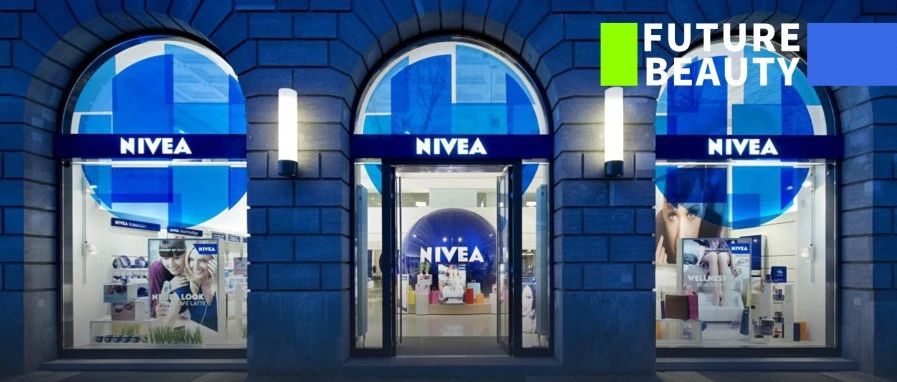
Core Viewpoint - The global beauty industry is facing growth bottlenecks, and Beiersdorf is not immune to this trend, as indicated by its recent financial report for the first half of 2025, which reveals performance slowdowns, profit pressures, and brand performance disparities [2][4]. Financial Performance - Beiersdorf reported revenue of €5.188 billion (approximately ¥434.45 billion), a year-on-year increase of 0.2% (organic growth of 2.1%), which is a significant slowdown compared to last year's 4.3% (organic growth of 7.1%) [8]. - The consumer goods segment, which accounts for over 80% of total revenue, generated €4.33 billion (approximately ¥362.6 billion), remaining flat year-on-year (organic growth of 1.9%) [8]. Brand Performance - The Derma brand continues to act as a "growth engine," with strong performances from Eucerin and Aquaphor driving a growth of 10.5% (organic growth of 12.2%) [10]. - Conversely, the luxury skincare brand La Prairie saw a decline of 10.8% (organic decline of 10.7%), despite achieving 3% growth in China during Q2, reflecting the broader trend of low demand in the global high-end market [10]. - Nivea, the largest brand in the consumer segment, experienced a decline of 1.2% (organic growth of 1.0%), indicating a critical period of brand adjustment [10]. Strategic Adjustments - Beiersdorf has lowered its full-year guidance for 2025, adjusting the organic sales growth target from 4-6% to approximately 3%, and the EBIT margin expectation from a 50 basis point increase to a 20 basis point increase [12]. - The company is focusing on innovation to drive growth, with plans for a significant new product launch from Nivea, the "Epigenetic Essence," set to launch in September across 30 countries [19][20]. Market Dynamics in China - In China, Beiersdorf has shown significant structural adjustments and channel breakthroughs, with La Prairie achieving 3% organic growth, primarily driven by a 36% surge in e-commerce sales [15][26]. - Nivea is undergoing structural adjustments, particularly in lower-tier cities, where it is shifting from low-margin products to higher-end offerings, aiming to better align with consumer preferences [17]. - The upcoming launch of Nivea's epigenetic essence is expected to be the largest product launch in the company's history, with a price point 40-50% lower than Eucerin, aiming to capture a larger consumer base [19][20]. Future Outlook - Beiersdorf's growth in China will depend on its ability to penetrate core segments and compete effectively against rivals in terms of efficiency and content [22]. - The company is strategically focusing on the skincare segment, reducing low-margin SKUs, and introducing innovative products to attract a broader consumer base [22][24]. - The successful performance of Eucerin and the recovery of La Prairie in the e-commerce space are seen as positive indicators for future growth [20][26].
资生堂中国下滑10%,却成关键“利润高地”
FBeauty未来迹· 2025-08-06 14:07
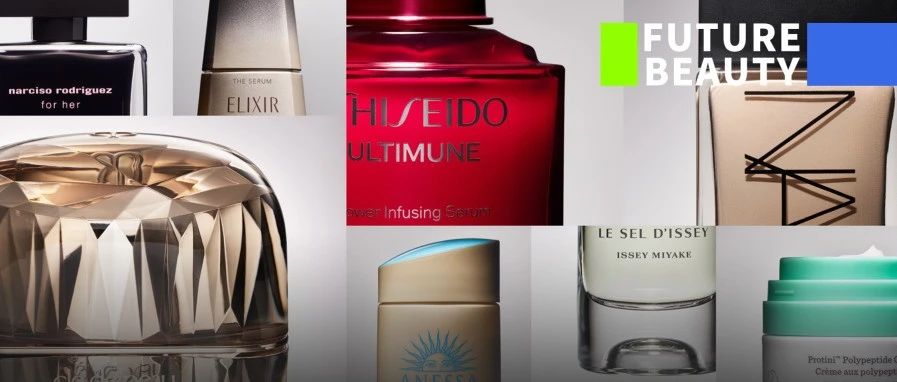
Core Viewpoint - Shiseido Group reported a 7.6% decline in net sales for the first half of 2025, totaling 469.83 billion yen (approximately 22.86 billion RMB), while core operating profit increased by 21.3% to 233.72 billion yen (approximately 11.37 billion RMB) [3][9][10] Financial Performance Summary - The overall performance of Shiseido in the first half of 2025 shows a significant improvement in profitability despite a challenging market environment [7][14] - The decline in net sales is attributed to adverse factors in the overseas cosmetics market, particularly in China and travel retail, where both net sales and core operating profit decreased [10][19] - The core operating profit growth of 21.3% aligns with the group's expectations, driven by structural reforms in the Japanese business and effective cost management [9][10] Regional Performance Breakdown - **Japan**: Net sales of 145.87 billion yen (-0.4%), core operating profit increased by 207.5% to 19.51 billion yen [10] - **China and Travel Retail**: Net sales of 173.84 billion yen (-10.0%), core operating profit decreased by 15.6% to 38.81 billion yen [10][17] - **Asia-Pacific**: Net sales of 33.66 billion yen (-0.5%), core operating profit at -1.29 billion yen [10] - **North America**: Net sales of 51.47 billion yen (-9.0%), core operating profit at -5.83 billion yen [10] - **Emerging Markets**: Net sales of 59.50 billion yen (-3.8%), core operating profit at -2.56 billion yen [10] - **Other Regions**: Net sales of 5.39 billion yen (-25.8%), core operating profit at -0.90 billion yen [10] Brand Performance Insights - Core brands showed positive growth when excluding the performance in China and travel retail markets [11] - The Shiseido and CPB brands faced challenges in the Chinese market, impacting overall performance [7][19] Strategic Outlook - Shiseido maintains its full-year sales forecast of 995 billion yen and core operating profit of 36.5 billion yen for 2025, indicating a focus on stabilization amid ongoing structural reforms [22][23] - The company is implementing a two-year action plan (2025-2026) aimed at enhancing profitability and establishing a resilient business model [23][25] - The group emphasizes a shift towards sustainable profit growth rather than mere scale expansion, reflecting a broader trend in the cosmetics industry [26]
解锁七夕礼赠新范式,SK-II用“一束花”引燃情绪经济
FBeauty未来迹· 2025-08-06 14:07
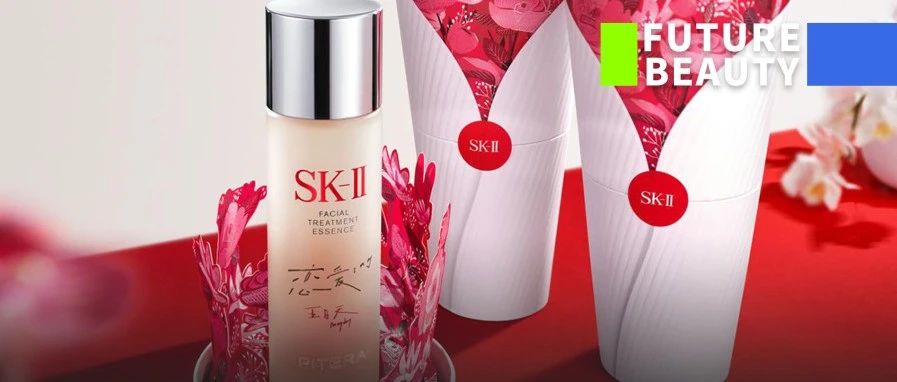
Core Viewpoint - The high-end beauty market in China is facing growth challenges, and "emotional value" is becoming a key to breaking through these challenges. The emotional consumption market in China is expected to exceed 2 trillion yuan, highlighting the need for beauty brands to meet consumers' deeper emotional needs [3][26]. Group 1: Emotional Value in Marketing - The integration of emotional value into marketing strategies is essential for beauty brands to resonate with consumers and achieve commercial success [3][4]. - SK-II's collaboration with the band Mayday during the Qixi Festival exemplifies a successful emotional marketing strategy, creating a "super communication" event that resonates widely with consumers [4][19]. - The "Jingxi Flower Shop" pop-up store created by SK-II during the Qixi Festival attracted significant consumer engagement and social media buzz, showcasing the brand's ability to connect emotionally with its audience [5][15]. Group 2: Product Innovation and Customization - SK-II's "Flower Bouquet" gift box, featuring a romantic floral design, symbolizes happiness and vitality, and allows for consumer customization, enhancing its emotional value [7][21]. - The product's design and the incorporation of Mayday's song "Loveing" as a theme create a unique emotional connection, making the product a "gift of emotional art" rather than just a beauty item [7][21]. Group 3: Consumer Engagement and Experience - The offline pop-up store transformed the marketing experience into an emotional engagement platform, shifting from a sales-focused approach to an experience-driven model [17][19]. - The marketing strategy effectively utilized social media to encourage consumer participation and sharing, creating a viral effect that amplified the brand's reach [13][24]. Group 4: Long-term Brand Strategy - SK-II's marketing approach reflects a deep understanding of emotional economics, focusing on long-term emotional connections rather than short-term emotional releases [34][36]. - The brand's consistent engagement with consumers through various campaigns has established it as an emotional symbol, fostering a strong emotional bond with its audience [32][34]. Group 5: Market Trends and Insights - Research indicates that the compound annual growth rate of China's high-end beauty market is declining, necessitating a shift in marketing strategies to rebuild brand perception and consumer relationships [26][27]. - SK-II's ability to adapt to these market changes by emphasizing emotional value and consumer connection positions it as a leader in the evolving beauty landscape [26][29].
警惕!美妆科学传播,开始被吐槽没有“活人感”了
FBeauty未来迹· 2025-08-05 14:11
Core Insights - The article emphasizes that scientific communication is becoming a new "lifeline" for beauty brands, as consumers increasingly demand rigorous and verifiable data to support product claims [2][14][36] - The shift in consumer focus has moved from simply asking about ingredients to questioning the effectiveness and proof of those ingredients [3][19] Consumer Perception - A survey indicated that only about 25% of consumers fully trust brands' self-declarations, with 56% preferring clinical test results with control groups to establish trust [6][14] - Over 70% of consumers want brands to clearly label the concentration of key ingredients, reflecting a demand for transparency [6][30] Evolution of Consumer Knowledge - Consumers have evolved from ingredient-focused to understanding the mechanism of action, with 33% able to grasp how ingredients work in skincare [9][19] - Nearly 90% of consumers are familiar with professional concepts like "transdermal absorption," and 48.25% have researched these concepts further [10][14] Trust and Verification - The article highlights that 68.09% of consumers believe that "laboratory data does not equal real-world effectiveness," indicating skepticism towards brand claims [15][19] - Consumers are increasingly constructing a "triangular verification" model, relying on brand information, expert evaluations, and personal experiences [23][27] Demand for Scientific Communication - Consumers prefer engaging and relatable scientific communication, with 71.6% favoring short videos or animations to explain ingredient principles [28][30] - There is a strong demand for verifiable data, with 70.2% of consumers wanting clear labeling of core ingredients and their effective concentrations [30][34] Pricing Sensitivity and Value Perception - Over 80% of consumers are willing to pay a premium for products backed by solid scientific research, with 20% willing to pay over 20% more for technology [19][21] - The core logic of consumer purchasing decisions has shifted to a formula where perceived value equals the cost of science divided by verifiable actual effects [19][21] Future Directions for Brands - Brands need to build a multi-dimensional communication system that moves beyond ingredient stacking and scientific jargon to include data and experiential evidence [34][36] - A proposed "scientific communication scoring system" could significantly influence purchasing decisions, emphasizing transparency and verifiability [34][36]