FBeauty未来迹

Search documents
双11第17年,为什么说自然堂是大促破局的“最优解”?
FBeauty未来迹· 2025-11-18 12:43
Core Viewpoint - The article discusses how the competitive landscape of the Double Eleven shopping festival has evolved from a focus on short-term traffic acquisition to a long-term strategy centered on brand trust and consumer loyalty, exemplified by the Chinese beauty brand Chando's innovative approach during this year's event [4][5][22]. Group 1: Chando's Strategy - Chando implemented a significant "1 billion RMB subsidy" strategy, moving away from price wars to focus on brand value and consumer trust [4][6][13]. - The brand's approach included a comprehensive marketing strategy that combined subsidies, celebrity endorsements, and extensive outreach to maximize consumer engagement [7][14]. - Chando's subsidy initiative was designed to create a perception of sincerity and inclusivity, effectively countering consumer fatigue from traditional promotional tactics [7][10]. Group 2: Market Trends - The article highlights a shift in consumer behavior, with 51.27% of users motivated by the price of essential goods, while impulsive buying driven by promotional atmospheres has decreased to 24.94% [12]. - Consumers are increasingly focused on quality-price ratios, indicating a demand for high-value products rather than mere discounts [12][13]. Group 3: Execution and Impact - Chando's marketing matrix included a multi-channel approach, ensuring that the "1 billion subsidy" was effectively communicated across all platforms, enhancing user experience and brand perception [15][21]. - The brand's collaboration with global ambassador Gong Jun significantly boosted visibility and consumer trust, leading to impressive engagement metrics during the campaign [16][17]. - Chando achieved remarkable sales growth during Double Eleven, with offline sales increasing by over 50% and online sales seeing a growth of over 30% in key categories [25]. Group 4: Long-term Considerations - The article emphasizes the importance of continuous product innovation, customer service, and compelling brand narratives to convert new customers into loyal ones post-promotion [27]. - Chando's success during Double Eleven is seen as a case study for navigating the challenges of promotional sameness in the market, focusing on value commitment and brand trust [22][27].


重磅 | 国药监“新24条”,绘出中国美妆从大到强的路线图
FBeauty未来迹· 2025-11-17 12:49
Core Viewpoint - The article discusses the release of the "Opinions on Deepening Cosmetic Regulation Reform to Promote High-Quality Development" by the National Medical Products Administration, which outlines 24 reform opinions and 48 specific measures aimed at modernizing the regulatory system and upgrading the cosmetic industry in China by 2035 [4][5][21]. Group 1: Reform Objectives - The document aims to achieve a regulatory system that meets international advanced standards by 2035, enhancing the innovation capacity and global competitiveness of the cosmetic industry [4][21]. - It sets a two-step goal: by 2030, to improve regulatory frameworks and risk management systems, and by 2035, to fully modernize the regulatory approach [21][22]. Group 2: Key Reform Areas - Encouraging innovation by establishing fast-track review channels for new efficacy cosmetics and supporting the development of products for the elderly [6][13]. - Optimizing registration and filing management to enhance service efficiency, including simplifying documentation and establishing a collaborative review mechanism [7][25]. - Strengthening production and operational supervision to build a risk prevention system, including differentiated regulatory measures based on risk levels [8][27]. - Solidifying technical support to modernize regulatory capabilities, including enhancing the review and inspection workforce and promoting the use of artificial intelligence [10][31]. - Promoting international alignment to enhance global competitiveness, including reducing animal testing requirements and improving the adaptability of raw materials [11][30]. Group 3: Highlights of the Reform - Establishing a fast-track review mechanism for new efficacy products to stimulate research and development [13][16]. - Positioning China as a global launch site for new products by removing barriers to international product launches [14][16]. - Focusing on the "silver economy" by encouraging the development of cosmetics tailored for the elderly [15][16]. - Implementing electronic label trials to enhance consumer experience and support sustainable development [15][16]. - Improving the quality management system within three years to address industry weaknesses [18][24]. Group 4: Industry Context - The Chinese cosmetic market is projected to exceed 1 trillion yuan by 2024, becoming the largest global market, with over 2.3 million product registrations as of October 2025 [18][24]. - Despite rapid growth, the industry faces challenges such as insufficient innovation capabilities and a lagging quality management system [18][19][24]. - The article emphasizes the need for a modernized regulatory framework to address these challenges and enhance the industry's competitiveness on a global scale [20][22].

深度 | 36天长跑,2025双十一折射出美妆行业下一轮变革
FBeauty未来迹· 2025-11-15 09:03
Core Insights - The 2025 Double Eleven event concluded with a total transaction volume of 169.5 billion yuan, marking a year-on-year growth of 14.2% [3] - The event has shifted from a "single-point explosive promotion mechanism" to a "long-cycle comprehensive operational test" [4][25] - The importance of omnichannel operational capabilities has been emphasized, with brands and platforms undergoing significant transformations [4] Sales Performance - Household appliances and mobile digital devices contributed the most to overall growth, with clothing in third place and personal care and beauty products maintaining a steady fourth position with an 8.2% market share [5] - The beauty and skincare category dominated with sales of 99.1 billion yuan, showing a year-on-year growth rate of 11.65% [9] Market Dynamics - The top brands in the beauty and skincare category remained stable, indicating strong brand power and supply chain resilience [10] - Significant changes were observed from the second to fifth positions, with brands like 修丽可 and 赫莲娜 entering the top ranks, reflecting a shift towards a new competitive landscape [12] - In the fragrance and makeup categories, foreign brands maintained dominance, while domestic brands like 毛戈平 and 卡姿兰 began to establish their presence [14] Channel Strategies - Tmall's beauty rankings are dominated by international brands, while Douyin showcases a strong presence of domestic brands, indicating a divergence in channel strategies [16] - The growth structure of beauty brands has evolved to include "influencer-driven hits + brand self-broadcasting + big-ticket items" [17] Promotional Strategies - The promotional period for Double Eleven has extended beyond 30 days, with brands focusing on pre-sale strategies to optimize inventory and marketing efforts [21][22] - The sales curve has diversified, with brands employing strategies to create peaks in sales during different phases of the promotional cycle [24] AI Integration - AI has begun to permeate consumer decision-making and merchant operations, enhancing the shopping experience and operational efficiency [27][28] - Platforms like Tmall and JD have introduced AI-driven services to assist consumers and merchants, significantly improving operational capabilities [30][32][35] - The integration of AI is reshaping the competitive landscape, emphasizing the importance of technological efficiency over resource density [39][40] Industry Evolution - The Double Eleven event has evolved into a cultural phenomenon, reflecting broader trends in consumer behavior and brand strategies [41] - Platforms are increasingly differentiating their strategies, with Tmall focusing on a comprehensive consumption platform and Douyin emphasizing content-driven commerce [42] - User engagement is shifting from transactional relationships to long-term asset accumulation, with brands leveraging membership tools to enhance customer loyalty [43] - The value of Double Eleven is transitioning from mere transaction efficiency to ecosystem empowerment, fostering a more rational and long-term relationship among platforms, brands, and consumers [45]


“全球首款量子护肤”亮相,高丝以科技创新重塑日妆竞争力
FBeauty未来迹· 2025-11-14 09:55
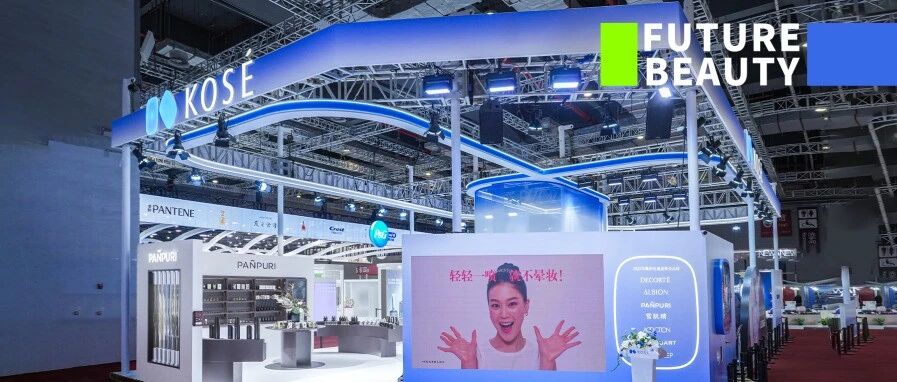
Core Insights - Kose Group is transitioning from a defensive strategy to a strategic offensive approach in the Chinese market, emphasizing localization and technological differentiation in response to the evolving beauty market dynamics [3][31]. Group 1: Kose's Market Strategy - Kose has participated in the China International Import Expo for five consecutive years, showcasing its commitment to the Chinese market [3]. - The company aims to transform China from an "important market" to an "innovation engine" through its unique "smart beauty" logic [3][4]. - Kose's recent strategic shift includes a focus on local innovation and technology, moving away from mere scale expansion [3][31]. Group 2: Product Innovation - The launch of "Decorte AQ Active Pore Cleansing Oil," a product developed using quantum computing technology, marks a significant innovation in the cosmetics industry [5][7]. - This product is the first of its kind to apply quantum computing in cosmetics formulation, significantly reducing the time required for product development [7][10]. - Kose's research team has created a universal artificial pore model to address the complex issue of pore blockage, leading to the development of a scientifically-backed product [11][15]. Group 3: Market Performance - Kose's recent financial report indicates a remarkable 20.9% growth in the Chinese market, signaling a recovery after six consecutive quarters of decline [34]. - The company is expected to achieve profitability for the year, reflecting a successful turnaround strategy [34]. Group 4: Corporate Governance - Kose Group is transitioning to a holding company structure, marking a significant shift in its governance model, which is expected to enhance its adaptability to market changes [34][37]. - The appointment of a new CEO from within the company signifies a move towards modern corporate management practices [35][37]. Group 5: Future Outlook - Kose plans to leverage advanced technologies like quantum computing and iPS cell research to develop products tailored to Chinese consumer needs [42]. - The company is committed to expanding its brand presence and product offerings in China, aiming for a more localized approach to meet diverse consumer demands [40][41].
独家|福瑞达在这一领域拿下“全球首创”
FBeauty未来迹· 2025-11-14 09:55
Core Viewpoint - The article highlights the significant achievement of Furuida Biological Co., which has been recognized as the "global pioneer in biosynthetic royal jelly acid" by the China Flavor and Fragrance Cosmetic Industry Association, marking a major milestone in the innovation of cosmetic raw materials [3][4][25]. Group 1: Background and Significance - Royal jelly acid, a key component found in royal jelly, has been studied for its various biological activities, including antibacterial, anti-tumor, and antioxidant properties, earning it titles like "liquid gold" and "longevity factor" [9][10]. - The natural extraction of royal jelly acid is limited, with a yield of only 1.4% to 2.4%, leading to high costs and limited production capacity [10][11]. - Furuida has successfully transitioned from theoretical validation to industrial application in the biosynthesis of royal jelly acid, establishing itself at the forefront of cosmetic ingredient innovation [3][11]. Group 2: Technological Breakthroughs - Furuida has achieved several global firsts in the field of royal jelly acid technology, including the first comprehensive elucidation of its biosynthetic pathway and the first core patent for its biosynthesis method [12][13]. - The company has developed a biosynthetic process that utilizes decanoic acid as a substrate, achieving high yields and environmental friendliness, which has been validated through extensive research and experimentation [20][21]. - The biosynthetic royal jelly acid has been shown to possess the same structural characteristics and biological activity as natural royal jelly acid, demonstrating its efficacy in skincare applications [21][23]. Group 3: Market Impact and Future Directions - Furuida's product line, including the "Jingyan Jinzhi" series, has successfully entered the market, achieving notable sales rankings on platforms like Tmall, indicating strong consumer interest and validation of the product's effectiveness [16][25]. - The recognition of Furuida as a global pioneer signifies a shift in the Chinese cosmetic industry towards innovation in raw materials, moving away from reliance on imported high-end ingredients [25][28]. - The advancements made by Furuida in biosynthetic royal jelly acid not only address supply issues but also provide a sustainable model for the industry, showcasing the potential of synthetic biology in creating high-value cosmetic ingredients [27][28].


深度 | CDA2025观察:美妆医研共创迈向新高度
FBeauty未来迹· 2025-11-13 14:44
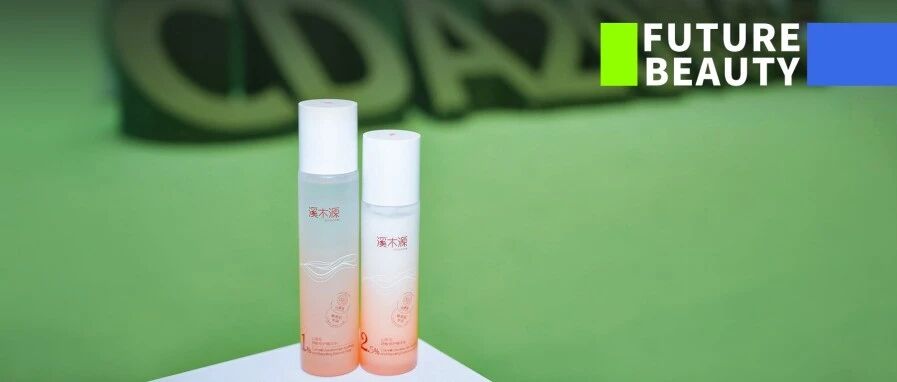
Core Insights - The beauty industry is undergoing a technological transformation, with the integration of medical research driving value upgrades in cosmetics. This dual integration of medicine and beauty is defining a new competitive logic in the industry [3][6][24]. Industry Trends - The 20th China Dermatology Association (CDA) conference showcased over 10,000 dermatologists and more than 100 companies, including both domestic and international beauty brands, highlighting the industry's focus on scientific collaboration [3][4]. - The concept of "medical-research co-creation" emerged as a key theme, with brands actively participating in discussions on how to contribute to the skin science system, moving from mere users of research to active participants in scientific understanding and industry standards [7][24]. Brand Innovations - Winona, a brand known for its scientific foundation, showcased its "NUTE" principle at CDA 2025, which emphasizes clinical needs, unique mechanisms, technology empowerment, and credible evidence in product development [10]. - HBN, a domestic skincare brand, initiated the establishment of a group standard for "Cosmetic Efficacy Evidence Weight Assessment Guidelines," aiming to shift the industry from experience-driven to evidence-based competition [11][13]. - Estee Lauder's Clinique presented a white paper on the causes and distribution patterns of post-inflammatory hyperpigmentation, demonstrating the brand's commitment to scientific validation [14][16]. Research and Development - The integration of research and clinical application is evident in the initiatives taken by brands like Giant Bio and Zhenyan Bio, which are expanding the boundaries of medical-research co-creation through innovative collagen products and clinical studies [20][22]. - The collaboration between brands and medical experts is evolving, with companies like Ximu Yuan conducting extensive research on sensitive skin, showcasing a shift from being mere users of research to contributors to scientific inquiry [24][25]. Future Outlook - The CDA conference highlighted a significant shift in the beauty industry towards a more scientific and collaborative approach, with brands, medical institutions, and research organizations forming a new ecosystem that emphasizes shared data and mutual advancement [47][48]. - The focus on original ingredient research is becoming a core strategy for leading domestic brands, as they aim to differentiate themselves from homogenized competition [38][39].



告别“概念宣称”乱象,行业迎来首个功效实证“金标准”
FBeauty未来迹· 2025-11-13 14:44
Core Viewpoint - The article discusses the establishment of a scientific "evidence weight" assessment system for cosmetic efficacy claims, led by the domestic skincare brand HBN in collaboration with the China Quality Inspection Institute's Cosmetics Technology Center. This initiative aims to address consumer confusion regarding the reliability of efficacy claims in the skincare industry and to create a credible standard for evaluating such claims [5][10][12]. Group 1: Industry Challenges and Developments - The skincare industry is transitioning from an "era of claims" to an "era of verification," with the National Medical Products Administration of China having issued guidelines for evaluating efficacy claims in 2021 [8]. - Despite the influx of efficacy data, the industry faces challenges such as insufficient scientific rigor, fragmented evidence chains, and unclear supporting logic, leading to a situation where the quantity of evidence does not equate to quality [8][10]. - A survey indicated that 68.09% of consumers believe that "laboratory data does not equal real effects," highlighting skepticism towards efficacy claims and concerns over misleading marketing practices [10][11]. Group 2: HBN's Role and Innovations - HBN has taken the initiative to establish a scientific assessment standard for cosmetic efficacy, addressing industry issues and consumer expectations by creating a credible evaluation system for efficacy evidence [12][13]. - The brand has developed a rigorous "full-link multi-dimensional verification system" that includes AI molecular prediction, laboratory research, and real-world testing, ensuring that product efficacy is scientifically validated [17][22]. - HBN's commitment to scientific rigor and long-term research investment has positioned it as a leader in the industry, with over 40 published international SCI papers and more than 5,000 third-party efficacy tests conducted [25][27]. Group 3: Future Implications and Industry Impact - The establishment of the efficacy assessment standard is expected to enhance the overall quality and transparency of the skincare industry, fostering consumer trust and encouraging brands to adopt more rigorous scientific methods [13][22]. - HBN's approach represents a shift towards a more responsible and scientifically grounded skincare market, aiming to bridge the gap between laboratory results and consumer experiences [12][28]. - The brand's focus on foundational research and open innovation is seen as a sustainable path for growth, distinguishing it from competitors that rely on rapid trends and financing [27][28].

专访 | 以“生活者”之名,解码花王138年的创新密码
FBeauty未来迹· 2025-11-12 12:44
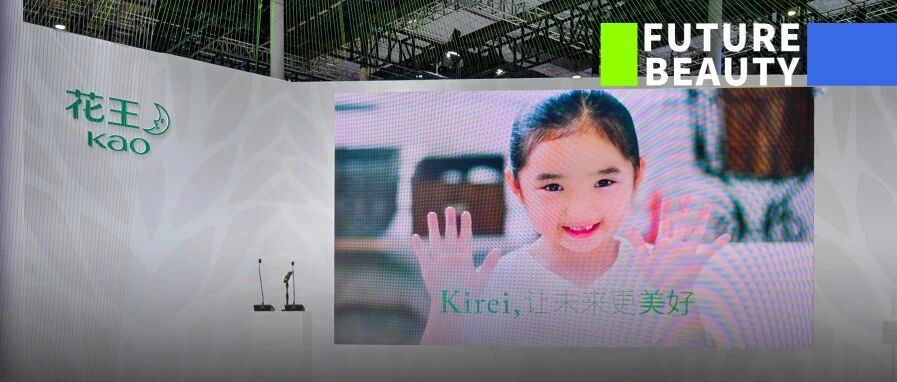
Core Viewpoint - The essence of business is to serve "living individuals" rather than just "consumers," reflecting Kao's 138-year philosophy of understanding people in their specific life contexts [2][3]. Group 1: Kao's Business Philosophy - Kao emphasizes the importance of understanding the desires and needs of individuals in their daily lives, focusing on how products integrate into and enhance their routines [3]. - The concept of "living individuals" shifts the focus from mere product usage to the overall experience and emotional connection with the brand [8]. Group 2: Innovation and Local Adaptation - At the China International Import Expo, Kao launched the VIC (Value Innovation Center) showcasing its commitment to innovation and quality, highlighting the integration of global innovation with local needs [5][6]. - The VIC area presents Kao's historical achievements and its consumer co-creation approach, emphasizing the transformation of user pain points into innovative solutions [6][10]. Group 3: Financial Performance - In the first three quarters of the year, Kao's cosmetics division achieved sales of 181.2 billion yen (approximately 84.1 billion RMB), with a year-on-year growth of 4.9%, and an operating profit of 30 billion yen (approximately 1.4 billion RMB) [10]. - The third quarter saw a significant sales increase of 10.6%, indicating a strong recovery trend in the cosmetics business [10]. Group 4: Localization Strategy - The establishment of the global headquarters for Freeplus in Shanghai marks a strategic shift towards localization, allowing for "China-defined" global R&D [12][20]. - Kao's localized approach has led to faster product development cycles, with new products being launched in China at a pace more than double that of Japan [14][20]. Group 5: ESG Commitment - Kao has integrated sustainability into its product development and supply chain management, achieving significant milestones in environmental responsibility [22][24]. - The company has been recognized for its green supply chain practices, ranking first in the IPE green supply chain for 11 consecutive years [24]. Group 6: Future Outlook - Kao aims to deepen collaboration with local academic institutions and industry partners to create an innovative ecosystem addressing environmental and health challenges [10][26]. - The company's long-term vision includes expanding its localized products to the Asia-Pacific market, reinforcing the importance of "Made in China" in the global value chain [20][26].
深度|2025“双11”观察:美妆赛道头部平台何以强者恒强?
FBeauty未来迹· 2025-11-12 12:44
Core Insights - The 2025 "Double Eleven" event marked a significant commercial transformation, with a total transaction volume of 1,695 billion yuan, reflecting a year-on-year growth of 14.2% [2] - Tmall maintained its dominance in the e-commerce sector, capturing 50.19% of total transaction volume across five major platforms and 59.8% among three comprehensive platforms [2] E-commerce Performance - Tmall Beauty accounted for 61% of the transaction volume among Tmall, JD, and Douyin, up from 50.9% in 2024, indicating an expanding market share [3] - The 88VIP membership program significantly contributed to Tmall Beauty's growth, with brands like Proya and Estée Lauder achieving over 100 million yuan in sales within minutes of the event [3][4] Membership Growth - The 88VIP program saw a compound annual growth rate (CAGR) of 13% from January 2024 to November 2025, indicating a strong increase in brand engagement [4] - By the second quarter of 2025, the total number of 88VIP members reached 53 million, with a peak increase of 7 million members in a single quarter [6] Consumer Segmentation - The high-value consumer segments, identified as "Beauty Explorers" and "Luxury Care Enthusiasts," spend significantly more on beauty products compared to the average market consumer [10] - 62% of the spending from "Beauty Explorers" comes from online channels, highlighting the importance of digital platforms in reaching this demographic [10] Brand Ecosystem - Tmall has evolved from a channel pioneer to a brand incubator and a partner for guaranteed growth, showcasing its robust ecosystem for beauty brands [12] - The platform hosts over 35,000 active beauty brands, with a survival rate of over 60%, indicating a healthy commercial environment [13][14] Consumer Behavior Trends - In 2025, consumer satisfaction during "Double Eleven" was primarily influenced by product attributes and experiences rather than promotions and pricing, with 43% of consumers prioritizing these factors [17] - This shift in consumer focus aligns with Tmall Beauty's strategy of fostering high-quality user relationships and a strong brand ecosystem [27] New Product Launches - Nearly 40,000 brands launched 245,000 new products on Tmall in the month leading up to "Double Eleven," a 46% increase from the previous year [19] - Tmall's new product promotion ecosystem, enhanced by AI tools, has streamlined the process from market insight to product launch, significantly improving the chances of new product success [23] Strategic Advantages - Tmall Beauty's competitive edge is derived from a combination of deep membership engagement, a broad platform ecosystem, and precise technological innovations [28] - The focus has shifted from price competition to value creation, with Tmall leveraging technology to enhance the shopping experience and meet consumer needs [28][29]

近6000人样本实证!溪木源首发敏肌全肤质解析研究
FBeauty未来迹· 2025-11-11 11:15
Core Insights - The article emphasizes the importance of solid foundational research in the increasingly competitive Chinese skincare market, particularly regarding sensitive skin care solutions [3][5][15]. Market Evolution - The sensitive skin care segment in China has evolved from basic moisturizing (1.0) to a broader "general soothing" approach (2.0), yet solutions remain largely generalized rather than tailored [5][6]. - The prevalence of sensitive skin has surged, with 64.1% of the population affected by 2025, a significant increase from 15.9% in 2010, indicating a fourfold rise over 15 years [6][10]. Demographics and Causes - Young adults aged 18-30 represent the most affected demographic, with a sensitivity rate of 74%, meaning three out of four individuals in this age group experience some level of skin sensitivity [6][10]. - Key triggers for sensitive skin include environmental factors, lifestyle habits, and emotional stress, with the highest sensitivity rates found in humid regions like Guangzhou (88%) [6][10]. Research Findings - The study identifies two main subtypes of sensitive skin: "dry sensitive" and "oily sensitive," which together account for over 80% of cases, each with distinct physiological characteristics and care requirements [7][10][13]. - The physiological differences between dry and oily sensitive skin include variations in moisture and oil content, pore size, redness index, barrier function, and nerve sensitivity [9][10]. Product Development - The research provides critical data for product development, allowing for targeted solutions rather than one-size-fits-all approaches [7][13]. - The proprietary ingredient "Shu Min An™" was developed based on the TRPV1 receptor mechanism, showing superior soothing effects compared to traditional ingredients, particularly for post-procedure sensitivity [17][19]. Collaborative Ecosystem - The company has established a collaborative ecosystem involving top research institutions and clinical units to ensure effective translation of research into safe and effective skincare solutions [19][20]. - The integration of global scientific resources, including partnerships with renowned scientists, aims to overcome challenges in ingredient stability and absorption [20][22]. Long-term Strategy - The company focuses on long-term foundational research rather than short-term market trends, having filed 404 patents and published 52 core papers by late 2025 [22]. - This commitment to deep research and development is seen as a way to build a technological moat and drive sustainable growth in the beauty industry [22].